



























Content ITV PRO
This is Itvedant Content department
Learning Outcome
5
Differentiate between FNN, CNN, RNN, LSTM, and GAN
4
Match neural network types with real-world applications
3
Understand where each type is commonly used
2
Identify different types of Neural Networks
1
Define what a Neural Network is
we have already learned
Learned the Introduction to Deep Learning
Studied the Perceptron Model
Learned about Deep Learning frameworks:
TensorFlow
PyTorch
Keras
Imagine different types of specialists in a hospital
Handles basic cases
Eye Specialist Focused on vision
Treats memory issues
Creates new medicines
Research Lab
Memory Specialist
General Doctor
Each doctor has a specific role.
Neural Networks also work the same way. Different types of neural networks are designed for different kinds of tasks.
Some networks handle simple data
Some focus on images
Some understand sequences
Some remember long patterns
Some create new data
Just like specialist doctors solve different medical problems,
different neural networks solve different AI problems.
Neural Networks
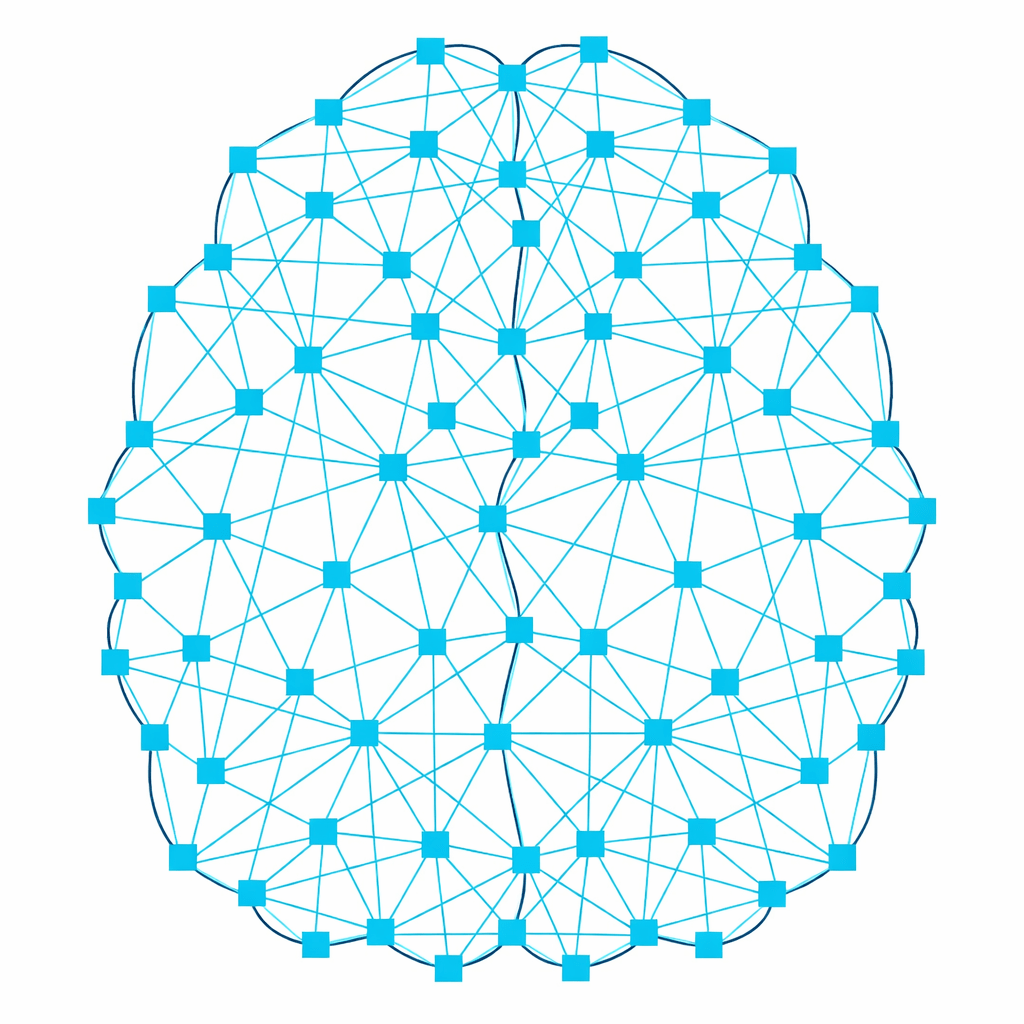
Neural Networks are a type of Artificial Intelligence (AI) algorithm that work similar to the human brain.
Neural Networks are:
Inspired by the Human Brain
Recognize Patterns
Used for Tasks
Processes Raw Data
Feedforward Neural Network (FNN)
Feedforward Neural Network (FNN) is one of the simplest types of neural networks.
It is also called a Multi-Layer Perceptron (MLP).
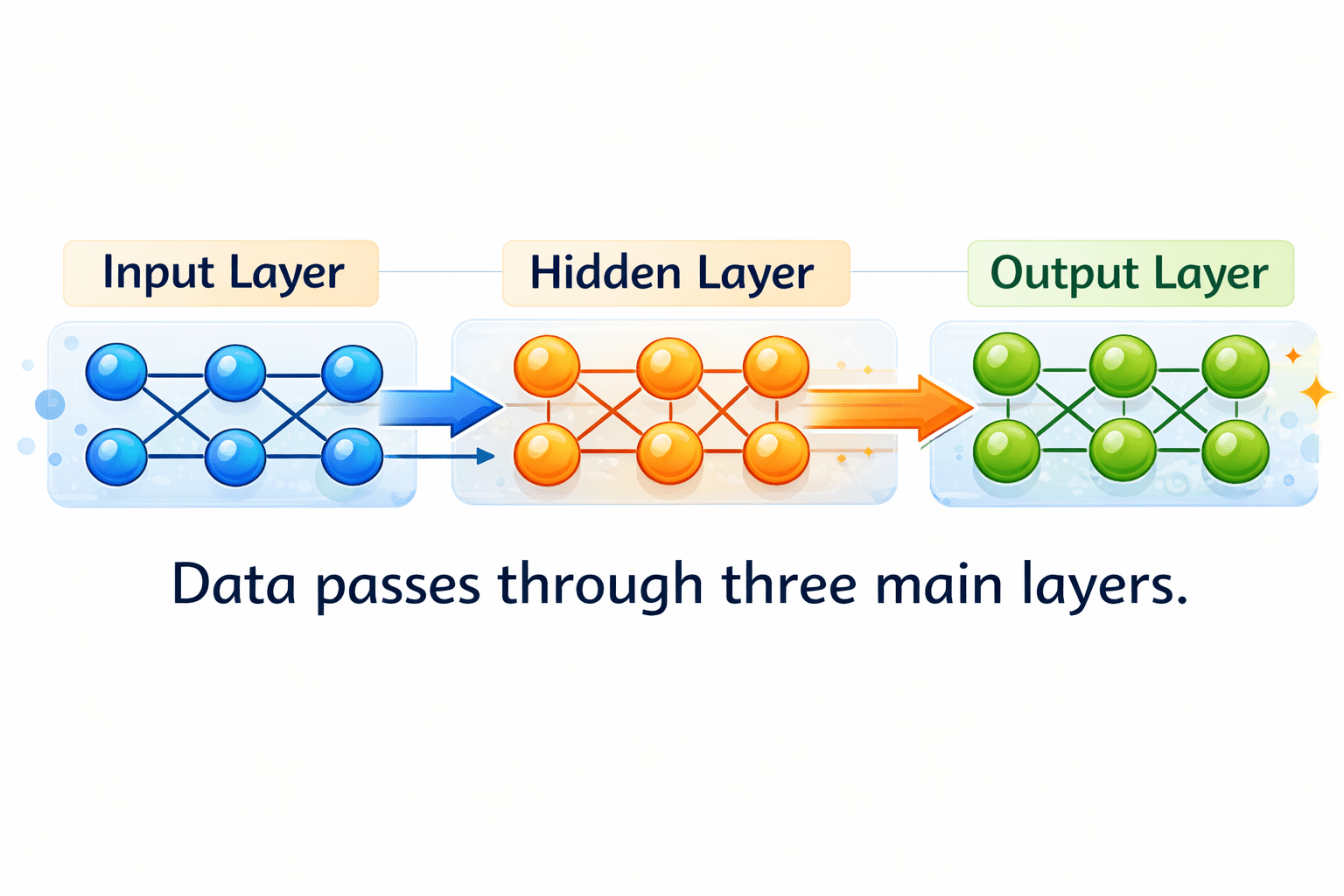
Data moves in one direction Information flows only forward, not backward.
Used for prediction tasks
It is commonly used for classification (like spam detection) and regression (predicting values like price).
Convolutional Neural Network (CNN)
Key Points
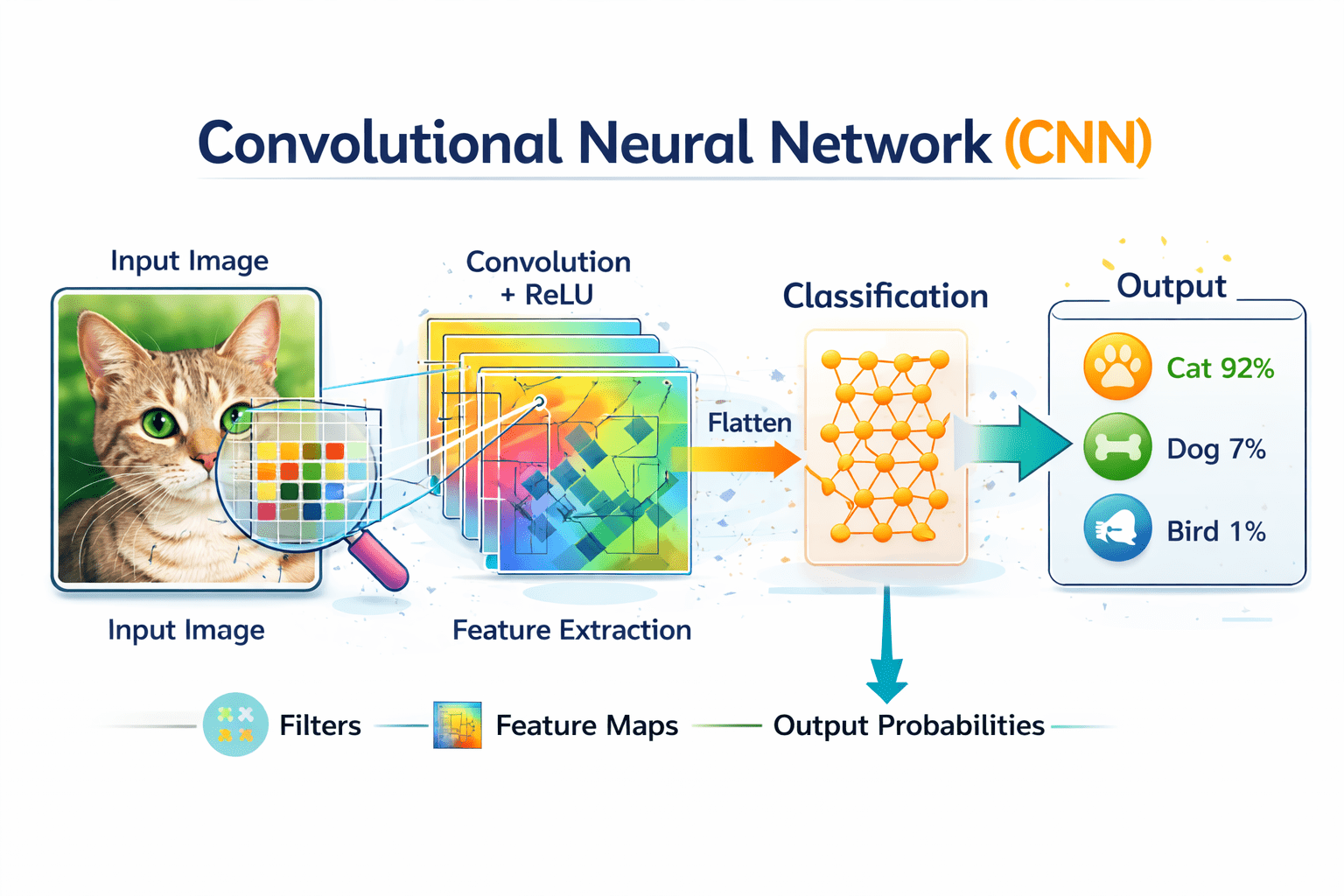
Convolutional Neural Network (CNN) is a type of neural network mainly used to analyze images and videos.
1. Best for image and video data
2. Uses filters to detect patterns
3. Detects edges, textures, and shapes
4. Used in real applications
Recurrent Neural Network (RNN)
Recurrent Neural Network (RNN) is a type of neural network that is designed to work with sequential data, where the order of information matters.
Designed for Sequence Data
RNN works with data that comes one after another in a sequence.
Used for Text, Speech, and Time Series
Because it understands sequences, RNN is used in many applications such as: Text prediction, Speech recognition, Time series prediction
Has Memory of Previous Input
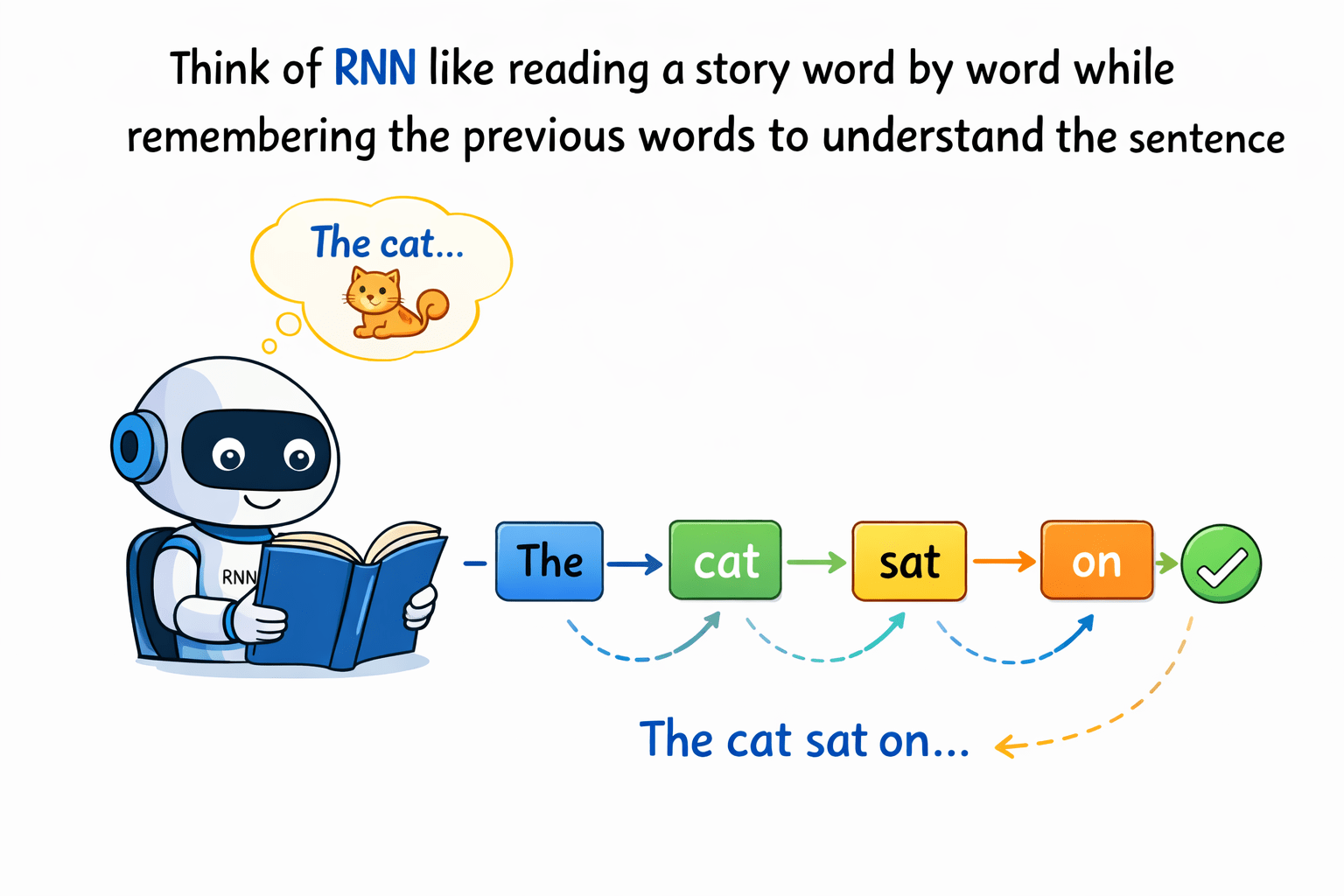
RNN has a memory feature. It remembers the previous input and uses that information to understand the next input.
Struggles with Long Sequences
RNN can remember recent information, but it often forgets information that appeared much earlier in the sequence.
Think of RNN like reading a story word by word while remembering the previous words to understand the sentence better.
Long Short-Term Memory (LSTM)
Long Short-Term Memory (LSTM) is a type of neural network used when data comes in a sequence, such as text, speech, or time-based data.
Special Type of RNN
LSTM is a type of RNN that processes data step-by-step and remembers important information for a long time.
Remembers Long-Term Dependencies
LSTM can keep important past information and use it later while making prediction
Used in Language Translation
LSTM helps translate languages by understanding the order and meaning of words in a sentence.
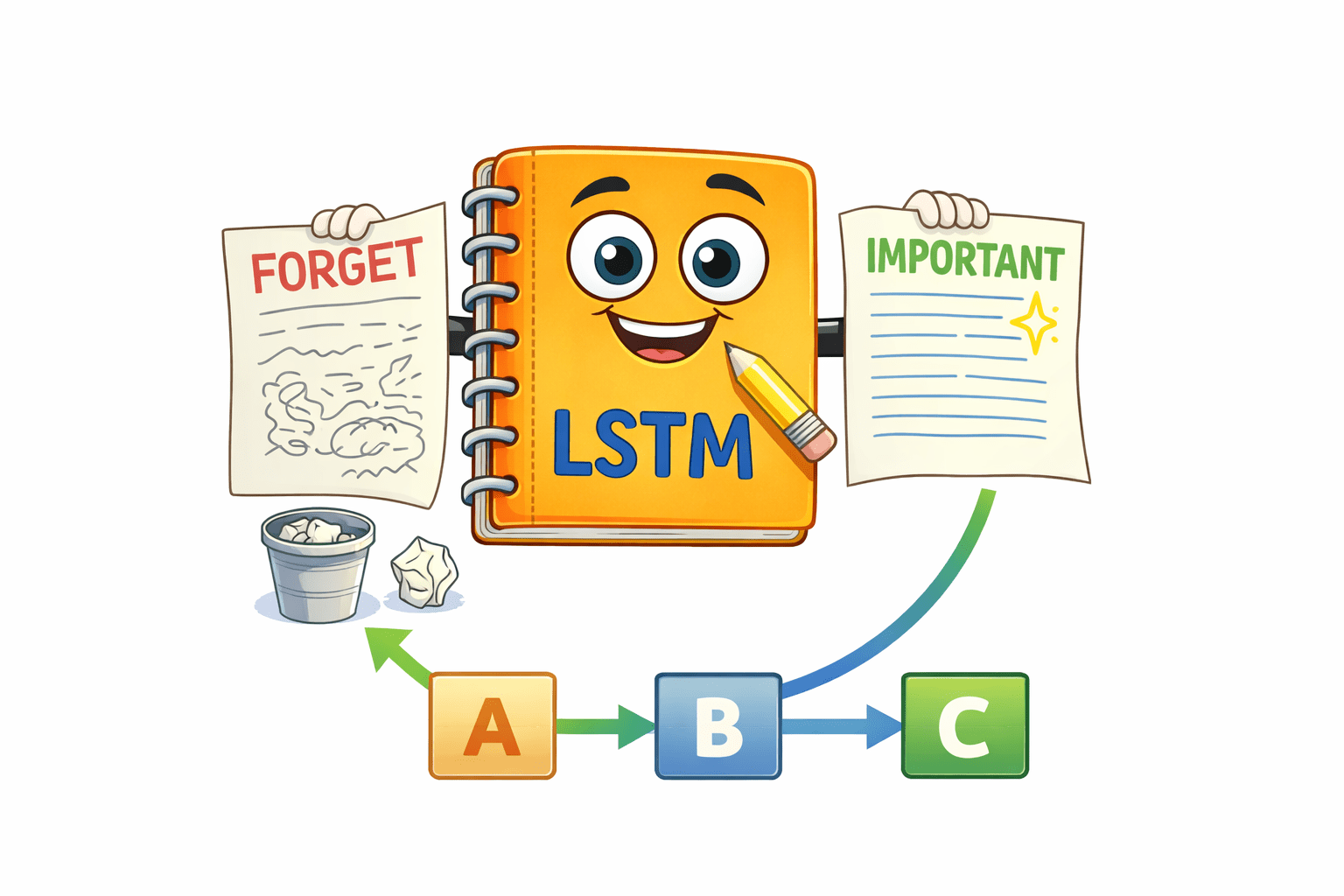
Think of LSTM like a smart notebook that remembers important information and forgets unnecessary details, helping AI understand sequences better.
Generative Adversarial Networks (GANs)
Generative Adversarial Networks (GANs) are a type of AI model where two neural networks work against each other to create new data.
Two Networks:
Generator & Discriminator
Tries to create fake data (like images).
Generator
Tries to detect whether the data is real or fake.
Discriminator
Real-World Uses
AI Art Generation
Deepfakes
Game Design
Medical Imaging
A teacher (Discriminator) checking if the painting is original or fake.
Imagine a student (Generator) drawing fake paintings
Daily Life Applications
Face Unlock → CNN
Stock Market Prediction → LSTM
Email Spam Detection → FNN
Google Translate → LSTM / RNN
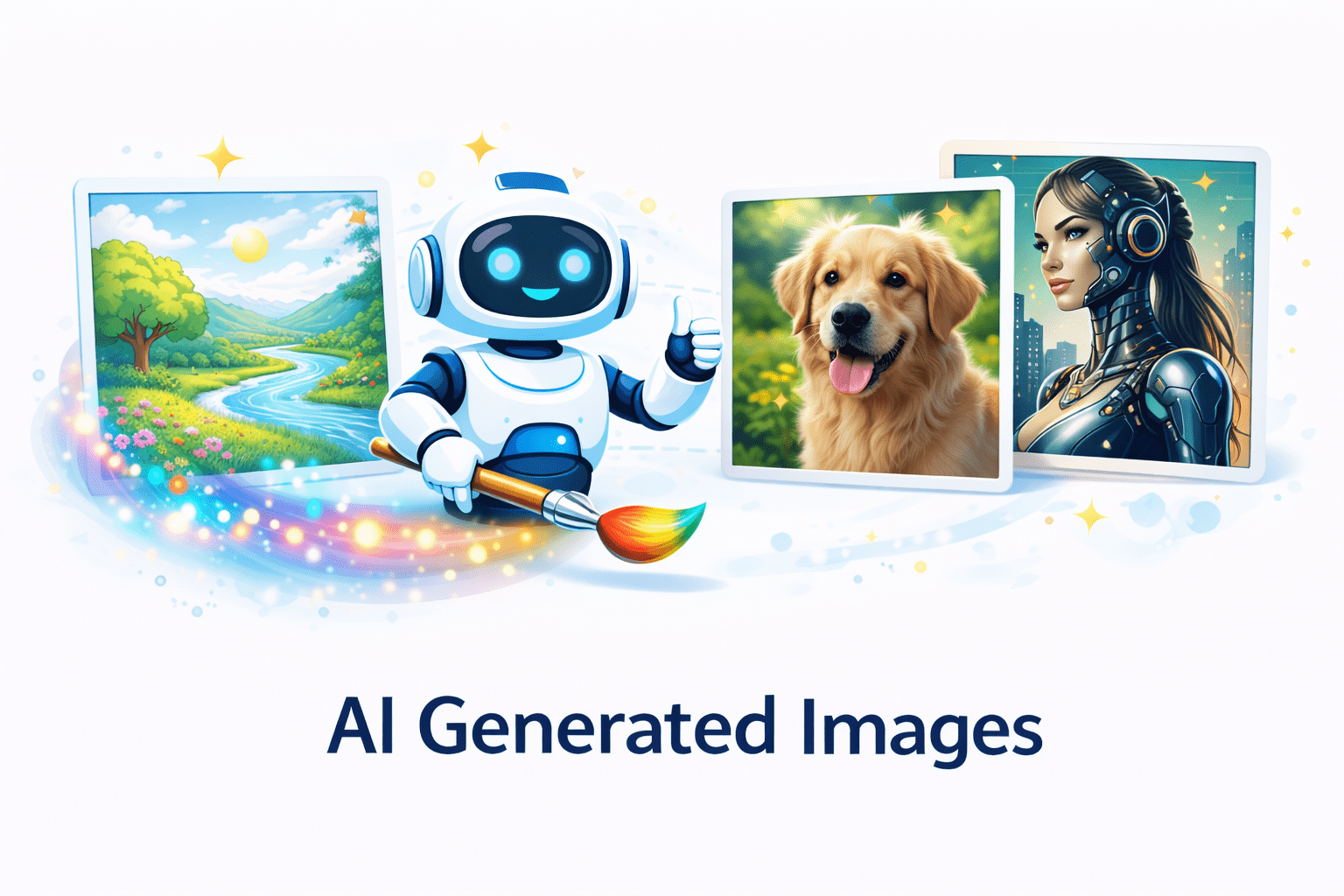
AI Generated Images → GAN
Summary
5
RNN & LSTM handle sequence data, GAN generates new data
4
CNN works best with images
3
FNN is simple and direct
2
Different types solve different problems
1
Neural Networks are brain-inspired algorithms
Quiz
Which neural network is best suited for generating new realistic images?
A. FNN
B. CNN
C. LSTM
D. GAN
Quiz-Answer
Which neural network is best suited for generating new realistic images?
A. FNN
B. CNN
C. LSTM
D. GAN
By Content ITV