

























Content ITV PRO
This is Itvedant Content department
Learning Outcome
4
Select the correct testing type for real project scenarios
3
Differentiate clearly between Smoke, Sanity and Regression testing
2
Identify when to use each testing type
1
Understand the purpose of Smoke, Sanity and Regression testing
Recall
We learned different levels of testing
Testing is performed at different stages of development
Sometimes we verify basic build stability
Sometimes we verify specific bug fixes
Sometimes we re-test entire application after changes
Imagine a E-commerce website
E-commerce website
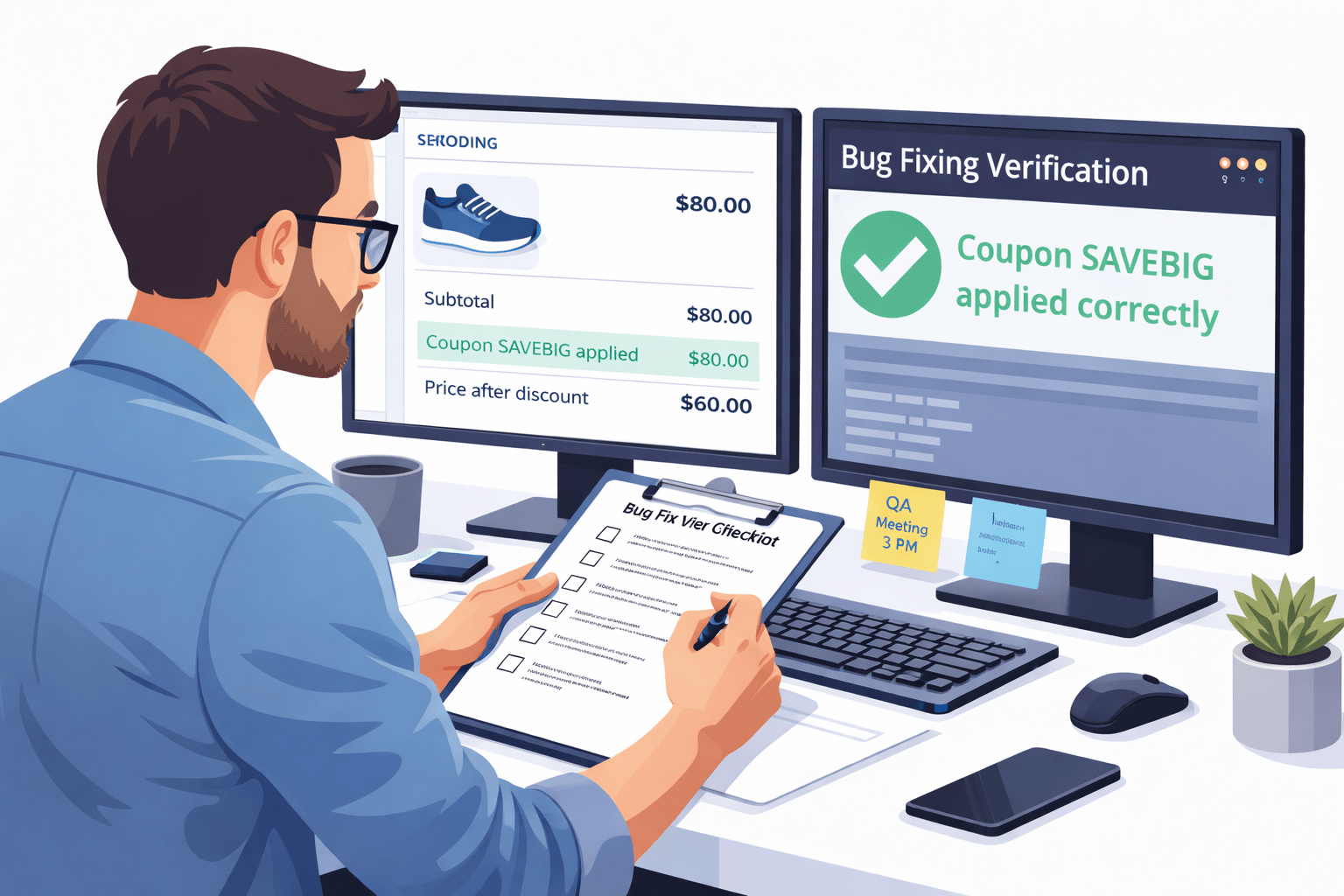
Bug fixed in Apply Coupon on checkout
Transition from Analogy to Technical Concept
Before deeper testing
Does the site open?
Can users log in?
Can product and cart pages load?
After the bug fix
Is the coupon applied correctly now?
After accepting the fix
Can payments be completed?
Can users still place orders?
Is order confirmation working?
Basic confidence before spending more effort
Confirmation of the specific fix
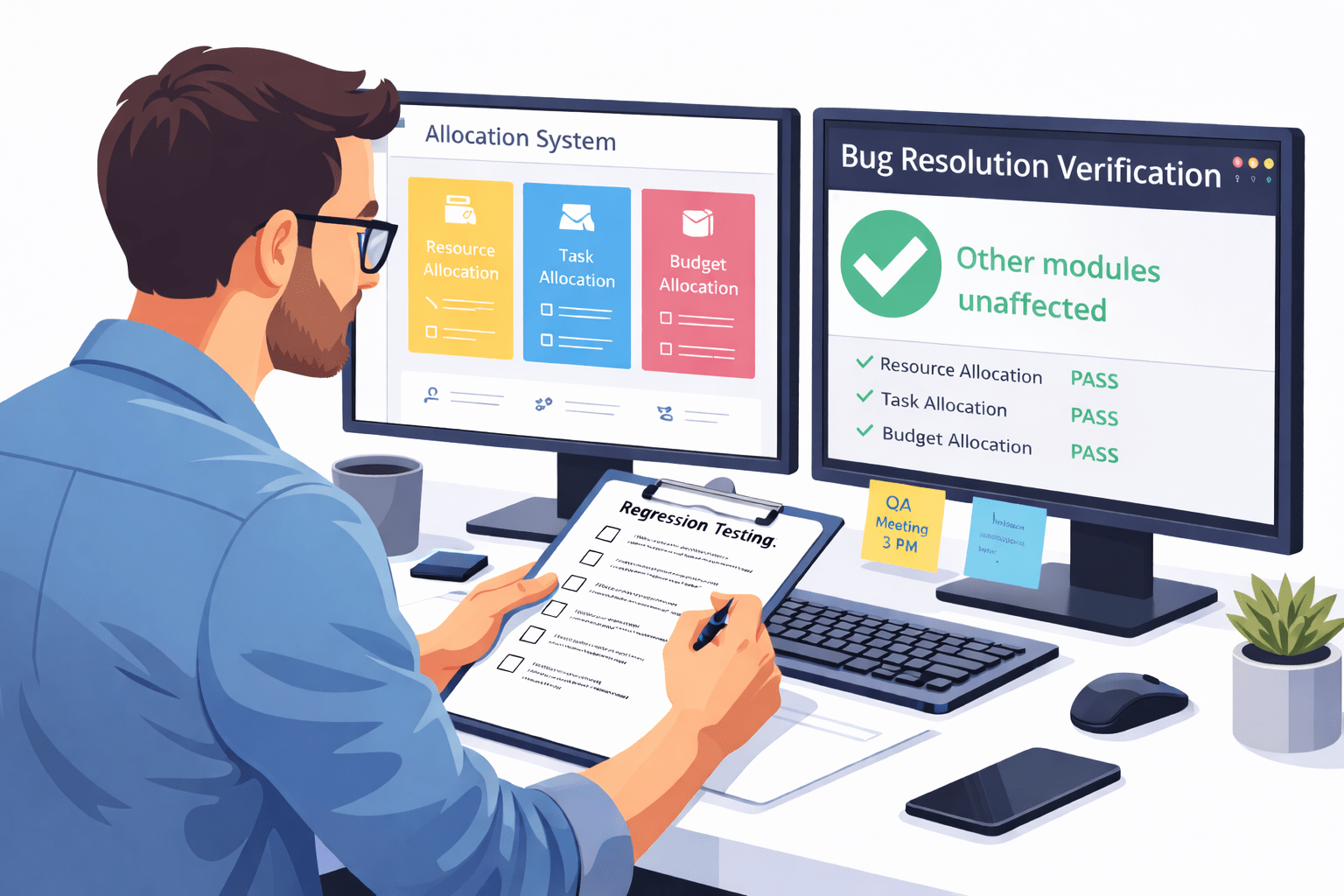
Check that the Bug resolution has not affected other modules of allocation
Smoke Testing
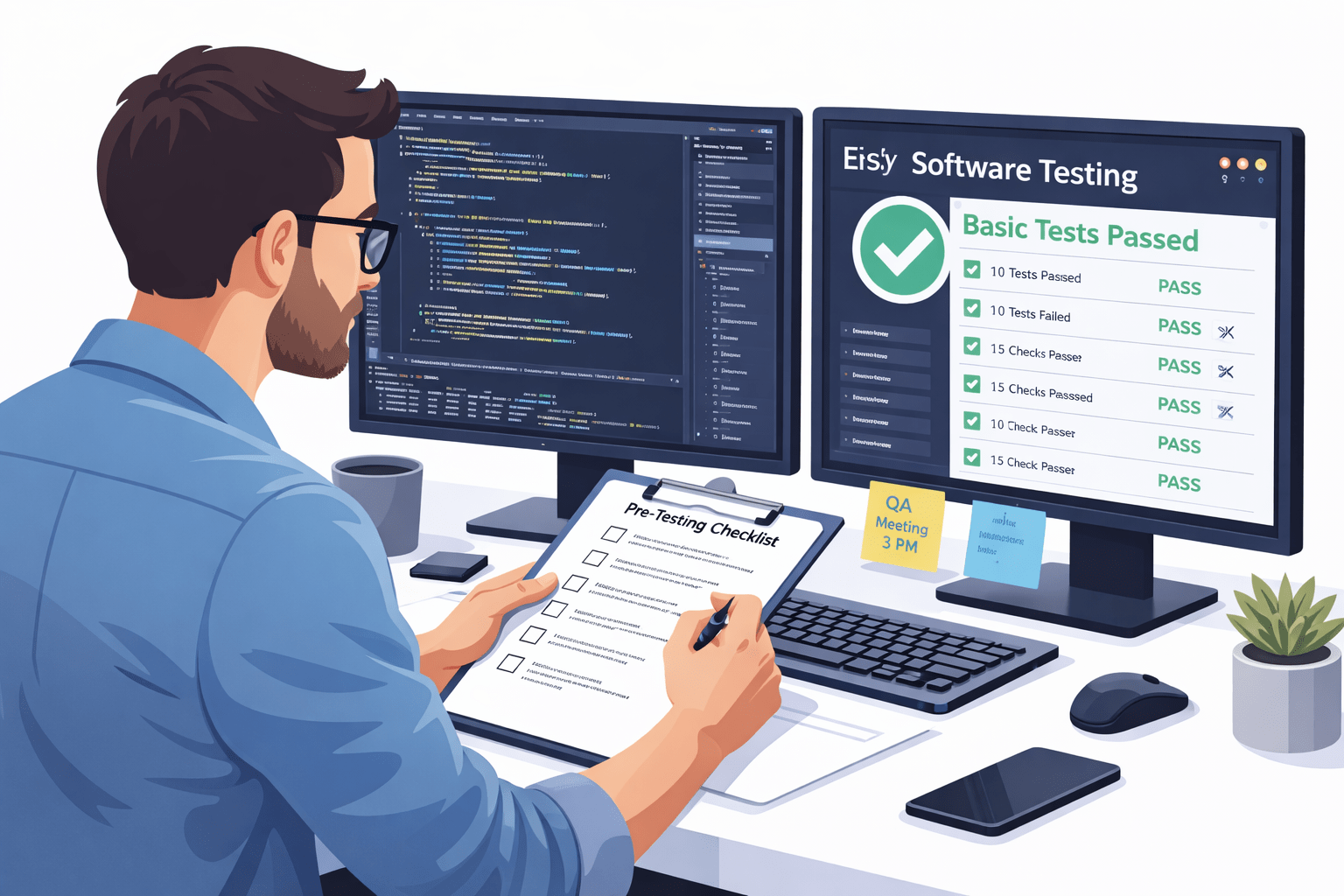
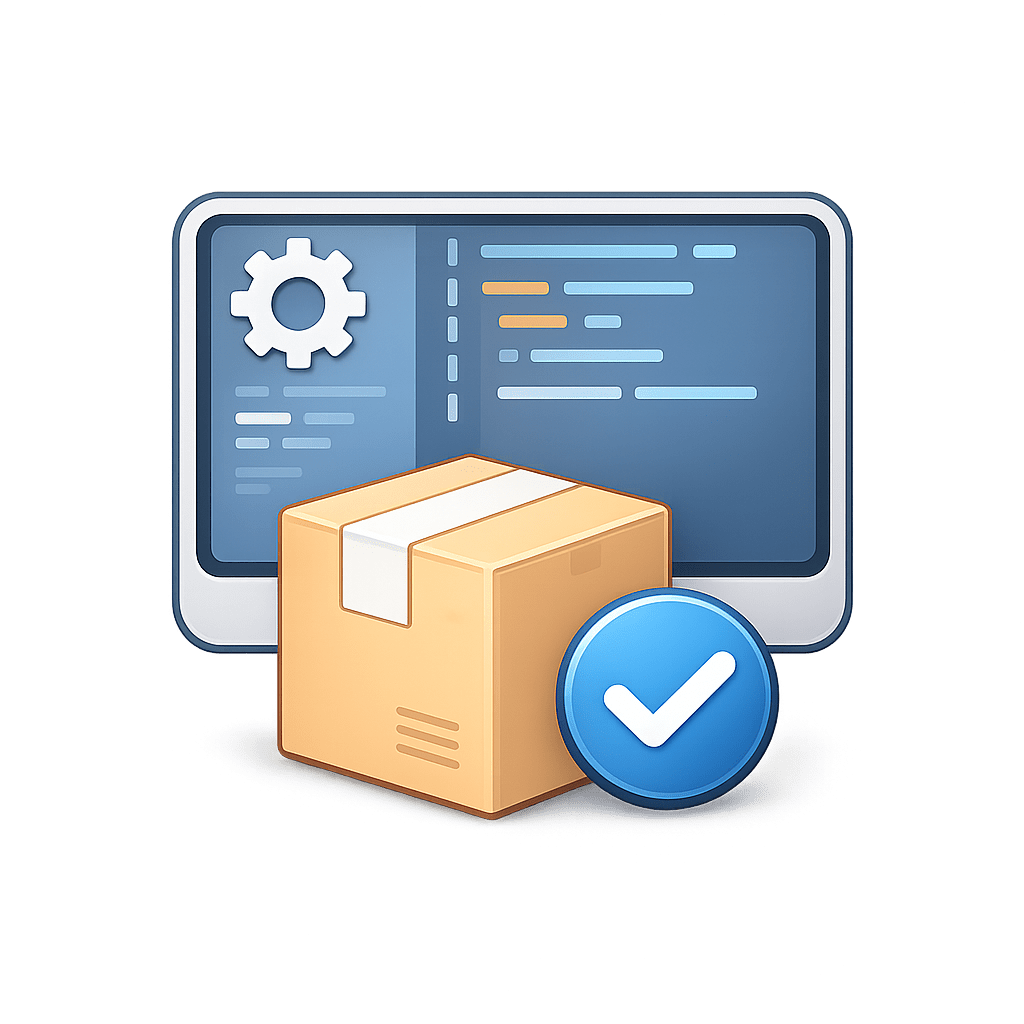
Smoke testing is a preliminary check on a new build
It verifies that the build is stable
It checks only basic and critical functionalities
When Coupon related bug is fixed and a new build is received for the e-commerce website Application
Can the website open?
Can users log in?
Can product list and cart page load?
We check,
This is smoke testing for this application
Smoke Testing Purpose and When performed
Duration
Purpose
Verify that the new build of the e-commerce site is stable
Confirm that basic and core flows such as browsing and cart access work
Decide whether detailed testing can start on this build
When is Smoke Testing Performed?
Is the coupon applied correctly now?
After the coupon bug is fixed in the checkout page:
This is sanity testing for this application
Sanity Testing
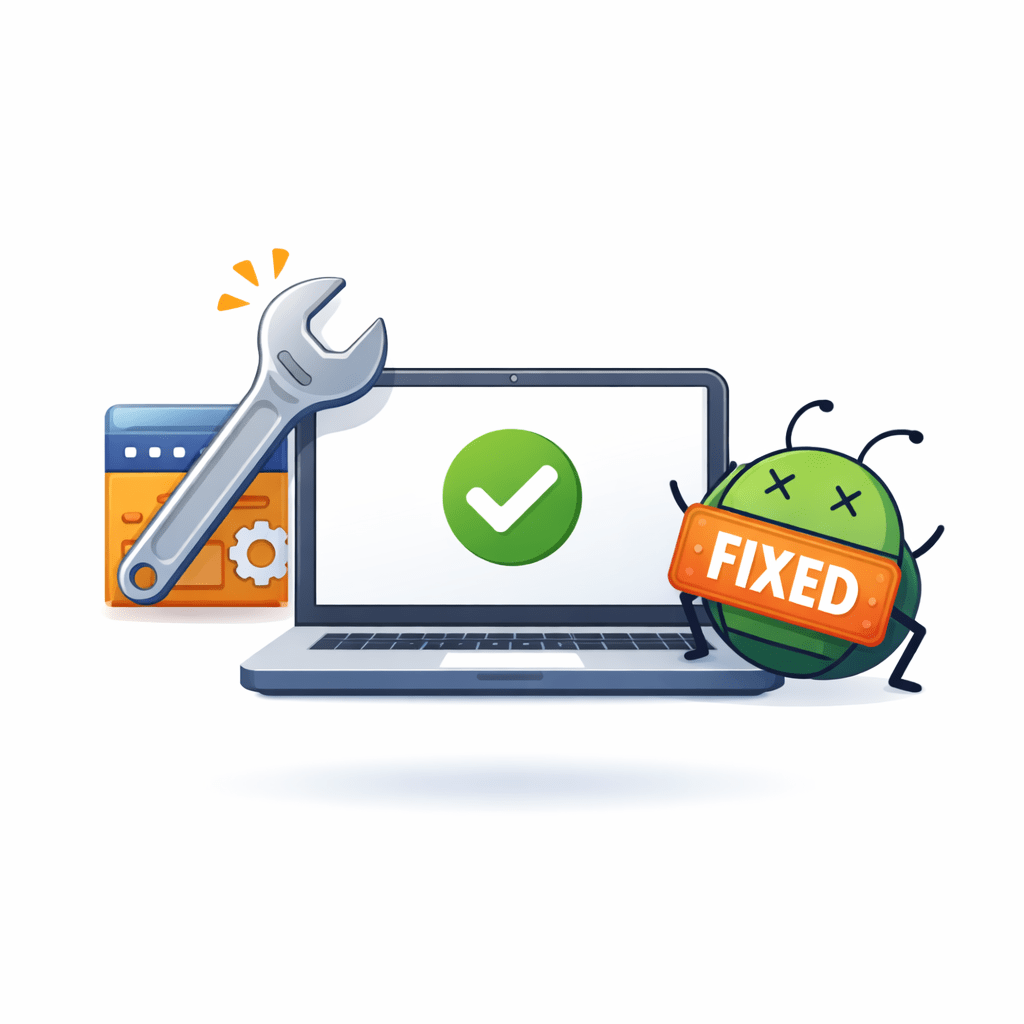
It validates only the affected functionality
It is performed after small changes or bug fixes
Sanity testing is narrow and focused testing
Sanity Testing Purpose and When performed
Duration
Purpose
Verify that the recent bug fix or small change works correctly
Validate only the affected module or functionality
Avoid running full regression testing
When is Sanity Testing Performed?
Can users still place orders?
Can users still make payments?
Is order confirmation still working?
After accepting the coupon fix:
This is regression testing for this application
Regression Testing
It validates only the affected functionality
It is performed after small changes or bug fixes
Sanity testing is narrow and focused testing
Regression Testing Purpose and When performed
Purpose
Ensure that recent changes have not broken existing functionality
Maintain the overall stability of the application
Protect the system from side effects caused by new changes
Duration
Long
When is Regression Testing Performed?
Comparison between Smoke, Sanity and Regression Testing
Focus
Regression Testing
Sanity Testing
Smoke Testing
Pointer
Trigger
Durations
Scope
Verify that the new build is stable and usable
Basic and critical functionalities only
When a new build is delivered
Very short
Verify that a specific bug fix or small change works correctly
Only the affected module or functionality
After a minor change or bug fix
Short
long
After any change in the code base
Entire application or major functional areas
Ensure that recent changes have not affected existing features
Classroom Activity
Summary
4
Each testing type supports a different decision after changes
3
Regression testing ensures existing features still work
2
Sanity testing validates specific fixes or changes
1
Smoke testing validates basic build stability
Quiz
Which type of testing is performed to ensure that recent code changes have not affected existing functionalities?
A. Smoke Testing
B. Sanity Testing
C. Regression Testing
D. Exploratory Testing
Quiz-Answer
Which type of testing is performed to ensure that recent code changes have not affected existing functionalities?
A. Smoke Testing
B. Sanity Testing
C. Regression Testing
D. Exploratory Testing
By Content ITV