















Content ITV PRO
This is Itvedant Content department
Learning Outcome
5
Explain real-life examples of behavioral targeting
4
Differentiate between Behavioral, Demographic, Psychographic
3
Recognize common user behaviors marketers track
2
Identify why it is more effective than general marketing
1
Understand what Behavioral Targeting means in simple words
Understanding Customers Through Behavioral Signals
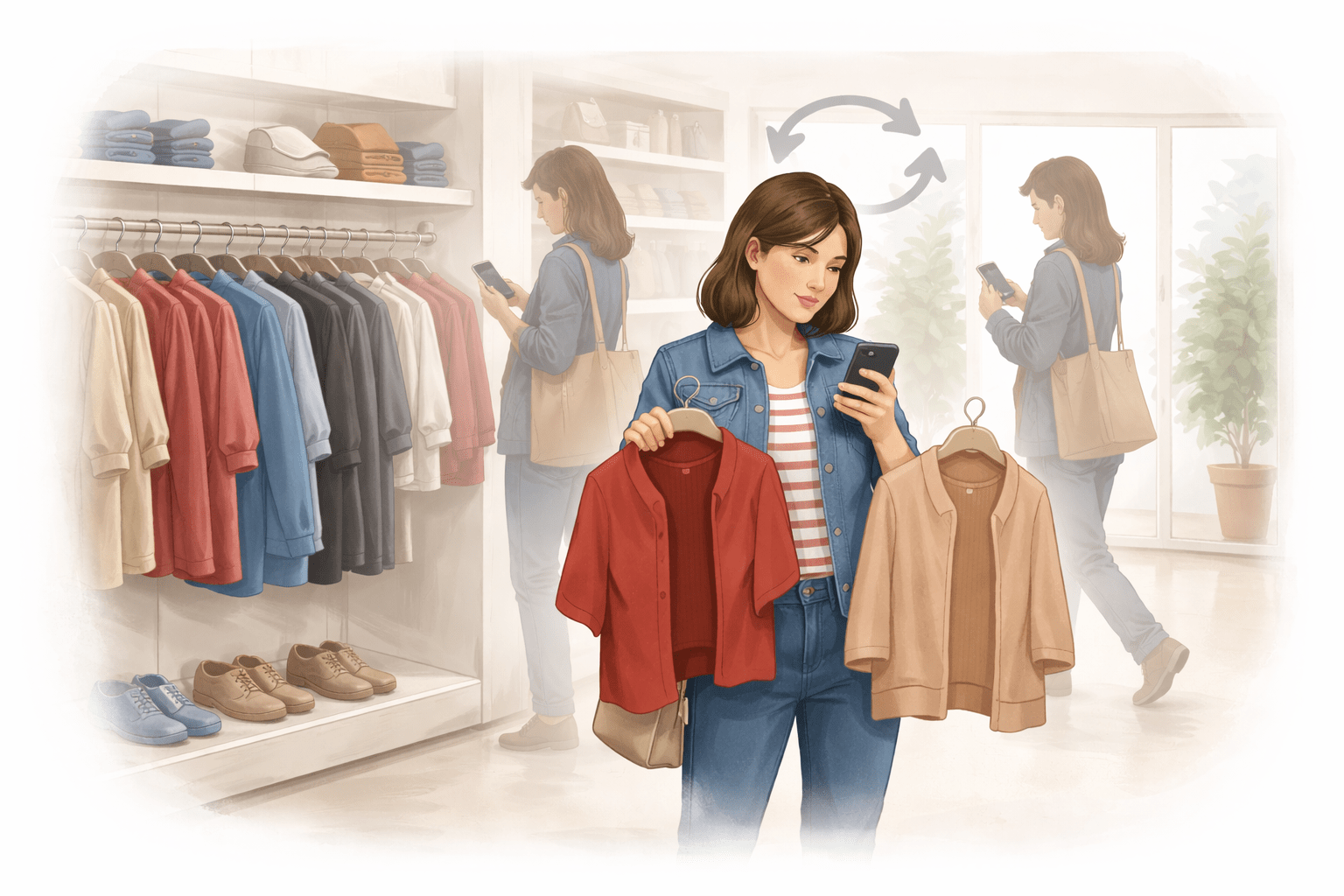
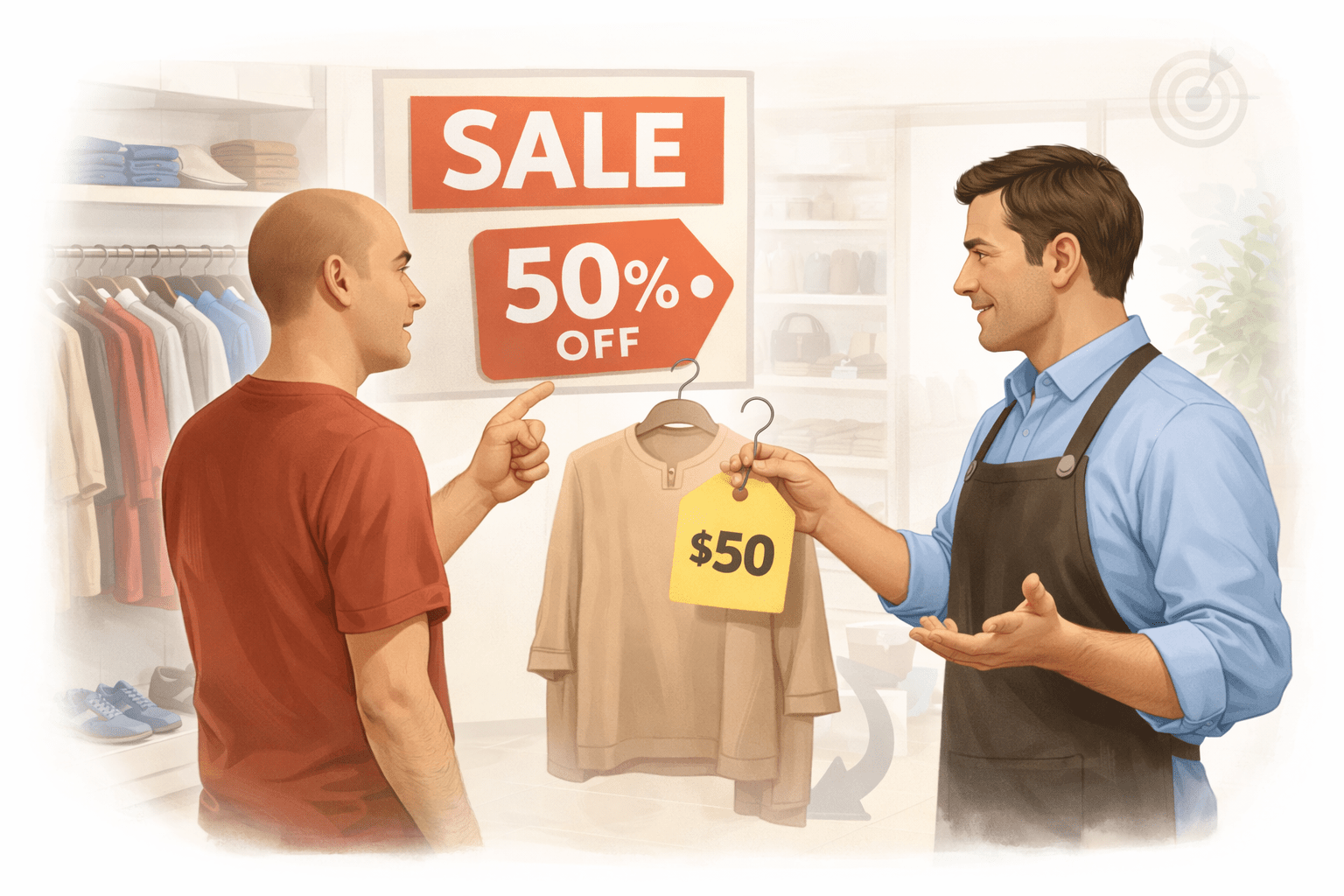
A shopkeeper noticed three types of customers:
Some customers entered the shop, checked products, and left
Some customers came back again and again before buying
Some customers directly asked for price and offers
Understanding Customers Through Behavioral Signals
The Shopkeeper Changed His Approach
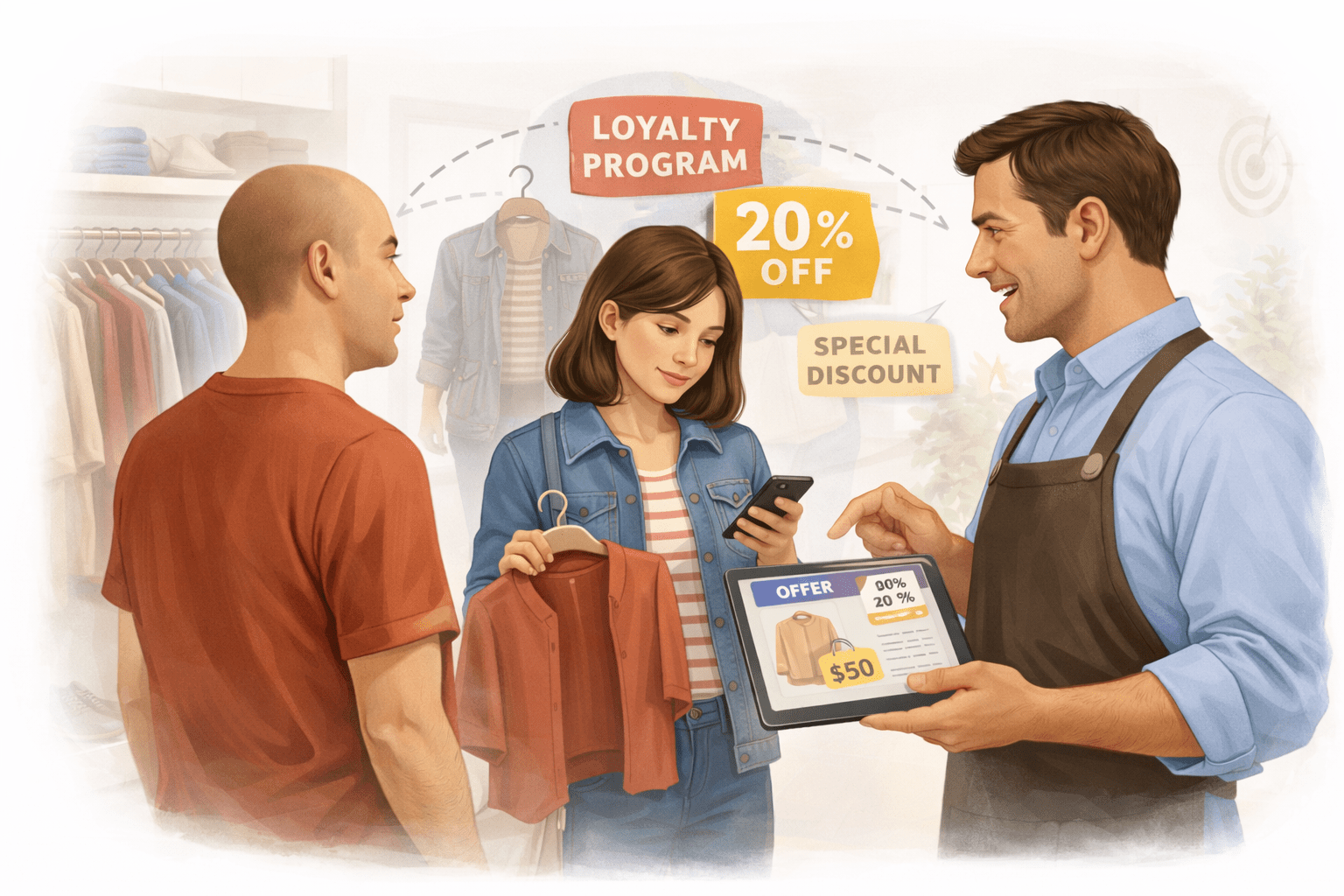
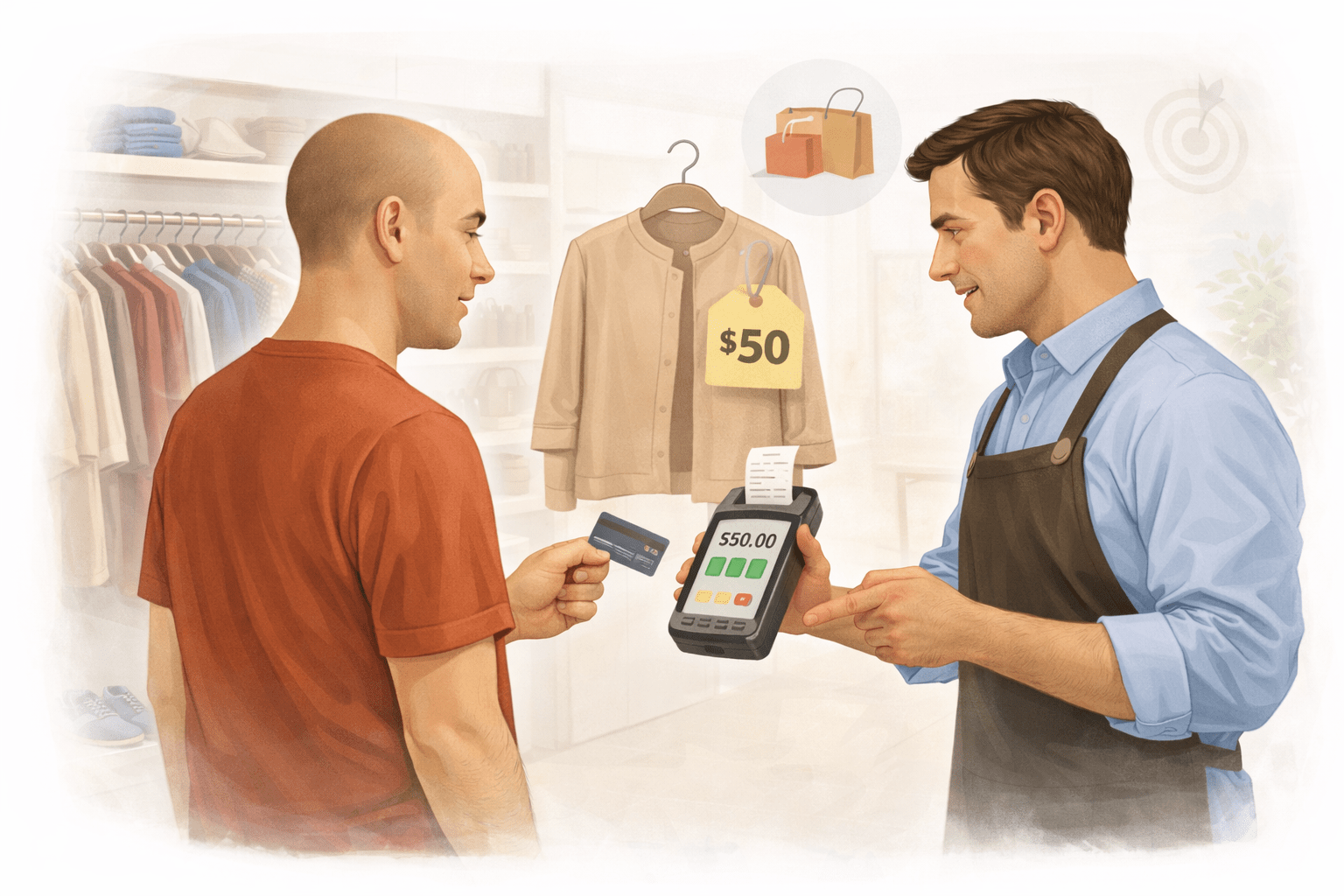
Instead of treating everyone the same, the shopkeeper changed his approach:
First-time visitors
Explained products
Gave offers & discounts
Repeat visitors
Focused on closing the sale
Serious buyers
Sales increased without increasing customers
Understanding Customers Through Behavioral Signals
Marketing becomes effective when we respond to what people do, not just who they are
Actions and behavior tell more than their age or interests
Learning:
Focus on Behavior
Focus on Identity
Who They Are?
What They Do?
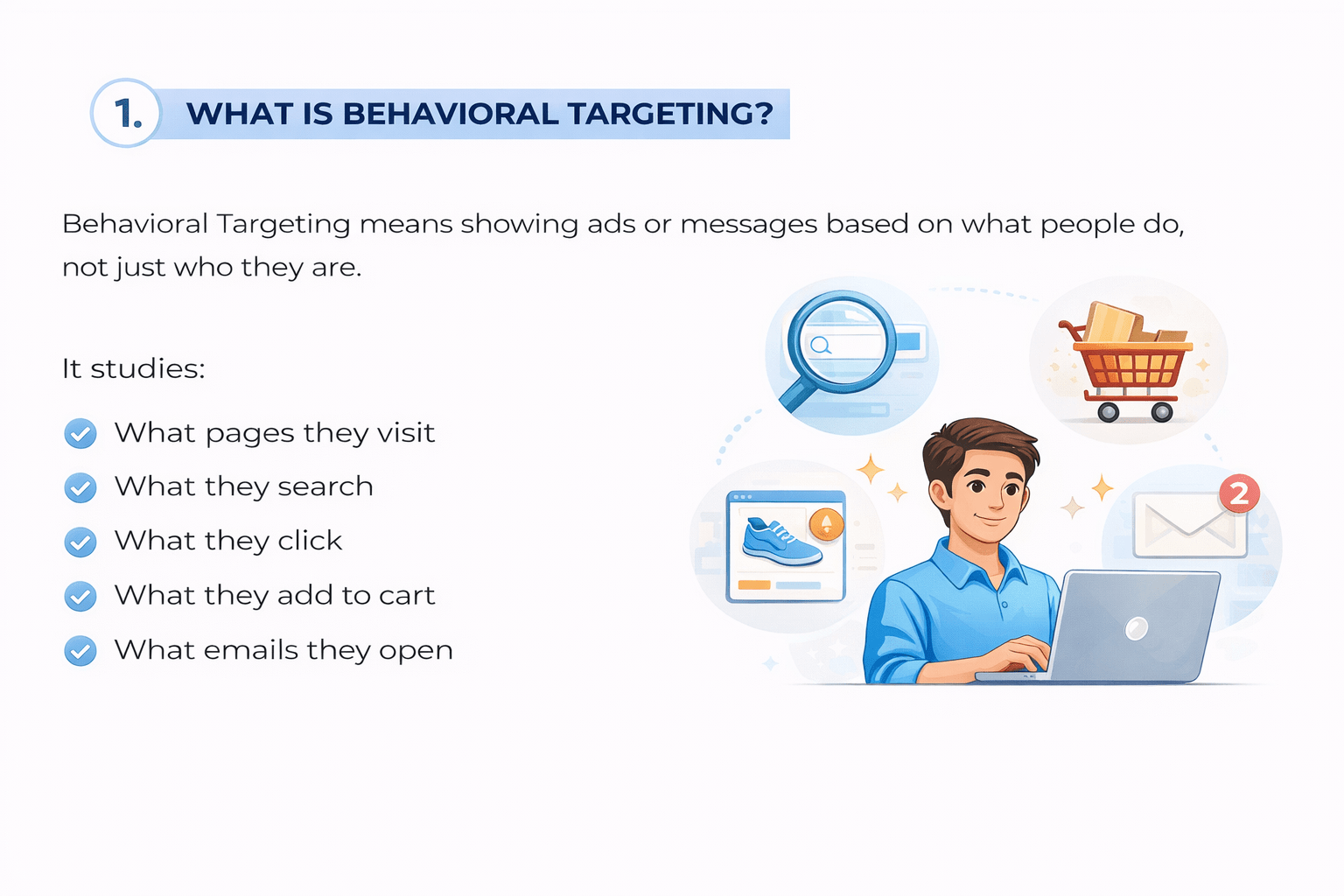
WHAT IS BEHAVIORAL TARGETING?
Behavioral Targeting means showing ads or messages based on what people do, not just who they are
It studies:
What pages they visit
What they search
What they click
What they add to cart
WHAT IS BEHAVIORAL TARGETING?
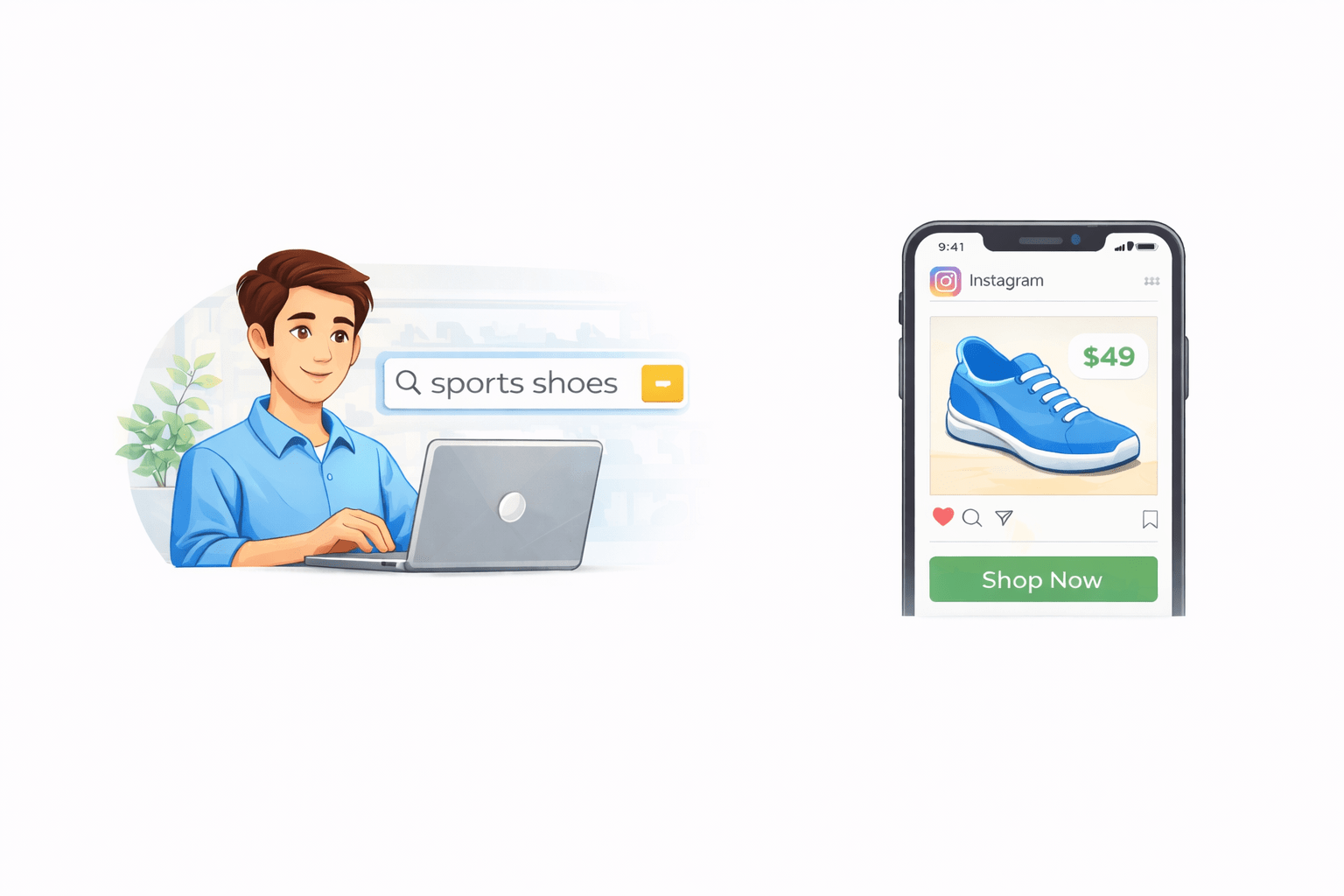
Example:
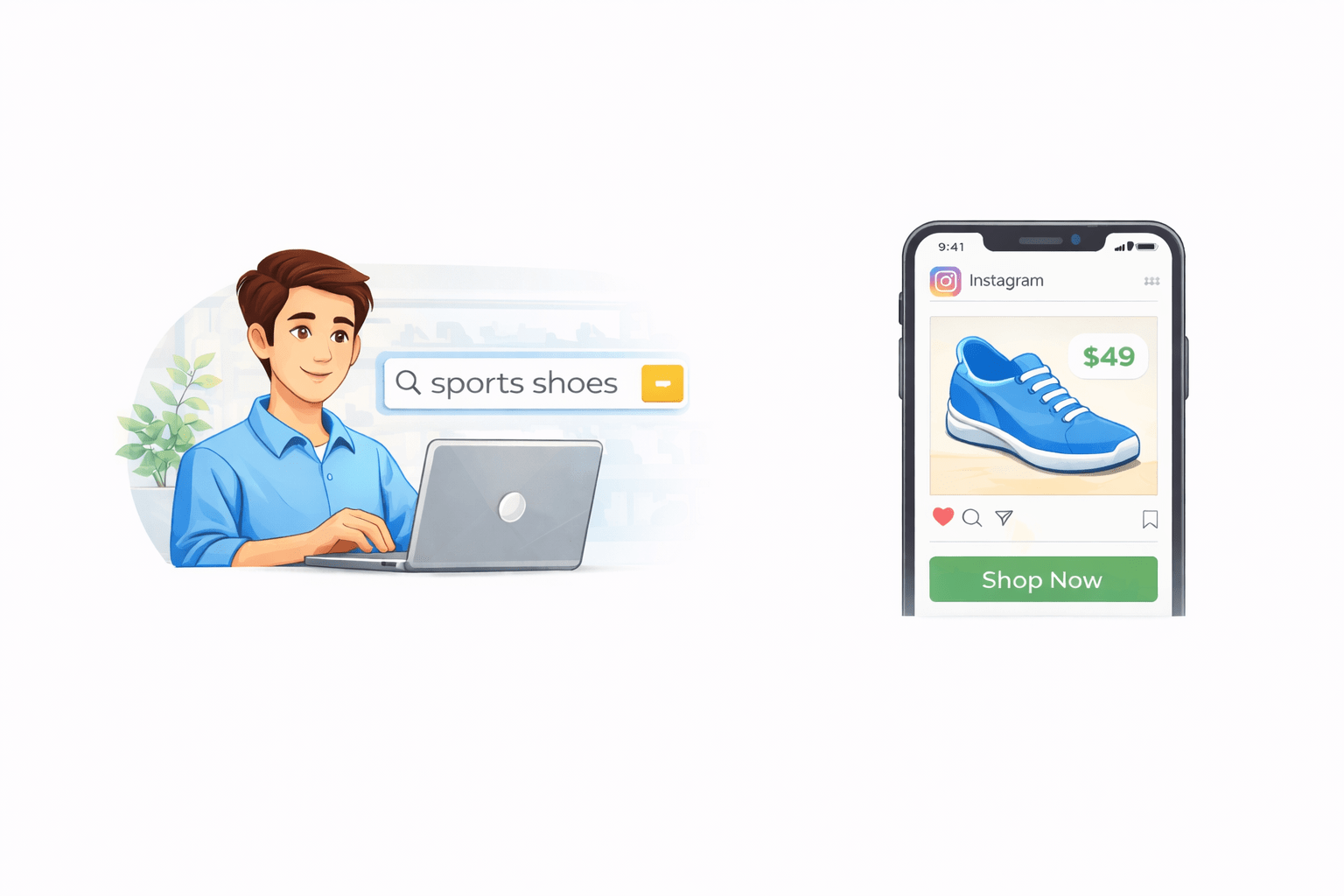
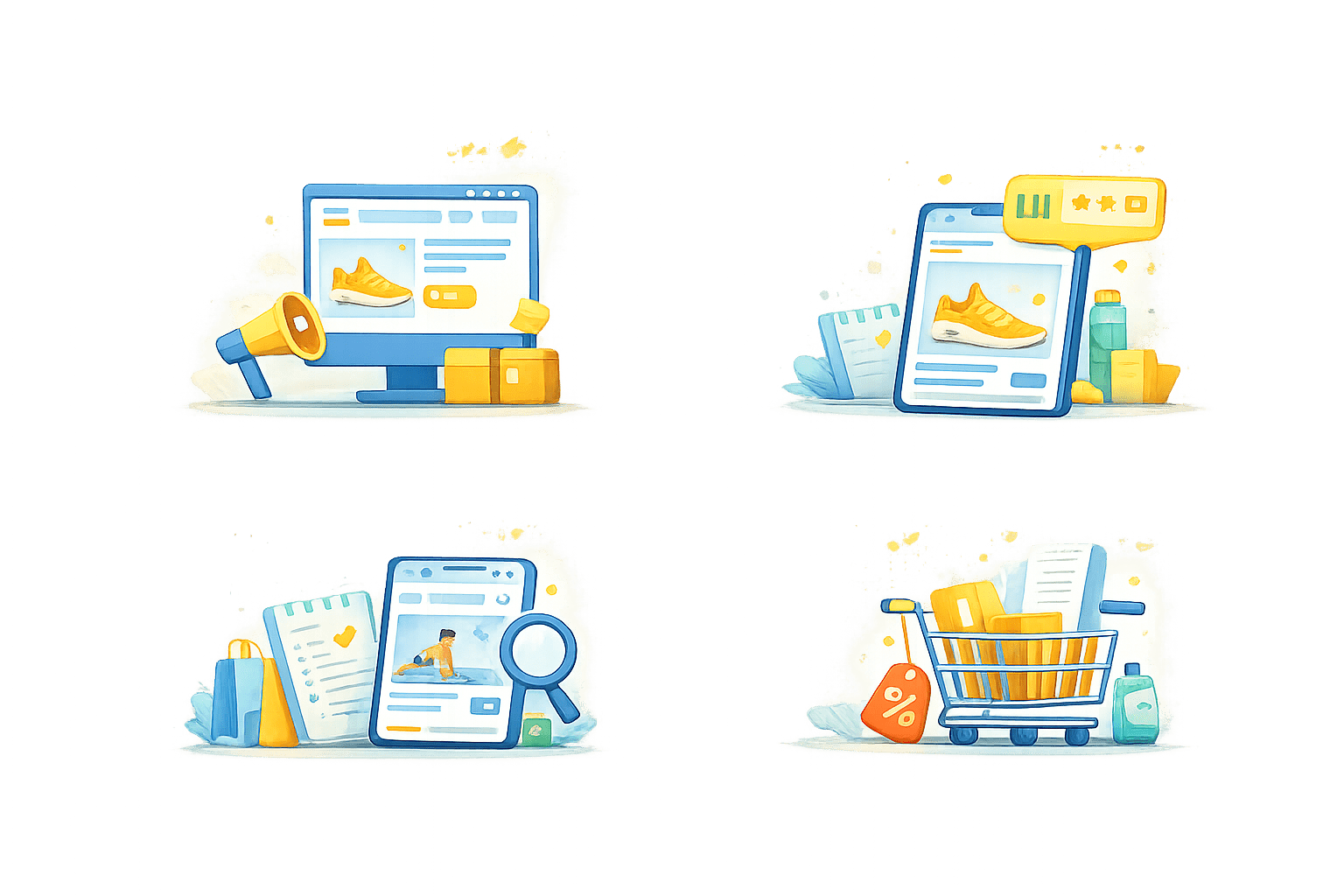
You search for “sports shoes” on Amazon
Next day, you see ads for sports shoes on Instagram
Why? Because your behavior showed interest
It is action-based marketing
WHY BEHAVIORAL TARGETING IS IMPORTANT
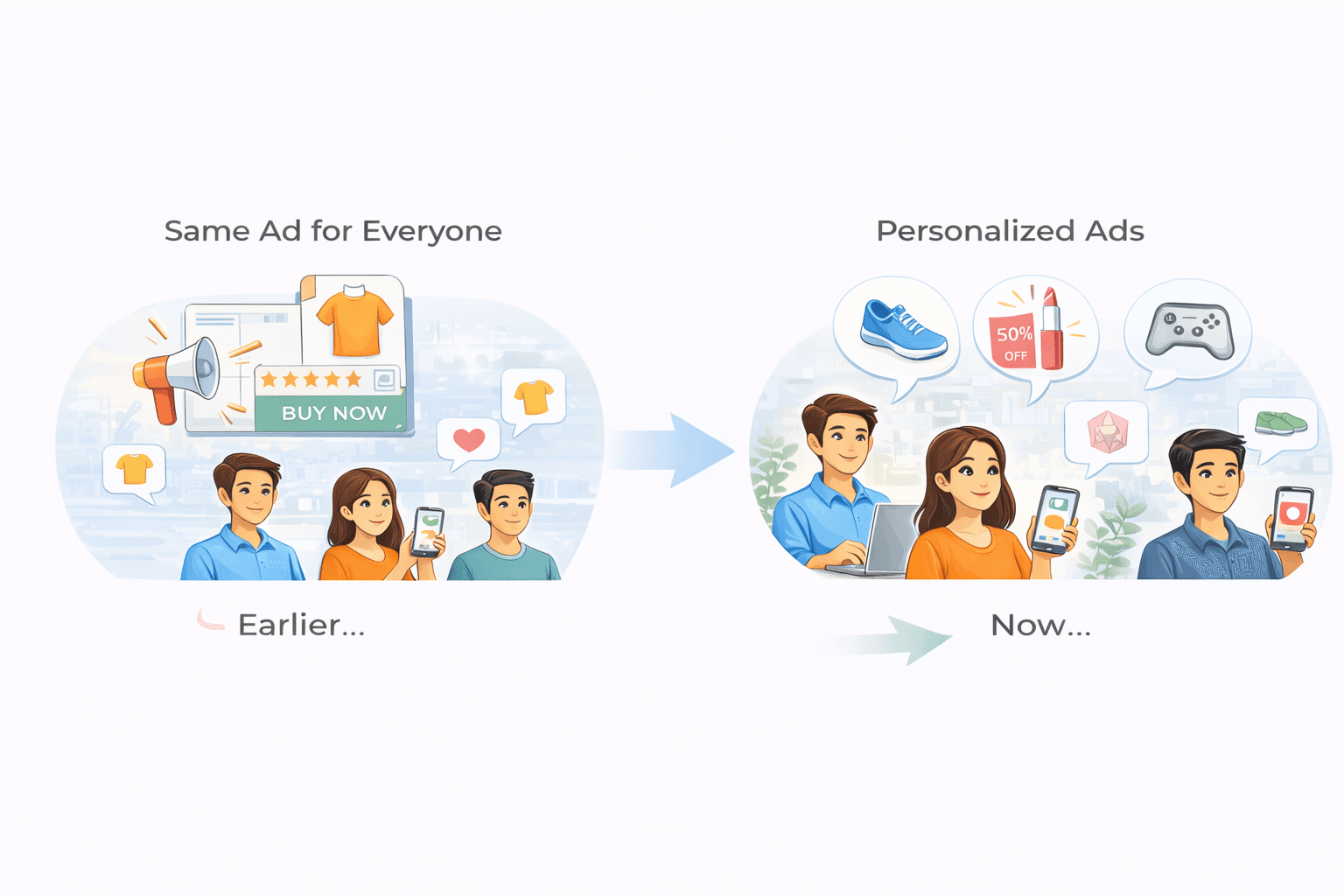
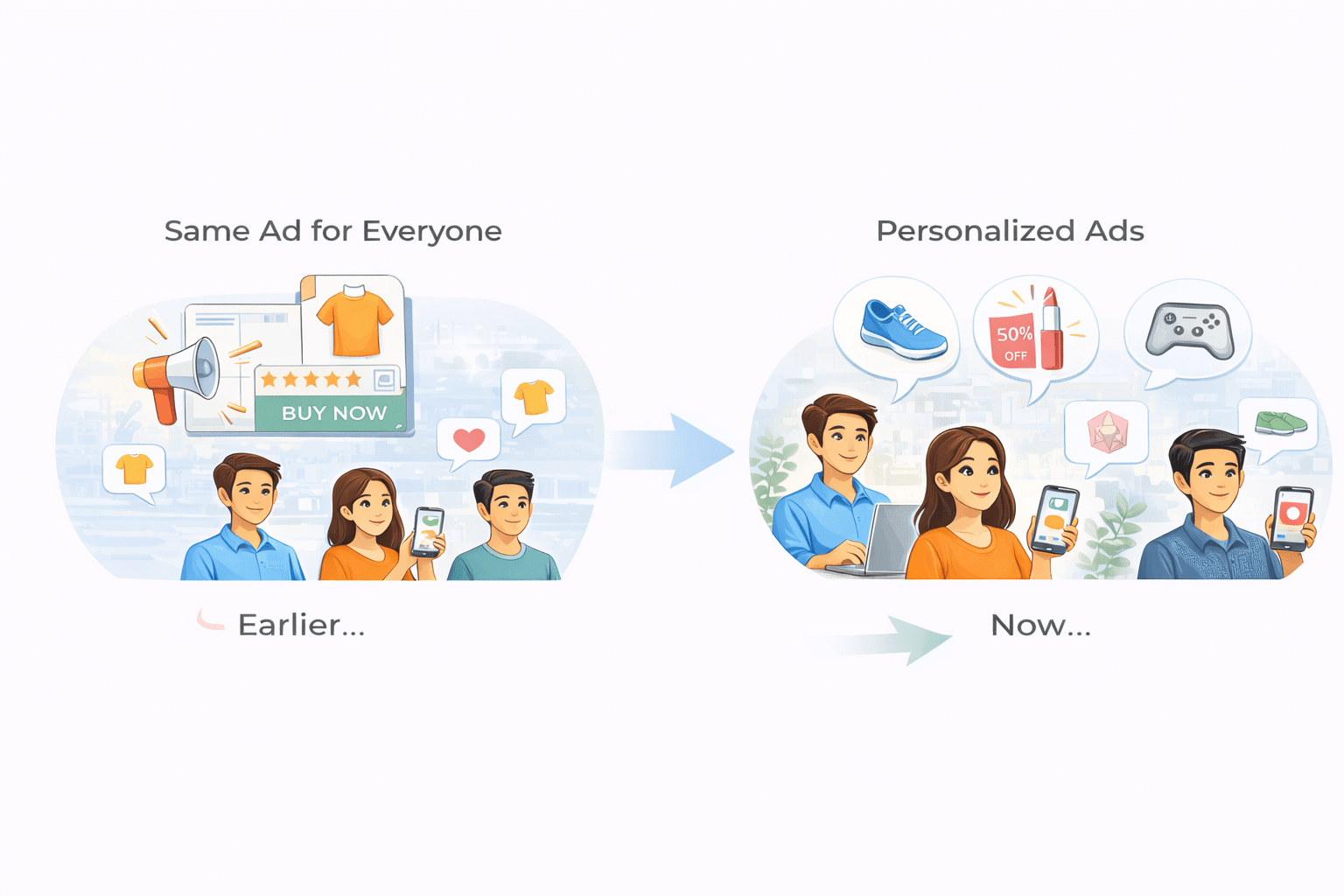
Earlier, brands showed the same ad to everyone
Now, they show different ads based on behavior
Importance
More relevant ads
Higher chances of purchase
Less money wasted on wrong audience
Better customer experience
WHY BEHAVIORAL TARGETING IS IMPORTANT
Real-Life Example:
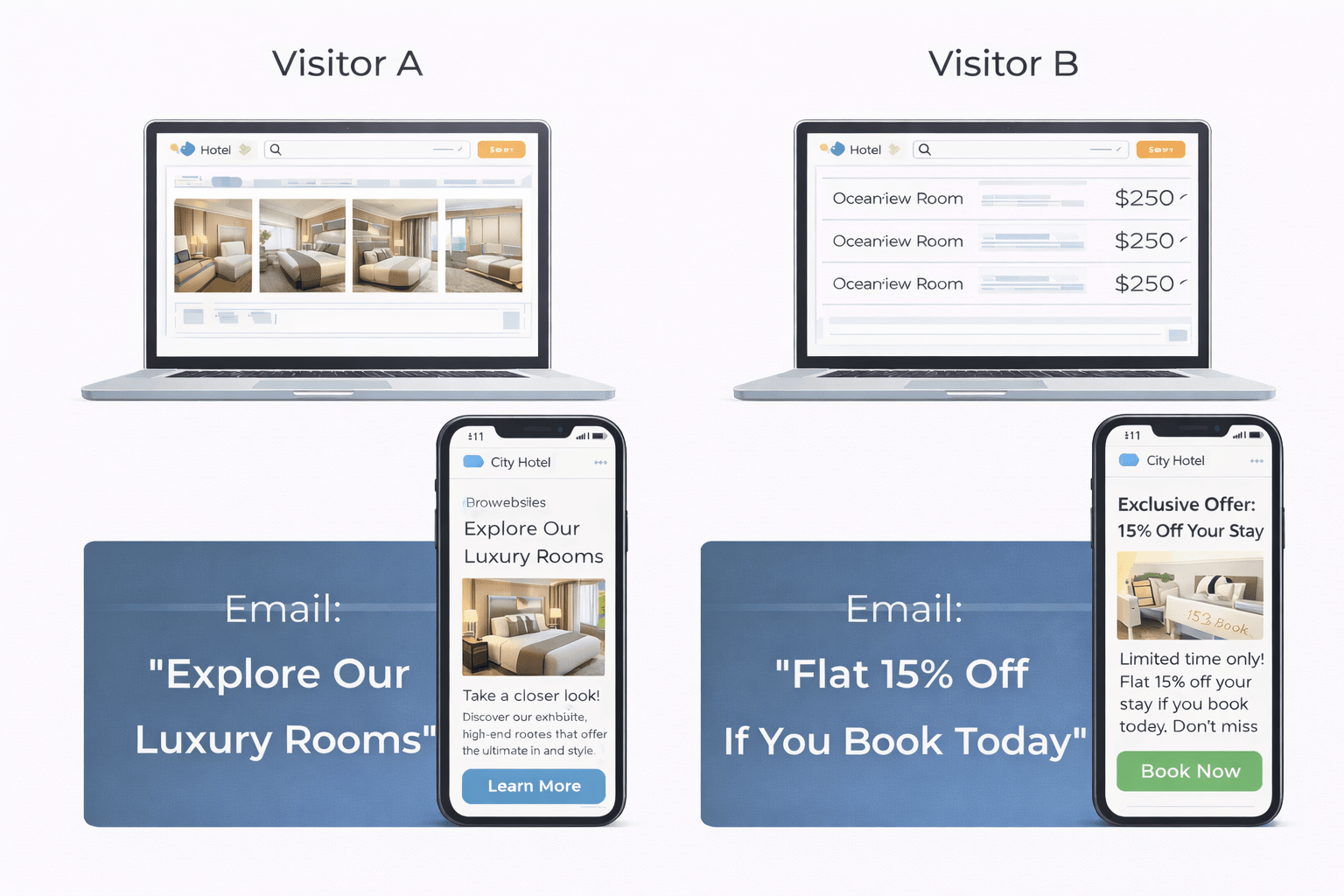
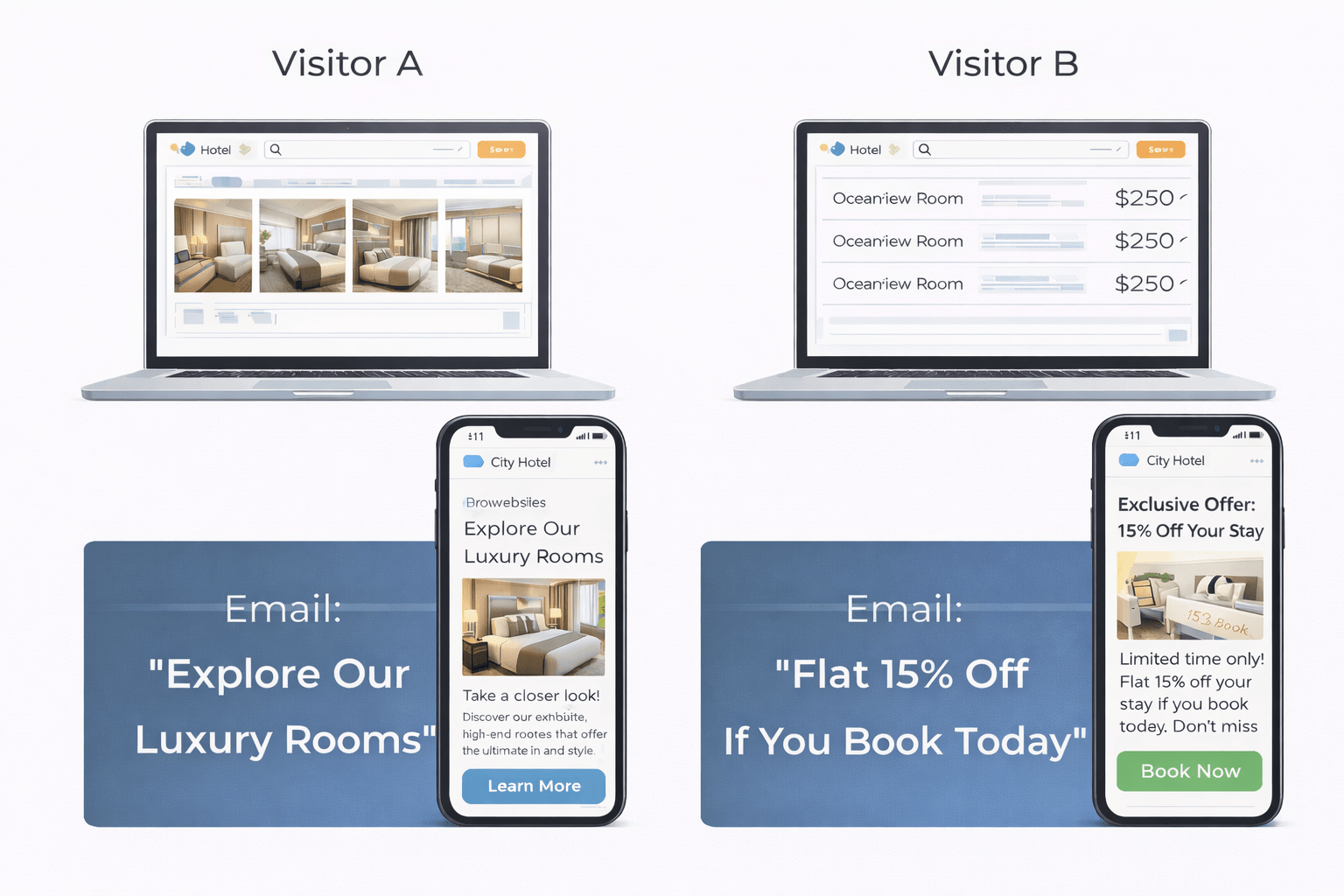
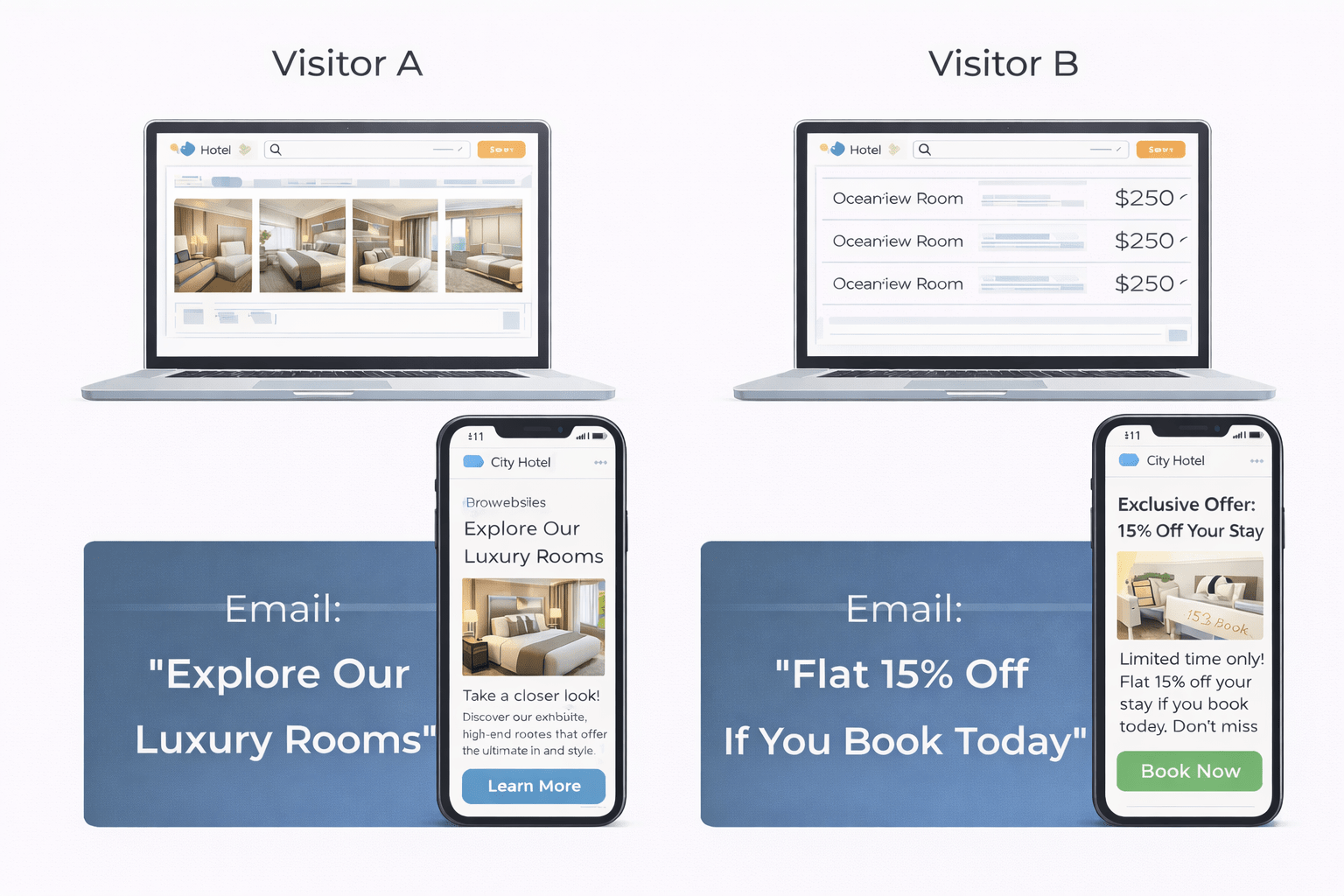
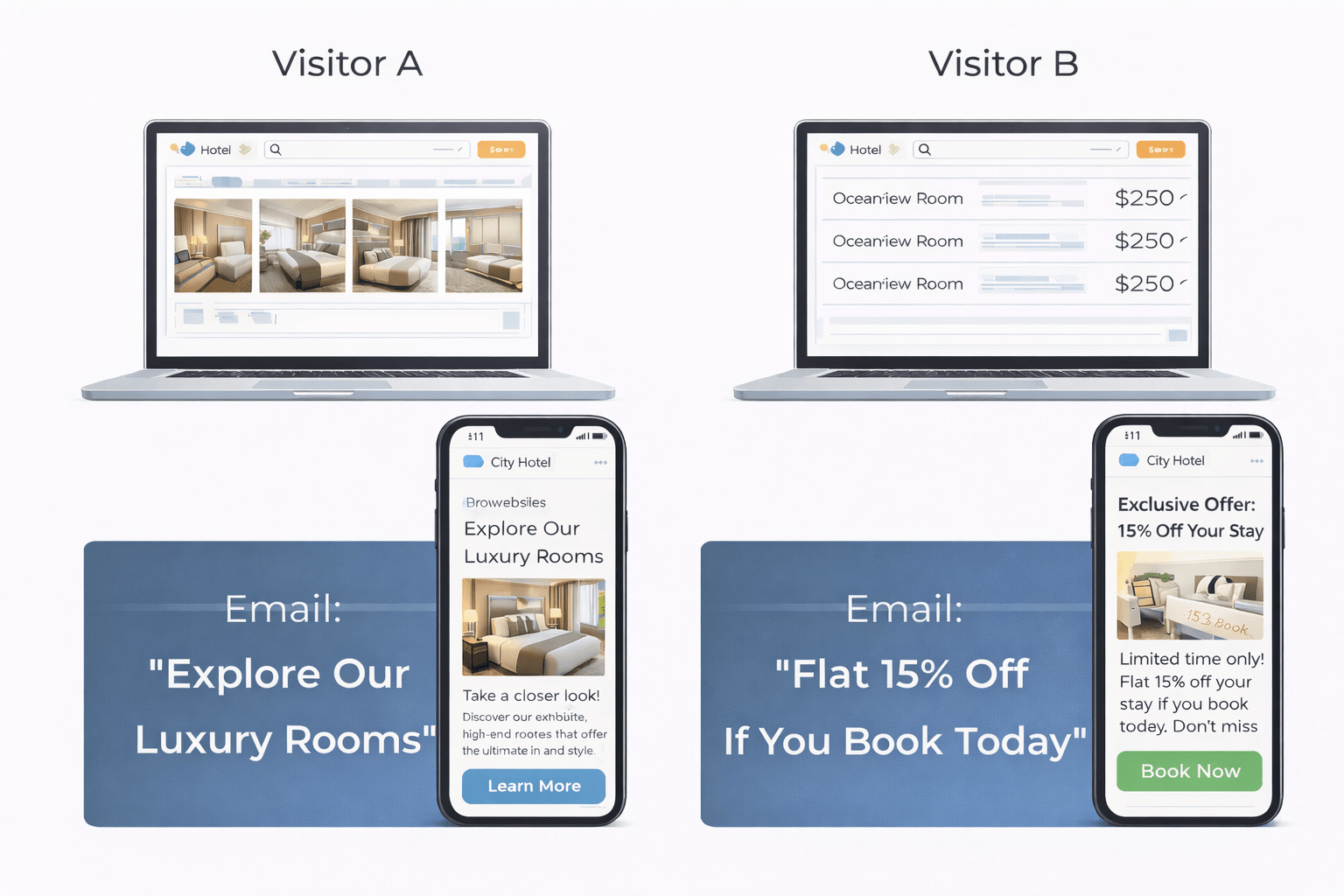
Two people visit a hotel website
Who is more serious? → Person B
Visitor A
Just browsing photos
Visitor B
Checks room price 3 times
WHY BEHAVIORAL TARGETING IS IMPORTANT
So hotel sends:
Visitor A → “Explore our luxury rooms”
That increases conversion
Visitor B → “Flat 15% off if you book today”
COMMON USER BEHAVIORS USED FOR TARGETING
Website Visits
What pages you visit & how often
See a product many times → You get reminder ads
Search Behavior
What you search on the website
Search something →
You see similar products next time
COMMON USER BEHAVIORS USED FOR TARGETING
Content Engagement
What blogs/videos you consume
Read fitness content →
Get diet tips, not random ads
Cart & Purchase Behavior
What you add or buy
Leave cart →
Get discount reminder
COMMON USER BEHAVIORS USED FOR TARGETING
Email Interaction
Which emails you open or ignore
Open educational mails → Get more helpful content
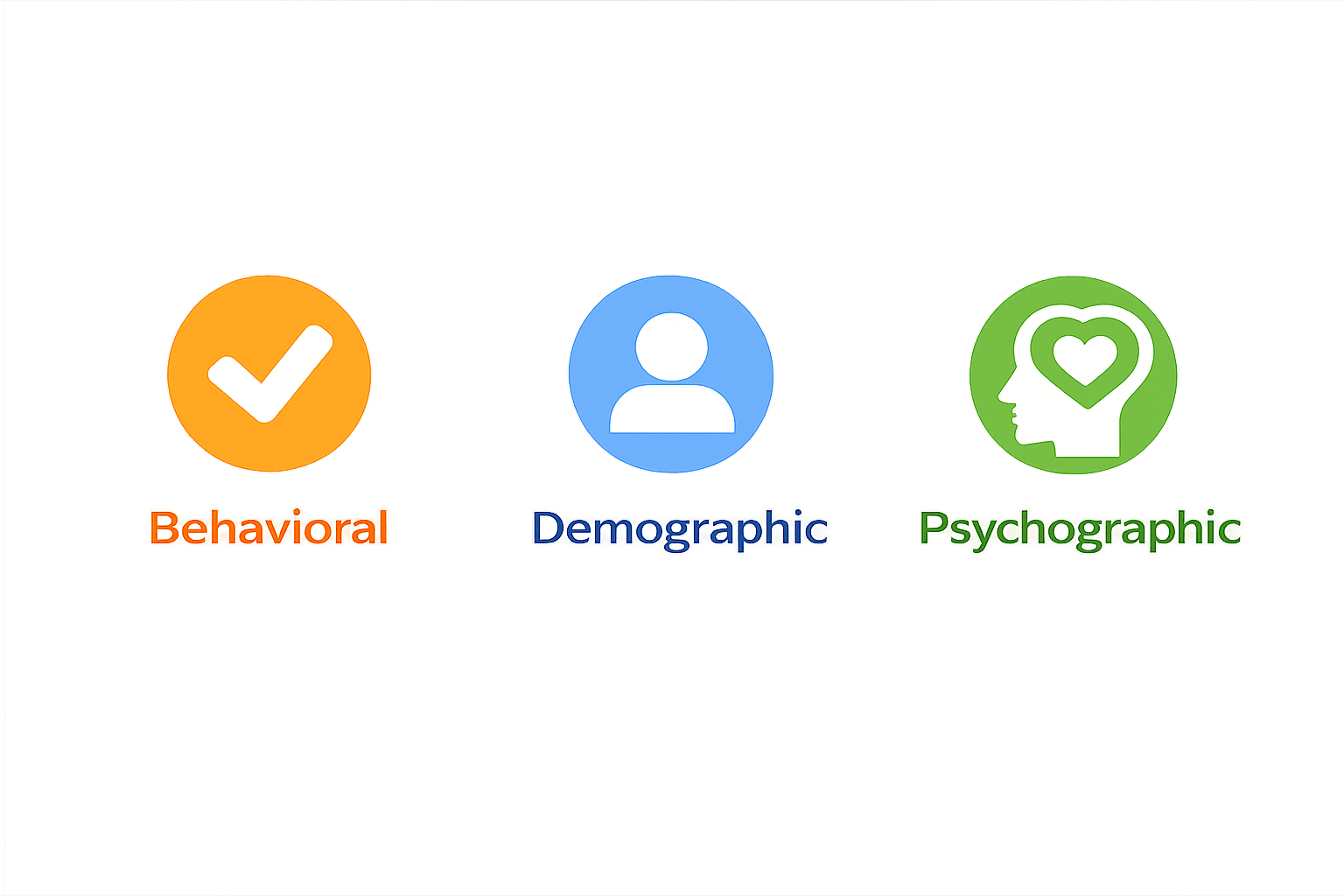
BEHAVIORAL vs DEMOGRAPHIC vs PSYCHOGRAPHIC
Behavioral is strongest because actions show real intention
Simple Difference:
Behavioral - What you did
Demographic - Who you are
Psychographic - What you like
BEHAVIORAL
Based on: Actions Taken
Example: Targeting people who viewed gym shoes 3 times
Based on: Age, gender, income
DEMOGRAPHIC
Example: Targeting 25-30 years old males
Based on: Interests, lifestyle
Example: Targeting fitness lovers
PSYCHOGRAPHIC
BEHAVIORAL vs DEMOGRAPHIC vs PSYCHOGRAPHIC
Example:
Demographic
Psychographic
Behavioral
22-year-old student
loves fast food
Orders pizza every Friday night
So what does Zomato do?
That’s behavioral targeting
Every Friday evening
“Pizza Buy 1 Get 1 Free”
Summary
5
Actions reveal buying intent better than age or interest
4
It reduces marketing waste and improves ROI
3
It increases conversions by showing relevant ads
2
It tracks browsing, search, purchase, and engagement behavior
1
Behavioral targeting focuses on user actions
Quiz
Showing ads to users who added products to cart but didn’t purchase is an example of:
A. Demographic targeting
B. Psychographic targeting
C. Behavioral targeting
D. Geographic targeting
Quiz
Showing ads to users who added products to cart but didn’t purchase is an example of:
A. Demographic targeting
B. Psychographic targeting
C. Behavioral targeting
D. Geographic targeting
By Content ITV