













Content ITV PRO
This is Itvedant Content department
Learning Outcome
5
Recognize how these components simplify automation management
4
Identify how Templates help generate dynamic configuration files
3
Understand the purpose of Variables in Ansible automation
2
Explain how Roles improve organization and reusability
1
Understand what Roles are in Ansible
Previously, we learned about
Playbooks, Inventory, and Modules in Ansible
These components help automate tasks across multiple systems
Understanding the concept
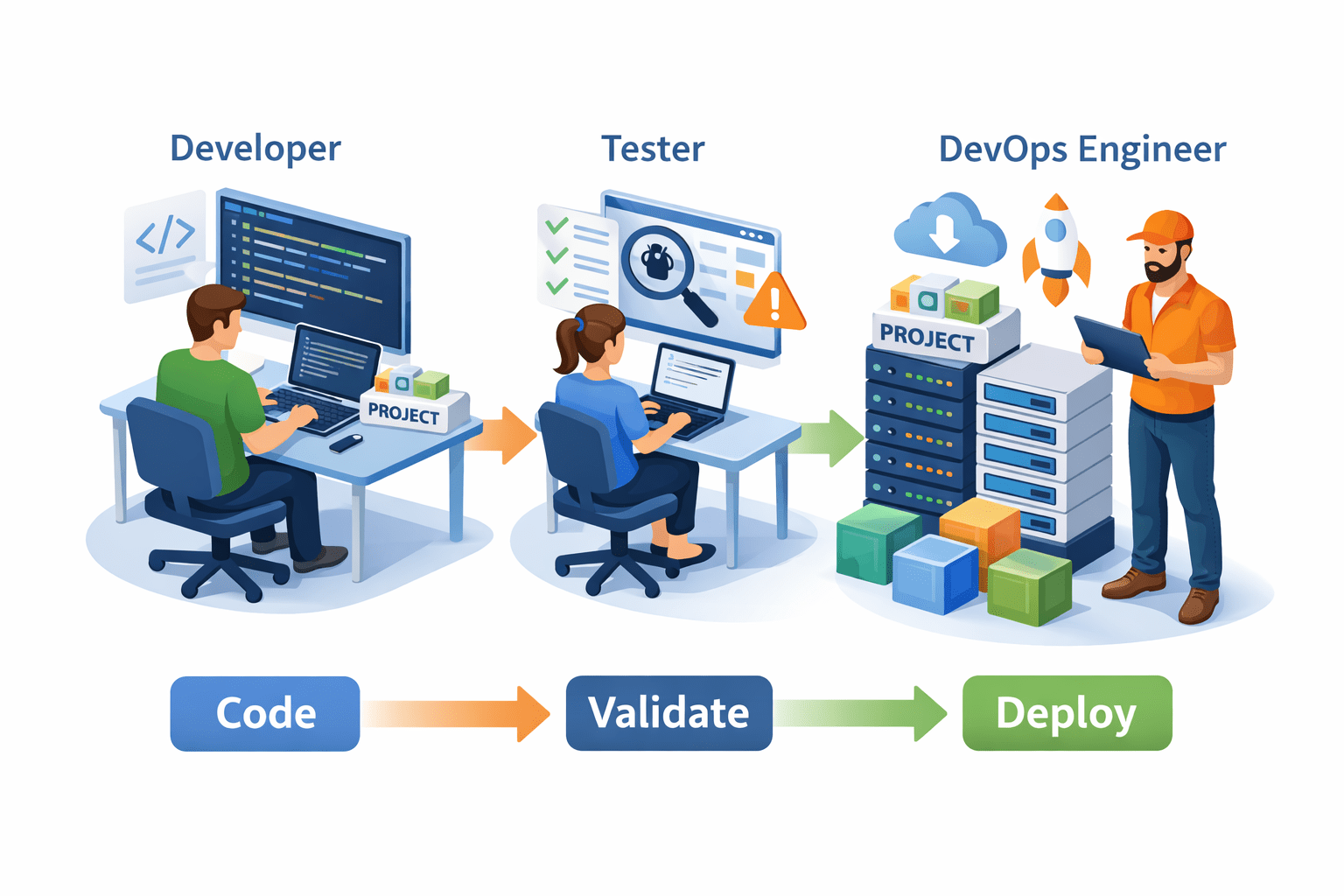
Imagine a project team where each member has a specific responsibility
such as development, testing, or deployment
Similarly, in Ansible, Roles divide
Automation tasks into organized and reusable components
To manage complex automation tasks efficiently,
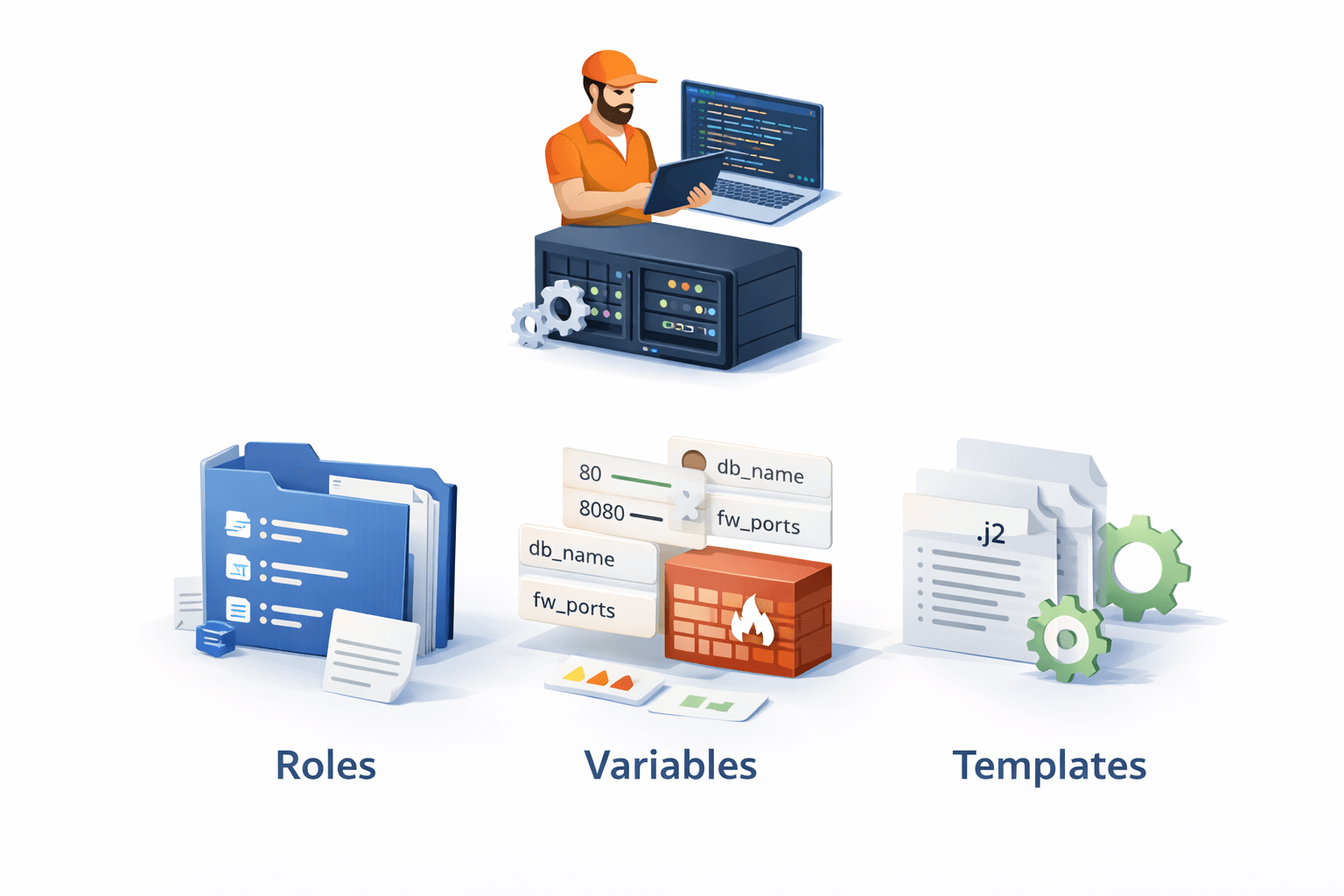
Ansible uses Roles, Variables, and Templates to structure and reuse configurations
What are Roles?
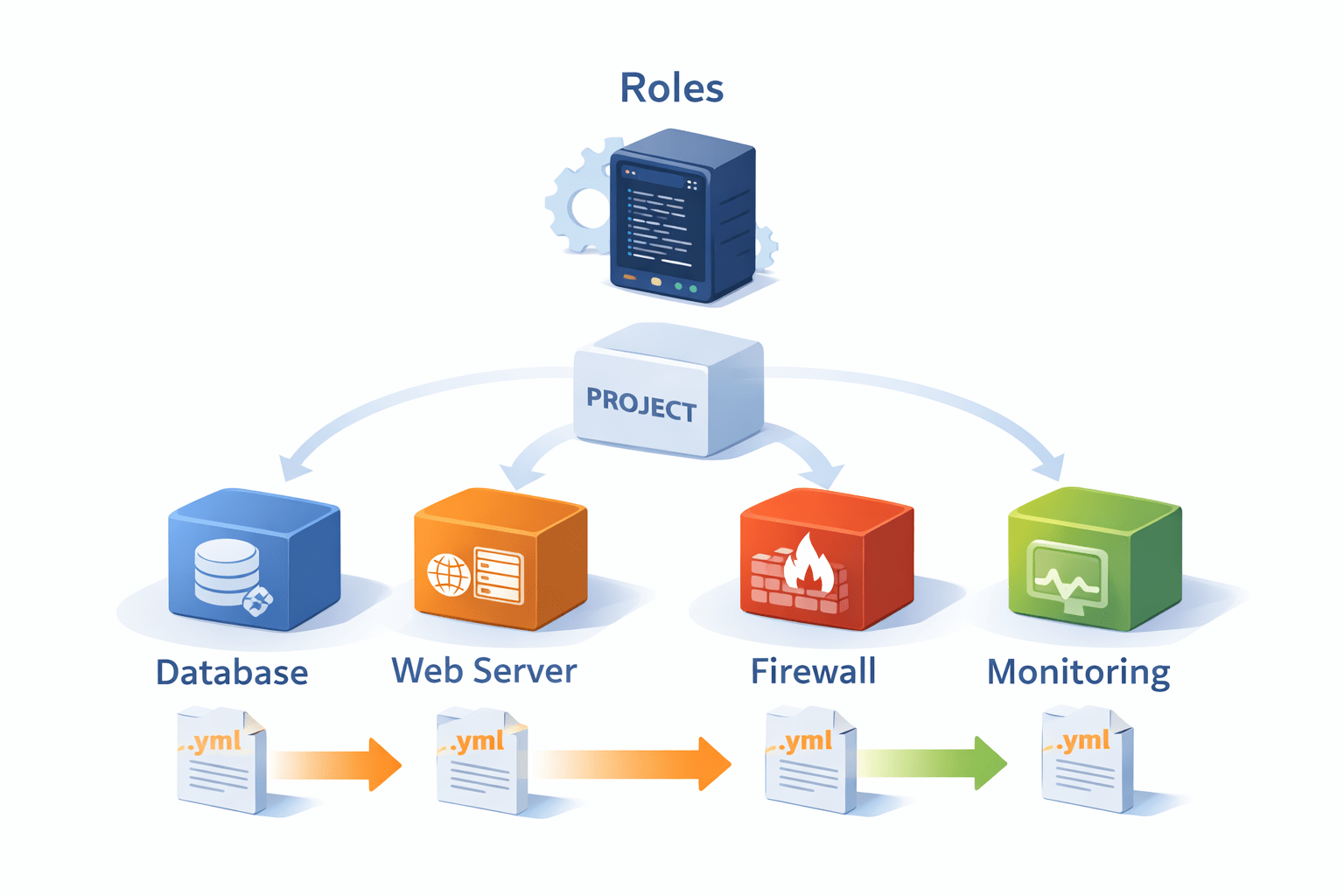
Roles are a way to organize Ansible playbooks into structured directories
They help break large playbooks into smaller,
manageable components
Roles make automation easier to maintain and reuse
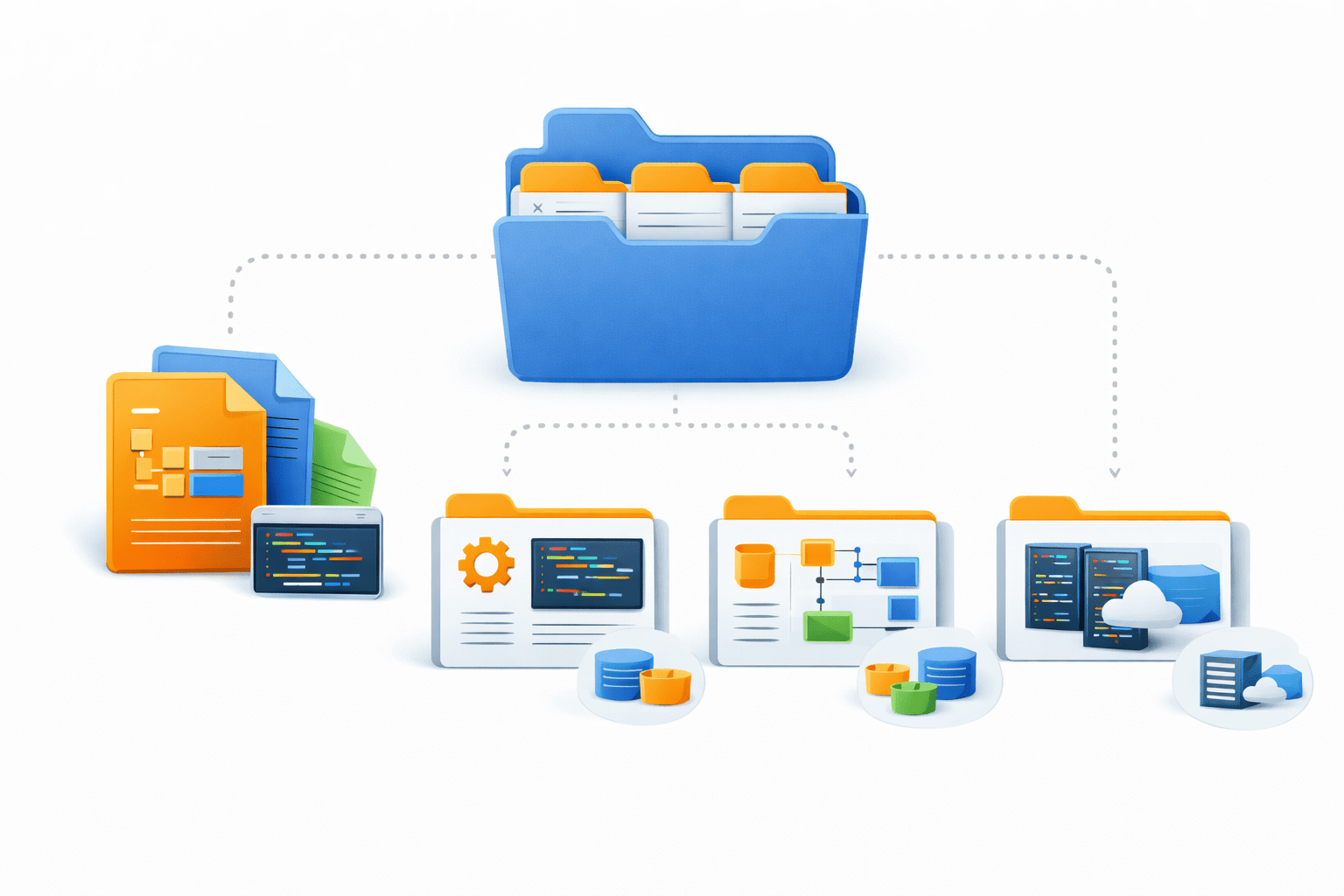
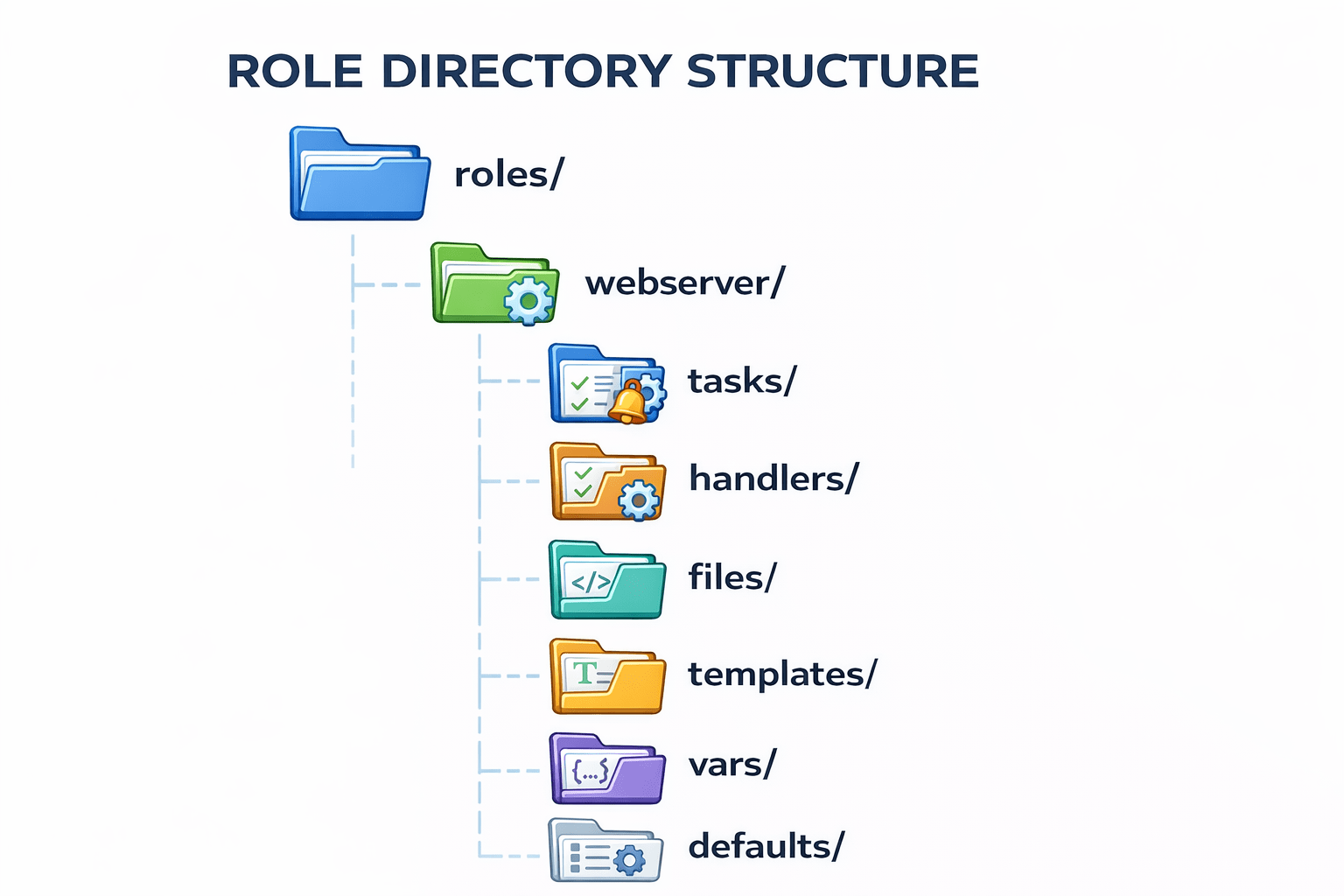
Role Directory Structure
A typical role structure looks like this
tasks/ → Contains main automation tasks
handlers/ → Defines triggered actions (like restarting services)
files/ → Static files copied to servers
templates/ → Dynamic configuration templates
vars/ → Variables used by the role
defaults/ → Default variable values
Role Reusability
One of the biggest advantages of roles is reusability
Instead of rewriting automation tasks
multiple times, a role can be reused in different playbooks
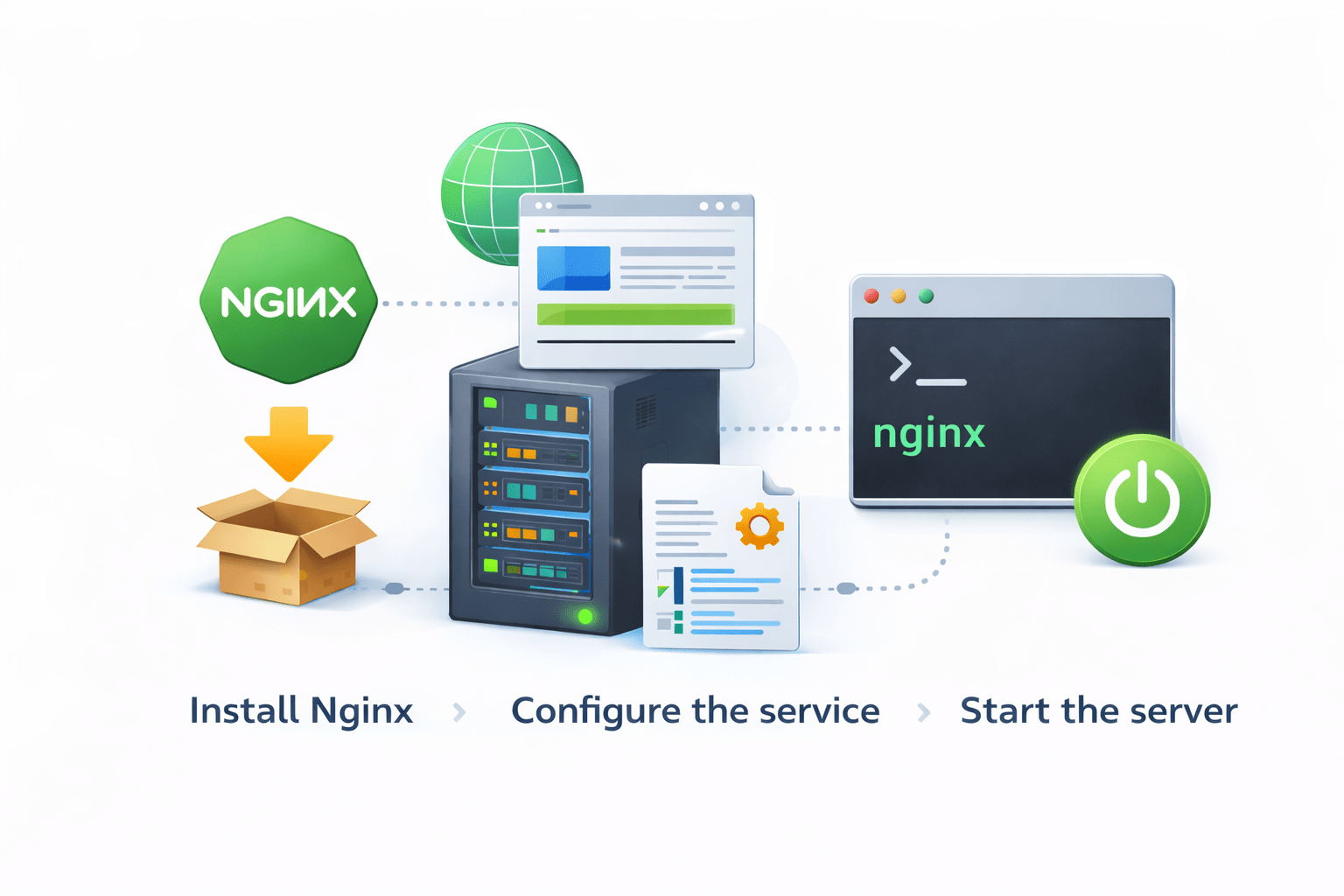
A web server role can include:
Installing Nginx
Configuring the service
Starting the server
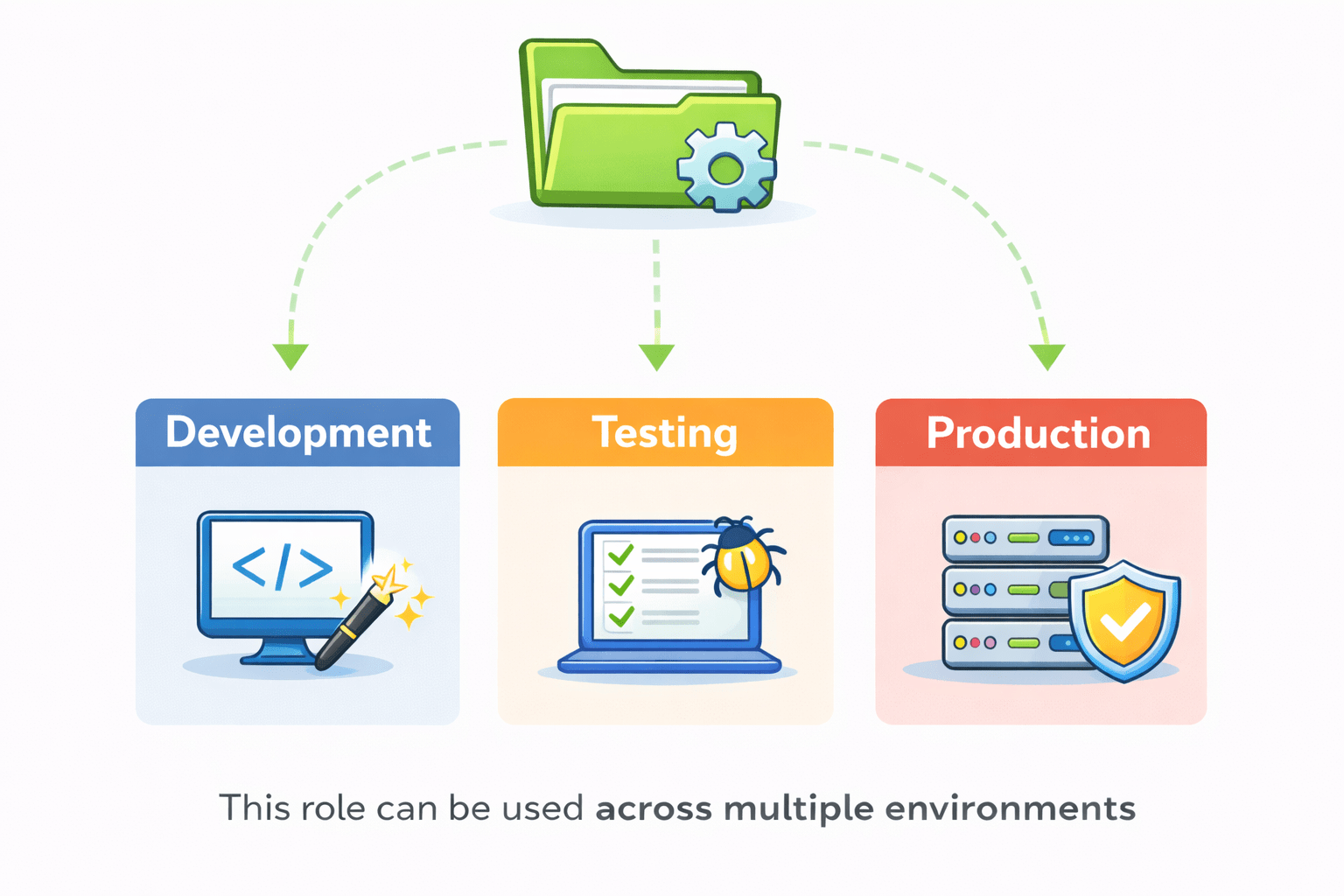
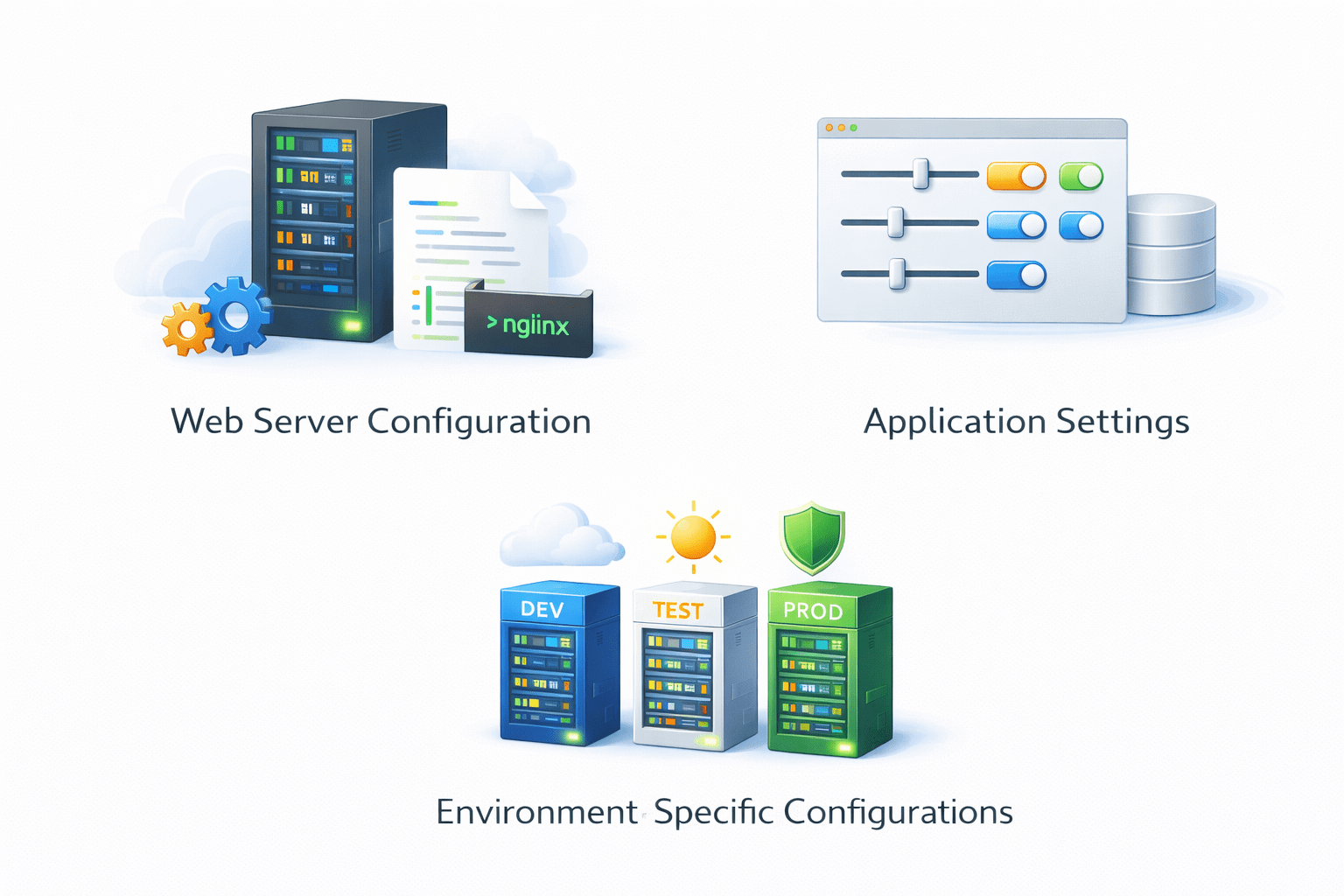
This role can be used across multiple environments such as:
This ensures consistent configuration across systems
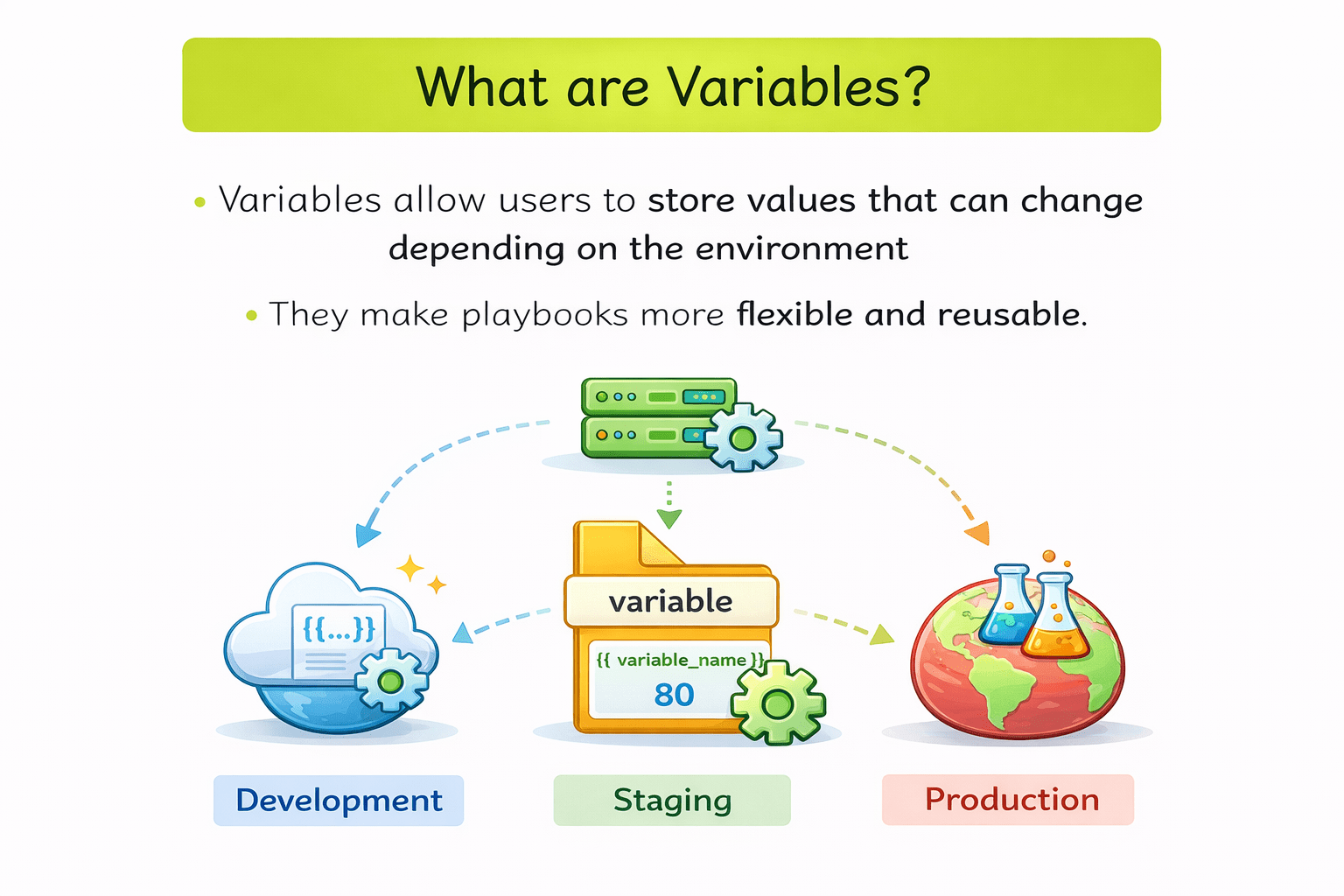
What are Variables?
Variables allow users to store values that can change depending on the environment
They make playbooks more flexible and reusable
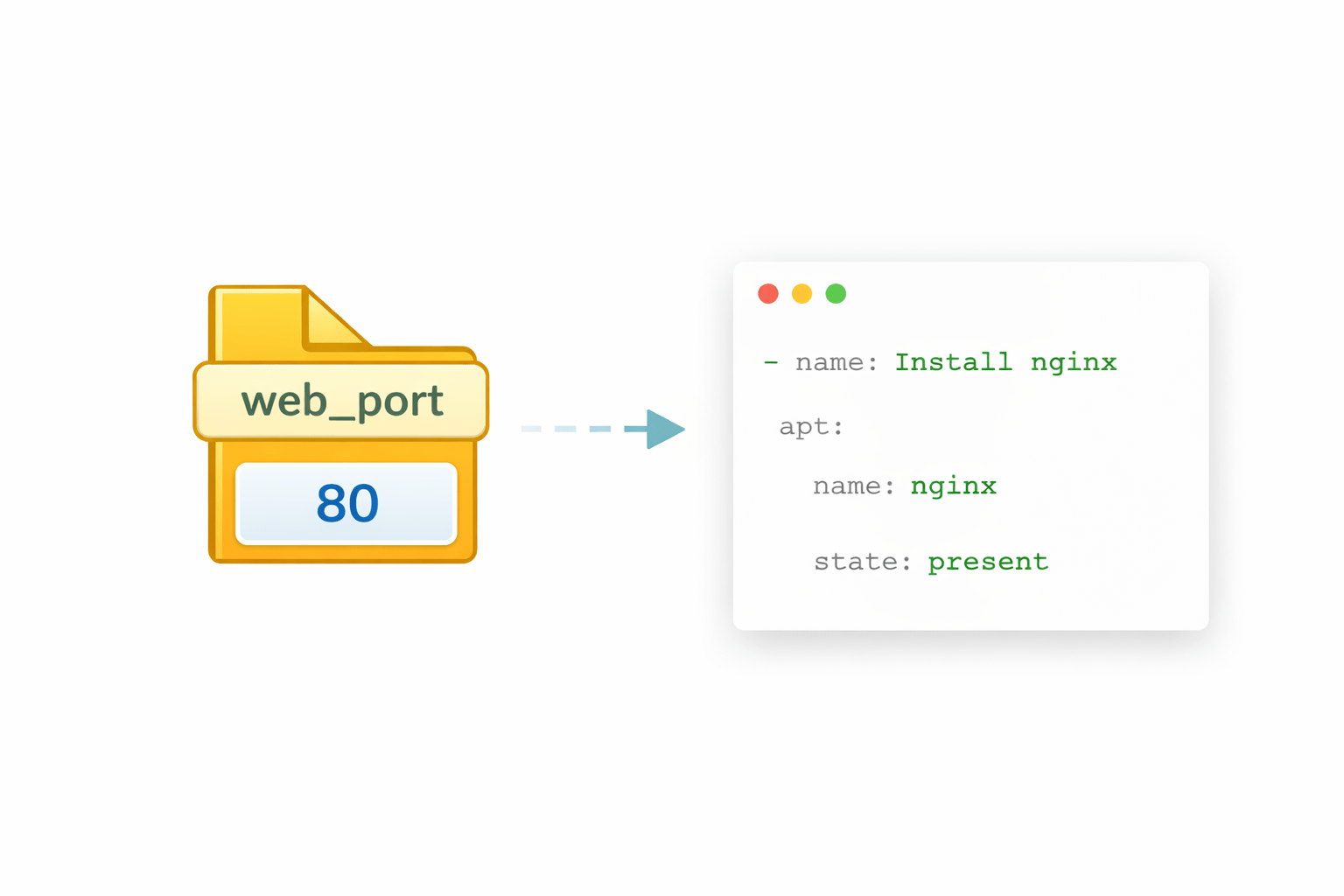
web_port: 80
This variable can be used inside tasks or templates
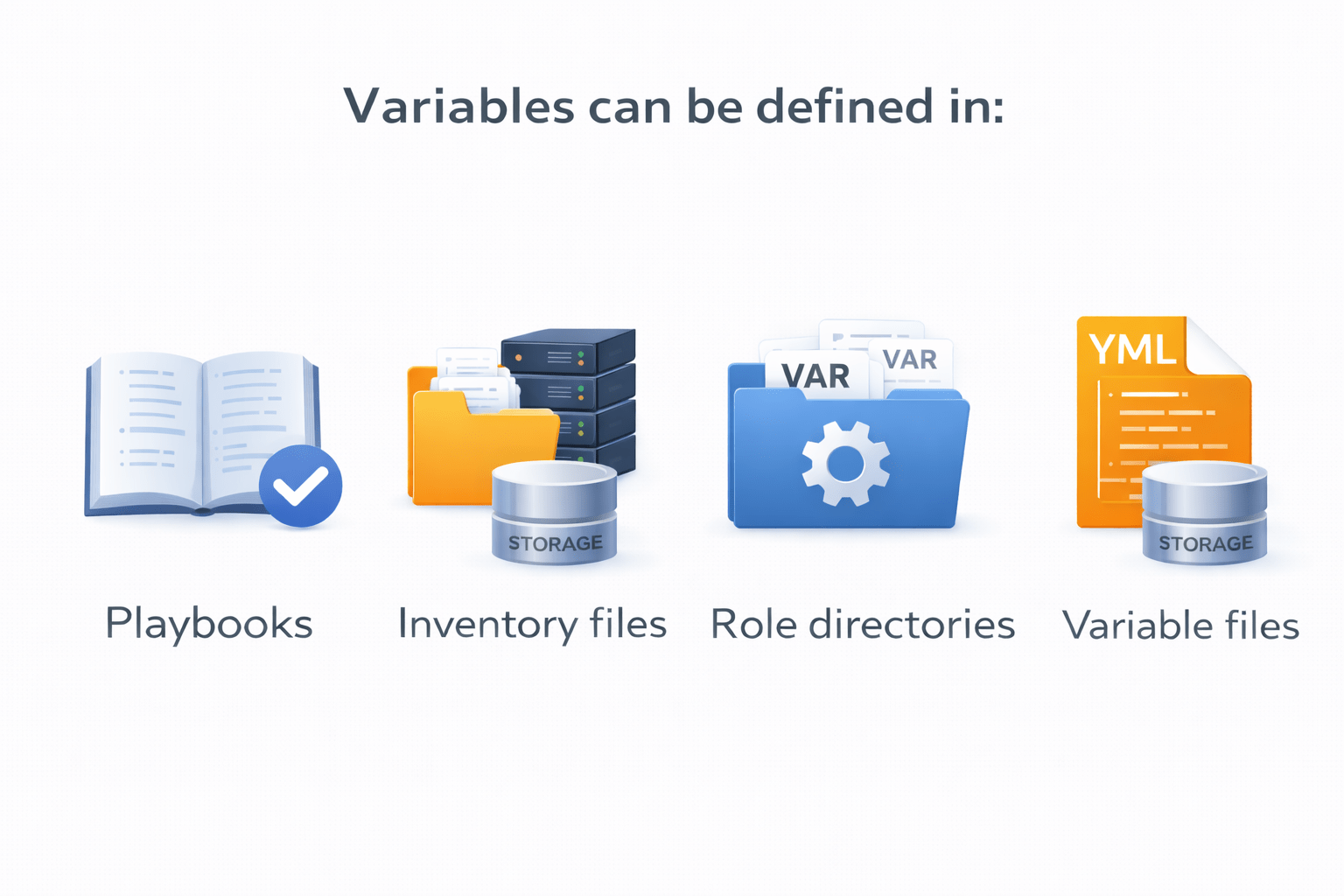
Variables can be defined in
Playbooks
Inventory files
Role directories
Variable files
- name: Install nginx

 apt:

   name: nginx

   state: present
What are Templates?
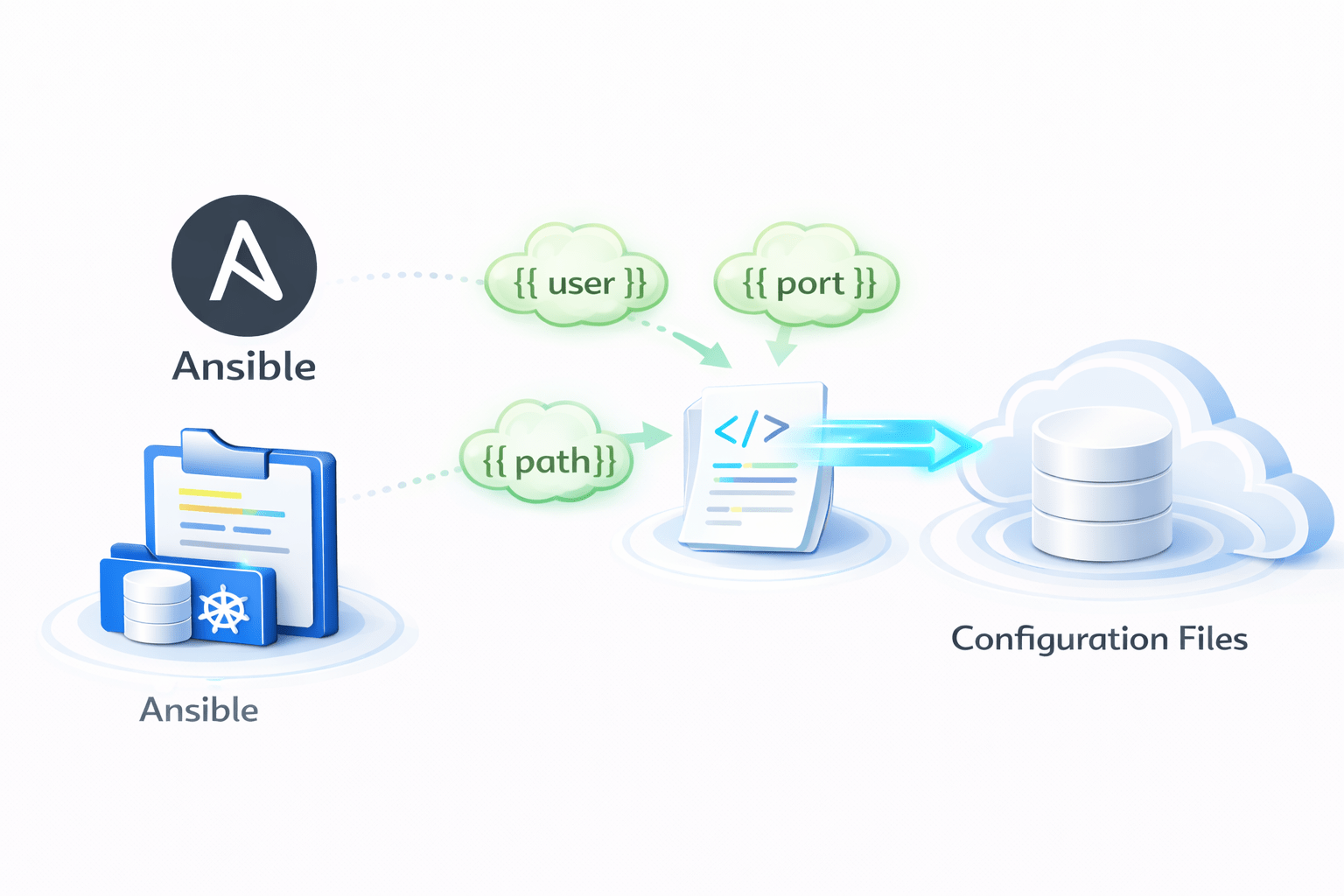
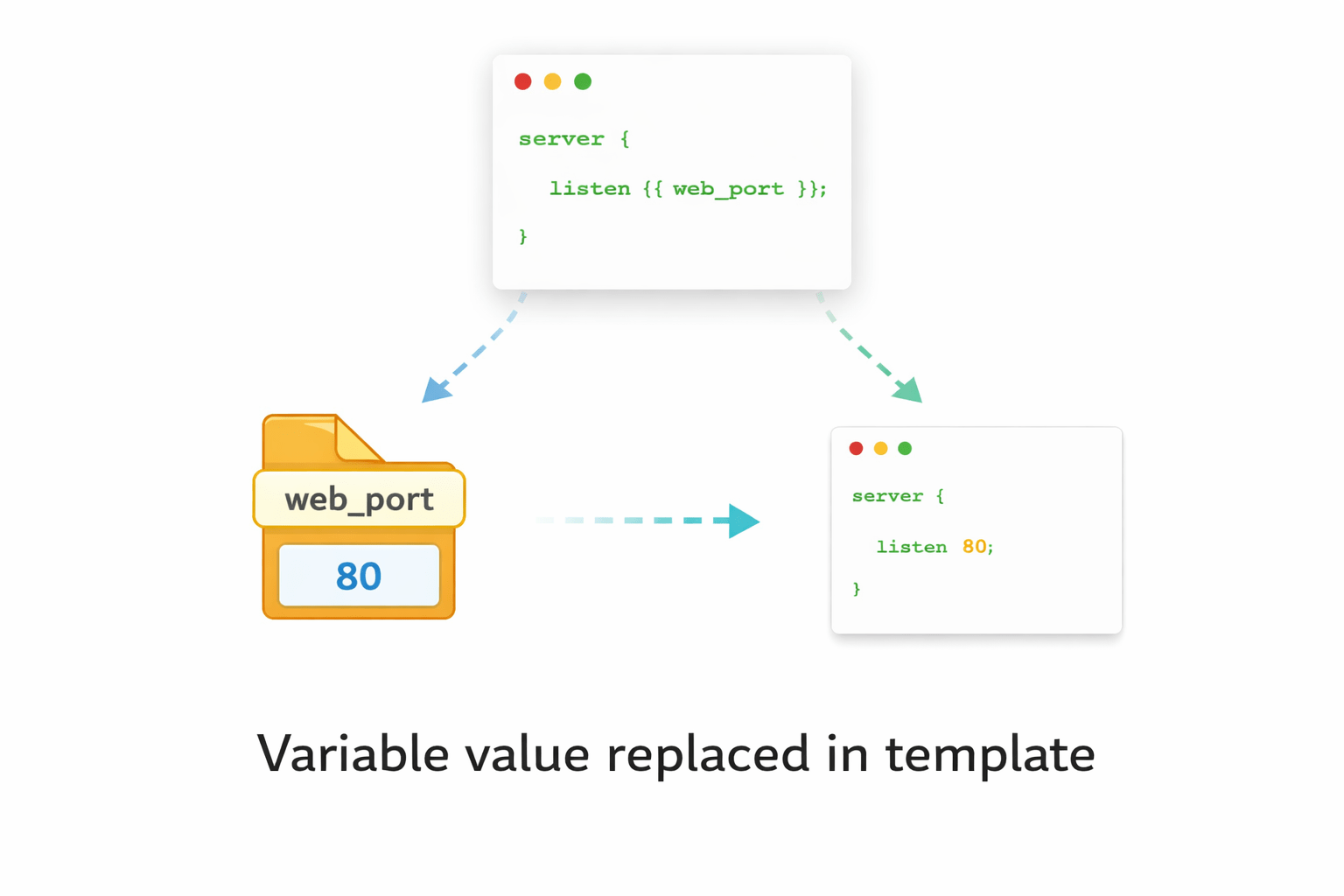
Templates are dynamic configuration files generated using variables
Ansible uses the Jinja2 templating engine to create these files
Templates allow configuration files to adapt based on variable value
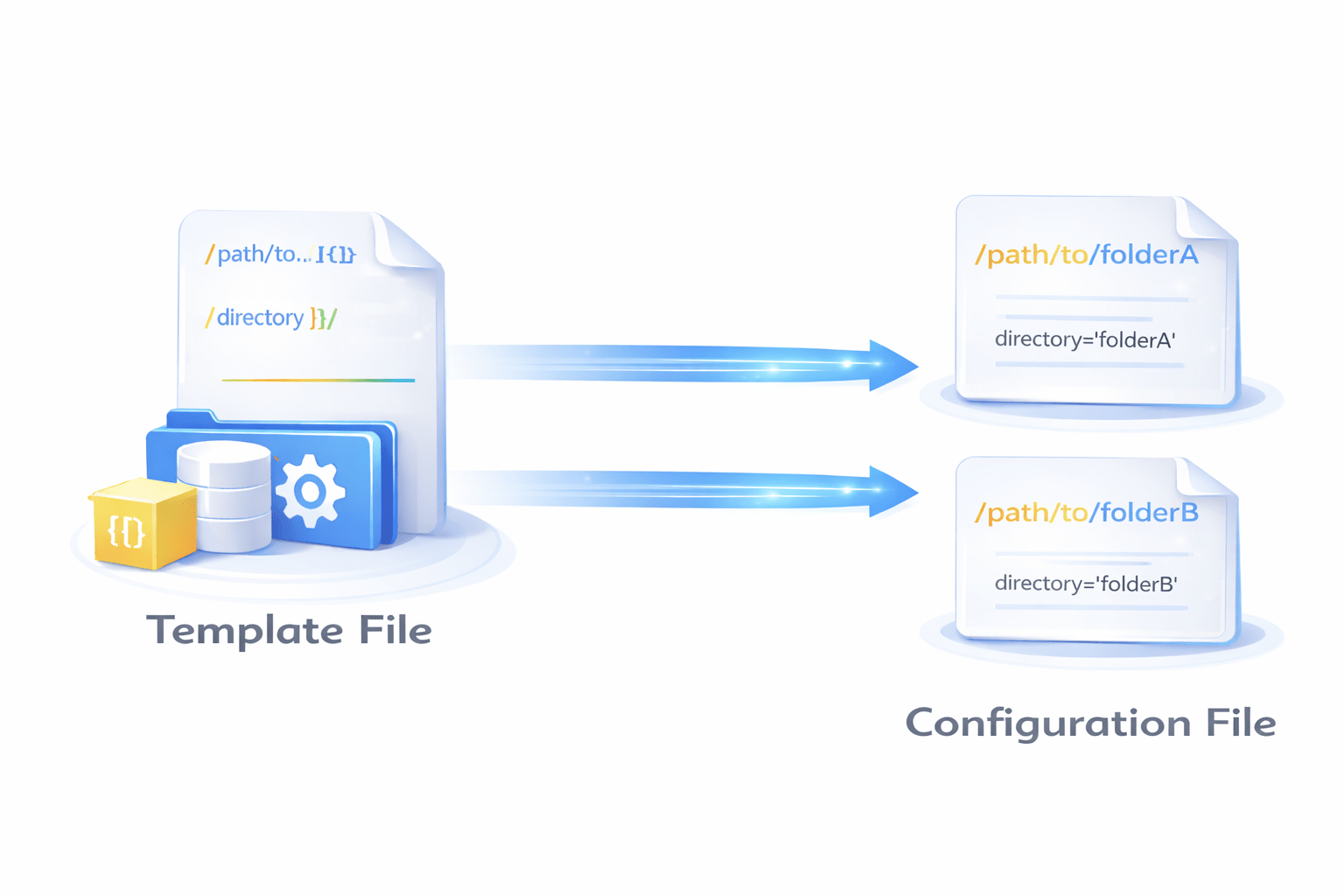
Example Template
Example configuration file template
Here, the {{ web_port }} value will be replaced with the variable value when the template is deployed
server {

   listen {{ web_port }};

}
Why Templates are Important
Templates help in
Generating dynamic configuration files
Supporting multiple environments
Reducing manual configuration changes
Environment-specific configurations
Application settings
Web server configuration files
Important components used in roles
Roles organize automation into structured directories
Variables allow dynamic configuration values
Templates generate configuration files using variables
Role reusability allows the same automation logic to be used across environments
Summary
5
Templates generate dynamic configuration files using variables
4
Variables store values that make configurations flexible
3
Role reusability allows the same automation to be used across multiple environments
2
Roles help improve code organization and maintainability
1
Roles organize Ansible automation into structured components
Quiz
What is the main purpose of Ansible Roles?
A. Manage network traffic
B. Organize and reuse automation tasks
C. Store system logs
D. Install operating systems
Answer
What is the main purpose of Ansible Roles?
A. Manage network traffic
B. Organize and reuse automation tasks
C. Store system logs
D. Install operating systems
By Content ITV