Presentations
Templates
Features
Teams
Pricing
Log in
Sign up
Log in
Sign up
Menu
US Public and Economic Coercion: A Constrained Choice Experiment
Dawid Walentek
Ghent University
dawid.walentek@ugent.be
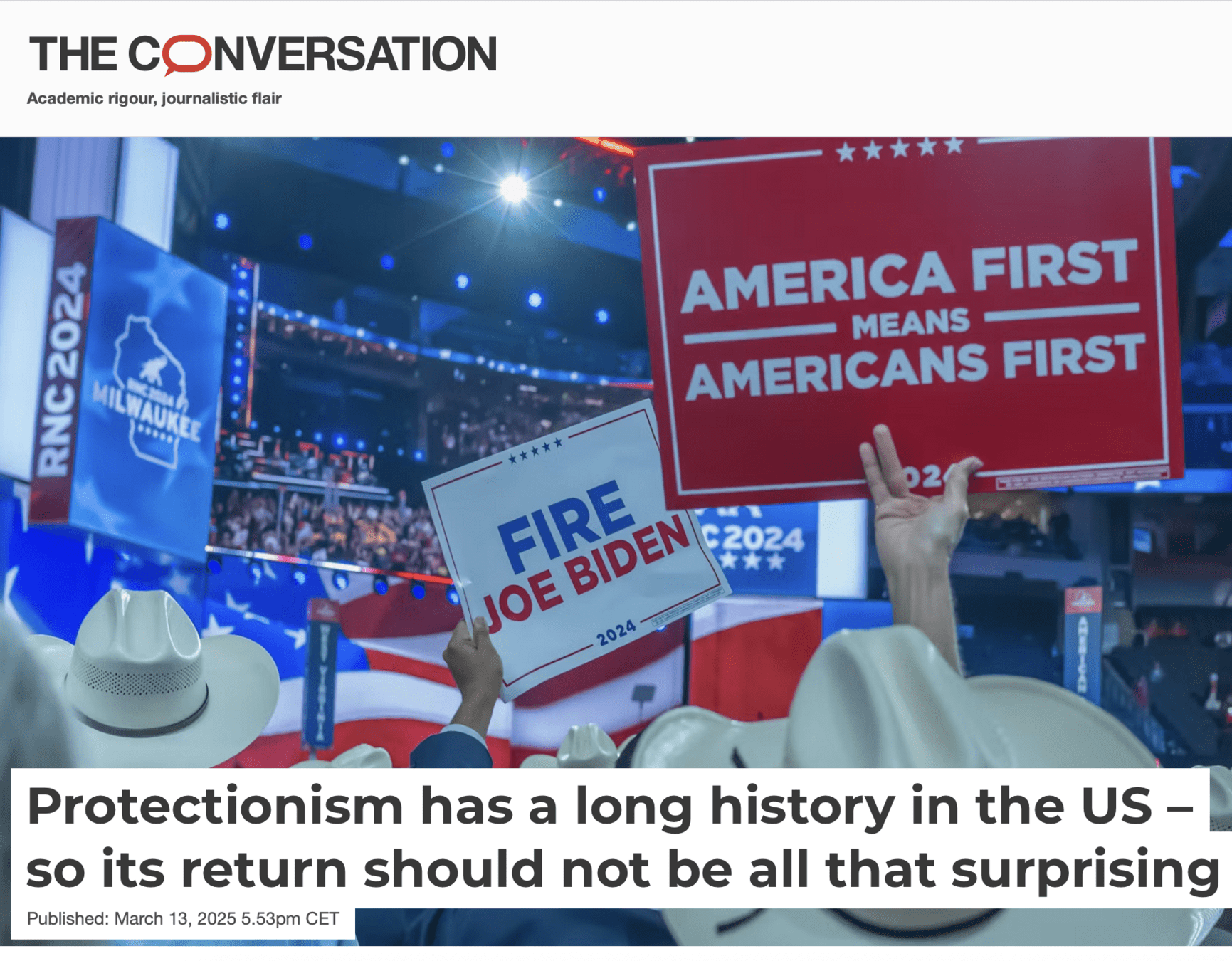
Economic coercion is a hot topic
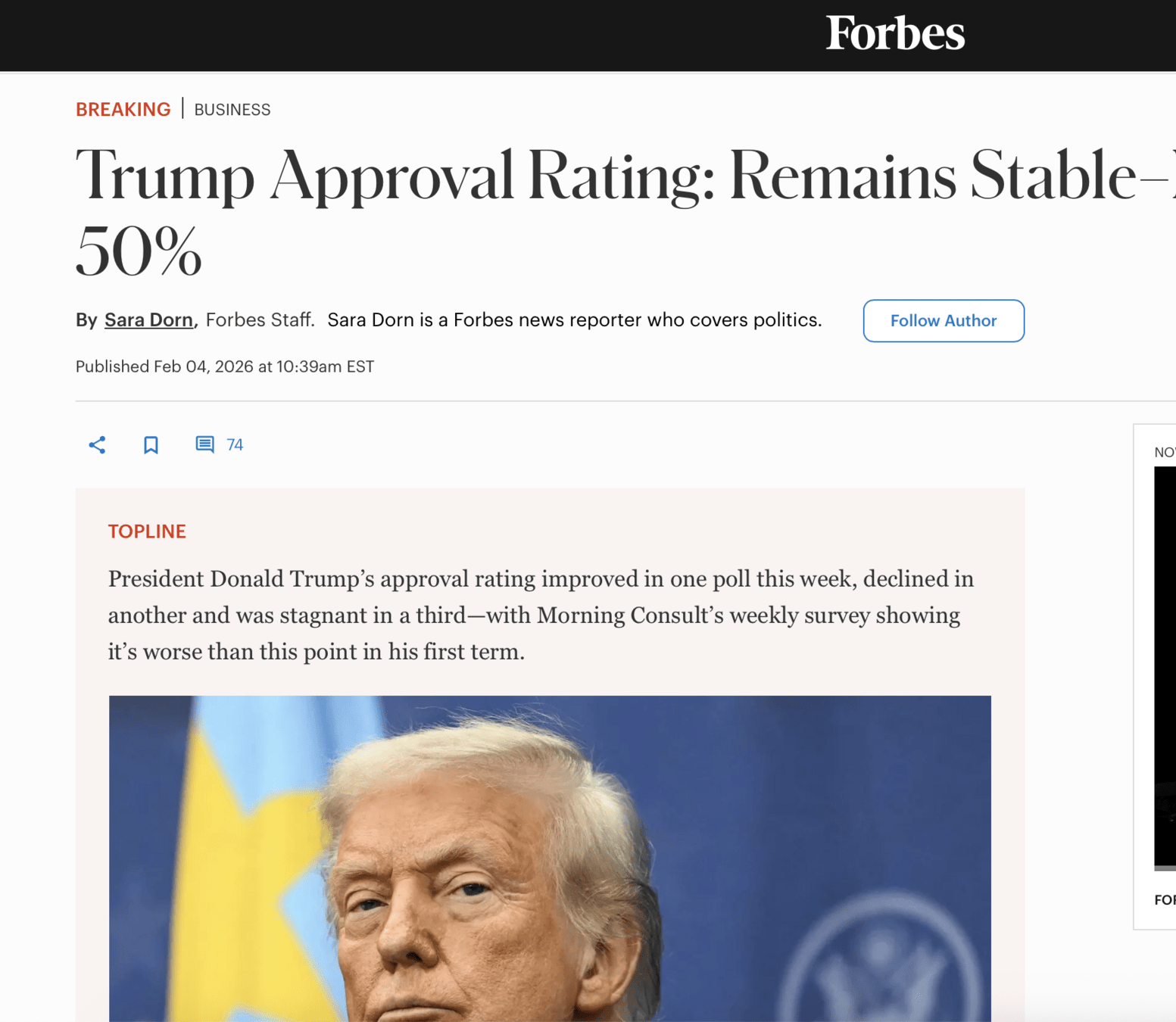
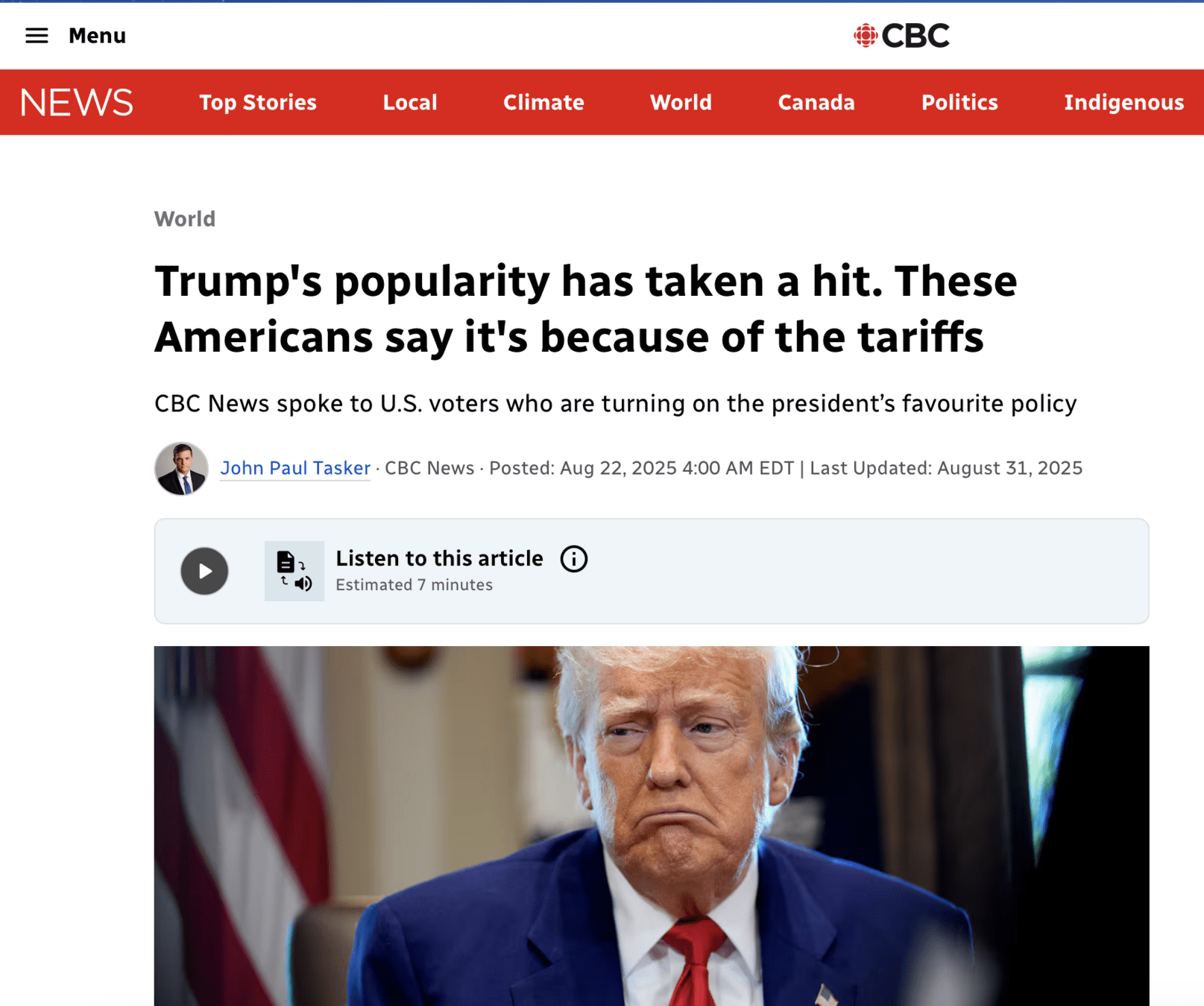
Inconsistent polls
Mixed feelings
Literature
Economic coercion is on a rise
More economic tools used to pursue political goals
Protectionist demands and expectations of an active foreign policy
Limited insights on the domestic preferences for economic coercion
Research Questions
How much is the US public willing to pay for economic coercion?
Does the economic effect on the target state have a moderating role?
Does the tool of economic coercion influence support?
Does the relation with the target state affect public preferences?
Experimental design
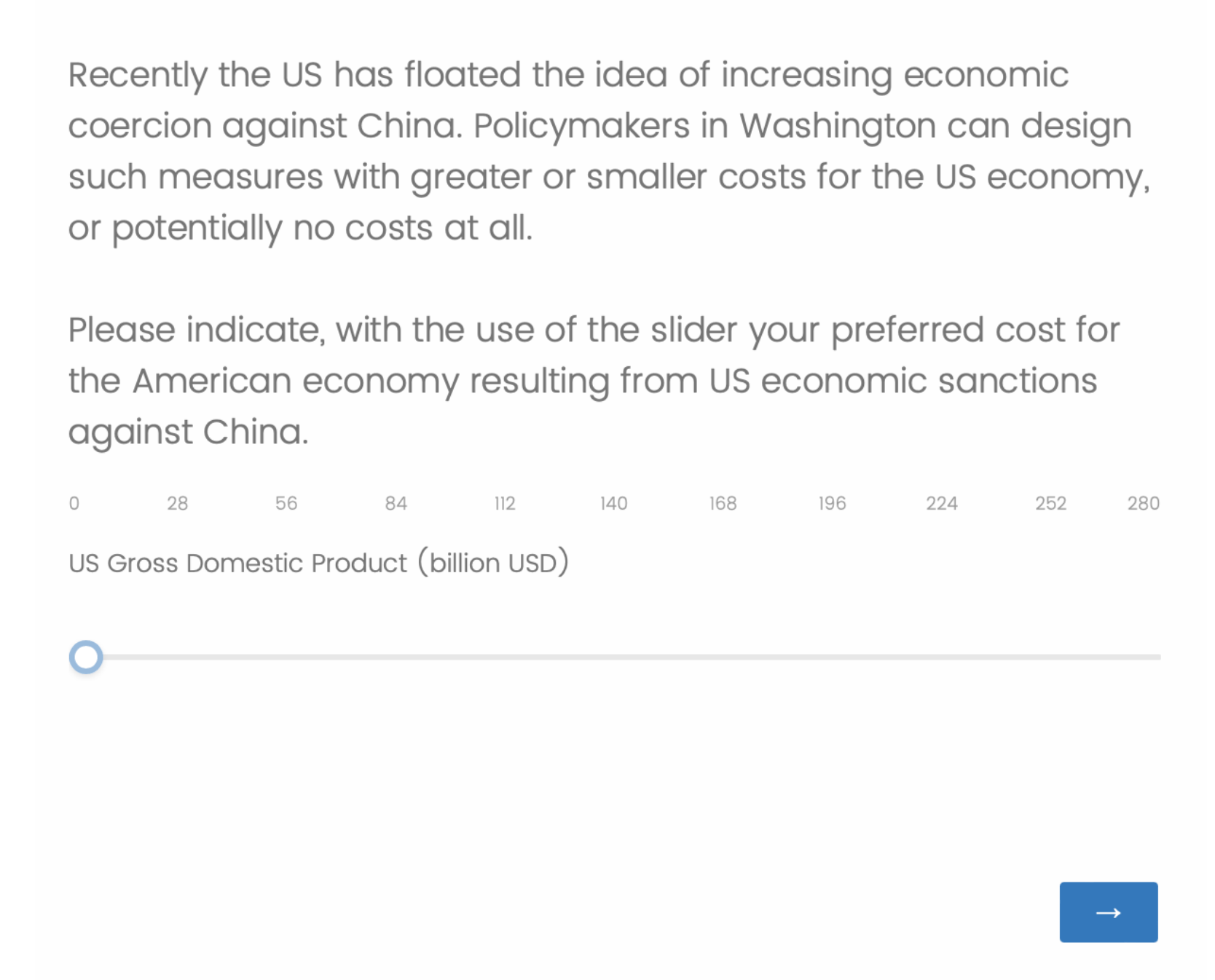
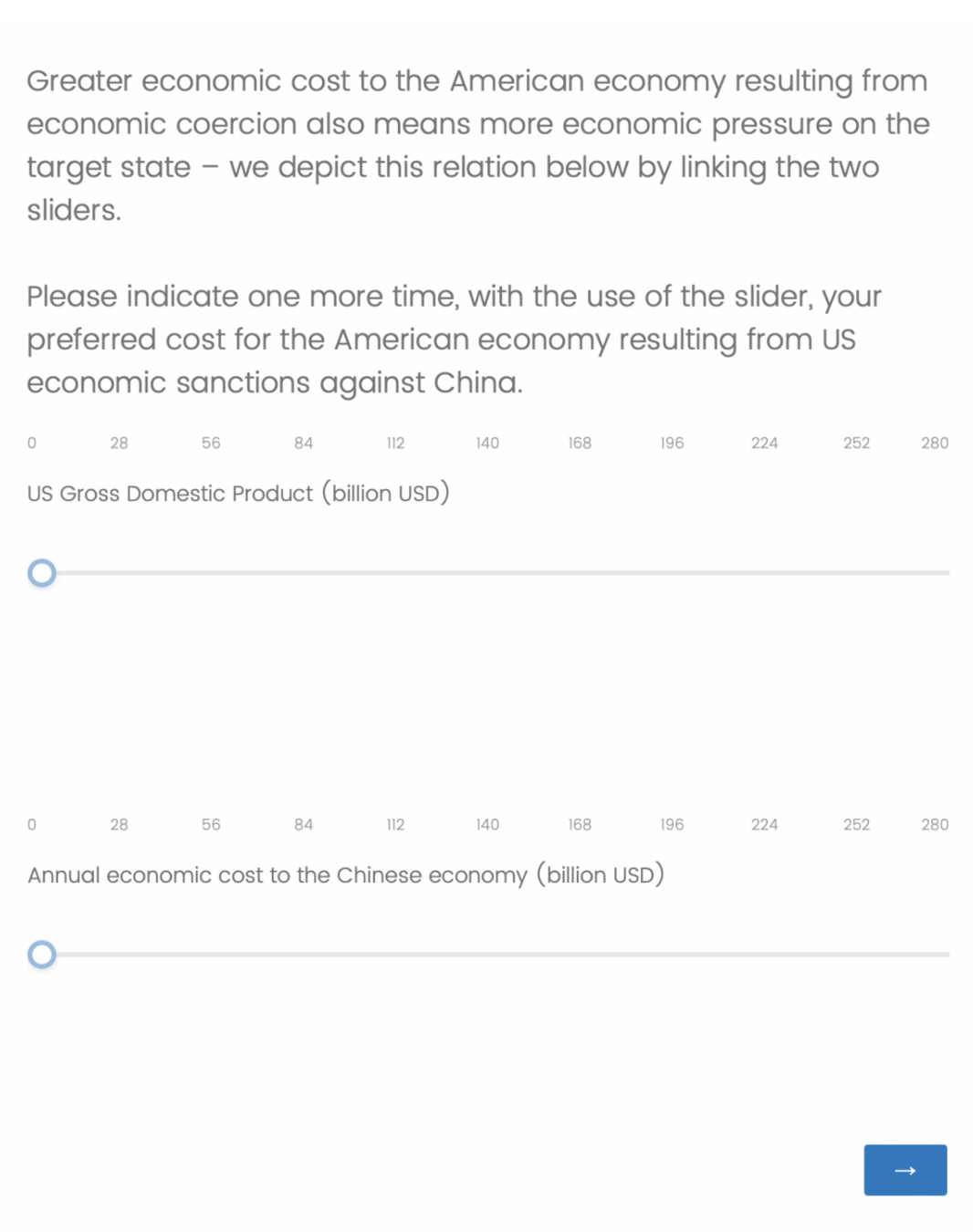
Constrained choice experiment (Hix et al., 2021)
Four experimental groups (China/Canada & sanctions/tariffs)
Five stages of the experiment
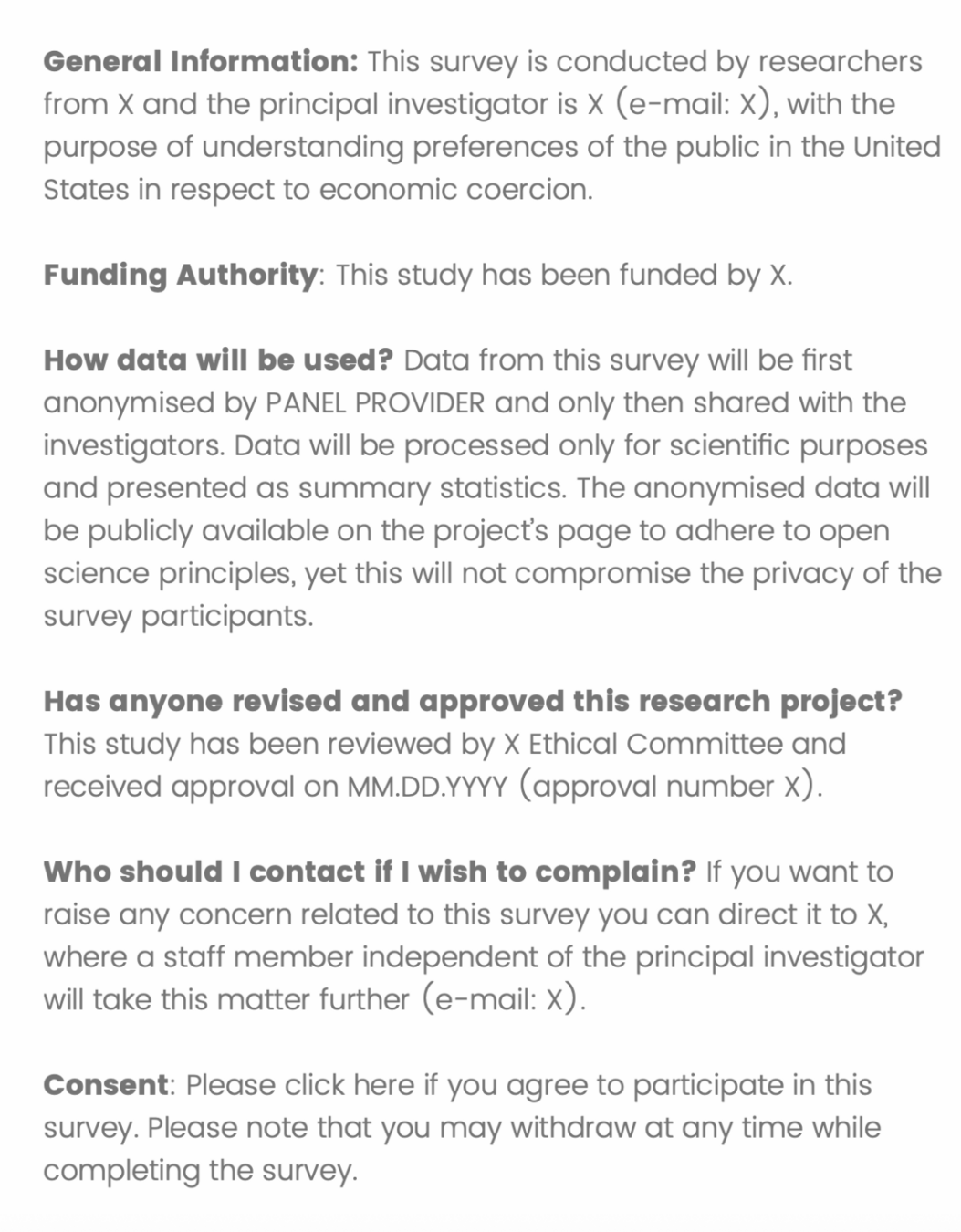
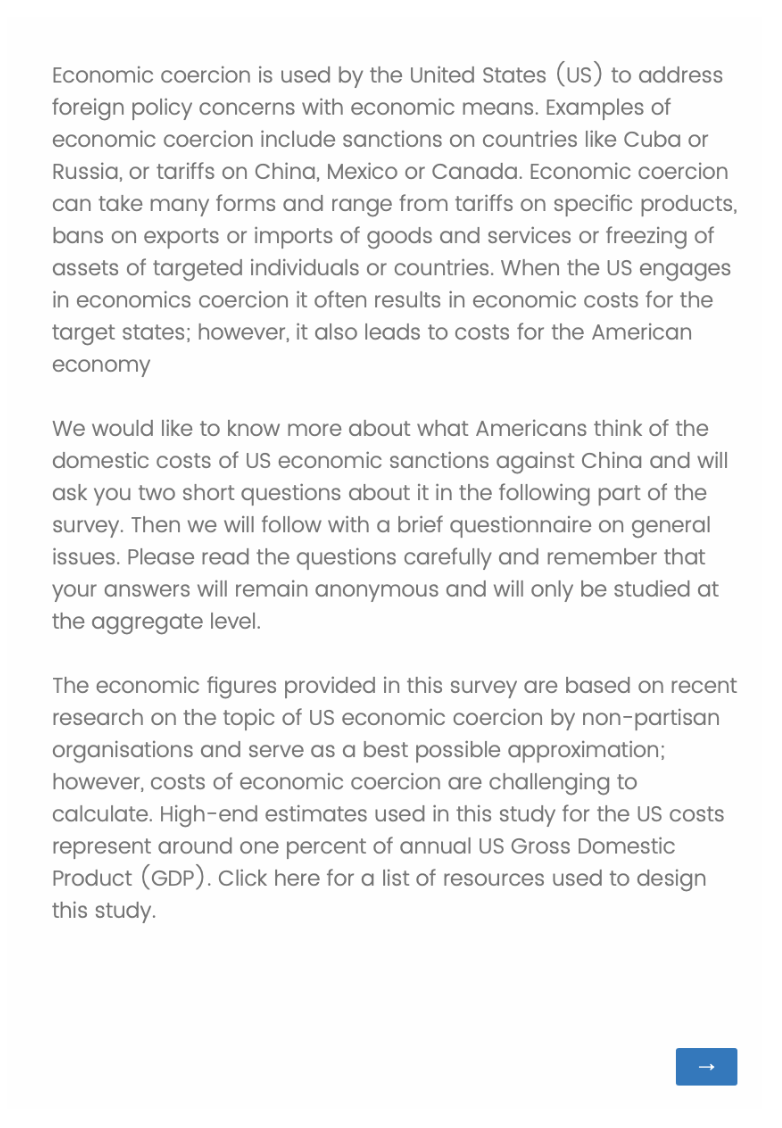
Information and active consent
Introduction
Unconstrained experiment
Constrained experiment
Questionnaire (General Social Survey)
1,000 US-based respondents
Registered Report
Visualisation
Visualisation
Simulation
Current design is robust and allows to identify:
information effect (constrain)
direct effect (country or policy)
direct effects in tandem (country and policy)
interaction effect (country and policy specific combination
subgroup analysis (gender, education, ideology, last election, employment situation)
Overview of distributions of preferences
Pushing the envelope forward
Playing at the home crowd
Undoing the liberal order
Future of economic coercion
Thank you
US Public and Economic Coercion @ISA 2026
By Dawid Walentek
US Public and Economic Coercion @ISA 2026
40
Dawid Walentek
post-doc @UGent
dawid_walentek
More from
Dawid Walentek