scaling
Cleo
It's time to discuss the elephant...
Gavin
Pillar lead for EWA + Credit

aka Bodacious
Pop Quiz
What do these four fictional stories have in common?



Pop Quiz: Answer
They are all examples of people misunderstanding scale!
Spiderman
Explanation:
- Ratio of surface area to mass too low
- Would need enormous hands, 1m wide
- Would rip his skin apart
Wall crawling works at spider scale, not human scale

King Kong
Explanation:
- Bones would not support weight
- Would struggle to dissipate heat
- Heart could not produce enough pressure to circulate blood around his body
Gorillas work at gorilla scale, not King Kong scale

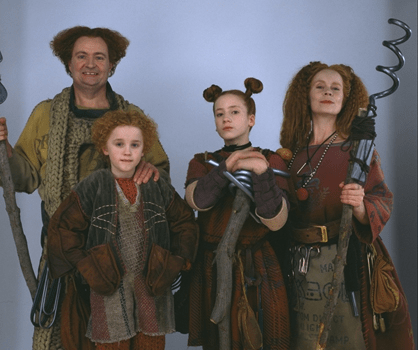
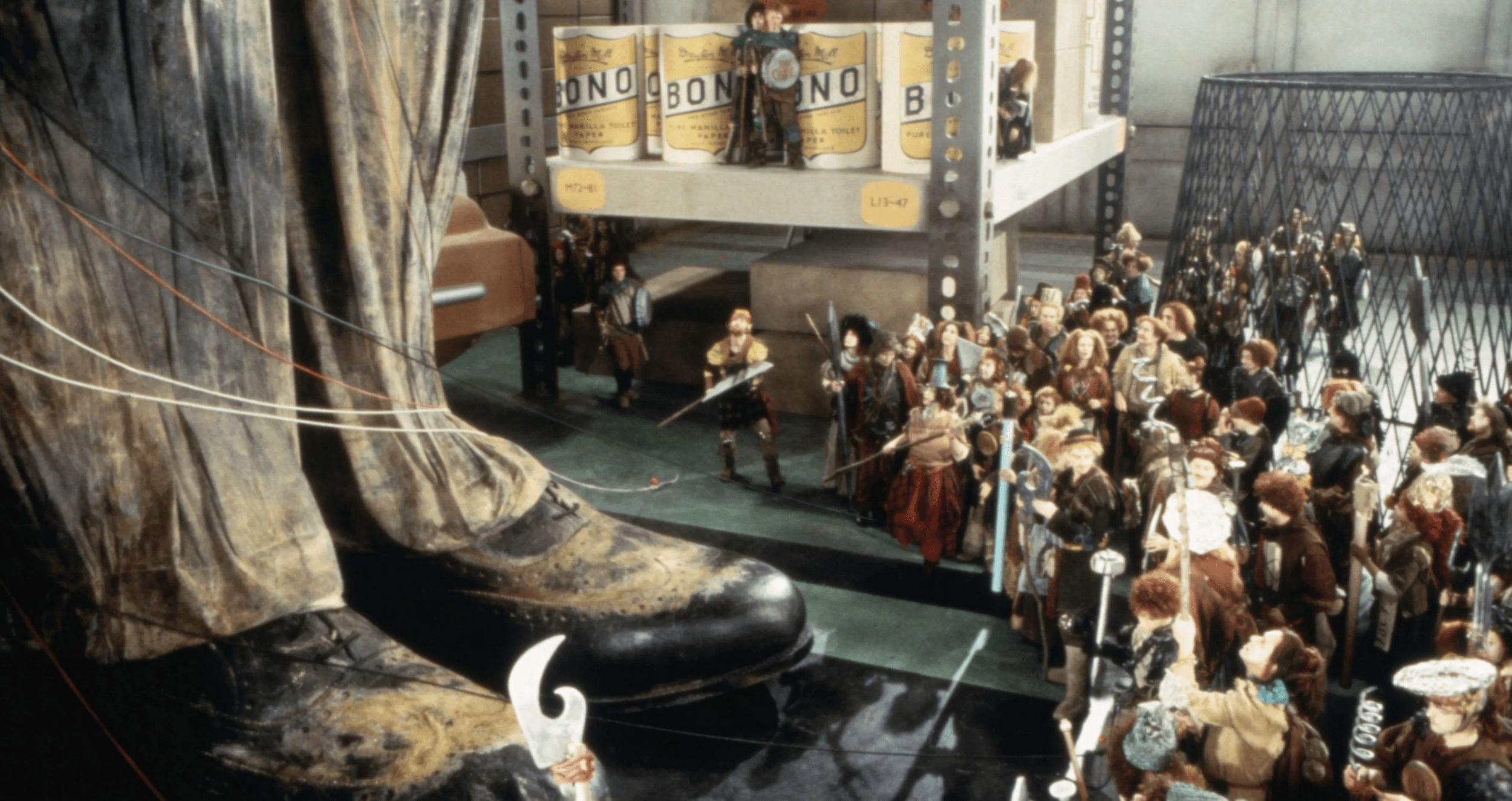
The Borrowers
Explanation:
- Would lose a lot of body heat and water
- Struggle to breathe
- Would be practically blind
Humans work at human scale, not at borrower (5cm) scale
Up
Explanation:
- Would require an impossible amount of balloons
- Would take too long to fill those balloons
- House would rip apart from the forces
Lifting things with balloons works at toy scale, not at house scale


2x 8 inches
1x 12 inches
Pop quiz 2: Choose
The point?
We really struggle to understand scale!
- Specifically, we struggle to understand non-linear scaling
- When we change one dimension of a system, we often see disproportionate result
- Non-linear scaling can mean that limiting factors can surprise us
Non-linear scaling
5
3
1
2
4
Expectation
Reality
Cleo is scaling!
- Scaling in our data
- Scaling in our code
- Scaling in our organisation
Challenge: Database capacity
Hard limit
Bajillion TB
Expectation
Reality
Join performance suddenly degrades!
Latency
Join size (memory)
Expectation
Reality
Index performance suddenly plummets!
Latency
Index size
Expectation
Reality
More connections throttles PG performance
Latency
Connections
Challenge: Code complexity
- Code metrics (LoC etc), tend to scale linearly
- Interactions between code objects scale non-linearly
Challenge: Code complexity
Challenge: Code complexity
Challenge: Code complexity
Code complexity
Expectation
Reality
Code objects
Complexity
Challenge: Code complexity
Challenge: Code complexity
Challenge: Code complexity
Challenge: Organisational complexity
Solving problems with Lego!
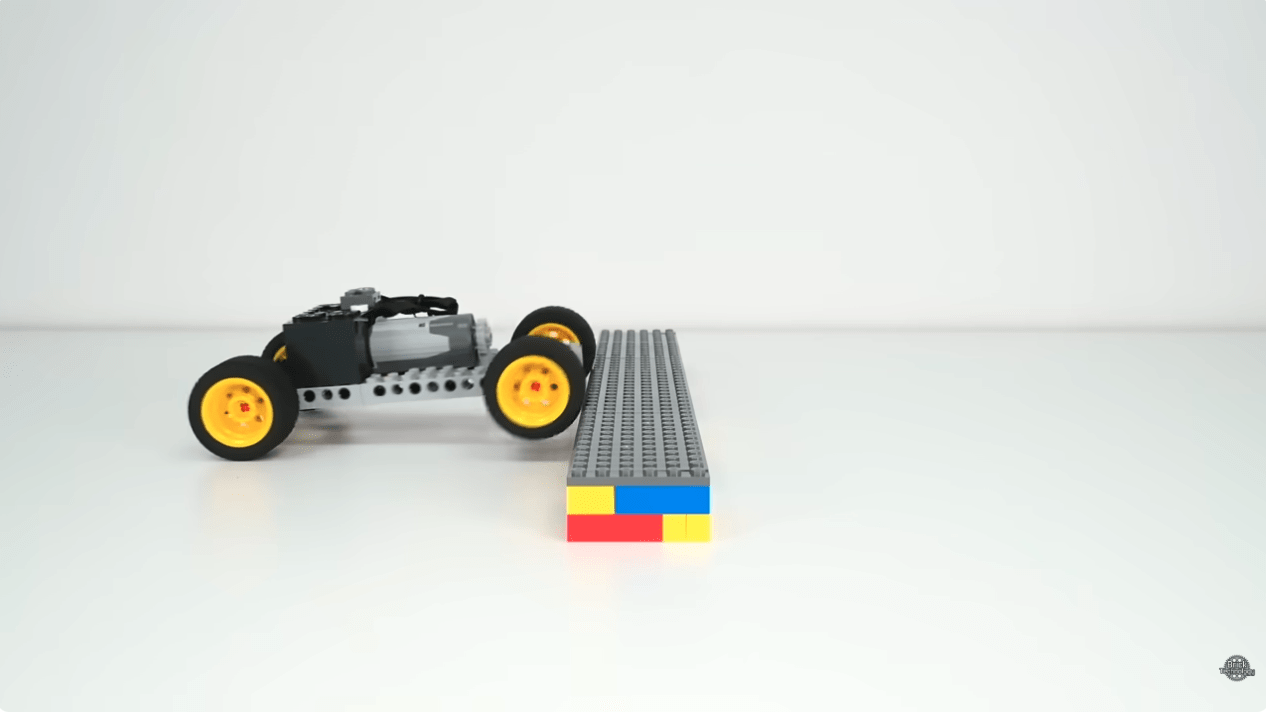
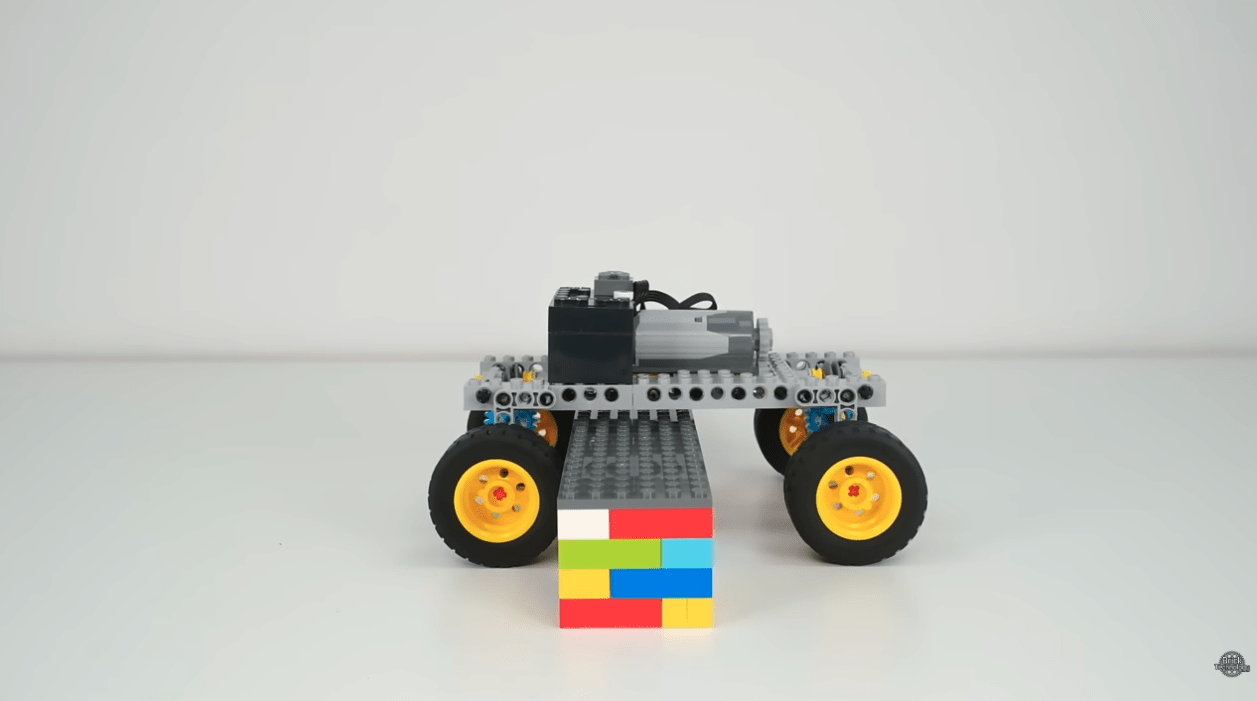
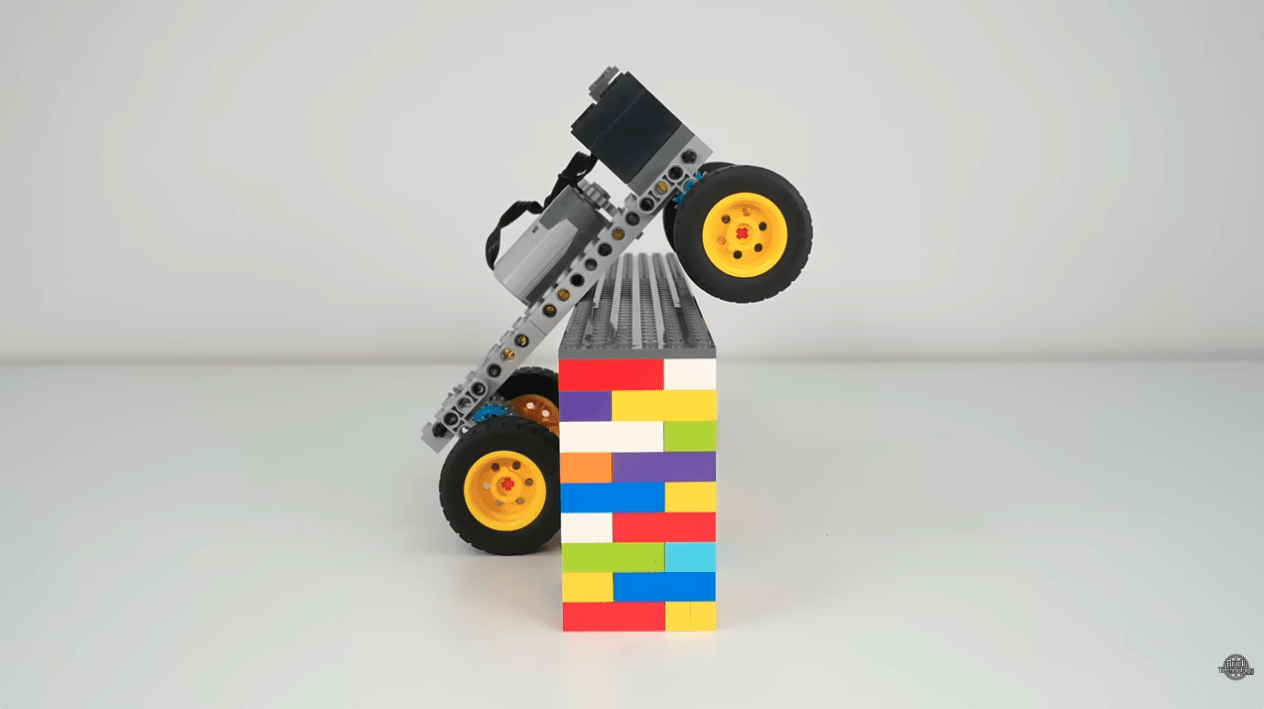
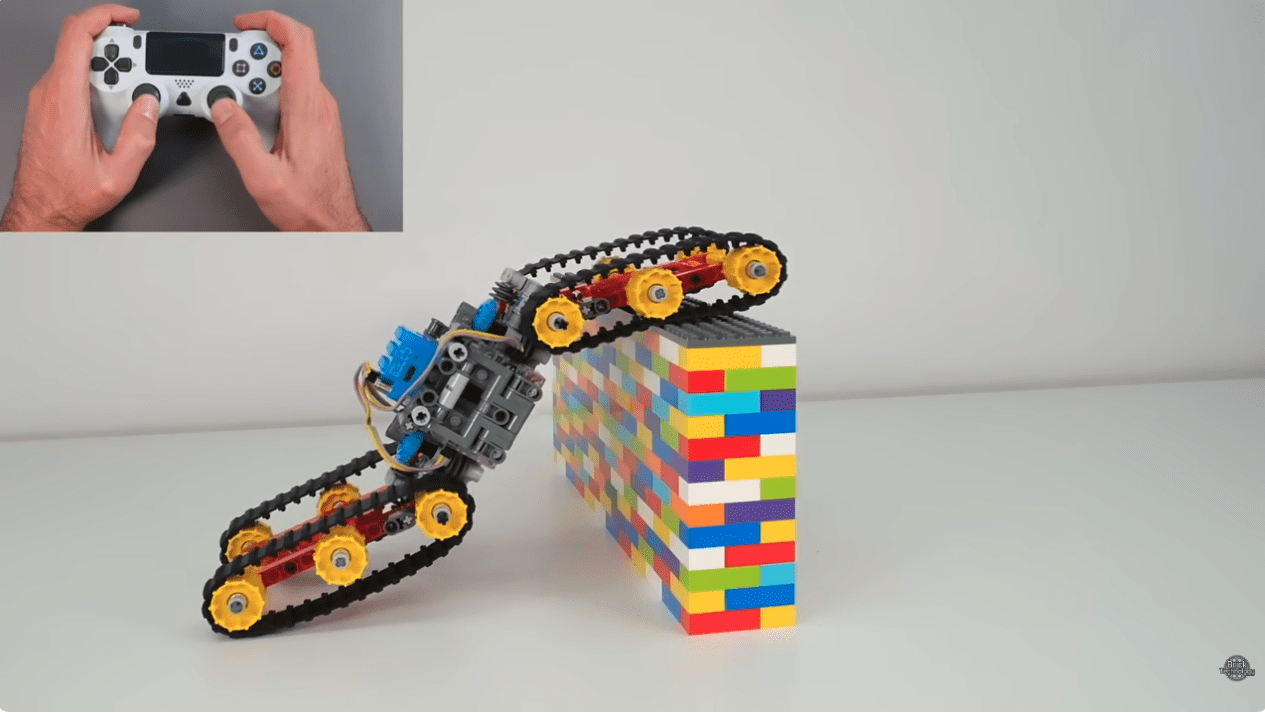

The point?
Solutions are scale-specific
- Solutions to problems are only useful at certain scale
- When we reach a limiting factor, the solution has to change
How are we going to solve our problems of scale?
Modularise!
Take some inspiration from nature
Bacteria => Whale
- Smallest living organism
- Mycoplasma genitalium - 10^-16 grams
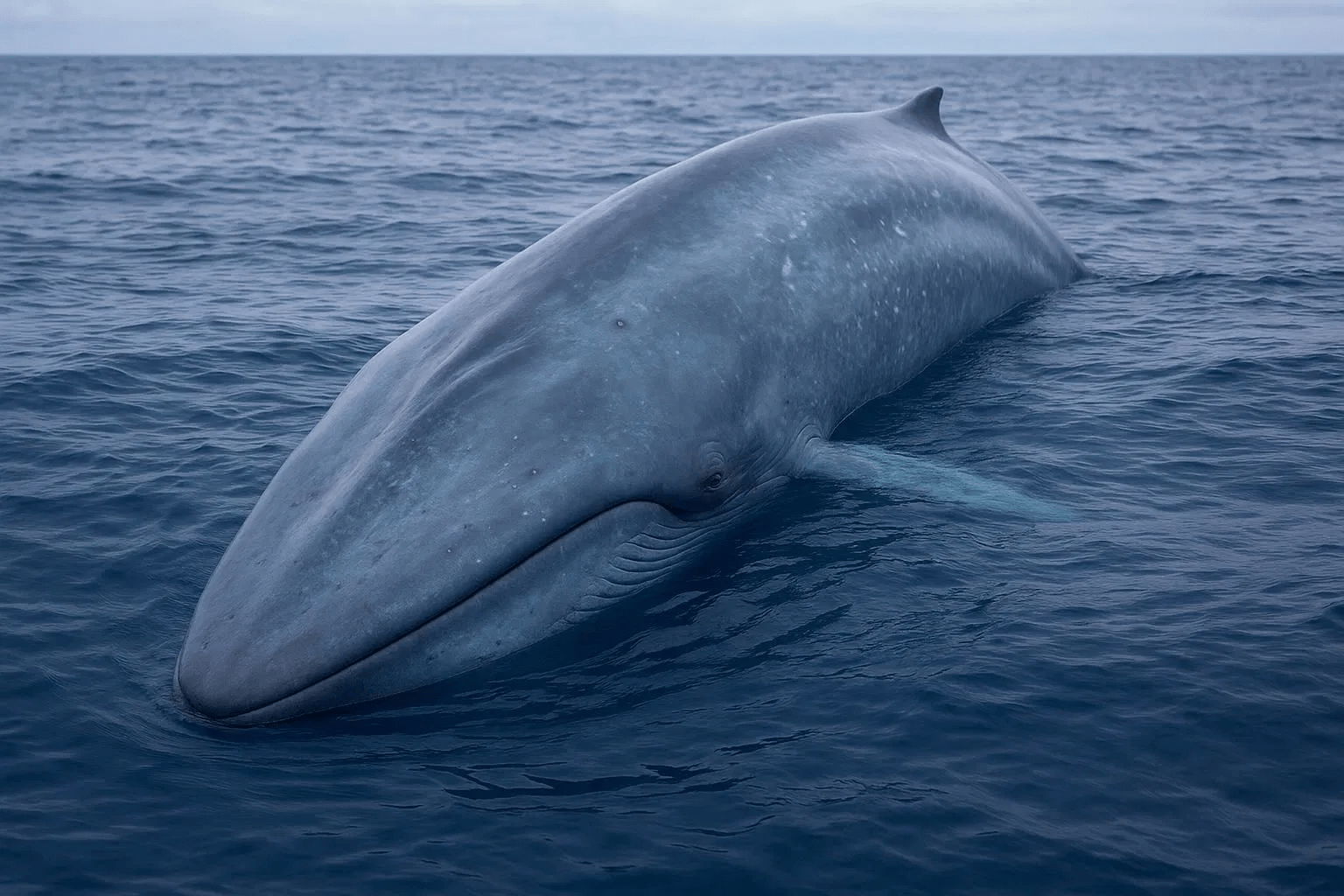
- Largest living creature
- Blue whale - 10^8 grams
- 24 orders of magnitude
- Greater than the diff. between Earth and the Milky Way
- Nature knows how to scale!
Take some inspiration from nature
Bacteria => Whale

Blue whale
Mycoplasma Genitalium
10^ -16 grams
10^ 8 grams
How nature scales
- Organises around capability/specialisation
- Encapsulates—fanatically!
- Communicates through stable interfaces
- Uniform design principle
- Operates under constant failure
How Cleo will scale
- Organise around capabilities
👣
🫏
🚙
🚂
⛴️
🛩️
Capabilities are fairly constant
Even when the tech changes
Payments
Chat
Transactions
Subscriptions
How Cleo will scale
- Organise around capabilities
- Encapsulate—fanatically!
Encapsulate fanatically!
How Cleo will scale
- Organise around capabilities
- Encapsulate—fanatically!
- Communicate through stable interfaces
Communicate through stable interfaces
Communicate through stable interfaces
Communicate through stable interfaces


Communicate through stable interfaces
# some other domain

class DoThingWithUser

  def user_is_nitro?
    Subscriptions.current_user_tier_nitro?(user_id: @user.id)
  end

end
Encapsulate - fanatically!
Subscriptions
Payments
Chat
How Cleo will scale
- Organise around capabilities
- Encapsulate—fanatically!
- Communicate through stable interfaces
- Use a uniform design
Uniform design principle
Domain A
Domain B
Ruby core object
Ruby core
object
Ambassador
Param
Object
❌ ActiveRecord::Relation
Uniform design principle
Domain A
Domain B
Uniform design principle
Domain A
Domain B
📡
👂
Domain C
👂
How Cleo will scale
- Organise around capabilities
- Encapsulate—fanatically!
- Communicate through stable interfaces
- Use a uniform design
- Build for failure
Recap
Solutions do not scale linearly
We struggle to understand non-linear scale
Cleo is scaling - we need to understand this!
To operate at larger scale, we will modularise
Recap (...cont)
Enforce encapsulation
Enforce stable interfaces
Uniform design pattern
Organise around capabilities
Work so far
We've established a Proof of Concept with Subscriptions
We've currently modularising transactions
Timeline
2026
2027
End of T1
T2
T1
T3
- Transactions done ✅
- Second domain done ✅
End of T2
- Third domain done ✅
End of T3
- Fourth domain done ✅
#collab-modular_monolith
Fin!
Scale
By Gavin Morrice