















Daniel Haehn PRO
Hi, I am a biomedical imaging and visualization researcher who investigates how computational methods can accelerate biological and medical research.
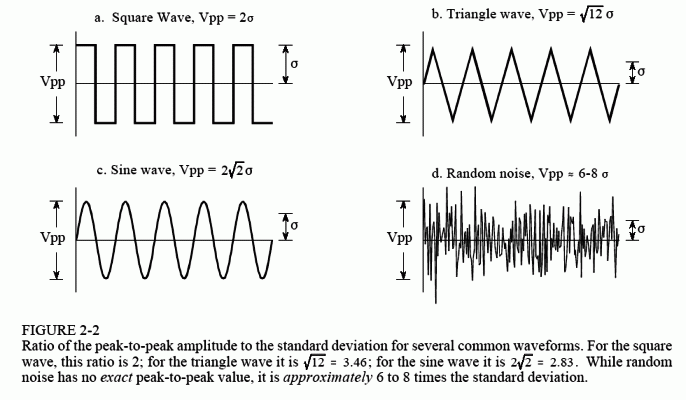
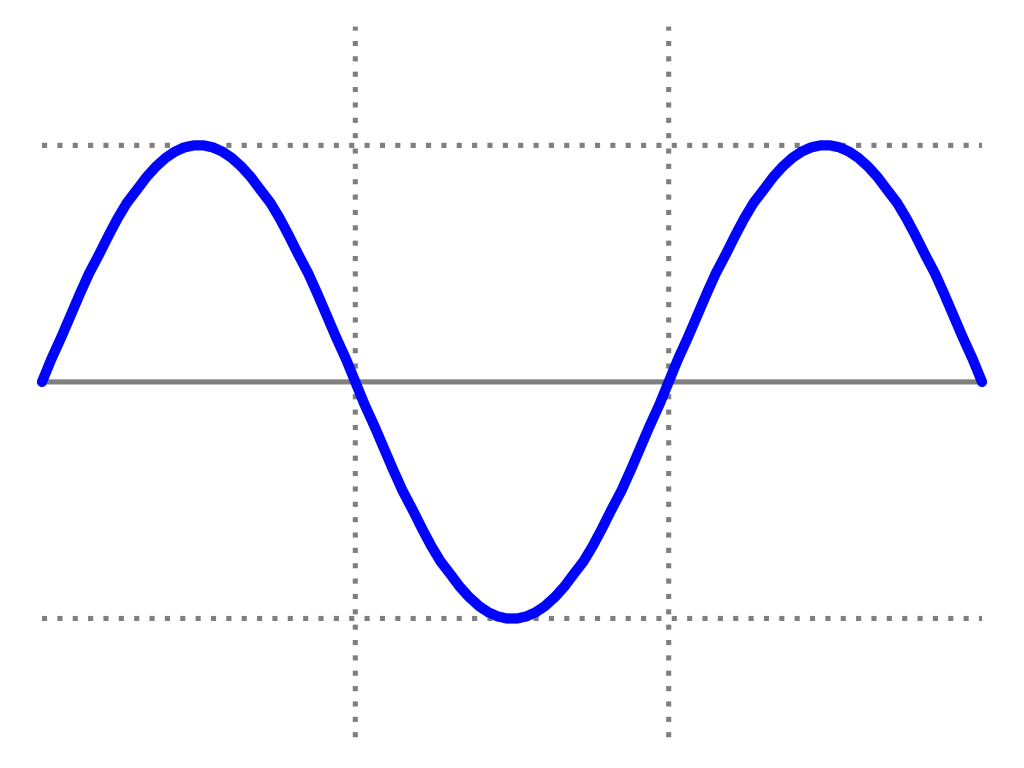
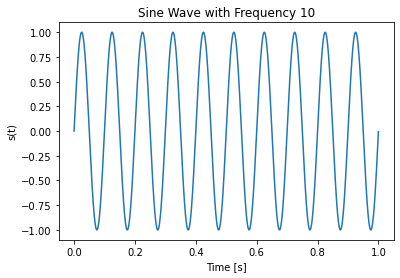
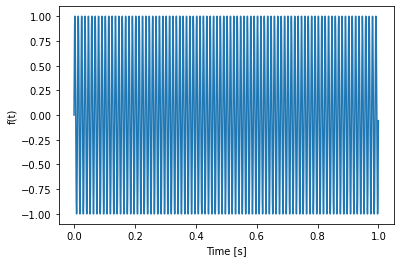
Show 3 simple plots (sine wave, square wave, noisy signal).
Then: Which one would be hardest to analyze automatically—and why?
ENTRYTASK
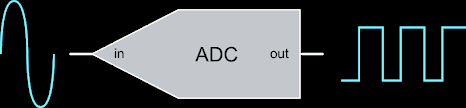
From Analog...
...to Digital
Distortions
Sampling Limitations
Noise
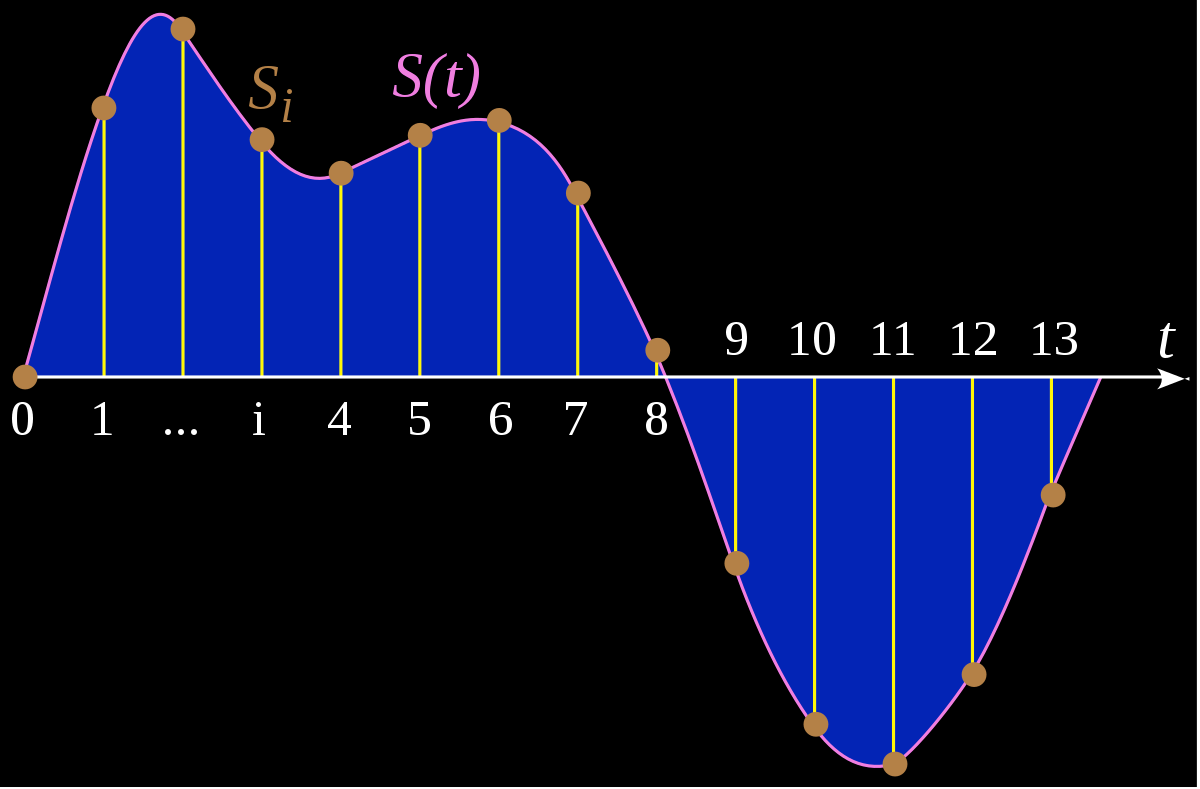
Sampling
Analog
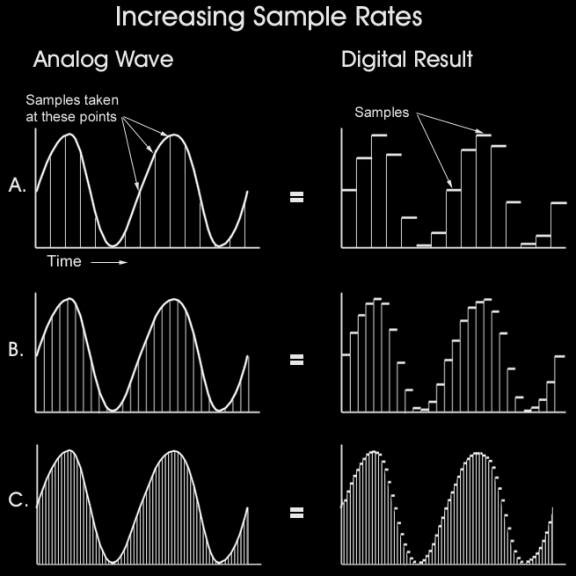
Sampling Rate
Samples per second [1/s]
Hertz [Hz]
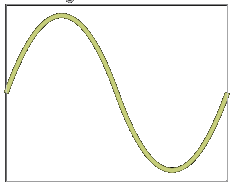
Analog Signal
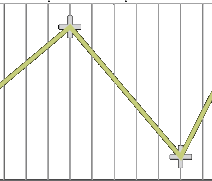
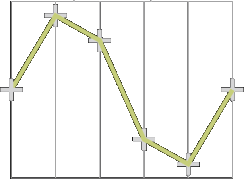
2 Samples per second
0
1
time [s]
6 Samples per second
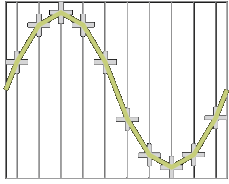
10 Samples per second
6 Hz
10 Hz
2 Hz
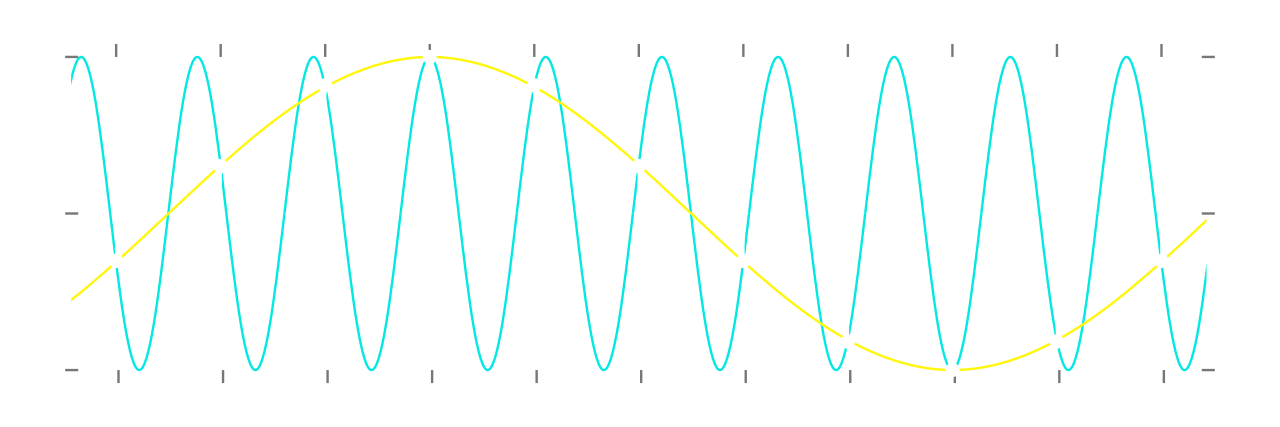
Aliasing
Original Signal
Sampled Points
Reconstructed Signal
Sampling Rate too low
A higher sampling rate is better
?
2 Floats
6 Floats
10 Floats
It's a trade-off!
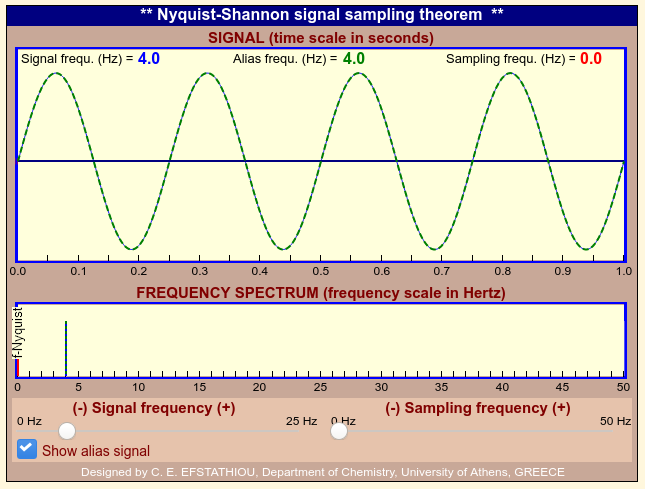
Nyquist-Shannon Theorem
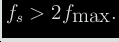
sampling frequency > 2x signal frequency
guarantees perfect reconstruction
What does that mean? And how do we get the signal frequency?
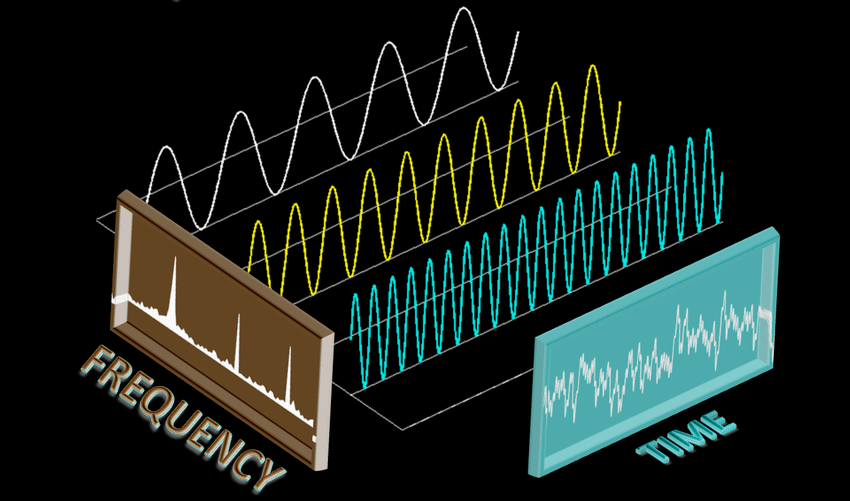
Fourier Analysis
In the US: 60 Hz
In Europe: 50 Hz
From Analog...
...to Digital
Distortions
Sampling Limitations
Noise
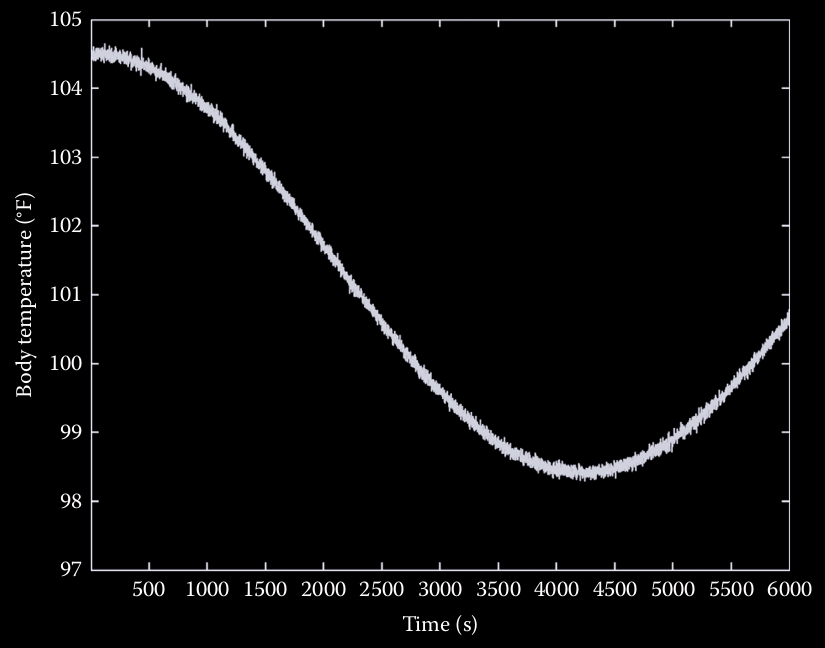
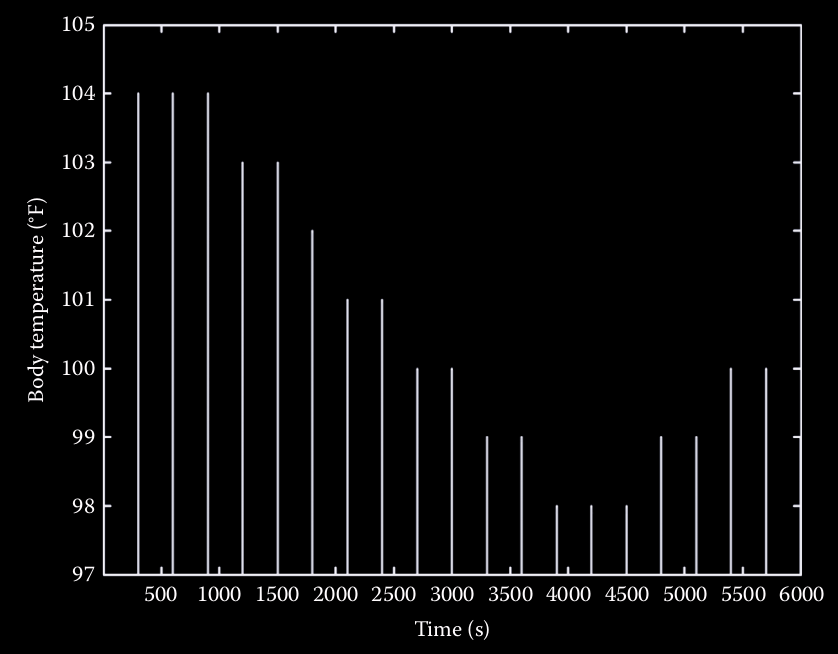
What is the sampling rate here?
19/6000s = 0.0032 Hz
[104, 104, 104, 103, 103, 102, 101, 101, 100, 100, 99, 99, 98, 98, 98, 99, 99, 100, 100]How to represent the data?
Show 3 simple plots (sine wave, square wave, noisy signal).
Then: Which one would be hardest to analyze automatically, and why?
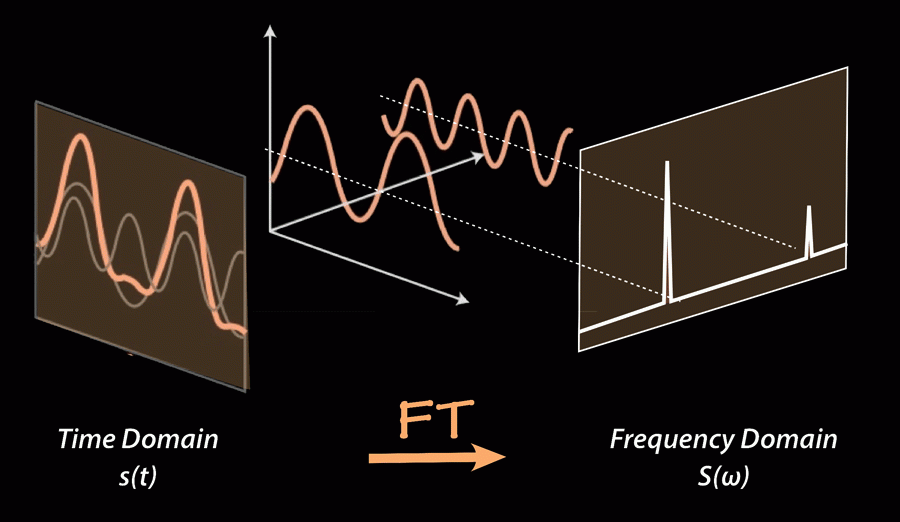
Fourier Analysis
Fourier Analysis
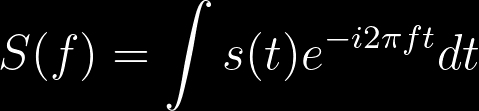
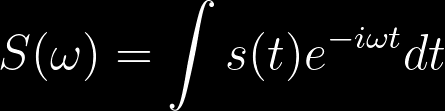
any signal can be decomposed into harmonic signal components
complex
with circular frequency
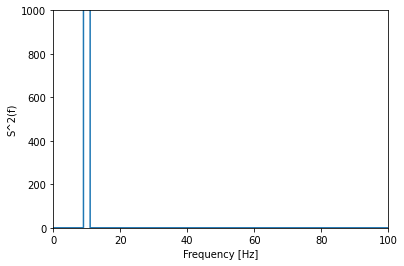
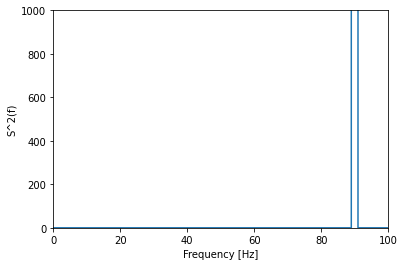
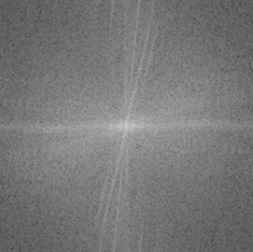
Power Spectrum (S_t ** 2)
s_t
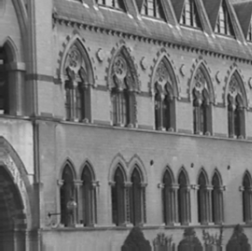
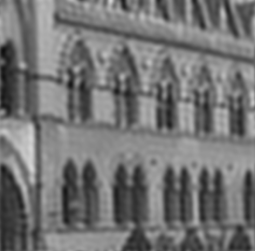
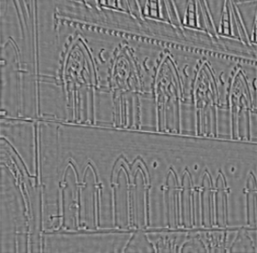
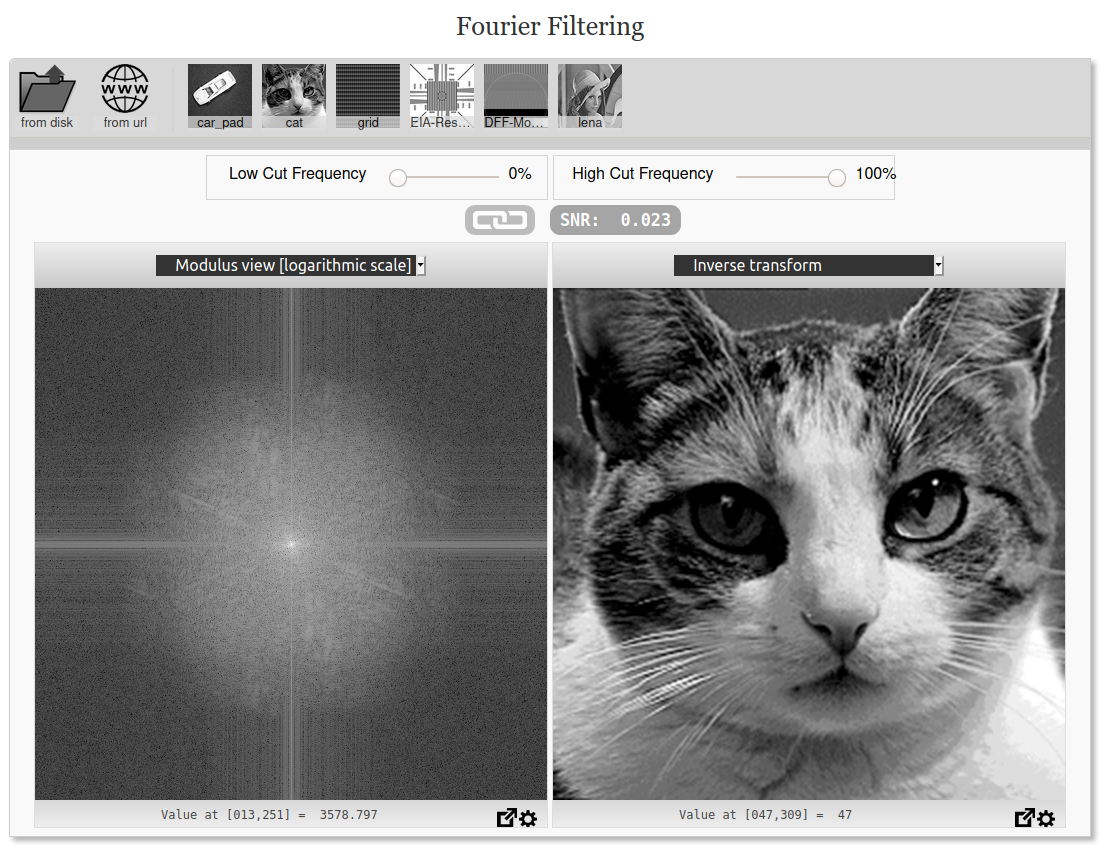
Frequency in images ~ level of detail
0
0
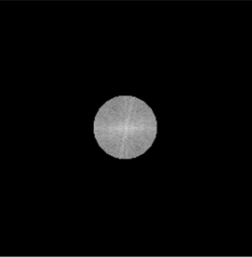
low pass filter
high pass filter
usually high frequency noise
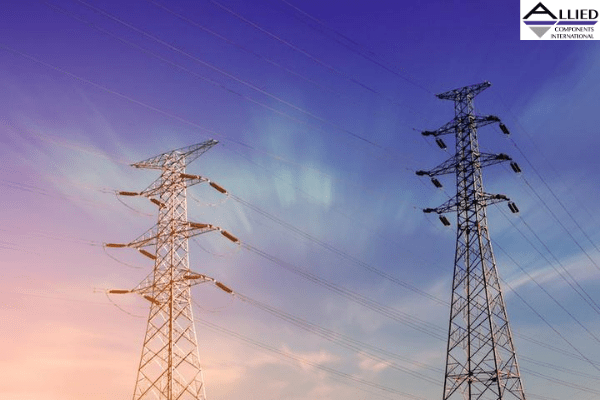
60 Hz noise: electric humming around transformers
Low-pass == High-cut
High-pass == Low-cut
Intro to Research
How to read a paper
How to write a paper
+ 10 Sessions
JOURNAL
By Daniel Haehn
Slides for CS666 Biomedical Signal and Image Processing at UMass Boston. See https://cs480.orghttps://cs480.org