Brave New World
Aldous Huxley

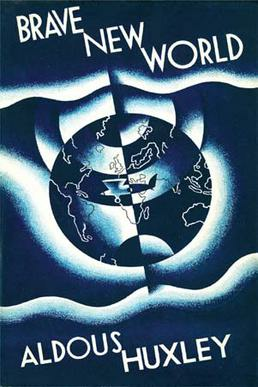
What if we optimised every single part of our human society?
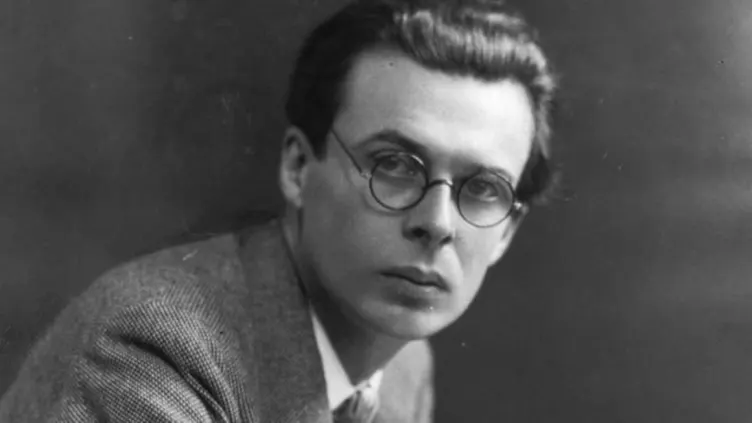
Aldous Huxley
- British writer (1894-1963)
- Came from a family of prominent scientists and intellectuals
- Witnessed rapid technological advancement and social changes (e.g.: horse-drawn carriages --> automobiles)
- Concerned about the dehumanizing effects of technology and mass production
Historical context
- Published in 1932: rise of totalitarian regimes
- Emergence of the assembly line (Fordism)
- Growing influence of behaviourism in psychology
- Early developments in genetics and eugenics
- rise of mass media and propaganda
- WW1 & WW2: destruction through technology
Reading
Read the questions on page 125 before you start reading!
Conclusion
Huxley wasn't anti-technology, but he worried about how it might be misused:
1) Feared that scientific progress without ethical guidance could dehumanize people
2) Concerned about how mass production methods (like Ford's assembly line) might be applied to human life
3) Worried about the rise of "scientific" social control through psychology and biology
4) Saw how new media and mass entertainment could be used to control populations
Conclusion
In Brave New World, Huxley manifests these concerns
1) The industrial production of human beings
2) The use of conditioning to create compliant citizens
3) The use of drugs ("soma") to keep people happy and controllable
4) The replacement of family bonds with loyalty to the state
Brave New World
By klaasvangilbergen