The blockchain
Text
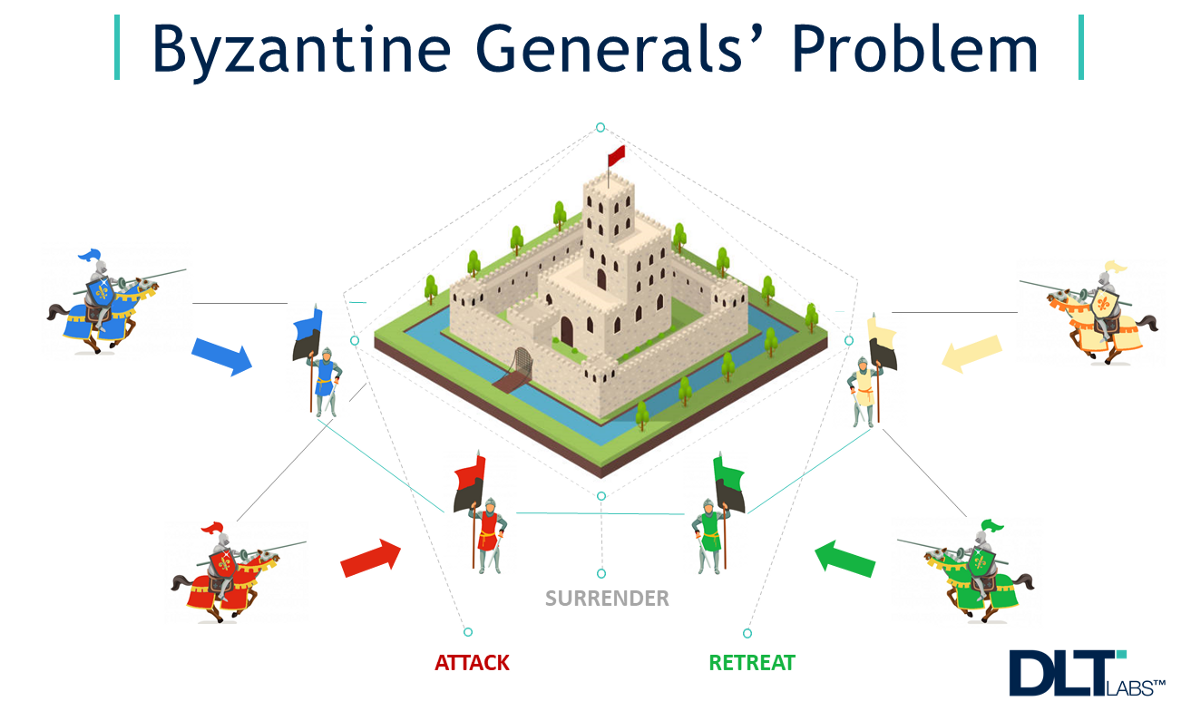
The Byzantine Generals' Problem
Problem = coordination in a hostile environment
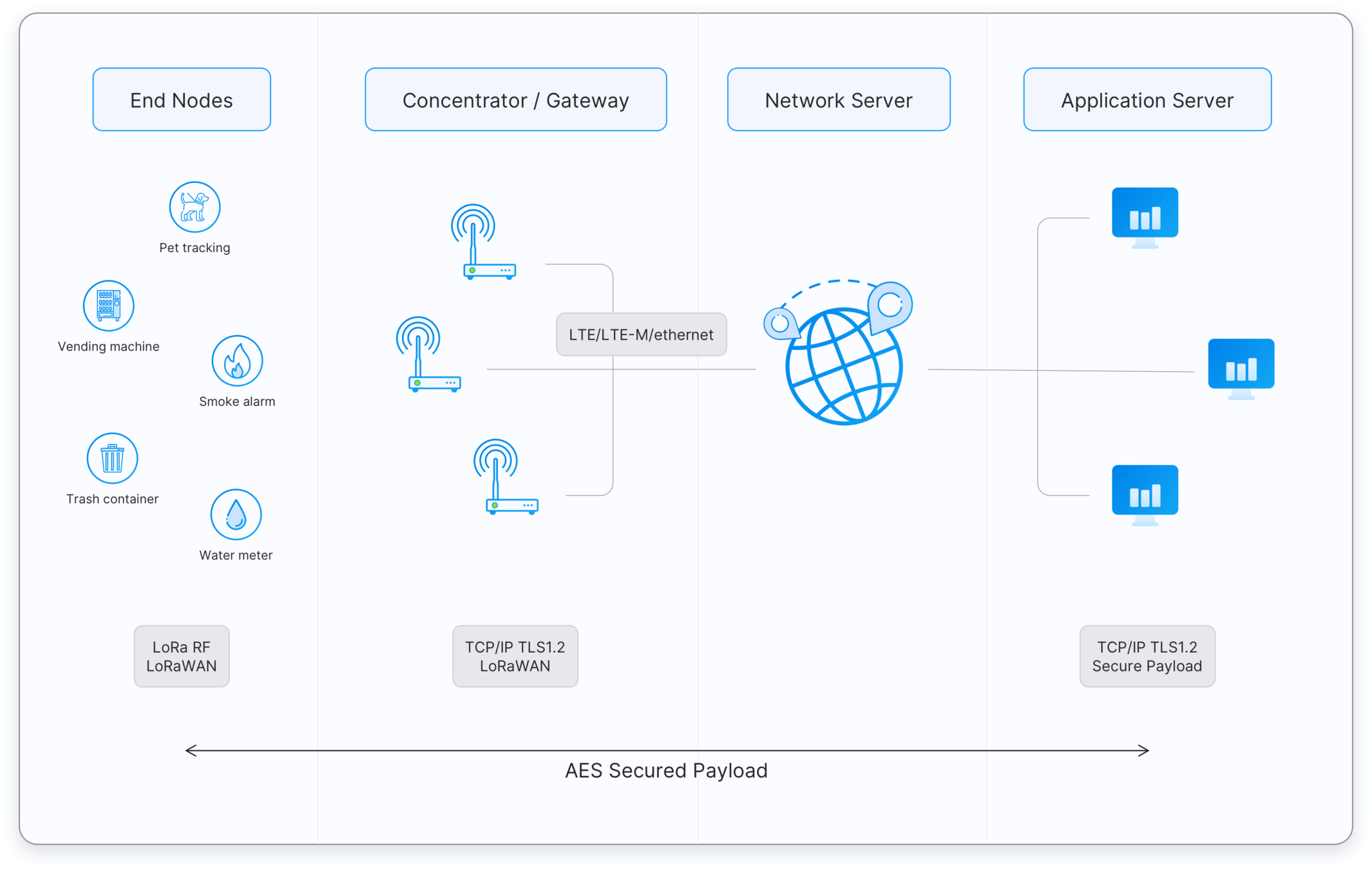
( The Things Network )
Blockchain (n.f.):
Technology aiming to maintain an immutable ledger among any participants without a controlling authority.


Blockchain = validation rules + consensus + network protocol
what one is allowed to write
who is allowed to write
how does one write
easy
easy
difficult


Alice #1
Bob #1
Camille #1

?
?
?
B1
INFORMATION
PROOF
HEADER
A1
B1
origin + right
Round-robin Consensus?
- Does not allow dynamic addition of new participants
- Does not allow existing participants to leave
- Poor scaling
- Is easily predictable: easy denial of service
- No conflict resolution
Proofs
- Difficult to produce (but feasible)
- Easy / fast to verify by everyone

37.415°
39.781°
...
6 faces
2
256

2
256
Number of atoms on Earth: ~2¹⁷²
Number of sand grains in the Sahara: ~2⁷⁶
Number of insects on Earth: ~2⁶⁰
Earth Population: ~2³⁰
Number of atoms in the galaxy: ~2²²⁵
2²⁵⁶ ~ every human being with a bag of all the atoms in the galaxy, EACH!
0000000000000000000044a018b029ecb6cf7a4bcac74416fac4e5e24224eb96
rolling a "six" = 20 zeros = 1 chance in 2^176
Proof of Work (PoW)
"input data"
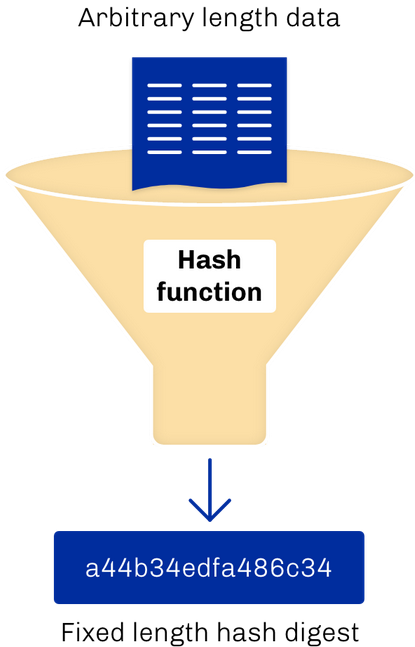
0000000000000000000044a018b029ecb6cf7a4bcac74416fac4e5e24224eb96
rolling a "six" = 20 zeros = 1 chance in 2^176
Proof of Work (PoW)
"input data"
"input data #2"
f65abb8921a4cc71
"input data #3"
0000000000044a01
0000000000000000000044a018b029ecb6cf7a4bcac74416fac4e5e24224eb96
1 hash = ~10ns
~500MB/s
Nakamoto Consensus
- proportional election system based on computing power
- self-adjusting via configurable difficulty
- provides a conflict resolution mechanism
by considering the longest chain
14
15
16
17
18
race
14
15
16
17
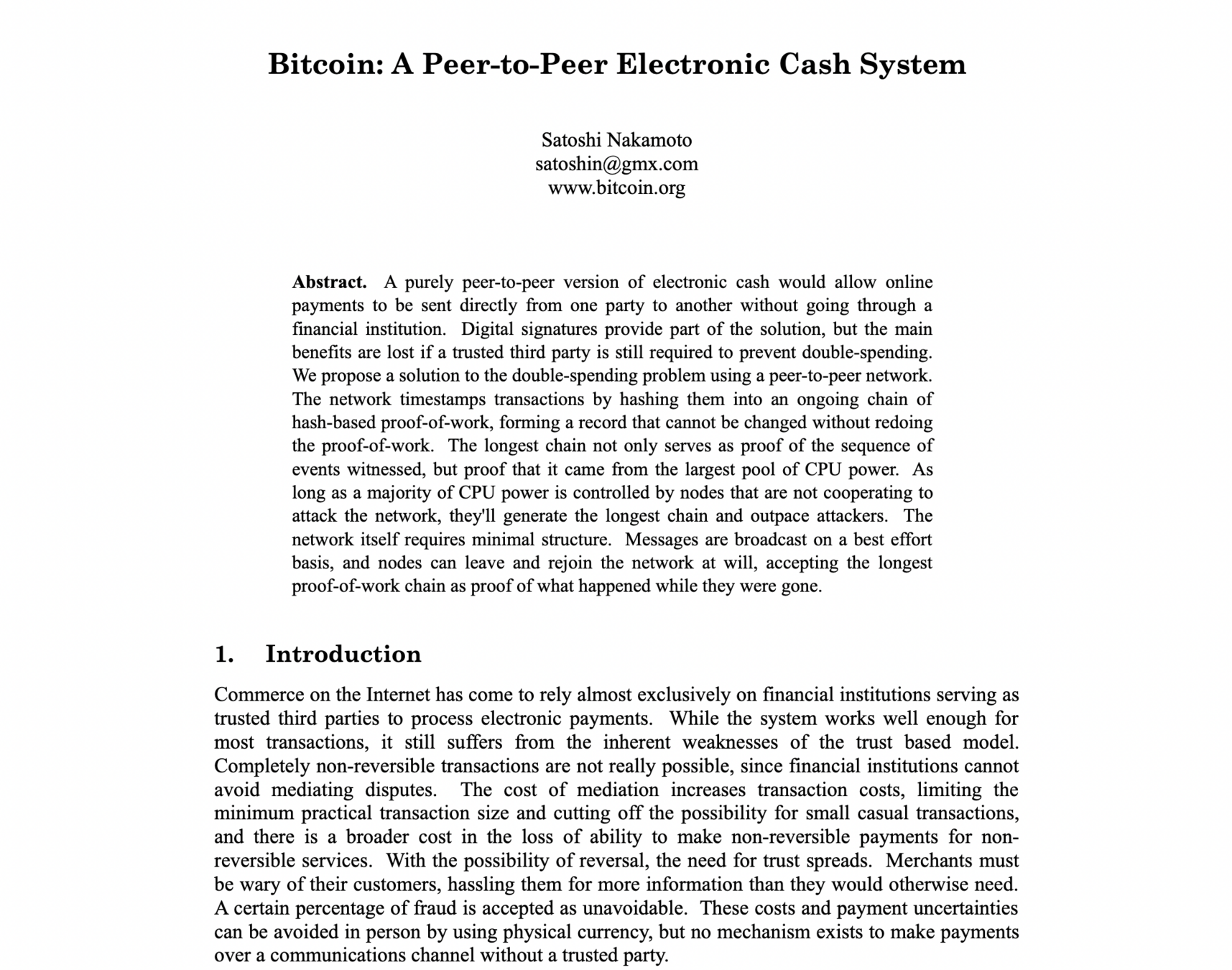
Bitcoin ~ 2009

Fundamental Hypothesis:
The majority (>50%) of computing power comes from "honest" participants
Bitcoin
proof of work
ledger by block
economic motivation
+
+
longest chain
+
digital asset
Why "work"?
money*
(*) An open, permissionless distributed system with an economic motivation encourages collaboration and discourages bad actors.
economic value
network security
Bitcoin in figures

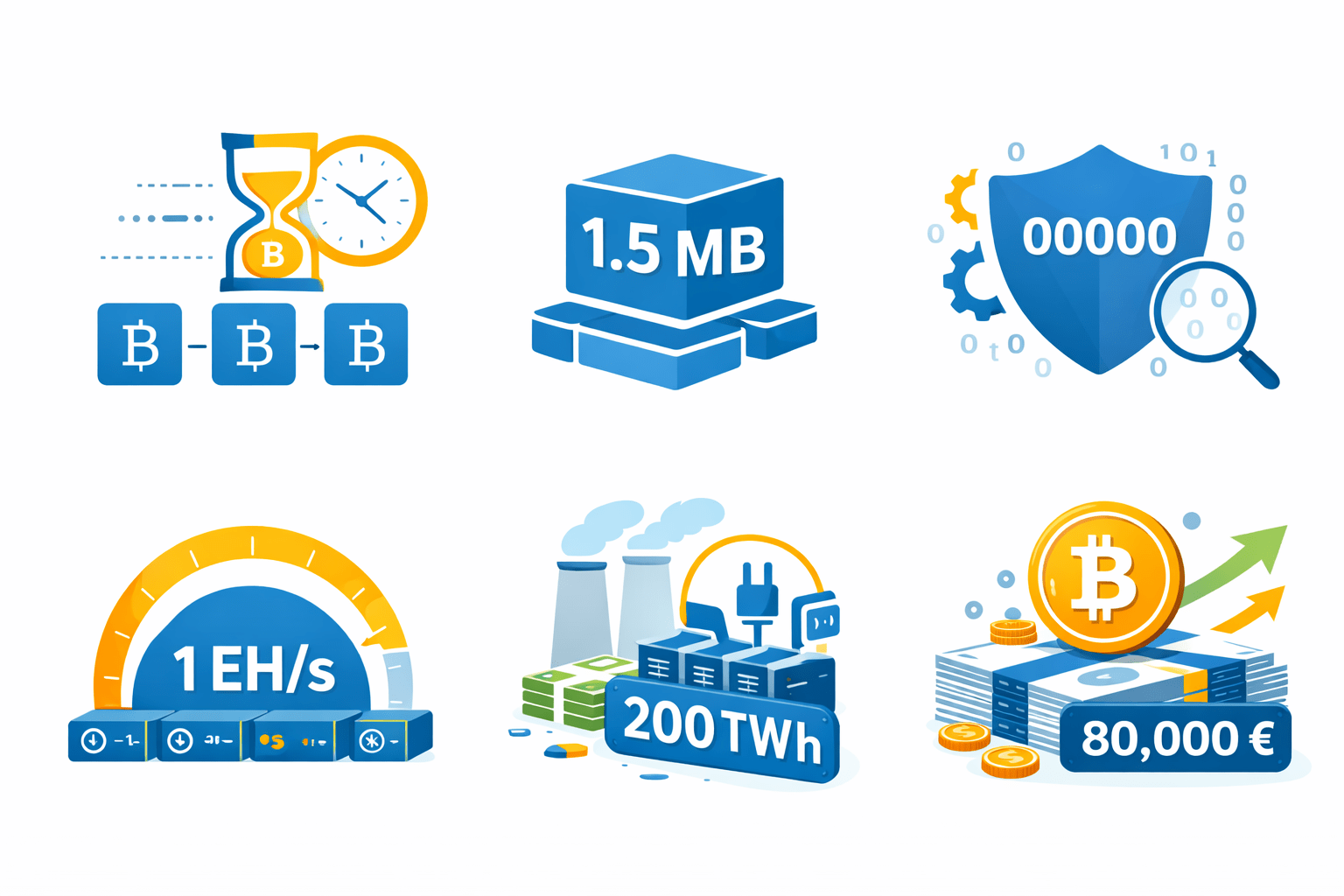
1 block every 10 minutes
1 block ~ 1.5 MB
difficulty ~20 "zeros"
~1 billion TH/s
power consumption ~200 TWh
1 BTC ~80K EUR

What's next?
Bitcoin: limitations
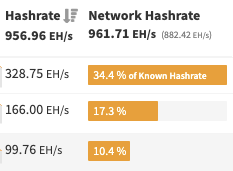
- High energy consumption
- "Slow" (~2.5 KB/s or 5-10 tx/s)
- Not (or little) programmable
- No governance system
- Centralized in practice
Bitcoin: essence
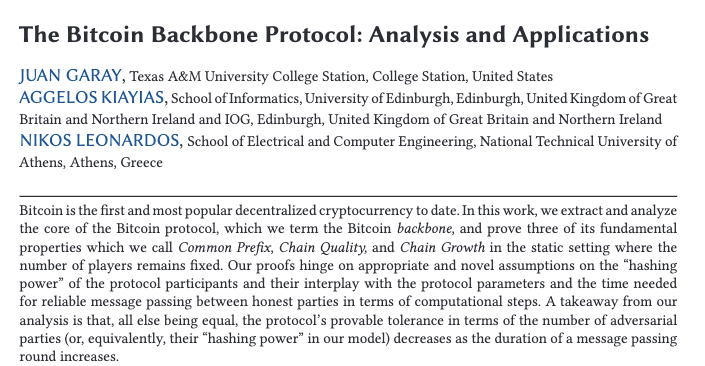
common prefix + chain quality + chain growth
3 fundamental properties:
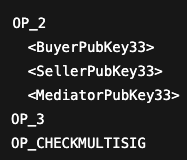
Bitcoin Script
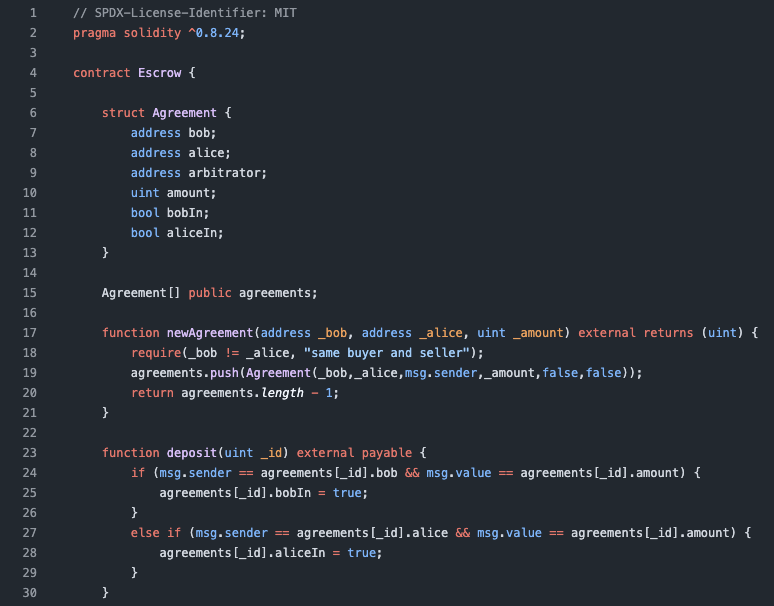
Solidity
Blockchain Programmability
- Rudimentary
- Limited operations
- Absence of state
- High-level language
- Numerous primitives
- State and registers
( )
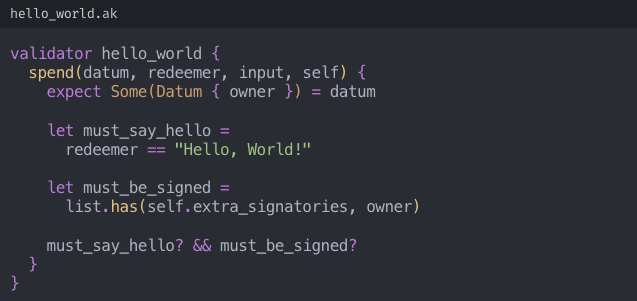

Generalization of Proofs
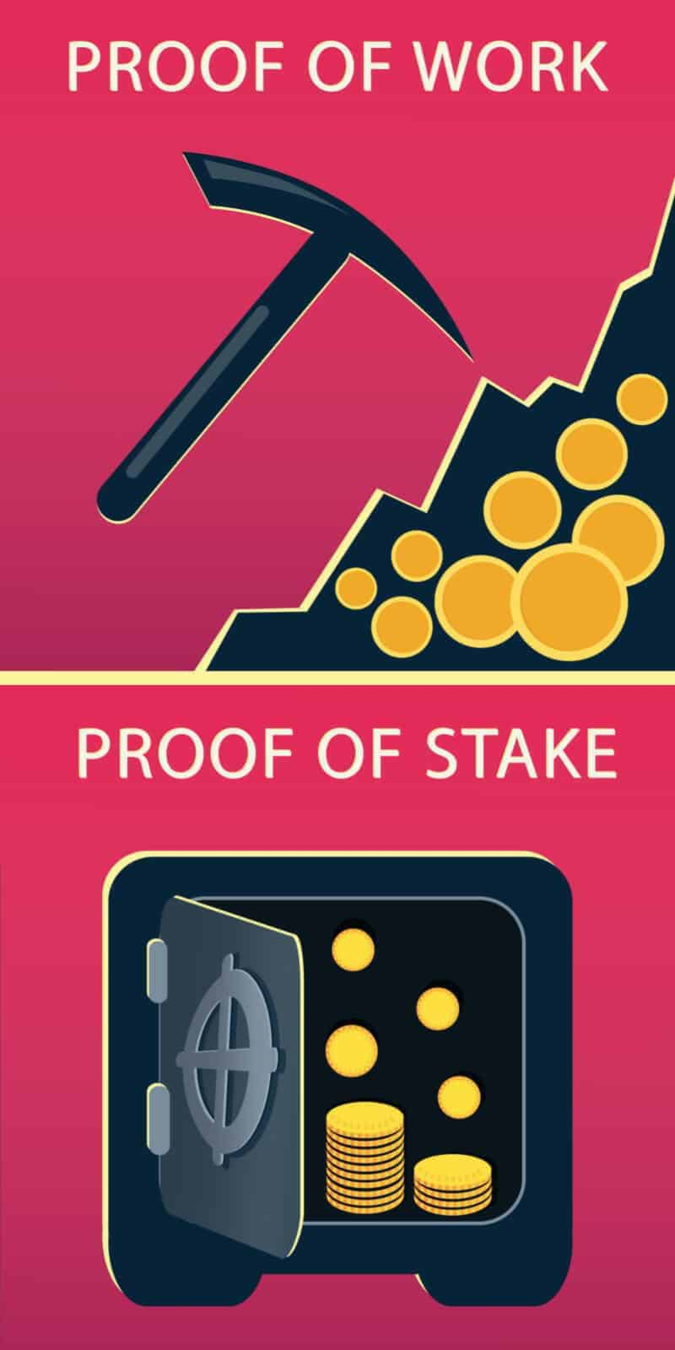
consensus resource =
stake / reputation
consensus resource = computing power (hash-rate)
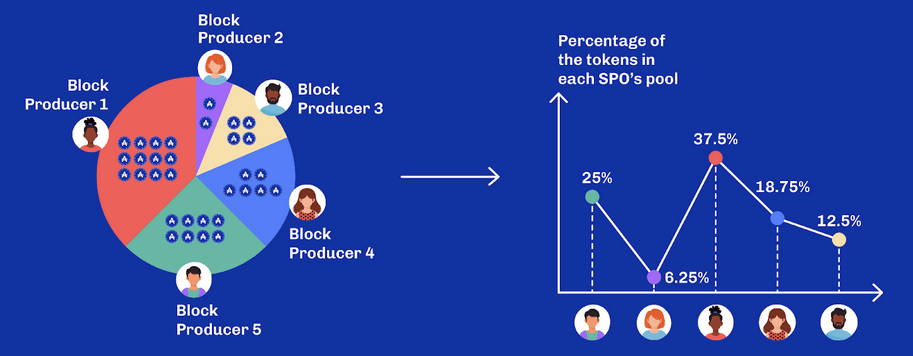
chance to produce
the next block
consensus resource =
computing power
(hash rate)

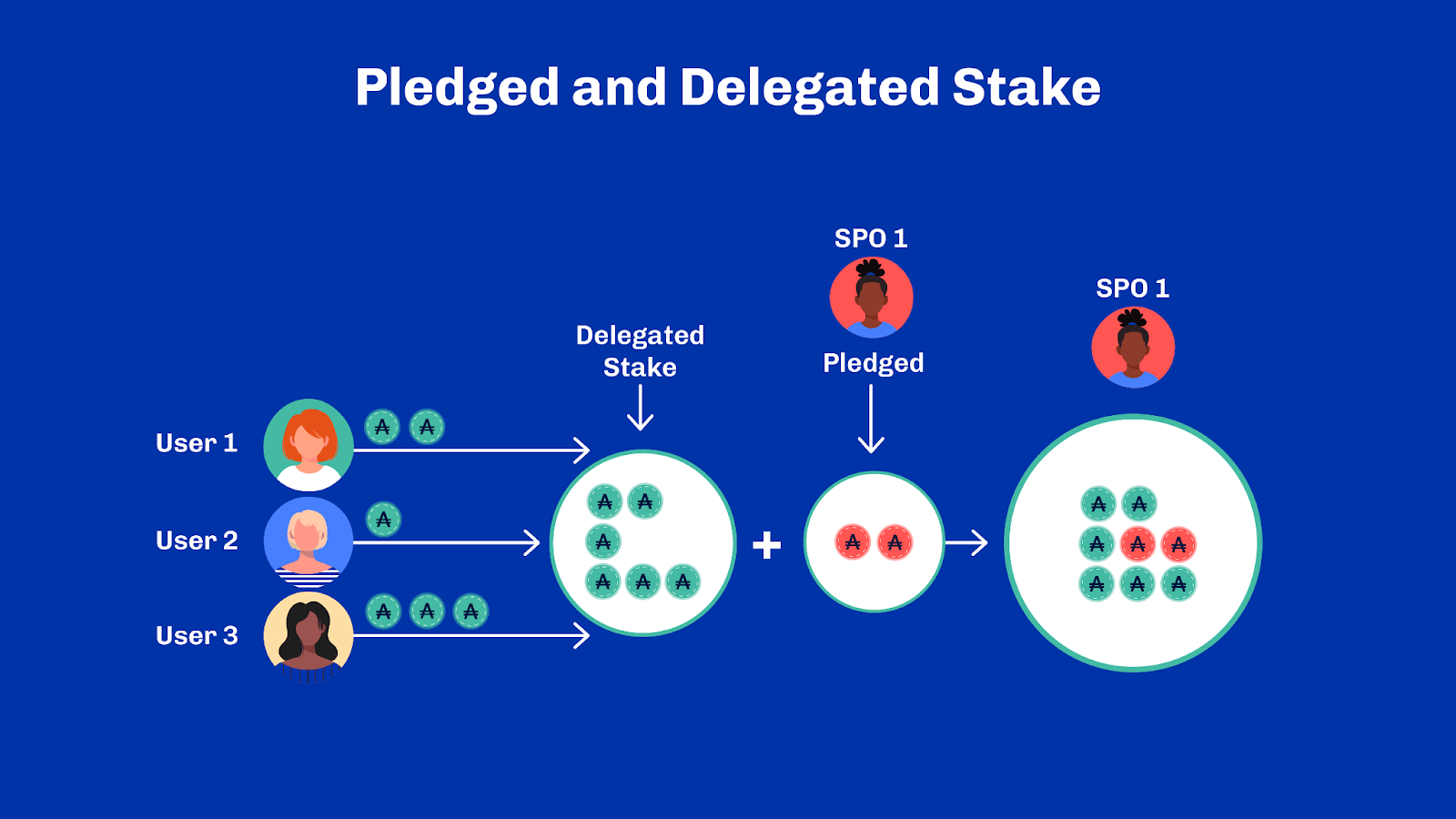
Proof of Stake and Delegation
Governance & Sustainability
- Protocol & platform evolutions
- Parameter adjustments
- Funding for development and operations
- Defining the protocol's vision and mission
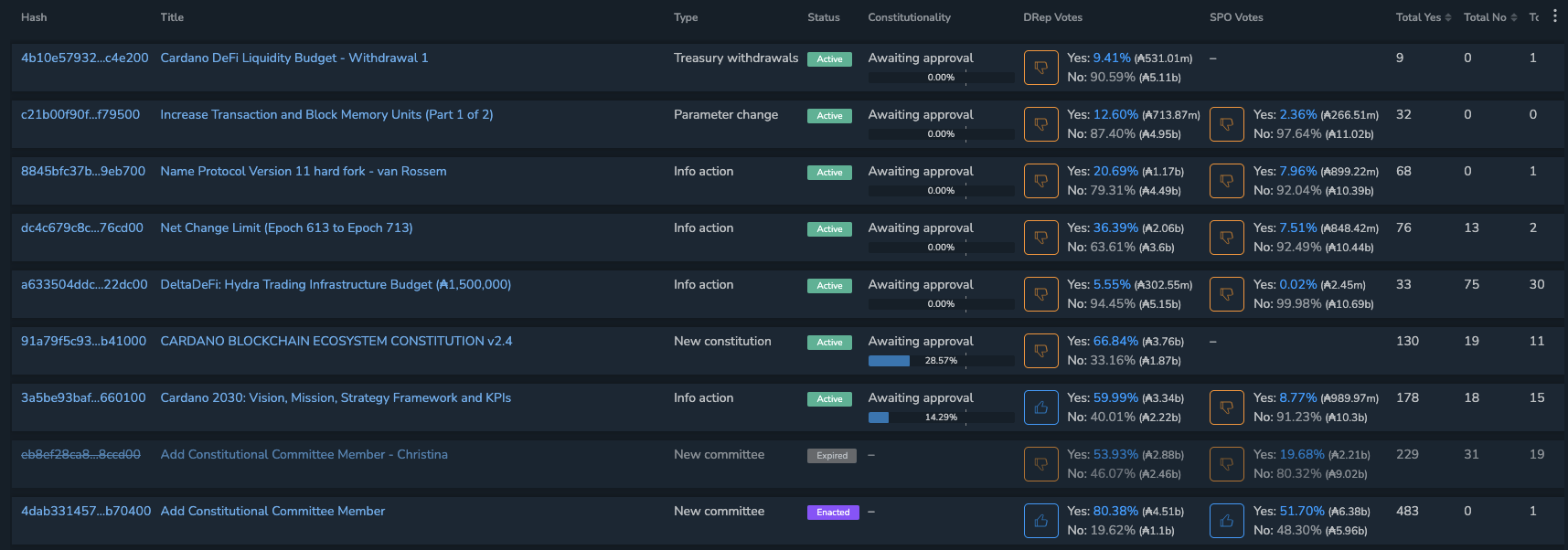

- Proof of Stake, no wasted "work"
- Energy consumption ~3GWh
- (Slightly) less slow (~5 KB/s, i.e. ~10-20tx/s)
- Highly programmable
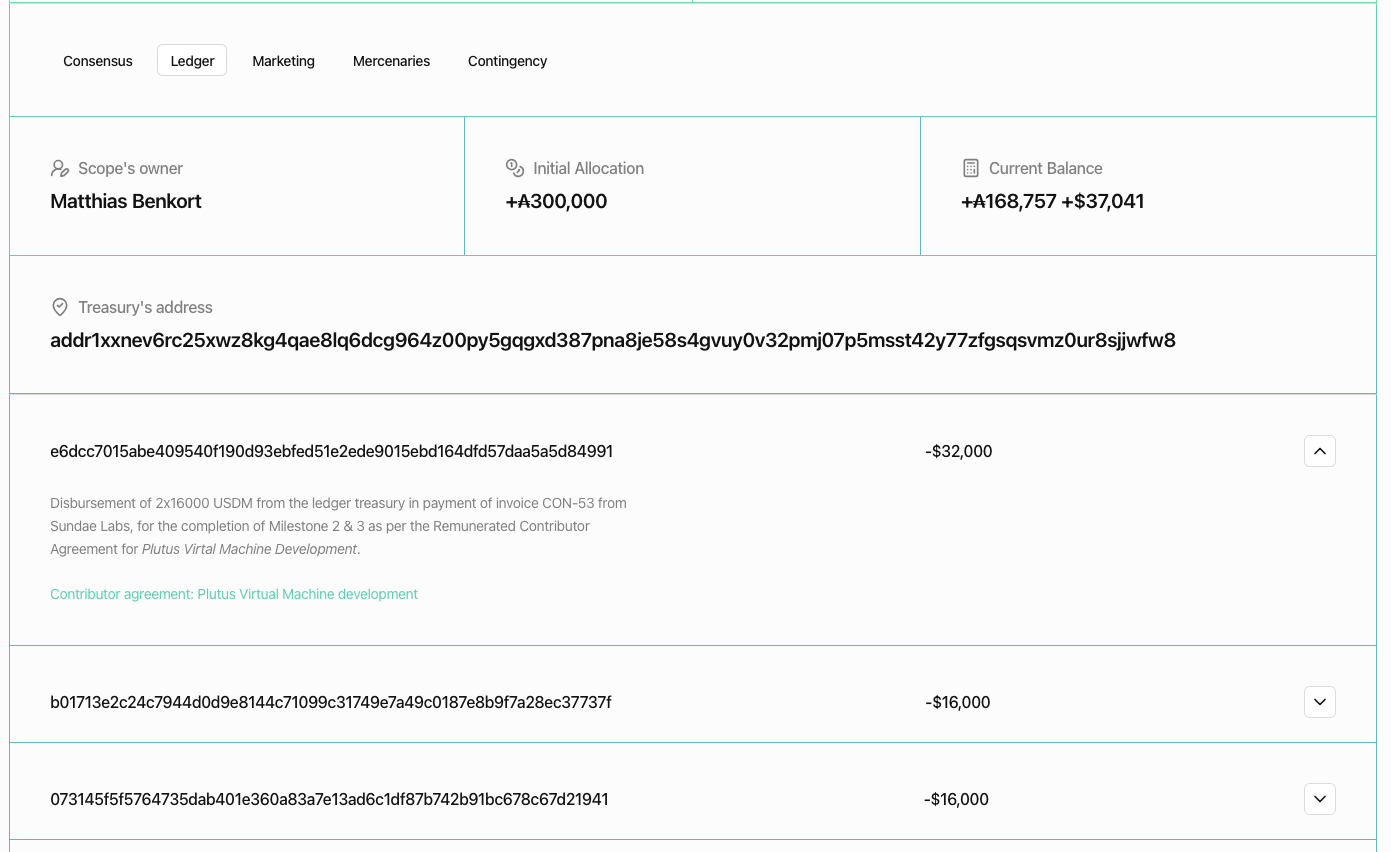
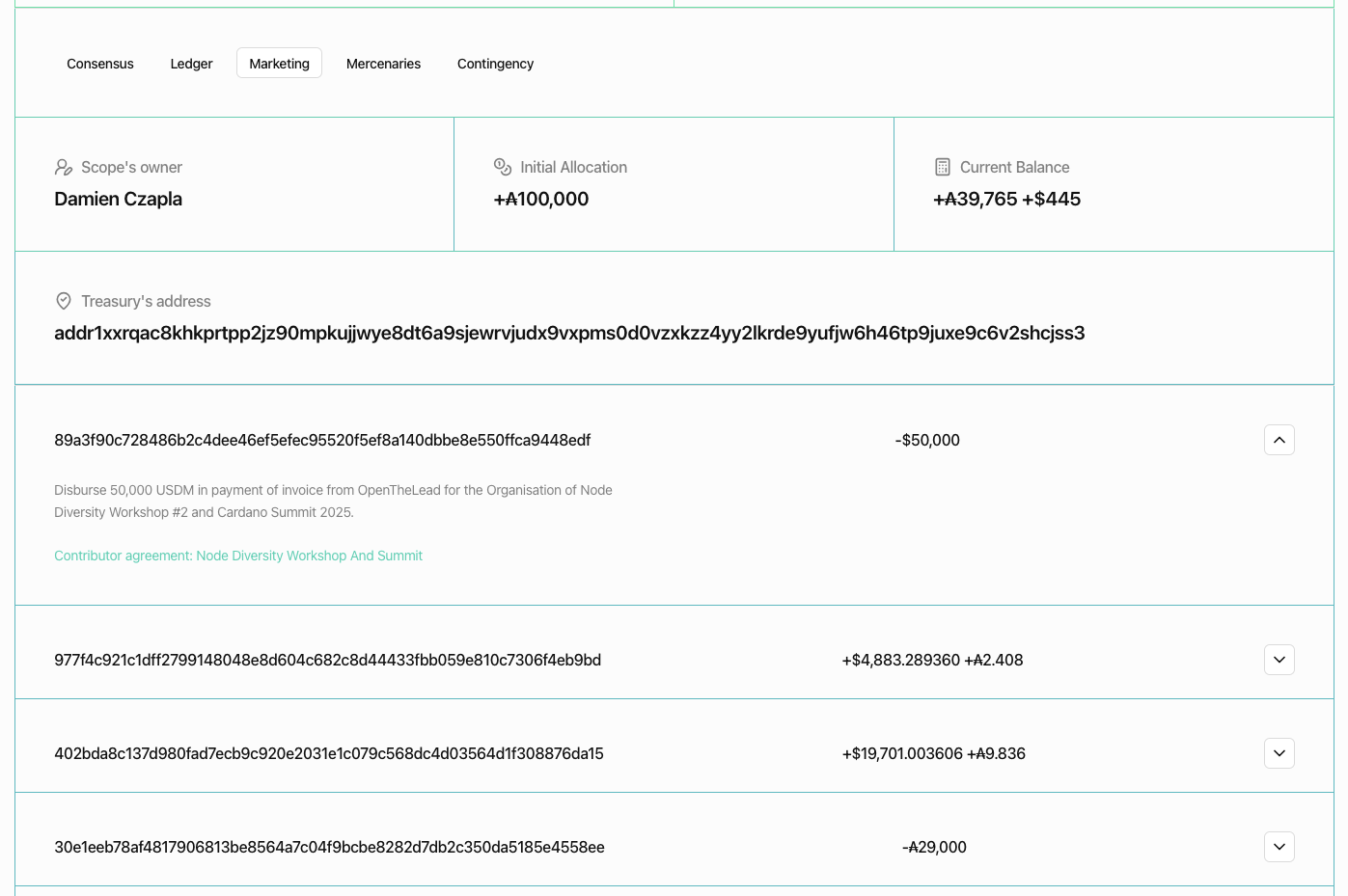
- Treasury & governance system
- Nakamoto coefficient >30, 1000+ operators
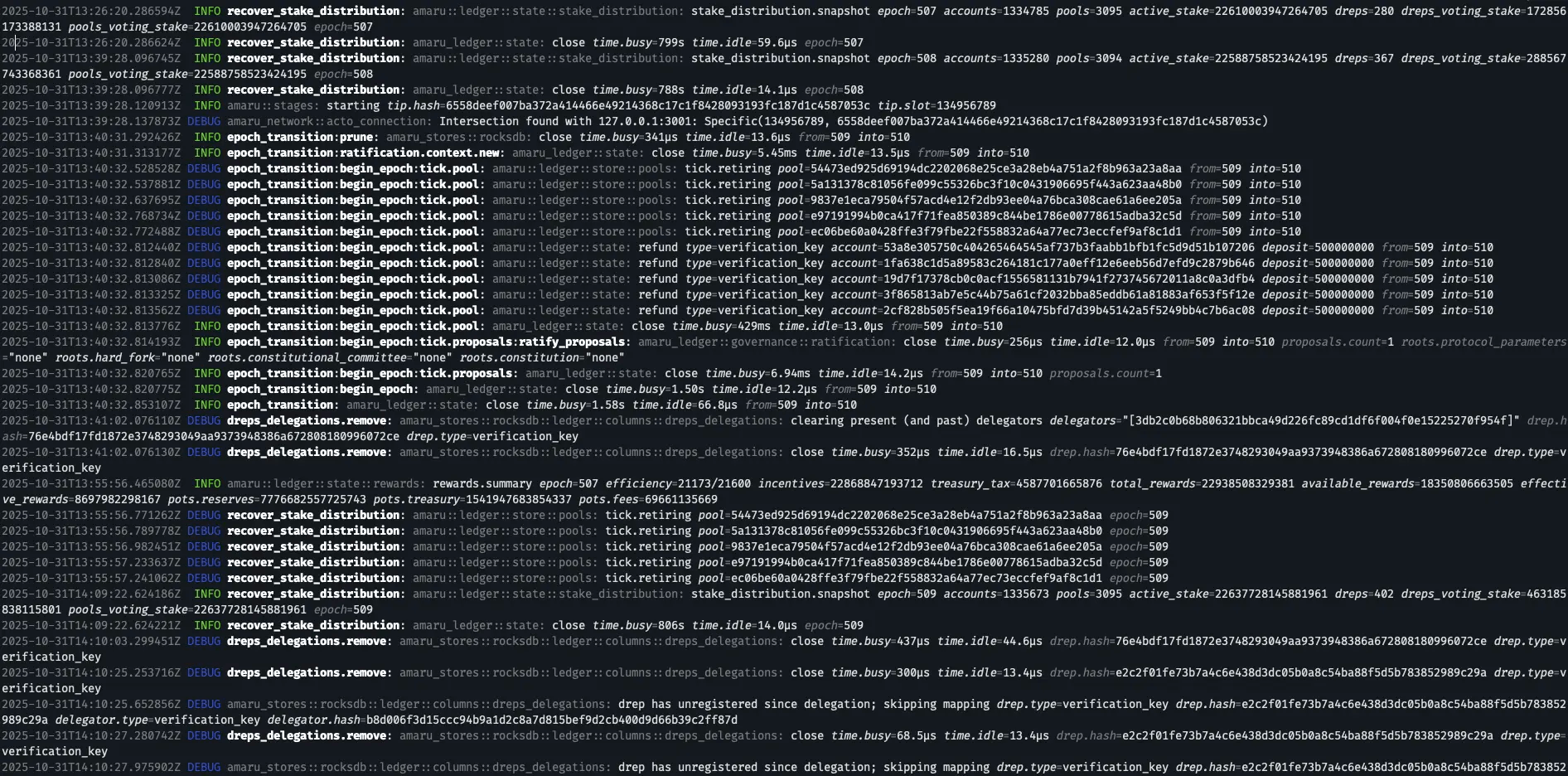
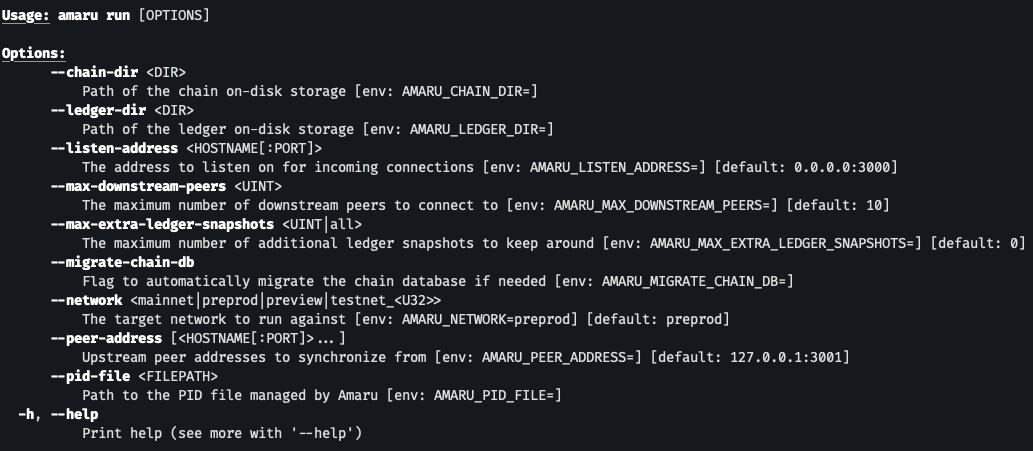

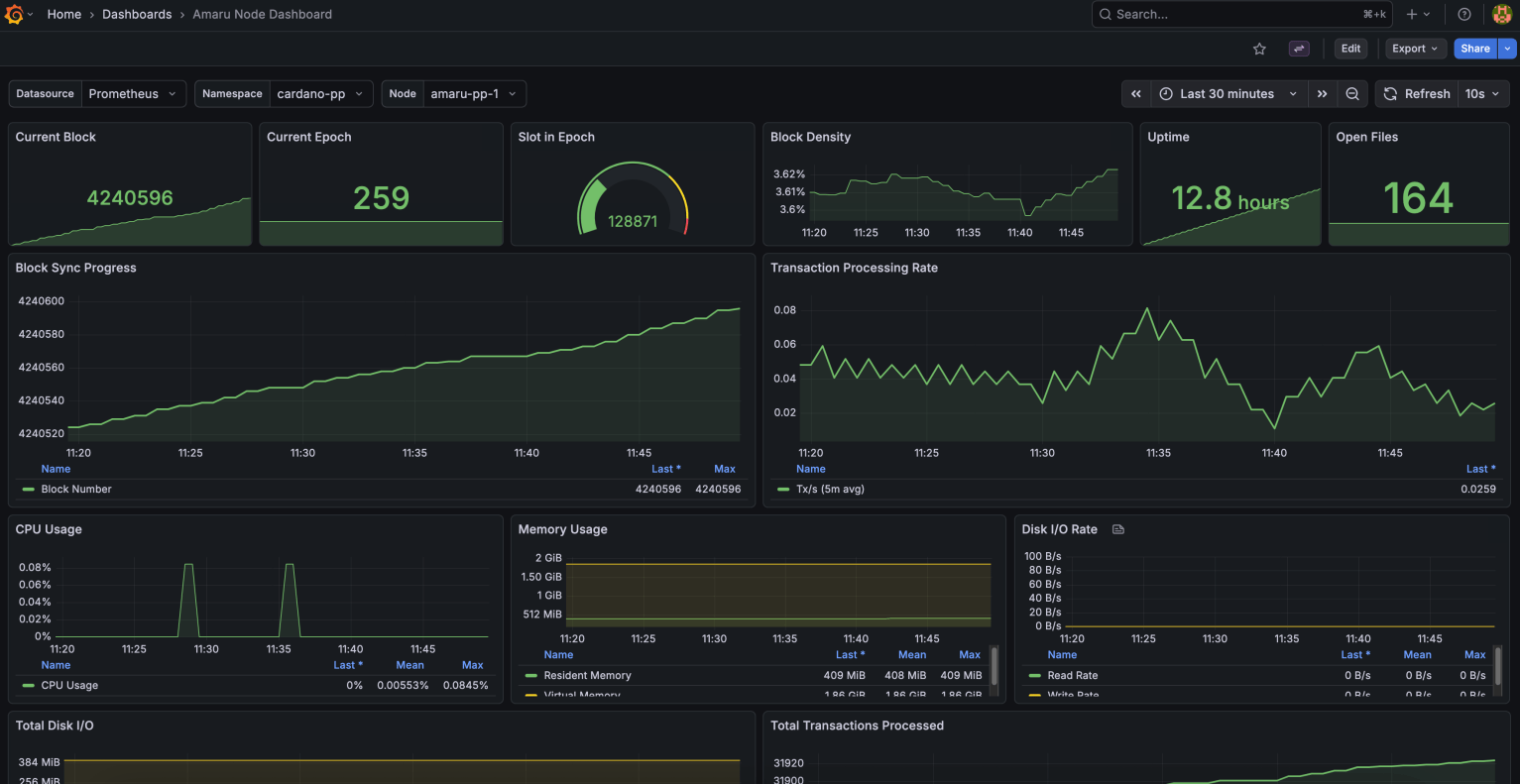
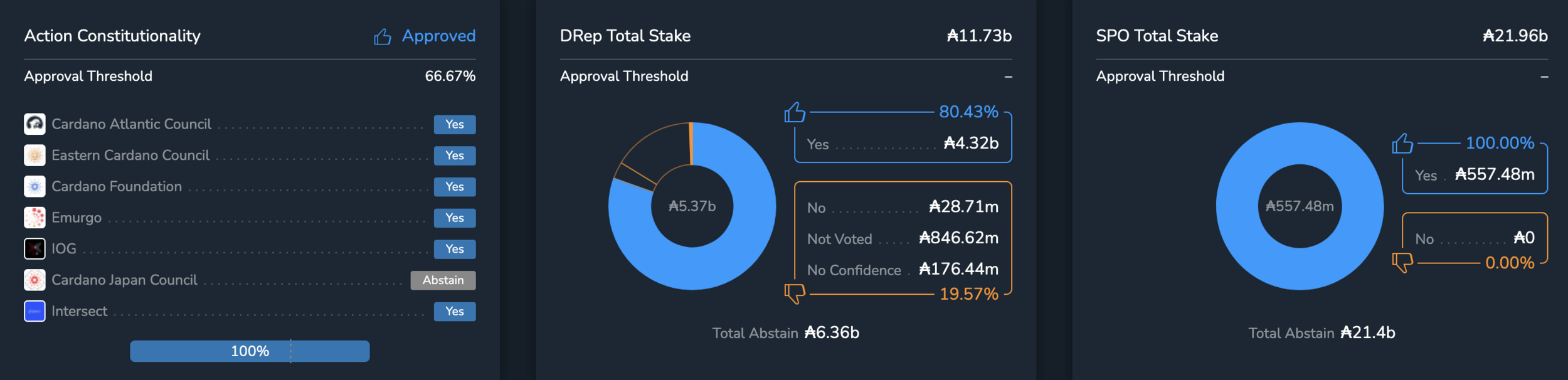
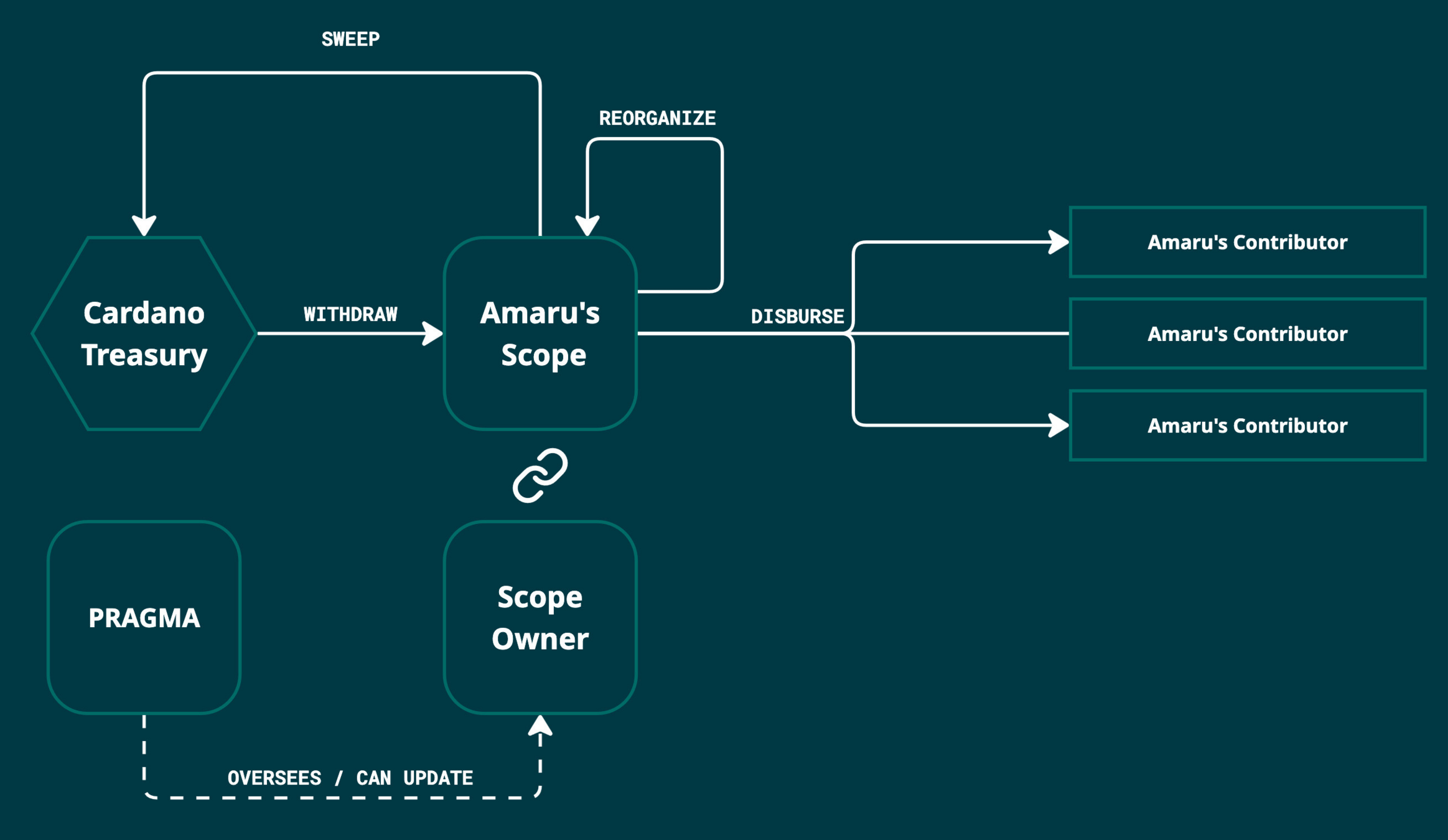
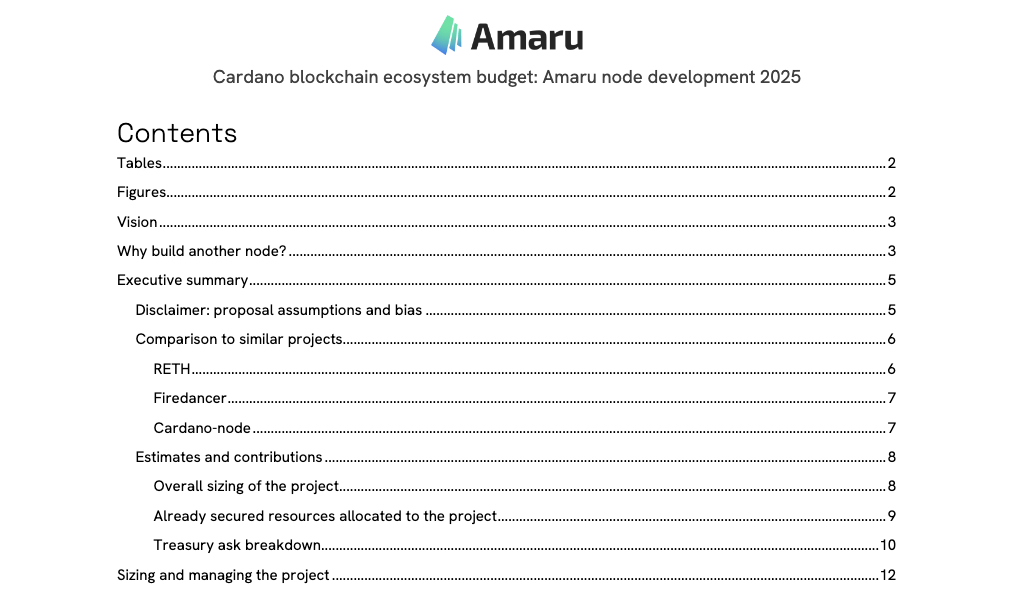
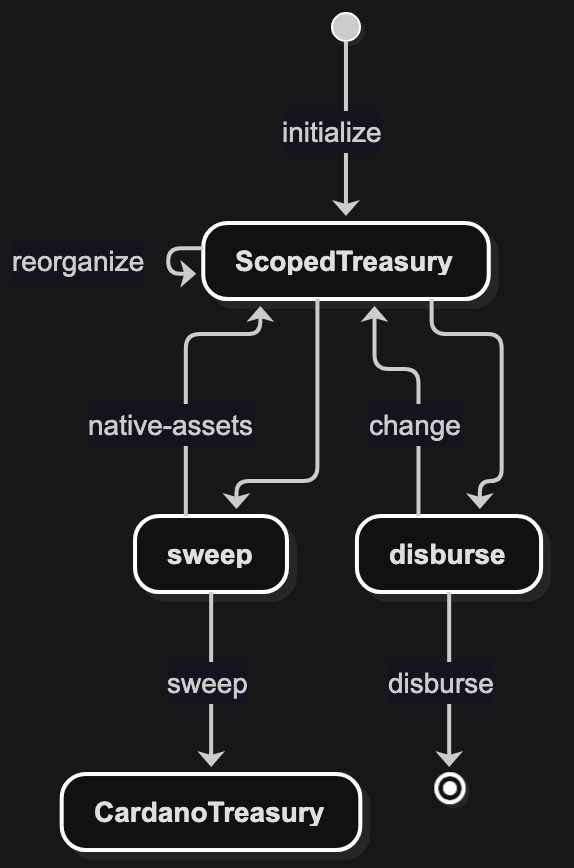
3 operations:
1. Reorganize
2. Disburse
3. Sweep
authorized by 1 owner
authorized by 1 + 2 owners
authorized by anyone (after delay)
From Bitcoin To Cardano
By Matthias Benkort