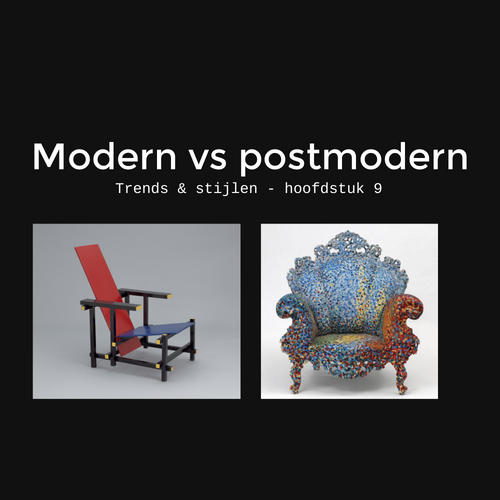
Modern vs Postmodern
Trends & styles - chapter 9

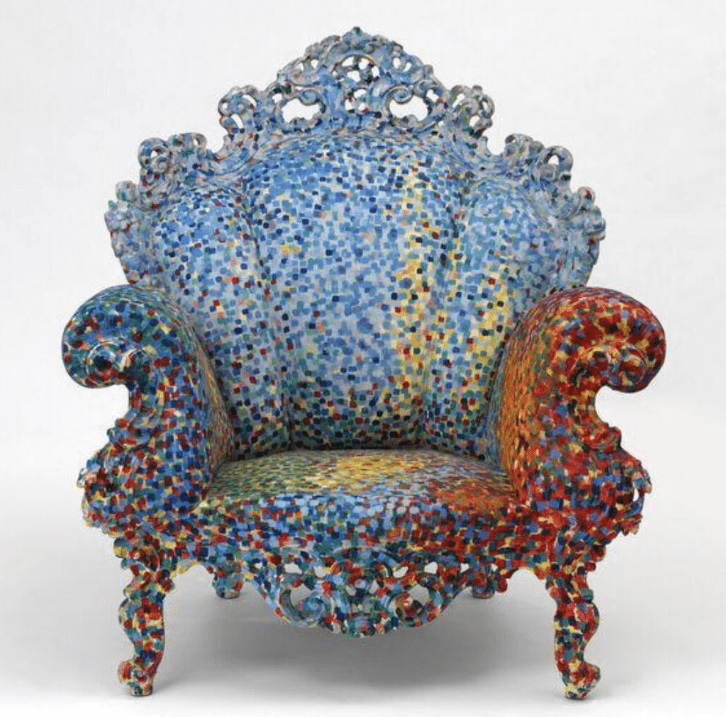

What is Modernism?
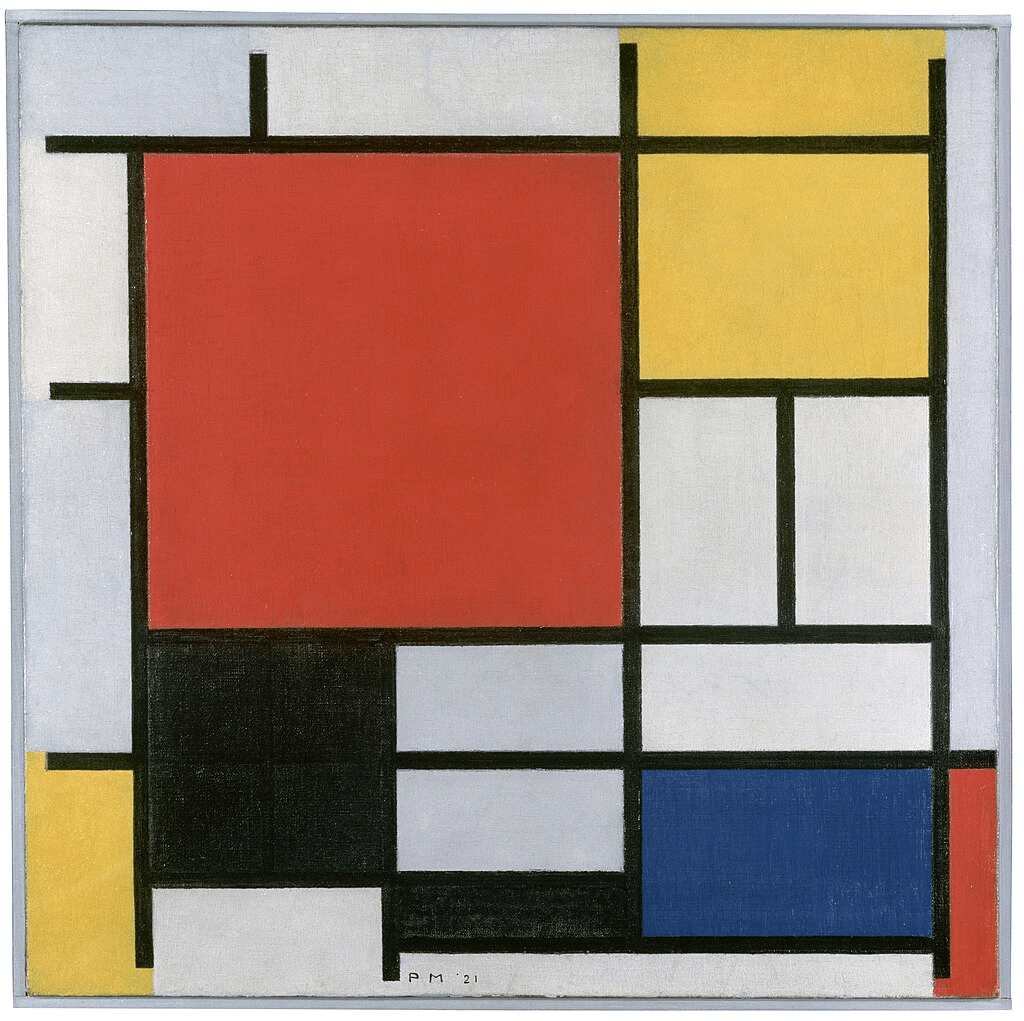
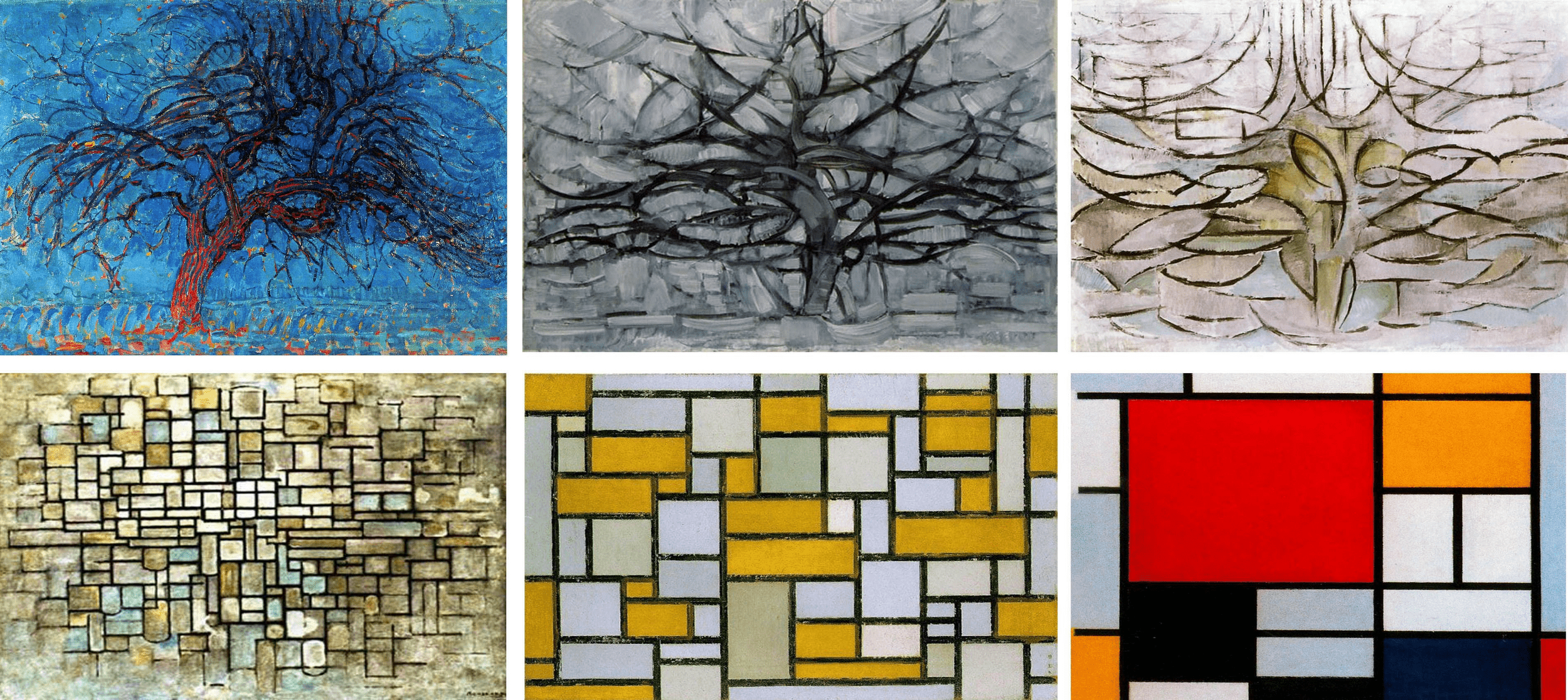
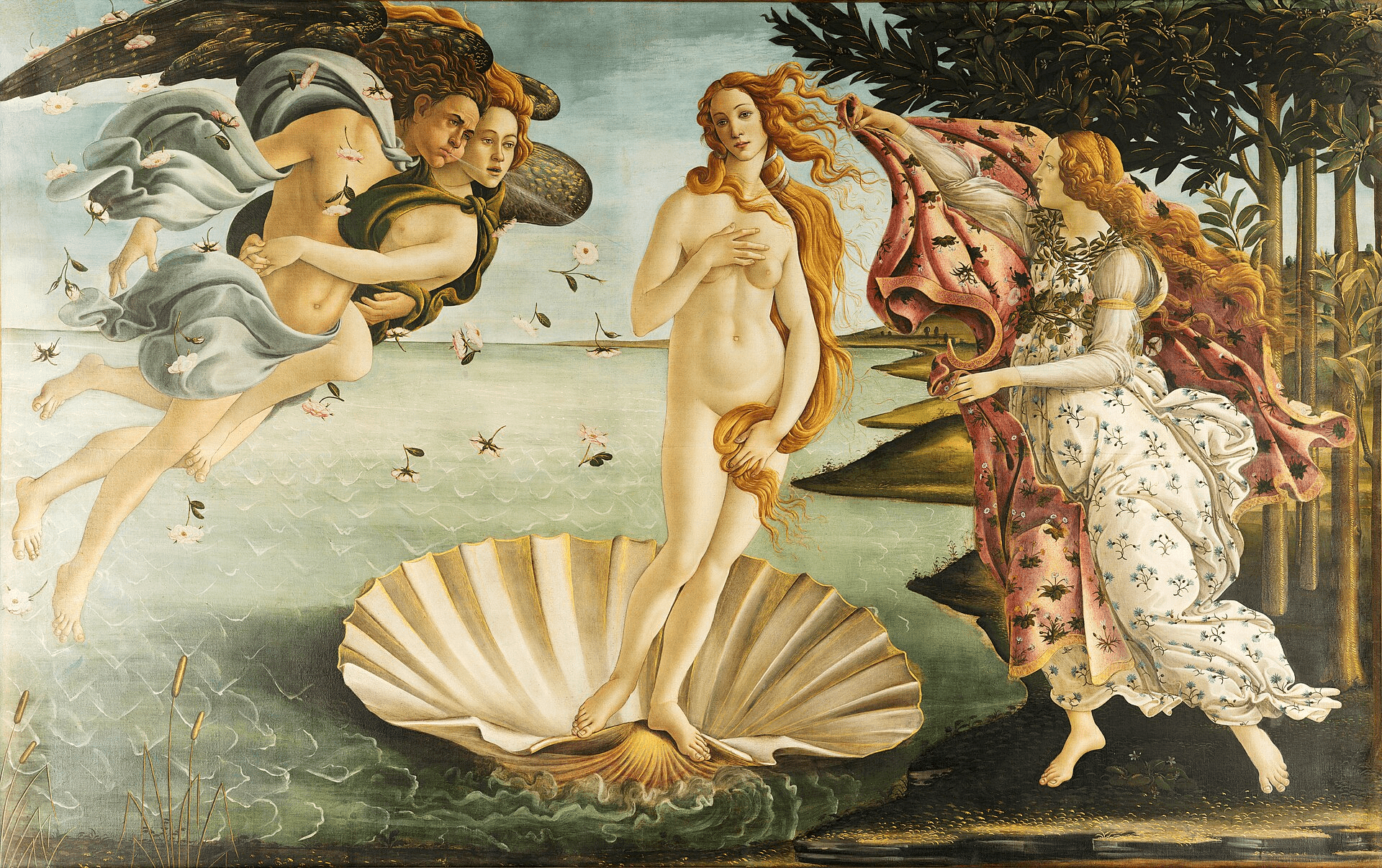
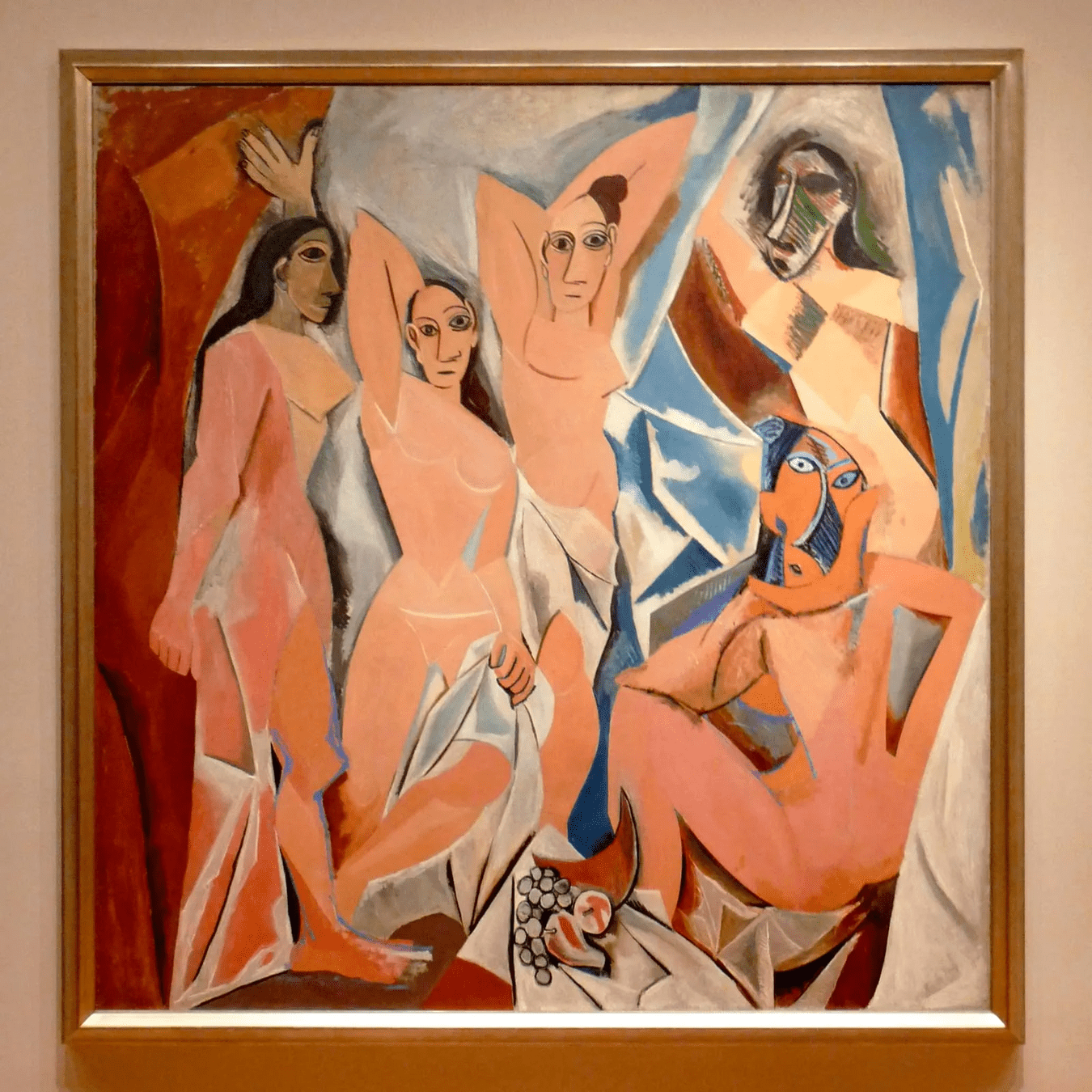
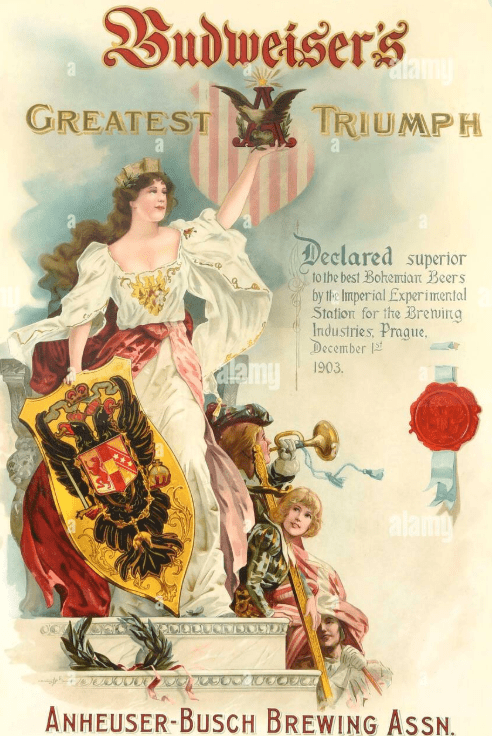
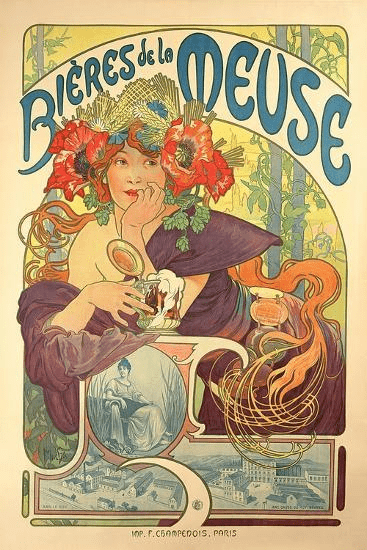
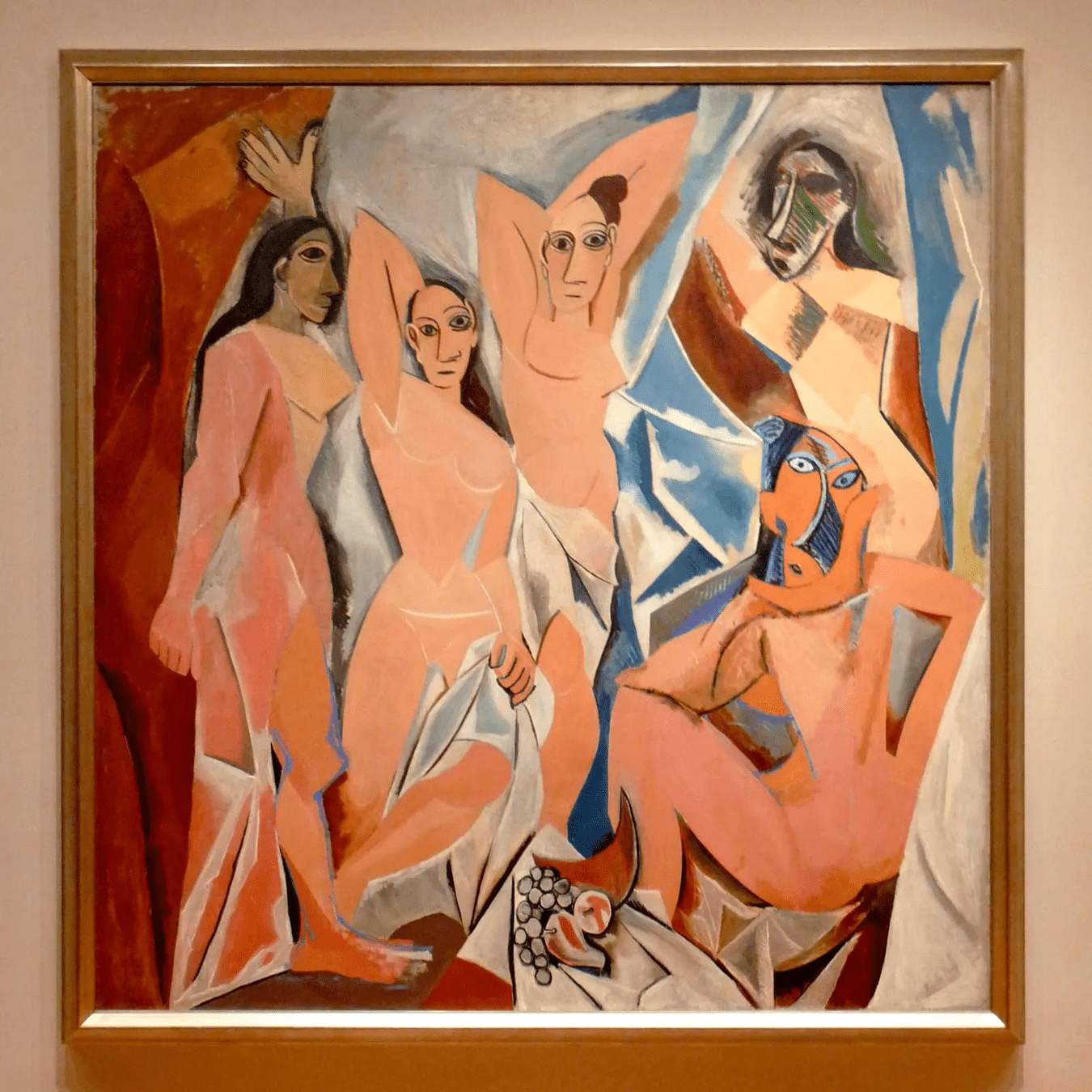
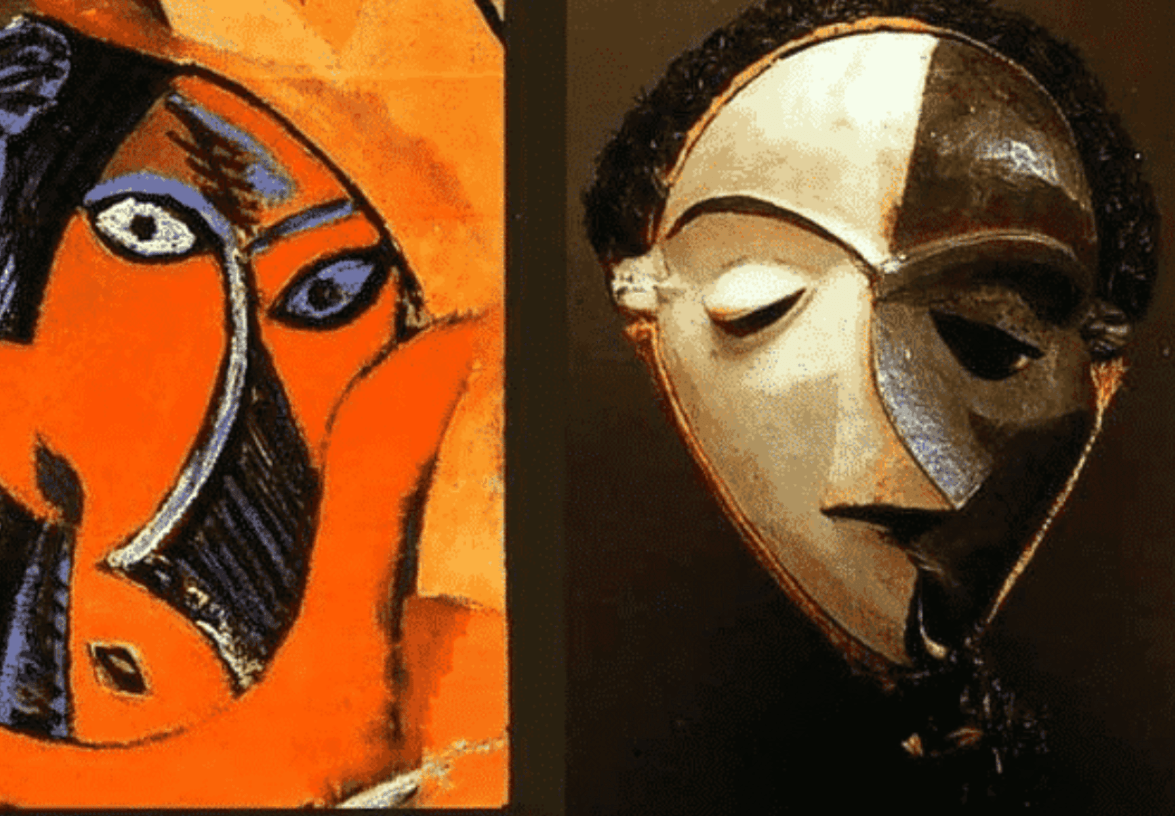
What could
Postmodernism mean then?
'post' = 'after' (Latin)
Modernism or Postmodernism? Take a guess!

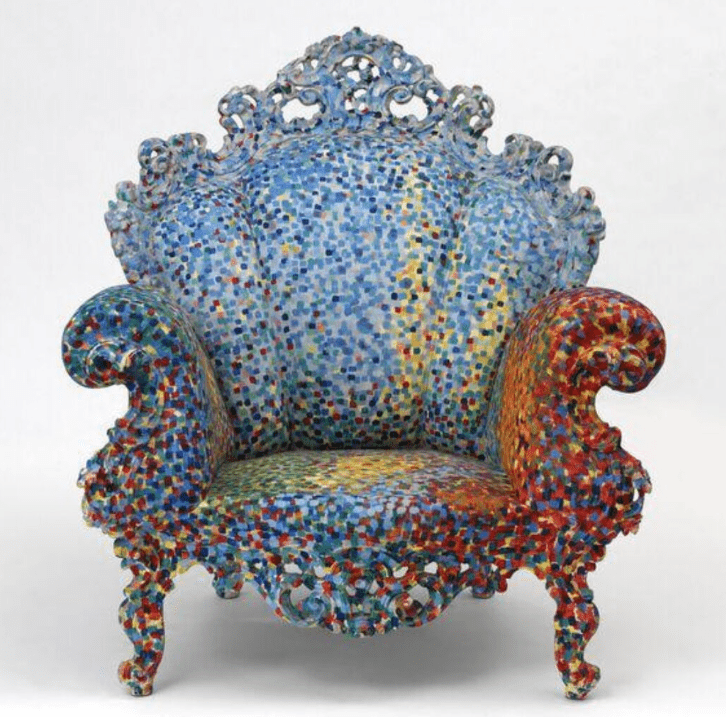
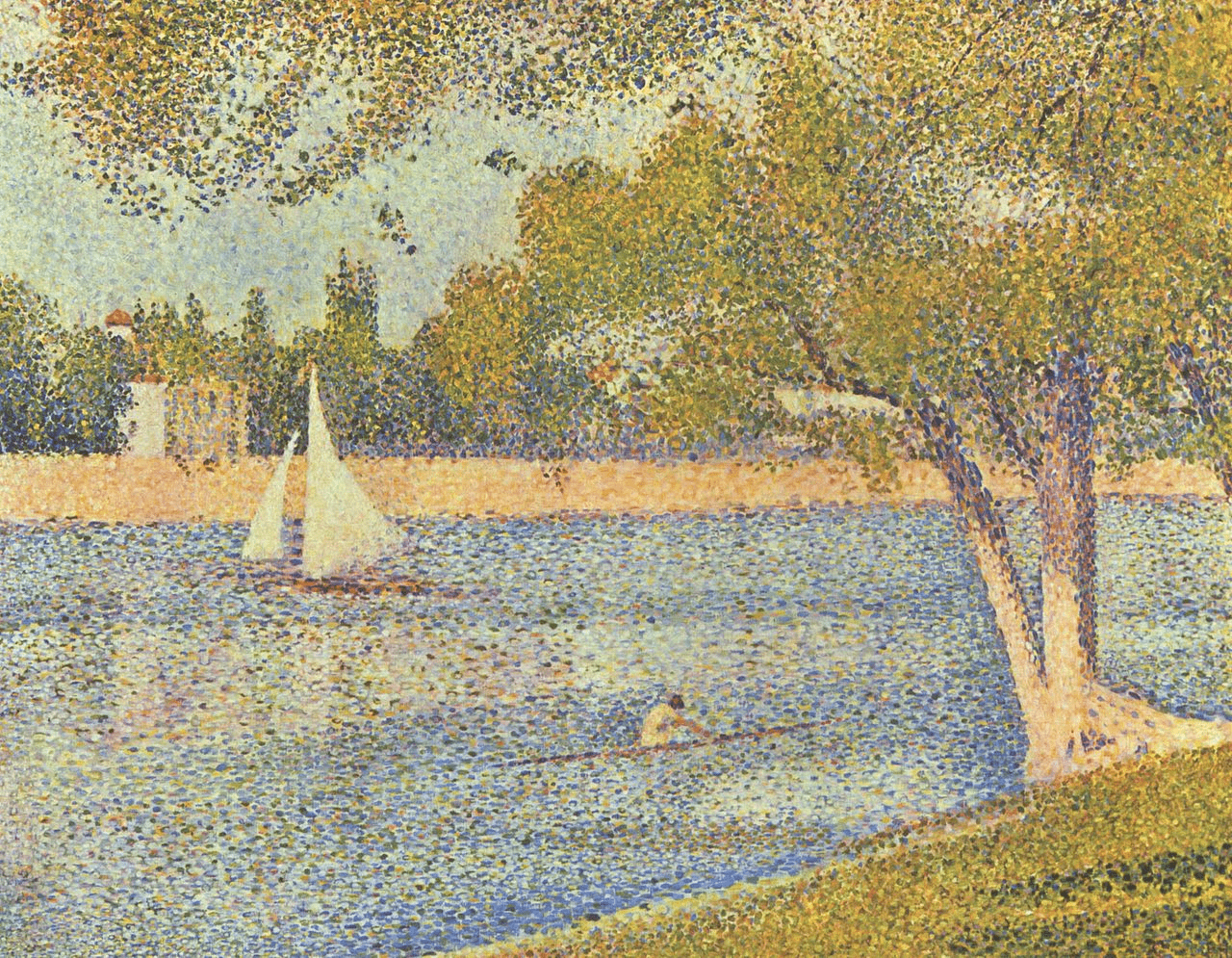
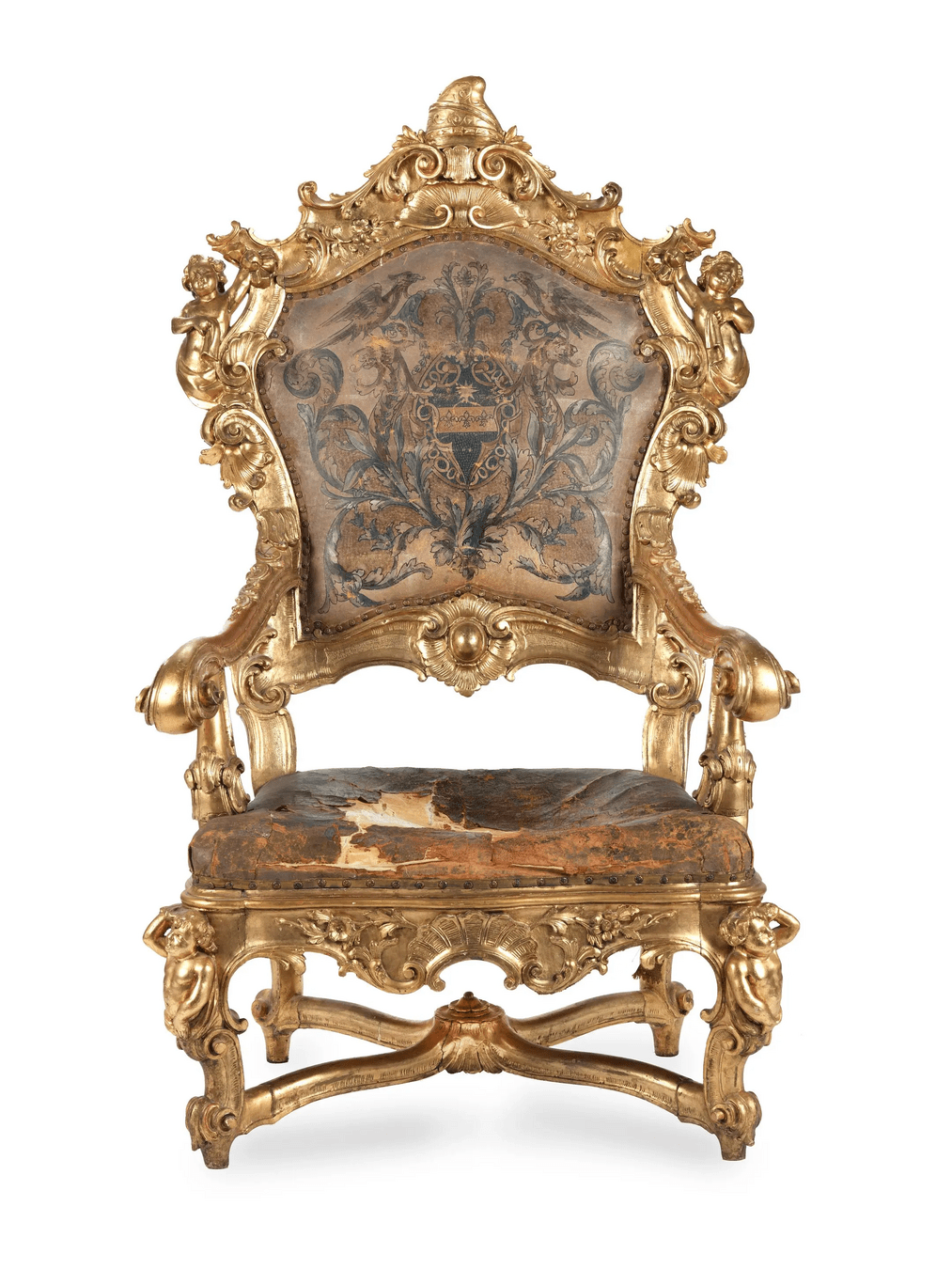
+
=
Modernism (1900-1960)*
-
Simplicity & minimalism
-
Essentialism: less is more
-
Form follows function
-
Original, creative, new
-
Coherence & stability; a clear & focused idea
*Categorisation in time is always artificial!Postmodernism (1960-now)*
-
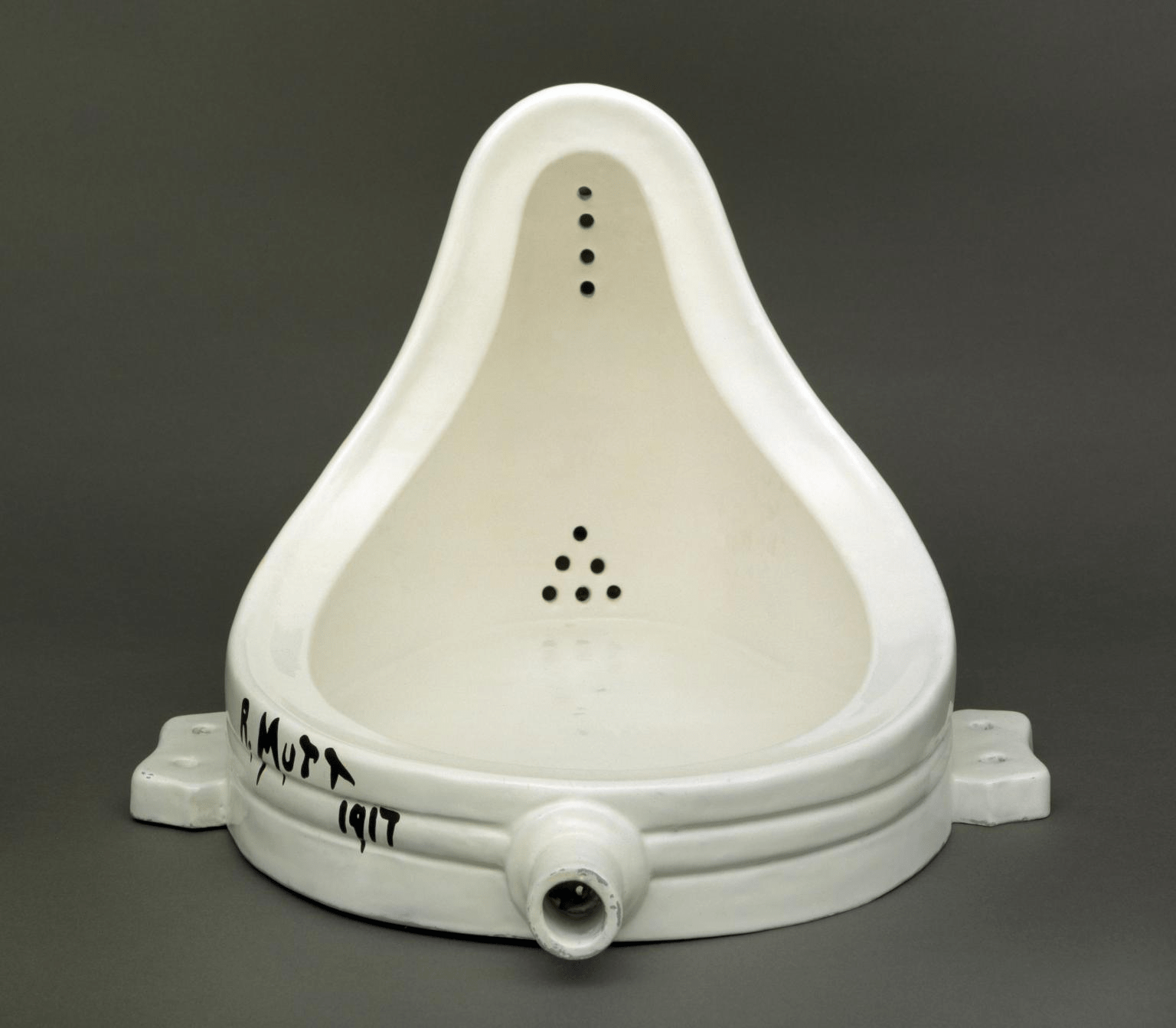
Mixing styles
-
Eclectism: more is more
-
Form follows emotion
-
References to old and new ('meta' = about) -
Irony, humour, playfulness, absurdity
*Categorisation in time is always artificial!Another example of Modernism:
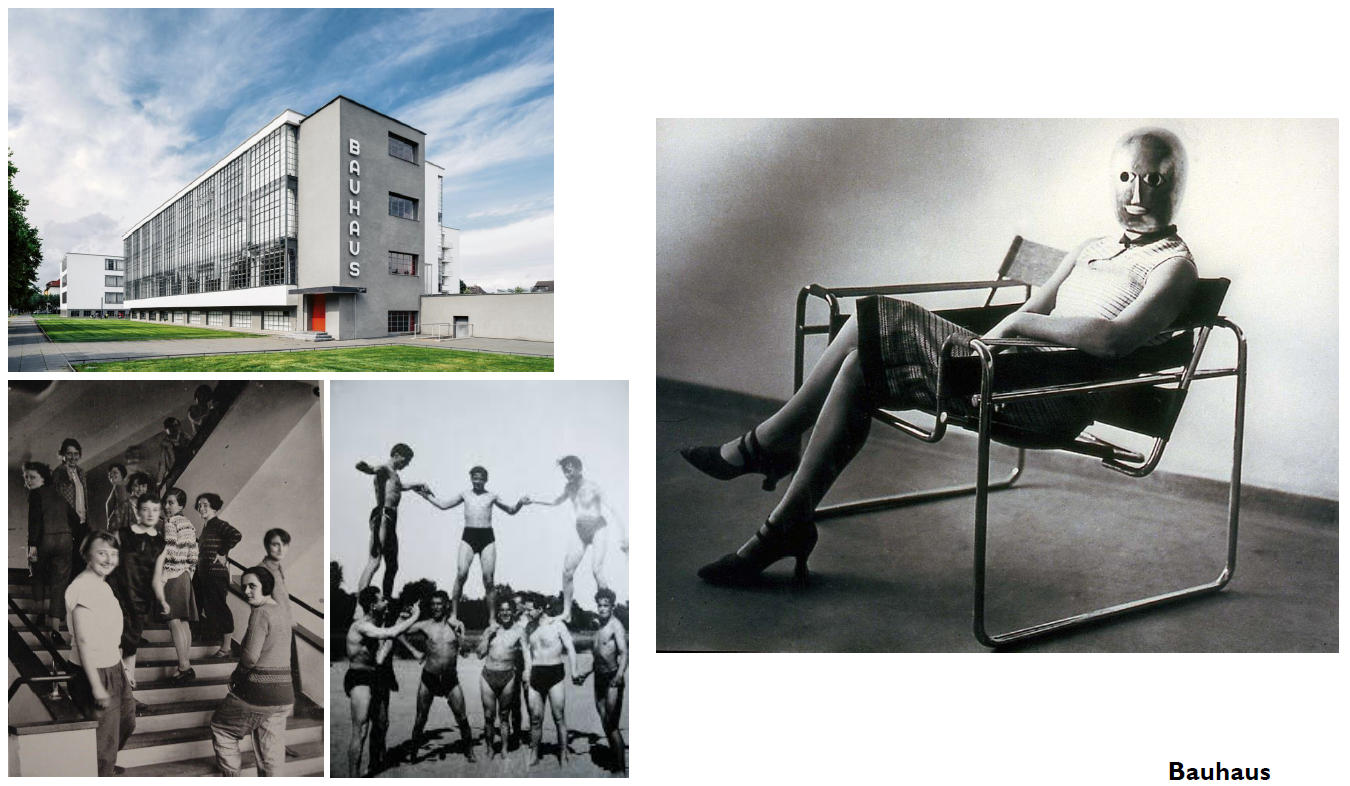
BAUHAUS (1919-1933)
-
German school of art, design & architecture
-
Liberal & creative students, including many women
-
Focus on minimal, functional, modern design
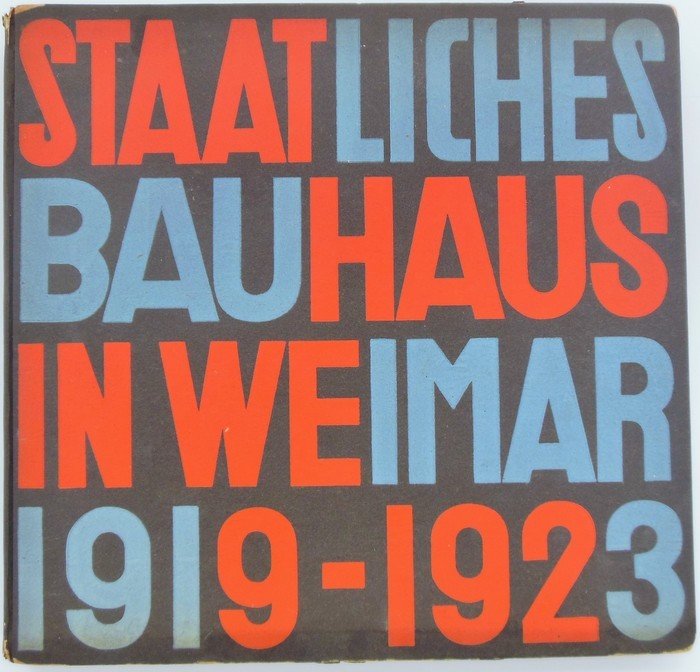
Layout: simple & minimalistic
-
STRUCTURE four blocks, one coherent square -
CONTRAST red versus blue, dark background -
REPETITION font & colours -
ALIGNMENT
justified: vertical lines
Another example of Modernism:
CONSTRUCTIVISM (1913-1920s)
-
Russian design movement after revolution -
Experimental artists for constructive progress
-
Modernist design for propaganda
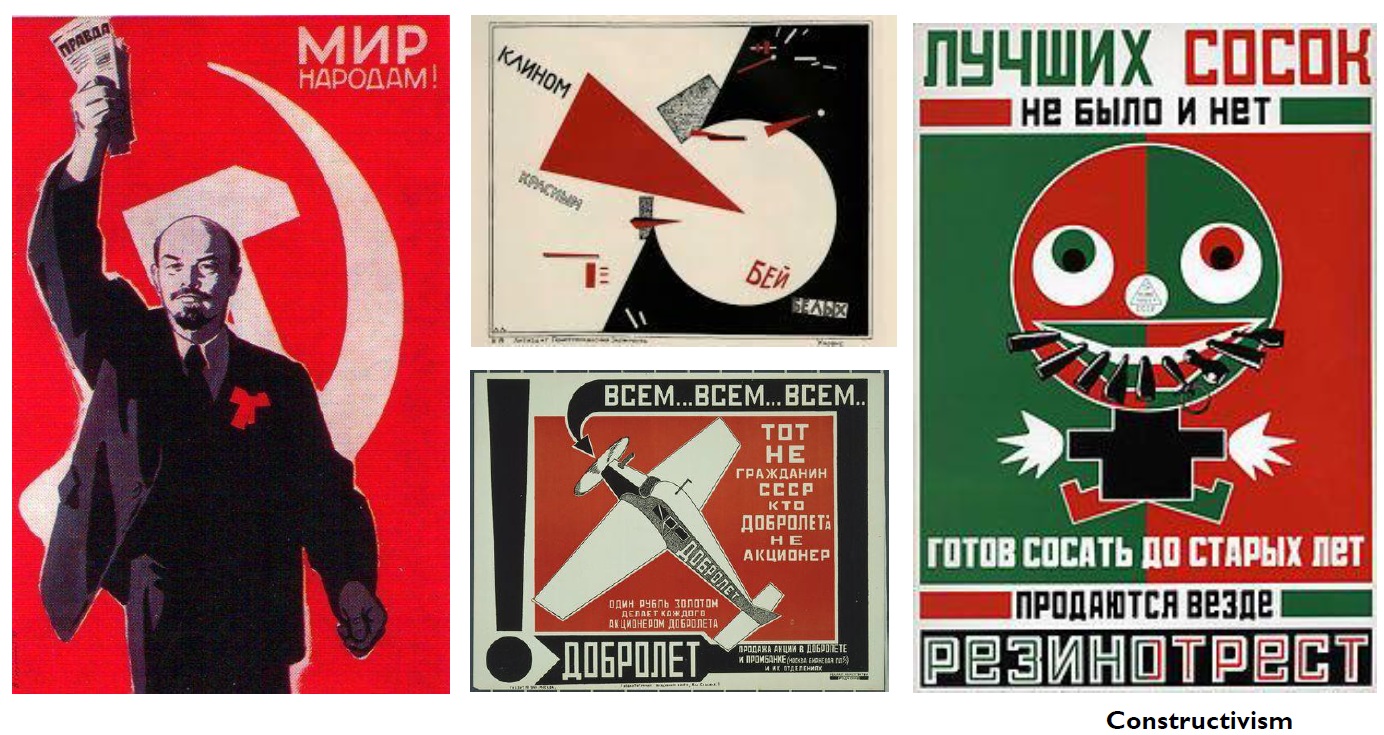
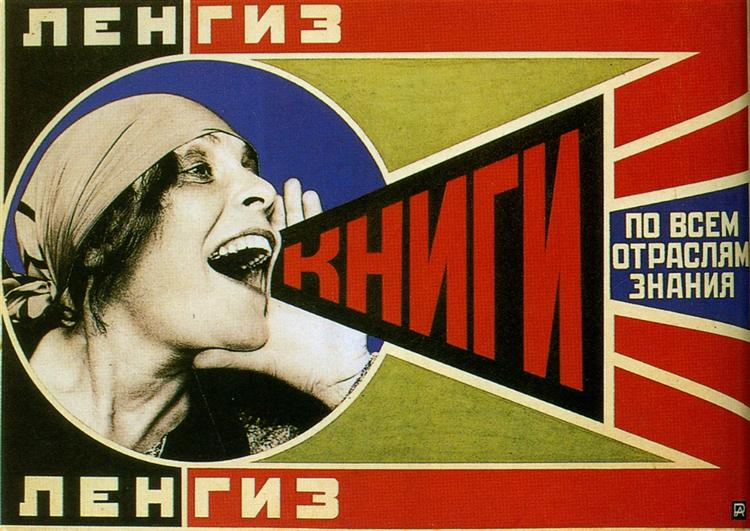
Layout: simple & minimalistic
-
STRUCTURE circle + triangle + blocks -
CONTRAST
red, blue, green, black, white
-
REPETITION
fonts, colours, geometric shapes
-
ALIGNMENT
diagonal alignment → megaphone
“Lengiz. Books on all branches of knowledge.”An example of almost Postmodernism:
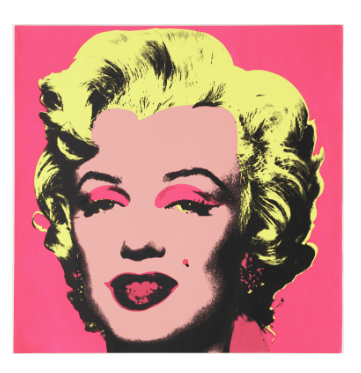
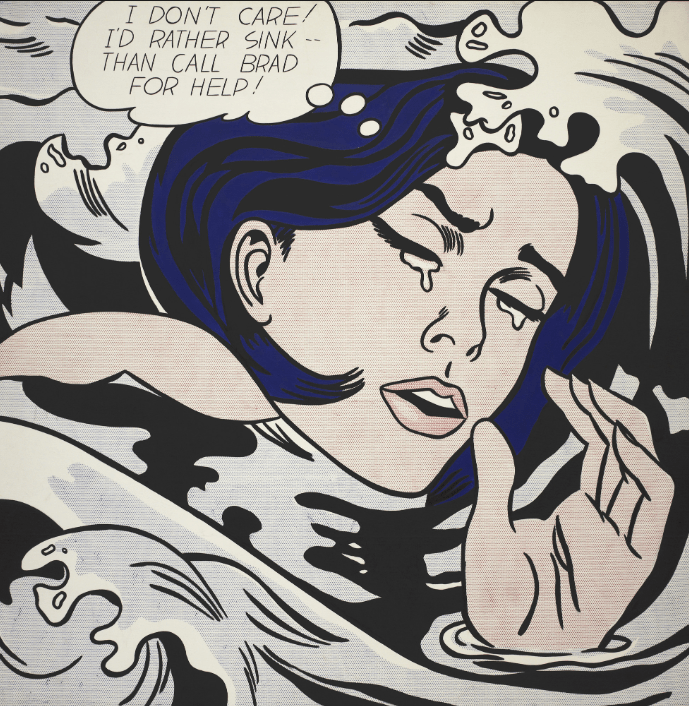
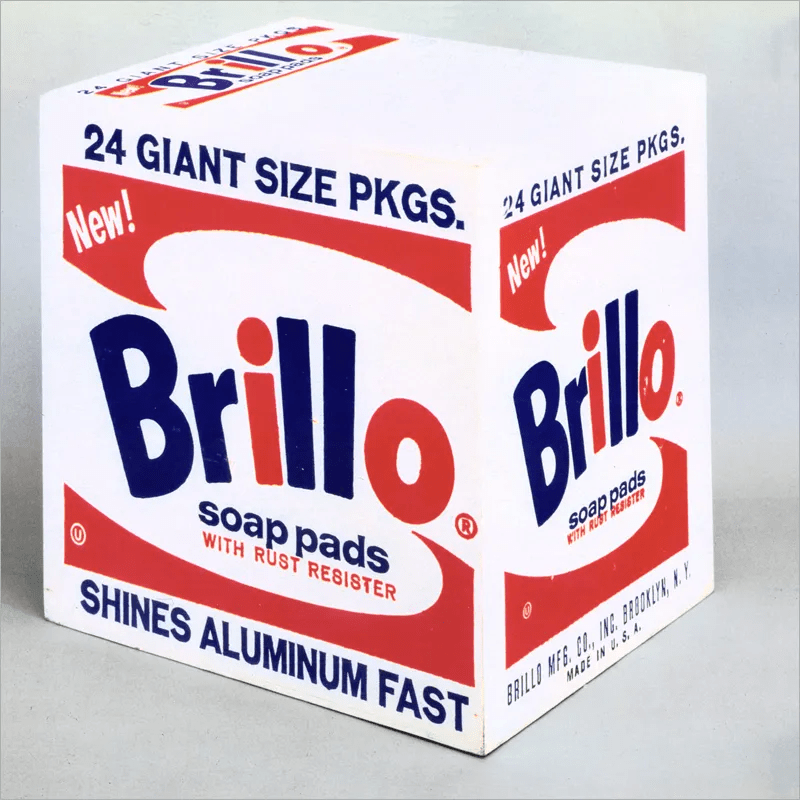
POP ART (1950s-1960s)
-
British & American art movement
inspired by mass media and consumer culture
-
Artists used popular imagery from ads, comics, celebrities (readymades)
-
Colourful, playful and accessible designs
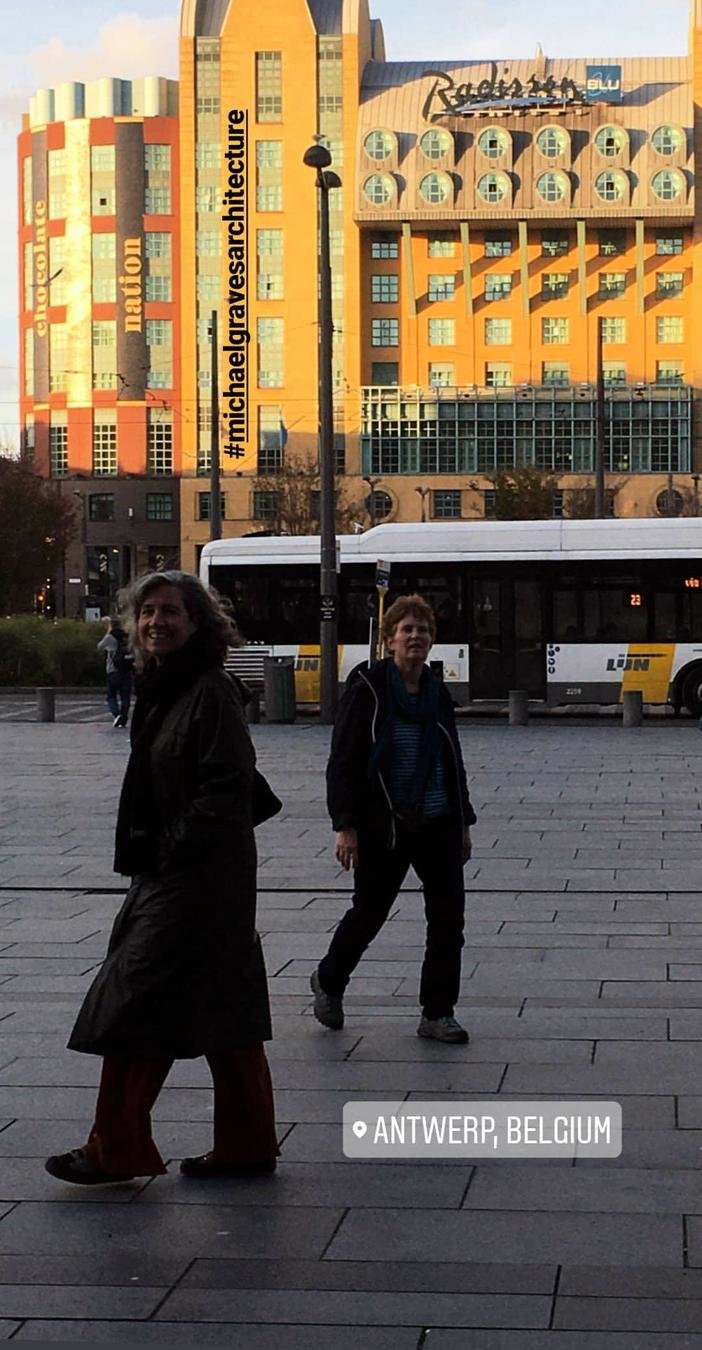
An example of
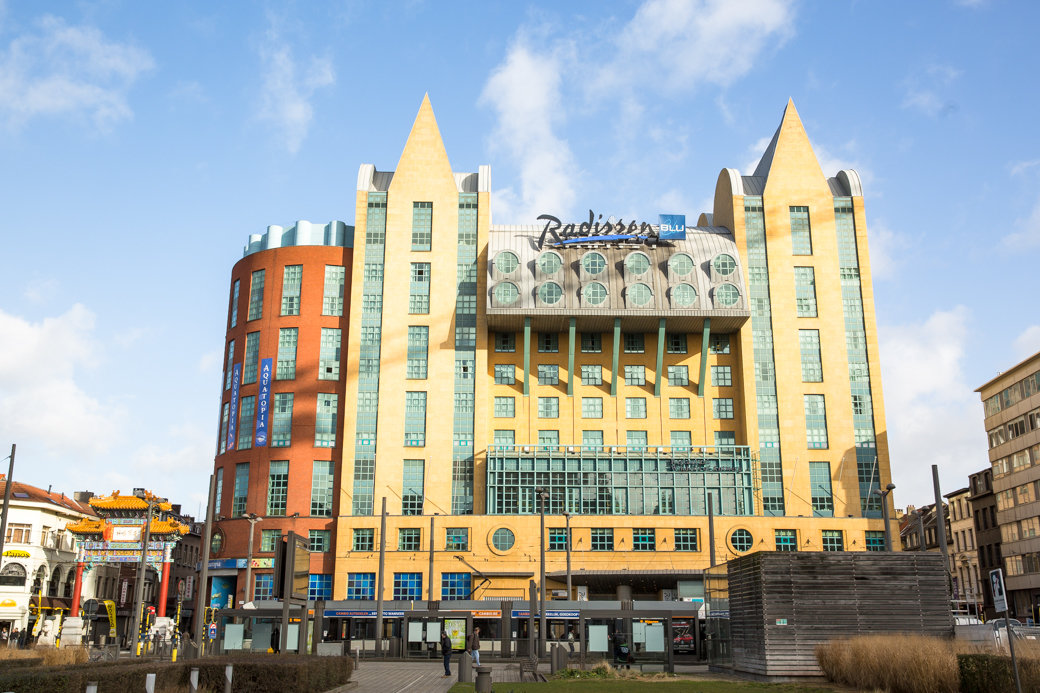
Postmodern architecture

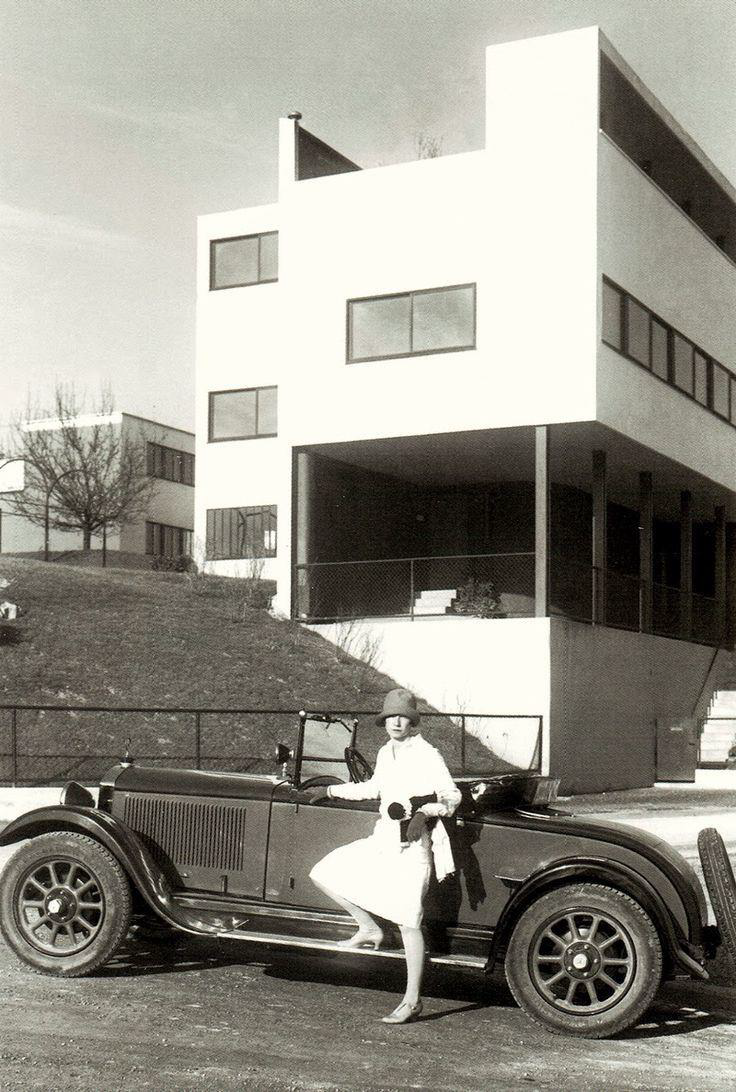
Modernism
Postmodernism
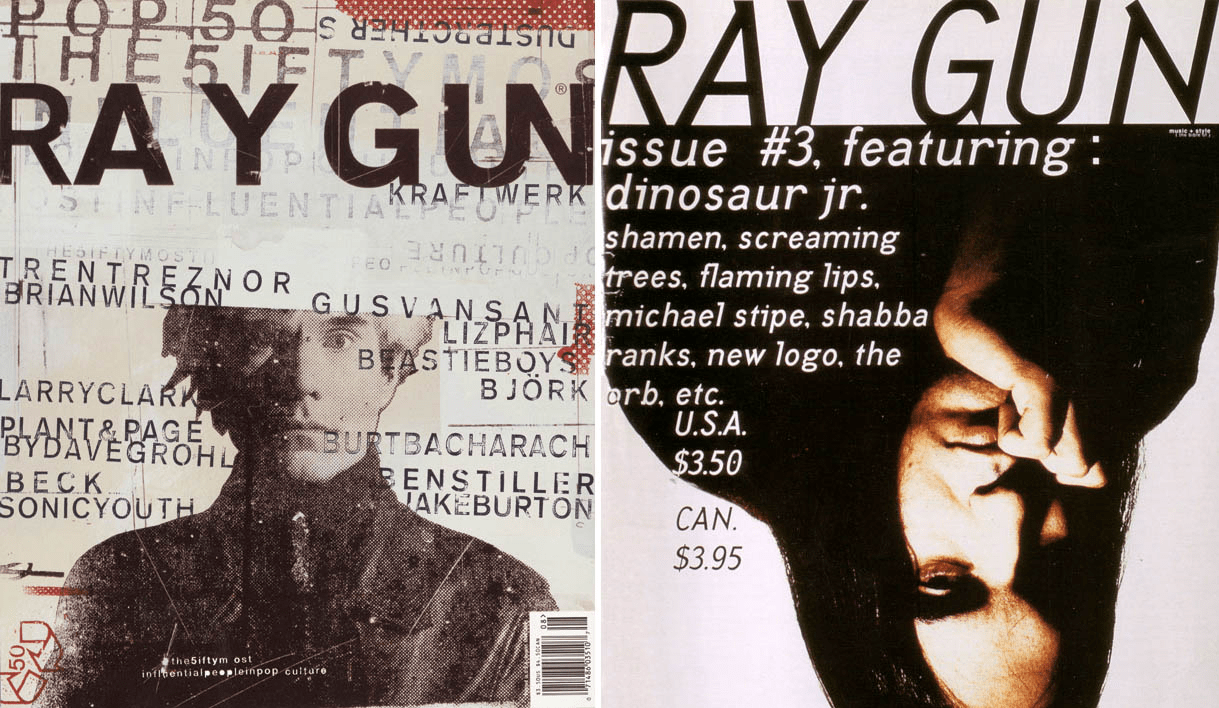
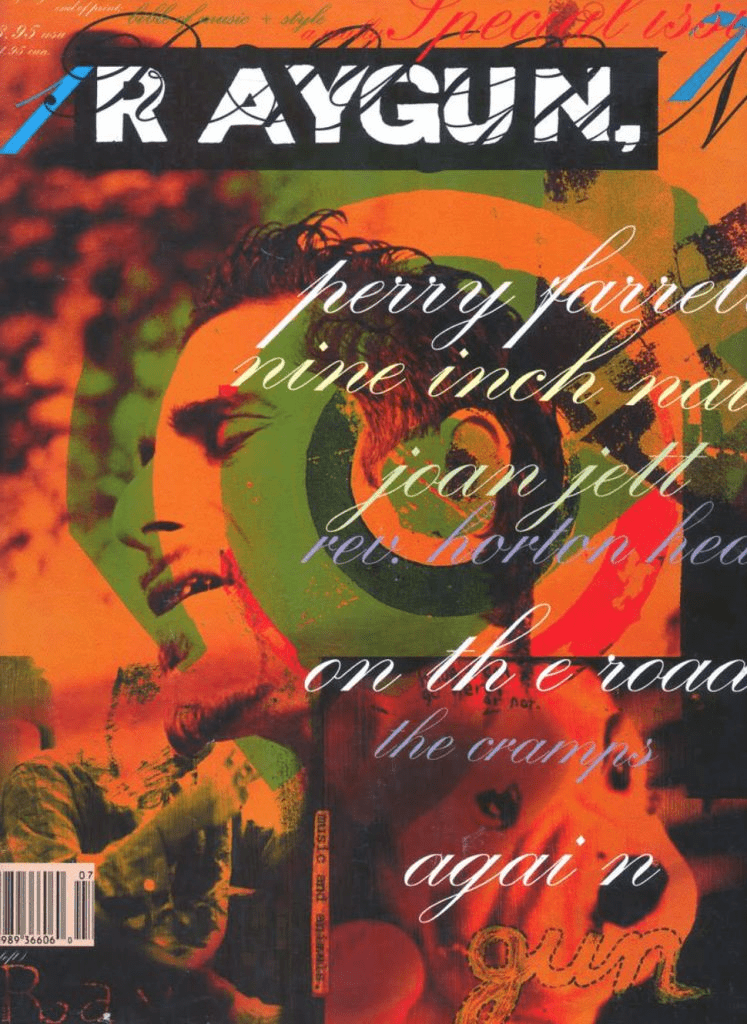
Example of Postmodern design
-
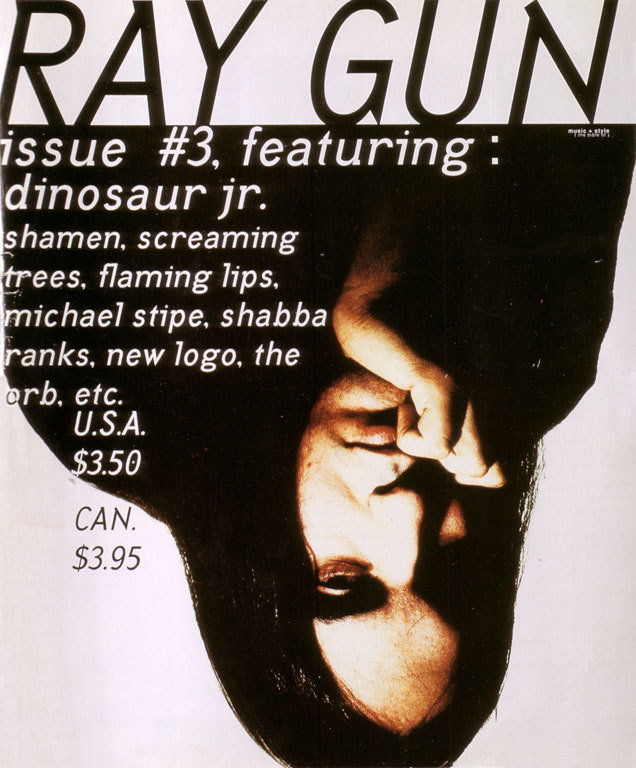
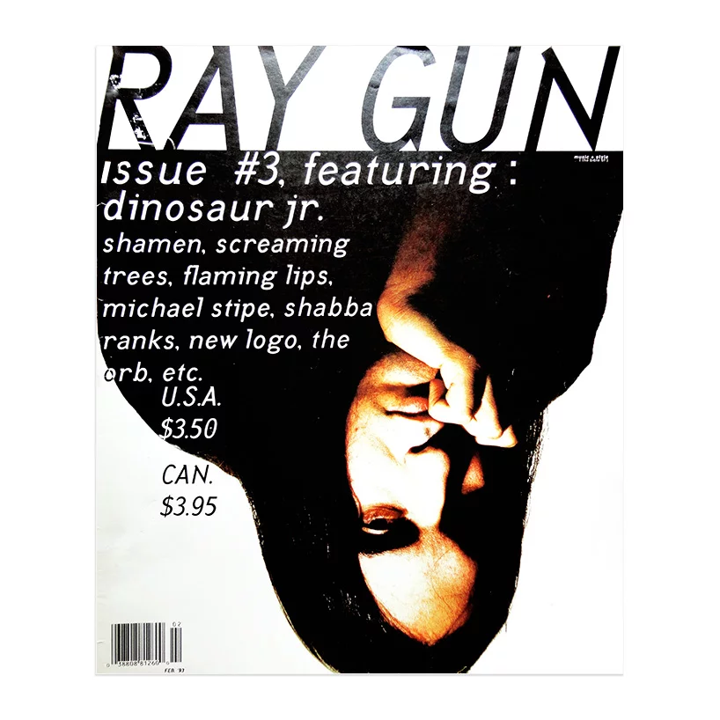
Ray Gun: American music magazine (90s)
-
Designer: David Carson
-
Postmodern design: mixing of styles, 'chaotic'
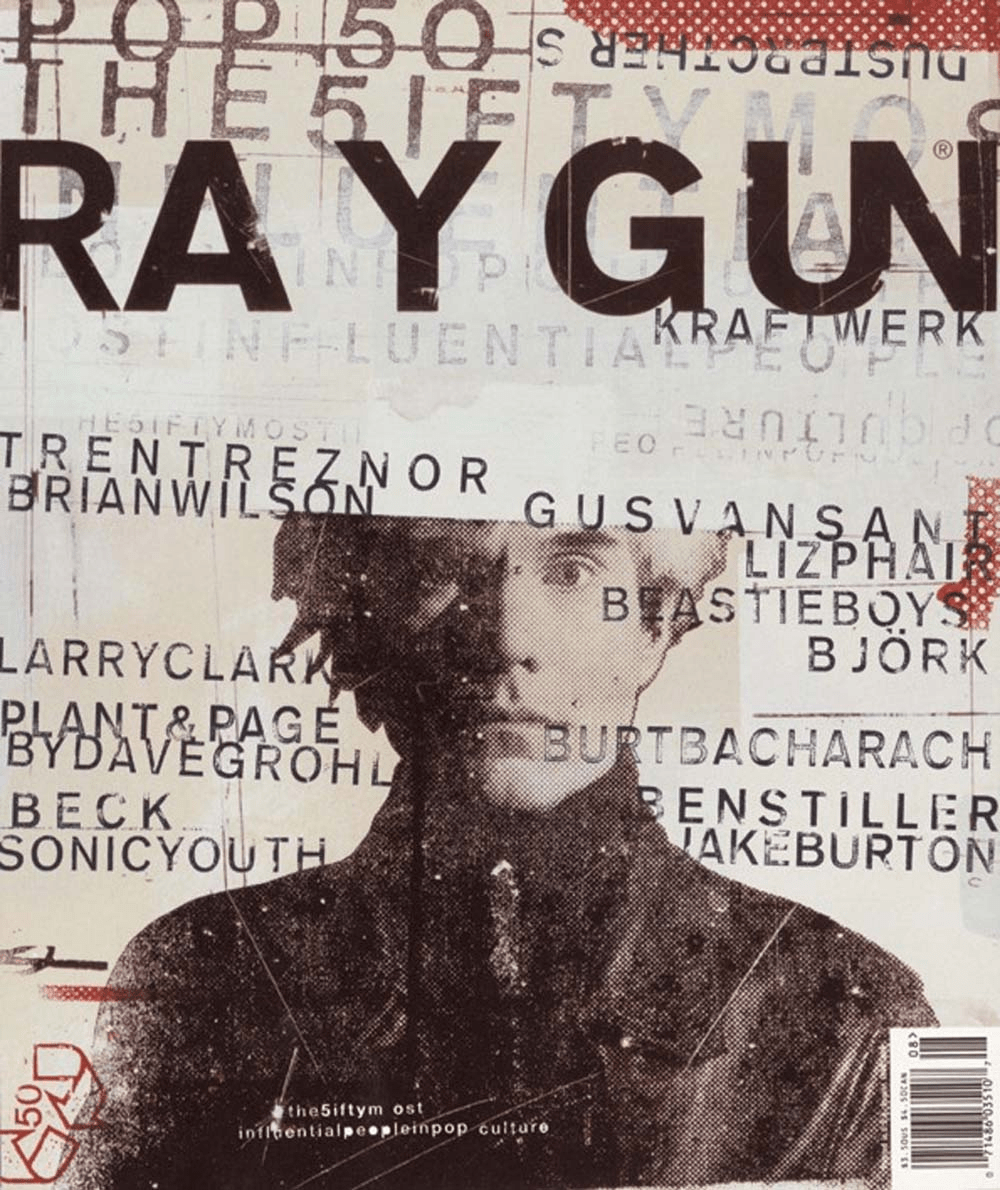
Layout: 'chaotic' style
-
STRUCTURE portrait +overlapping text layers -
CONTRAST
black/white photo vs.colour;
clean face vs. chaotic font
-
REPETITION
colour & distressed typography
-
ALIGNMENT
broken alignment → text ignores grid, follows visual rhythm
To conclude:
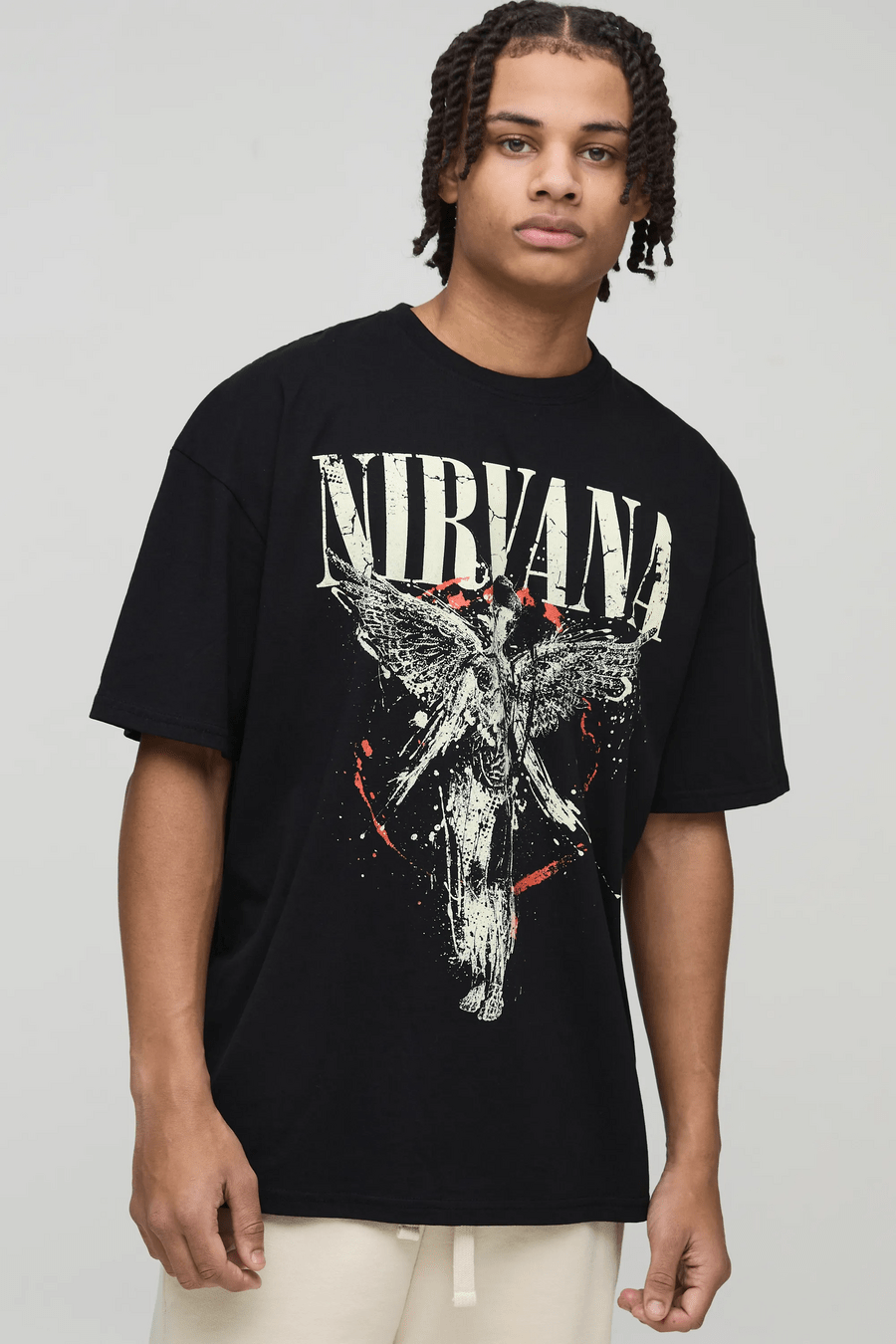
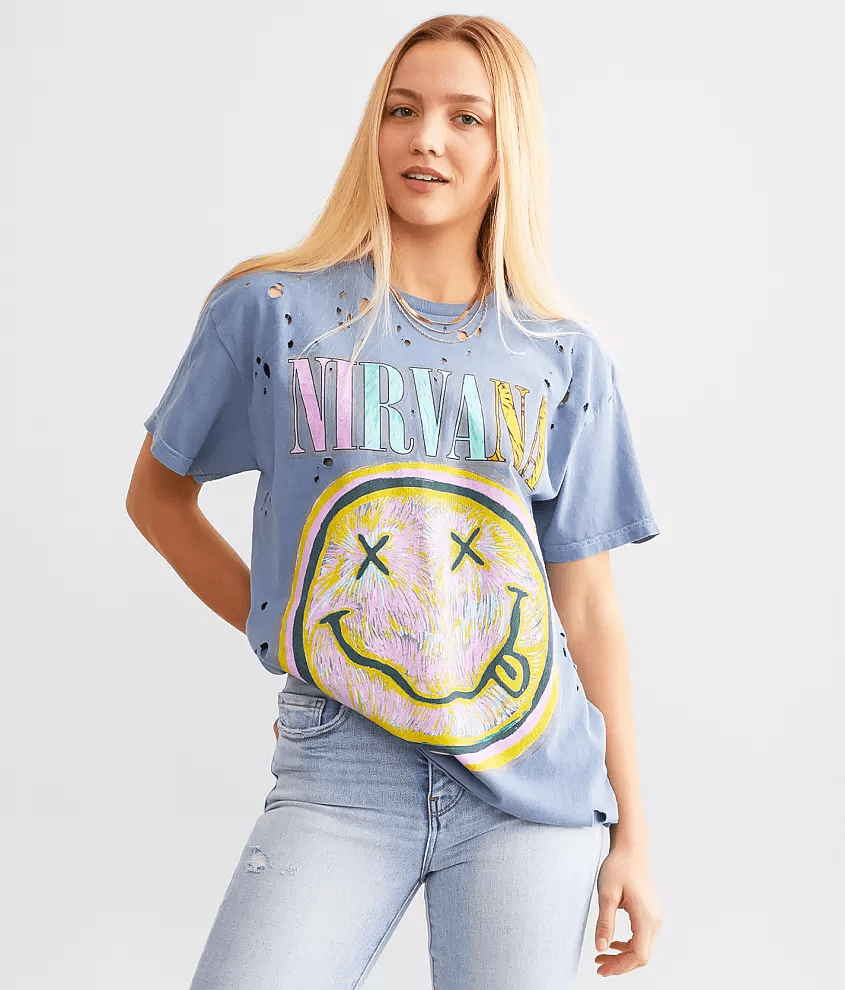
some more examples of Postmodern culture
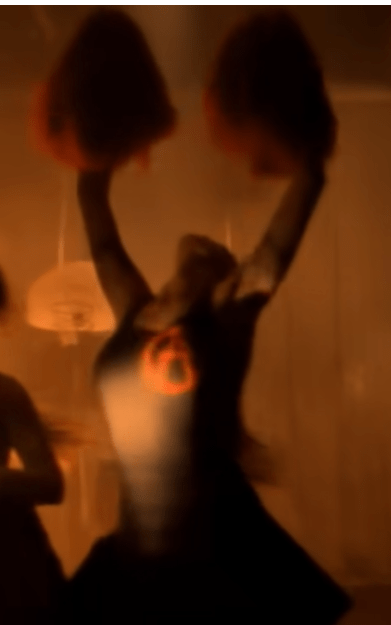
> Chaotic & destructive > No clean, structured design: brownish-yellow filter, gritty > Creative and original, yet massively popular



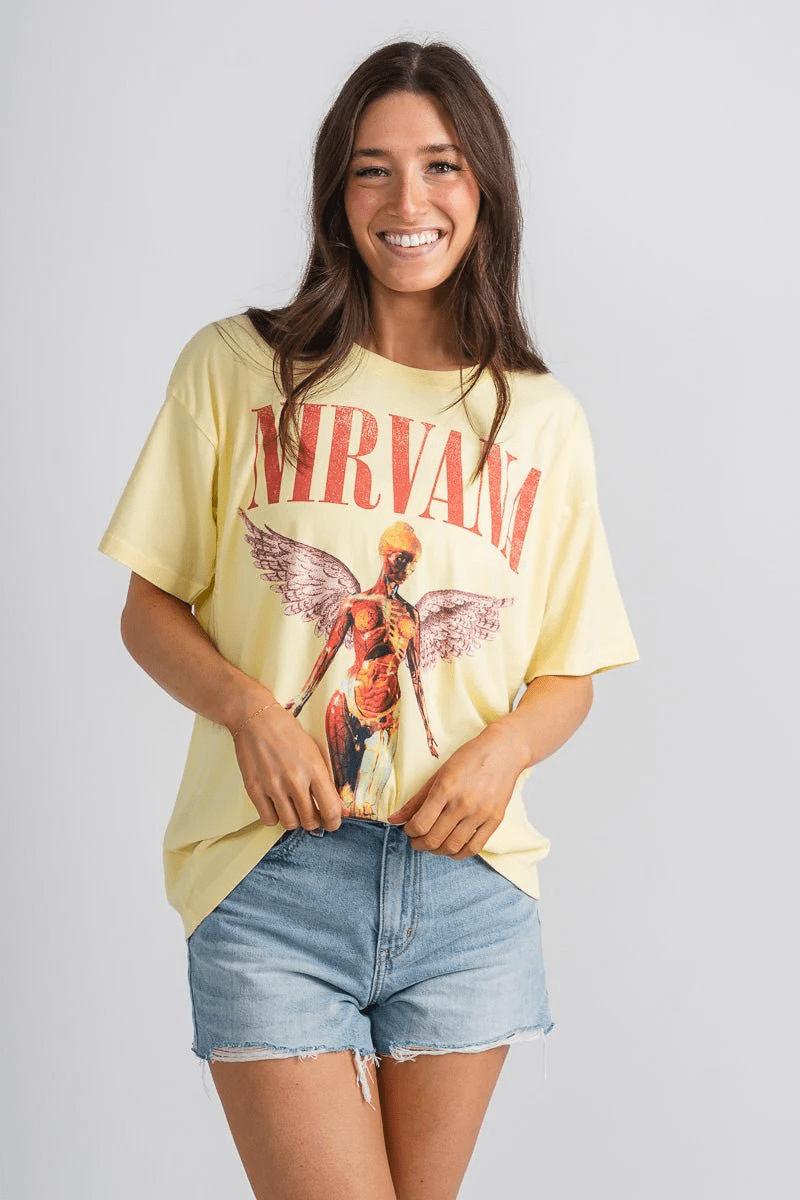

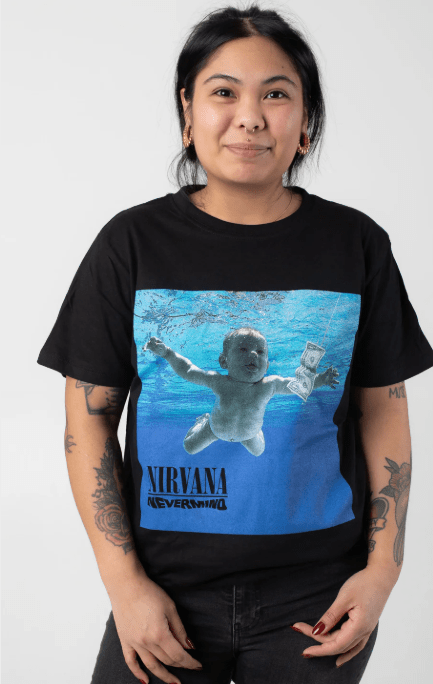


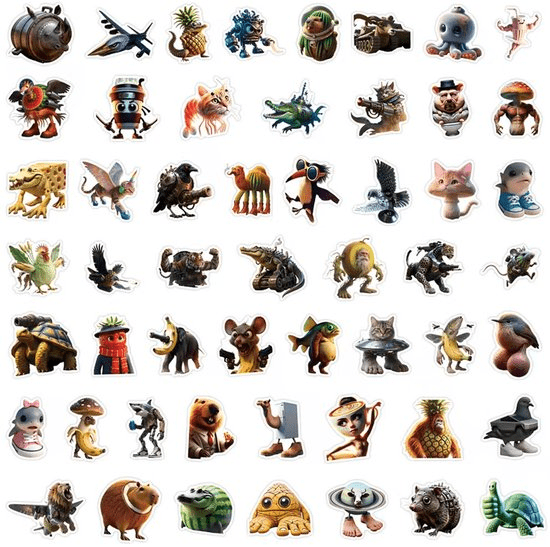
Title Text
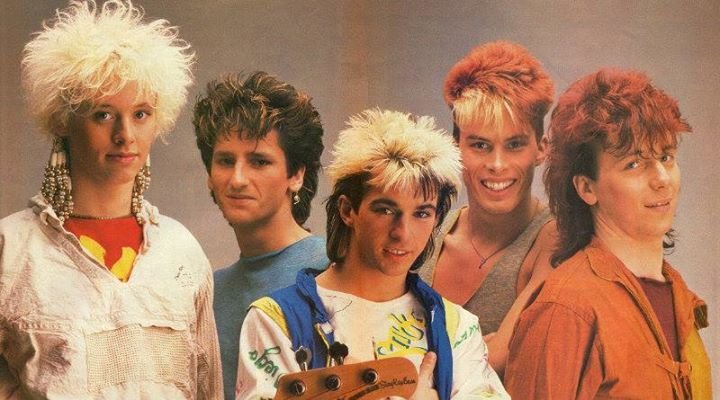
The 1980s
The blooming period of Postmodernism
ANYTHING IS POSSIBLE
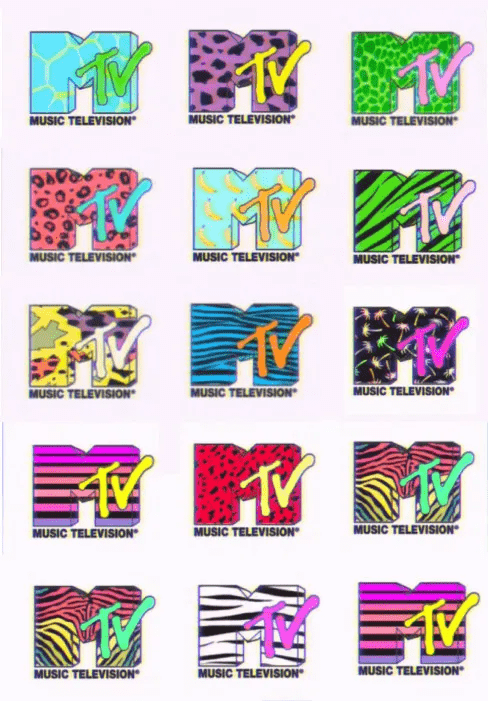


Excerpt from the book I Want My MTV,
The Uncensored Story Of The Music Revolution (Rob Tannenbaum & Craig Marks, 2011)
Visual Design - 1ICM - chapter 9
By Lieve Roegiers