














Mick Hohmann
My passion is to inspire people and teams to be passionate in their profession, so that they are more focused and motivated to create valuable products.
… und was bei Team Topologies missverstanden wurde.
Agile Coach • Scrum Master • Product Owner
15 Jahre Projektmanagementerfahrung und seit 2015 als Agile Coach in Projekten tätig. Seine Leidenschaft ist es, Menschen & Teams zu inspirieren und für ihre Aufgabe zu begeistern, damit sie fokussierter und motivierter wertschöpfende Produkte erzeugen können.
Geänderte Aufgabenstellungen erfordern andere Konzepte
Software Aging (Dead Code, Complexity, Deprecated Code, Entropy)
Wartbarkeit & Erlernbarkeit
Bugs und Features dauern lange
Fluktuation & Brain Drain
"Any organization that designs a system (defined broadly) will produce a design whose structure is a copy of the organization's communication structure"
Complicated-subsystem team
Enabling team
Stream-aligned team
Platform team
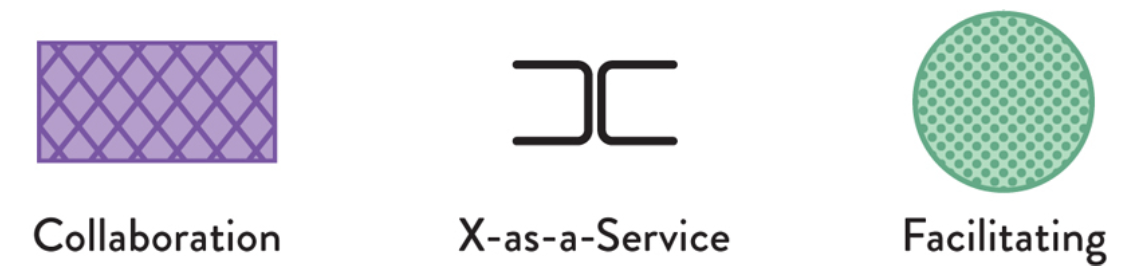
Facilitation
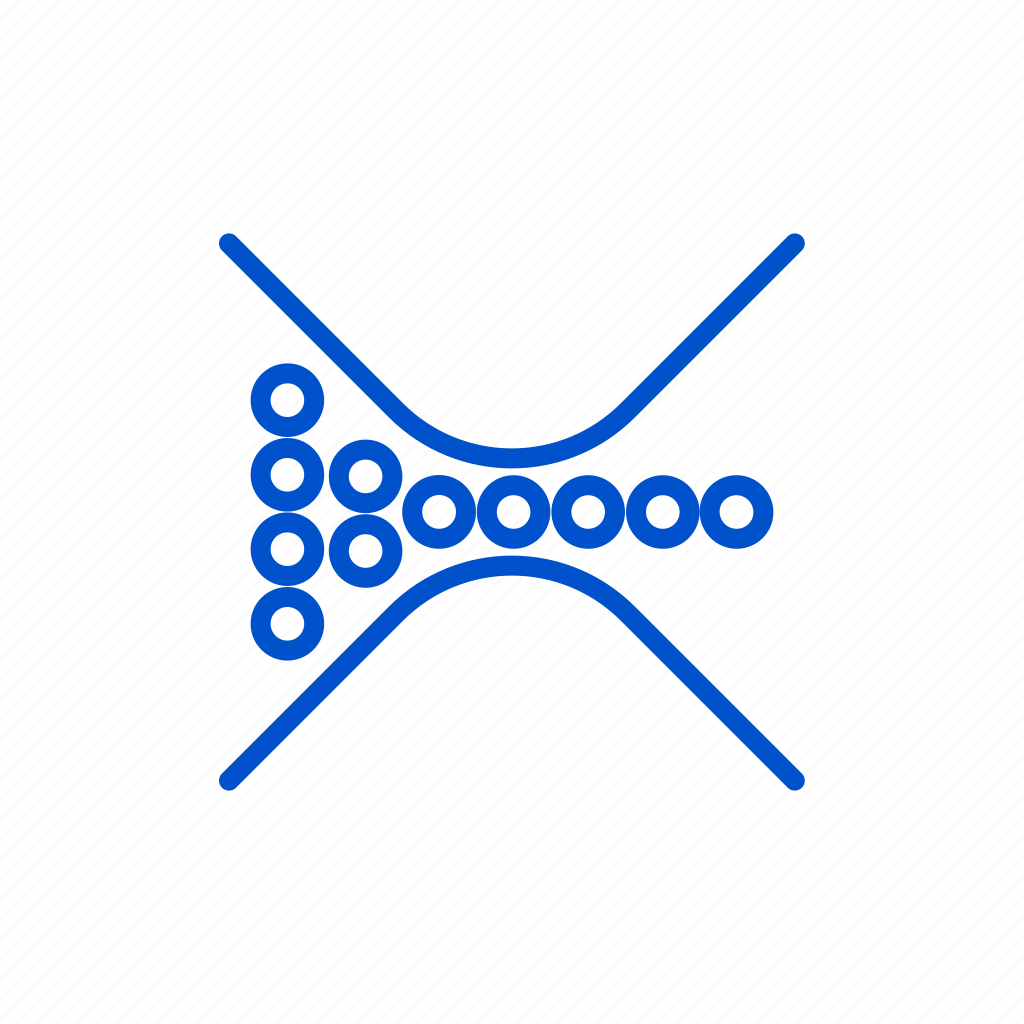
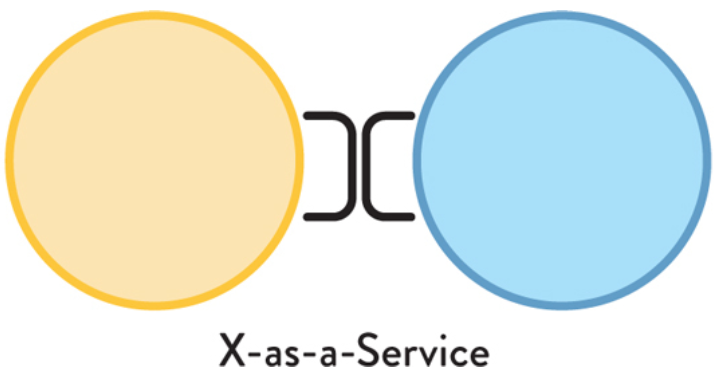
X-as-a-Service
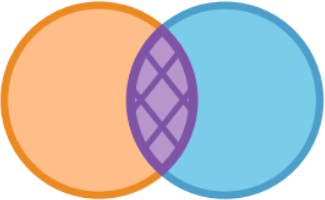
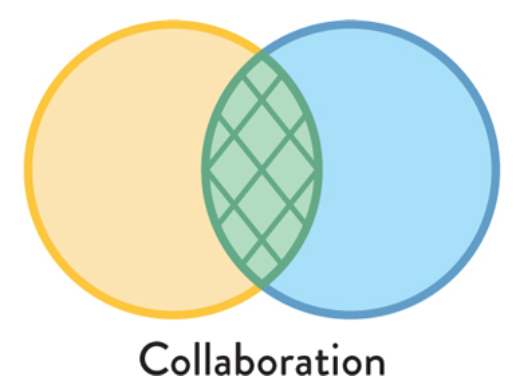
Collaboration
Complicated-subsystem team
Enabling team
Stream-aligned team
Platform team
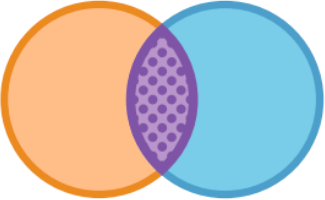
Dinge, die ich für meine aktuelle Aufgabe einfach brauche.
Wie viele Dinge muss ich berücksichtigen?
Wie interagieren die Dinge miteinander?
Was muss ich dazu noch beachten? Welche äusseren Anforderungen gibt es noch?
Kognitive Belastung um das benötigte Wissen zu lernen, das ich dann als intrinische oder extrinische kognitive Belastung jonglieren muss.
Stream-aligned Team
Stream-aligned Team
Platform Team
Complicated-Subsystem Team
Enabling Team
Facilitation
X-as-a-Service
Collaboration
The danger of allowing multiple teams to change the same system or subsystem is that no one owns either the changes made or the resulting mess.
Every part of the software system needs to be owned by exactly one team.
Stream-aligned Team
Stream-aligned Team
Platform Team
Complicated-Subsystem Team
Enabling Team
(Gatekeeper, Gateways)
Facilitation
X-as-a-Service
Collaboration
Teams should ask: “What kind of interaction should we have with this other team? Should we be collaborating closely with the other team? Should we be expecting or providing a service? Or should we be expecting or providing facilitation?”
(Kommunikationsmuster)
“The roots of Toyota’s success lie not in its organizational structures, but in developing capability and habits in its people.”
<Mike Rother>
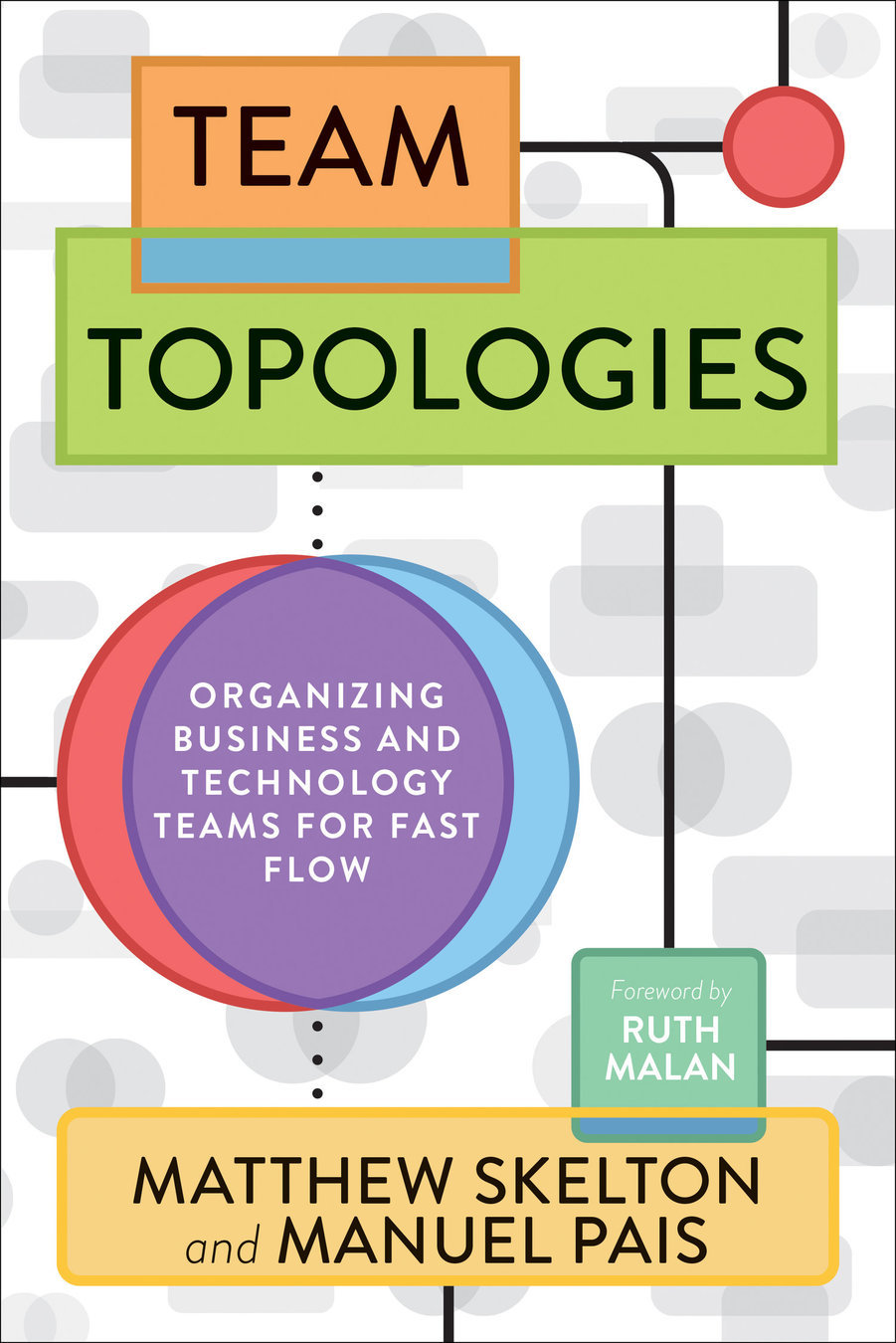
Organizing business and technology teams for fast flow
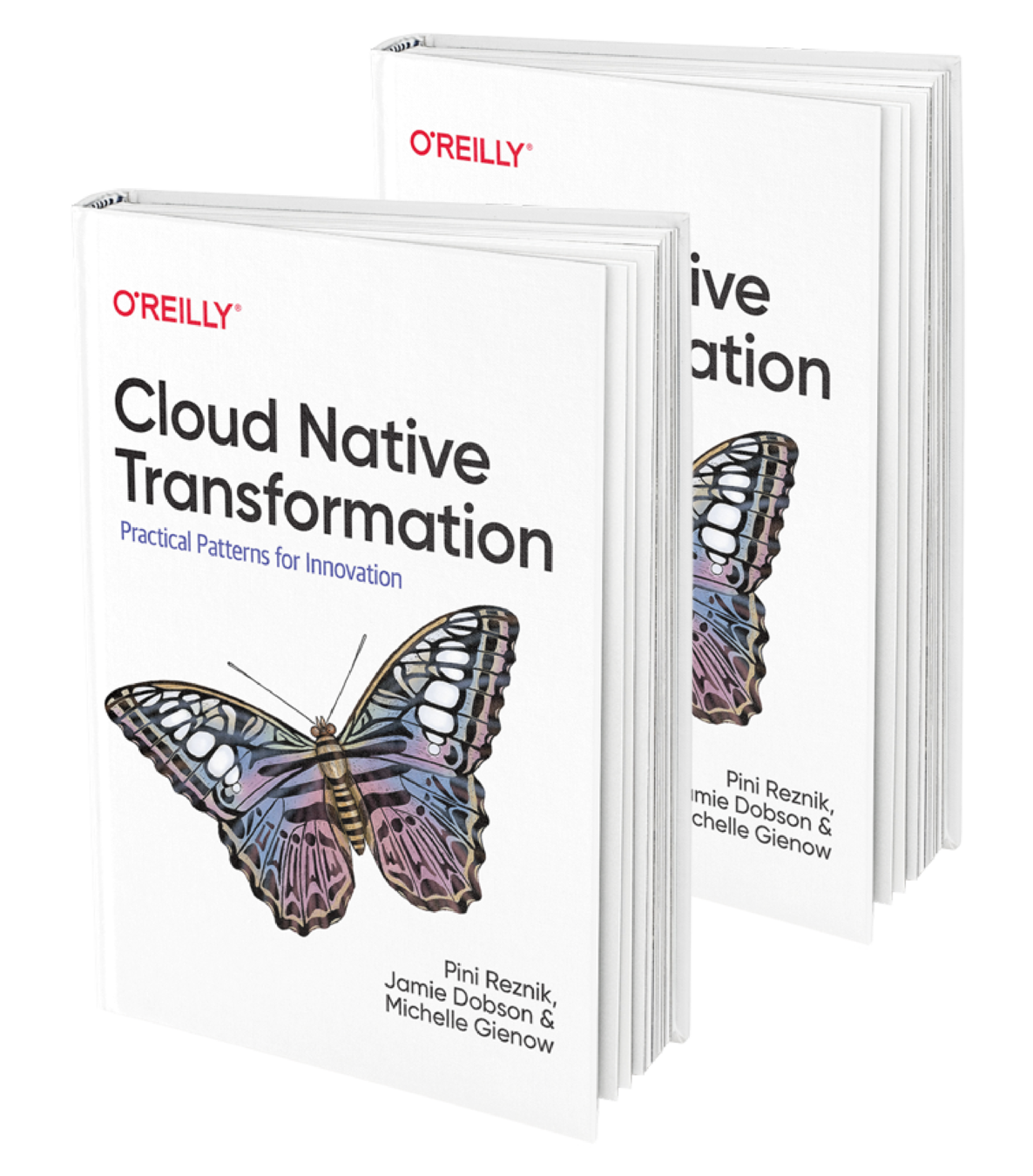
Tools for creating effective Cloud Native architecture—and remaking the way we work
Viel Erfolg!😀
… und vielen Dank für eure Aufmerksamkeit🙇🏼
Subnote
Alte Software
Neue Platform
Methoden & Struktur
MAX
Stream Aligned Team
X-AS-A-Service
Stream Aligned Team
X-AS-A-Service
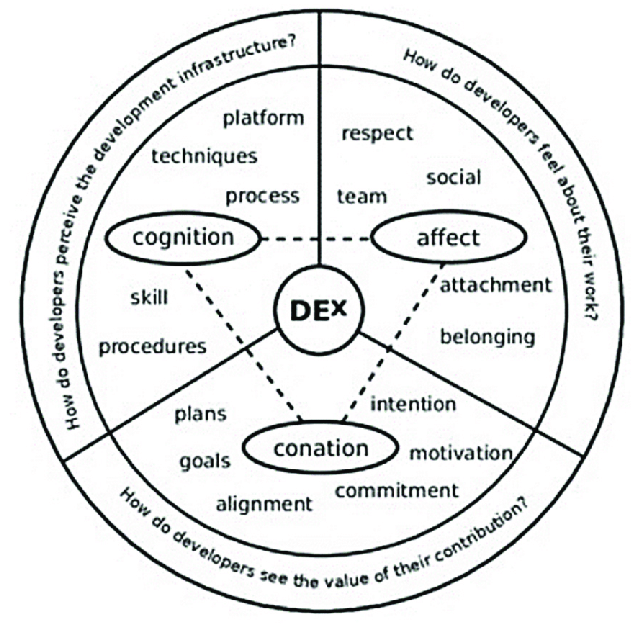
lernbezogene kognitive Last / Technisch
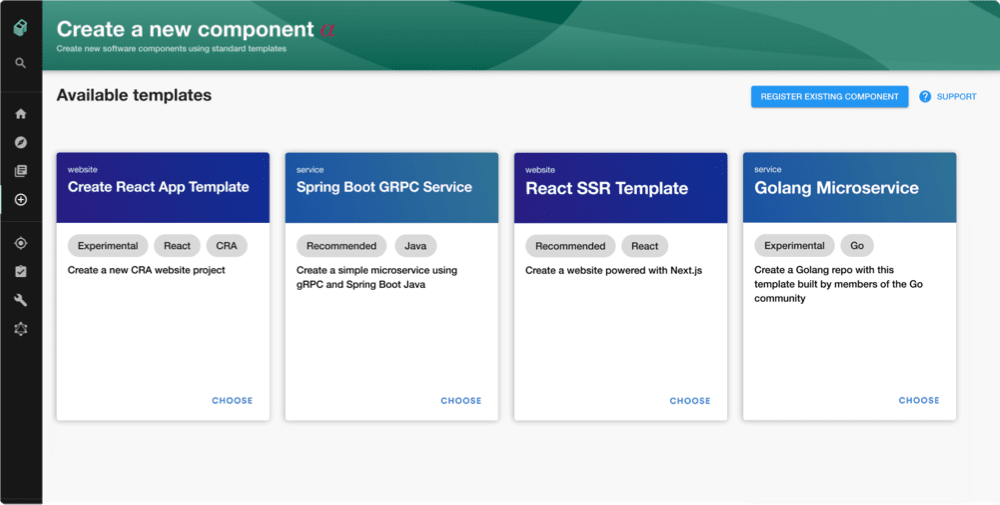
https://backstage.spotify.com/
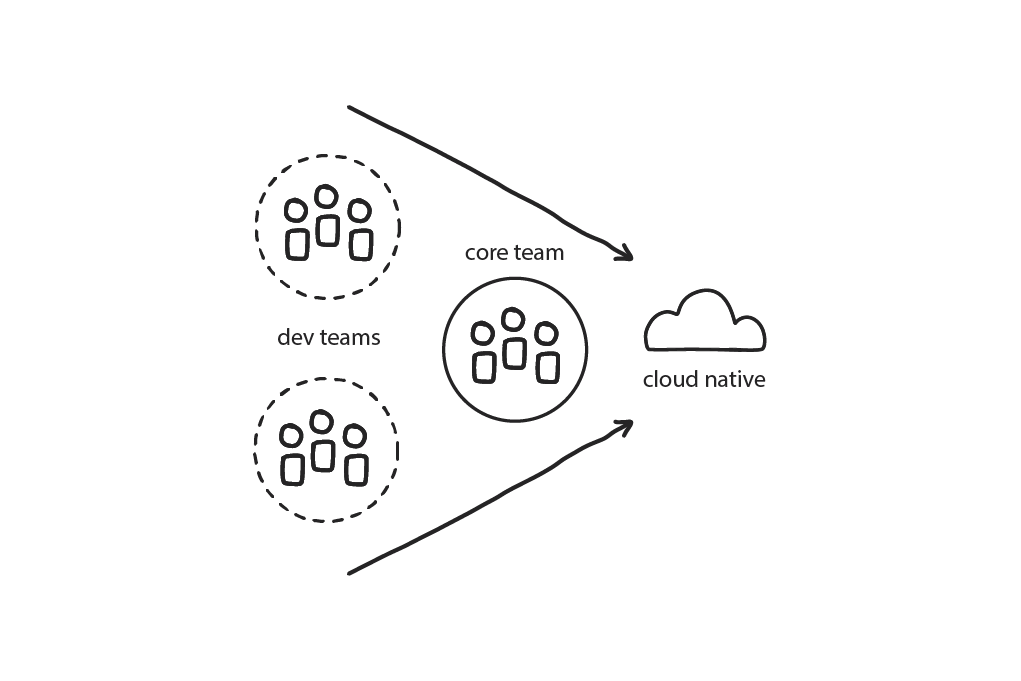
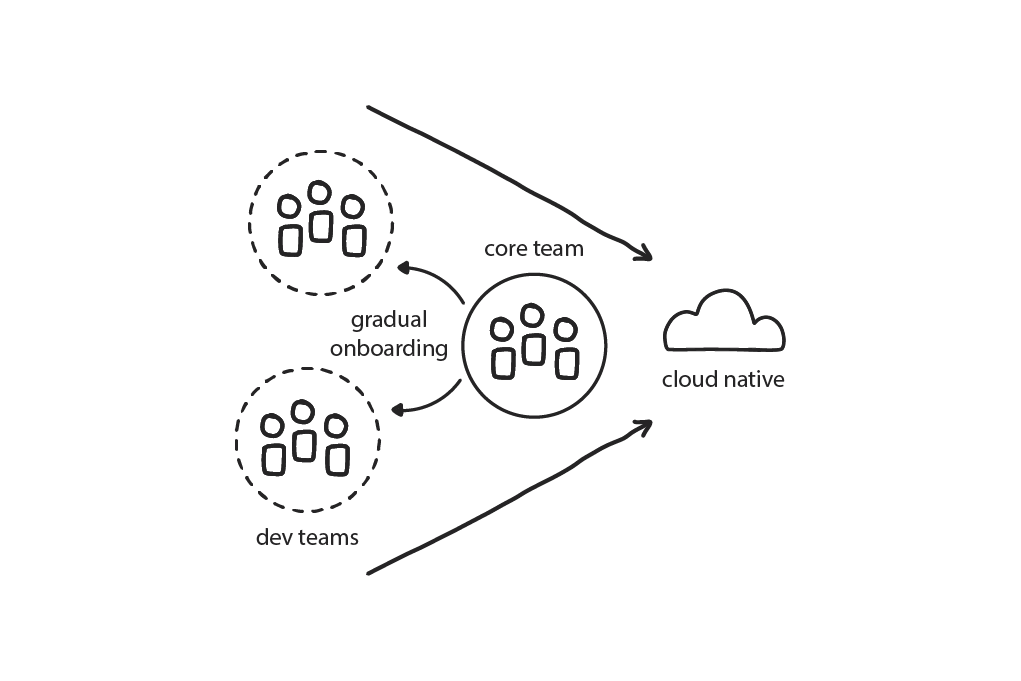
https://www.cnpatterns.org/organization-culture/core-team
Core-Team
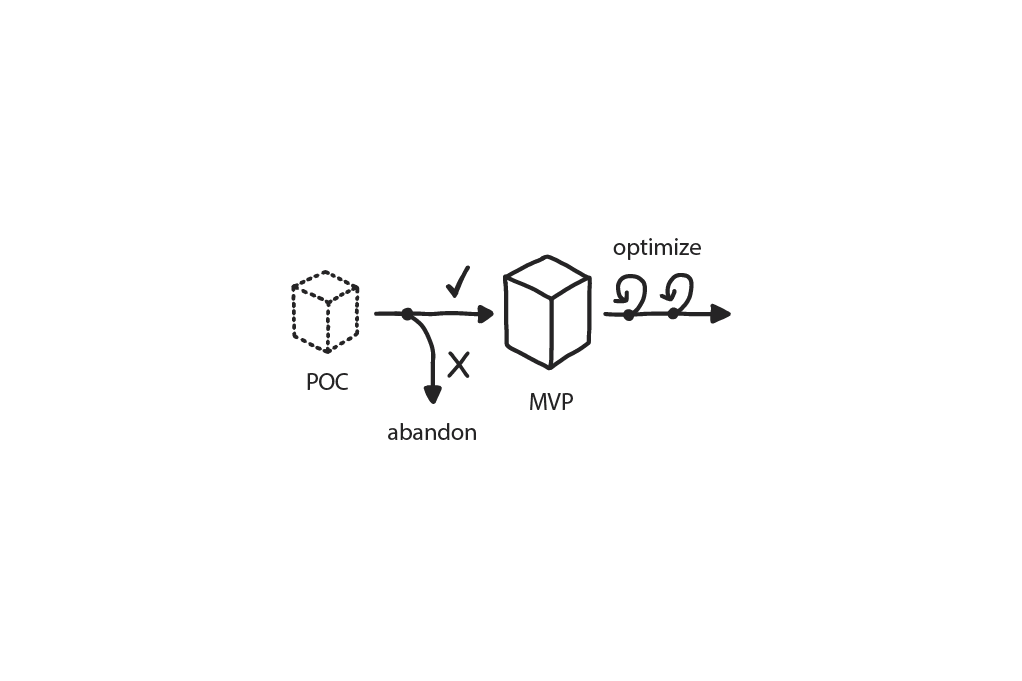
https://www.cnpatterns.org/organization-culture/mvp-platform
https://www.cnpatterns.org/organization-culture/gradual-onboarding
https://www.cnpatterns.org/organization-culture/gradual-onboarding
Legacy-Monolith-Team
Core Team
Enabling
Core-Team
Service 2 Team
Service 1 Team
Legacy-Monolith-Team
Core Team
Enabling
Core-Team
Service 2 Team
Service 1 Team
Legacy-Monolith-Team
Service 2 Team
API-Definition & Integration: Kollaboration
Legacy-Monolith-Team
Service 2 Team
Nach Fertigstellung: NIL / X-As-A-Service
Legacy-Monolith-Team
Extraction-Team
Service-Extraktion: Kollaboration
Legacy-Monolith-Team
Extracted-Service-Team
Nach Extraktion: NIL / X-As-A-Service
Enabling
Core-Team
Legacy-Monolith-Team
Extracted-Service-Team
EnablingCore-Team
Service 1 Team
Service 2 Team
Enabling
Core-Team
Legacy-Monolith-Team
Facilitating
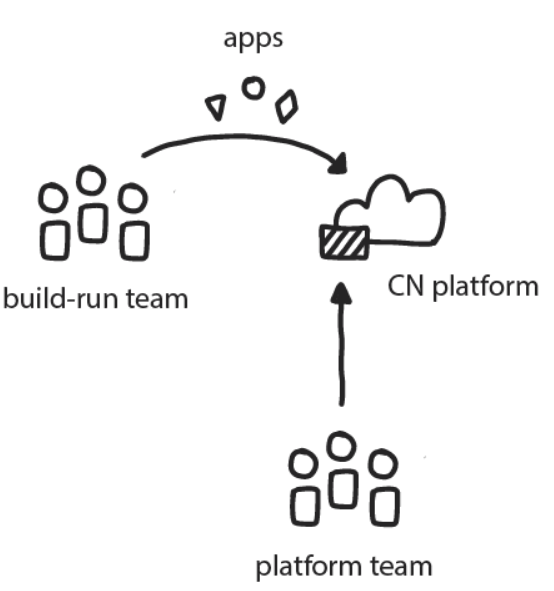
https://www.cnpatterns.org/organization-culture/platform-team
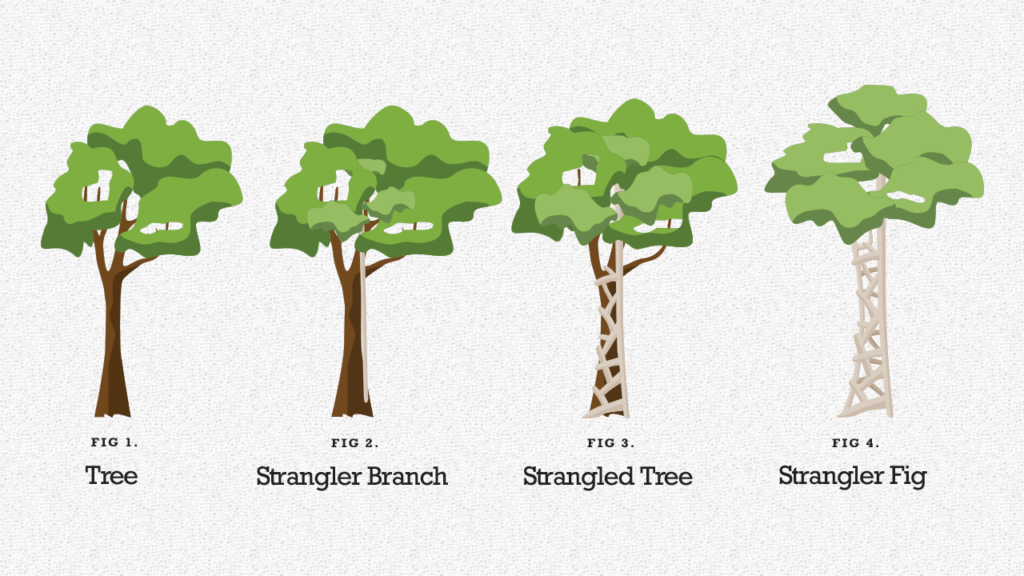
https://cmfirstgroup.com/modernize-with-the-strangler-application-pattern-and-microservices/
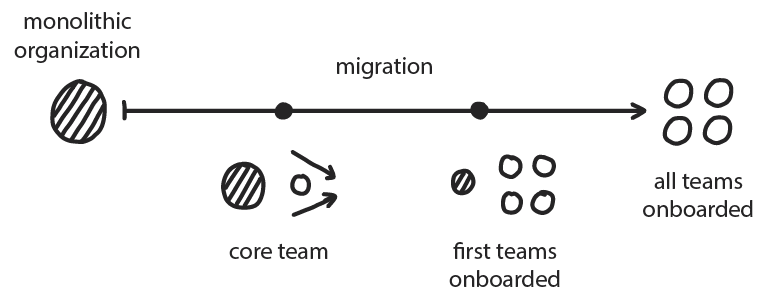
https://www.cnpatterns.org/organization-culture/strangle-monolithic-organization
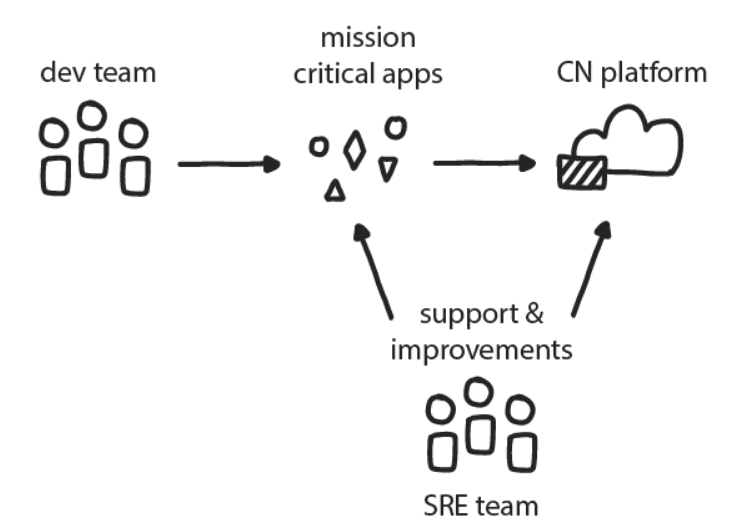
https://www.cnpatterns.org/organization-culture/sre-team
Stream-Aligned Team 1
SRE-Team
Platform Team
Stream-Aligned Team 2
Enabling-
Team (SRE)
Platform Team as a Service
https://teamtopologies.com/book
https://teamtopologies.com/book
By Mick Hohmann


