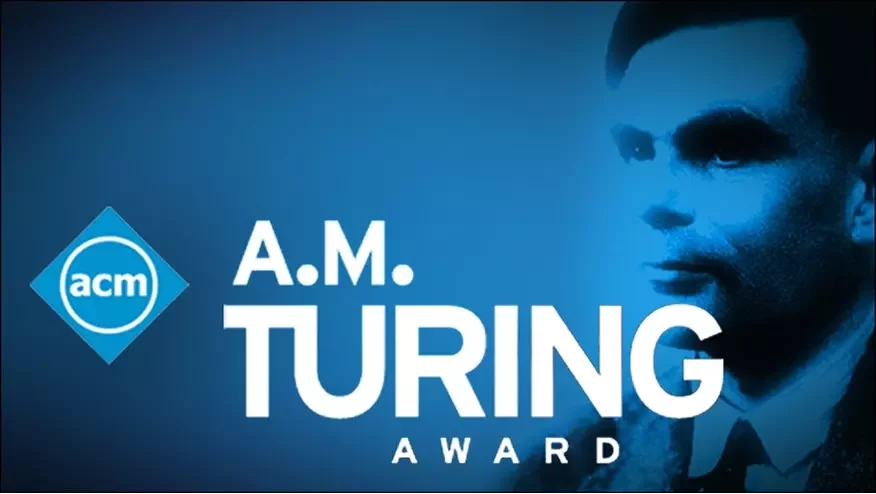
2025 ACM Turing Award
30 April 2026
cr: ACM
When Quantum Mechanics Meets Secrecy
From two strangers on a beach to a partnership across disciplines

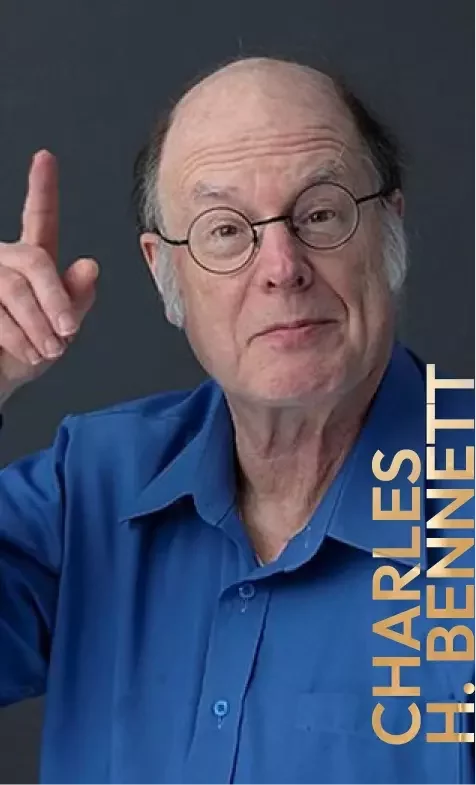
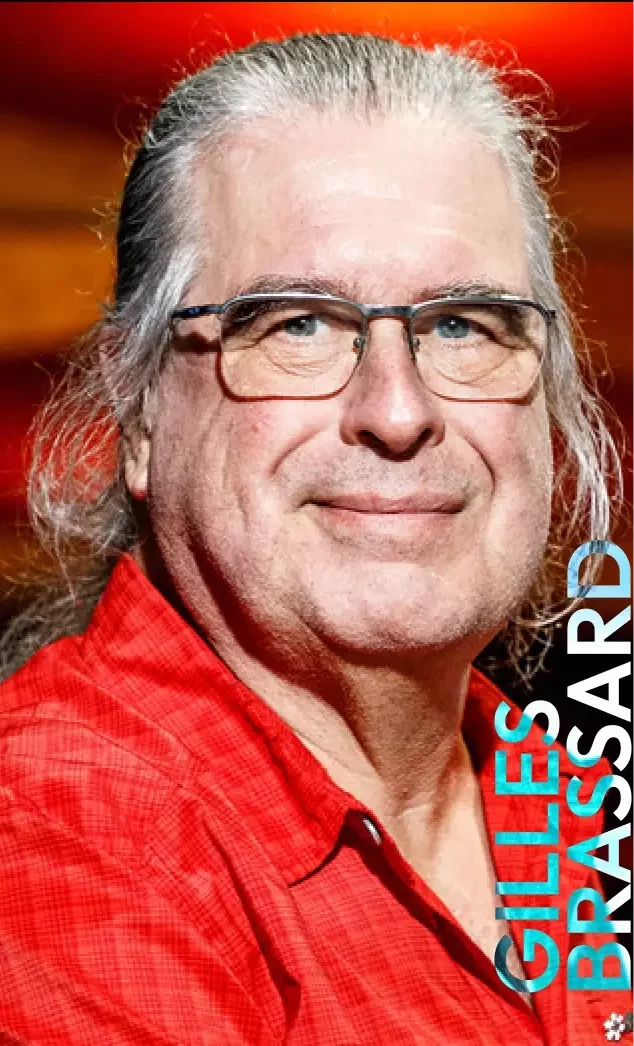

One fine afternoon in late October 1979, I was swimming at the beach of a posh hotel in San Juan, Puerto Rico. Imagine my surprise when this complete stranger swims up to me and starts telling me, without apparent provocation on my part, about Wiesner’s quantum banknotes!
cr: Flickr
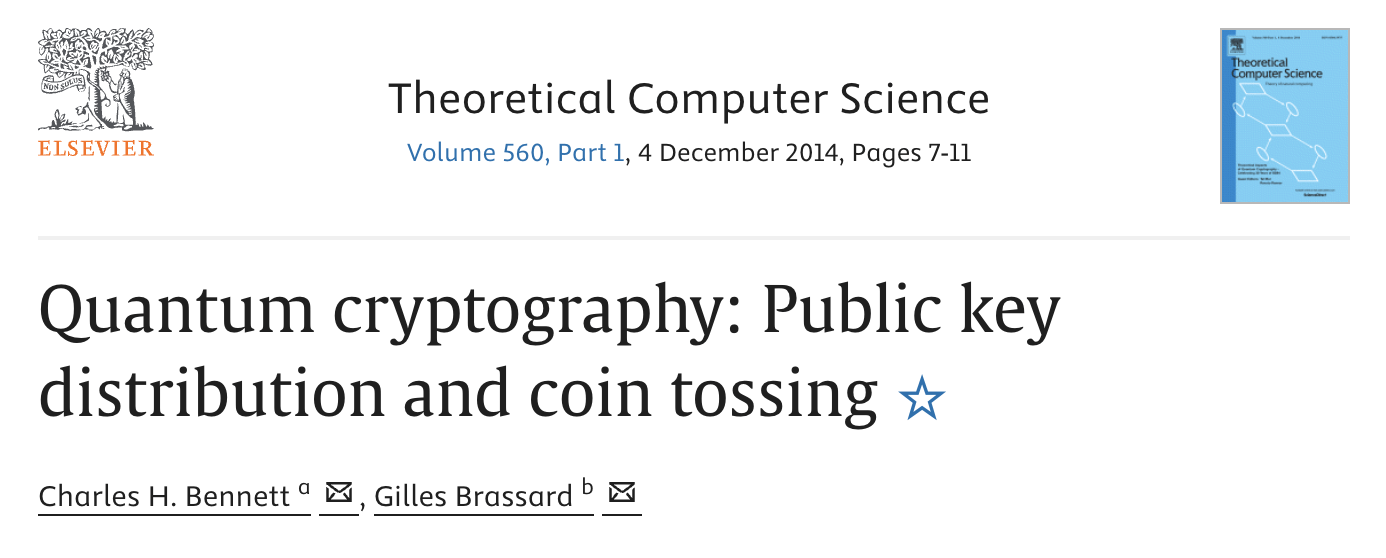
Gilles Brassard, Brief History of Quantum Cryptography: A Personal Perspective
Timeline + papers
- QKD (quantum money)
- Teleportation
- Entanglement purification
- Optimality of Grover
Pillars: Q Communication/ Computing /Information
Over four decades, Bennett and Brassard’s collaboration bridged two previously distinct disciplines: physics and computer science. By incorporating quantum principles into computational models, their work has influenced cryptography, algorithm design, computational complexity, learning theory, interactive proofs, and mathematical physics. Their research helped catalyze a generation of physicists and computer scientists to work across disciplinary boundaries.
“Bennett and Brassard fundamentally changed our understanding of information itself,” [...] “Their insights expanded the boundaries of computing and set in motion decades of discovery across disciplines. The global momentum behind quantum technologies today underscores the enduring importance of their contributions.
Qubit

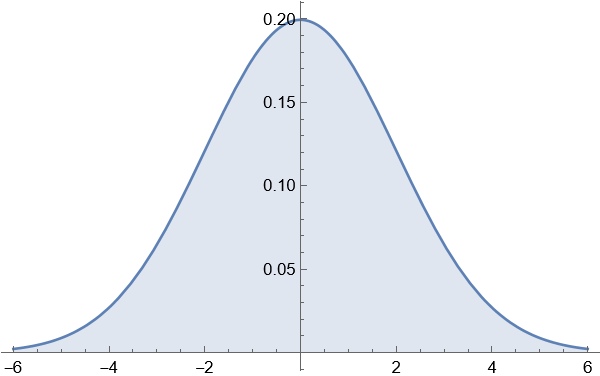
Probabilistic prediction
Choice of measurement +
Quantum state =
Certainty
Fully random
Somewhat random
0
1
Qubit
Even ideal measurements cause "collapse of the wave function"
or
or
or
But in quantum theory, different choices of measurement can be incompatible
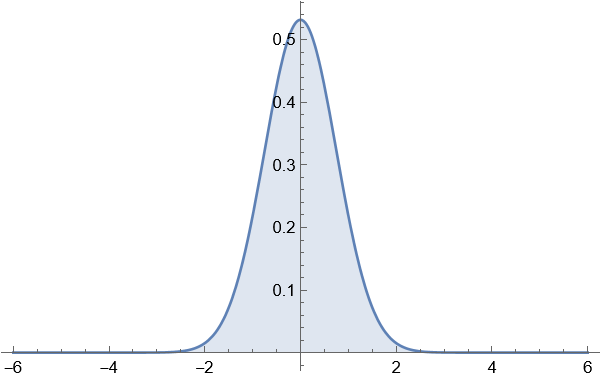
Not too different from updating your belief
Stephen Wiesner (1942-2021) proposed using qubits to create money that would be impossible to counterfeit by the no-cloning theorem, while the authenticity of the money could be verified by measuring the qubits in the correct basis.
Wiesner's Quantum Money
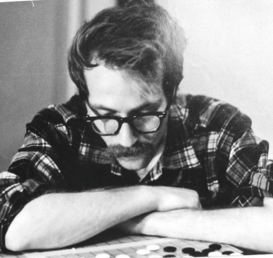
(This is before the "official" discovery of no-cloning theorem and super-dense coding!)
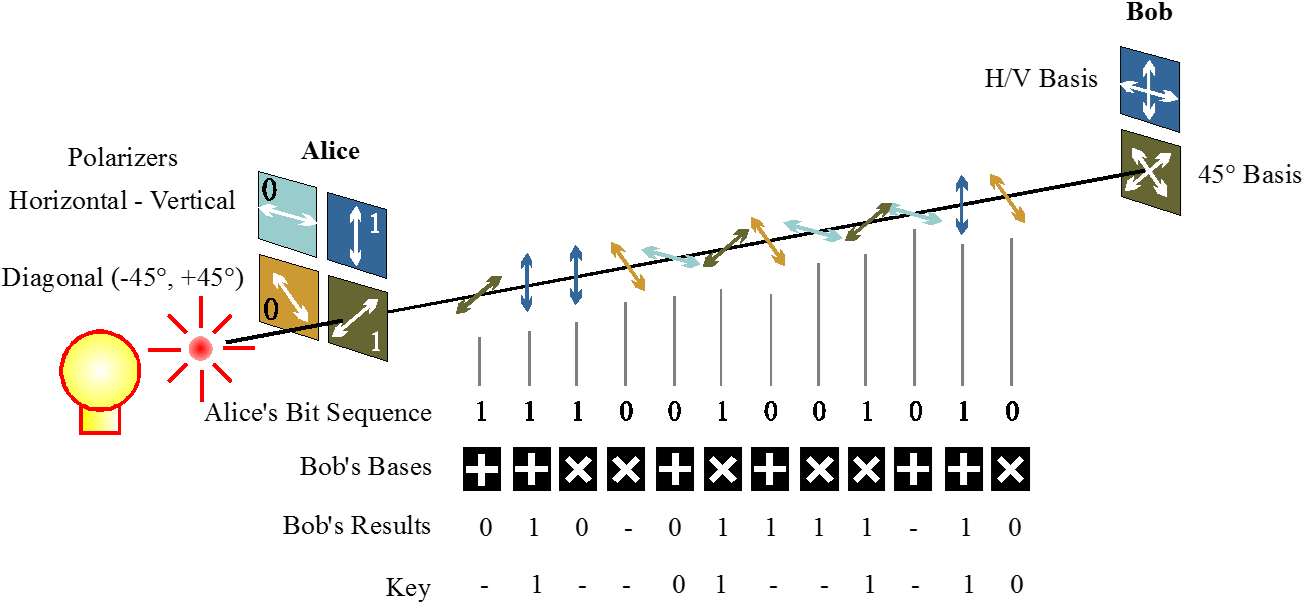
BB84 Quantum Key Distribution
Modified from Zbinden et al. Appl. Phys. B (1998)
Entanglement
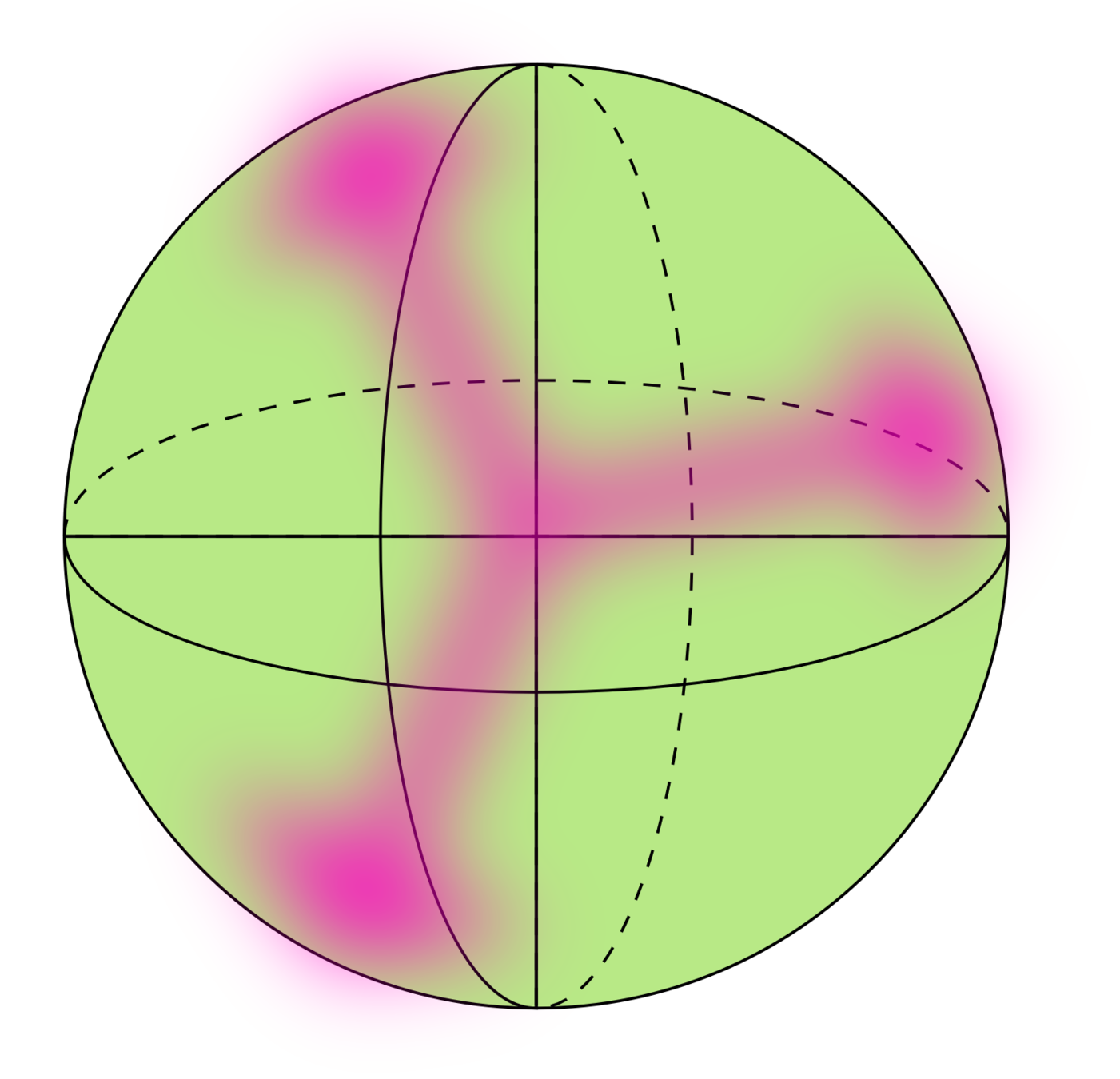

These different choices of measurement can reveal stronger-than-classical correlation when the qubits are entangled
If not for these measurement choices, entanglement would be no different from a classical correlation
\(\to\) See Nobel Prize in Physics 2022
Early Timeline of Quantum Computing


1981
Quantum computing for simulation of physics
1985
Quantum Turing machine, Deutsch-Josza algorithm (1992)
1994
Shor's factoring algorithm, quantum error correcting codes (1995)

1994
Implementation proposal using trapped ions

Turing Award 2025
By Ninnat Dangniam
Turing Award 2025
Public talk (6 Oct 2022)