























Fanis Prodromou
I am a Senior Software Engineer with a passion for Front End development with Angular. I have developed vast experience in code quality, application architecture, and application performance.
Fanis Prodromou
/prodromouf
https://blog.profanis.me
@prodromouf
ng new signal-forms-app --nextLogin
Register
Create a
Contract
Login
Register
Create a
Contract
<form>
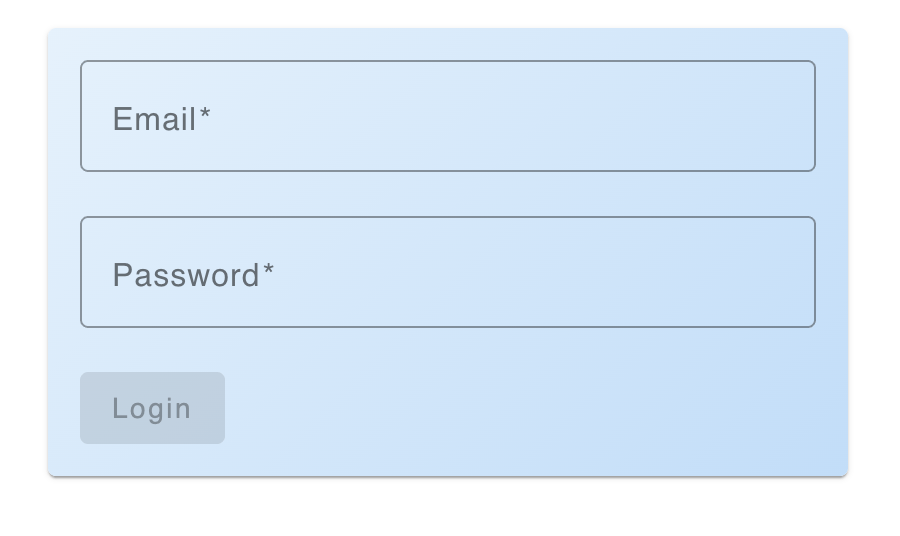
  <input type="email" placeholder="Email" />

  <input type="password" placeholder="Password" />

  <button>Login</button>
</form>
export interface LoginFormModel {
email: string;
password: string;
}loginModel = signal<LoginFormModel>({
email: '',
password: '',
});import { Field, form } from '@angular/forms/signals';
@Component({
selector: 'app-login',
imports: [Field],
template: `on next slide :)`
})
export class LoginComponent {
loginForm = form(this.loginModel);
}import { Field, form } from '@angular/forms/signals';
@Component({
selector: 'app-login',
imports: [Field],
template: `on next slide :)`
})
export class LoginComponent {
loginForm = form(this.loginModel);
}import { Field, form } from '@angular/forms/signals';
@Component({
selector: 'app-login',
imports: [Field],
template: `on next slide :)`
})
export class LoginComponent {
loginForm = form(this.loginModel);
}<form>
<input
[field]="loginForm.email"
type="email"
placeholder="Enter your email"
/>
<input
[field]="loginForm.password"
type="password"
placeholder="Enter your password"
/>
<button>Login</button>
</form>
import { Field, form } from '@angular/forms/signals';

@Component({
  selector: 'app-login',
  imports: [Field],
  template: `on next slide :)`
})
export class LoginComponent {
  loginForm = form(this.loginModel);
}Validators
import { Field, email,
        form, required  } from '@angular/forms/signals';

@Component({
  selector: 'app-login',
  imports: [Field],
  template: `on previous slide :)`
})
export class LoginComponent {
  loginForm = form(this.loginModel, (rootPath) => {
	// validators go here
  });
}
import { Field, email,
form, required } from '@angular/forms/signals';
@Component({
selector: 'app-login',
imports: [Field],
template: `on previous slide :)`
})
export class LoginComponent {
loginForm = form(this.loginModel, (rootPath) => {
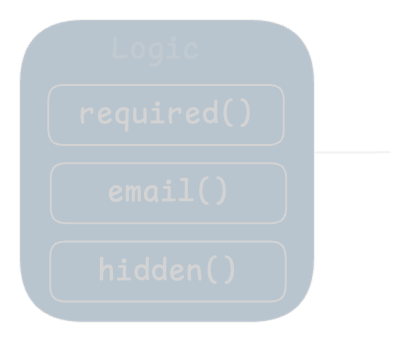
required(rootPath.email);
});
}import { Field, email,
form, required } from '@angular/forms/signals';
@Component({
selector: 'app-login',
imports: [Field],
template: `on previous slide :)`
})
export class LoginComponent {
loginForm = form(this.loginModel, (rootPath) => {
required(rootPath.email);
required(rootPath.password);
});
}import { Field, email,
form, required } from '@angular/forms/signals';
@Component({
selector: 'app-login',
imports: [Field],
template: `on previous slide :)`
})
export class LoginComponent {
loginForm = form(this.loginModel, (rootPath) => {
required(rootPath.email);
required(rootPath.password);
email(rootPath.email);
});
}How can we walk trough the form fields?
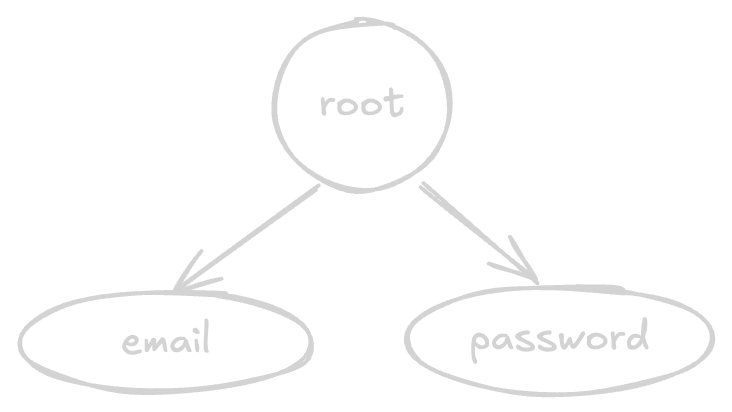
By simply using the dot (.) notation
root
password
By simply using the dot (.) notation
loginForm
password
By simply using the dot (.) notation
loginForm
loginForm.email
password
By simply using the dot (.) notation
loginForm
loginForm.email
loginForm.password
How can we access the state?
loginForm()
password
By simply using parenthesis ()
loginForm.email()
password
By simply using parenthesis ()
loginForm()
By simply using parenthesis ()
loginForm.email()
loginForm.password()
loginForm()
By simply using parenthesis ()
loginForm.email()
loginForm.password()
loginForm()
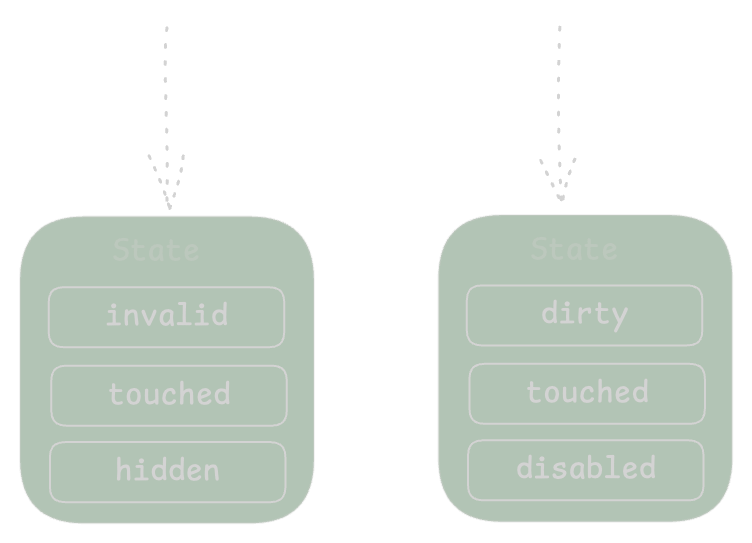
...().value()
...().valid()
...().errors()
...().disabled()
...().hidden()
...().submittedStatus()
Let's access the state!
<form>
  <input
    [field]="loginForm.email"
    type="email"
    placeholder="Enter your email"
  />
  @if (loginForm.email().touched() && loginForm.email().invalid()) {
    <p>The email is invalid.</p>
  }

  <input
    [field]="loginForm.password"
    type="password"
    placeholder="Enter your password"
  />
  <!-- same as above -->

  <button [disabled]="loginForm().invalid()">Login</button>
</form>
<form>
<input
[field]="loginForm.email"
type="email"
placeholder="Enter your email"
/>
@for (error of loginForm.email().errors(); track error.kind) {
@if (error.kind === "required") {
<p>This field is required.</p>
}
}
<input
[field]="loginForm.password"
type="password"
placeholder="Enter your password"
/>
<!-- same as above -->
<button [disabled]="loginForm().invalid()">Login</button>
</form><form>
<input
[field]="loginForm.email"
type="email"
placeholder="Enter your email"
/>
@for (error of loginForm.email().errors(); track error.kind) {
@if (error.kind === "required") {
<p>This field is required.</p>
}
@if (error.kind === "email") {
<p>This field is invalid.</p>
}
@if (error.kind === "minlength") {
<p>This field is short.</p>
}
}
<button [disabled]="loginForm().invalid()">Login</button>
</form>import { Field, email,
form, required } from '@angular/forms/signals';
@Component({
selector: 'app-login',
imports: [Field],
template: `on previous slide :)`
})
export class LoginComponent {
loginForm = form(this.loginModel, (rootPath) => {
required(rootPath.email, {
message: 'Email is required',
});
required(rootPath.password, {
message: 'Password is required',
});
email(rootPath.email, {
message: 'Email is not valid',
});
});
}<form>
<input
[field]="loginForm.email"
type="email"
placeholder="Enter your email"
/>
@for (error of loginForm.email().errors(); track error.kind) {
<p>{{ error.message }}</p>
}
<button [disabled]="loginForm().invalid()">Login</button>
</form>Submit Form
import { submit } from '@angular/forms/signals';

submit(?, ?)
import { submit } from '@angular/forms/signals';
submit(myForm, ?)import { submit } from '@angular/forms/signals';
submit(myForm, () => actionHandler)import { submit } from '@angular/forms/signals';
submit(this.loginForm, () => actionHandler)import { submit } from '@angular/forms/signals';
submit(this.loginForm, (form) => {
try {
return undefined;
} catch (error) {
// return an error
}
})import { submit } from '@angular/forms/signals';
submit(this.loginForm, async (form) => {
try {
await firstValueFrom(this.loginService.login(form().value()));
return undefined;
} catch (error) {
// return an error
}
})import { submit } from '@angular/forms/signals';
submit(this.loginForm, async (form) => {
try {
await firstValueFrom(this.loginService.login(form().value()));
return undefined;
} catch (error) {
return customError({
message: (error as Error).message,
field: this.loginForm.email,
kind: 'submit',
});
}
})import { submit } from '@angular/forms/signals';
submitForm(event: Event) {
event.preventDefault();
submit(this.loginForm, async (form) => {
try {
await firstValueFrom(this.loginService.login(form().value()));
return undefined;
} catch (error) {
return customError({
message: (error as Error).message,
field: this.loginForm.email,
kind: 'submit',
});
}
});
}<button
type="submit"
[disabled]="
loginForm().invalid() ||
loginForm().submitting()">
Login
</button>Login
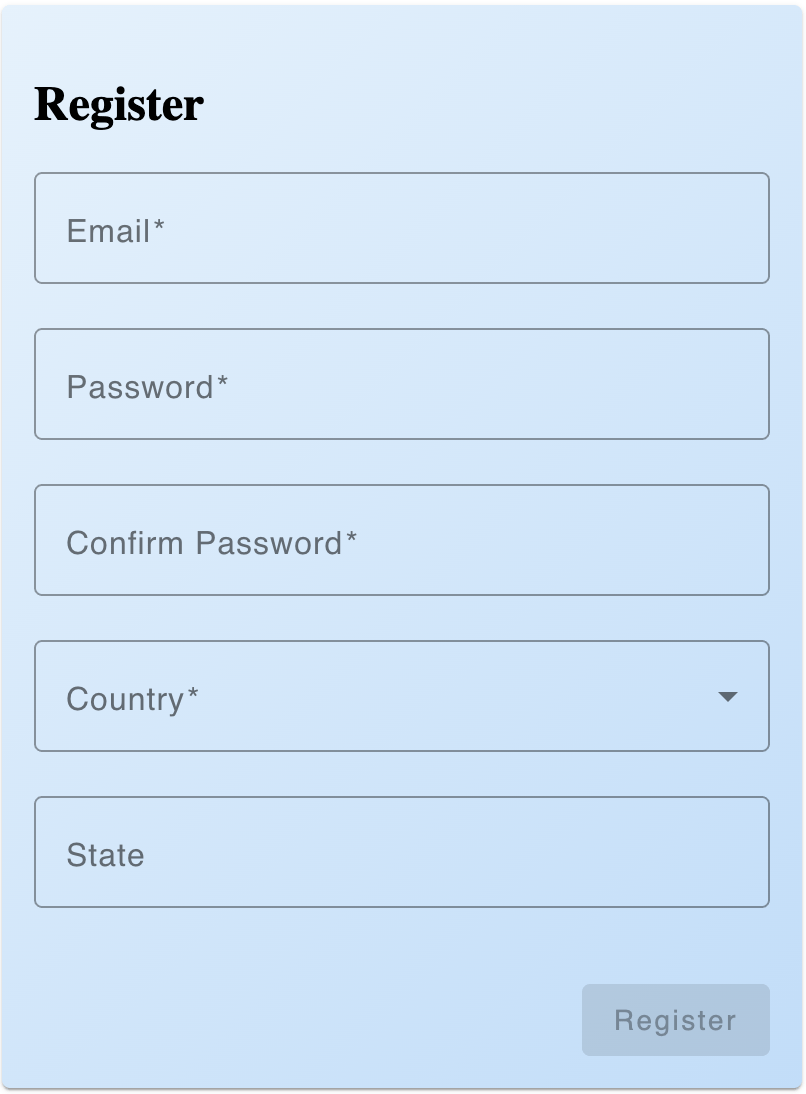
Register
Create a
Contract
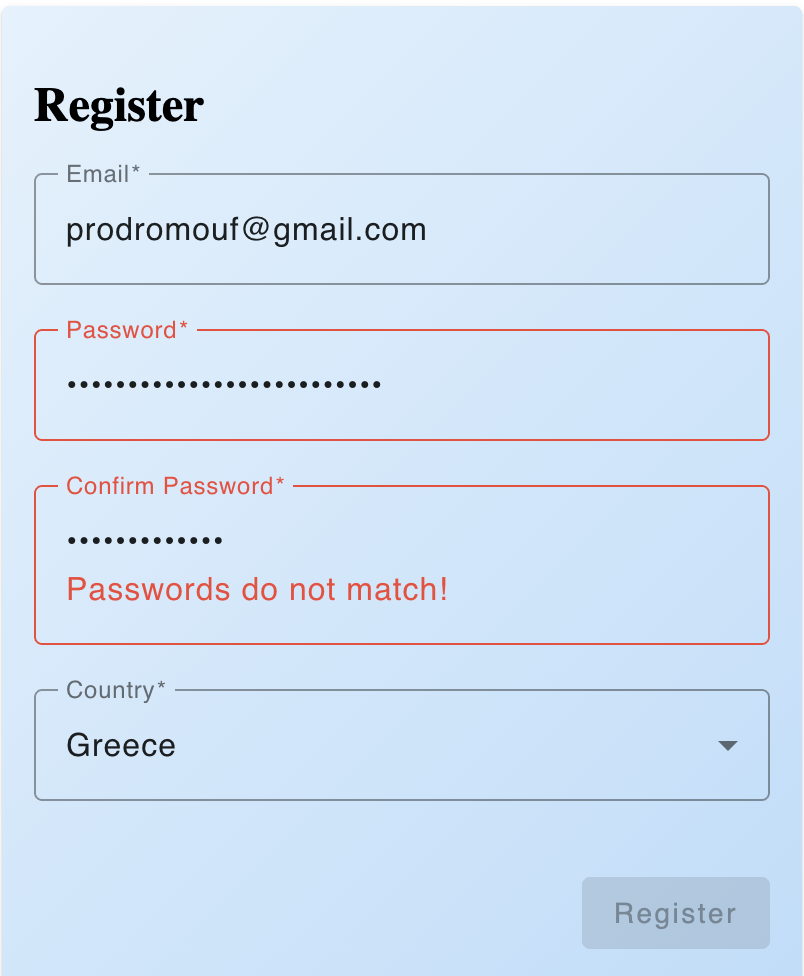
registrationForm = form(this.formModel, (path) => {
	// validators and logic goes here
});
registrationForm = form(this.formModel, (path) => {
// validators and logic goes here
});registrationForm = form(this.formModel, (path) => {
// validators and logic goes here
});registrationForm = form(this.formModel, (path) => {
// validators and logic goes here
});Approach #1
Approach #1
Approach #1
validate(path, (ctx) => {

    return ifTrue
        ? undefined
        : customError();
});
validate(path, (ctx) => {
return ifTrue
? undefined
: customError();
});validate(path, (ctx) => {
return ifTrue
? undefined
: customError();
});Schema Runs Once ⏳
Validation Must Be Reactive
The ctx Argument 🔑
validate(path, (ctx) => {

    return ifTrue
      	? undefined
    	: customError();
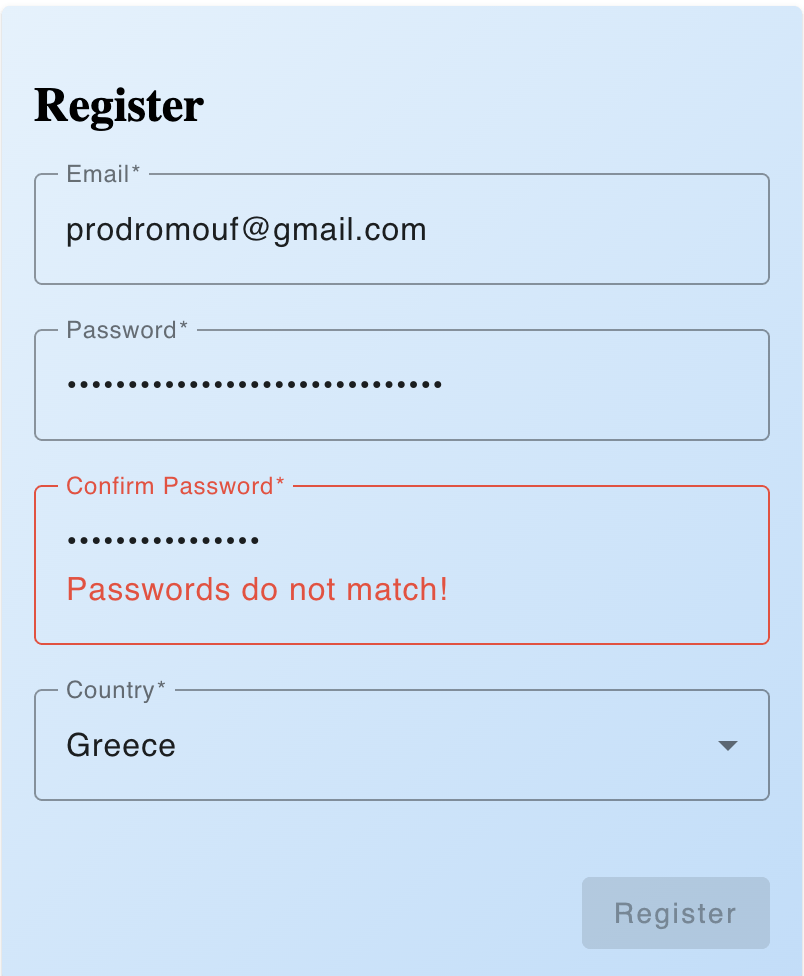
});validate(rootPath, (ctx) => {
const password = ctx.value().password;
const confirmPassword = ctx.value().confirmPassword;
return confirmPassword === password
? undefined
: customError({
kind: 'confirmationPassword',
});
});validate(rootPath, (ctx) => {
const password = ctx.value().password;
const confirmPassword = ctx.value().confirmPassword;
return confirmPassword === password
? undefined
: customError({
kind: 'confirmationPassword',
});
});validate(rootPath, (ctx) => {
const password = ctx.value().password;
const confirmPassword = ctx.value().confirmPassword;
return confirmPassword === password
? undefined
: customError({
kind: 'confirmationPassword',
});
});validate(rootPath, (ctx) => {
const password = ctx.value().password;
const confirmPassword = ctx.value().confirmPassword;
return confirmPassword === password
? undefined
: customError({
kind: 'confirmationPassword',
});
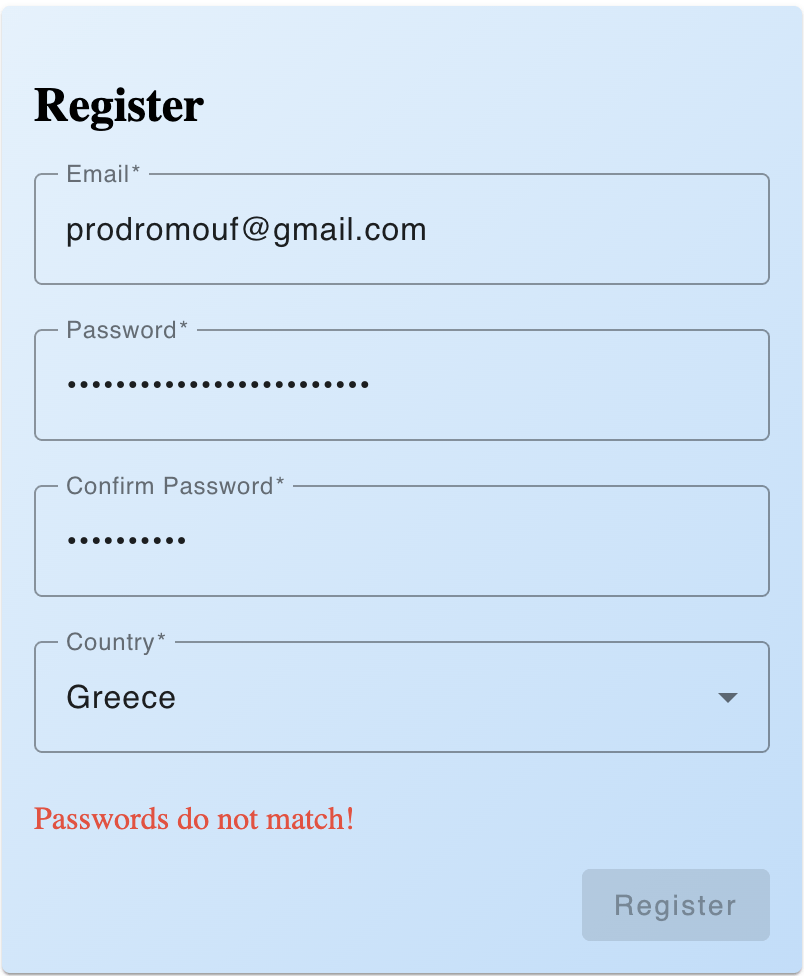
});@for (error of registrationForm().errors(); track error.kind) {
@if (error.kind === "confirmationPassword") {
Ooppps, passwords do not match!
}
}Approach #1
validate(path.confirmPassword, (ctx) => {
    const password = ctx.valueOf(path.password);

    return ctx.value() === password
      ? undefined
      : customError({
          kind: 'confirmationPassword',
        });
  });
validate(path.confirmPassword, (ctx) => {
const password = ctx.valueOf(path.password);
return ctx.value() === password
? undefined
: customError({
kind: 'confirmationPassword',
});
});@for (error of registrationForm.confirmPassword().errors();
track error.kind) {
@if (error.kind === "confirmationPassword") {
Ooppps, passwords do not match!
}
}Approach #2
Approach #2
validateTree(path, (ctx) => {

    return ifTrue
      	? undefined
    	: [ customError() ];
});
Why Use It 🎯
What it is
Main Benefit
validateTree(path, ({ value, fieldOf }) => {
  return value().confirmPassword === value().password
    ? undefined
    : [
        customError({
          field: fieldOf(path.confirmPassword),
          kind: 'confirmationPassword',
        }),
        customError({
          field: fieldOf(path.password),
          kind: 'confirmationPassword',
        }),
      ];
});
required(path.country);
required(path.state, {
when: (ctx) => ctx.valueOf(path.country) === 'US',
});required(path.country);
required(path.state, {
when: (ctx) => ctx.valueOf(path.country) === 'US',
});@if (registrationForm.country().value() === "US") {
<label>State</label>
<input
type="text"
name="state"
[field]="registrationForm.state"
/>
}required(path.country);
required(path.state, {
when: (ctx) => ctx.valueOf(path.country) === 'US',
});@if (registrationForm.country().value() === "US") {
<label>State</label>
<input
type="text"
name="state"
[field]="registrationForm.state"
/>
}required(path.country);
required(path.state);
hidden(path.state, (ctx) => {
return ctx.valueOf(path.country) !== 'US';
});@if (!registrationForm.state().hidden()) {
<label>State</label>
<input
type="text"
name="state"
[field]="registrationForm.state"
/>
}Schema
registrationForm = form<RegisterFormModel>(this.formModel, (path) => {
  required(path.email);
  required(path.password);
  required(path.confirmPassword);
  validateTree(path, ({ value, fieldOf }) => {
    return value().confirmPassword === value().password
      ? undefined
    : [
      customError({
        field: fieldOf(path.confirmPassword),
        kind: 'confirmationPassword',
      }),
      customError({
        field: fieldOf(path.password),
        kind: 'confirmationPassword',
      }),
    ];
  });
  required(path.country);
  hidden(path.state, (fieldCtx) => {
    return fieldCtx.valueOf(path.country) !== 'US';
  });
});
// -> registration-form.schema.ts
import { schema } from '@angular/forms/signals';
export const registrationSchema = schema((path) => {
// Validators and logic goes here
});export const registrationSchema = schema<RegisterFormModel>((path) => {
required(path.email);
required(path.password);
required(path.confirmPassword);
validateTree(path, ({ value, fieldOf }) => {
return value().confirmPassword === value().password
? undefined
: [
customError({
field: fieldOf(path.confirmPassword),
kind: 'confirmationPassword',
}),
customError({
field: fieldOf(path.password),
kind: 'confirmationPassword',
}),
];
});
required(path.country);
hidden(path.state, (fieldCtx) => {
return fieldCtx.valueOf(path.country) !== 'US';
});
});registrationForm =
form<RegisterFormModel>(this.formModel, (path) => {
required(path.email);
required(path.password);
required(path.confirmPassword);
validateTree(path, ({ value, fieldOf }) => {
return value().confirmPassword === value().password
? undefined
: [
customError({
field: fieldOf(path.confirmPassword),
kind: 'confirmationPassword',
}),
customError({
field: fieldOf(path.password),
kind: 'confirmationPassword',
}),
];
});
required(path.country);
hidden(path.state, (fieldCtx) => {
return fieldCtx.valueOf(path.country) !== 'US';
});
}); registrationForm = form(this.formModel, registrationSchema);
// -> email.schema.ts

const emailSchema = schema<string>((path) => {
  required(path, { message: 'Email is required' });
  email(path, { message: 'Email is not valid' });
});
// -> email.schema.ts
const emailSchema = schema<string>((path) => {
required(path, { message: 'Email is required' });
email(path, { message: 'Email is not valid' });
});// -> registration-form.schema.ts
const registrationSchema = schema<RegisterFormModel>((path) => {
apply(path.email, emailSchema);
required(path.password);
required(path.confirmPassword);
// rest of the validations
});// -> email.schema.ts
const emailSchema = schema<string>((path) => {
required(path, { message: 'Email is required' });
email(path, { message: 'Email is not valid' });
});// -> registration-form.schema.ts
const registrationSchema = schema<RegisterFormModel>((path) => {
apply(path.email, emailSchema);
applyEach(path.additionalEmails, emailSchema);
required(path.password);
required(path.confirmPassword);
// rest of the validations
});Login
Register
Create a
Contract
  formModel = signal<ContractFormModel>({
    title: '',
    projectOverview: {
      projectName: '',
      projectCode: '',
      startDate: new Date(),
      endDate: new Date(),
      projectLocation: '',
      projectDescription: '',
    },
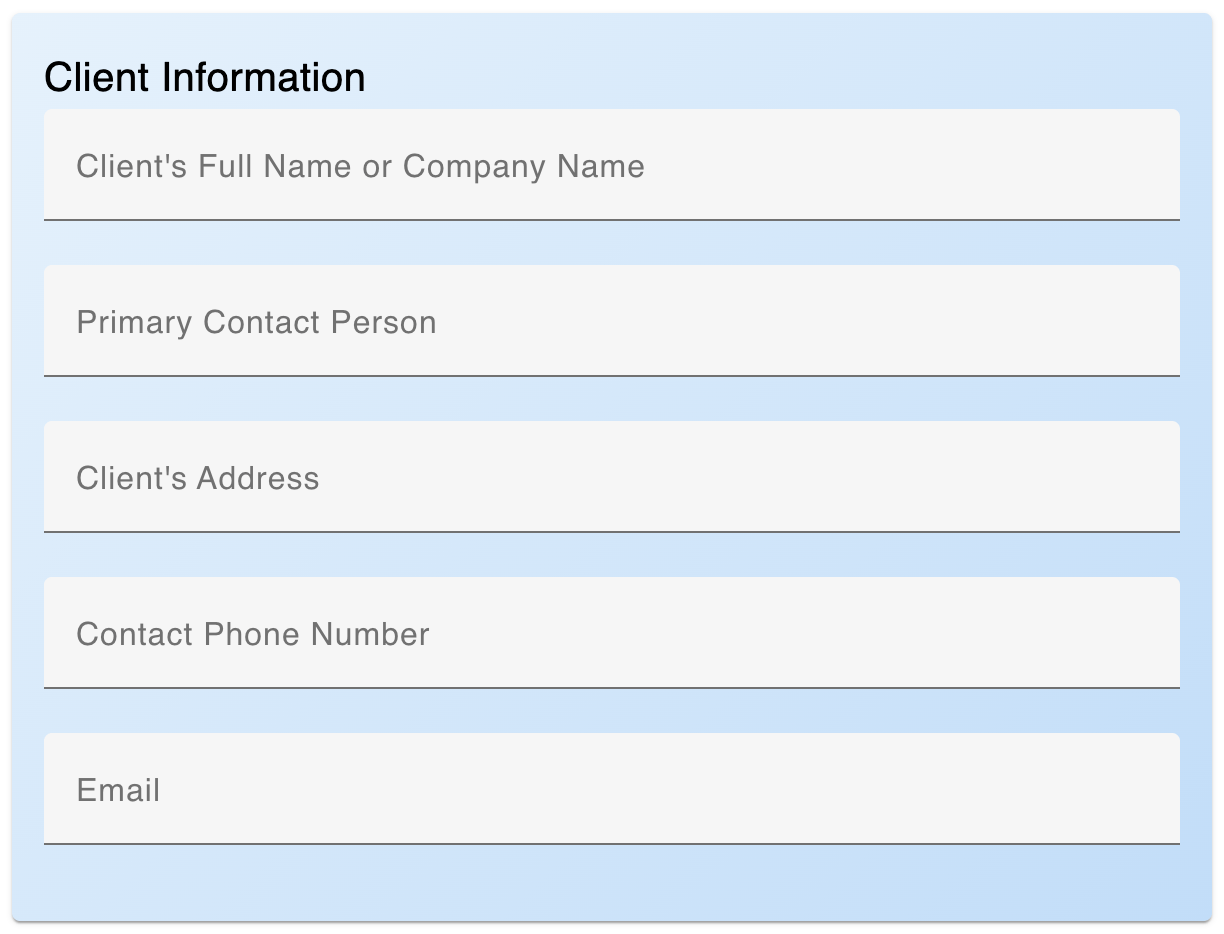
    clientInformation: {
      clientName: '',
      clientContact: '',
      clientEmail: '',
      clientAddress: '',
      clientPhone: '',
    },
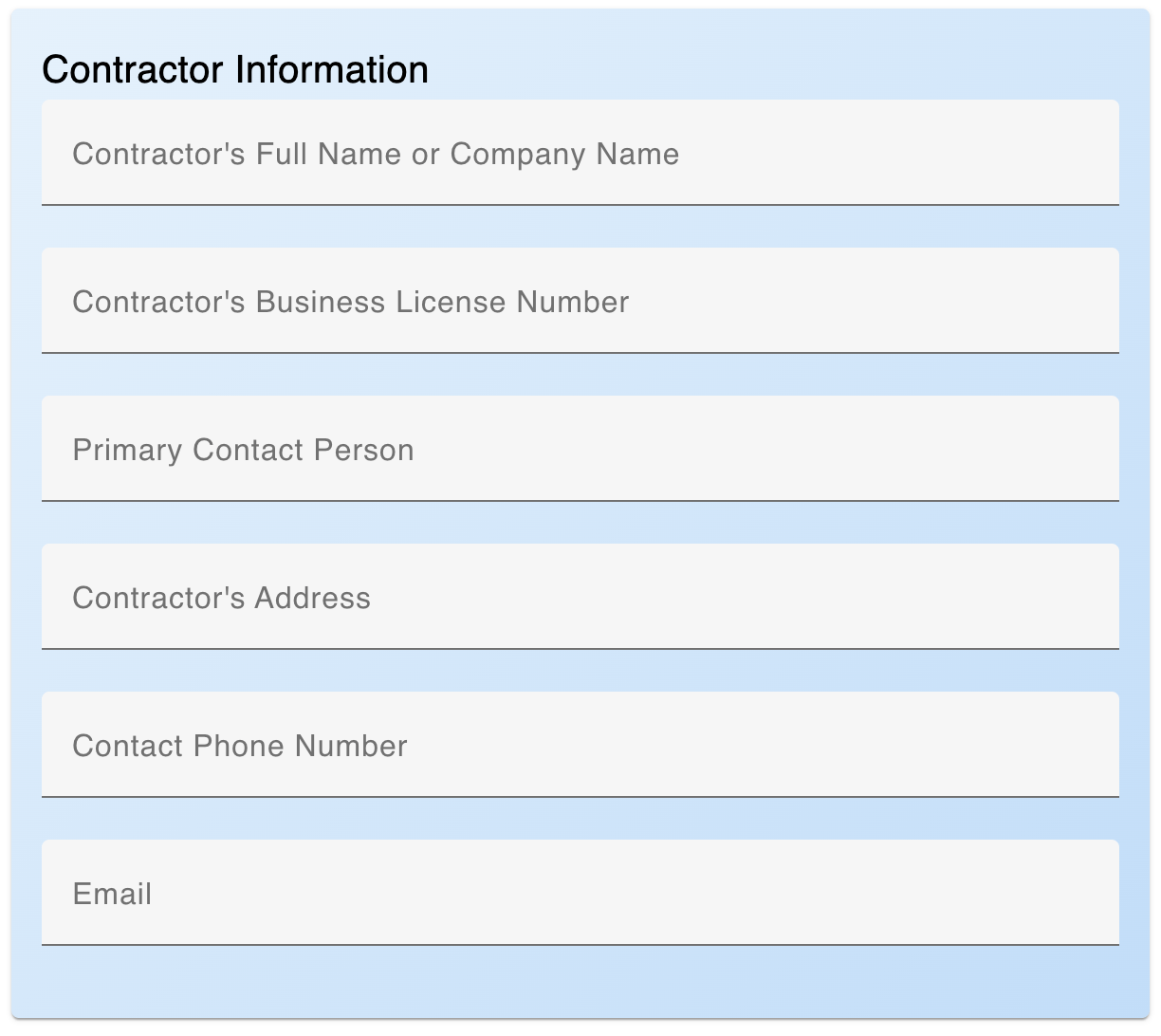
    contractorInformation: {
      contractorName: '',
      contractorLicenseNumber: '',
      contractorContact: '',
      contractorEmail: '',
      contractorAddress: '',
      contractorPhone: '',
    },
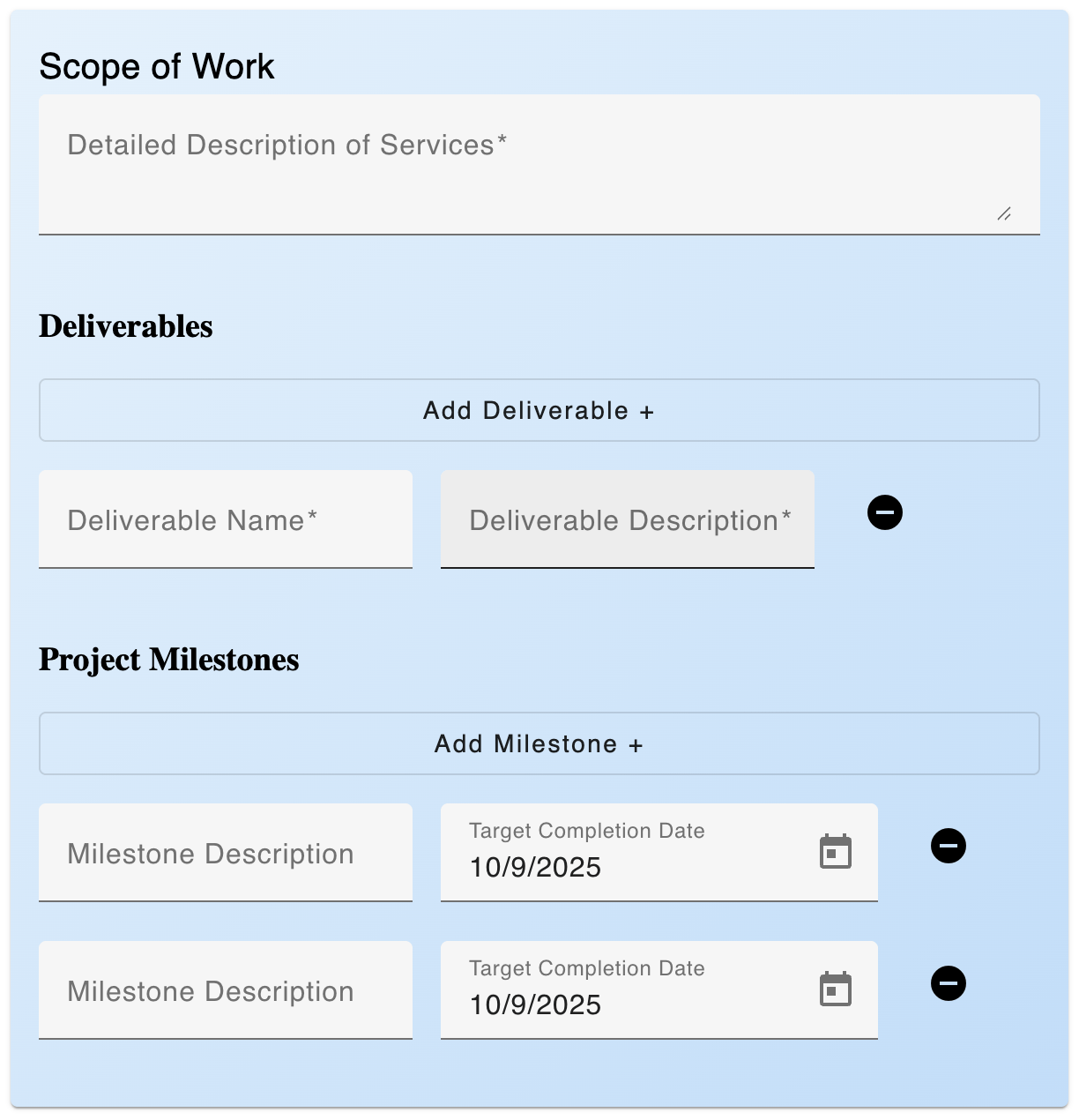
    scopeOfWork: {
      scopeDescription: '',
      deliverables: [],
      milestones: [],
    },
    termsConditions: {
      termsAccepted: false,
      confidentialityLevel: '',
      liabilityClauses: '',
      terminationClause: '',
      governingLaw: '',
      specialClauses: [],
    },
    signatory: {
      signatoryName: '',
      signatoryContractor: '',
      signatoryDate: new Date(),
      signatorySignature: '',
    },
    paymentDetails: {
      totalAmount: null,
      currency: '',
      paymentSchedule: '',
      invoiceFrequency: '',
    },
  });
<!-- contractor information START -->
raw form fields goes here
<!-- contractor information END -->
<!-- client information START -->
raw form fields goes here
<!-- client information END -->
<!-- scope of work START -->
raw form fields goes here
<!-- scope of work END -->
<!-- project overview START -->
raw form fields goes here
<!-- project overview END -->
<!-- terms and conditions START -->
raw form fields goes here
<!-- terms and conditions END --><app-contractor-information
[field]="myForm.contractorInformation" />
<app-client-information
[field]="myForm.clientInformation"/>
<app-scope-of-work
[field]="myForm.scopeOfWork" />
<app-project-overview
[field]="myForm.projectOverview" />
<app-terms-conditions
[field]="myForm.termsConditions" />@Component({
selector: 'app-scope-of-work',
imports: [ Field, FieldTree ],
templateUrl: './scope-of-work.component.html',
styleUrl: './scope-of-work.component.scss',
})
export class ScopeOfWorkComponent {
field = input.required<FieldTree<ScopeOfWorkFormModel>>();
addDeliverable() {
this.field()
.deliverables()
.value.update((current) => [
...current, { name: '', description: '' }
]);
}
}<textarea [field]="field().scopeDescription"></textarea><textarea [field]="field().scopeDescription"></textarea>.
├── parent
│ └── parent.component.ts
├── children
│ ├── child-1
│ │ ├── child-1.component.ts
│ │ └── child-1.schema.ts
│ └── child-2
│ ├── child-2.component.ts
│ └── child-2.schema.ts.
├── parent
│ └── parent.component.ts
├── children
│ ├── child-1
│ │ ├── child-1.component.ts
│ │ └── child-1.schema.ts
│ └── child-2
│ ├── child-2.component.ts
│ └── child-2.schema.ts.
├── parent
│ └── parent.component.ts
├── children
│ ├── child-1
│ │ ├── child-1.component.ts
│ │ └── child-1.schema.ts
│ └── child-2
│ ├── child-2.component.ts
│ └── child-2.schema.ts.
├── parent
│ └── parent.component.ts
├── children
│ ├── child-1
│ │ ├── child-1.component.ts
│ │ └── child-1.schema.ts
│ └── child-2
│ ├── child-2.component.ts
│ └── child-2.schema.ts parentForm = form(this.parentFormModel, (path) => {
apply(path.childOne, childOneSchema);
apply(path.childTwo, childTwoSchema);
// rest of schemas goes here
}); parentForm = form(this.parentFormModel, (path) => {
apply(path.childOne, childOneSchema);
apply(path.childTwo, childTwoSchema);
// rest of schemas goes here
});Custom Form Control
@Component({ ... })
export class StarRatingComponent {
  // Input property for the rating value
  rating = model<number>(0);

  stars = computed(() => {
    // Computed property to generate the stars array
  });

  // Click handler for star selection
  onStarClick(starIndex: number): void {
    this.rating.set(starIndex);
  }
}
<div class="star-rating">
@for (star of stars(); track star.index) {
<span [class.filled]="star.filled"
(click)="onStarClick(star.index)">
★
</span>
}
</div>
<app-star-rating [rating]="4" />@Component({ ... })
export class StarRatingComponent {
// Input property for the rating value
rating = model<number>(0);
stars = computed(() => {
// Computed property to generate the stars array
});
// Click handler for star selection
onStarClick(starIndex: number): void {
this.rating.set(starIndex);
}
}@Component({ ... })
export class StarRatingComponent {
// Input property for the rating value
value = model<number>(0);
stars = computed(() => {
// Computed property to generate the stars array
});
// Click handler for star selection
onStarClick(starIndex: number): void {
this.value.set(starIndex);
}
}<!--app-star-rating [rating]="4" /-->
<app-star-rating [field]="path.rating" />@Component({ ... })
export class StarRatingComponent {
// Input property for the rating value
value = model<number>(0);
stars = computed(() => {
// Computed property to generate the stars array
});
// Click handler for star selection
onStarClick(starIndex: number): void {
this.value.set(starIndex);
}
}@Component({ ... })
export class StarRatingComponent
implements FormValueControl<number> {
// Input property for the rating value
value = model<number>(0);
stars = computed(() => {
// Computed property to generate the stars array
});
// Click handler for star selection
onStarClick(starIndex: number): void {
this.value.set(starIndex);
}
}Thank you !!
/prodromouf
https://blog.profanis.me
@prodromouf
Code Shots With Profanis
CVA
CVA
Control Value Accessor
CVA
Control Value Accessor
DevEx
Performance
UX
UX
DevEx
Performance
signal inputs
model input
signal queries
effect
afterRenderEffect
computed
linkedSignal
resource API
UX
DevEx
Performance
more fine grained CD
glitch free rendering
UX
DevEx
Performance
more fine grained CD
fewer CD cycles
Zoneless
- smart variables that notify anyone who's interested when their value changes.
What are Signals?
- Traditional change detection checks everything. Signals allow tracks specific values
- Traditional Change Detection can be slow on complex applications
Why Signals?
- zone.js is great but triggers the CD multiple times
Zone.js
User Interaction
dom event (click)
zone.js
(Angular Zone)
Change Detection
UI Update
Angular checks the entire component tree when the micro-task queue is empty
Default + Observable
OnPush + Observable
OnPush + Signals
OnPush + Observable
OnPush + Signals
OnPush + Signals
Default + Observable
OnPush + Observable
OnPush + Observable
Dirty
Dirty
Dirty
Consumers
Producers
Observers
Subject
Consumers
Producers
Effect
Template
counter
Consumers
Producers
Effect
Template
counter
Consumers
Producers
counter = signal<number>(0);
Producer
counter = signal<number>(0);
Returns a WritableSignal
Producer
counter = signal<number>(0);
Define the type
Producer
counter = signal<number>(0);
Default value
Producer
counter = signal<number>(0);Producer
<div>
  {{ counter() }}
</div>
Consumer
Template Context
Consumer
effect(() => {
  console.log(this.counter());
});
Context
Consumer
Consumer
const evenOrOdd =
      computed(() => counter() % 2 === 0 ? 'even' : 'odd');
Consumer & Producer
Producer
Consumer
const counter = signal(0);const counter = signal(0);<div> {{ counter() }} </div><div> {{ counter() }} </div><div> {{ counter() }} </div><div> {{ counter() }} </div>const evenOrOdd =
computed(() => counter() % 2 === 0 ? 'even' : 'odd');<div> {{ counter() }} </div>const evenOrOdd =
computed(() => counter() % 2 === 0 ? 'even' : 'odd');<div> {{ counter() }} </div>const evenOrOdd =
computed(() => counter() % 2 === 0 ? 'even' : 'odd');"Since Angular knows how the data flows, can have a more fine-grained change detection"
Signals
Signals
Traversal
Traversal
Traversal
const isValid = signal(true);
const username = signal('profanis');
effect(() => {
if (isValid() === true) {
console.log(username());
}
});
// Update signal values
isValid.set(false);
username.set('profanis2');effect(() => {
if (isValid() === true) {
console.log(username());
}
});
// Update signal values
isValid.set(false);
username.set('profanis2');Consumers
Producers
isValid
effect
username
Push (notification)
effect(() => {
if (isValid() === true) {
console.log(username());
}
});
// Update signal values
isValid.set(false);
username.set('profanis2');Consumers
Producers
isValid
username
Push (notification)
effect
effect(() => {
if (isValid() === true) {
console.log(username());
}
});
// Update signal values
isValid.set(false);
username.set('profanis2');Consumers
Producers
isValid
username
Pull (value)
effect
effect(() => {
console.log(`${isValid()} - ${username()}`);
});
isValid.set(false);
username.set('profanis2');Consumers
Producers
isValid
username
Push (notification)
effect
Consumers
Producers
isValid
username
Push (notification)
effect(() => {
console.log(`${isValid()} - ${username()}`);
});
isValid.set(false);
username.set('profanis2');effect
Consumers
Producers
isValid
username
Pull (value)
Pull (value)
effect(() => {
console.log(`${isValid()} - ${username()}`);
});
isValid.set(false);
username.set('profanis2');effect
effect
isValid
username
Q: Can I have the same magic 🪄 in HTTP calls?
makeHttpCall() {
this.isLoading = true;
this.postsService.get(userId).pipe(
finalize(() => this.isLoading = false)
)
} return (source: Observable<any>): Observable<any> => {
return new Observable((observer) => {
const subscription = source.subscribe({
next: (value) => {
// is loading
},
error: (error) => {
// is not loading
},
complete: () => {
// is not loading
},
});
return () => {
// clean up
};
});
};this.postsService.get().pipe(
customRxJsOperator(loadingState)
)
// loadingState.isLoading
makeHttpCall() {
this.isLoading = true;
this.hasError = false;
this.postsService.get(userId).pipe(
catchError((error) => {
this.hasError = true;
return of(null);
}),
finalize(() => this.isLoading = false)
)
} return (source: Observable<any>): Observable<any> => {
return new Observable((observer) => {
const subscription = source.subscribe({
next: (value) => {
// is loading
// no error
},
error: (error) => {
// is not loading
// has error
},
complete: () => {
// is not loading
// no error
},
});
return () => {
// clean up
};
});
};this.postsService.get().pipe(
customRxJsOperator(loadingState)
)
// loadingState.isLoading
// loadingState.hasErrorthis.anotherService.get().pipe(
// forgot to use the custom operator
)
// loadingState.isLoading
// loadingState.hasErrorsignal<string>
signal<string>
signal<string>
cancel
cancel
How about effect?
time - 0
time - 1
request
request
100ms
500ms
time - 0
time - 1
request
request
100ms
500ms
time - 0
time - 1
request
request
100ms
500ms
time - 0
time - 1
request
request
100ms
500ms
Sync
Async
At some point we will have the data
At some point we will have the data
We will always have data
http
isLoading
error
data
http
isLoading()
error()
data()
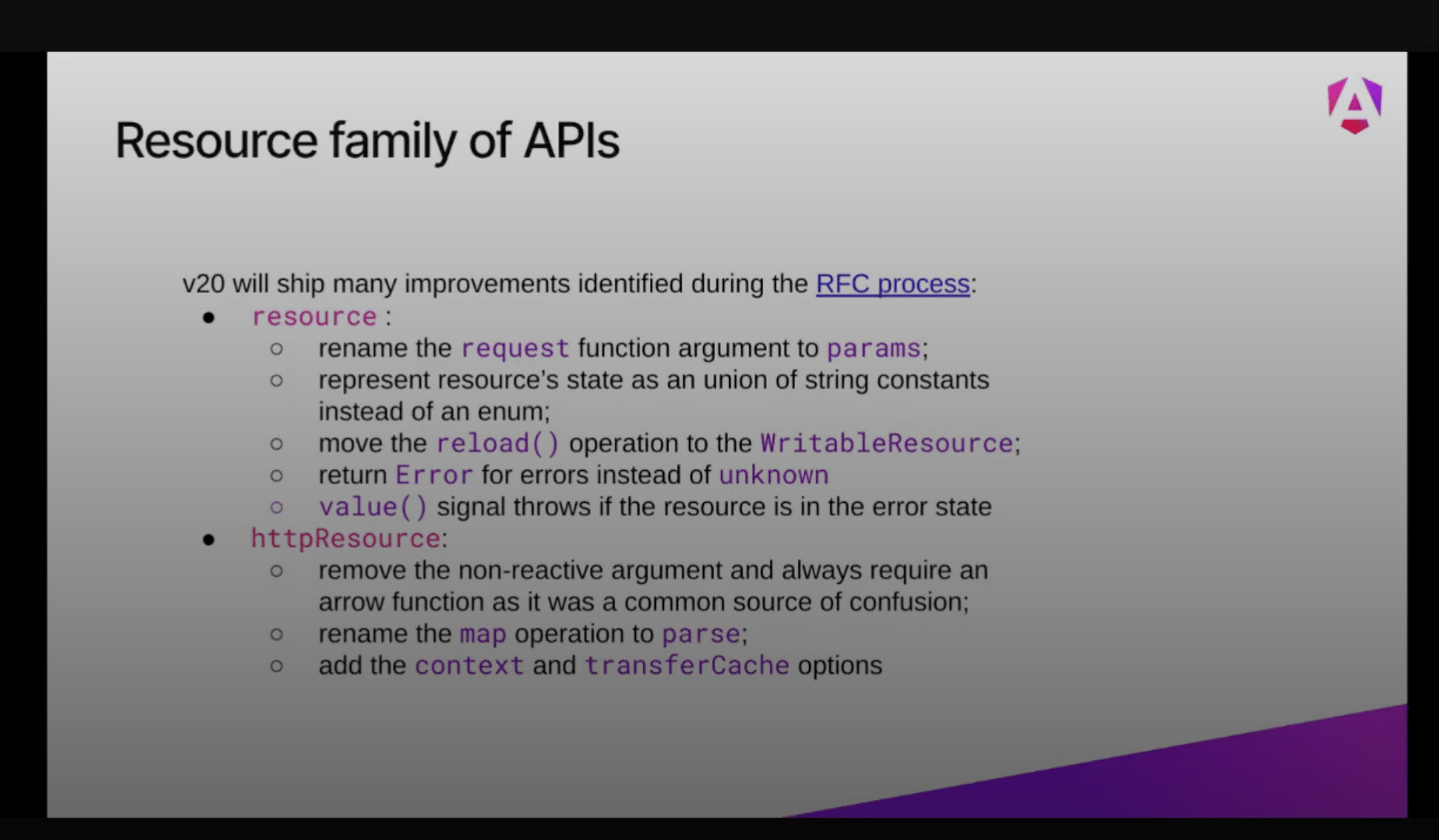
httpResource
httpResource makes a reactive HTTP request and exposes the request status and response value
httpResource(
?,
?
)httpResource(
string | object | function ,
?
)httpResource(
string | object | function ,
options
)// String
httpResource(`https://api.com/${signalValue()}`)dependency
// Object
httpResource(
{
url: `https://api.com/${signalValue()}`,
method: 'GET',
params: { type: `${queryParamSignalValue()}` }
}
)dependency
// Object
httpResource(
{
url: `https://api.com/${signalValue()}`,
method: 'GET',
params: { type: `${queryParamSignalValue()}` }
}
)dependency
// Object
httpResource(
{
url: `https://api.com/${signalValue()}`,
method: 'GET',
params: { type: `${queryParamSignalValue()}` }
}
)Http verb
// Function
httpResource(() => `https://api.com/${signalValue()}`)// Function
httpResource(() =>
signalValue() ?
`https://api.com/${signalValue()}` :
undefined
)// String with Options
httpResource(`https://api.com/${signalValue()}`, {
defaultValue: {},
parse: (response) => zodSchema.parse(response),
})// String
resource = httpResource(`https://api.com/${signalValue()}`)@if (resource.isLoading()) {
<div>Loading...</div>
}
@if (resource.error()) {
<div>Oops...</div>
}
@if (resource.value()) {
<div>{{ resource.value() }}</div>
}// String
resource = httpResource(`https://api.com/${signalValue()}`)derivedState = computed(
() => resource.value().map(it => it.title)
)Q: How can I cancel the previous http calls?
A: The httpResource behaves similar to switchMap
Q: How can I debounce the calls?
A: We should debounce the value and not the calls
DevEx
Performance
UX
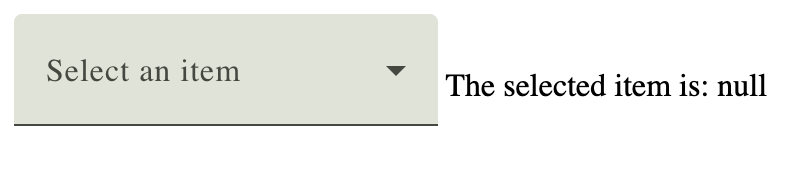
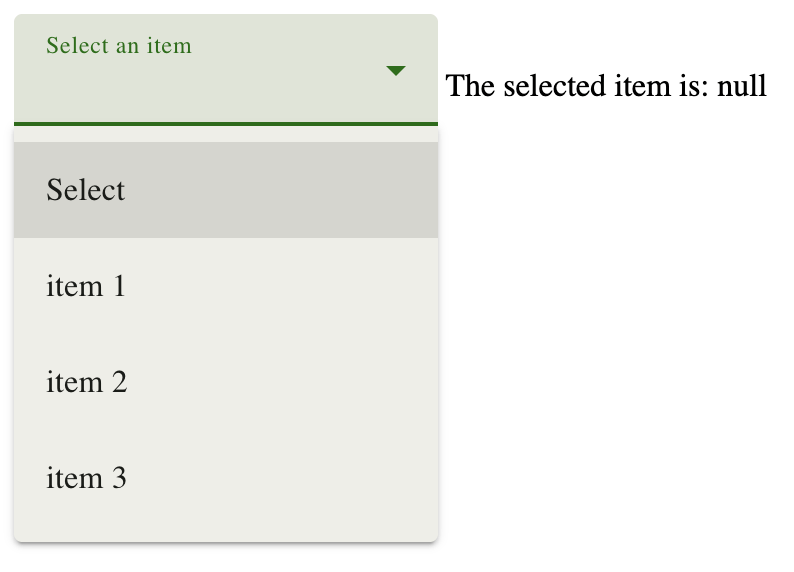
linkedSignal
listOfItems = signal(['item1', 'item2', 'item3']);
countOfItems = linkedSignal(() => this.listOfItems().length);
countOfItems.set(0)
listOfItems = signal(['item1', 'item2', 'item3']);
countOfItems = computed(() => this.listOfItems().length);
countOfItems.set(0)
listOfItems = signal(['item1', 'item2', 'item3']);
countOfItems = linkedSignal(() => this.listOfItems().length);
countOfItems.set(0)
listOfItems = signal(['item1', 'item2', 'item3']);
countOfItems = linkedSignal({
source: this.listOfItems,
computation: (items) => items.length,
});
countOfItems.set(0)
listOfItems = signal(['item1', 'item2', 'item3']);
countOfItems = linkedSignal({
source: this.listOfItems,
computation: (items) => items.length, // 3
});
countOfItems.set(0)
listOfItems = signal(['item1', 'item2', 'item3', 'item4']);
countOfItems = linkedSignal({
source: this.listOfItems,
computation: (items) => items.length, // 4
});
countOfItems.set(0)
listOfItems = signal([
{ name: 'item 1' },
{ name: 'item 2' },
{ name: 'item 3' }
]);
// keeps the selected item
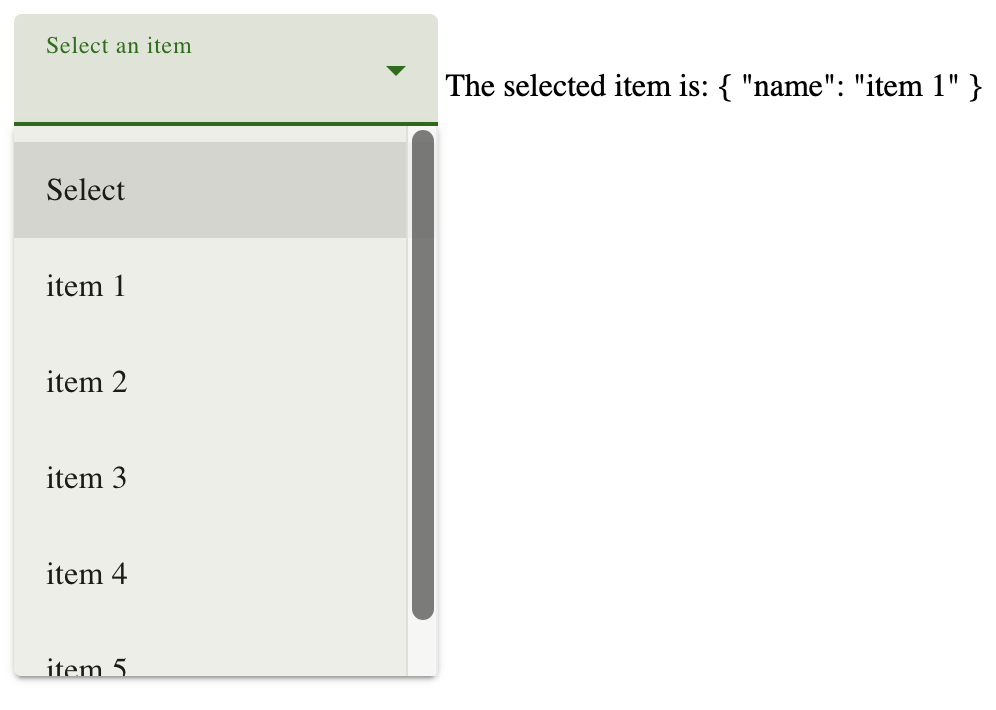
selectedItem = listOfItems[0];listOfItems = signal([
{ name: 'item 1' },
{ name: 'item 2' },
{ name: 'item 3' }
]);
// an HTTP call is happening
http.get().subscribe(data =>
this.listOfItems.set([...data])
)listOfItems = signal([
{ name: 'item 1' },
{ name: 'item 2' },
{ name: 'item 3' }
]);
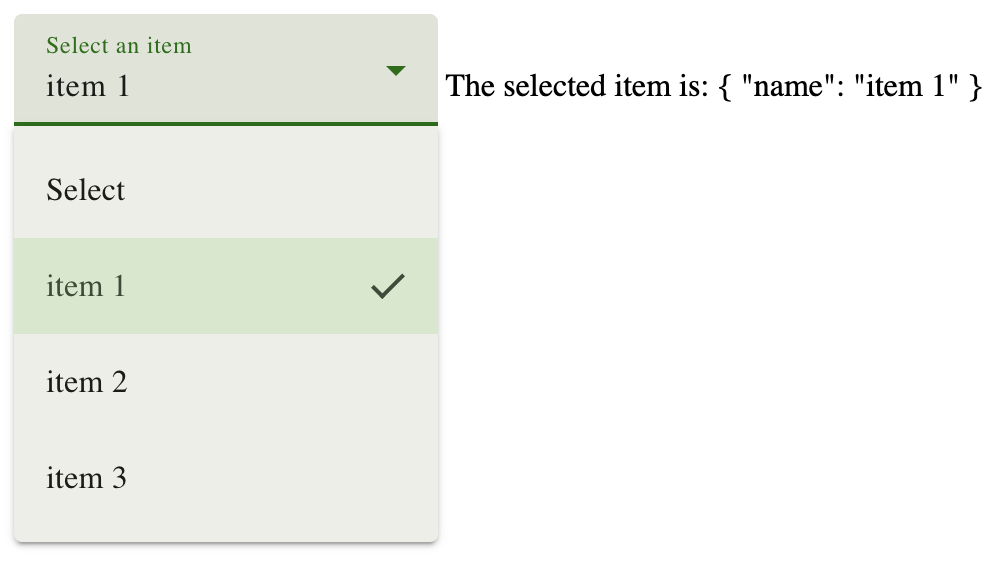
selectedItem = signal<Item | null>(null);listOfItems = signal([
{ name: 'item 1' },
{ name: 'item 2' },
{ name: 'item 3' }
]);
selectedItem = linkedSignal({
source: this.listOfItems,
computation: (items, previous) =>
items.find((item) => item.name === previous?.value.name),
});DevEx
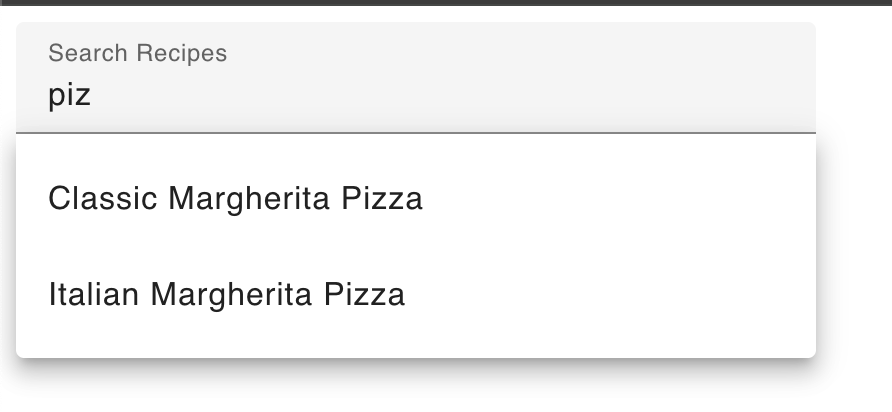
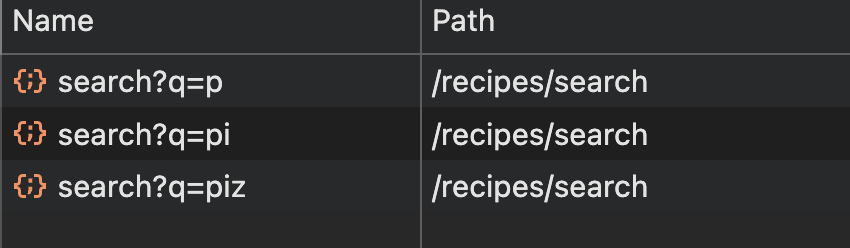
searchInput = new FormControl('');
searchInputDebounced$ = this.searchInput.valueChanges.pipe(
debounceTime(500)
);
searchInputDebounced = toSignal(this.searchInputDebounced$);
optionsResource = httpResource<RecipeResponse>(
`https://api.com?q=${this.searchInputDebounced()}`
);Signal APIs
signal
inputs
new output
model input
signal queries
signal
inputs
model input
signal queries
new output
model input
signal queries
new output
signal
inputs
model input
signal queries
new output
signal
inputs
model input
signal queries
new output
signal
inputs
signal
inputs
@Component({...})
export class MyComponent {
@Input() isChecked = false;
}@Component({...})
export class MyComponent {
isChecked = input(false);
}read-only signal
export interface UserModel {
name: string;
age: number;
/*Social*/
address: string;
twitter: string;
linkedin: string;
github: string;
instagram: string;
facebook: string;
website: string;
email: string;
}@Component({...})
export class MyComponent implements OnChanges {
@Input({ required: true }) user!: UserModel;
userSocials: string[] = [];
ngOnChanges(changes: SimpleChanges): void {
if (changes.user) {
const { name, age, ...userSocials } = this.user;
this.userSocials = Object.values(userSocials);
}
}
}@Component({...})
export class MyComponent {
user = input.required<UserModel>();
userSocials = computed(() => {
const { name, age, ...userSocials } = this.user();
return Object.values(userSocials);
});
}model input
@Component({...})
export class ChildComponent {
@Input({ required: true }) name!: string;
@Output() nameChange = new EventEmitter<string>();
}@Component({
selector: 'app-parent',
standalone: true,
imports: [ChildComponent],
template: `
<app-child [name]="username"
(nameChange)="changeHandler($event)" />
`,
})
export class ParentComponent {
username = 'profanis';
}@Component({
selector: 'app-parent',
standalone: true,
imports: [ChildComponent],
template: `
<app-child [name]="username"
(nameChange)="changeHandler($event)" />
`,
})
export class ParentComponent {
username = 'profanis';
}@Component({
selector: 'app-parent',
standalone: true,
imports: [ChildComponent],
template: ` <app-child [(name)]="username" /> `,
})
export class ParentComponent {
username = 'profanis';
}@Component({...})
export class ChildComponent {
// @Input({ required: true }) name!: string;
// @Output() nameChange = new EventEmitter<string>();
name = model<string>();
}@Component({...})
export class ChildComponent {
// @Input({ required: true }) name!: string;
// @Output() nameChange = new EventEmitter<string>();
name = model.required<string>();
}@Component({...})
export class ChildComponent {
name = model<string>(); // writable signal
addTitle() {
this.name.update((name) => `Mr. ${name}`);
}
}@Component({...})
export class ChildComponent {
name = model<string>(); // writable signal
titleExists = computed(() => this.name().startsWith('Mr.'));
}@Component({
selector: 'app-parent',
standalone: true,
imports: [ChildComponent],
template: ` <app-child [(name)]="username" /> `,
})
export class ParentComponent {
username = 'profanis';
}new output
@Component({...})
export class ChildComponent {
name = input.required<string>();
@Output() nameChange = new EventEmitter<string>();
}@Component({...})
export class ChildComponent {
name = input.required<string>();
nameChange = output<string>()
}@Component({...})
export class ChildComponent {
@Output() formIsValid = this.form.statusChanges.pipe(
map((status) => status === 'VALID'),
);
}import { outputFromObservable } from '@angular/core/rxjs-interop';
@Component({...})
export class ChildComponent {
formIsValid = outputFromObservable(
this.form.statusChanges.pipe(
map((status) => status === 'VALID'))
);
}Optional RxJS
import { outputToObservable } from '@angular/core/rxjs-interop';
@Component({...})
export class ChildComponent {
name = input.required<string>();
nameChange = output<string>()
nameChange$ = outputToObservable(nameChange)
}Consumers
Producers
Effect
Template
counter
Template
Effect
counter.set(1);
Produces new value
Consumers
Producers
Effect
Template
counter.set( )
Template
Effect
1
Consumers
Producers
Effect
Template
counter.set(1)
Template
Effect
1
Consumers
Producers
Effect
Template
counter.set(1)
Template
Effect
1
Consumers
Producers
Effect
Template
Template
Effect
1
counter.set(1)
1
Consumers
Producers
Effect
Template
Template
Effect
1
counter.set(1)
1
Consumers
Producers
Effect
Template
Template
Effect
1
counter.set(1)
1
Consumers
Producers
Effect
Template
Template
Effect
counter.set(1)
Counter
Counter
Consumers
Producers
Effect
Template
Template
Effect
counter.set(1)
Counter
Counter
Edge
ref_con
ref_prod
Consumers
Producers
Effect
Template
Template
Effect
counter.set(1)
Counter
Counter
Edge
ref_con
ref_prod
Consumers
Producers
Effect
Template
Template
Effect
counter.set(1)
Counter
Counter
Edge
ref_con
ref_prod
Consumers
Producers
Effect
Template
Template
Effect
counter.set(1)
Counter
Counter
Edge
ref_con
ref_prod
Consumers
Producers
Effect
Template
Template
Effect
counter.set(1)
Counter
Counter
Edge
ref_con
ref_prod
Consumers
Producers
counter
const counter = signal(0);
Consumers
Producers
counter
const counter = signal(0);
effect(() => console.log(counter());
Effect
Consumers
Producers
counter
const counter = signal(0);
effect(() => console.log(counter());
Counter
Effect
Consumers
Producers
counter
const counter = signal(0);
effect(() => console.log(counter());
Counter
Effect
Effect
Consumers
Producers
counter.set( )
const counter = signal(0);
effect(() => console.log(counter());
counter.set(1);
Counter
Effect
Effect
1
Consumers
Producers
counter
const counter = signal(0);
effect(() => console.log(counter());
counter.set(1);
Counter
Effect
Effect
1
Consumers
Producers
counter
const counter = signal(0);
effect(() => console.log(counter());
counter.set(1);
Counter
Effect
Effect
1
Consumers
Producers
counter
const counter = signal(0);
const evenOrOdd =
	computed(() => counter() % 2 === 0 ? 'even' : 'odd');
effect(() => console.log(counter());
counter.set(1);
Counter
Effect
Effect
Computed
computed
Consumers
Producers
counter
const counter = signal(0);
const evenOrOdd =
	computed(() => counter() % 2 === 0 ? 'even' : 'odd');
effect(() => console.log(counter());
counter.set(1);
Counter
Effect
Effect
Computed
Counter
Computed
computed
Consumers
Producers
const counter = signal(0);
const evenOrOdd =
	computed(() => counter() % 2 === 0 ? 'even' : 'odd');
effect(() => console.log(counter());
counter.set(1);
Counter
Effect
Effect
Computed
Counter
Computed
counter.set( )
1
computed
Consumers
Producers
const counter = signal(0);
const evenOrOdd = computed(() => counter() % 2 === 0 ? 'even' : 'odd');
effect(() => console.log(counter());

counter.set(1);
Counter
Effect
Effect
Computed
Counter
Computed
counter
1
computed
Consumers
Producers
const counter = signal(0);
const evenOrOdd = computed(() => counter() % 2 === 0 ? 'even' : 'odd');
effect(() => console.log(counter());

counter.set(1);
Counter
Effect
Effect
Computed
Counter
Computed
counter
1
computed
Consumers
Producers
const counter = signal(0);
const evenOrOdd = computed(() => counter() % 2 === 0 ? 'even' : 'odd');
effect(() => console.log(counter());

counter.set(1);
Counter
Effect
Effect
Computed
Counter
Computed
counter
1
1
computed
Consumers
Producers
const counter = signal(0);
const evenOrOdd = computed(() => counter() % 2 === 0 ? 'even' : 'odd');
effect(() => console.log(counter());

counter.set(1);
Counter
Effect
Effect
Computed
Counter
Computed
counter
1
1
computed
Consumers
Producers
const counter = signal(0);
const evenOrOdd = computed(() => counter() % 2 === 0 ? 'even' : 'odd');
effect(() => console.log(counter() + ' is ' + evenOrOdd()));

counter.set(1);
Counter
Effect
Effect
Computed
Counter
Computed
counter
computed
Consumers
Producers
const counter = signal(0);
const evenOrOdd = computed(() => counter() % 2 === 0 ? 'even' : 'odd');
effect(() => console.log(counter() + ' is ' + evenOrOdd()));

counter.set(1);
Counter
Effect
Effect
Computed
Counter
Computed
counter
computed
Consumers
Producers
const counter = signal(0);
const evenOrOdd = computed(() => counter() % 2 === 0 ? 'even' : 'odd');
effect(() => console.log(counter() + ' is ' + evenOrOdd()));

counter.set(1);
Counter
Effect
Effect
Computed
Counter
Computed
counter
computed
Consumers
Producers
const counter = signal(0);
const evenOrOdd = computed(() => counter() % 2 === 0 ? 'even' : 'odd');
effect(() => console.log(counter() + ' is ' + evenOrOdd()));

counter.set(1);
Counter
Effect
Effect
Computed
Counter
Computed
counter
computed
Effect
Consumers
Producers
const counter = signal(0);
const evenOrOdd = computed(() => counter() % 2 === 0 ? 'even' : 'odd');
effect(() => console.log(counter() + ' is ' + evenOrOdd()));

counter.set(1);
Counter
Effect
Effect
Computed
Counter
Computed
counter
1
computed
Effect
Consumers
Producers
const counter = signal(0);
const evenOrOdd = computed(() => counter() % 2 === 0 ? 'even' : 'odd');
effect(() => console.log(counter() + ' is ' + evenOrOdd()));

counter.set(1);
Counter
Effect
Effect
Computed
Counter
Computed
counter
1
computed
Effect
Counter
Effect
Effect
Computed
Counter
Computed
counter
1
computed
Effect
console.log("1 is even")
console.log("1 is odd")
console.log("1 is even")
console.log("1 is odd")Counter
Log
Log
Computed
Counter
Computed
counter
10
computed
Log
GLITCH
By Fanis Prodromou
Angular Signals: A Look Under the Hood and Beyond