Scholarly Communications
Library Interns Spring 2026
About me:
- Maria Aghazarian
- she/her/hers
- Non-work fun fact:
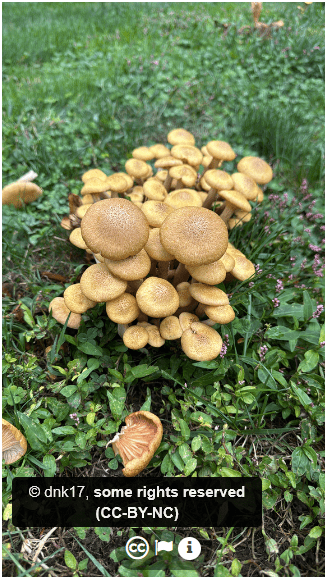
I've documented ~45 different species of fungi on Swarthmore's campus

Though I can't always identify them—this fungal friend is from Magill Walk, August 2025.
About you?
- Name
- Pronouns
- Subject[s] of academic interest
- Subject[s] of non-academic interest

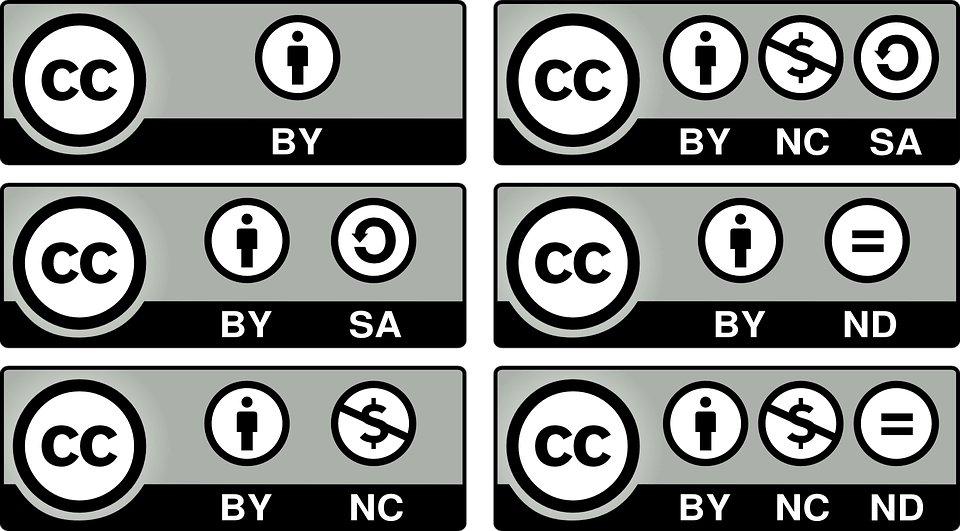
CC-BY-NC 2025, dnk17
Important!
- If you have questions or need something clarified, please interrupt me!!
- Sometimes I forget to stop and ask for questions!!
Q: What is "scholarly
communications"?
A: Communicating research
(and all this entails)

What I do
- Advise on journal and/or publisher selection
-
Consult with faculty about copyright questions and publishing open access
-
Maintain institutional repository of College-affiliated research
-
Remediating works for screen reader accessibility with my team of students
-
-
Research open initiatives and present to the Libraries' Collections committee to see if we can/should support
Why I do it
-
Furthering the missions of both the Libraries and the College
-
Amplifying the reach of Swarthmore-affiliated scholarship
-
Elevating the Libraries' position on campus as a partner and collaborator throughout the scholarly communications lifecycle
-
Promoting open, sustainable, and future-oriented best practices for students, faculty, and staff
Library Collections and Open Access Initiatives
Today we'll be talking about
but first, let's make sure we are all on the same page
What is open access?
Open Access is the free, immediate, online availability of research [publications] coupled with the rights to [re]use these [works] fully in the digital environment.
Modified from SPARC's definition

What do you think are some of the benefits of open access?
Why do you think the Libraries should support open access?


“Promote connection, production, and dissemination of the faculty’s scholarship and creative work.”
Open Access Citation Advantage
“By analysing large-scale bibliographic data from 2010 to 2019, we found a robust association between open access and increased diversity of citation sources by institutions, countries, subregions, regions, and fields of research, across outputs with both high and medium–low citation counts. Open access through disciplinary or institutional repositories showed a stronger effect than open access via publisher platforms.”
Huang et al., 2024
Repositories
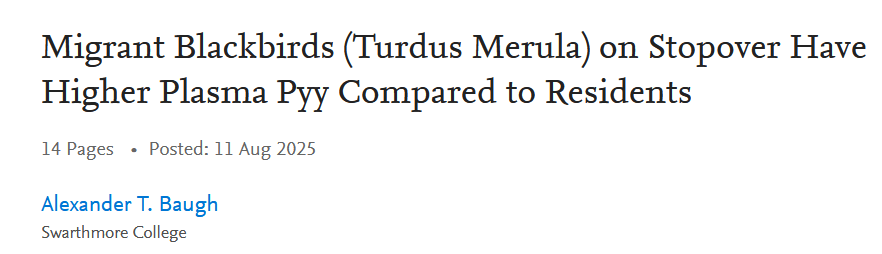

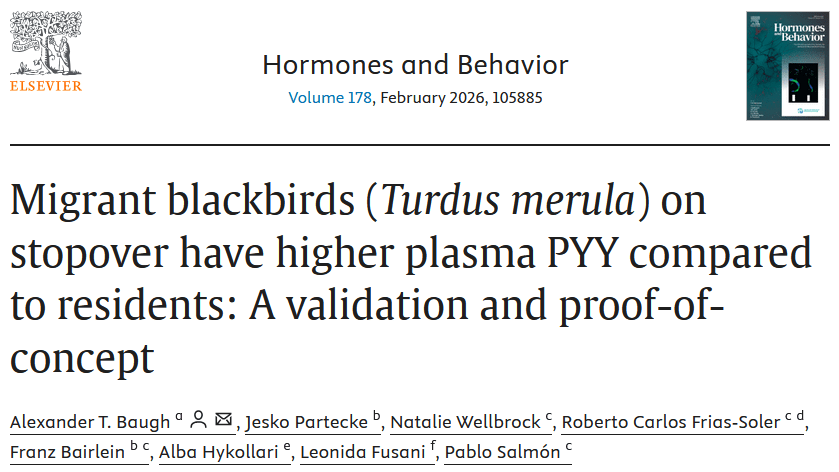

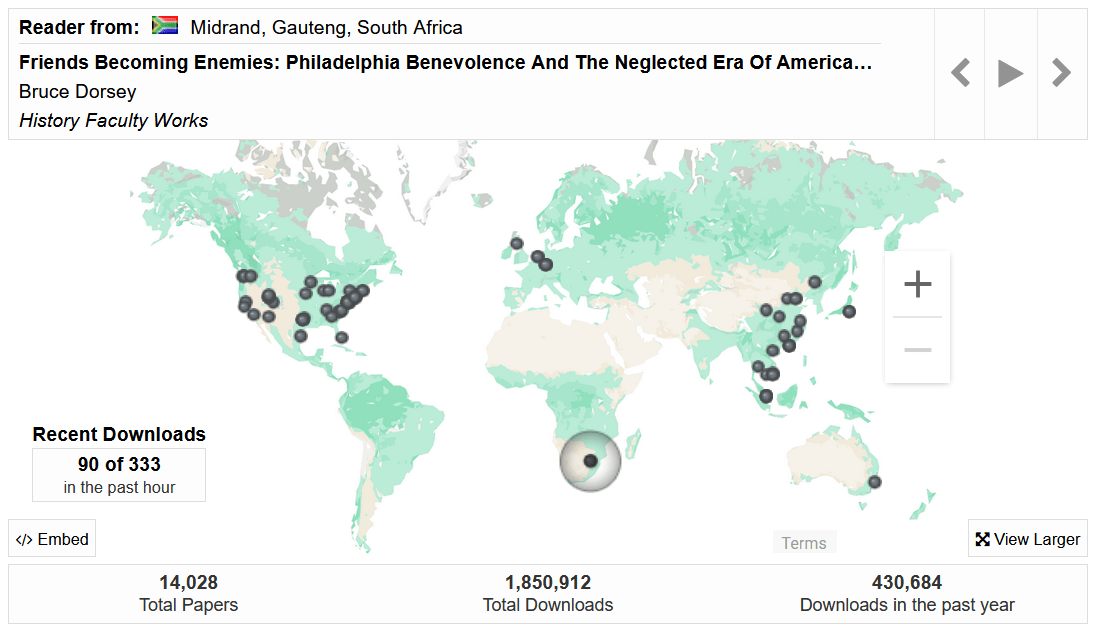
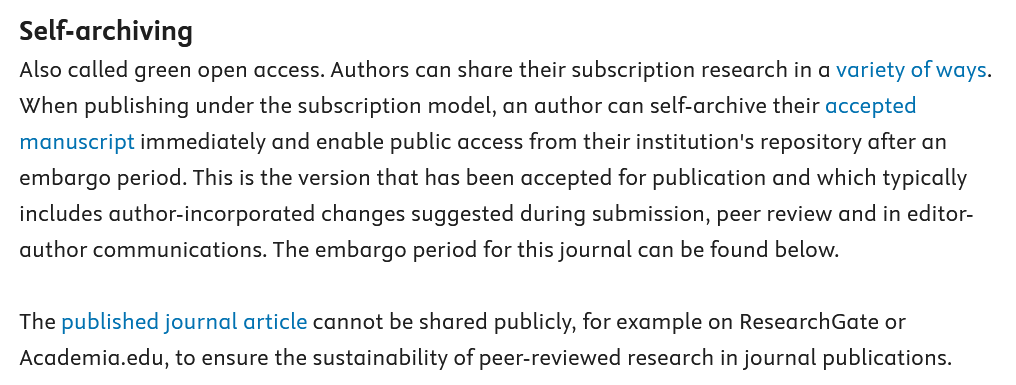

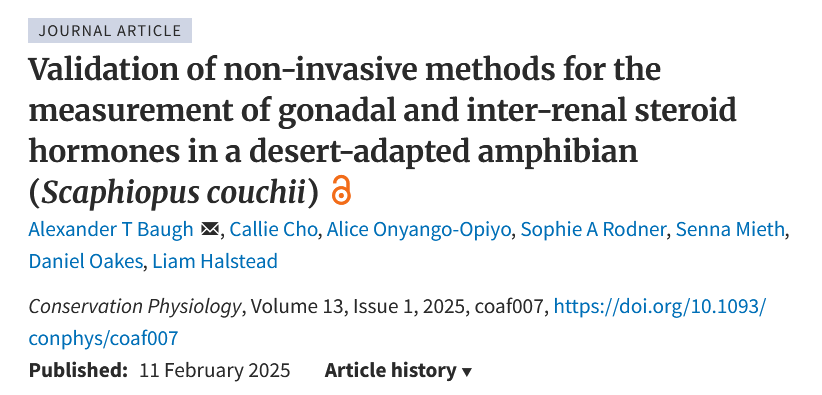



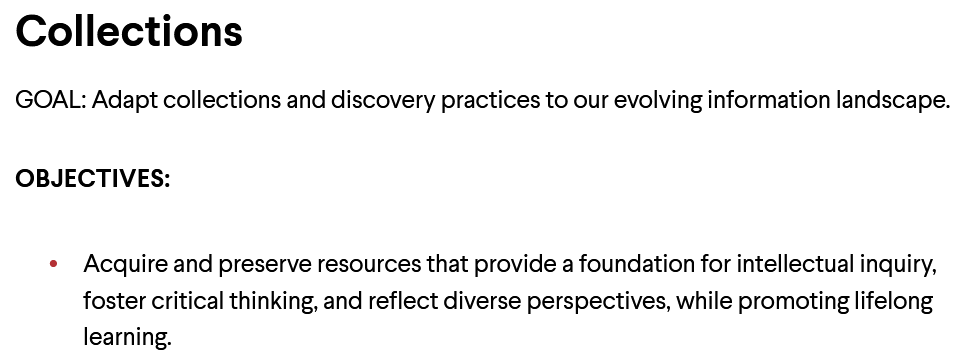
Actions: Increase support for programs and resources that promote open and equitable access to information.
What did you learn? What surprised or confused you?
Your Mission
You are a librarian who is trying to decide what OA initiatives to invest in. Spend your budget by placing the post-it notes below each resource.
Objectives
-
Compare and evaluate different models for promoting open access
-
Simulate collection development and budgetary decision-making for open access initiatives
Share what you spent!

1
=
?
10
=
$50,000
Our initiatives broadly fall into four categories:
- Content
- Community
- Infrastructure
- Advocacy
(which sometimes overlap)
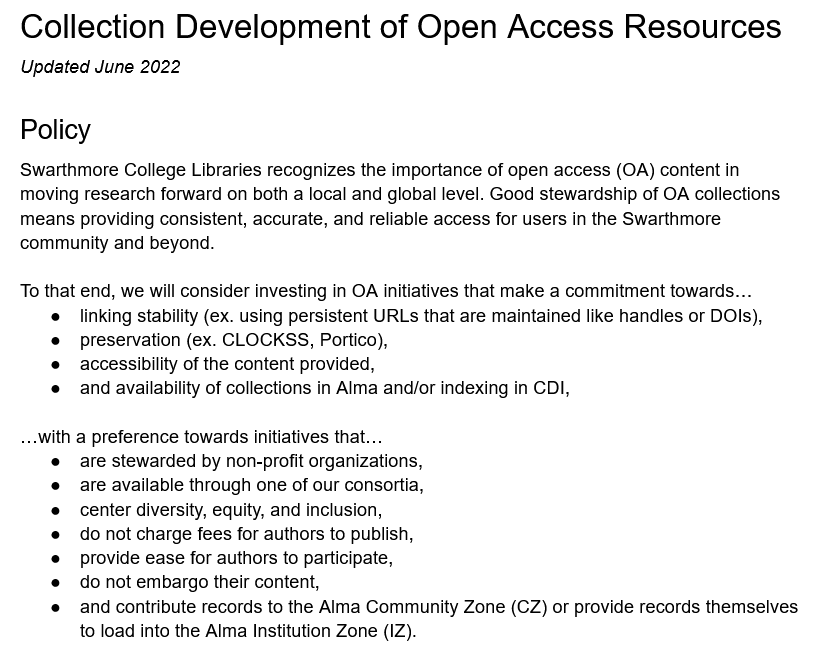
Of the initiatives on the board...
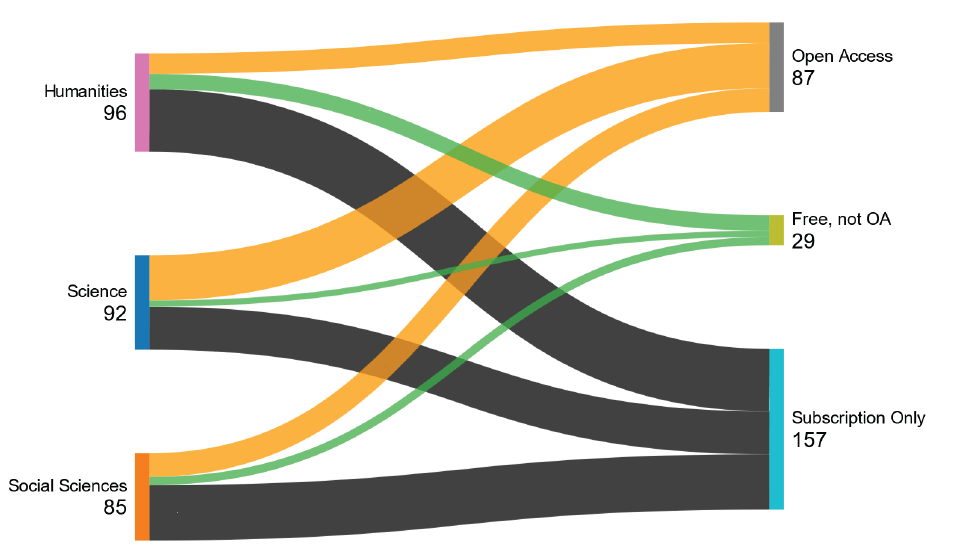
Data year 2024
Swarthmore Publications by Discipline with Type of Access
Q: Are you able to support all of the initiatives on your wish list?
"No, there are many initiatives we'd like to support, but we don't have the funds. Like most academic libraries (in the U.S., at least), we've been dealing with flat budgets almost every year since 2020. Because of inflation, this means that we've had budget cuts in terms of real dollars. Emory is ranked in the top 25 by USNWR and has an endowment of $11 billion, so we are a prestigious and well-resourced university. Yet we still struggle with these issues. No matter your budget, it’s always finite.”
Jody Bailey, Head, Scholarly Communications Office, Emory University
"No, this fund is not large enough to fund all open access investments that are identified as potentially of interest. That said, we do fund a lot of OA initiatives this way. Our individual members have varying levels of additional support that they provide to other OA publishers and vendors. At least one of our members [only has] delegated procurement authority to use the collections budget to acquire content or access to content [which] has been interpreted to mean that they cannot invest in content that is already openly available."
Staff member for a consortium of large universities
What are specific arguments that you make or that you would make to your administration for why you should invest in open access as a smaller school with perhaps a more limited budget?
“I think it’s our obligation as library leaders to talk to our administrations about how to make scholarly publishing sustainable.”
“An investment now will lead to a system that is more affordable and equitable in the long run for all of us, and that better represents our values and enhances research as a public good.”
Anne Houston, Engaging with Open Access as Liberal Arts Colleges
Thanks for having me!
Reach out anytime: maghaza1@swarthmore.edu
Library interns spring 2026 - scholcomm
By Swarthmore Reference