
Network of interconnected nodes and lines on a gradient background that transitions from a warm golden hue at the bottom to a clear blue at the top. The nodes vary in size and are connected by thin lines, creating a web-like structure. Some nodes appear as filled circles while others are outlined, and the density of the network varies across the image, with some areas more clustered and others more sparse.

Quatro Lições de LUX:

A Plataforma de Descoberta com Dados Ligados da Universidade de Yale

Tim Thompson

Responsável pela Unidade de Serviços de Metadados

Biblioteca da Universidade de Yale

timothy.thompson@yale.edu

www.linkedin.com/in/timathompson

@timathom@indieweb.social


Bibframe: Conceitos essenciais

26 de junho de 2025

  • As coleções em Yale

  • LUX: Descoberta de Coleções em Yale

  • Quatro lições de LUX

Índice

As Coleções em Yale

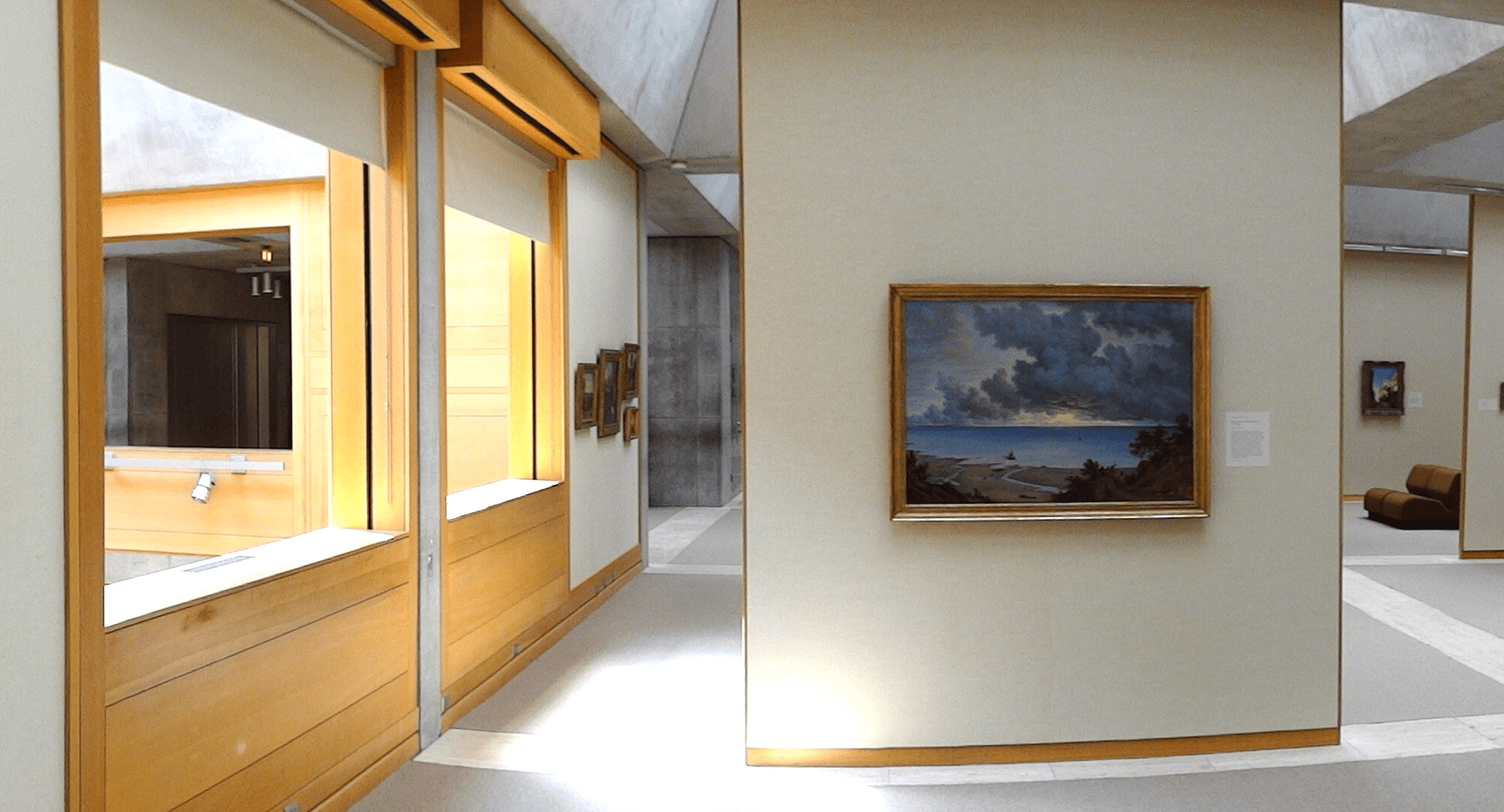
Interior of the Yale Center for British Art, featuring minimalist and modern decor. On the left, windows allow natural light to enter and showcase some framed artworks. In the center and to the right, a painting of a seascape hangs on the wall, with dark colors highlighting the dramatic scene of clouds and sky over a beach. The space is spacious and welcoming, with brown sofas inviting visitors to pause and contemplate the artworks. The architecture blends elements of light wood and concrete details, creating an atmosphere of tranquility and reflection.
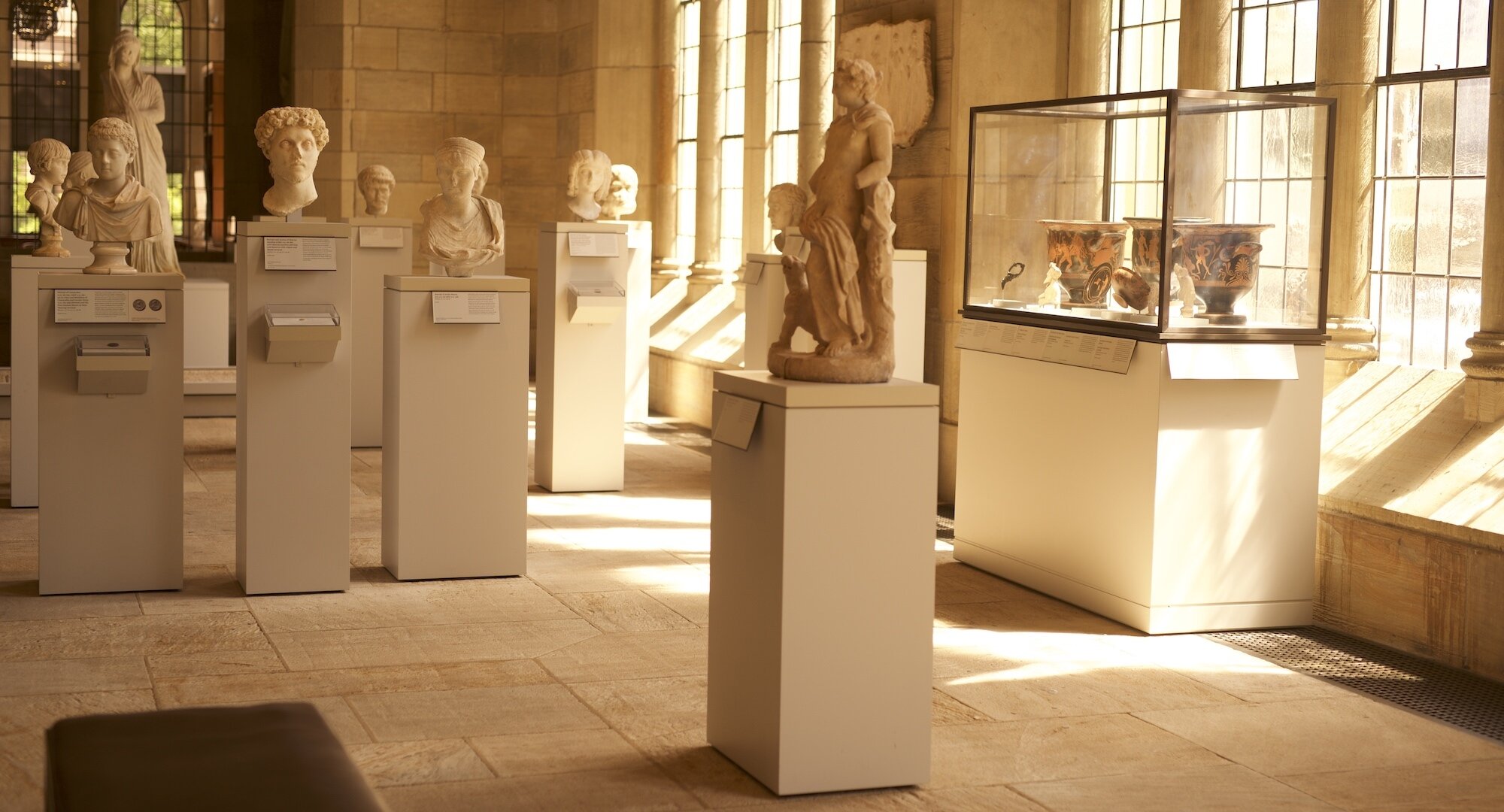
Room of the Yale University Art Gallery, bathed in natural light filtering through tall windows. Various classical statues and busts on pedestals are observed, creating a calm and contemplative atmosphere. Each piece is accompanied by its own descriptive label, allowing visitors to learn about its history and significance. To the right, a display case contains ancient vessels, highlighted by the light entering through the window and reflecting their intricate details. The exhibition combines elements of classical architecture with a modern and accessible layout, inviting reflection and study of the pieces.
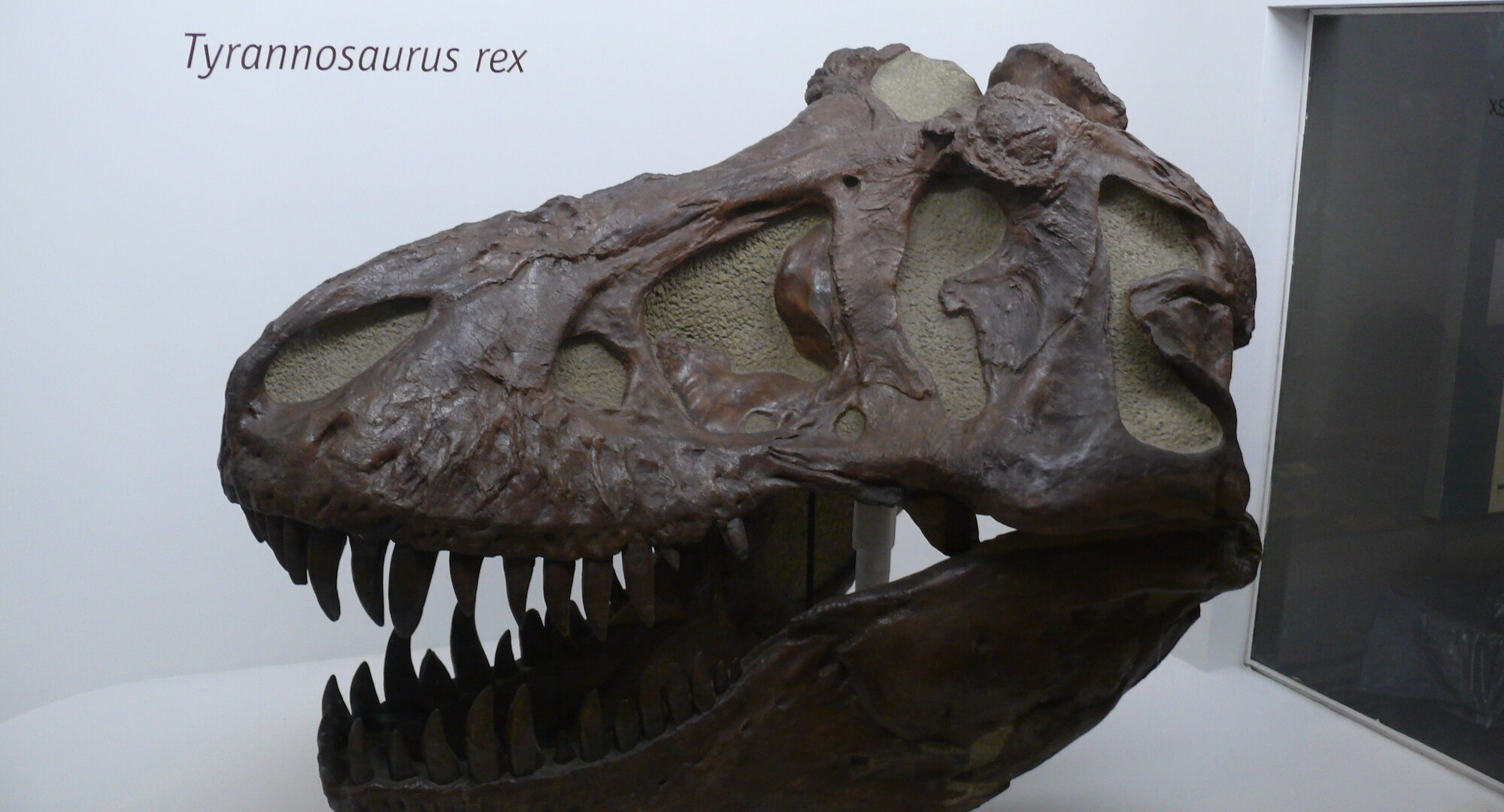
Fossil skull of a Tyrannosaurus rex on display at the Yale Peabody Museum of Natural History. The fossil is well-preserved, showcasing the formidable jaw and sharp teeth of the dinosaur, aspects that allude to its reputation as one of the most powerful predators of the Mesozoic era. The lighting and angle of the photo emphasize the texture and shape of the skull, providing a detailed view that invites contemplation and paleontological study.
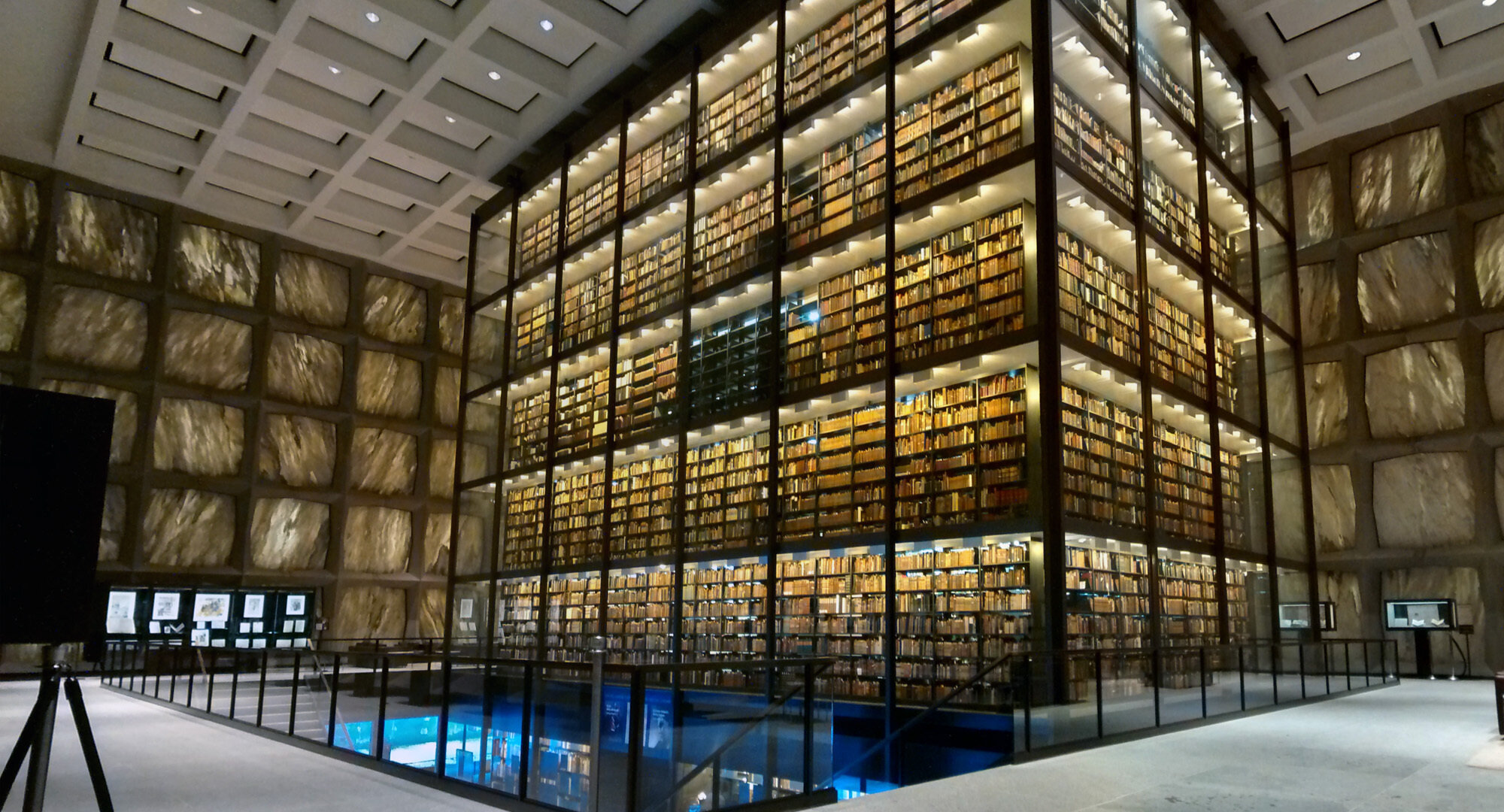
Interior of the Beinecke Rare Book & Manuscript Library at Yale University in New Haven, Connecticut. An extensive collection of rare books and manuscripts is stored on glass shelves that reach from floor to ceiling. The warm lighting highlights the spines of the books and creates a serene atmosphere. The architectural structure of the library, with walls of translucent marble, allows natural light to softly filter into the space, protecting the valuable materials from direct light exposure. Known for its unique design and impressive collections, the library is a point of interest for both researchers and visitors interested in the history of books and scholarship.

Yale Peabody Museum of Natural History, Gunnar Klack, CC BY-SA 4.0, via Wikimedia Commons

Yale Center for British Art, Karl Thomas Moore, CC BY-SA 4.0, via Wikimedia Commons

Beinecke Rare Book & Manuscript Library, Adam Jones, CC BY-SA 2.0, via Wikimedia Commons

Yale University Art Gallery, Ad Meskens, CC BY-SA 3.0, via Wikimedia Commons

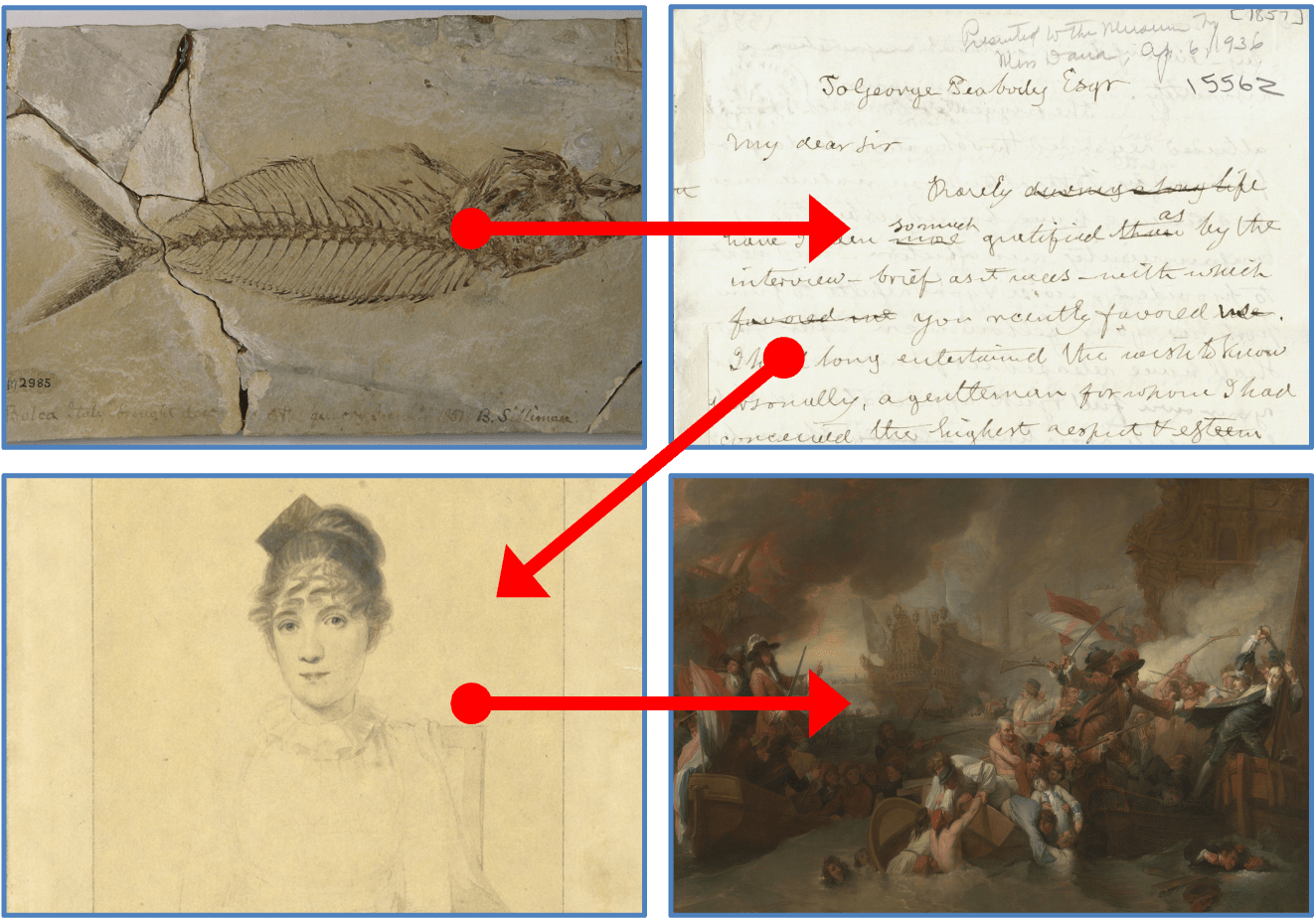
Four different elements that are part of a collage. In the top left corner, there is a fish fossil found by Benjamin Silliman. In the top right corner, a handwritten letter from Silliman addressed to George Peabody Esq. is displayed with elegant and detailed script. In the bottom left corner, a delicate drawing of the portrait of Harriet Trumbull, niece of the artist John Trumbull, is seen. Finally, in the bottom right corner, a vibrant painting of a battle made by John Trumbull and his teacher, Benjamin West, is presented. Red arrows connect each of these works, illustrating the connections between different pieces in the Yale collections.

Imagem gerada por ChatGPT 4o

LUX: Descoberta de Coleções em Yale

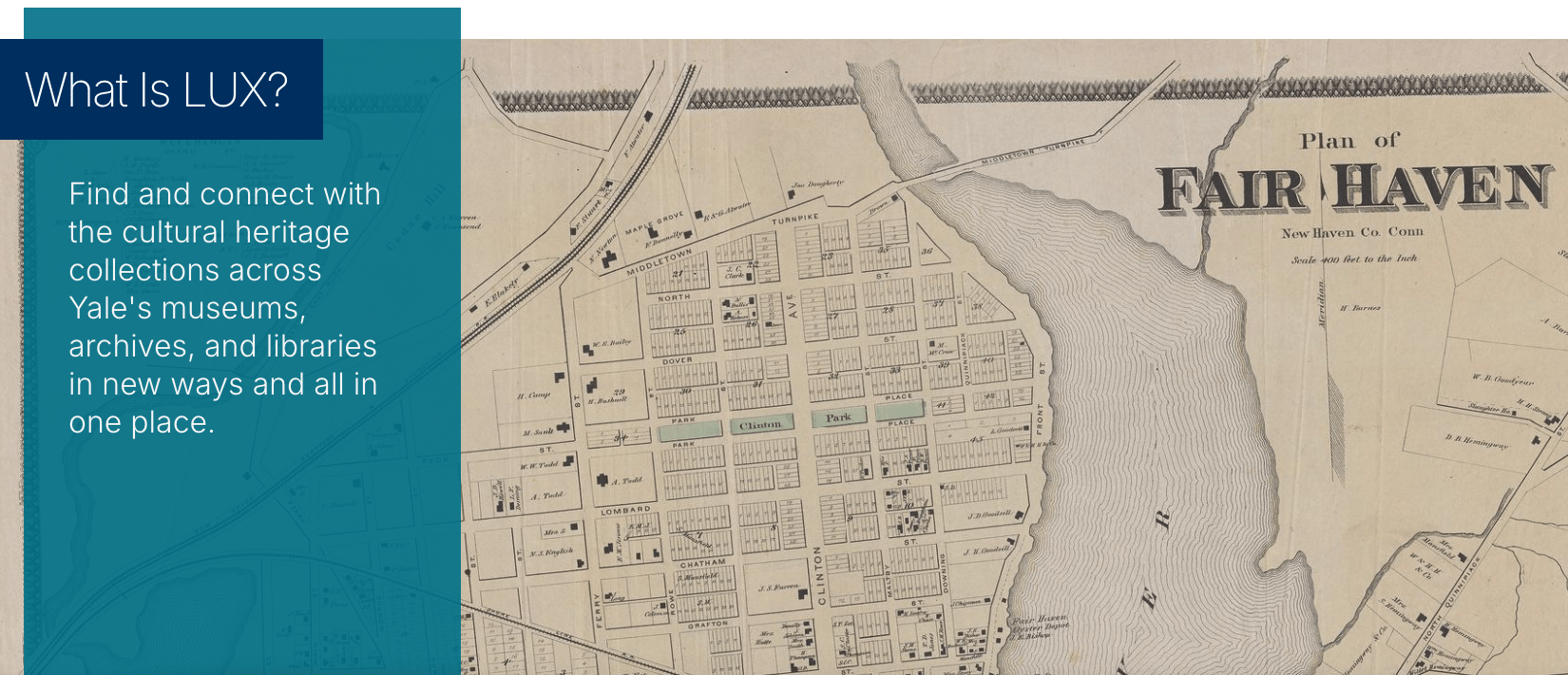
Screenshot from the LUX discovery platform homepage with the title What Is LUX?

O que é LUX?

  • Acesso integrado às coleções de Yale

  • Busca e descoberta potencializadas por dados abertos ligados

  • Grafo de conhecimento de metadados e recursos do patrimônio cultural

  • Implementação de um modelo semântico compartilhado (Linked Art)

  • Eixo de colaboração e inovação universitária

LUX em números

  • Cerca de 41 milhões de entidades (JSON-LD)
  • Aproximadamente 2,5 bilhões de tripletas
  • Catálogo completo da biblioteca (mais de 12 milhões de registros MARC)
  • Dados reconciliados e enriquecidos com
    • Getty: AAT, ULAN, TGN
    • Biblioteca do Congresso dos Estados Unidos: LCSH, LCNAF, Vocabulários
    • OCLC: FAST, VIAF
    • Wikidata
  • Registros mapeados para Linked Art pelas unidades contribuintes e depois enriquecidos através da canalização técnica de LUX.

Objetivos de LUX

  • Expor as coleções do patrimônio cultural e pesquisa de Yale ao mundo
  • Proporcionar acesso unificado a museus, arquivos e bibliotecas
  • Melhorar a experiência do usuário com coleções físicas e digitais
  • Revelar conexões entre elementos, incentivando uma exploração mais profunda

Por que dados ligados?

Duas razões fundamentais:

  1. Gestão da informação. Organizar e compartilhar informação bibliográfica precisa e eficientemente
  2. Descoberta de recursos. Facilitar buscas online, destacando relações semânticas

Descoberta de recursos

  • LUX deu prioridade à demonstração do valor dos dados ligados na experiência do usuário
  • Em vez de mudar nossos fluxos de trabalho, nos concentramos em demonstrar o valor de uma abordagem de dados ligados para nossos usuários e nossos metadados.
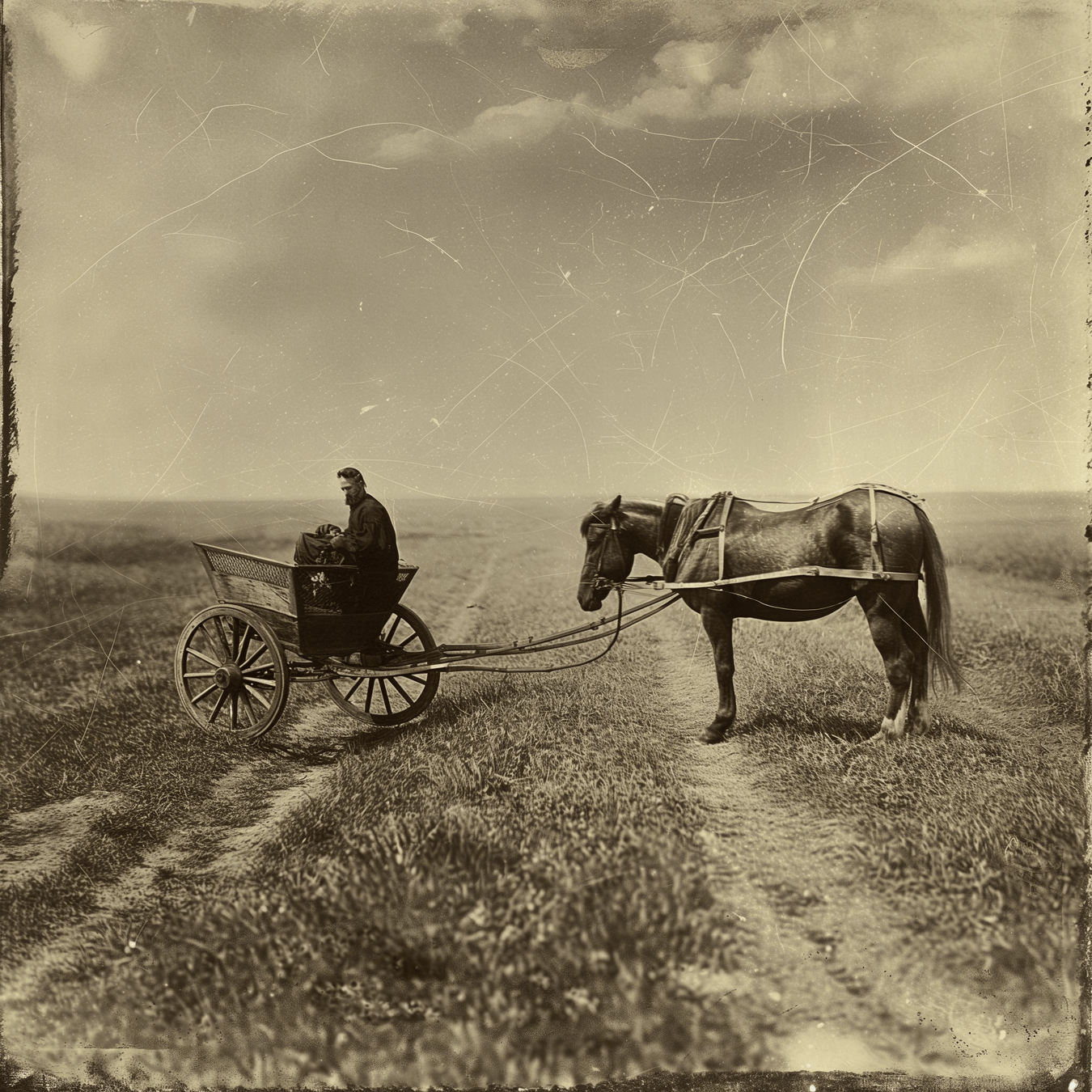
Vintage sepia-toned photograph with the ironic staging of the saying Don't put the cart before the horse. A horse stands harnessed behind a small two-wheeled cart, rather than in front of it. The person in the cart, dressed in dark clothing and a cap, appears to be ready to drive, oblivious to the reversed setup. The background features a wide-open field, enhancing the absurdity of the scene with the horse standing still on the grassy path, under a vast sky marked by clouds.

Descoberta de recursos

Gestão da informação

Imagem gerada por Midjourney v6.0

Tese

  • A transição de formatos legados como MARC 21 tem se mostrado difícil porque tentamos começar pelas partes mais complicadas.
  • A gestão da mudança requer imaginação e inspiração.
  • Um sistema de descoberta bem pensado pode atuar como uma referência concreta e servir de bússola para desenvolvimentos futuros.

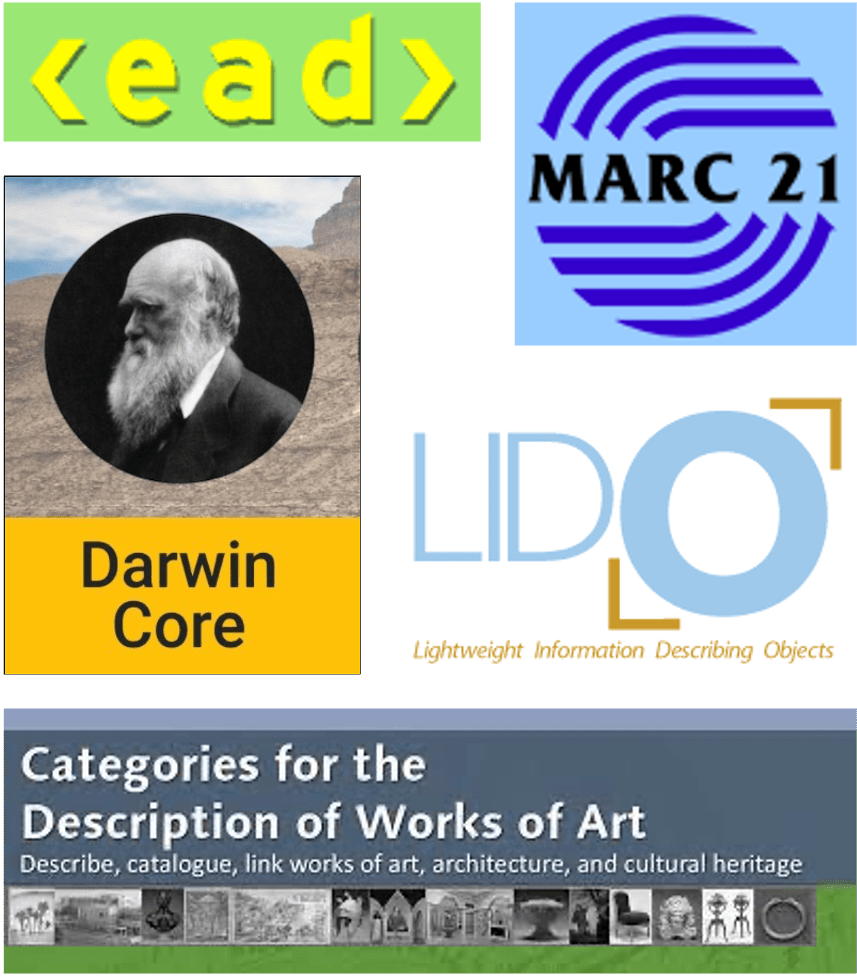
A partir destes...

Displays logos and graphics of different metadata standards used in the cataloging and description of collections and cultural heritage. At the top, the logo of EAD (Encoded Archival Description) is seen, followed by the logo of MARC 21 (Machine-Readable Cataloging). In the center, an image of Charles Darwin represents the Darwin Core, a standard for biodiversity information. To the right is the logo of LIDO (Lightweight Information Describing Objects), focused on the description of museum objects. At the bottom, there is a banner that says Categories for the Description of Works of Art indicating a standard for describing, cataloging, and linking works of art, architecture, and cultural heritage, accompanied by thumbnail images of different types of art and architecture. The image visually communicates the variety of standards employed to organize and present data across different domains of knowledge.

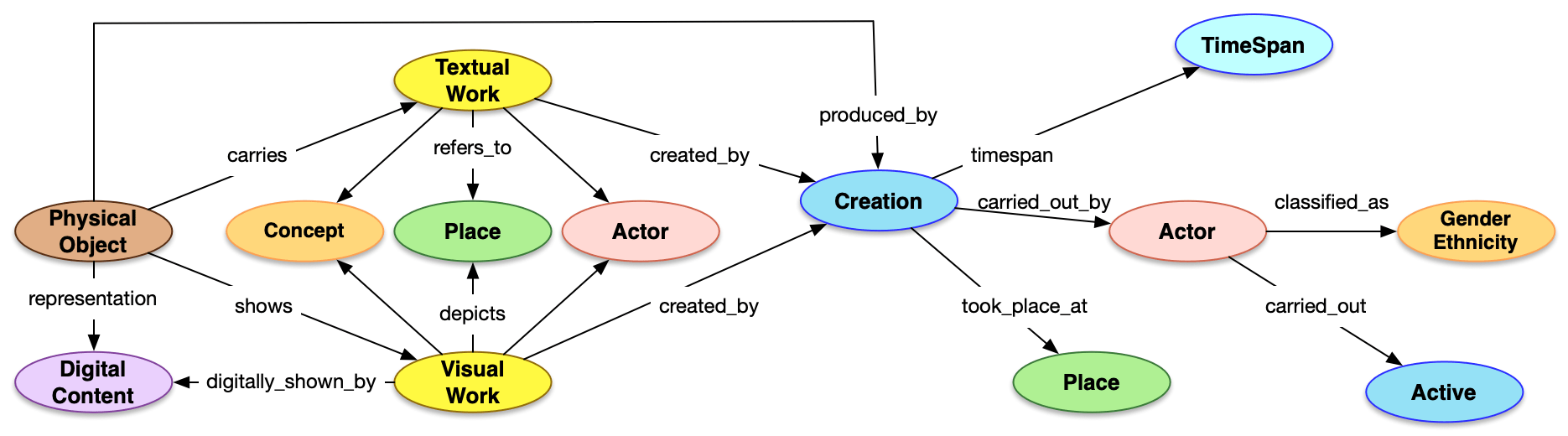
Transformações de metadados

Conceptual diagram illustrating the relationships between various concepts in the context of metadata for artworks and culture. In the center, the concept of Creation acts as the main node and is connected to Textual Work, Visual Work, Actor, TimeSpan, and Place. Creation is linked to Actor through created by and to TimeSpan through timespan. Actor is broken down into subcategories like Gender/Ethnicity. Visual Work is connected to Digital Content and Physical Object, indicating the different forms a visual work can take. Textual Work is linked to Concept and Place. The diagram uses colors to differentiate types of concepts and arrows to denote semantic relationships, providing a logical structure to understand how data are related in a linked knowledge environment.

Transformações de metadados

Para isto!

Quatro Lições de LUX

1. O modelo é a mensagem.

  • Encontra os papéis de Langston Hughes

2. Os usuários precisam de sinalização

  • Encontra uma carta digitalizada da série “Correspondência pessoal” nos documentos de Langston Hughes.

2. Tudo está conectado.

  • Encontra uma obra ou um objeto criado por alguém da sua cidade natal (ou a cidade mais próxima de onde você cresceu).

4. Deixemos de falar em código

  • Encontra o registro do manuscrito Voynich.

  • Encontra o registro do exemplar da Bíblia de Gutenberg de Yale.

5. A cada pessoa sua pintura

  • Encontra uma imagem digital de uma pintura a óleo produzida entre 1775 e 1825.
  • Encontra retratos de cientistas de Yale que descobriram holótipos atualmente conservados no Museu Peabody de Yale.

3. O sucesso depende da qualidade dos dados.

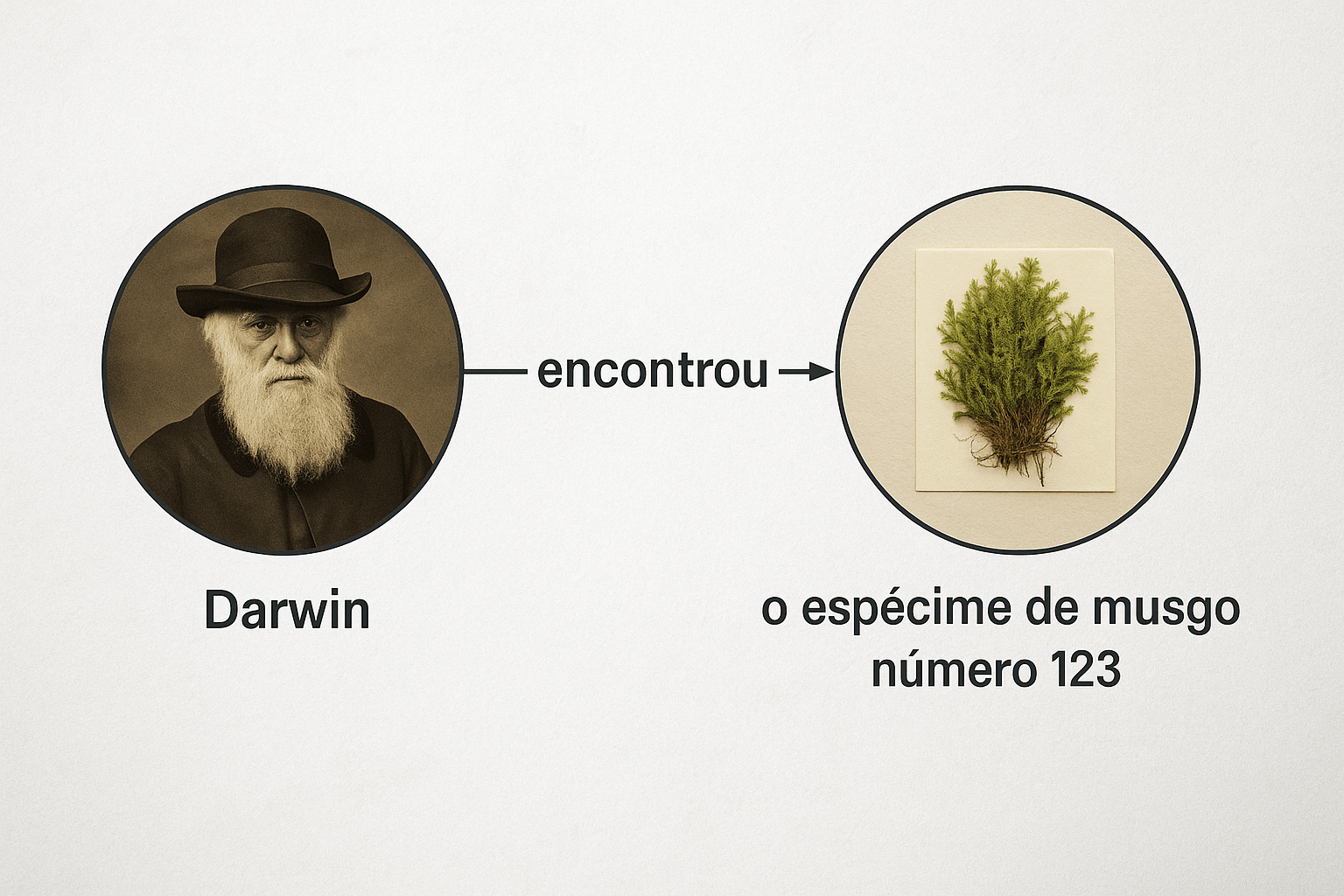
  • Acha um espécime encontrado por Charles Darwin e identifica onde o encontrou.

4. Pensa globalmente, age localmente.

  • Encontra livros de autores mexicanos que transitaram entre a política e a poesía em suas carreiras.
  • Encontra pessoas de Yale com atuação no campo da música.

LUX nos convida a refletir sobre temas mais amplos de acessibilidade na descrição de recursos e revela a importância de:

  • Adotar modelos conceituais claros e acessíveis
  • Dar prioridade à experiência do usuário final
  • Utilizar casos concretos para inspirar e guiar o desenvolvimento futuro

Conclusão

Obrigado!

Perguntas?

Tim Thompson

Responsável pela Unidade de Serviços de Metadados

timothy.thompson@yale.edu

www.linkedin.com/in/timathompson

@timathom@indieweb.social

Badge representing the Creative Commons Attribution 4.0 International License (CC-BY).

Quatro Lições de LUX, a Plataforma de Descoberta com Dados Ligados da Universidade de Yale

By Tim Thompson

Quatro Lições de LUX, a Plataforma de Descoberta com Dados Ligados da Universidade de Yale

Explore as quatro lições valiosas da plataforma LUX da Universidade de Yale, que transforma a descoberta de coleções através de dados ligados, promovendo acessibilidade e inovação. Prepare-se para se surpreender com novas perspectivas!
  • 193