Yuan-Sen Ting
The Ohio State University
Why AI for (OSU's) Astronomy
Expat from Borneo,
Malaysia
Who are you?
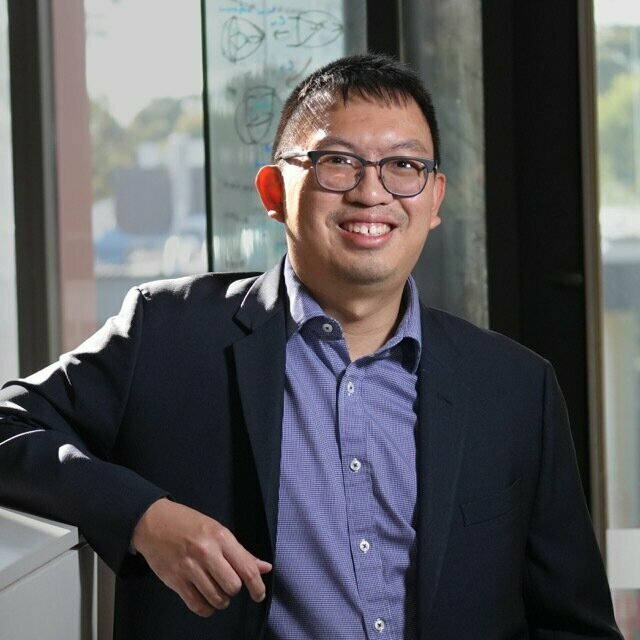
Concurrent Degrees (Mathematical Physics, Engineering)
2012 - B.Sc + M.Sc - National University of Singapore
2011 - BSE + MSE - Ecole Polytechnique, France
Graduate School in Astrophysics
2017 - AM/PhD - Harvard University
Postdoctoral Fellow
NASA Hubble Fellow - Institute for Advanced Study, Princeton
Carnegie-Princeton Fellow, Princeton University
(yes, we have tigers)
2021 - Assistant Professor (CS + Astro)
2022 - Associate Professor (CS + Astro) - Australian National University
2024 - now - Associate Professor (Astro, CCAPP) - OSU




2024 - now - Adjunct Scientist - Max Planck Institute for Astronomy




Astronomy
Statistics
A.I.
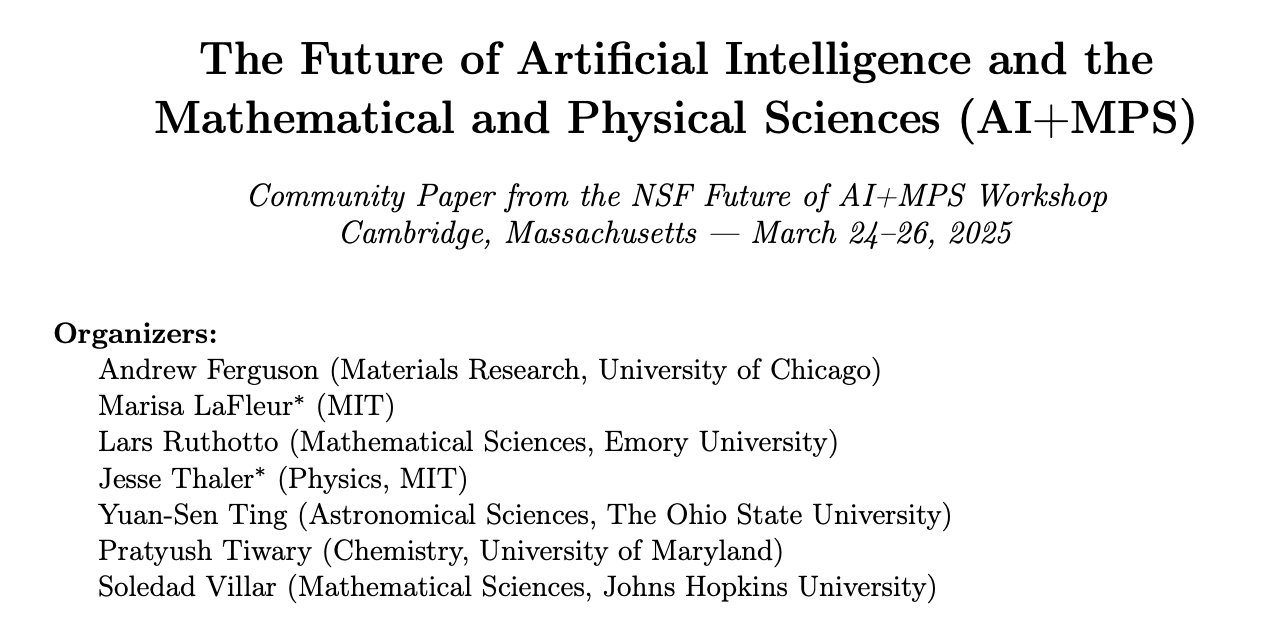
NSF's white paper on
AI for Science
astronomy lead author
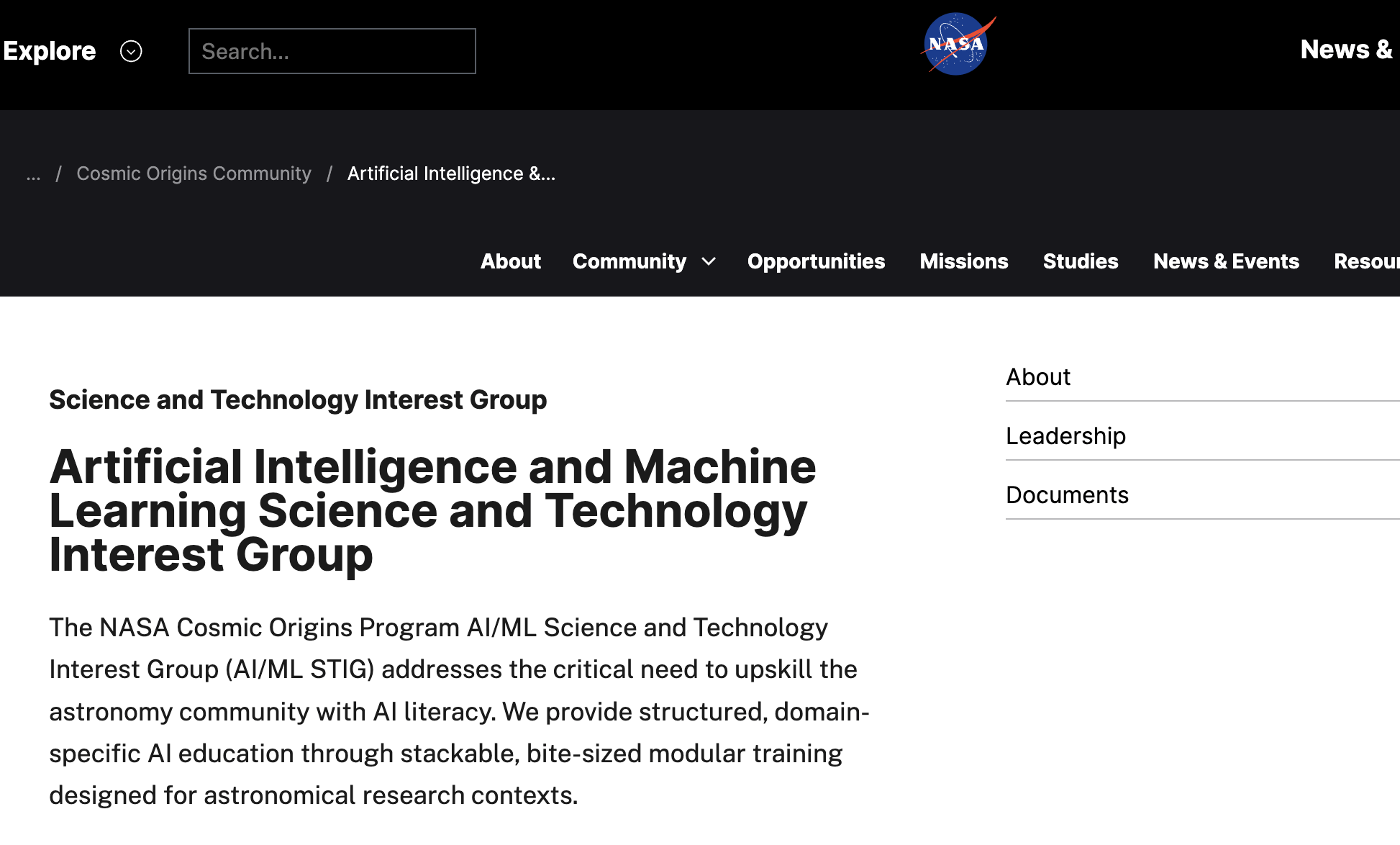
NASA AI/ML Group
inaugural chair
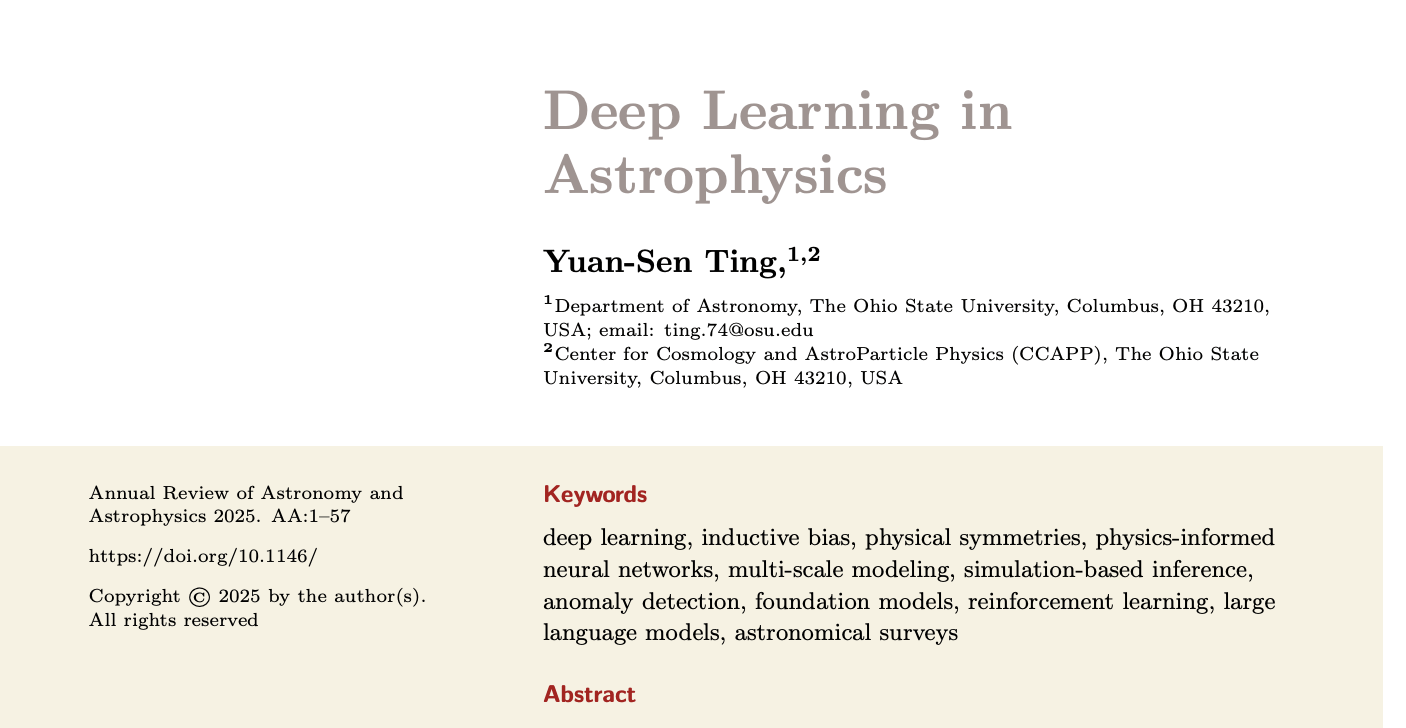
Annual Review of Astronomy and Astrophysics
OSU's astronomy is as good as its football team
consistently ranked top 15-20 globally in space science (e.g., US News & World Report) ...

and has a unique research profile
well-positioned for the AI era
Cosmology
leadership in
the DESI survey and Roman Space Telescope
Stellar astrophysics, galaxy evolution
leadership in the
Sloan Digital Sky Survey
Time Domain Astronomy
leadership in transient surveys,
operates one of the world's largest 8m telescopes (LBT)
Instrumentation
and we build instruments for all of the above
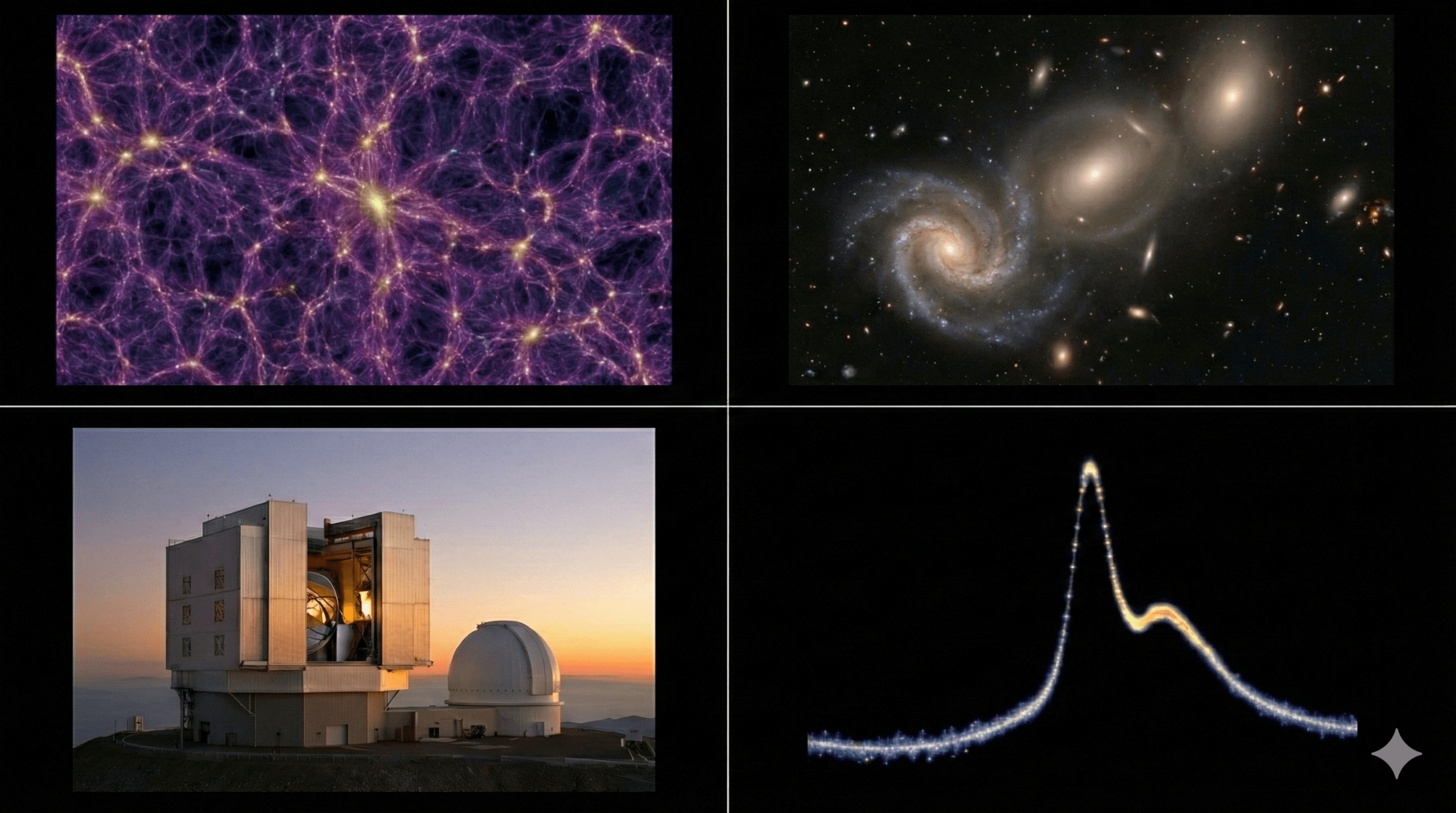
OSU has one of the largest footprints in 2 cosmology flagships
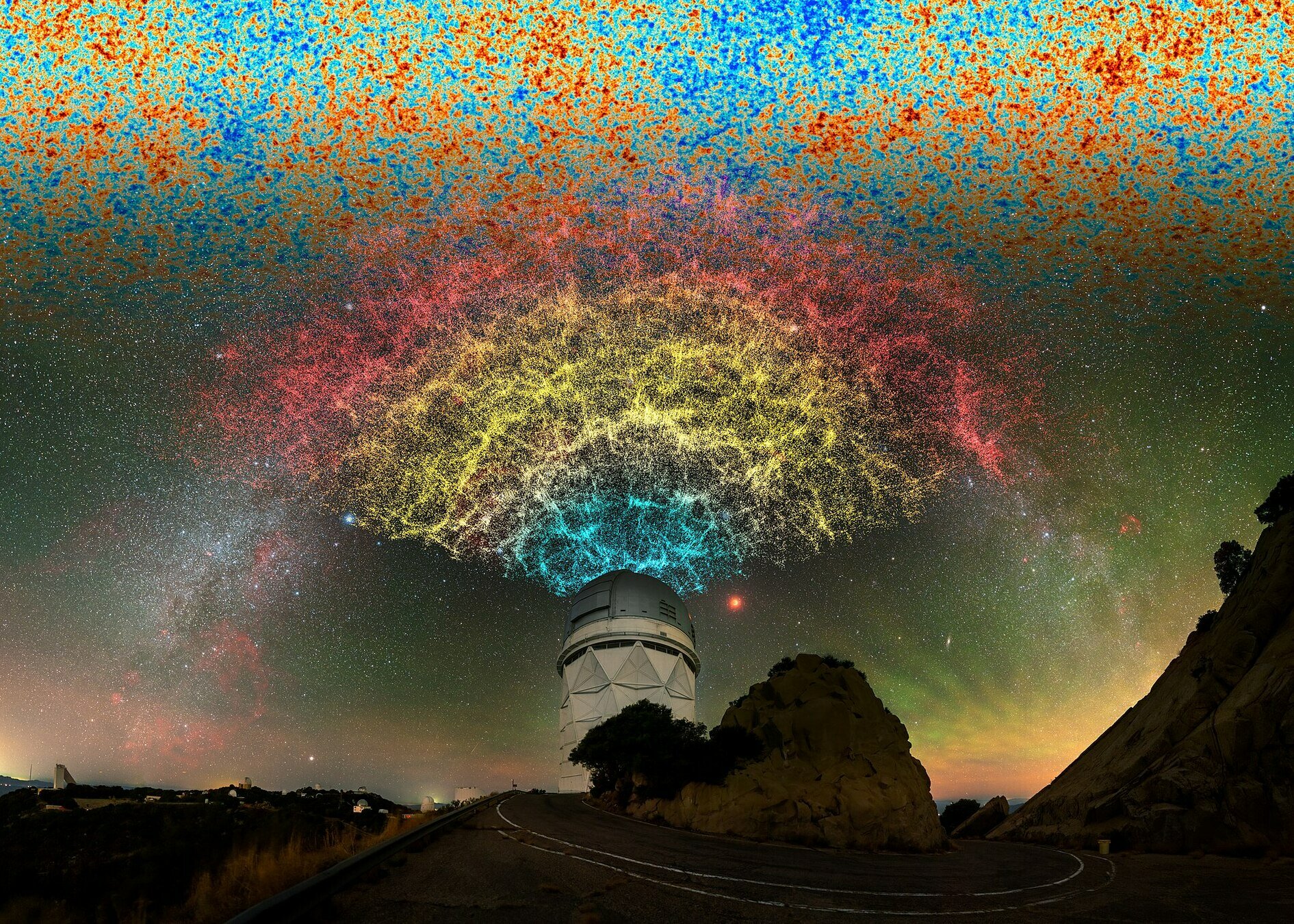
Dark Energy
Spectroscopic
Instrument (DESI)
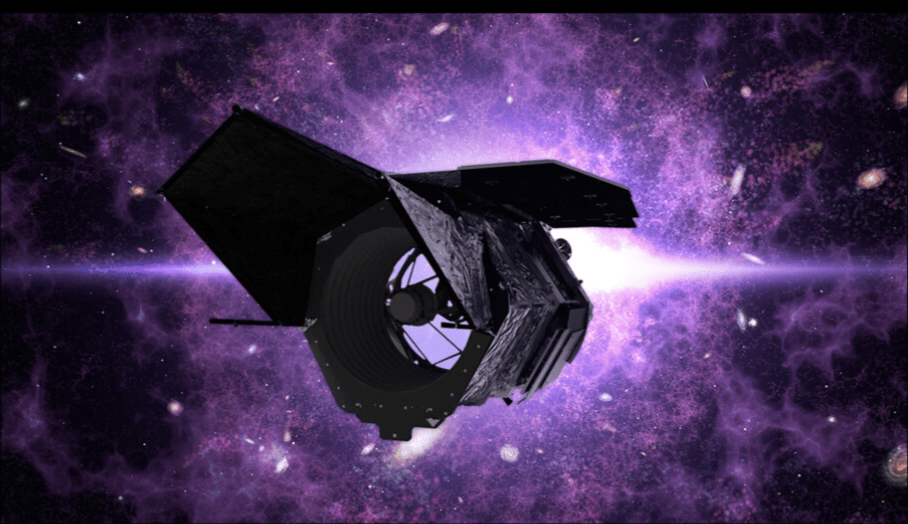
Roman Space Telescope (2026-)
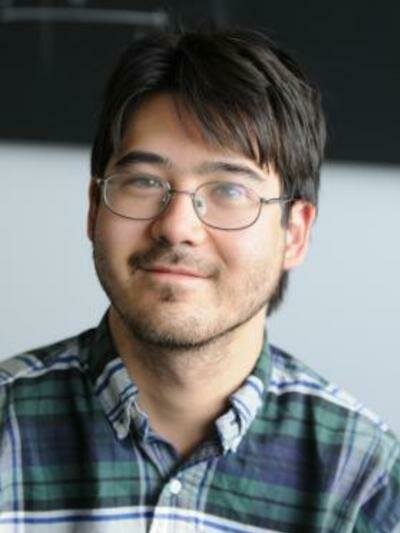
Chris Hirata
Co-Spokesperson -
Roman Science Collaboration
Dannie Heineman Prize for Astrophysics
David Weinberg
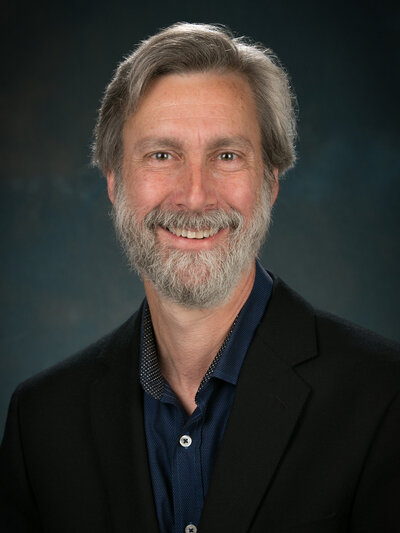
Co-chair of
Shear & Clustering
Measurement group
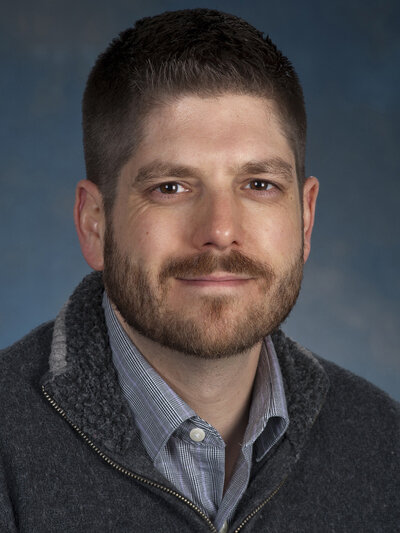
Scott Gaudi
Co-chair of the National Academy of Sciences Exoplanet Science Strategy
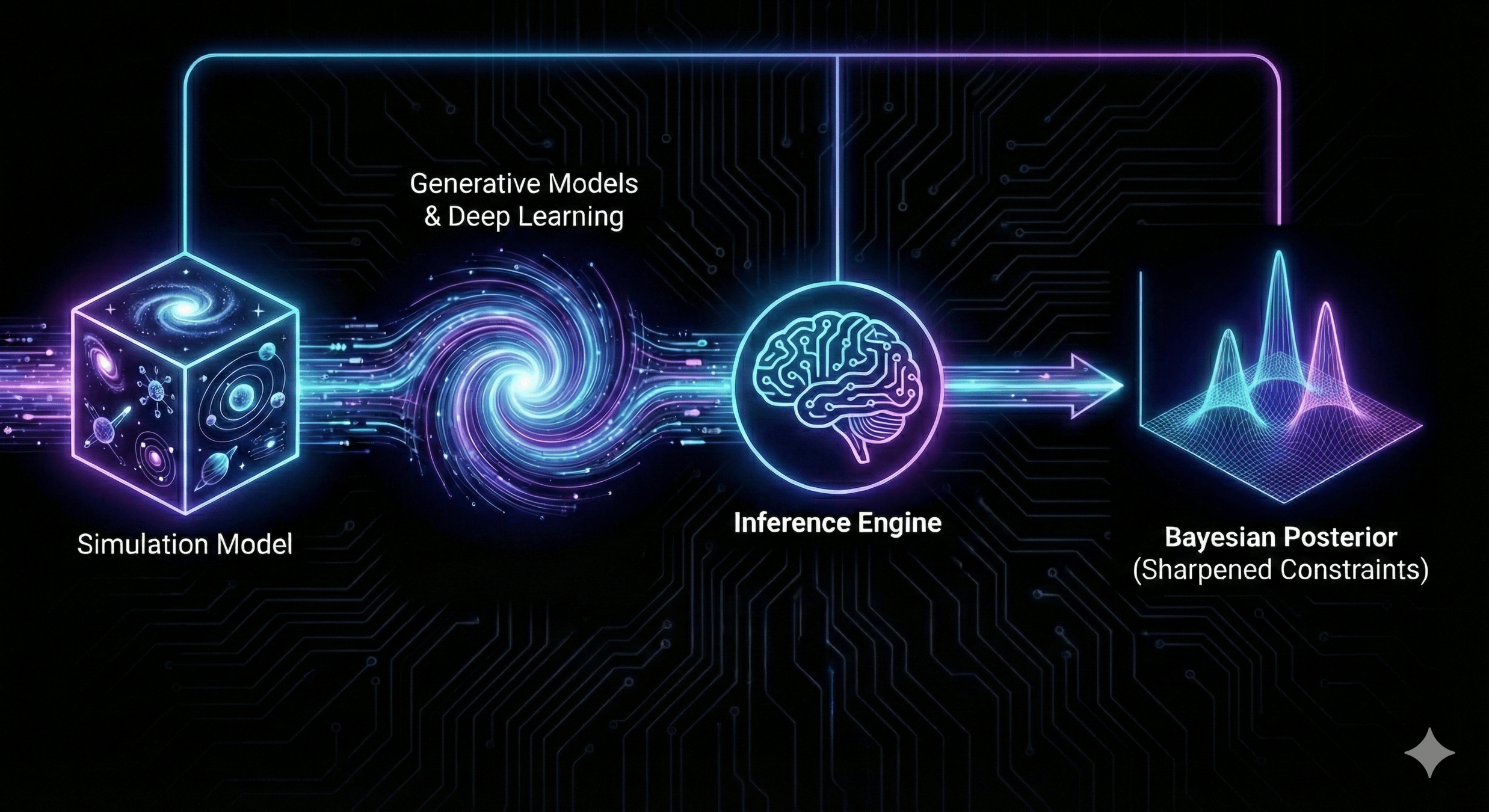
Key research direction:
Generative models for high-dimensional Bayesian inference - uncertainty quantification
Klaus Honscheid
Ashley Ross
Lead Data Validation Group
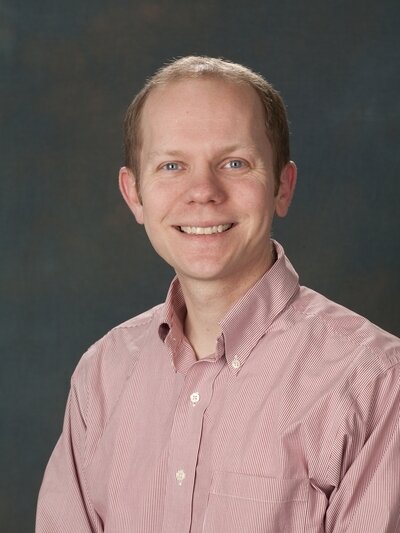
Paul Martini
Co-Lead of
latest cosmology results

Lead
Instrument Scientist
Dark Energy Spectroscopic Instrument (DESI)
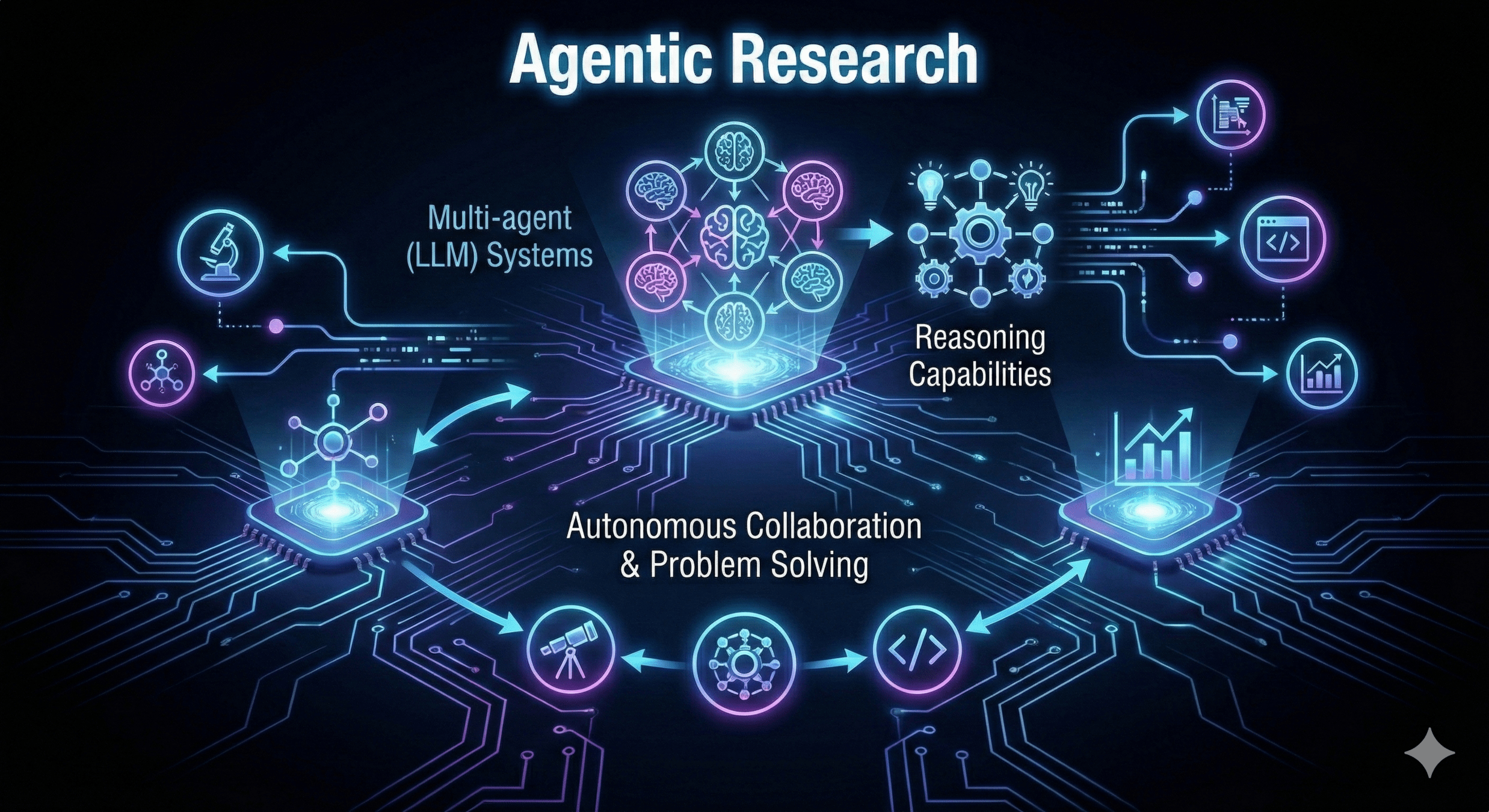
Key research direction:
Agentic instrumentation control at scale for the most important cosmological probe
Stellar astrophysics, galaxy evolution
leadership in the
Sloan Digital Sky Survey
OSU has a long tradition of leading
the SDSS surveys
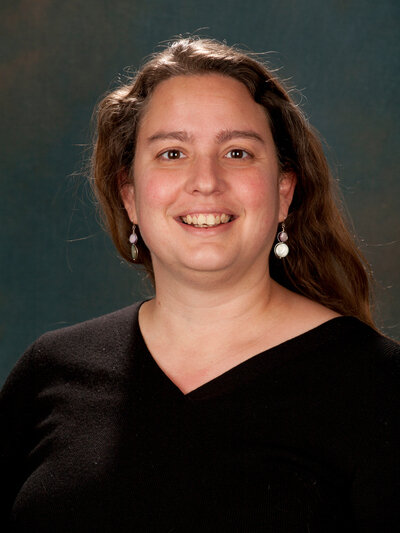
Four Spokespersons - including David Weinberg (SDSS-II), Jennifer Johnson (SDSS-IV)
and the newly minted SDSS-V spokesperson - Emily Griffith, our recent graduate
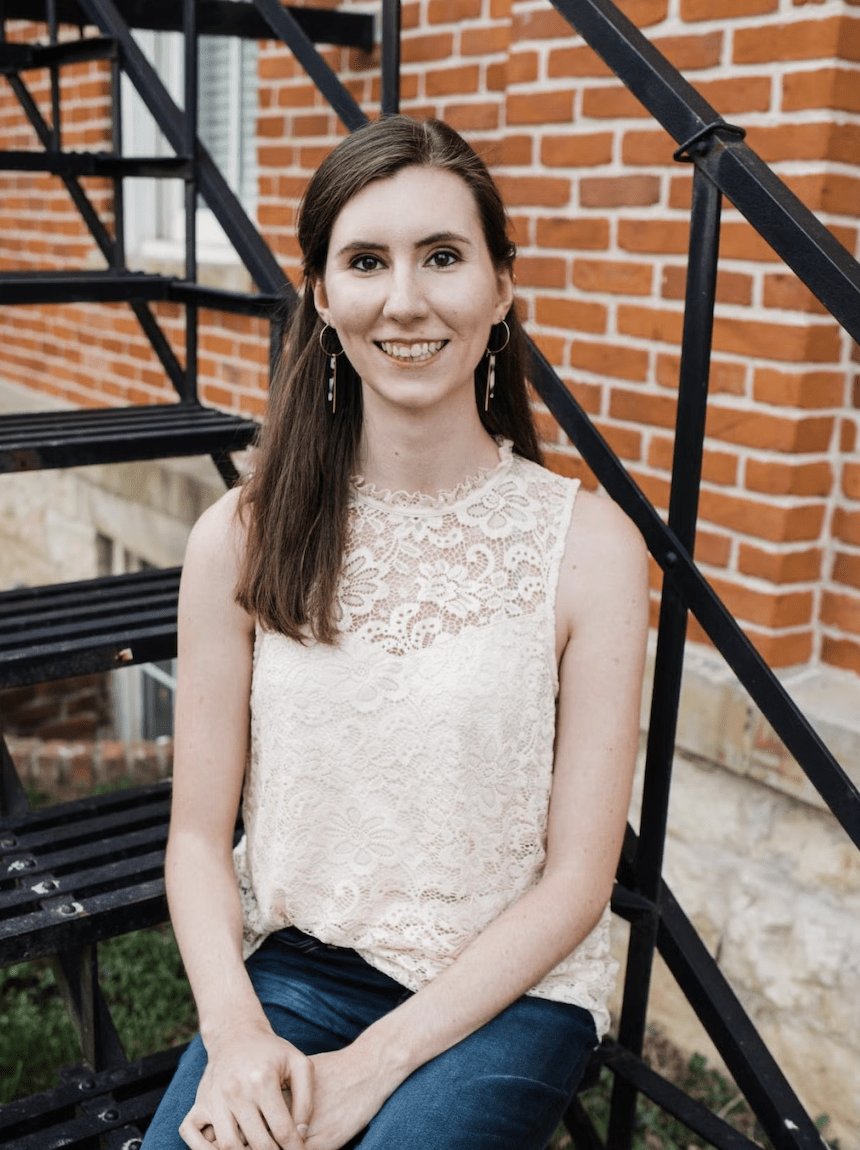
also the current SDSS-V director (Juna Kollmeier, earlier graduate), former program head, former project scientist, instrument scientist ...
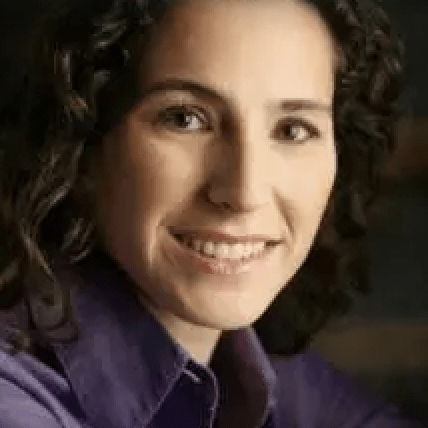
Emily Griffith
OSU is widely recognized as a cradle for astronomy leaders
NASA Hubble Fellow class 2025
24 awarded globally; 3 from OSU—from a graduating class of just 3–5 students

Dominick Rowan

Caprice Phillips
Time Domain Astronomy
leadership in transient surveys,
operates one of the world's largest 8m telescopes (LBT)
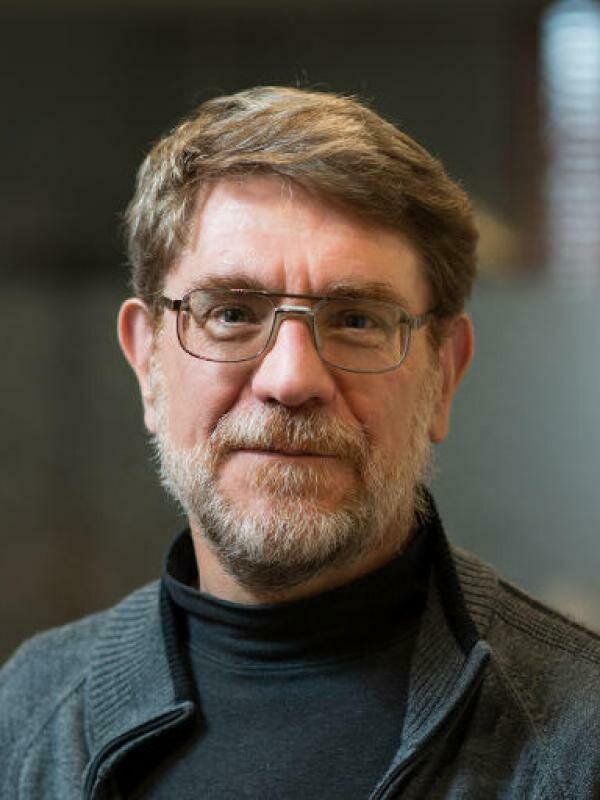
All-Sky Automated Survey for Supernovae
Christopher
Kochanek
Dannie Heineman Prize
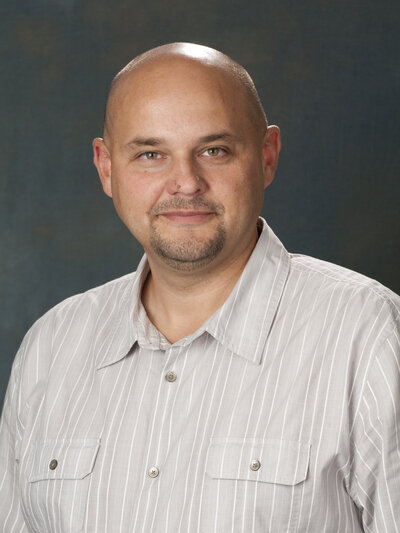
Kris Stanek
Beatrice M. Tinsley Prize
Beatrice M. Tinsley Prize
Guggenheim Fellowship
Took images of the sky fourteen million times
A long list of Hubble Fellows working on ASAS-SN:
José Luis Prieto (2009),
Benjamin Shappee (2014),
Tom Holoien (2020),
Tharindu Jayasinghe (2022), Dominick Rowan (2025)
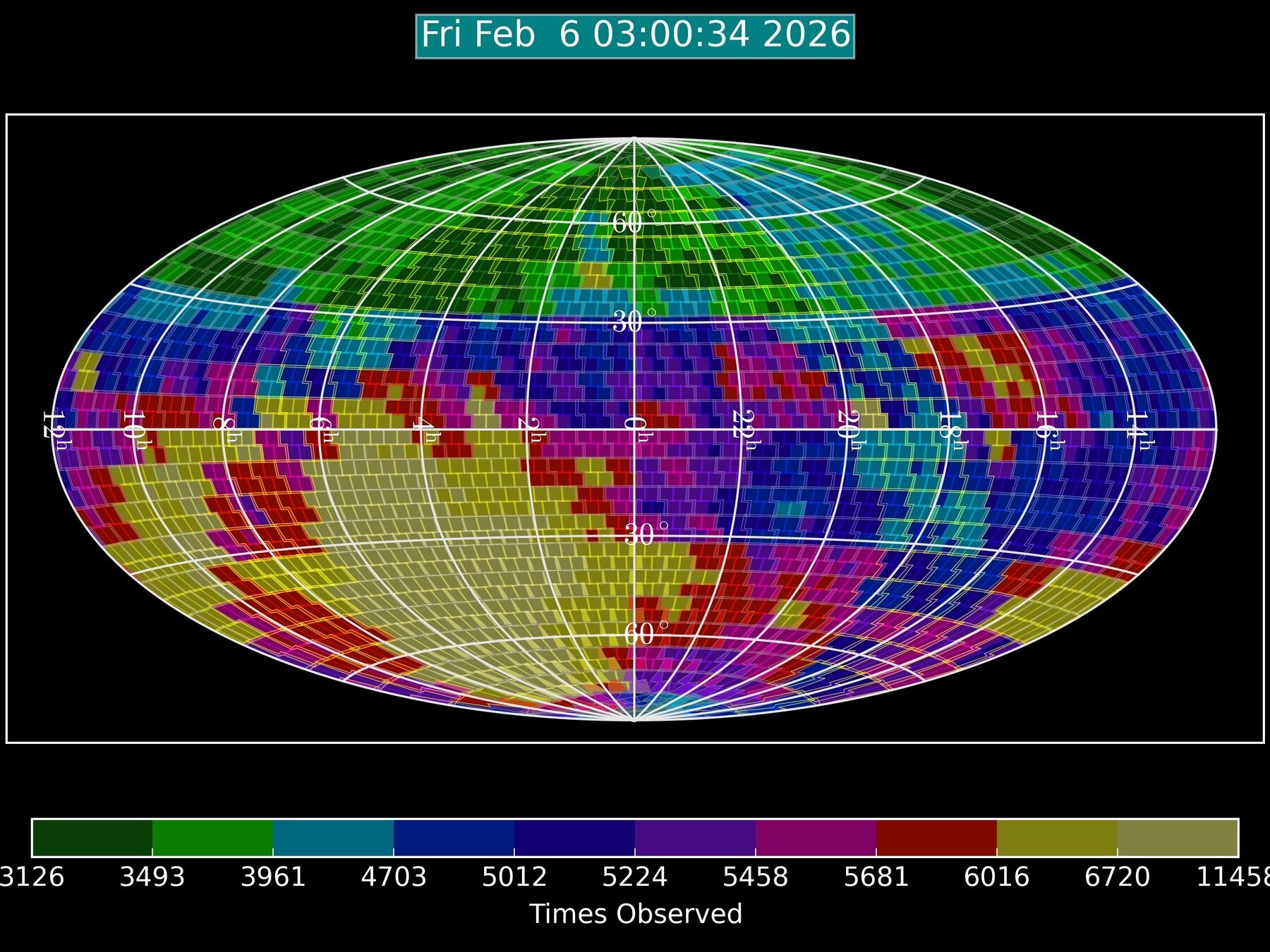
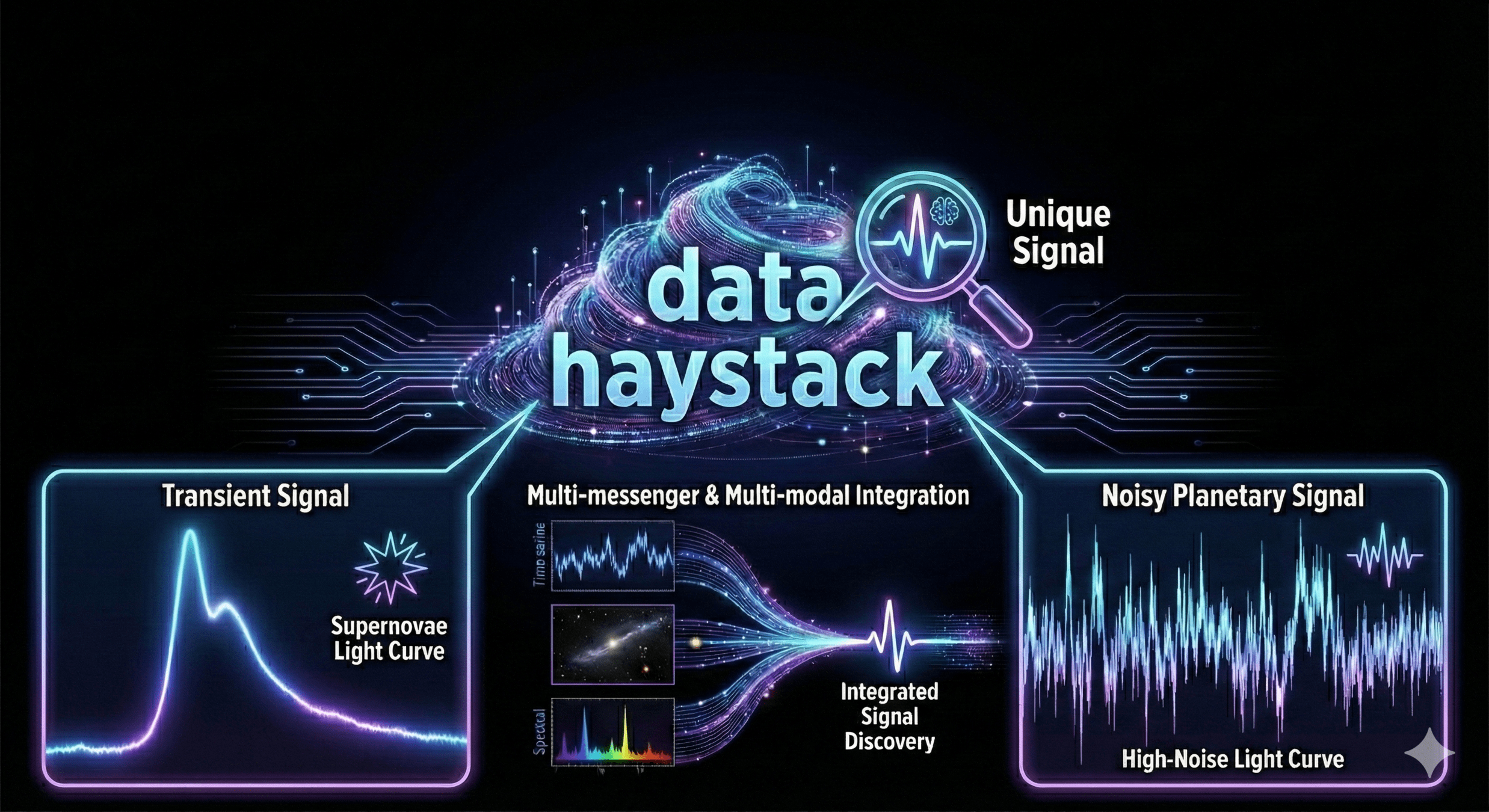
Key research direction:
Multimodal foundation models for robust latent representation extraction
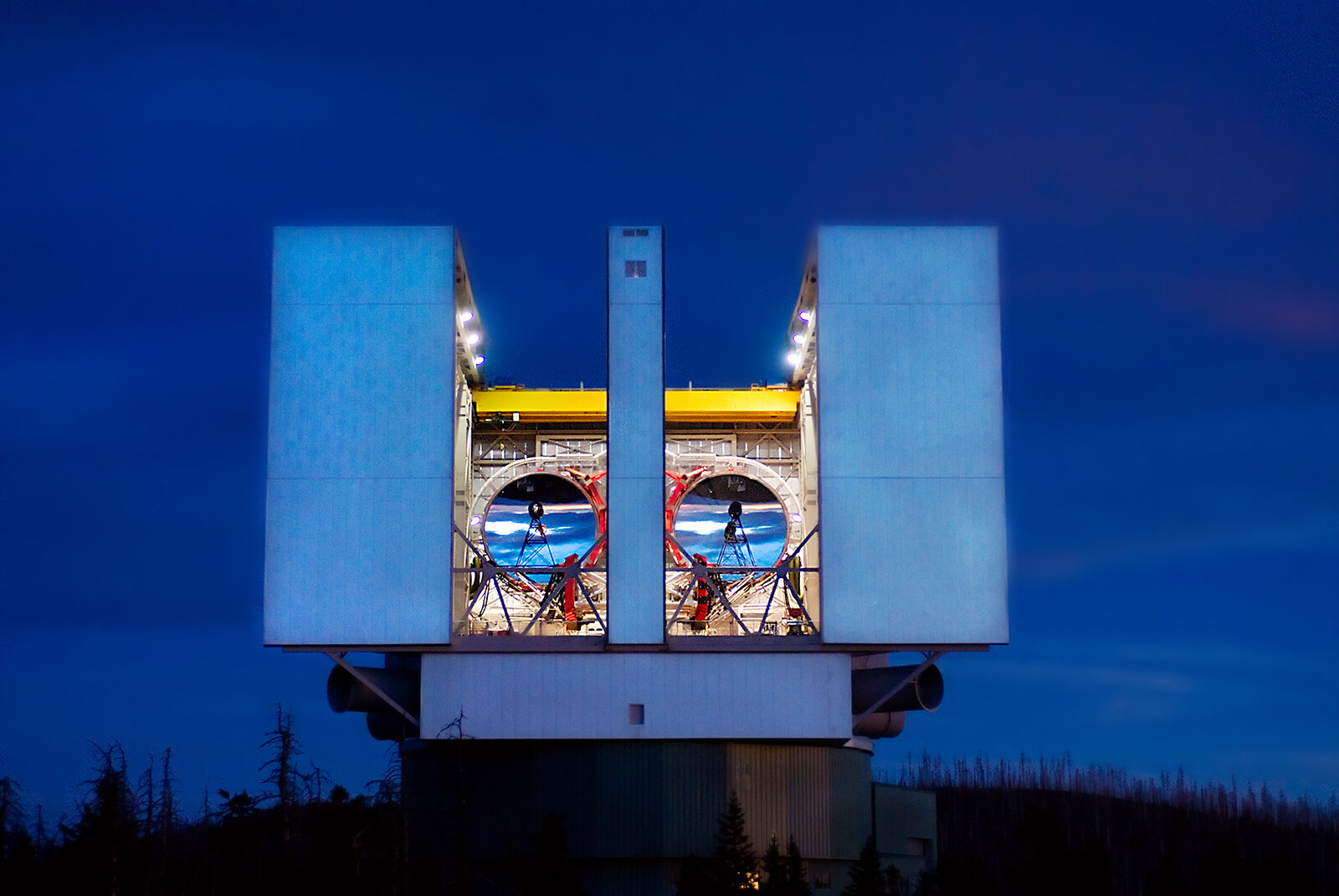
The department has among the largest allocations of resources per investigator in terms of 8m telescope time (~40 nights / year)
One night of operation = the cost of funding a postdoc for a year
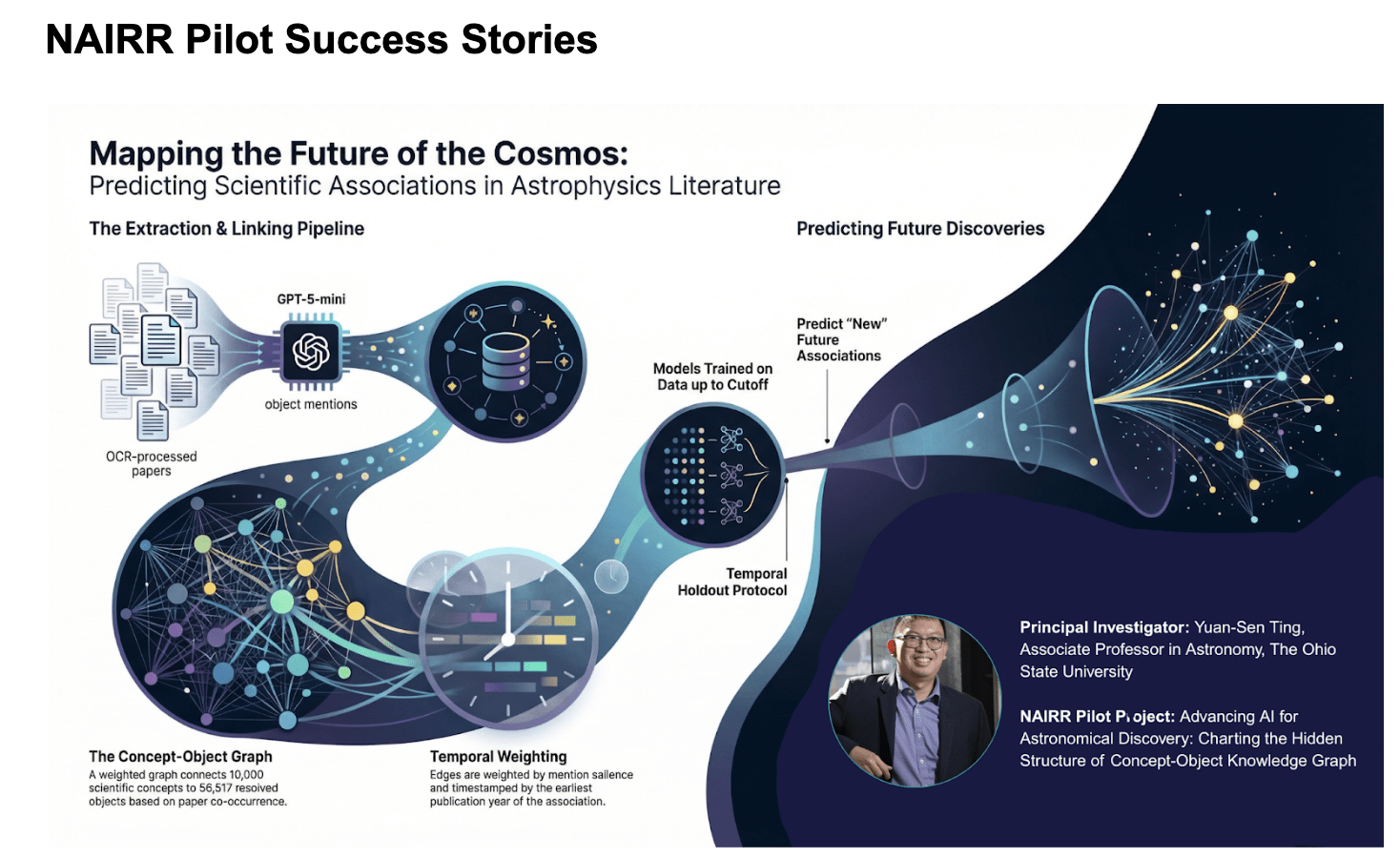
On NSF's highlight and communication channels.
Funded through NSF NAIRR Program
Key research direction:
Constructing knowledge graphs (of concepts + celestial objects) to optimize the chance of targeting interesting objects
Instrumentation
and we build instruments for all of the above + particle / neutrino physics!
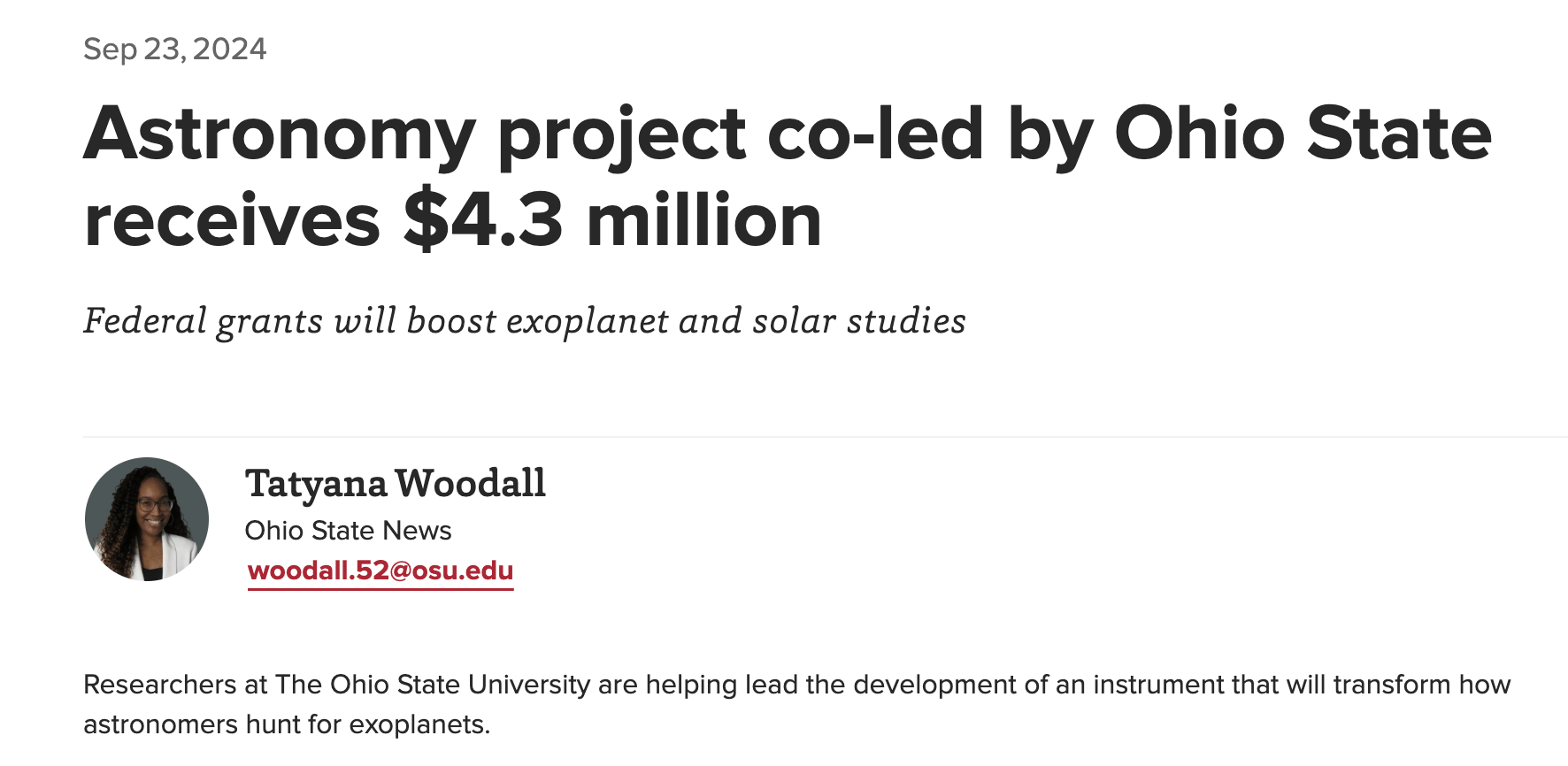
OSU is a major instrument builder for the Large Binocular Telescope
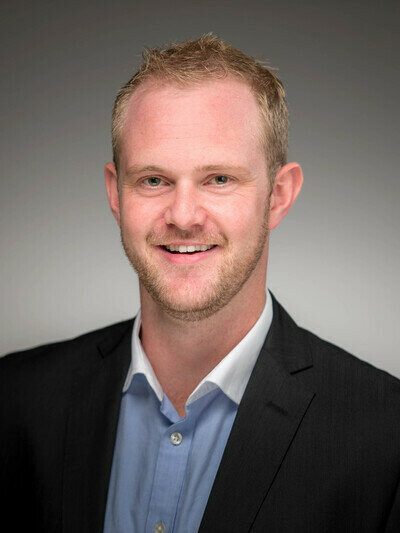
Jonathan Crass
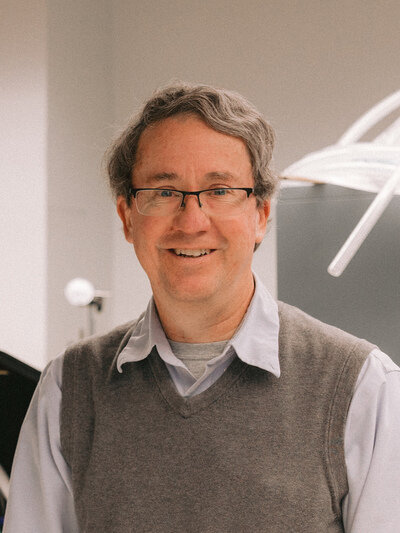
Rick Pogge
Jonathan Crass
Rick Pogge
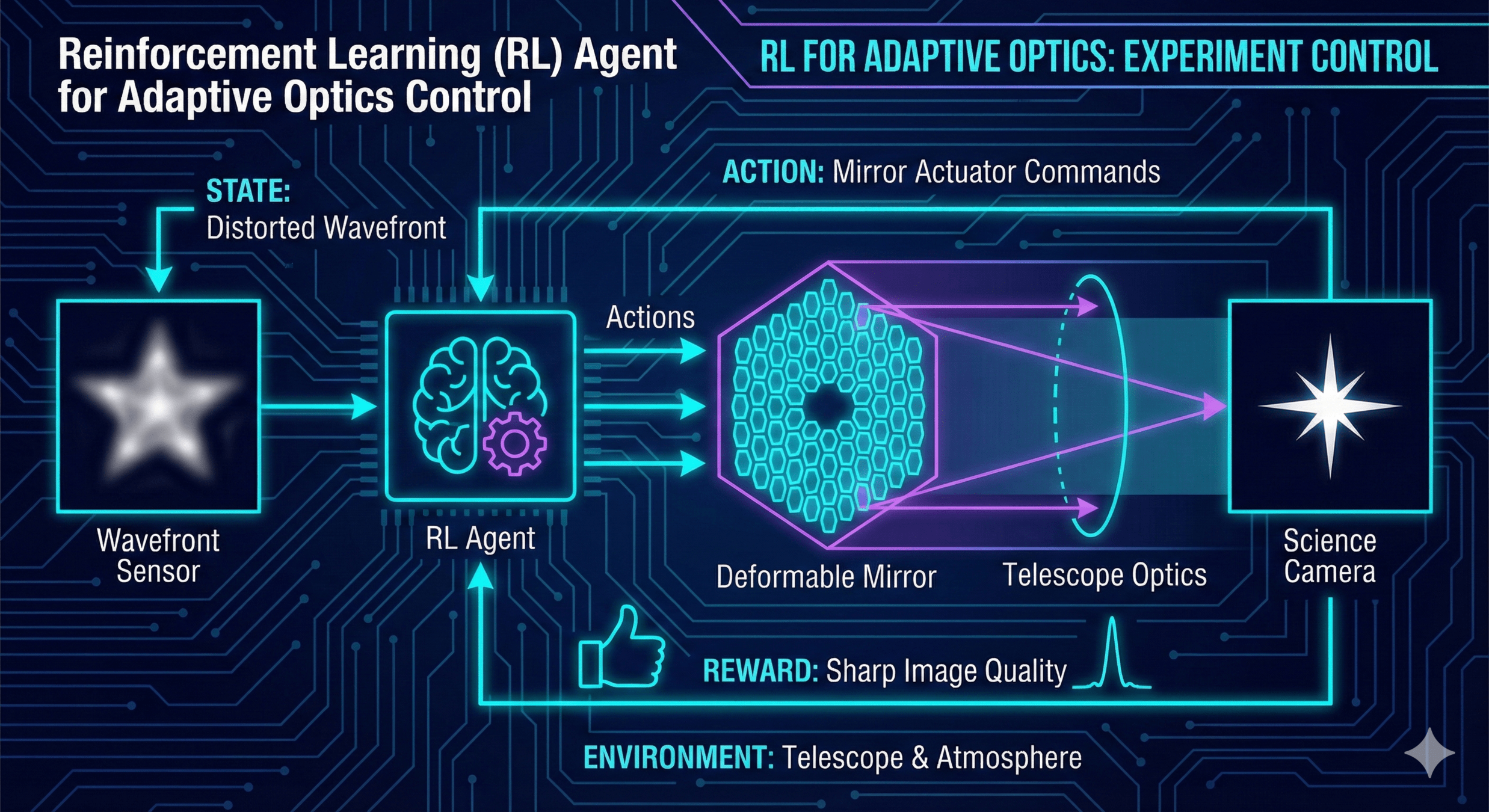
Key research direction:
Reinforcement learning for instrument control (e.g., adaptive optics)
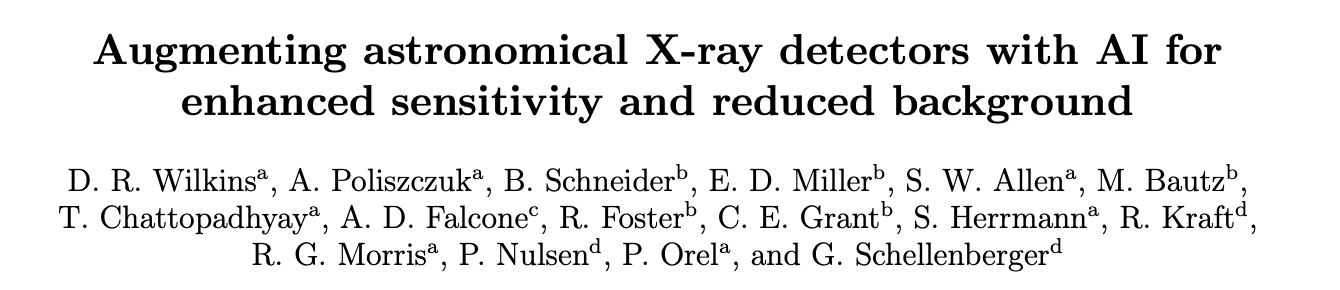
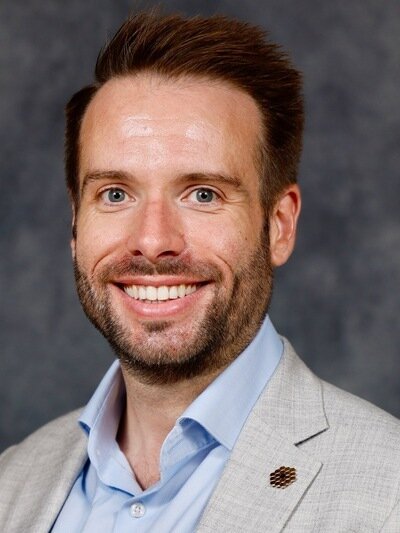
Dan Wilkins
AHHH... I am running out of time, and I have not even told you about AI for astrophotonics, exoplanet detection....
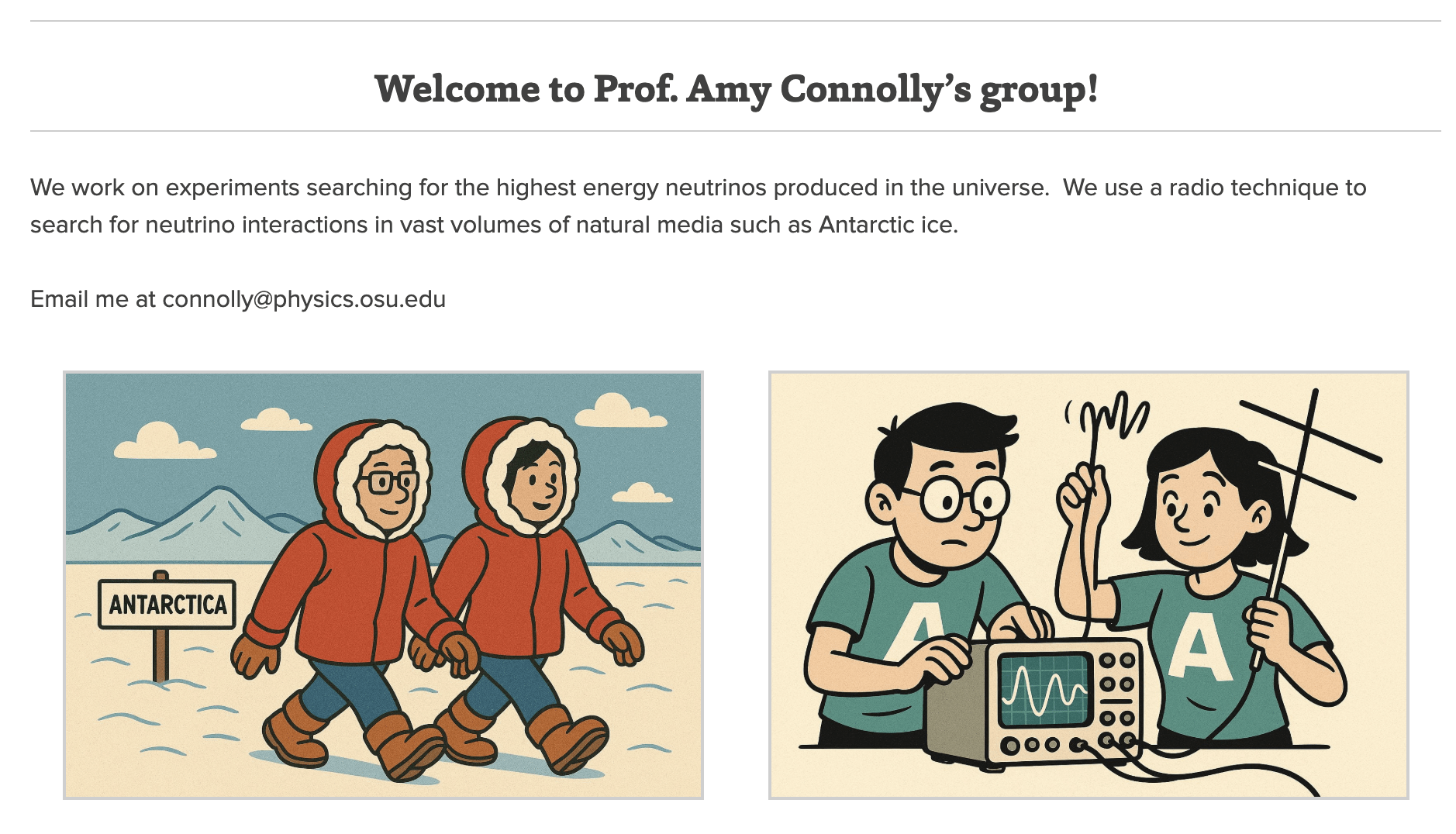
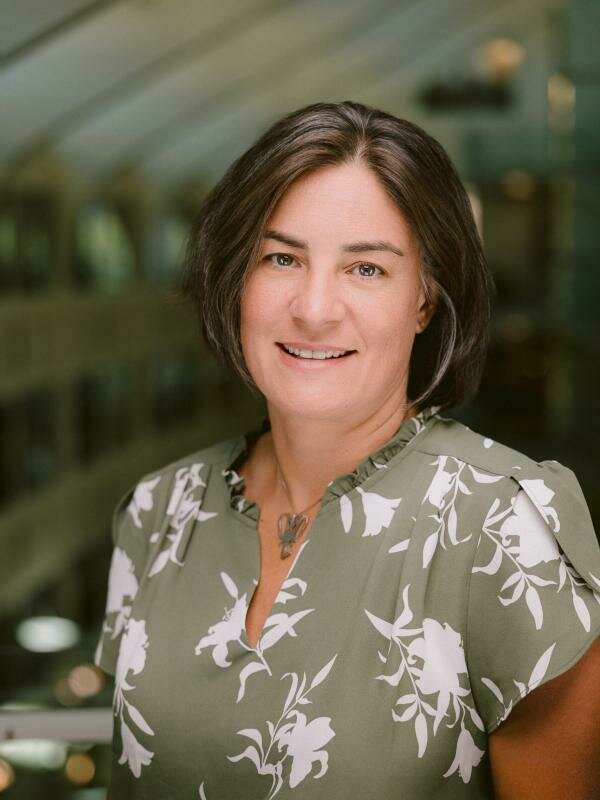
Amy Connolly
Neutrino detectors!
Cosmology
Generative models + uncertainty quantification
Stellar astrophysics, galaxy evolution
Time Domain Astronomy
Instrumentation
Reinforcement learning for experimental control
Agentic science at scale
Agentic science at scale
Multimodal Foundational Models
Knowledge graphs + recommender systems
OSU has one of the largest astronomy programs globally
4th largest undergraduate program in astronomy in the country
Department of Astronomy itself has 22 active faculty members, 29 postdocs / research scientists, 31 graduate students
Center for Cosmology and AstroParticle Physics (CCAPP) itself has 32 faculty members, 25 postdocs / research scientists, 54 graduate students
New AI x Astro Initiative at OSU led by myself
casper-osu.com
Google Visit
By Yuan-Sen Ting