So...
Where's the Math?
Tamara Johns
Anurag Katyal
Palm Beach State College

Acknowledgements
-
STEM Articulation and Transfer Collaborative Project (NSF Award # 1928343)
- PI - Dr. Becky Mercer, Palm Beach State College
-
www.palmbeachstate.edu/satc
Any opinions, findings and conclusions or recommendations expressed in this material are those of the author(s) and do not necessarily reflect the views of the National Science Foundation.
Look for the helpers
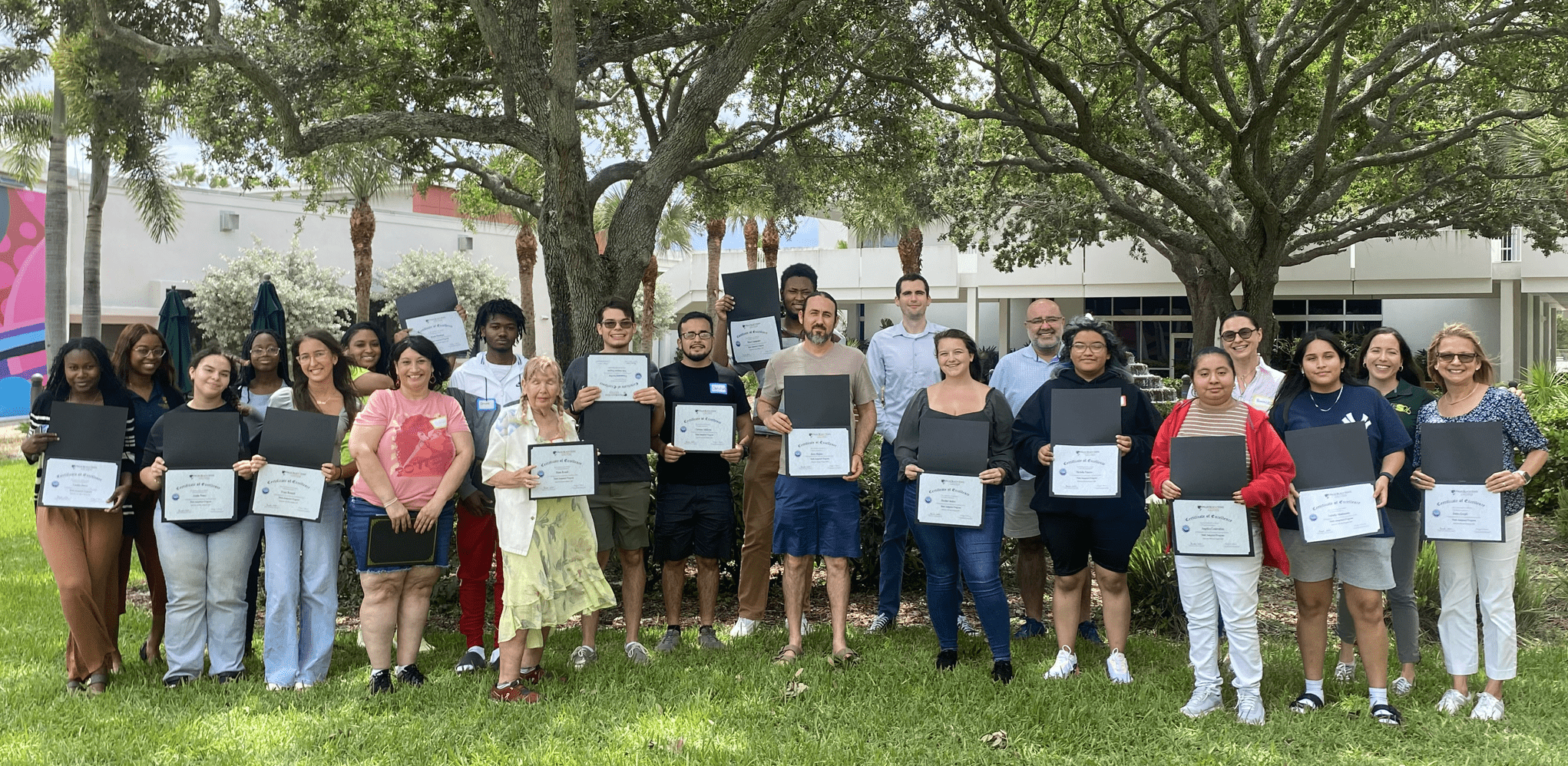
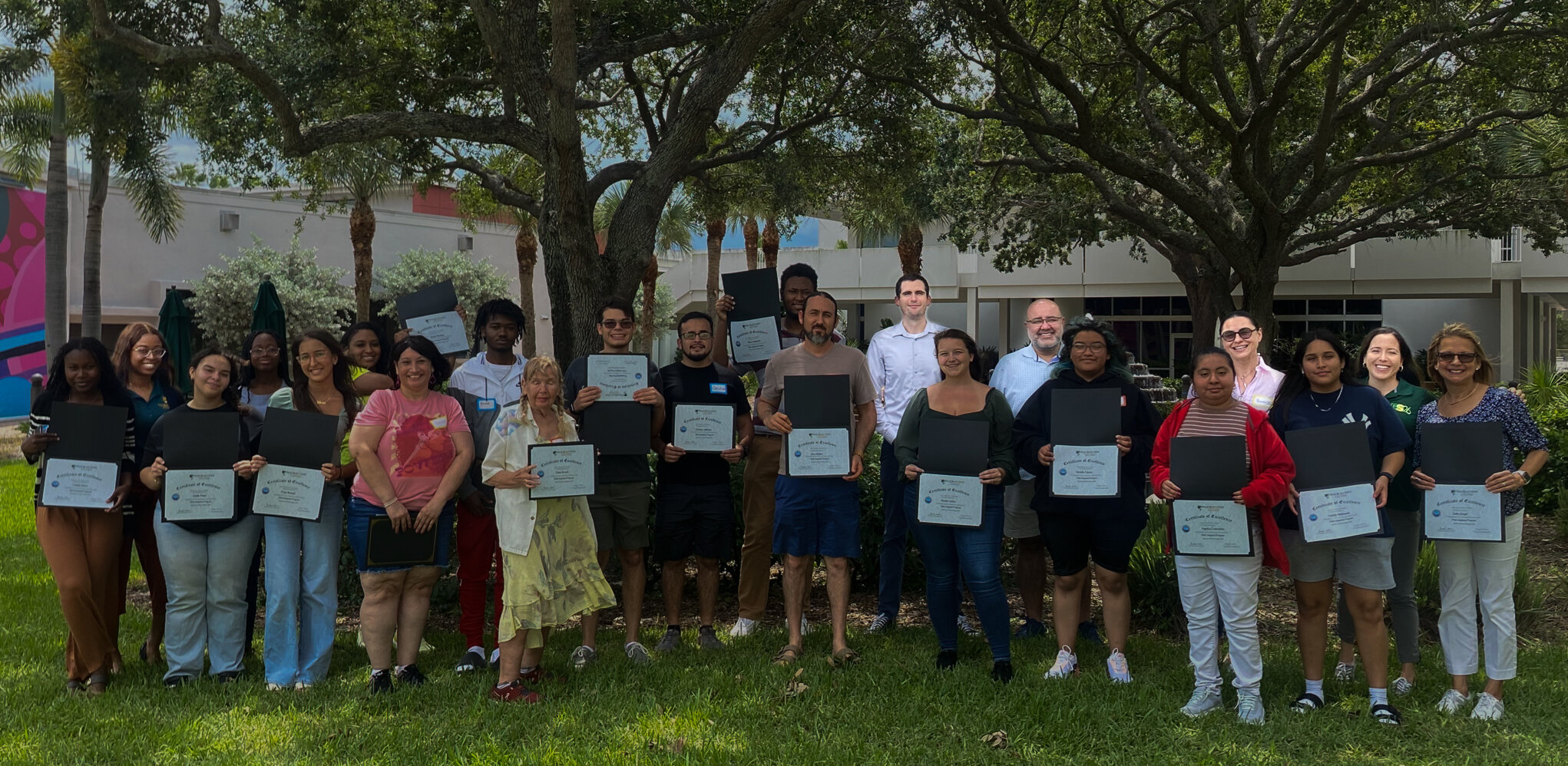
The Best Team!
Jada
Brooks
Brandon
White
More of The Best Team!
Tamara
Johns
Lauren
Zatto
The Challenge
-
Weak foundational skills - Integer operations, order of operations
-
Low confidence - Previous negative experiences with math
-
Disconnected knowledge - Inability to see connections between concepts
-
Engagement barriers - Traditional instruction often fails to motivate
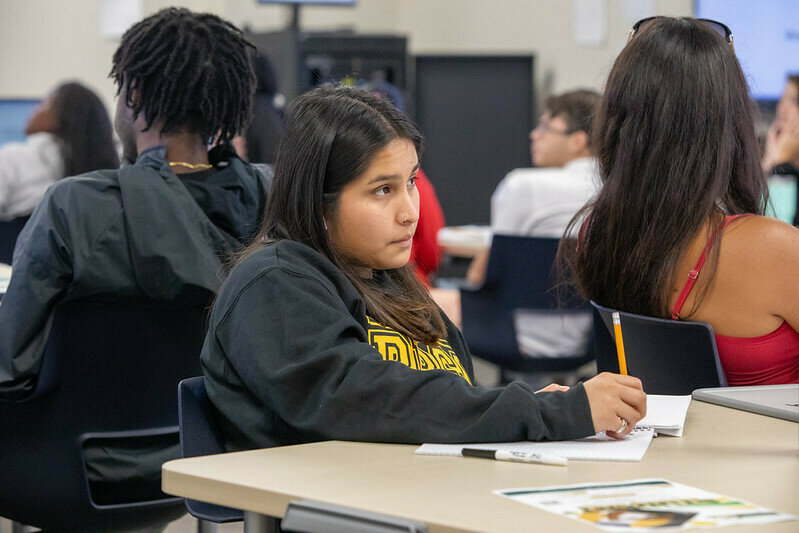
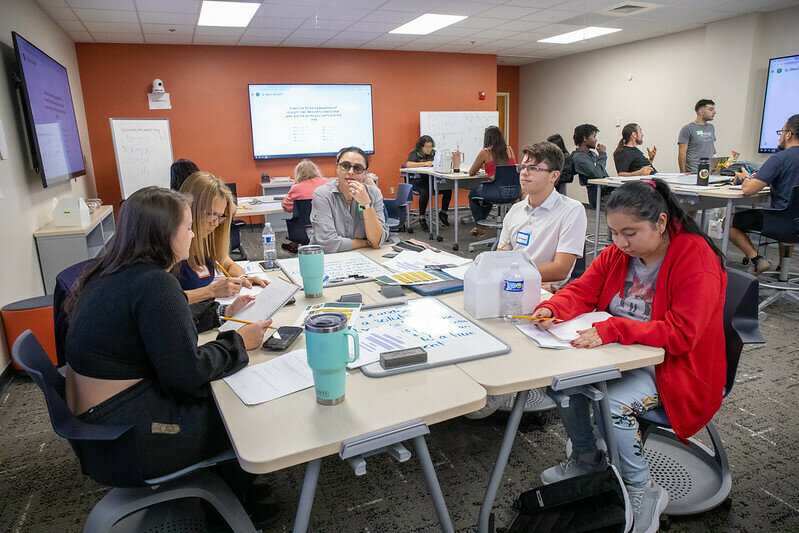
Our Approach: Math Jumpstart
-
Intensive Format - One week before semester start (9 am - 4 pm).
-
Target Audience - Students entering Intermediate & College Algebra
-
Focus Areas - Integer operations, order of operations, fractions, solving linear equations, and graphing straight lines, growth mindset
-
Interactive Games - Mathematical content embedded in engaging activities

Game-Based Learning
Pattern Recognition
Games help students see mathematical structures
Strategic Thinking
Students develop problem-solving approaches
Memory Consolidation
Repeated practice in varied contexts strengthens recall



Cognitive Benefits
Game-Based Learning
Reduced Math Anxiety
Low-stakes environment removes performance pressure
Intrinsic Motivation
Games tap into natural competitiveness and curiosity
Social Learning
Peer interaction normalizes struggle and celebrates success


Immediate Feedback
Players know instantly if their mathematical reasoning is correct

Psychological Benefits
-
Increased Participation
-
Peer Teaching
-
Persistence
-
Transfer
Successes
-
Skepticism
-
Resource Allocation
-
Reflection Time
-
Clear Mathematical Objectives
Challenges
Early Observations
-
Pre vs Post test scores (50% to 75%)
-
85% of participants reported increased confidence
-
95% said they enjoyed the collaborative learning experience
-
78% demonstrated improved integer operation fluency
Preliminary Data (2024)
-
Pre vs Post test scores (64.5% to 79.3%)
-
88% of participants reported increased confidence
-
100% said they enjoyed the collaborative learning experience
-
85% demonstrated improved integer operation fluency
Preliminary Data (2025)
Student Data
| 2024 | 2025 | |
|---|---|---|
| Pre-test average | 50% | 65% |
| Post-test average | 75% | 80% |
| Reported increased confidence | 85% | 88% |
| Enjoyed the collaborative learning experience | 95% | 100% |
| Improved integer operation fluency | 78% | 85% |
Student Data
| 2024 | 2025 | |
|---|---|---|
| Total Sign Ups | 25 | 29 |
| Completed Program | 19 | 19 |
| Took Math Course | 17 | 12 |
| Passed Math Course | 10 | 11 |
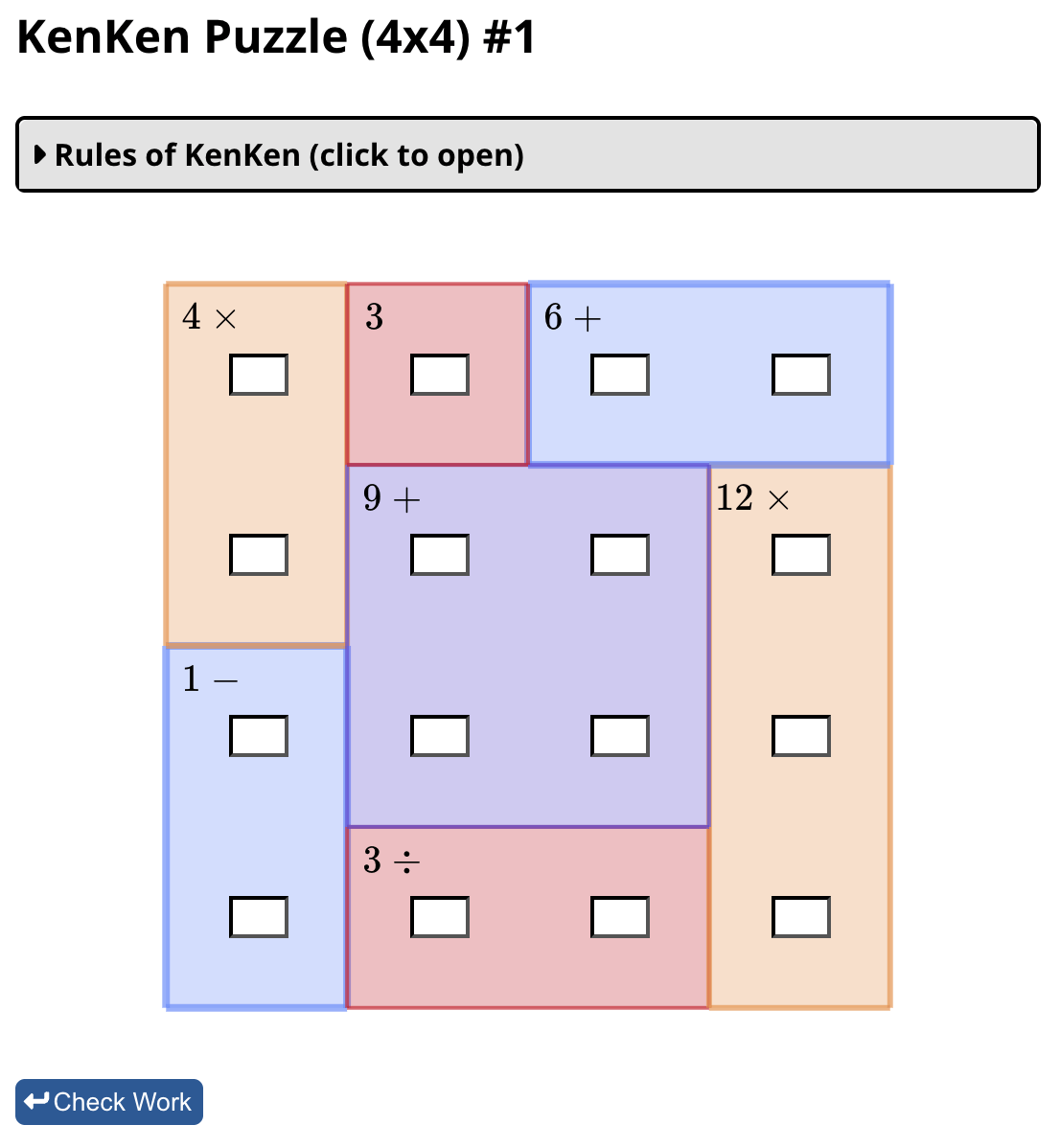
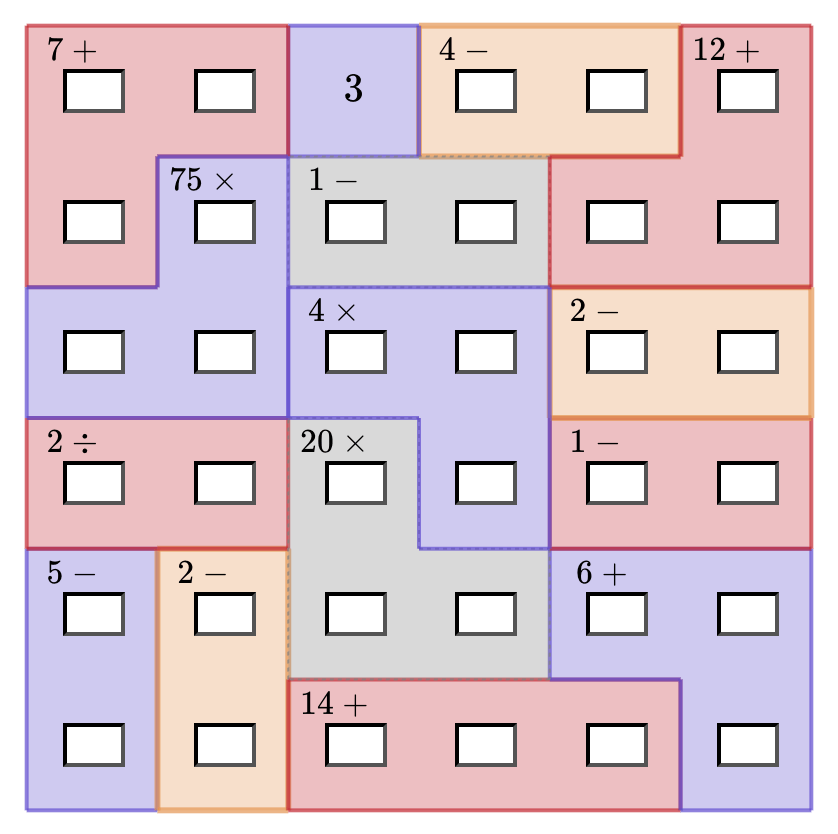
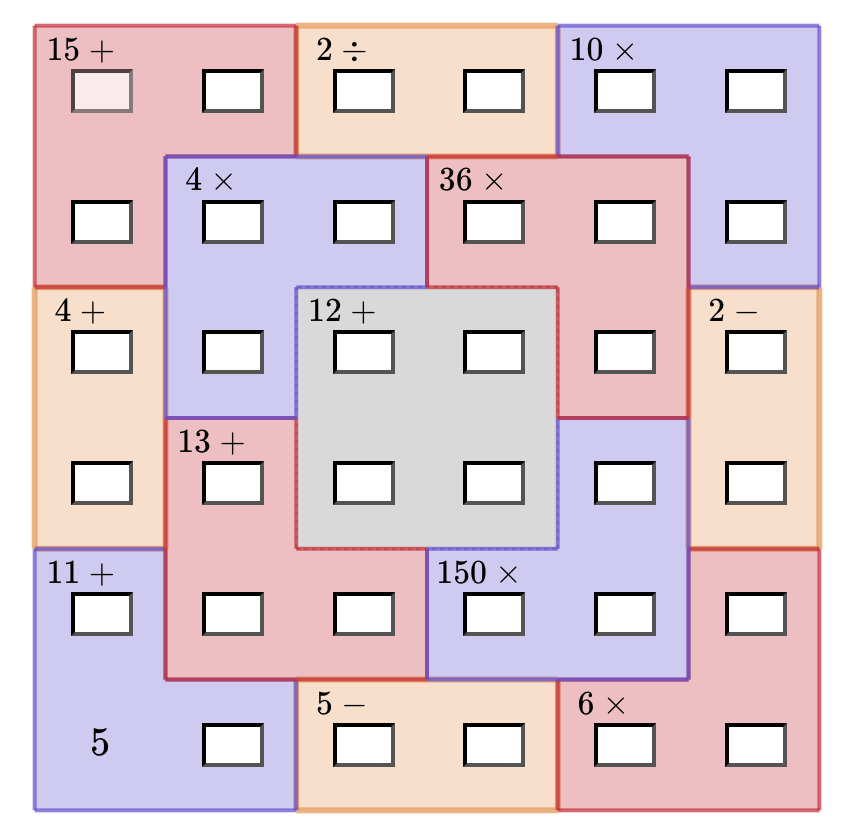
KenKen

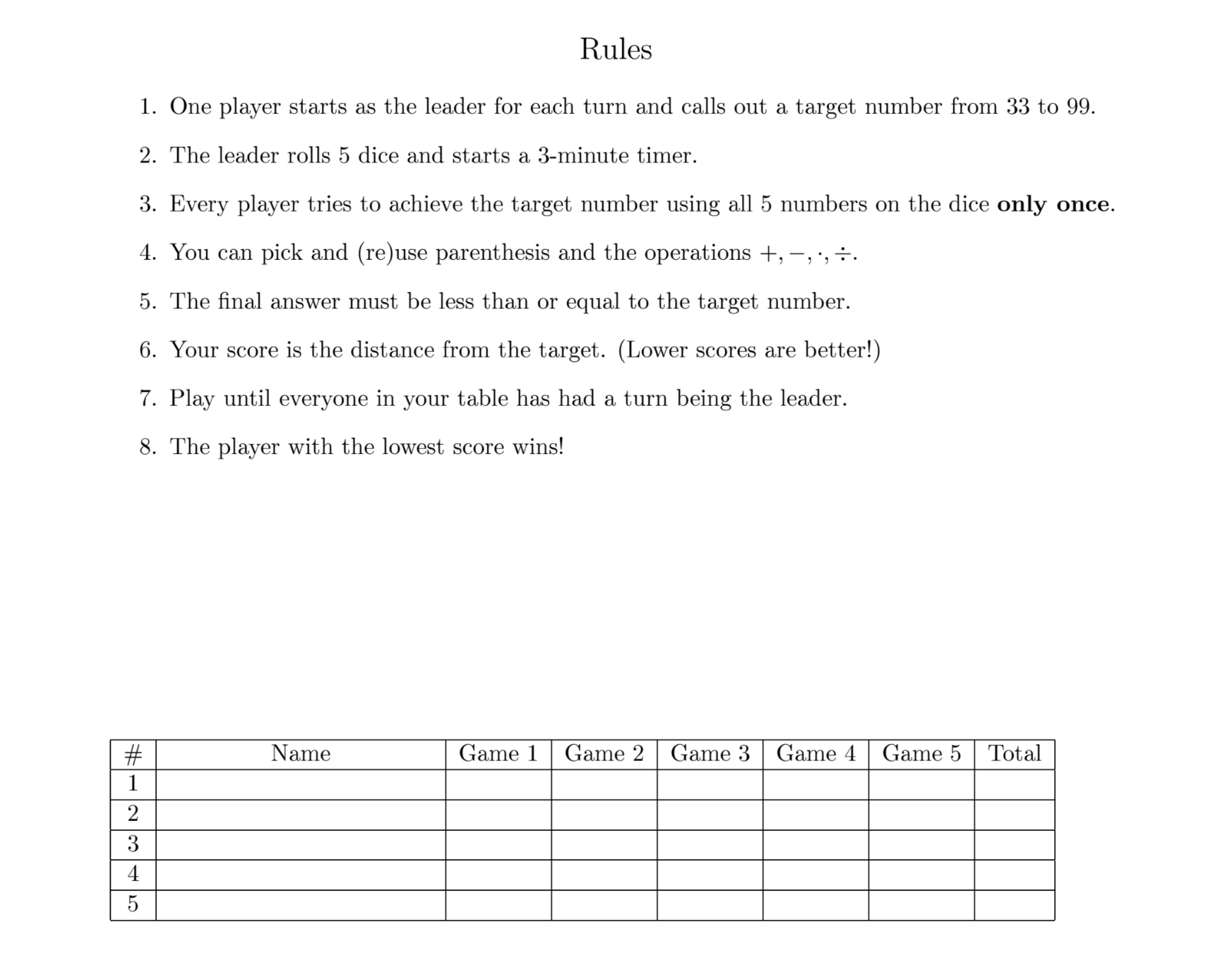
The 5's
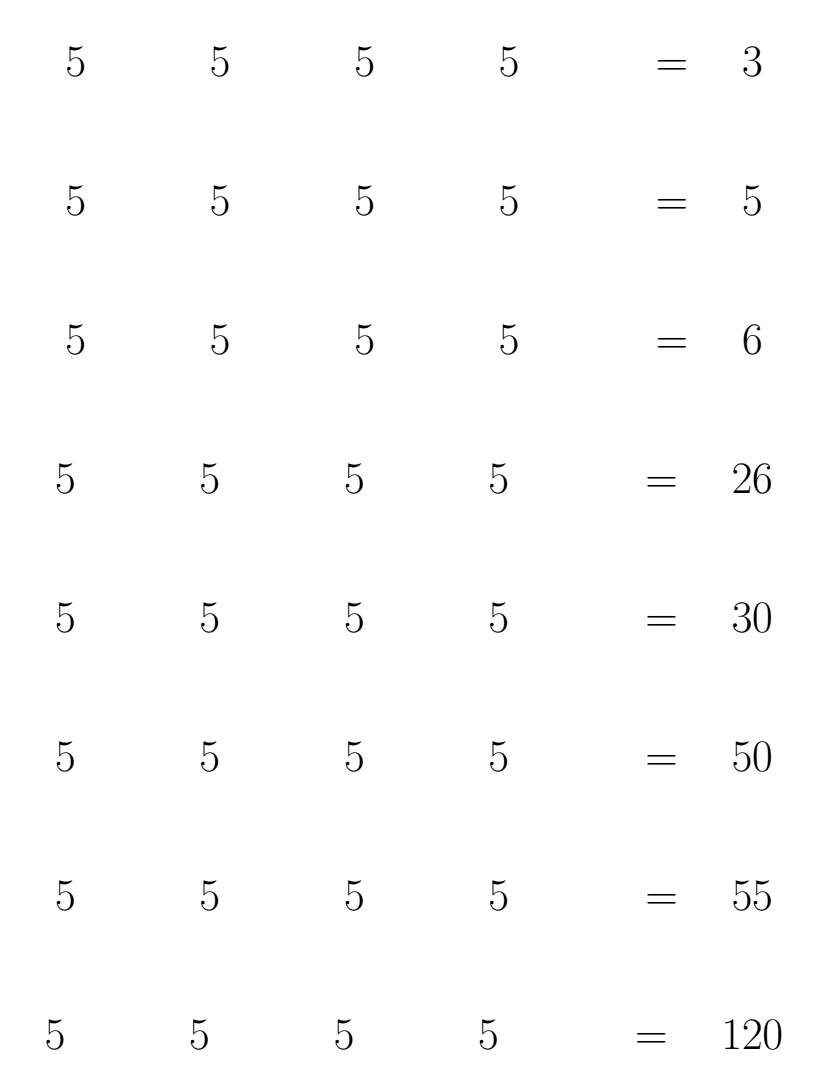
33 to 99
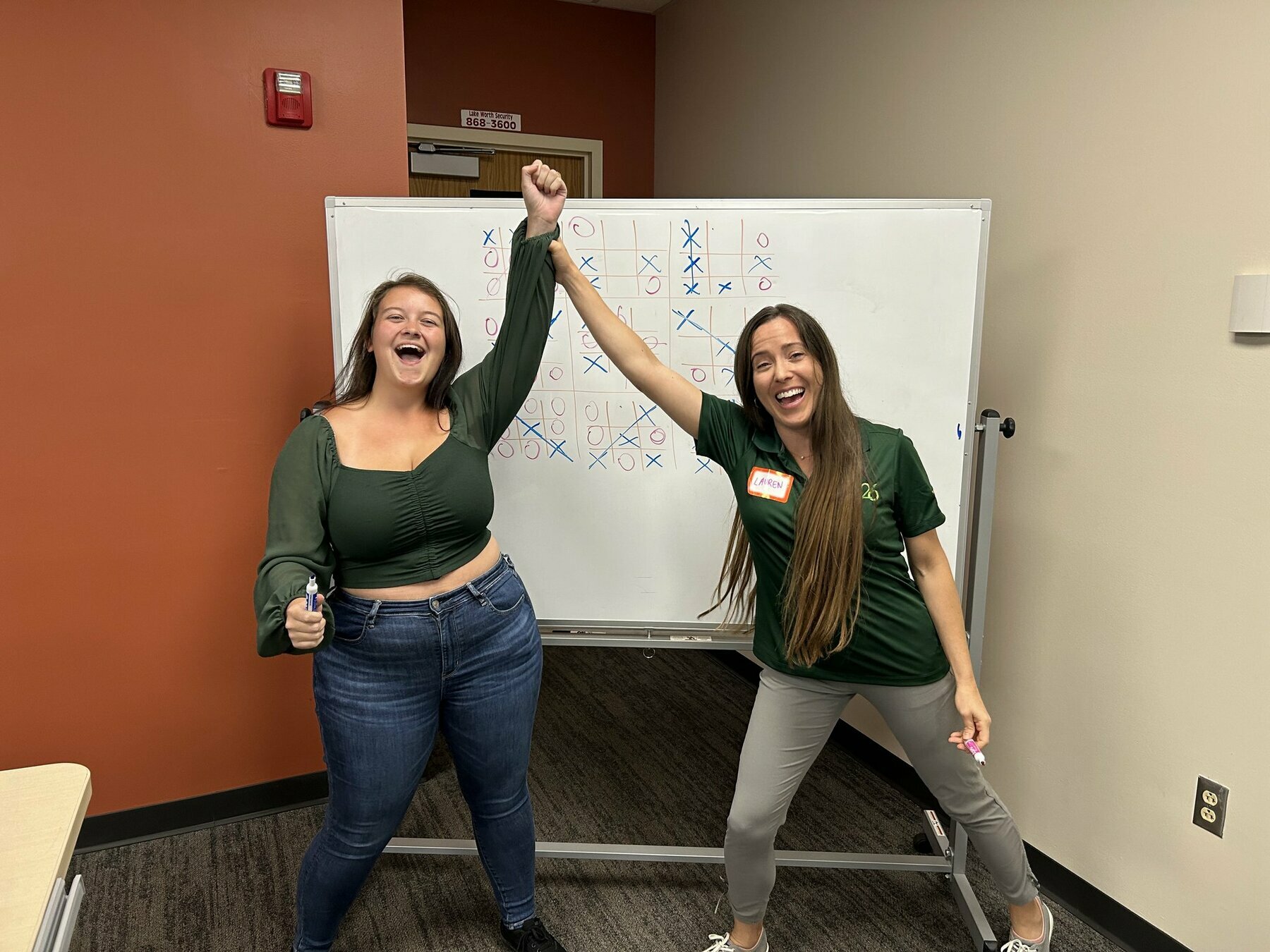
UTTT
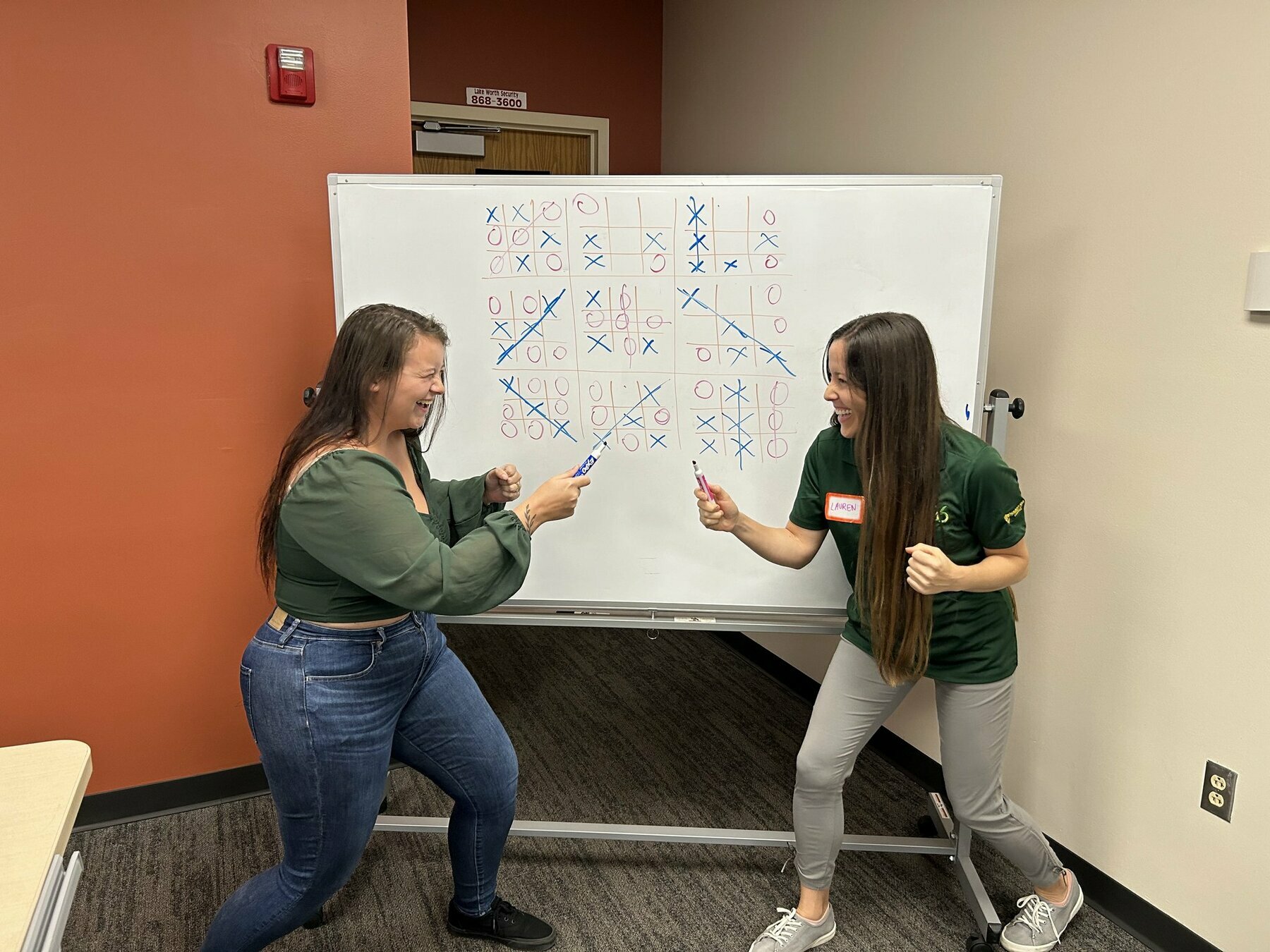
UTTT
<title>
〞
I really enjoyed the teaching style. Very fun and engaging.
〞
Loved everything about it even with math not being my favorite subject you all did a great job at teaching us this information while making it fun.
〞
...more than memorizing it I understood it.
〞
I feel good now. My anxiety is gone. I'm glad that I took this workshop. It helped me tremendously.
-
How do game-based interventions affect long-term retention?
-
How can we measure mathematical understanding within game contexts?
Looking Ahead
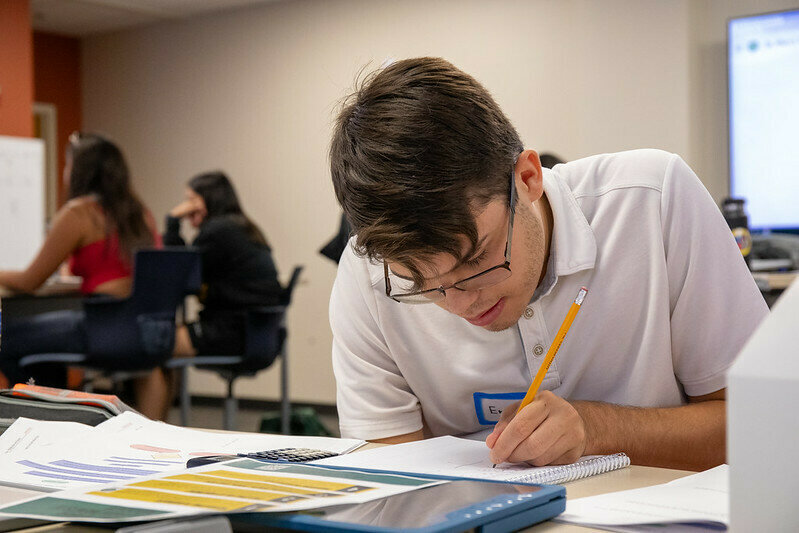
So...where IS the Math?
It's embedded in every strategic decision, every calculated risk, and every moment of discovery.
Please reach out if you have suggestions!
\pi \cdot \pi

Joint Meetings 2026
By Anurag Katyal