Travel Photography
Tutorial by Andy King
" The world is a book and those who do not travel only read one page."
- St. Augustine
What is a Camera?
- A box that connects two components
- 1.
- 2.
- 1.
What is a Camera?
- A box that connects two components
- 1. Sensor
- 2. Lens
- 1. Sensor
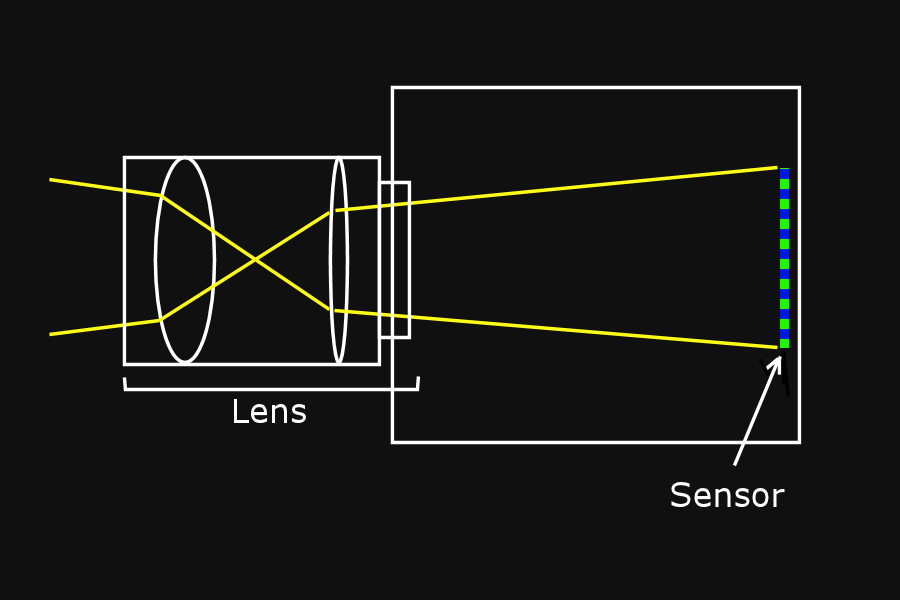
Side View of a Camera
Image Quality
- Determined by the size of the sensor and optical quality of the lens
- The bigger the sensor, the better the image quality
- More detail can be captured
- More colours, better transition from bright to shadows (dynamic range)
- For digital sensors, bigger sensors equals bigger photodiodes (pixels) that can be more sensitive to light (cleaner images)
- A sensor needs to be paired up with a great lens
- Lens has to be able to resolve the sensor's film grain or photodiodes (pixels)
- Lens has to let in a lot of light for the sensor to pick up and record the photons
The Sensor
In today's world, a digital sensor is made out of photodiodes that record a specific pixel of color:
- Green (50%)
- Blue (25%)
- Red (25%)


A Sensor with Big Pixels
A Bigger Sensor with Smaller Pixels = Higher Resolving Power
The Sensor
Different camera formats have different sizes
1. Large Format Photography (film/sensor size 2x3, 4x5, 5x7, 8x10, 11x14, etc, all in inches)
2. Medium Format Photography (60mm x 45mm, 60mm x 60mm, 60mm x 70mm, 60mm x 90mm)
3. Small Format Photography (24mm x 36mm - we call this "full frame", and any smaller formats). APSC (26mm x 15.6mm), Micro 4/3 (17.3mm x 13mm)


4x5 Sensor size
645 (60mm x 45mm size)
35mm Full Frame
(36mm x 24mm size)
APSC (26mm x 15.6mm)
The Lens
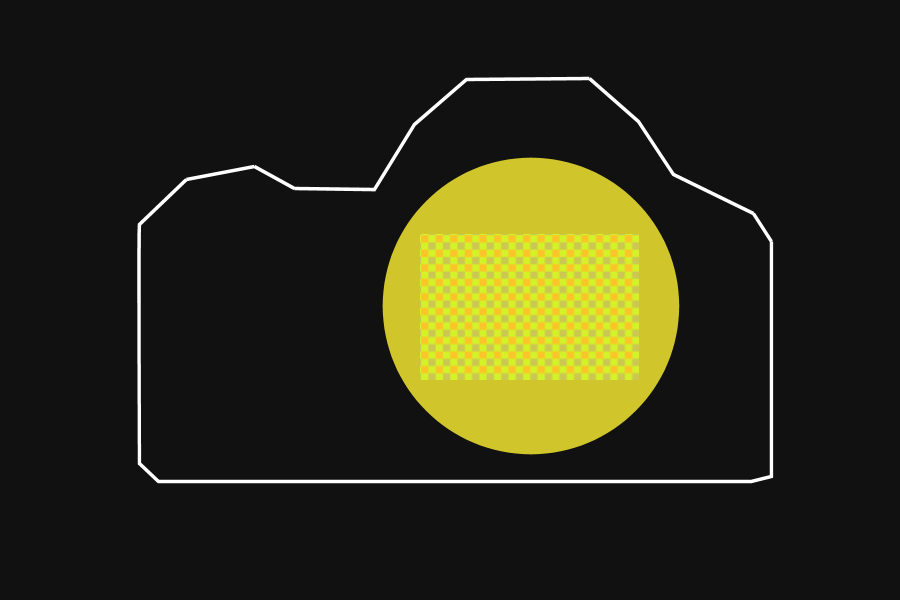
A set of optics (lens elements) that project a circular image onto a capture medium
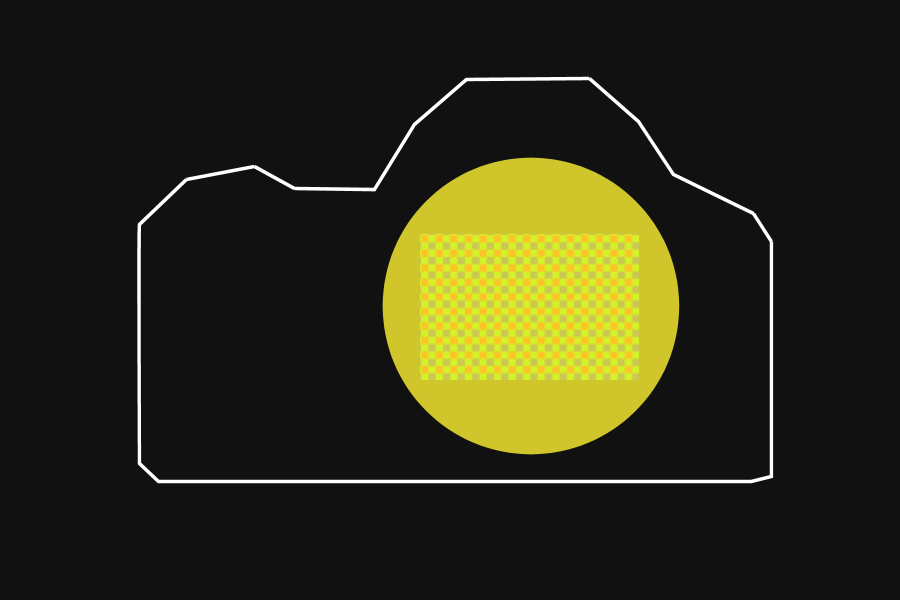
A lens projects an image onto a 35mm sensor
We call this circular image the IMAGE CIRCLE (measured in the diameter, in mm)
The Lens
Lenses are measured in two main aspects:
1. The focal length (in millimeters or mm)
Focal length measures the perspective of the lens (how wide the lens can see, or how zoomed in the lens can see)
2. The aperture (in f/stops, stops being 1.0, 1.4, 2.0, 2.8, 4.0, 5.6, 8.0, 11, 16, etc)
Aperture is how much light (density of light) the lens lets in, is controlled by the aperture blades
The Lens
Focal Length is the distance from where the light rays converge to the sensor/film (where the light forms a sharp image)
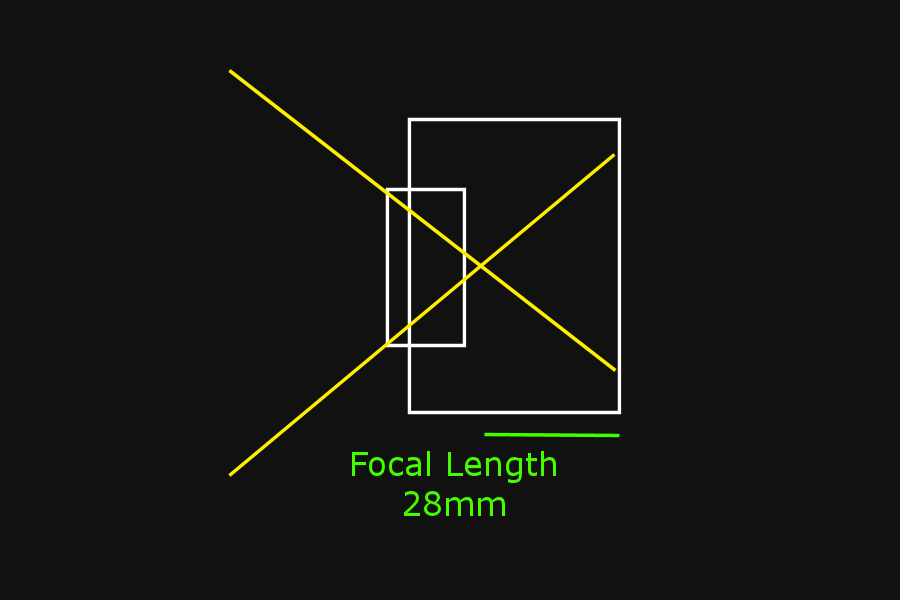
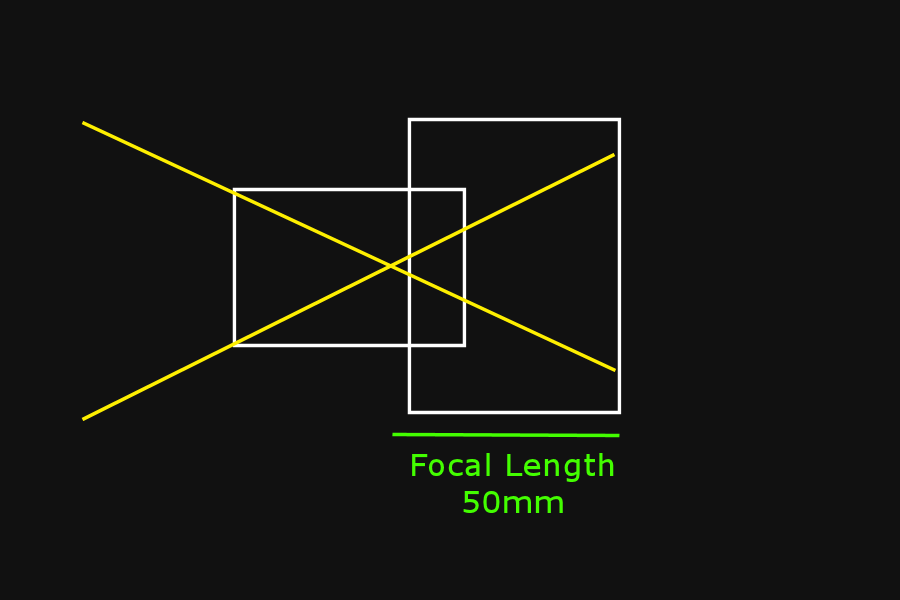
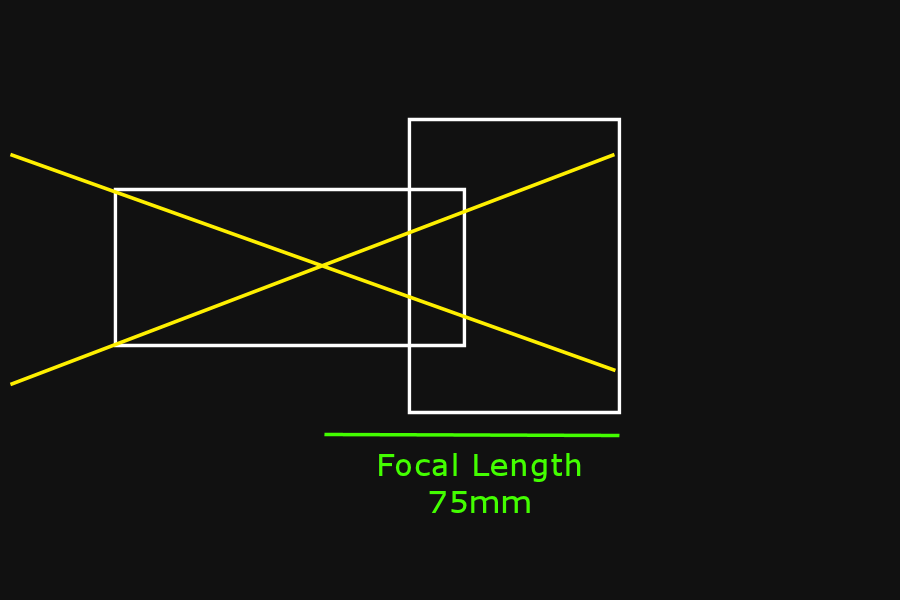
Wide Angle
Normal
Tele
The Lens
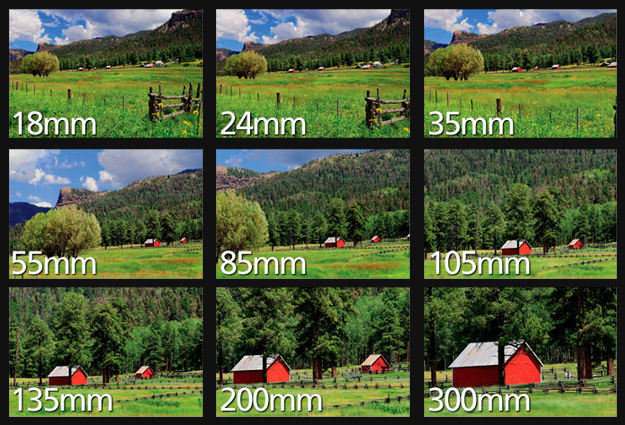
Different Perspectives From the Nikon Website
The Lens
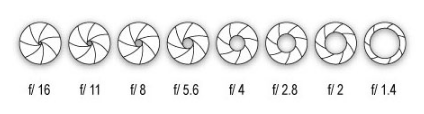
Aperture is how much light (density of light) the lens lets in, is controlled by the aperture blades
Text
Aperture Sizes at different f/stops, courtesy of Nikon
The Lens
Depth of field - The range of distances in front of the lens that is in focus
DoF and Bokeh ( background blur) at different f/stops, courtesy of Nikon


f/1.4
f/5.6
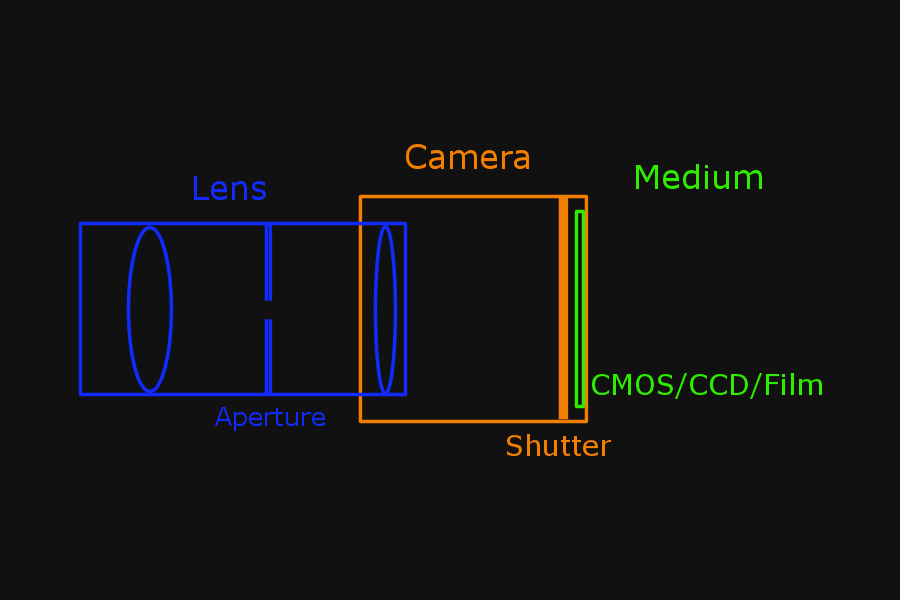
A Basic Camera
- Lens
- Shutter
- Sensor/Film
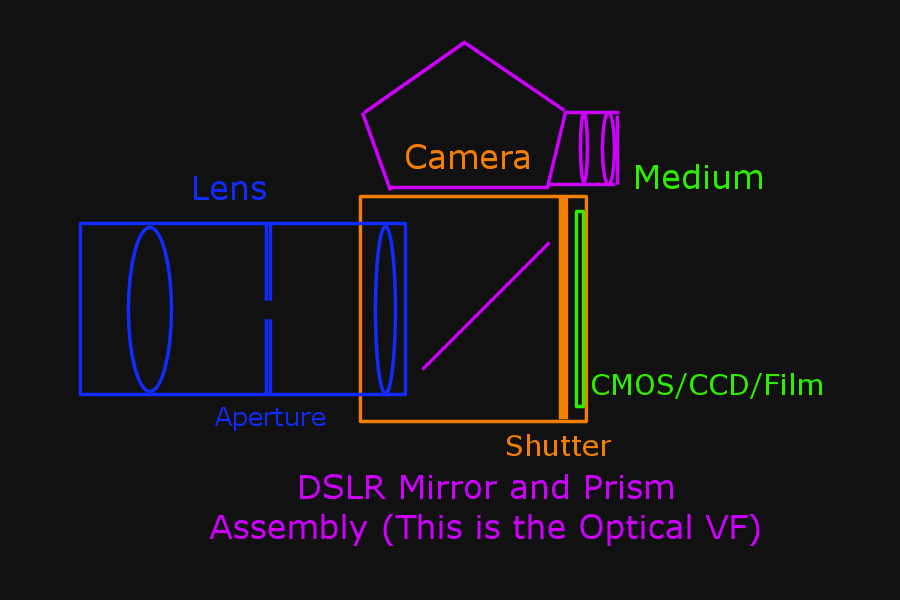
A DSLR Camera
- Lens
- Shutter
- Sensor/Film
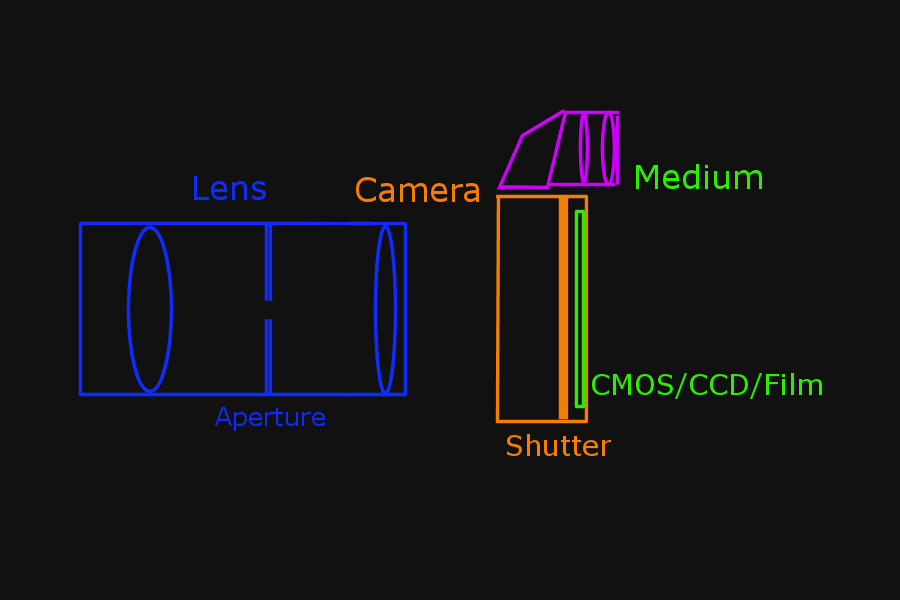
A Mirrorless Camera
- Lens
- Shutter
- Sensor/Film
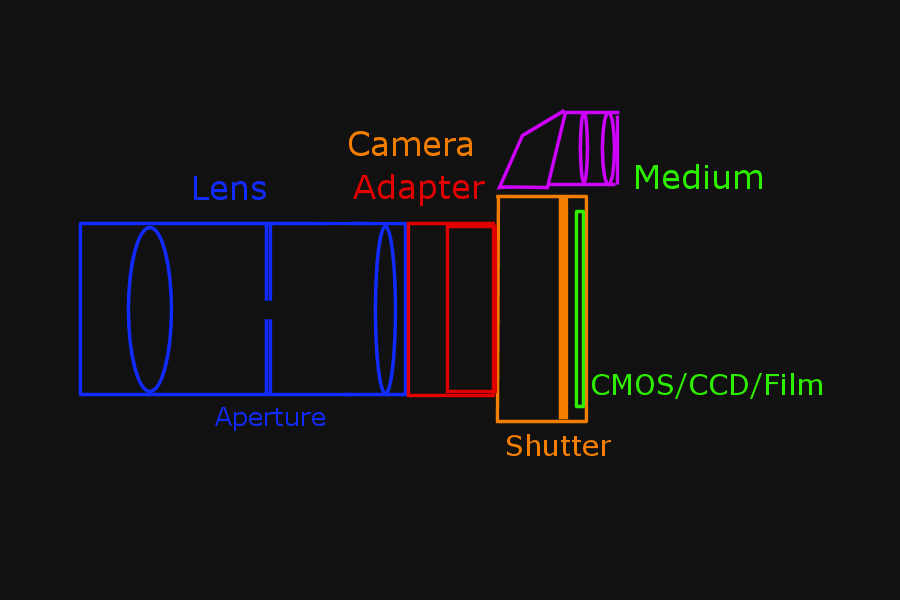
A Mirrorless Camera w/Adapt.
- Lens
- Shutter
- Sensor/Film
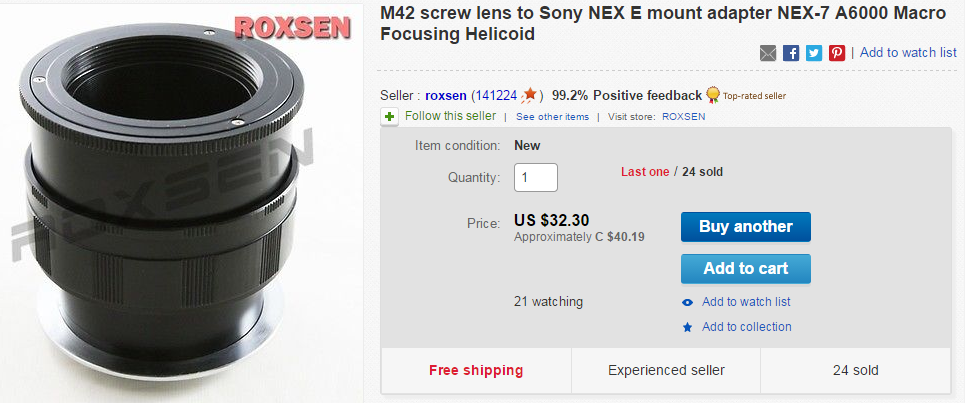
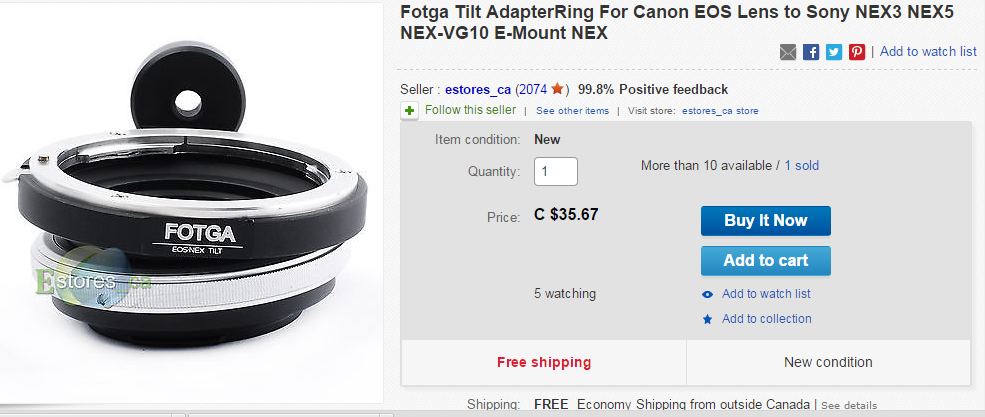
Creative Adapters
DSLR
Pros
- Durable, mostly weather sealed
- Fast auto-focus and tracking moving subjects (sports)
- Large selection of auto-focus lenses (super tele-photo lenses)
- Long battery life
- Some can record on two memory cards for backup
Cons
- Large and heavy
- Intrusive and stands out (esp. street/travel)
- Expensive
- Limited lens adaption
Mirrorless
Pros
- Small and light weight
- Affordable bodies and manual focus lenses
- Wide range of lenses with ability to use creative adapters, ensures planarity
- Electronic viewfinder
- Focus peaking and easy 100% magnification
- Able to stabilize all lenses (Sony A7II)
Cons
- Slower auto-focus with moving subjects (tracking)
- Shorter battery life
- Less durable bodies and mostly not weather sealed
- Limited selection of super tele-photo lenses
"Nowadays people know the price of everything and the value of nothing."
- Oscar Wilde
Best Bang for the Buck
Cost Effective Solutions for Travel Cameras
$200 - $400
Panasonic Lumix DMC-LX7 ($299-$349)
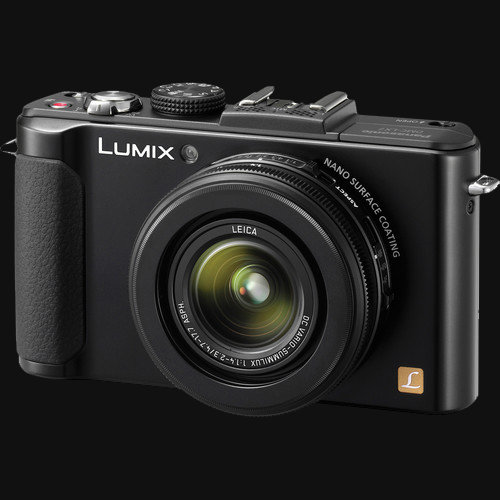
- 7.6mm x 5.7mm CMOS sensor, 10.1 Megapixels, usable up to ISO800
- 24 - 90mm f/1.4-2.3 lens
- 298g, pocket size
$400 - $700
Fujifilm X-A1 with 16-50mm kit lens ($399)
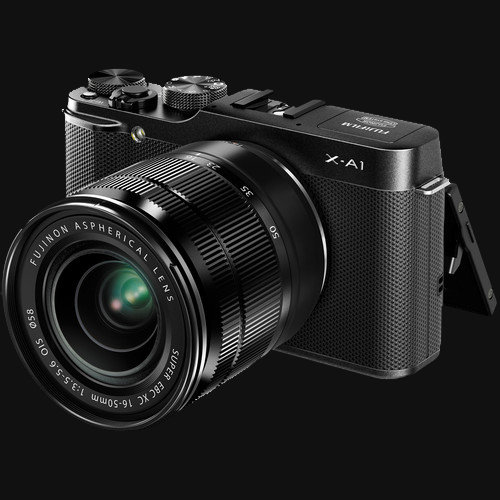
- 23.6mm x 15.6mm CMOS sensor, 16.3 Megapixels, usable up to ISO3200
- 16 - 50mm f/3.5-5.6 lens, OIS lens stabilization, interchangeable
- 330g body only, 16-50mm lens is 198g
$700 - $1000
Fujifilm X-E2 (Body Only, $799-899)
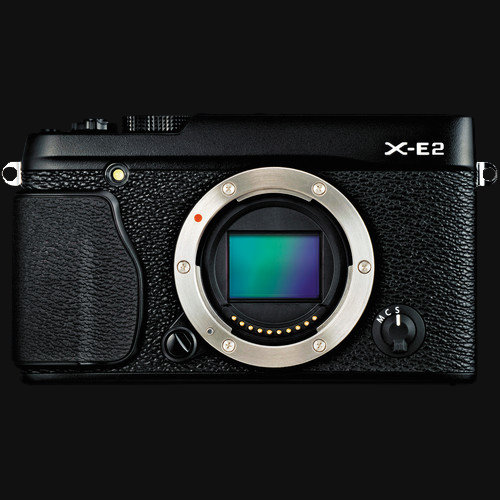
- 23.6mm x 15.6mm X-Trans sensor, 16.3 Megapixels, usable up to ISO6400
- 100%, 2.36 Megapixel electronic viewfinder
- 350g body only
$1000 - $1600
Sony Alpha 7 or Sony Alpha 7 II (Body Only, $1199-1699)
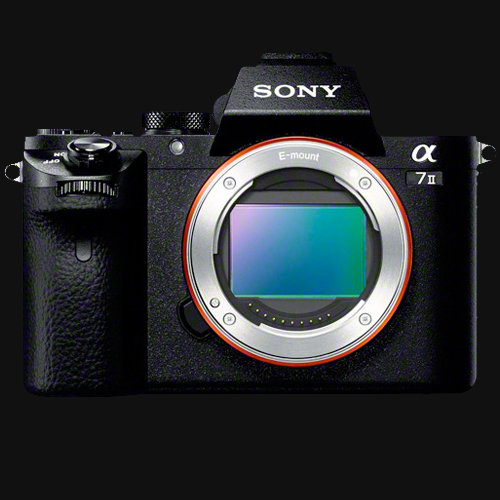
- 35.8mm x 23.9mm CMOS sensor, 24 Megapixels, usable up to ISO6400
- 100%, 2.36 Megapixel electronic viewfinder
- 474g (A7), 599g (A7II)
Specialty Compact Cameras
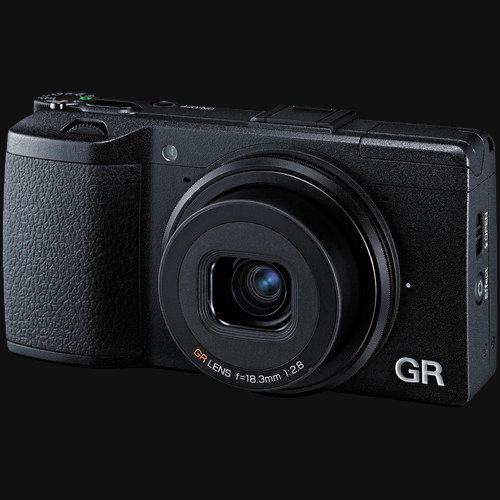
Ricoh GR
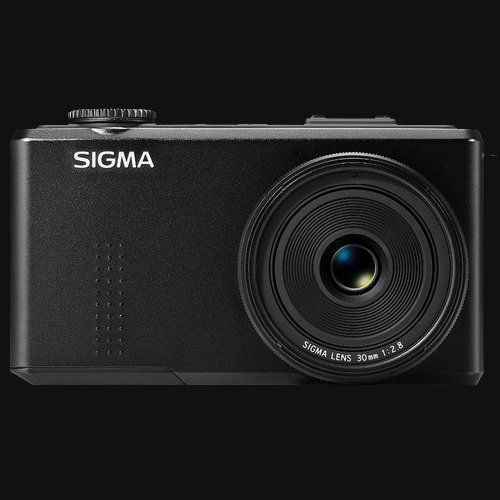
Sigma DP-M/Q Series
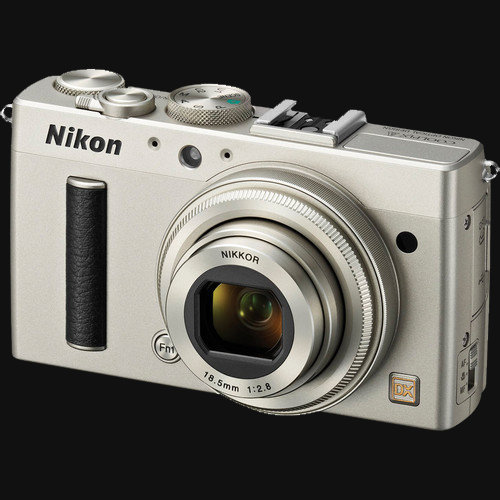
Nikon COOLPIX A
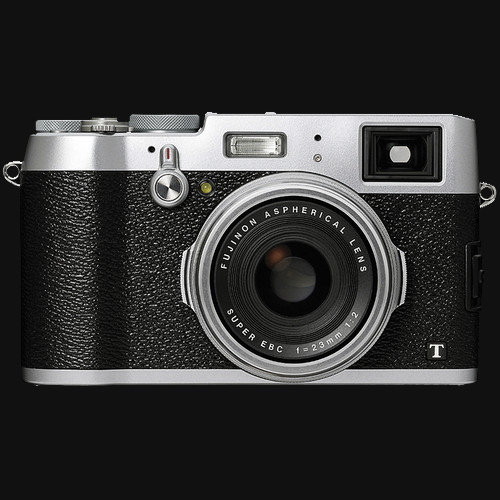
Fuji X100 Series
Mirrorless Cameras
Why?
Why Mirrorless is the Future
- You can bring it anywhere
- More affordable
-
Same or better image quality as DSLRs
- Same sensor size as DSLRs
- Newest and most advanced sensors
-
Larger and better lens selection
- Smaller and compact mirrorless lenses
-
Can use all DSLR lenses with creative adapters
- Tilt shift, Macro helicoid, Speedboosters
- Ensures planarity
- Rangefinder and miscellaneous lenses (M42, M39, Leica M, Zeiss ZM, Voigtlander M, ALPA, Topcon, Exakta, Nikon and Canon rangefinder lenses, etc)
- Focus peaking and 100% magnification ensures critical focus
Creative Lenses
What to buy
Vintage Lenses
Versatility and unique images
DIY and lens modifications
What to Buy
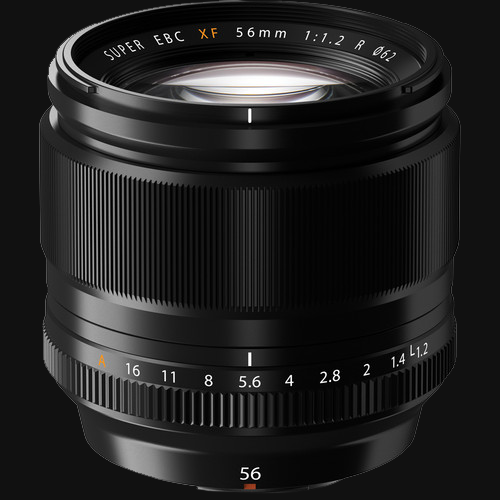
35mm and 85mm equivalent
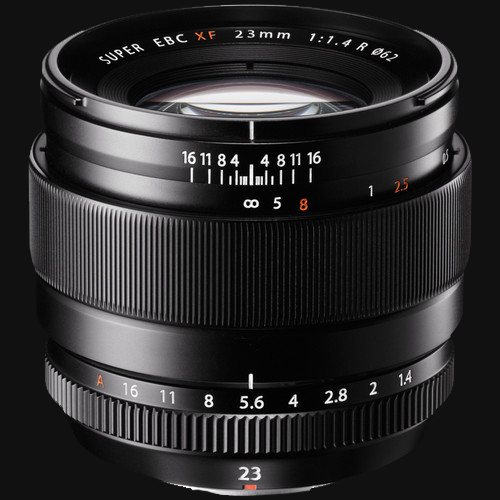
Fuji 23mm f/1.4
Fuji 56mm f/1.2
Vintage Lenses
Versatility and Unique Images
A larger aperture lens is more versatile than a zoom lens
Larger apertures allow you to take photographs in more conditions
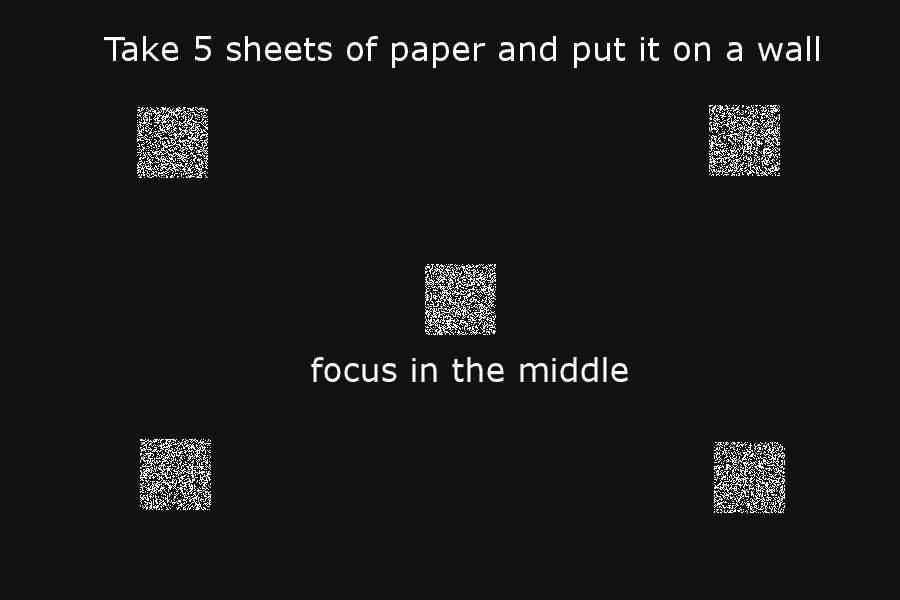
Planarity
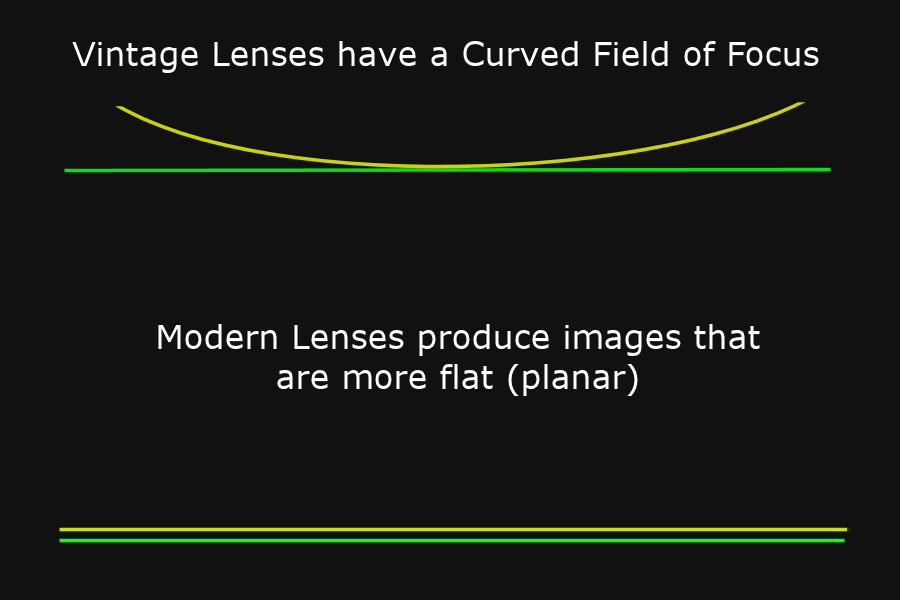
Planarity Test
Multi-platform Photography
Large Format Photography (film/sensor size 2x3, 4x5, 5x7, 8x10, 11x14, etc, all in inches)
Medium Format Photography (60mm x 45mm, 60mm x 60mm, 60mm x 70mm, 60mm x 90mm)
Small Format Photography (24mm x 36mm - we call this "full frame", and any smaller formats)
What are the different types of camera formats?
Lenses for a bigger format will always fit on smaller formats
The Future of Photography
- To learn more about the world
- Experience new and exciting things: cultures, traditions, food, language, arts, sports
- Seeing landscapes or landmarks we've seen in media
- Because it's fun!
Why we travel
Photo by Louise Andre, Machu Picchu, Peru, 2014
Where to Travel?!
-
Is there a place that inspires you?
-
Where can you go financially?
-
Norway is much more expensive than Thailand, per dollar will get you more in Thailand
-
-
Plan out an itinerary?
-
Plan out accomodations?
-
Hotel/hostel/stay with locals?
-
Car/vehicle rental?
Photo by Louise Andre, Blue Lagoon, Iceland 2014
Photo by Louise Andre, Las Vegas 2014
How to financially support your travels
-
Parents/Family
-
Part time/full time job
-
How to save up money for traveling?
-
Extra ways to save, airmiles, travel credit cards, etc.
What to do when traveling
-
How to plan activities during the day and night
-
Traveling from place to place, transit/local buses
-
Photography? When? How?
Tips on travel
-
What to bring in travel bag
-
How to save space
-
Storing money/passport/essentials
Interacting with the locals
-
How to approach them
-
Bring gifts
-
Language barrier
Bringing the Right Lens with you for the trip
Breathtaking Landscapes
Grand Canyon, Iceland, Dolomites, Rocky Mountain, Zhangjiajie, Serengeti, Antarctica, Patagonia
Architecture and Cityscapes
Italy, Paris, European Cities, Burma, Cambodia, NYC, Vegas, Dubai, Tokyo, Shanghai, Beijing/FC, Santorini
People/Portraits
Everywhere around the world, however, some places are more "photo friendly" than others
Wildlife and Nature
Kenya, Serengeti, Galapogos, Antarctica, Amazon Jungle, Canadian Rockies, Canadian Arctic, Wyoming/Yellowstone
Landscapes
Lenses to be used
14mm to 35mm, 50mm, 85mm, 100mm, 135mm,150mm
Architecture and City
Lenses to be used
17mm T/S, 24mm T/S, 28mm T/S, 50mm, 85mm-135mm
People
Lenses to be used
35mm, 50mm, 85mm, 100mm
Wildlife/Nature
Lenses to be used
50mm macro, 100/150mm macro, 70-200mm f/2.8, 100-400mm f/4.0
Creating emotional images, use of lenses, use of angles/perspective, balance in imagery, composition, negative space, shallow depth of field, tilt shift, shift for perspective correction, panoramic shooting, HDR pre/post shooting, stitching brenizer method, etc.
Capturing light
Planning what time to shoot
Preparation
Accessories
Tripods
Filters (polarizers, ND, graduated ND, etc)
Close up lenses
-
Downloading images on the fly
-
Logistics of tiles
-
Do you bring a laptop, tablet, wifi to your smartphone/tab?
-
Lightest solutions, cheapest solutions, backing up your photographs
What to do with your images after?
-
Culling images
-
Picking up images for post
-
What to look for
-
Thinking of post processing while taking photos
-
Presentation of images and what your audience wants to see
-
How to make your images worth something
Post processing basics
Copy of Copy of Photography and Traveling
By Andy King