CANCER

Yasmin B. Alice C.

"Cancer.

Life altering but not defining. "

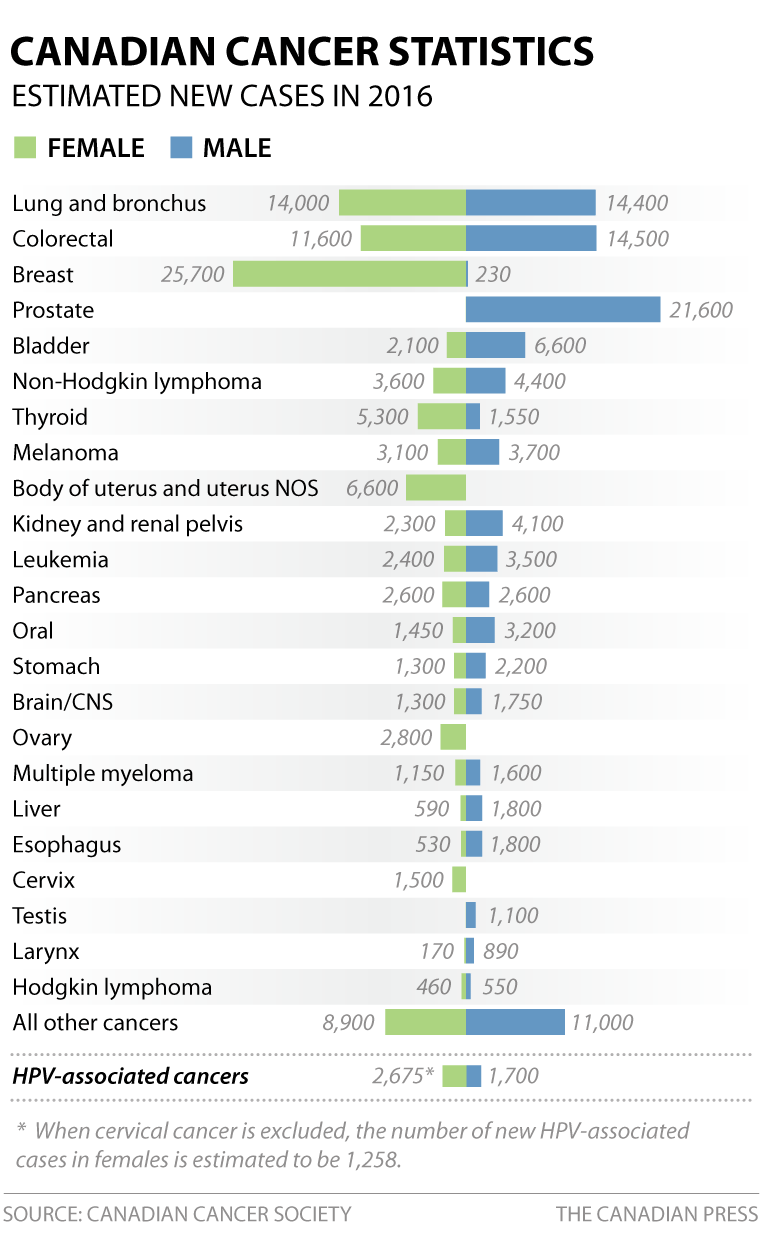
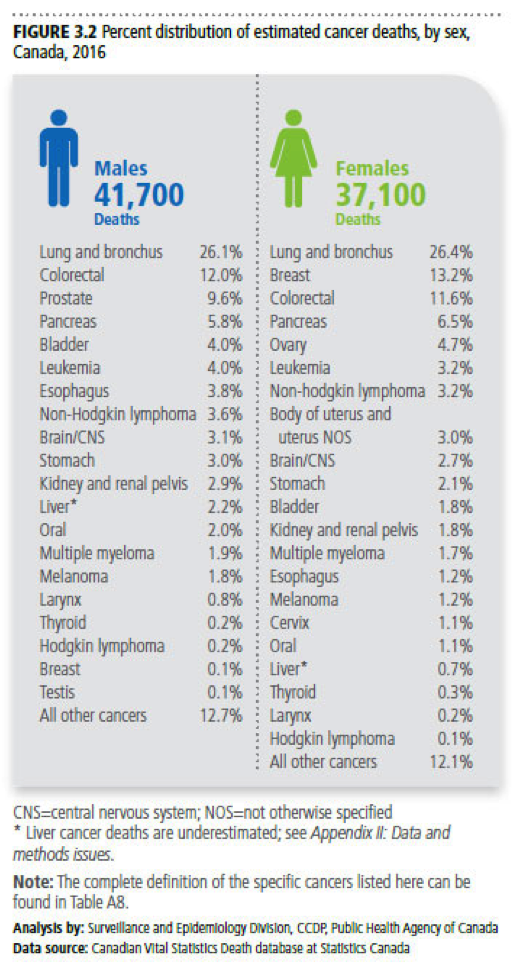
About 2 in 5 Canadians will develop cancer in their lifetimes, and 1 in 4 will die of the disease.
Types of Cancer
  • Over 100 different types
  • Named according to location of cancerous region(s)
    • E.g: Melanoma - malignant tumor that starts in melanocytes (cells that produce melanin)
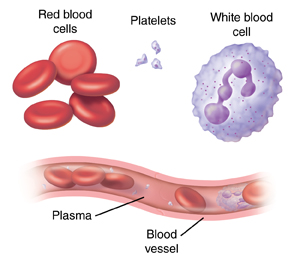
    • E.g: Leukemia - abnormal leukocyte (WBC) production that starts in bone marrow
      E.g: Endometrial Cancer - endometrial cells uncontrollably proliferate in the endometrium

Oncogenes
Tumor Supressor Genes
Cell Death Genes

ONCOGENES

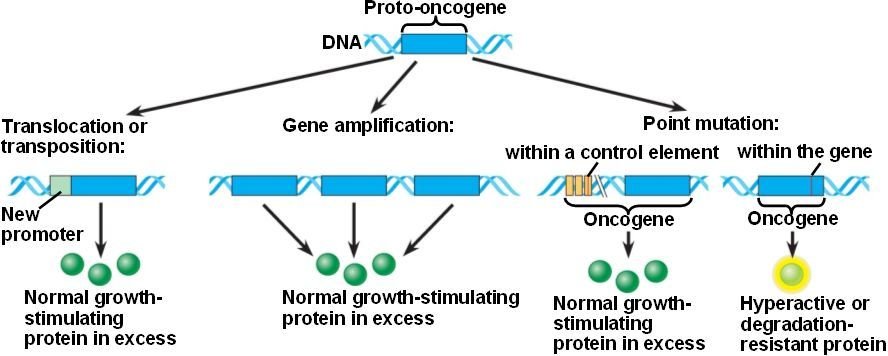
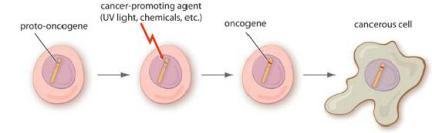
  • Mutated versions of the proto-oncogenes

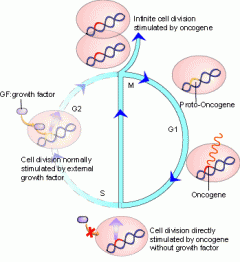
  • Proto-oncogenes control cell growth by regulating normal cell behaviour

  • When a proto-oncogene mutates or there are too many copies of it, it becomes a “bad” gene that can become permanently turned on/activated when it is not supposed to be. When this happens, the cell grow out of control, which leads to cancer. “Bad” gene = oncogene.

  • Most cancer-causing mutations involving oncogenes are acquired, not inherited.

  • Activated by 4 major factors:

  1. Effect of toxic chemicals, radiation, and other carcinogens (e.g. smoking).​​​​

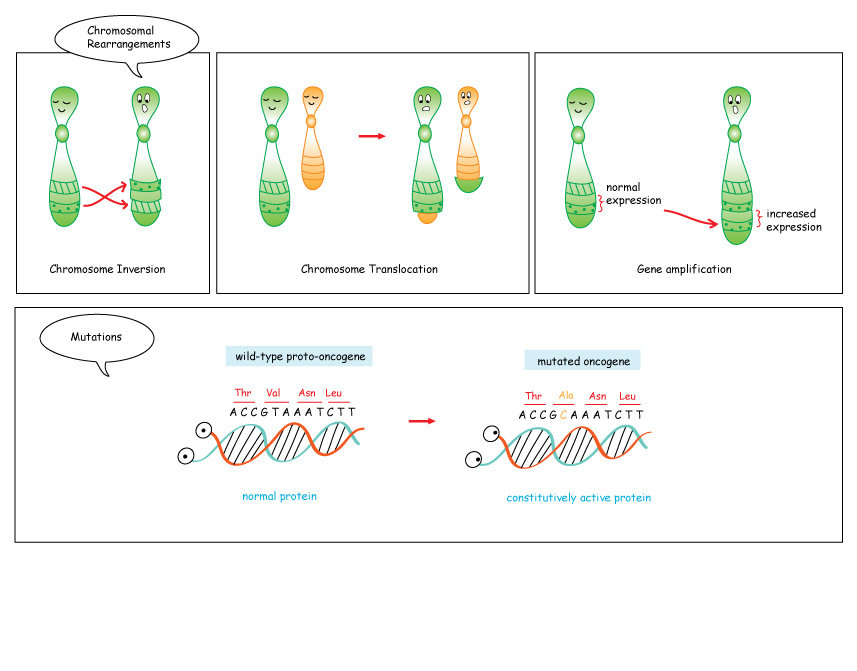
    -Could alter a single nucleotide base pair (point mutation) that leads to the production of an altered protein that cannot be properly regulated.

ONCOGENES

ONCOGENES

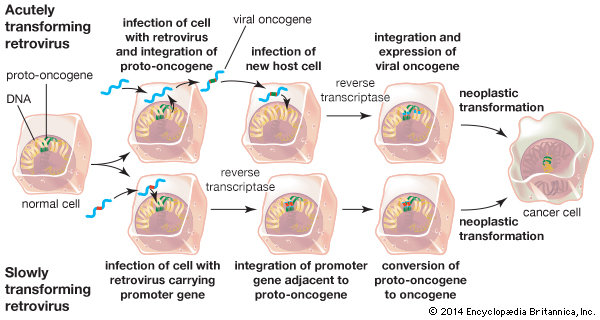
2. Other cancer cells that infects a normal cell (viral Oncogenes)

  • The virus inserts itself into the genome of the host cell in order to replicate and then removes itself to infect other cells.

  • Impossible to regulate itself if proto-oncogene has been integrated into a virus's own genetic

3. Chromosome rearrangements:

  • Changes in chromosomes that put one gene next to another, which allows one gene to activate the other.

  • Translocation:

ONCOGENES

4. Gene duplication:

- Having extra copies of a gene, which can lead to making too much of a certain protein (amplification in the number of proto-oncogene which result in the overproduction of the protein)

ONCOGENES

TUMOR SUPPRESSING GENES

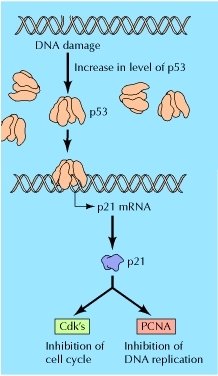
Anti-oncogene: any class of genes that are normally involved in regulating cell growth but may become cancer-causing when damaged. 

- Normal genes that protects a normal cell from turning into a tumor cell

- Slow down cell division, repair DNA mistakes, or tell cells when to die.

- When tumor suppressor genes don't work properly, cells can grow out of control = cancer.

- Difference between oncogenes and tumor suppressor genes: oncogenes result from the activation (turning on) of proto-oncogenes, but tumor suppressor genes cause cancer when they are inactivated (turned off).

- most tumor suppressor gene mutations are acquired, not inherited.

P53

- research showed that the mutated form of protein P53 (TP53)  has been found in more than 50 percent of all cancers.

TUMOR SUPPRESSING GENES

CELL DEATH GENES

"Self destruct button"

  • Apoptosis - cancer cells are able to ignore signals that normally tell cells to stop dividing or that begin a process known as apoptosis, which the body uses to get rid of unneeded cells.

  • Autophagy - generally activated by conditions of nutrient deprivation, physiological, pathological processes (stress, infection, etc..)

  • BCL2 promotes cancer by stopping lymphoma cells from being able to kill themselves

  • BCR-ABL oncogene has been found to be involved in the development of cancer in humans

WHY ITS DIFFICULT TO CONTROL

  1. Metastatic Cancer

    • ​​grows out of control and spreads rapidly

  2. Malignancy

    • ​​cancerous tumors can spread into, or invade, nearby tissues

  3. Influence

    • ​​cancer cells can influence normal cells to feed a tumor

  4. Weakened Immune System

    • ​​cancer cells can evade the immune system

  5. General Medicine

    • no general medicine to treat every case of the same type of cancer

HOW ITS DETECTED

Pathological Testing

  1. Blood Tests

    • ​​Reveals whether the levels of different substances in blood fall within a normal range

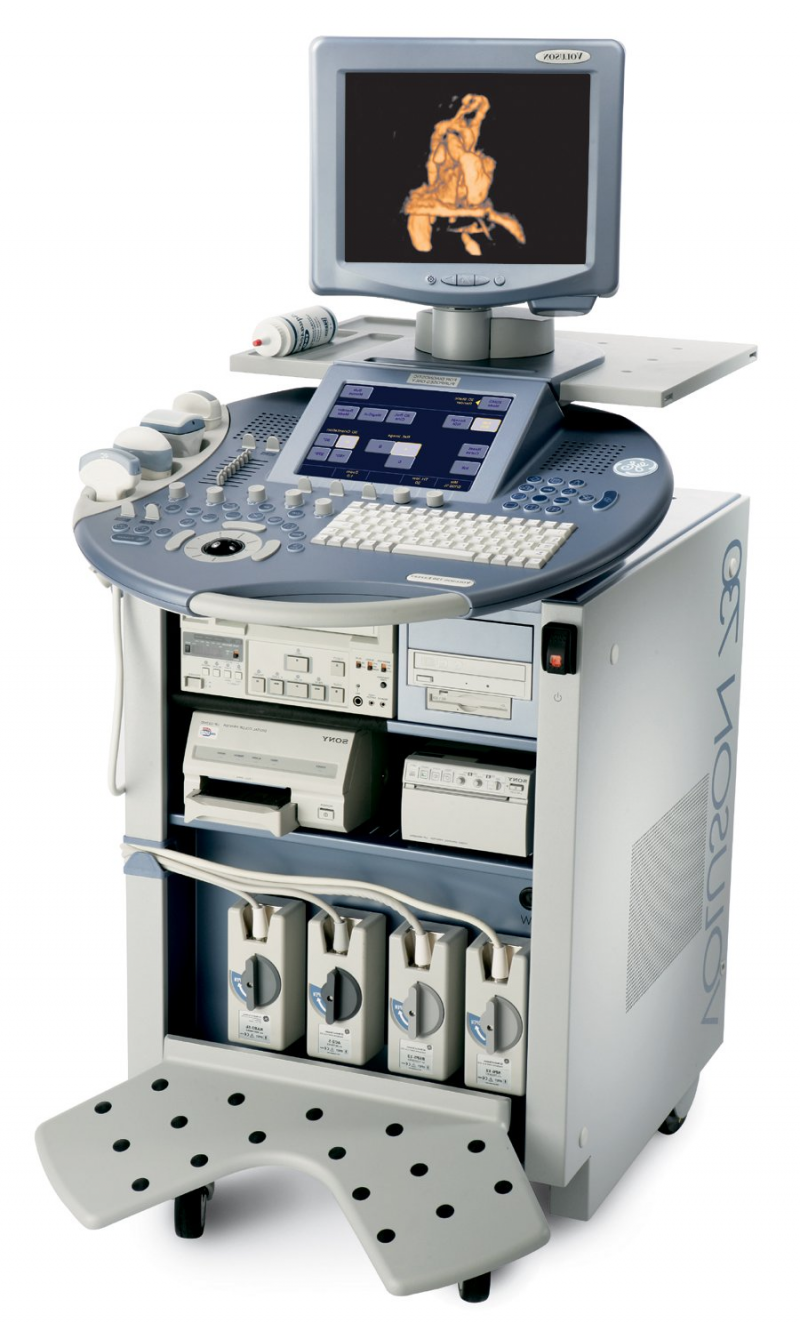
  2. Imaging Tests

    • Used to create visual representations of the interior of the body

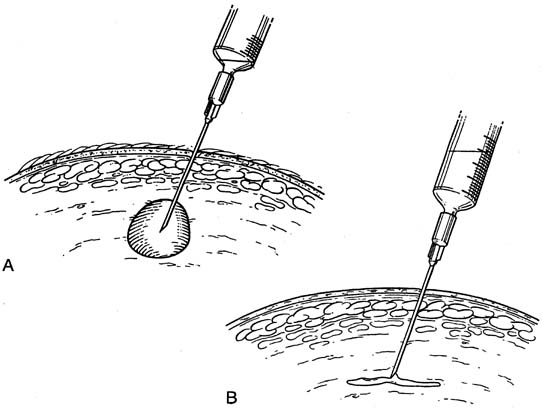
  3. Biopsy

    • A tissue sample (a biopsy specimen) is examined under a microscope to look at the DNA and RNA

TREATMENT

Main three cancer treatments are...

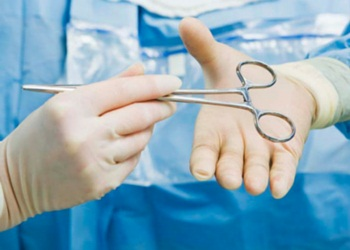
  1. Surgery

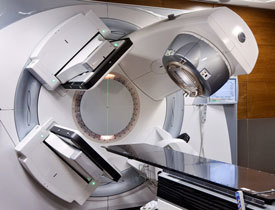
  2. Radiation Therapy

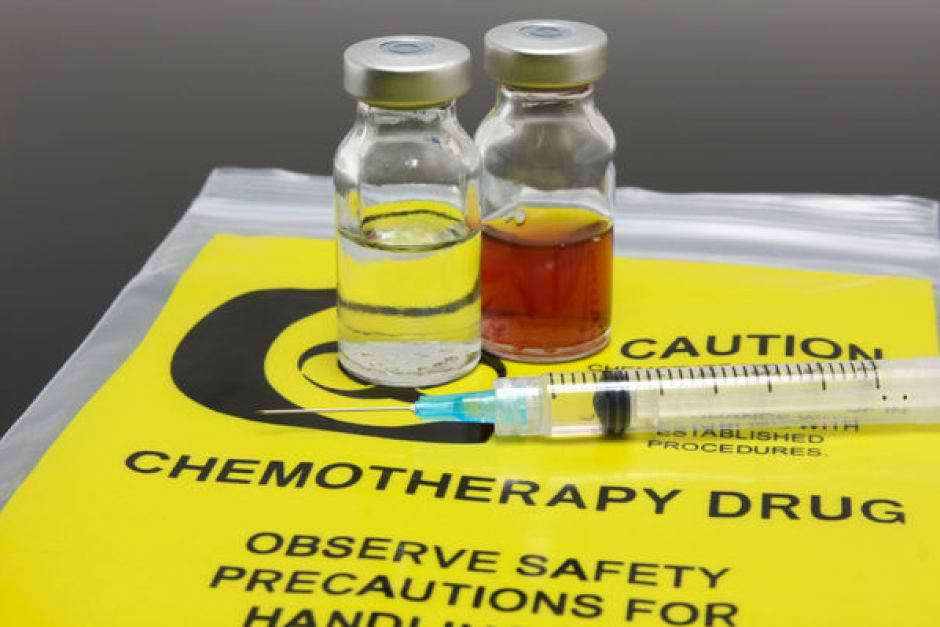
  3. Chemotherapy

Individuals with cancer are given specific treatment plans based on...

  • type & stage of cancer

  • symptoms

  • other illnesses or medications

  • personal situation & wishes

SURGERY

  • Medical procedure to examine, remove, or repair tissue

  • Different operations can be used to treat (and possibly cure) lung cancer...

    1. ​​Pneumonectomy - removes an entire lung

    2. Lobectomy - lobe containing the tumor(s) is removed

    3. Segmentectomy - only part of a lobe is removed

    4. Sleeve Resection - excise tumors in large airways of the lungs

​RADIATION THERAPY

- Delivery of focused high-energy x-ray, gamma rays, or atomic particles

- Attacks DNA bonds within tumor cells, making it impossible for replication

- Normal cells may be damaged in the process but are able to repair themselves

Daily doses of radiation large enough to kill a high percentage of rapidly dividing cancer cells, while at the same time minimizing damage to the more slowly dividing tissue cells in the same area

CHEMO

THERAPHY

  • Anti-cancer drugs injected into a vein or taken by mouth

  • Disrupts the growth of cancer cells when dividing or resting

  • Types of chemotherapy...

    • Neoadjuvant - occurs before surgery to try to shrink a tumor

    • Adjuvant - occurs after surgery to try to kill any remaining cancer cells that may have been left behind

LIFE CHOICES

  • Do not smoke and avoid second-hand smoke

  • Exercise

  • Maintain a healthy diet

  • Limit alcohol consumption

  • Protect your skin (from UV rays)

  • Refrain from the use of drugs

AWARENESS

  • Know your body and watch for signs of cancer

  • Report any changes to your health to your doctor

  • Get screened to help detect cancer early on

  • Check your family's cancer history

  • Understand how hormones and infections affect cancer risk

  • Dispose of harmful substances at home, work, and school

PREVENTION

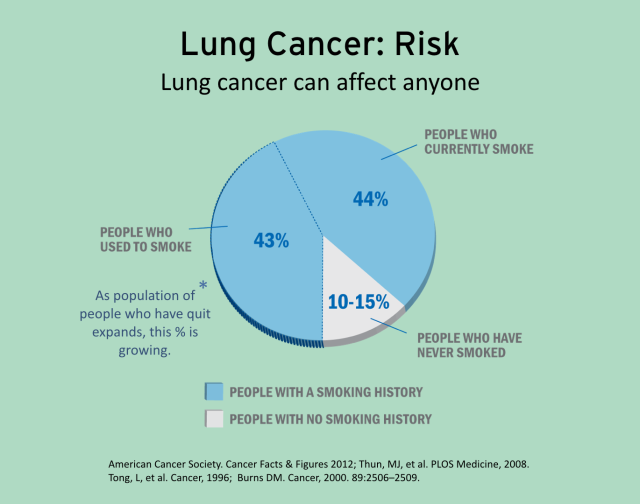
RISK FACTOR STATS

SOCIAL

  • Cancer's effects are far more than physical

  • Its impact will enter the emotional, psychological, and spiritual realms

  • Common issues include...

    • ​Body image & self-esteem

    • Depression

    • Fear of recurrence

    • Grief

    • Relationships

    • Spirituality

    • Survivor guilt

    • Work

ECONOMICAL

Where is all the money that is being donated to cancer research going?


Why is there still no cure for cancer?

CANCER

By Alice

CANCER

  • 788