Scheduling Instruction in the Classroom
Elementary
It is important in and elementary setting that you schedule in a way that will maximize their learning potential without loosing their interest. There needs to be a time focus on the core classes and the none core classes can serve as a break. A core class may work 45 minutes compared to a music, art or P.E. only lasting 30. It is also important to schedule a recess or two throughout the day.
Secondary
The secondary level brings in some changes in daily routine. At the secondary level, the students move around from teacher to teacher and class to class. At this level the classes will traditionally be longer, lasting 45minutes to an hour depending on the style of scheduling they use. There are a couple types of scheduling. There is the traditional schedule which is the same from day to day and block scheduling which, offers classes in 90 minute segments on alternating days. It is still important at this level to put focus on the core classes but, to start allowing the students some variety and choice.
Resource
In the resource classroom it is a whole different word. Schedules need to be consistent but flexible. The students need to know what is going on and when each day. It would be good to have it displayed on a board visible to all students. Instead of core curriculum your resource students will work on their IEP goals, motor skills, Independent activities and life skills. In most cases these students will not be able to work the same amount of time they would in a typical class and you need to schedule in planned sensory or rest breaks. Most importantly, be flexible. Most days things will not go as planned.
Classroom Equipment and uses
Recording
Recordings can be useful as a teacher both in class and out. Inside the classroom teachers can utilize recordings of the material being studied to present to the students in a different format than a typical lecture. Another form of recording that can be used in the classroom is the use of books on tape. These are fun for students of all ages and gives the teacher a little bit of planning time. Outside of the classroom, recording can be useful for student to access at home for a refresh on the daily information especially, if they were not in class that day.
Projections
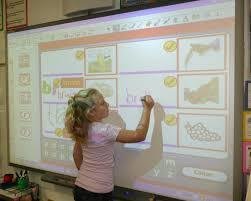
Move out of the way overhead projector, the smart board is in the classroom now. These boards are a technology I am excited to learn. Smart boards are interactive and easy to use for students. The information on them can be manipulated, unlike the previous projectors. They allow you as a teacher or the students to interact with what they are learning. The best thing is, they are fun to use so the student want to use them... what a tool that makes learning fun shhhh don't tell them they are learning!!
Computers
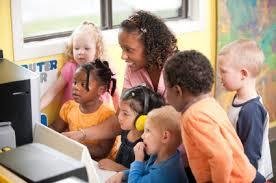
The resource that computers bring to the classroom are limitless. A computer will literally put the world at the fingertips of both you and your students. With computers you can share lesson ideas and get input from teachers all over the country. Your students have a variety of resources online tutoring, games, and just about anything you can think of. As a teacher you can set your students up with a group of students in another country and have them collaborate on an assignment in social studies. Students are so tech savvy today, that they tend to take well to the computers. Make sure though to pull their eyes away from the screen for class interaction and non technology based teaching from time to time.
Misc Electronic devises
Other misc. devises can be I-Pads, cell phones, I-Pods, cameras, video recorders and other things like these. Like computers, they offer the students in your class access to a variety of information that they otherwise would not have access to. You can set you class up a class twitter, or blog that the students can contribute to. You can assign them to make a vine to share with the class. Technology certainly has its advantages if used wisely.
Non Digital/Electronic Devises
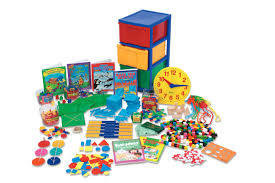
It is important to not just rely on technology for your classroom. There are many tools you can use that do not use technology at all. What about the old reliable multiplication times tests, blocks for counting, white boards, timers, and other manipulatives that help with your teaching. Hands on manipulatives are especially great in special education.
Final Thoughts
As a teacher I will make use of both electronic and non- electronic devises to help teach my students. I know the value of the manipulatives from the past but, I also know the importance of stay up on the new uses of technology. I think there is necessity for both types in the classroom today.
deck
By ataft4482