





Upper-Intermediate / Advanced |
Interpreting Art

  • Are you good at art? Is there such a thing as "bad" art, or is all art inherently valuable?
    • Is art a skill that can be self-taught through training and should all citizens have access to it?
  • Should public funds be used to support the arts, and if so, how should that funding be allocated?
    • Should artists be financially compensated for their work, or should art be accessible to all regardless of monetary value?
    • Should art be used to educate and inform people about historical events or cultural practices?
    • Can art be used to create social change, and if so, how effective is it as a tool for activism?
  • If art can be a form of influence and propaganda, should it be censored or restricted in any way to protect certain individuals or groups?
    • Should artists have complete creative freedom, or should there be limits on what can be depicted or created (think: nazi art, CGI paedophilia, Charlie Hebdo)?
    • Should artists be held accountable for the messages or meanings behind their art, and the impact that their art has on society or individuals?

Warm-up | Discussion

Vocabulary #1 | Basic.
Relating to Art

1 opening a the established works, individuals, or theories that form the historical backbone of a particular discipline or genre
2 curator b the works of art which are always on display in a gallery
3 pieces c a work of art that the gallery has bought recently
4 permanent collection d the skill of arranging multiple elements in a pleasing way
5 gallery assistant e a large international art exhibition held every two years
6 canon f The person who selects and presents artworks for exhibitions
7 composition g works of art
8 stage/hold an exhibition h an event at which people can see an exhibition for the first time
9 handler i display a group of artworks to the public
10 new acquisition j The person who greets visitors and answers questions
11 Biennial k The person who carefully packs and unpacks works of art
  • What art exhibitions have you attended?
    For each:
    • What were the topics addressed?
    • What notable memorable or influential art did you see?
    • How would you describe the exhibition overall?
      • Evocative? Visionary? Controversial? Moving? Impactful? Amateurish? Pretentious?
        • Was it worth the entrance fee?
    • Was the gallery accessible to a wider audience or only to artsy types? How / Why?
      • How could it have been improved?

Warm-up | Experiences

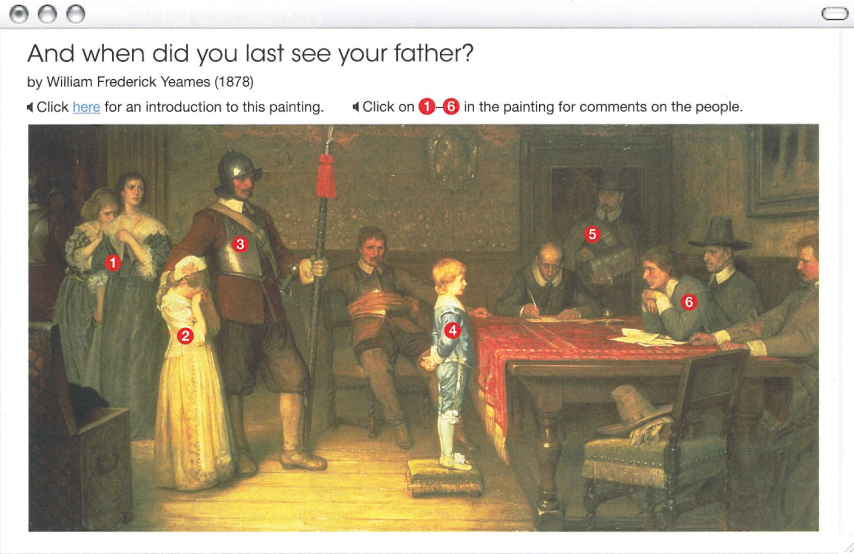
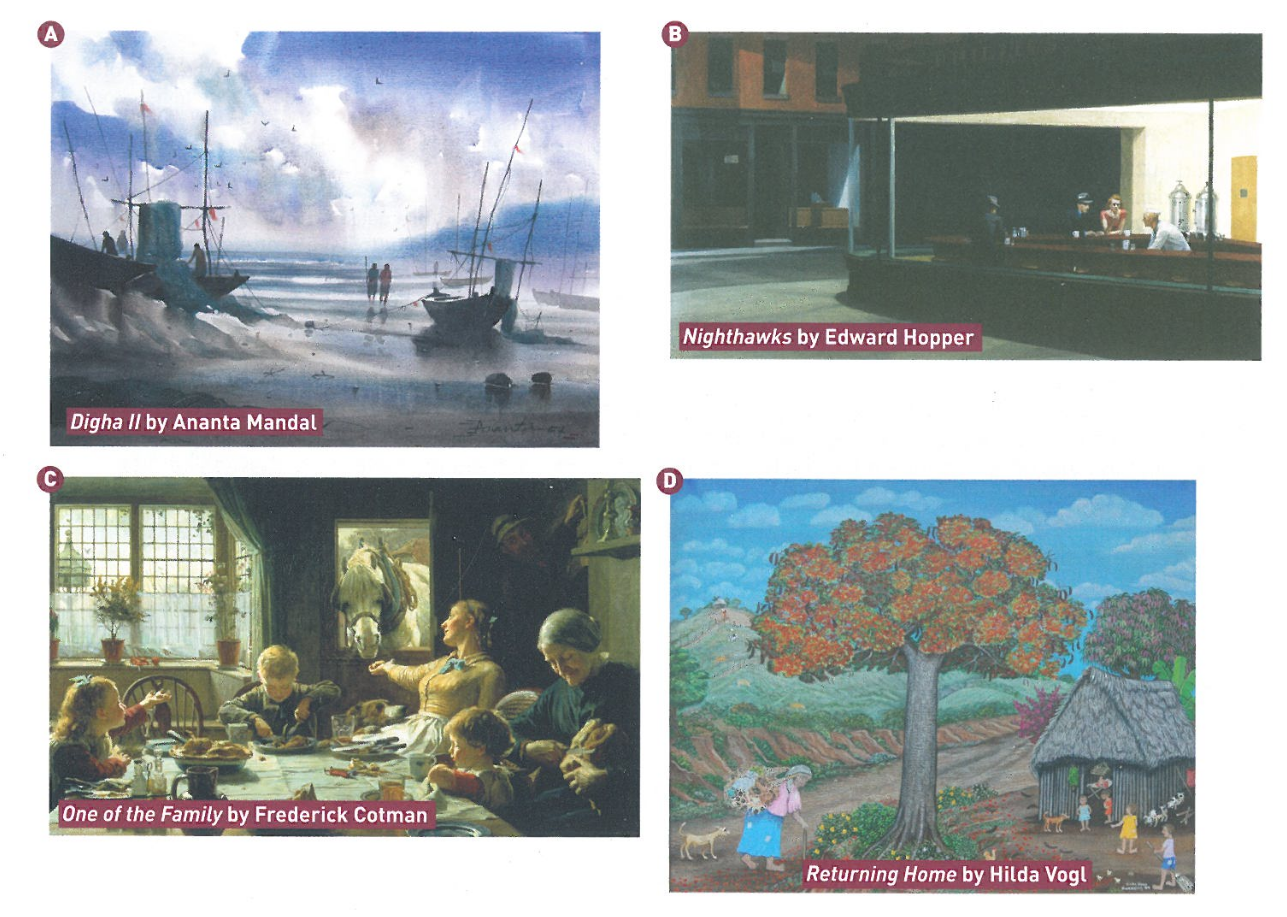
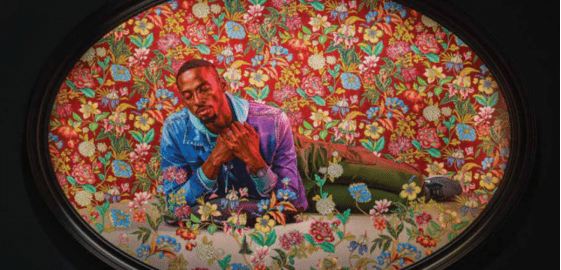
What can you guess about:

1. The poeple in the painting?
2.
The relationships between them?
3. What's happening?

Listen to the audio guide commentary.

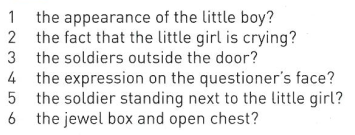
In which order do we hear about people 1 - 6?

Listen again. What does the commentary suggest about:

  • What aspects of the painting do you like or dislike?
  • Having listened to the commentary, do you feel differently about the painting?

Post-Listening | Reaction

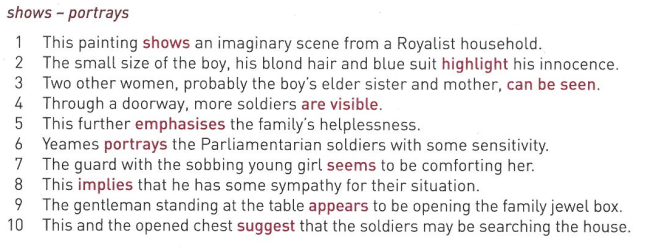
Find five pairs of higlighted expressions with similar meanings.

Vocabulary | Describing Images

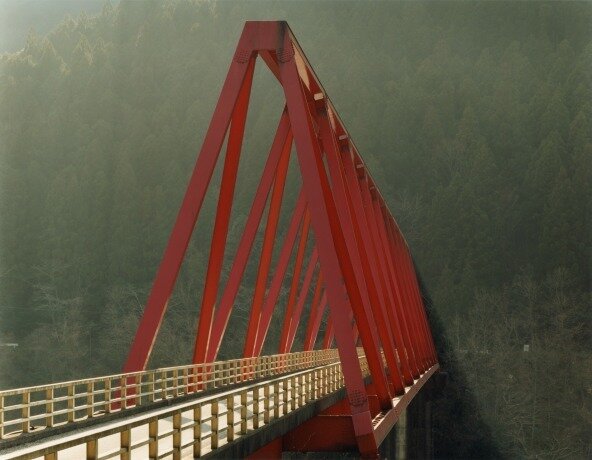
Use the expressions to describe: what your photo shows, the most interesting or significant details, how you interpret the painting.

Using Vocabulary | Describing Images

Pre-reading | Predictions

  • The exhibition features...
  • The exhibition / piece / artist references...
  • The piece represents...
  • It describes...
  • ...reflects on themes of...
  • The work reveals...
  • The monument depicts...
    The authors depiction... (+ comment)
  • [The artist] portrays...
  • [This artist] is known for...
  • The work quotes from... (copies directly)
  • The work exemplifies... (serves as an example)
  • The works rehash (reuse lazily)...
  • [Work X] renders [Work Y] Z
  • The collection interprets...
  • [The artist] borrows compositions of...


  • It is thought that...
  • The man is believed to be...
  • Have you seen these works before? Does the style remind you of the works of other artists?
  • What do you imagine the pieces/exhibitions may be about? What are the overall theme?
  • Some use more traditional forms of art, the others less so. Which type would typically pique your interest more?

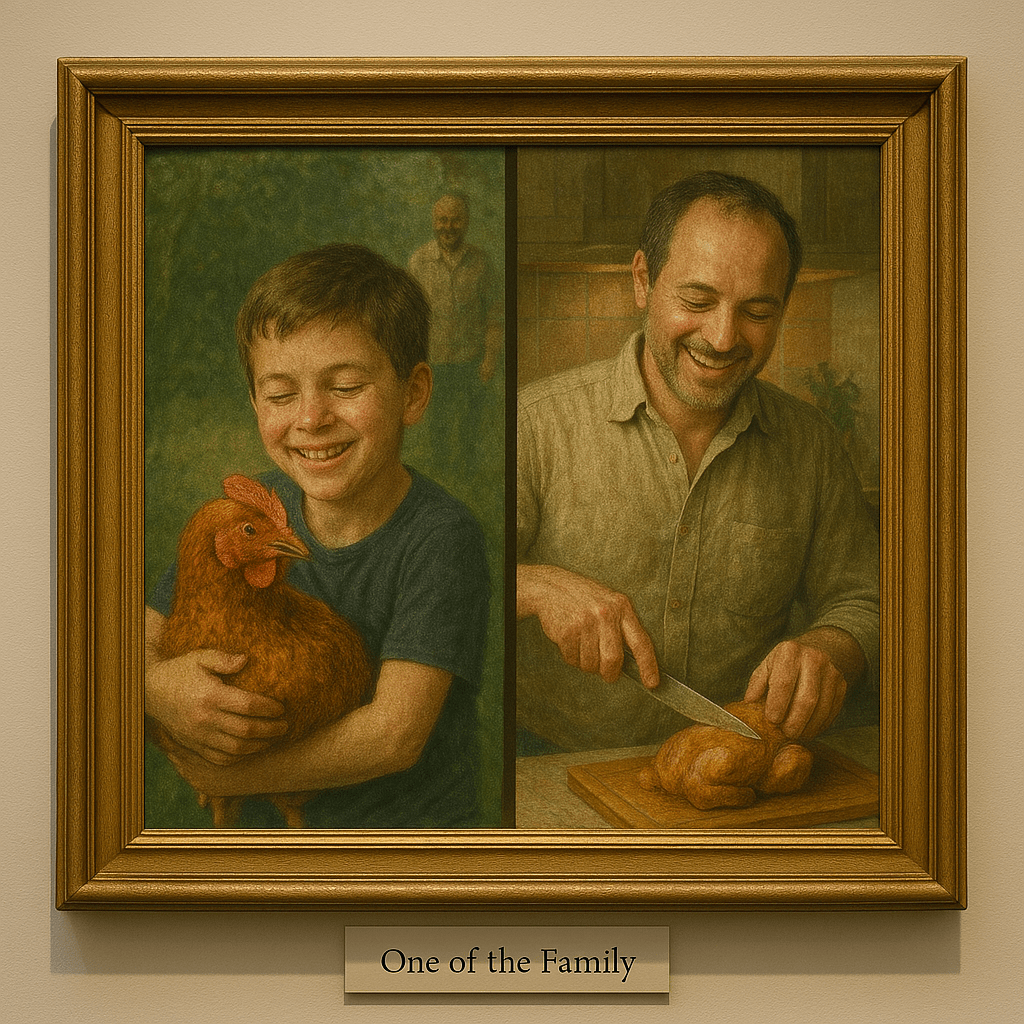
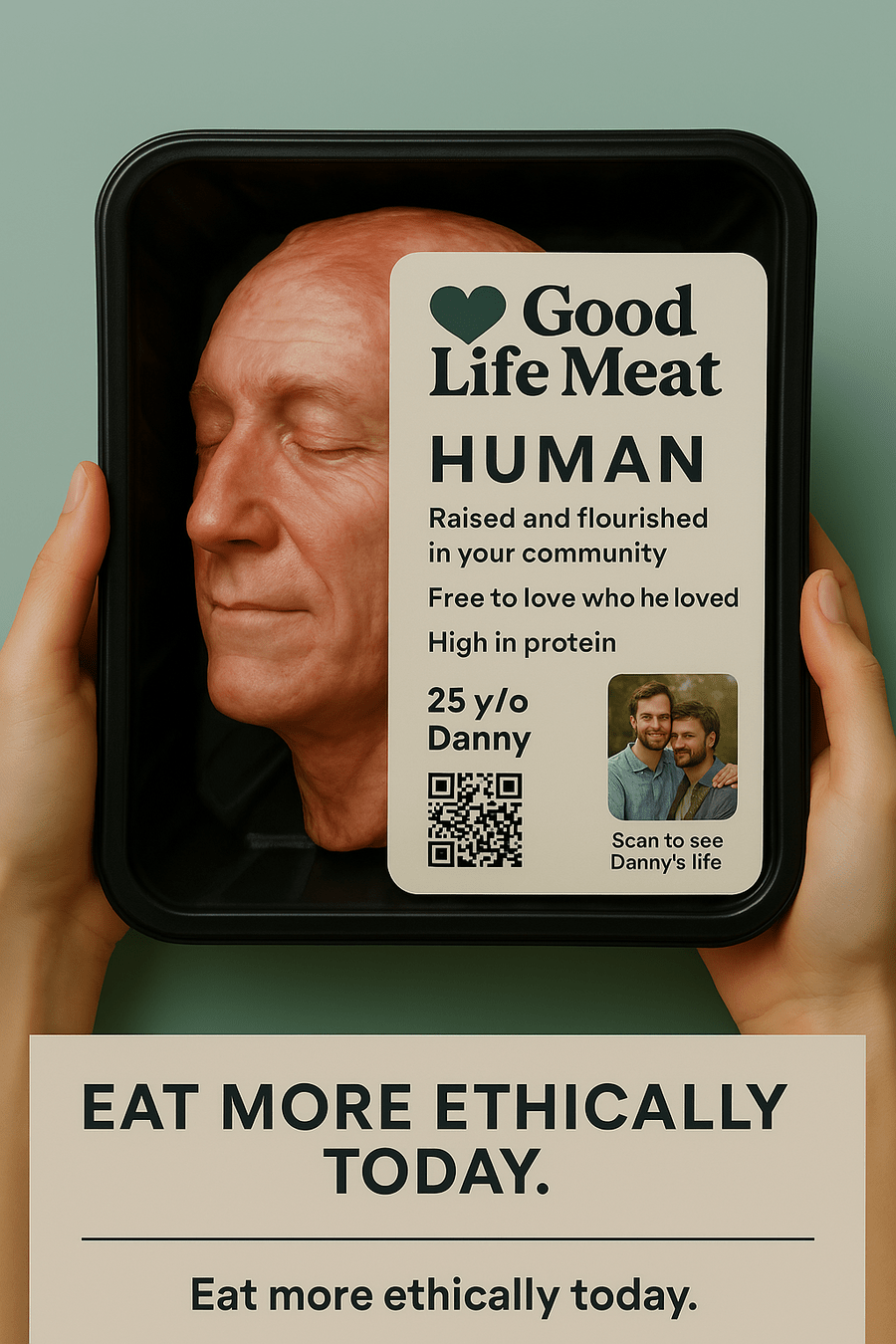
Modern Take on "One of the Family"

CHOOSE ETHICAL IN YOUR SUPERMARKET TODAY!

Raised locally in your community.

Free to live and love openly.

Killed humanely.

Clean and high in protein.

Vocabulary | Design Classics

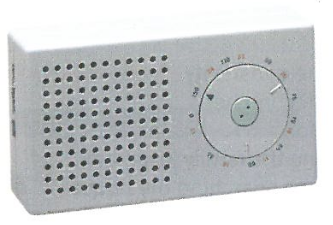
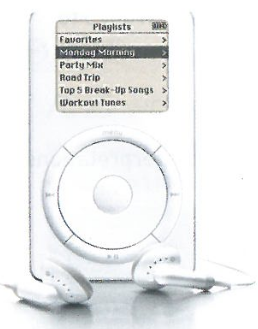
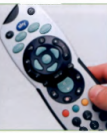
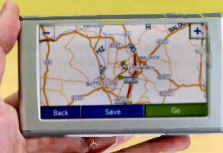
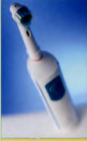
  • What are the two products below?
  • When were they made and what is the connection between them?
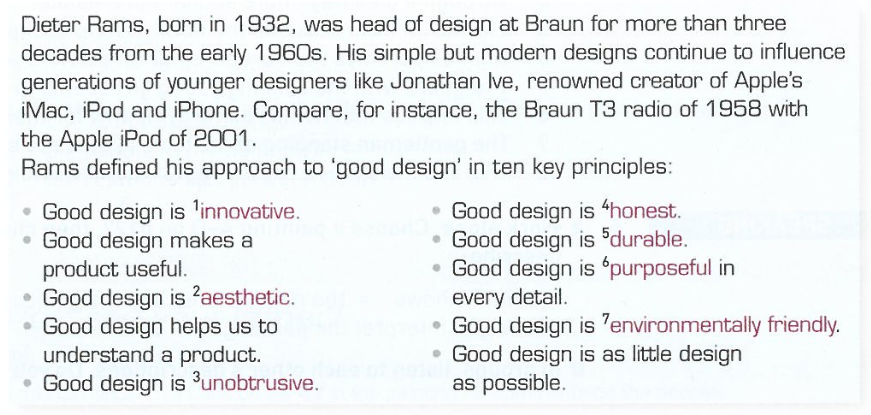
  • What made them good designs?

Vocabulary | Design Classics

  • What are the two products below?
  • When were they made and what is the connection between them?
  • What made them good designs?

Vocabulary | Design Classics

Vocabulary | Design Classics

  • Are there any other design principles which you believe are important? 
  • What are some products/apps that you use that are well designed?
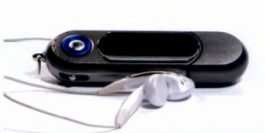
  • What do you think of the designs of the products below? Which invention do you think was the best?
  • What are some products which are badly designed. Why do you believe they are badly designed?

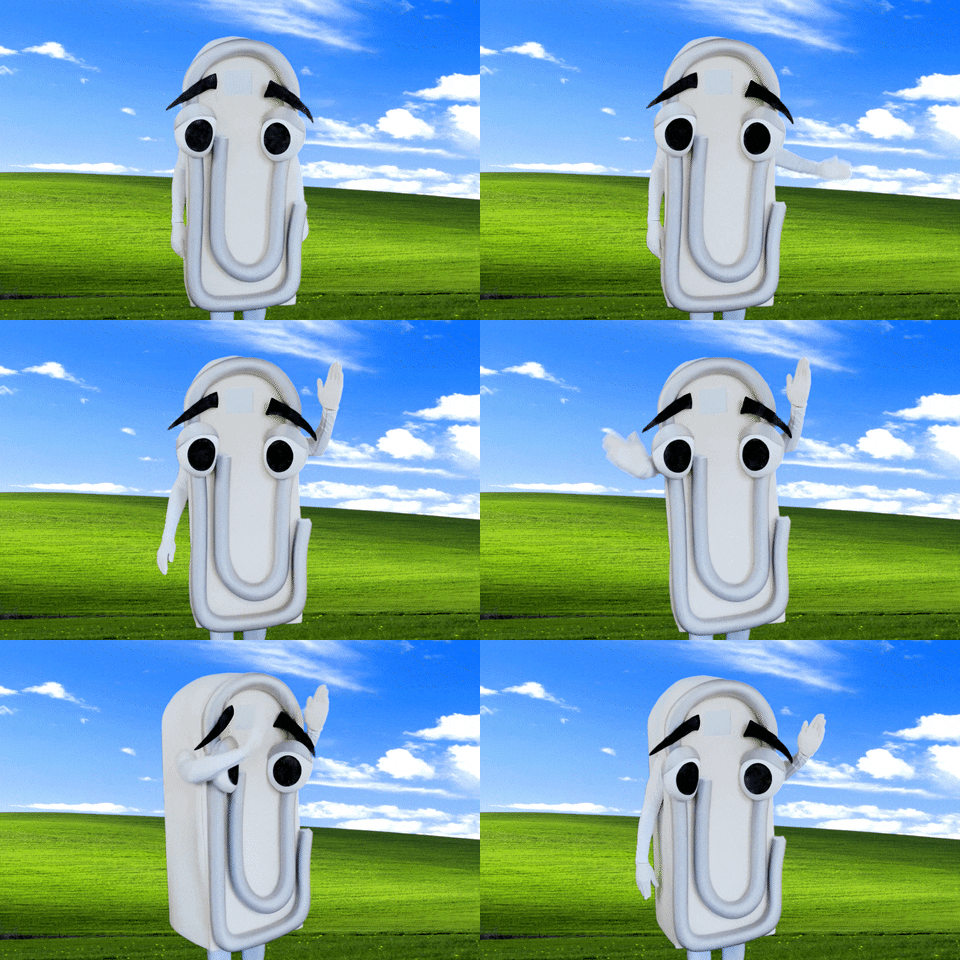
Does the paperclib deserve to be regarded as a "design classic"?

Reading | The Paperclip

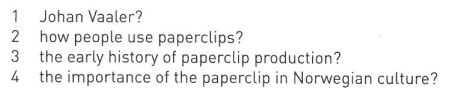
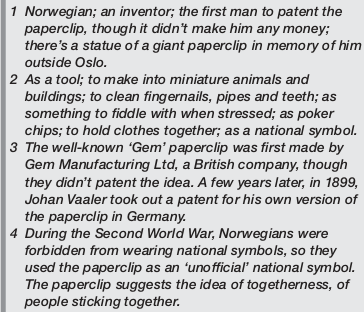
What info is given about:

Reading | The Paperclip

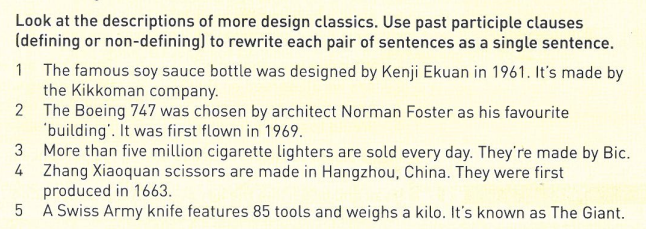
Grammar | Past Participle Clauses

  • According to a study which was conducted by Lloyds Bank, ...
    • = According to a study conducted by Lloyds Bank, ...


  • Defining past participle clauses
    • Of every 100,000 paperclips made in the US, 17,200 hold clothing together. 
      • Focus on defining subsection  
      • Comes after noun.


  • Non-defining past participle clauses
    • The one readers will have in mind is the familiar double U-shaped 'Gem' clip, made originally by Gem Manufacturing Ltd.
    • First patented by Johan Vaaler, the humble paperclip remains indespensable.
      • Adds extra details about subject.
      • In any position, separated from noun by a comma.

Upper-Intermediate | Interpreting Art

By Adam Wyett

Upper-Intermediate | Interpreting Art

  • 618