Brian
MCTC Sound Arts
On the next slides, listen to the pieces while reviewing the facts about them, and think about the specific questions posed. The audio is an edit from different points throughout the pieces.
Created in 1969
By a trained musician
Used readily-available analog technology
Created in the composer’s home
45 minutes
1) What are the raw sound materials (not the tools) used?
2) What did you hear that suggested which tools might be used?
3) What compositional process (not technology) might be used? What did you hear that suggested it?
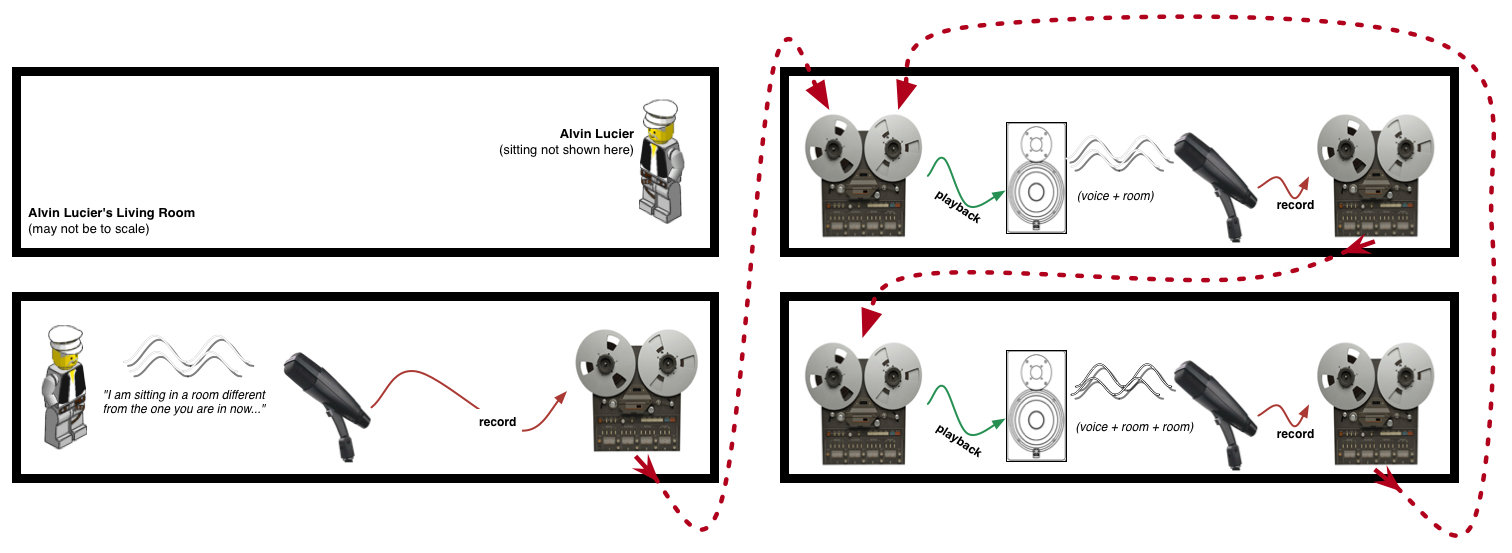
Alvin Lucier
I Am Sitting in a Room
(1969)
Created in 1966
By a trained musician
Used readily-available analog technology
Created in the composer’s home
13 minutes
1) What are the raw sound materials (not the tools) used?
2) What did you hear that suggested which tools might be used?
3) What compositional process (not technology) might be used? What did you hear that suggested it?
Again, listen to the audio while considering the facts & questions...
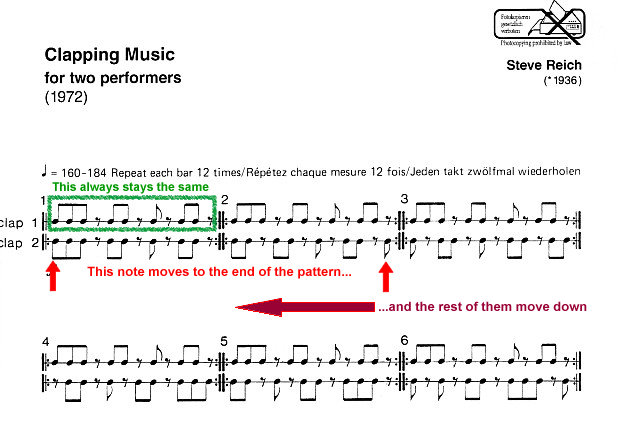
Steve Reich
Come Out (1966)
It's Gonna Rain (1965)
Pendulum Music (1968)
Violin Phase (1979)
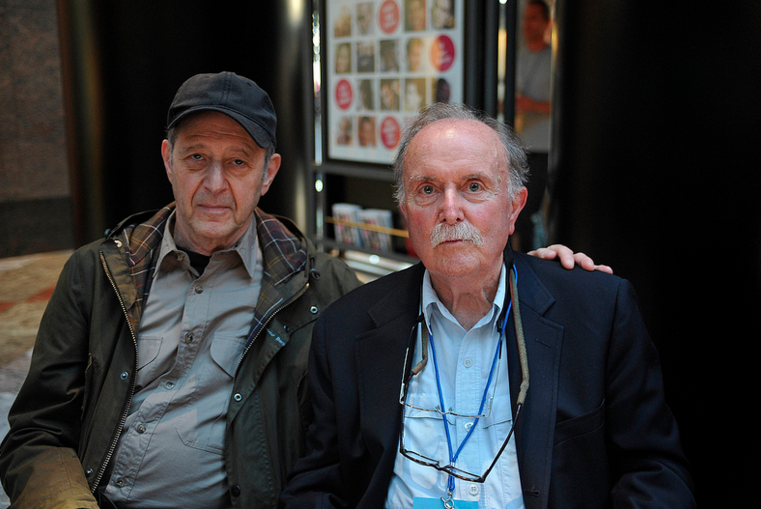
Steve Reich & Alvin Lucier
Steve Reich
Pendulum Music (1968)
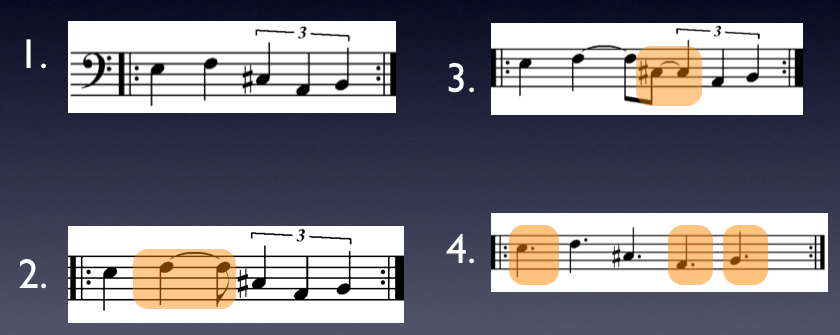
Philip Glass
Einstein on the Beach (1976)
adding an 1/8th-note, from "Train 1"
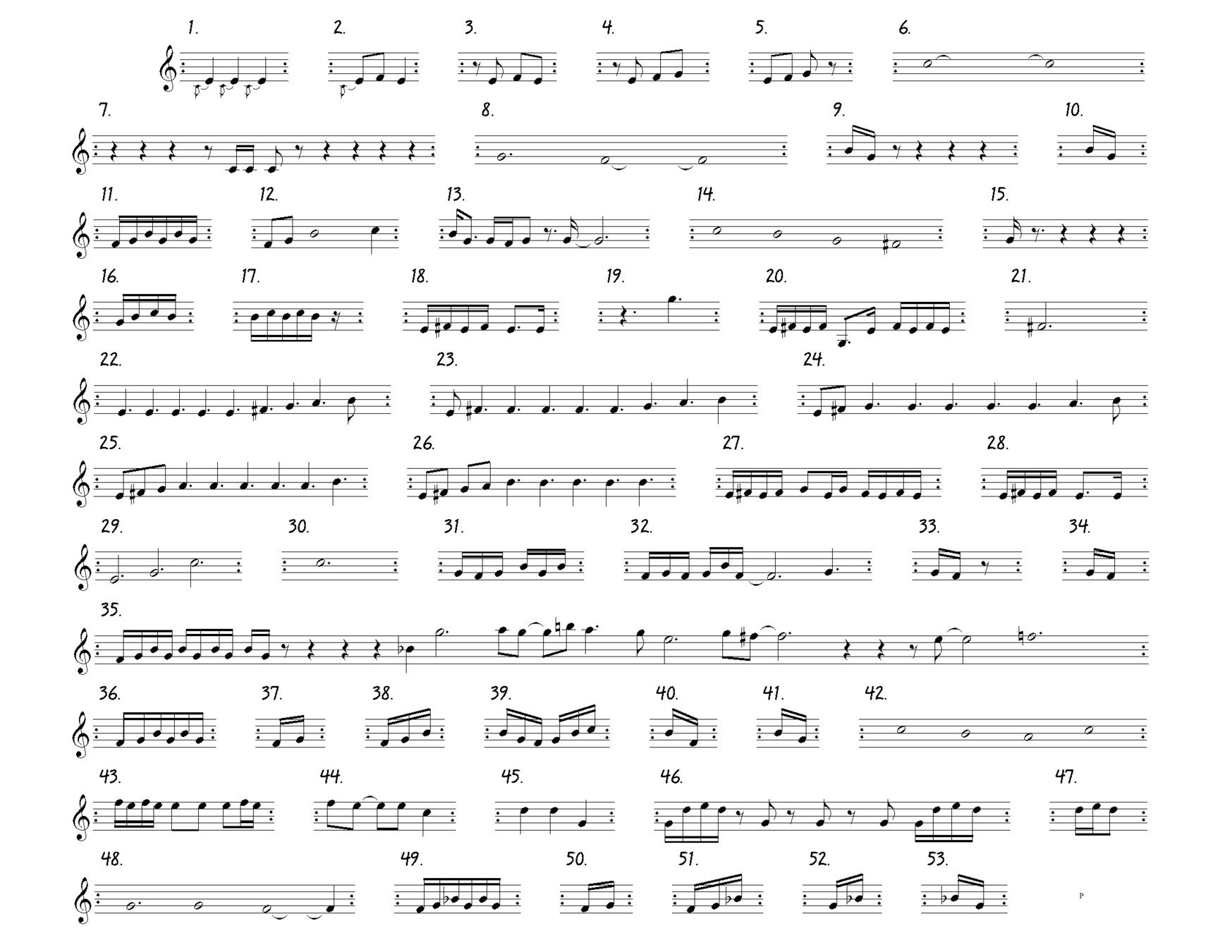
Terry Riley
In C
(1964)
In Zen they say: If something is boring after two minutes, try it for four. If still boring, try it for eight, sixteen, thirty-two, and so on. Eventually one discovers that it's not boring at all but very interesting.
–John Cage
By Brian
MCTC SNDA 1360