Delegation in Veto Bargaining: An Experiment
Brandon Williams
Alistair Wilson
Richard Van Weelden
University of Pittsburgh
Behavioral and Experimental Brown Bag
Motivation
- Many "bargaining" contexts exist in which a less-informed (about preferences) party must decide what to offer to a more-informed party.
- For the proposers, offering more flexibility may result in the other party selecting a less favorable outcome... although not as bad as when their proposal is outright rejected.
Motivation




- Many "bargaining" contexts exist in which a less-informed (about preferences) party must decide what to offer to a more-informed party.
- For the proposers, offering more flexibility may result in the other party selecting a less favorable outcome... although not as bad as when their proposal is outright rejected.
- This bargaining environment takes many forms:
Motivation

Motivation
Manager prefers more work from office
Could enforce this as policy
Do they risk poor alignment with employees?
Motivation
Employee prefers to work from home
What leverage do they have?
Outside option?
Motivation
Manager can propose
- Range of options: "You can work from home up to 4 days a month."
- Fully deferential: "Employees can choose how often they work from home."
- Take-it-or-leave-it: "Our policy is that everyone works from home on Fridays."
- Fully restrictive: "We do not allow employees to work from home."
Motivation
Motivation
Employee can
- Accept from the range of options
- Accept the take-it-or-leave-it
- Veto these choices and seek an outside option: "I quit!"
Motivation
Motivation
???
Manager bargains without knowing existing alignment
Motivation
Manager bargains without knowing existing alignment
Employee can always veto (very bad for the manager)
Literature
Models of similar bargaining forms have been proposed in theory...
- Under complete information - Romer and Rosenthal (1978)
- Under cheap talk negotiation - Matthews (1989)
- With valuable expertise involved - Holmström (1977)
- More recently: Kartik, Kleiner, Van Weelden (2021)
Literature
Models of similar bargaining forms have been proposed in theory...
- Under complete information - Romer and Rosenthal (1978)
- Under cheap talk negotiation - Matthews (1989)
- With valuable expertise involved - Holmström (1977)
- More recently: Kartik, Kleiner, Van Weelden (2021)
And used in experiments...
- Early bargaining - e.g. Roth and Murnighan (1980, 1982)
- Vetoes within committees - Kagel, Sung, and Winter (2010)
- Multiple rounds of bargaining - Nunnari (2021)
Literature
Models of similar bargaining forms have been proposed in theory...
- Under complete information - Romer and Rosenthal (1978)
- Under cheap talk negotiation - Matthews (1989)
- With valuable expertise involved - Holmström (1977)
- More recently: Kartik, Kleiner, Van Weelden (2021)
And used in experiments...
- Early bargaining - e.g. Roth and Murnighan (1980, 1982)
- Vetoes within committees - Kagel, Sung, and Winter (2010)
- Multiple rounds of bargaining - Nunnari (2021)
Theory
Theory
0
1
Theory

Proposer
0
1
Theory

v
Vetoer
0
1
Theory
v
???
0
1
Theory
v
???
0
1
Theory
v
Status quo
Theory
v
Status quo
Theory
v
Status quo
Theory
Status quo
Full Delegation
v
Theory
Status quo
No Compromise
v
Theory
Status quo
Interval Delegation
v
Theory
Status quo
Interval Delegation
v
Theory
Status quo
Interval Delegation
v
Theory
The vetoer is drawn from a distribution on the interval
Theory
The vetoer is drawn from a distribution on the interval
Theory
The vetoer is drawn from a distribution on the interval
Theory
Status quo
v
Theory
Status quo
v
Theory
Status quo
v
Full Delegation
Optimal if:
- Sufficiently risk-averse
- Density type is decreasing
Theory
Status quo
v
No Compromise
Optimal if:
- Vetoer density increasing
Theory
Status quo
v
Interval Delegation
Optimal if:
- Unimodal distribution and linear loss utility
Theory
Status quo
v
Interval Delegation
Comparative statics
c*
Theory
Status quo
v
Interval Delegation
Comparative statics
- Discretion ↑ in risk aversion
c*
Theory
Status quo
v
Interval Delegation
Comparative statics
- Discretion ↑ in risk aversion
- Discretion ↓ in ex ante alignment
c*
Theory
Status quo
v
Interval Delegation
c*
Theory
Status quo
v
Take-it-or-leave-it
c*
Theory
Status quo
v
Take-it-or-leave-it
c*
Strictly worse off
Theory
Status quo
v
Take-it-or-leave-it
c*
Strictly worse off
May be worse off
Theory
Status quo
v
Take-it-or-leave-it
c*
Strictly worse off
May be worse off
or better off
Theory
Status quo
v
Interval Delegation
c*
Theory
Status quo
v
Interval Delegation
c*
Acquiesce
Veto Threat
Theory
Status quo
v
Interval Delegation
c*
Acquiesce
Veto Threat
a_I^*
Theory
Status quo
v
Interval Delegation
c*
Acquiesce
Veto Threat
a_I^*
Optimal delegation allows for fewer veto results for the proposer than under cheap talk
Theory
Status quo
v
c*
Acquiesce
Veto Threat
a_I^*
Take-it-or-leave-it
Theory
Status quo
v
c*
Acquiesce
Veto Threat
a_I^*
Take-it-or-leave-it
Under take-it-or-leave-it, closer alignment can be achieved with cheap talk
Theory
- Full delegation optimal if proposer is sufficiently risk-averse and/or distribution of vetoer is decreasing on the interval
Theory
- Full delegation optimal if proposer is sufficiently risk-averse and/or distribution of vetoer is decreasing on the interval
- No delegation optimal if distribution of vetoer is increasing on the interval
Theory
- Full delegation optimal if proposer is sufficiently risk-averse and/or distribution of vetoer is decreasing on the interval
- No delegation optimal if distribution of vetoer is increasing on the interval
- The optimal interval is increasing in risk aversion and decreasing in higher ex-ante alignment
Theory
- Full delegation optimal if proposer is sufficiently risk-averse and/or distribution of vetoer is decreasing on the interval
- No delegation optimal if distribution of vetoer is increasing on the interval
- The optimal interval is increasing in risk aversion and decreasing in higher ex-ante alignment
- Take-it-or-leave-it is strictly worse for proposer and often worse for both
Theory
- Full delegation optimal if proposer is sufficiently risk-averse and/or distribution of vetoer is decreasing on the interval
-
No delegation optimal if distribution of vetoer is increasing on the interval
- The optimal interval is increasing in risk aversion and decreasing in higher ex-ante alignment
- Take-it-or-leave-it is strictly worse for proposer and often worse for both
- Cheap talk does little for interval delegation but generates efficiency gains for take-it-or-leave-it
Experimental Design
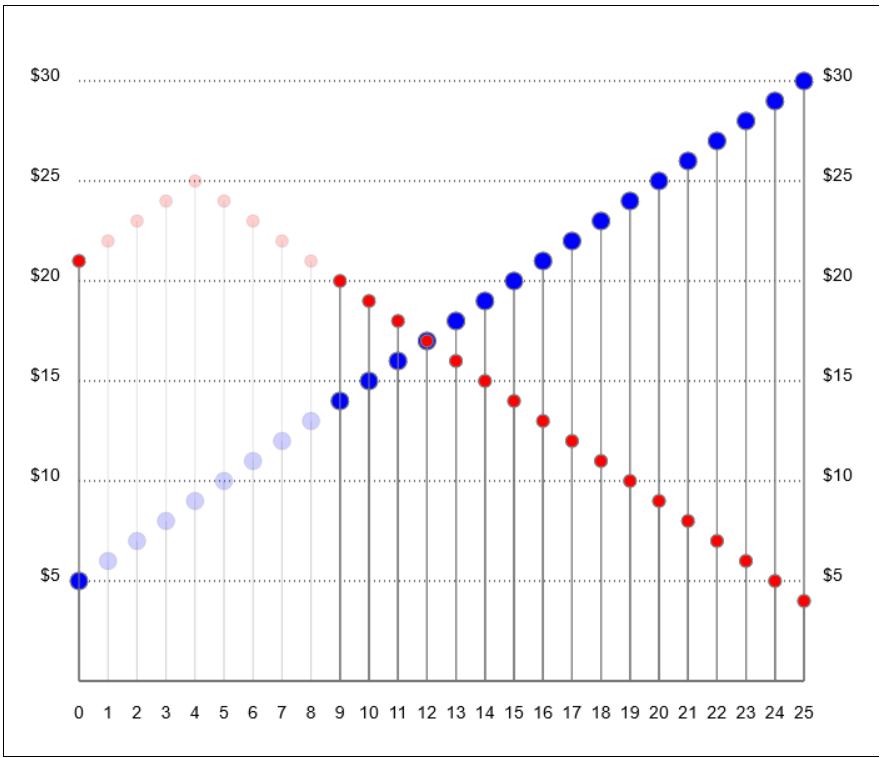
- Constructed environment that models the veto bargaining framework
Experimental Design
- Constructed environment that models the veto bargaining framework
0
Experimental Design
- Constructed environment that models the veto bargaining framework
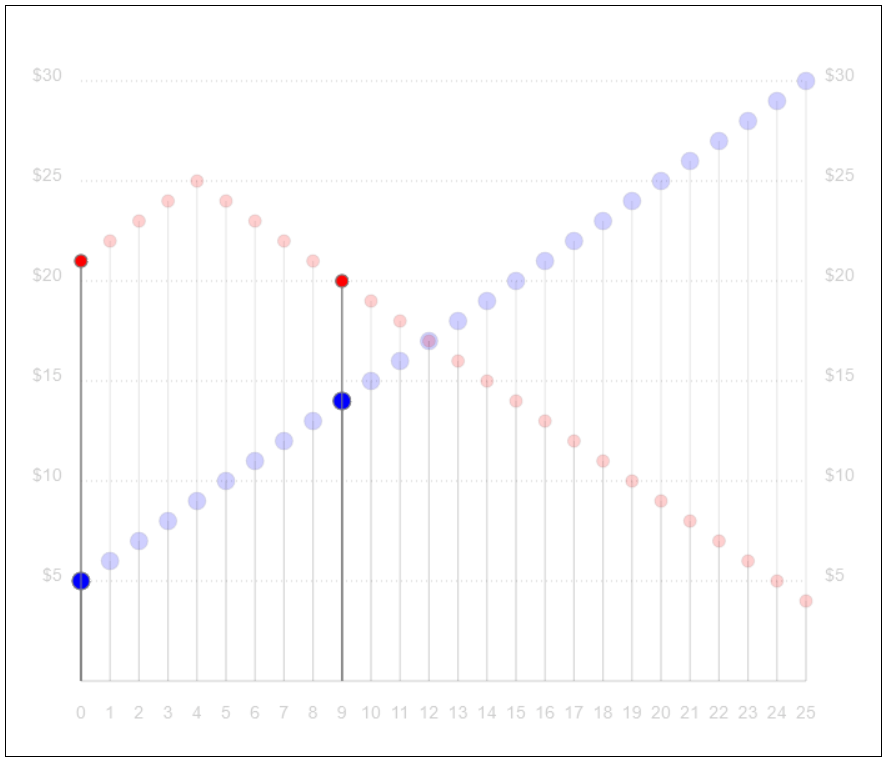
- Fix Proposer's optimal point at 25 (max of the domain)
25
0
Experimental Design
- Constructed environment that models the veto bargaining framework
- Fix Proposer's optimal point at 25 (max of the domain)
- Linear loss and raise all payoffs by $5
25
30
0
Experimental Design
- Constructed environment that models the veto bargaining framework
- Fix Proposer's optimal point at 25 (max of the domain)
- Linear loss and raise all payoffs by $5
25
30
5
0
Experimental Design
- Constructed environment that models the veto bargaining framework
- Give vetoer linear loss
25
0
25
10
Experimental Design
- Constructed environment that models the veto bargaining framework
- Give vetoer linear loss
- Always have the option to reject (select the "0" option)
25
0
25
10
15
Experimental Design
- Constructed environment that models the veto bargaining framework
- Give vetoer linear loss
- Always have the option to reject (select the "0" option)
- Vary the optimal point
25
0
25
5
20
Experimental Design
- Constructed environment that models the veto bargaining framework
- Give vetoer linear loss
- Always have the option to reject (select the "0" option)
- Vary the optimal point
25
0
25
20
5
Experimental Design
- Constructed environment that models the veto bargaining framework
- Give vetoer linear loss
- Always have the option to reject (select the "0" option)
- Vary the optimal point
25
0
25
10
15
Experimental Design
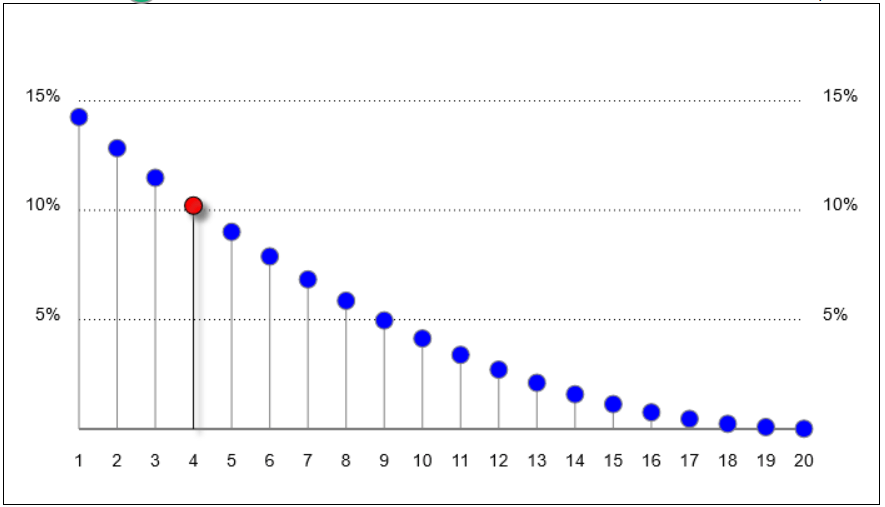
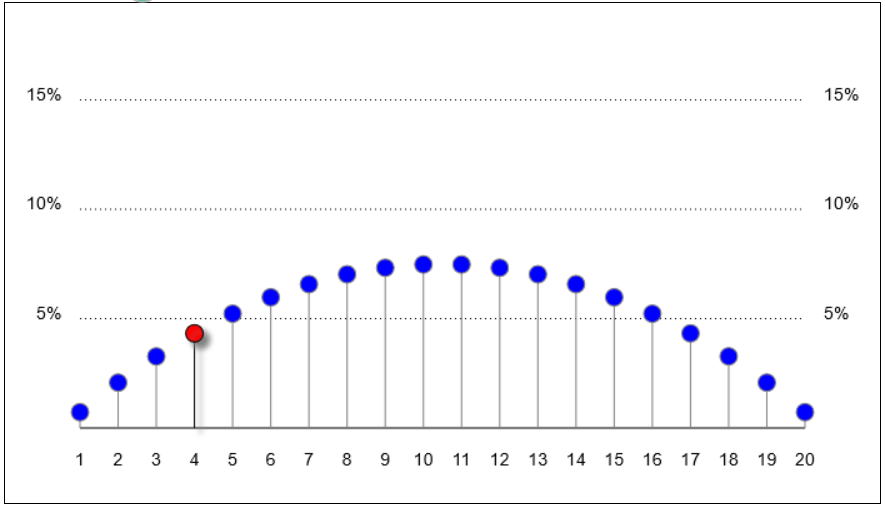
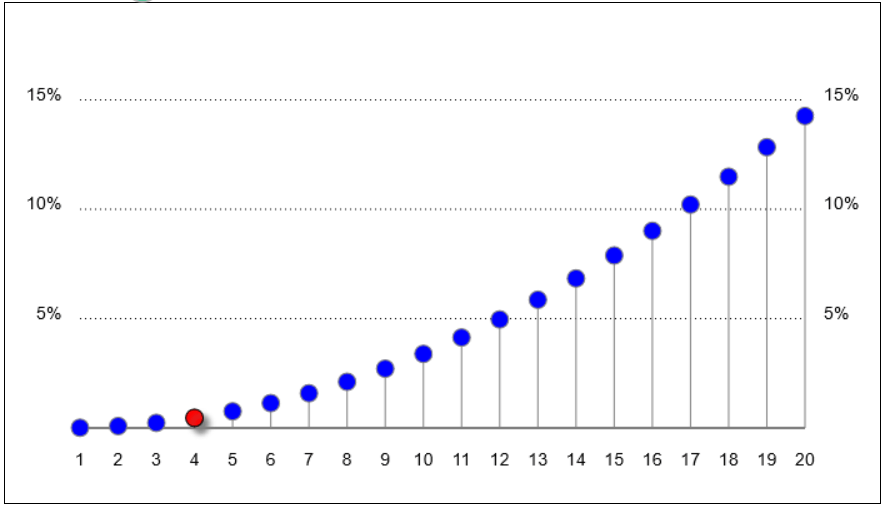
- Within-subject
- Varying distributions for the vetoer
Experimental Design
- Within-subject
- Varying distributions for the vetoer
6
11
17
Experimental Design
- Within-subject
- Varying distributions for the vetoer
6
11
17
Experimental Design
- Within-subject
- Varying distributions for the vetoer
6
11
17
Experimental Design
- Within-subject
- Varying distributions for the vetoer
6
11
17
Experimental Design
- Within-subject
- Varying distributions for the vetoer
- Changing roles (more on this later)
Experimental Design
- Between-subject
- Within-subject
- Varying distributions for the vetoer
- Changing roles (more on this later)
| No Chat | Chat | |
| Take-it-or-leave-it | ||
| Delegation |
Experimental Design
| No Chat | Chat | |
| Take-it-or-leave-it | ||
| Delegation |
Experimental Design
| No Chat | Chat | |
| Take-it-or-leave-it | ||
| Delegation |
- Proposer can make a single point offer
- Vetoer must decide to accept or veto
Experimental Design
| No Chat | Chat | |
| Take-it-or-leave-it | ||
| Delegation |
- Proposer can make a single point offer
- Vetoer must decide to accept or veto
- Participants can coordinate in advance of decisions
Experimental Design
| No Chat | Chat | |
| Take-it-or-leave-it | ||
| Delegation |
- Proposer can offer a range of choices for the vetoer to consider
- Vetoer can accept any of the options, or veto
Experimental Design
| No Chat | Chat | |
| Take-it-or-leave-it | ||
| Delegation |
- Proposer can offer a range of choices for the vetoer to consider
- Vetoer can accept any of the options, or veto
- Participants can coordinate in advance of decisions
Experimental Design
- Between-subject
- Within-subject
- Varying distributions for the vetoer
- Changing roles (more on this later)
| No Chat | Chat | |
| Take-it-or-leave-it | ||
| Delegation |
Experimental Design
- Between-subject
| No Chat | Chat | |
| Take-it-or-leave-it | ||
| Delegation |
Chat should bring meaningful improvement to coordination
- Within-subject
- Varying distributions for the vetoer
- Changing roles (more on this later)
Experimental Design
- Between-subject
| No Chat | Chat | |
| Take-it-or-leave-it | ||
| Delegation |
Chat should bring meaningful improvement to coordination
Over-revealing vetoers?
Over-credulous proposers?
- Within-subject
- Varying distributions for the vetoer
- Changing roles (more on this later)
Experimental Design
- Between-subject
| No Chat | Chat | |
| Take-it-or-leave-it | ||
| Delegation |
Chat shouldn't have much effect, but behaviorally uncertain
- Within-subject
- Varying distributions for the vetoer
- Changing roles (more on this later)
Experimental Design
- Between-subject
| No Chat | Chat | |
| Take-it-or-leave-it | ||
| Delegation |
Chat shouldn't have much effect, but behaviorally uncertain
High types see no benefit
Appeals to other regarding?
- Within-subject
- Varying distributions for the vetoer
- Changing roles (more on this later)
Experimental Design
- Between-subject
| No Chat | Chat | |
| Take-it-or-leave-it | ||
| Delegation |
Can chat create efficiency gains enough to reach delegation?
- Within-subject
- Varying distributions for the vetoer
- Changing roles (more on this later)
Experimental Design
- Between-subject
| No Chat | Chat | |
| Take-it-or-leave-it | ||
| Delegation |
- Design captures
- Alignment with qualitative predictions
- Efficiencies
- Delegation leniency
- Differences across distributions
- Within-subject
- Varying distributions for the vetoer
- Changing roles (more on this later)
Experimental Design
- Between-subject
- Design captures
- Alignment with qualitative predictions
- Efficiencies
- Delegation leniency
- Differences across distributions
- Other information to collect
- Other regarding behavior (dictator game)
- Cognitive abilities
- Risk aversion
- Within-subject
- Varying distributions for the vetoer
- Changing roles (more on this later)
Design Challenges
Design Challenges
Five phases of the current design
- 10 rounds repeated in one role
- Switch to other role and play 10 more
- Play 3 rounds against a robot player
- Lotteries within the same domain as the game
- Dictator, cognition, and questionnaire
Design Challenges
- 10 rounds repeated in one role
- Switch to other role and play 10 more
- Play 3 rounds against a robot player
- Lotteries within the same domain as the game
- Dictator, cognition, and questionnaire
Design Challenges
- Key area of focus is the single or range offer made by the Proposer
- Learning effects
- Is there a difference between AB and BA players?
- 10 rounds repeated in one role
- Switch to other role and play 10 more
- Play 3 rounds against a robot player
- Lotteries within the same domain as the game
- Dictator, cognition, and questionnaire
Design Challenges
- 10 rounds repeated in one role
- Switch to other role and play 10 more
- Play 3 rounds against a robot player
- Lotteries within the same domain as the game
- Dictator, cognition, and questionnaire
Design Challenges
- All players take the role of proposer
- Vetoer will respond by simple best response rule
- Proposer no longer needs to consider vetoer as another player
- 10 rounds repeated in one role
- Switch to other role and play 10 more
- Play 3 rounds against a robot player
- Lotteries within the same domain as the game
- Dictator, cognition, and questionnaire
Design Challenges
- 10 rounds repeated in one role
- Switch to other role and play 10 more
- Play 3 rounds against a robot player
- Lotteries within the same domain as the game
- Dictator, cognition, and questionnaire
Design Challenges
- Players continue to face a robotic response rule
- Fix the delegation cutoff at 10
- Vary the 3 distributions and give players the probability of non-veto result
- Elicit certainty equivalent to not play against the robot
- 10 rounds repeated in one role
- Switch to other role and play 10 more
- Play 3 rounds against a robot player
- Lotteries within the same domain as the game
- Dictator, cognition, and questionnaire
Thank you!
Questions or Comments?
veto_delegation
By bjw95