The Plan of Salvation

True to the Faith
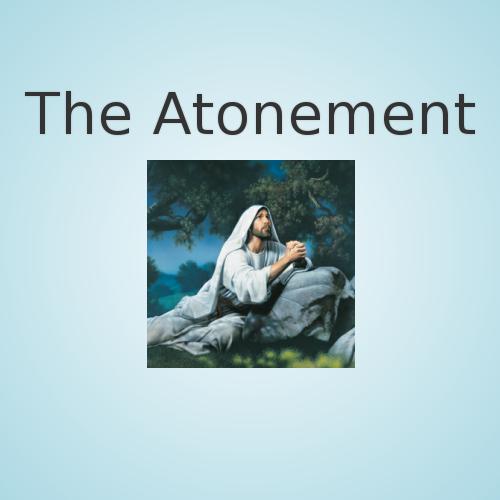
In the premortal existence, Heavenly Father prepared a plan to enable us to become like Him and receive a fulness of joy. The scriptures refer to this plan as “the plan of salvation” (Alma 24:14; Moses 6:62), “the great plan of happiness” (Alma 42:8), “the plan of redemption” ( Jacob 6:8; Alma 12:30), and “the plan of mercy” (Alma 42:15). The plan of salvation is the fulness of the gospel. It includes the Creation, the Fall, the Atonement of Jesus Christ, and all the laws, ordinances, and doctrines of the gospel. Moral agency, the ability to choose and act for ourselves, is also essential in Heavenly Father’s plan. Because of this plan, we can be perfected through the Atonement, receive a fulness of joy, and live forever in the presence of God. Our family relationships can last throughout the eternities. You are a participant in Heavenly Father’s plan, and your eternal experience can be divided into three main parts: premortal life, mortal life, and life after death. As you come to understand the plan, you find answers to questions asked by so many: Where did we come from? Why are we here? Where do we go after this life?
Premortal Life
Before you were born on the earth, you lived in the presence of your Heavenly Father as one of His spirit children. In this premortal existence, you attended a council with Heavenly Father’s other spirit children. At that council, Heavenly Father presented His great plan of happiness (see Abraham 3:22–26). In harmony with the plan of happiness, the premortal Jesus Christ, the Firstborn Son of the Father in the spirit, covenanted to be the Savior (see Moses 4:2; Abraham 3:27). Those who followed Heavenly Father and Jesus Christ were permitted to come to the earth to experience mortality and progress toward eternal life. Lucifer, another spirit son of God, rebelled against the plan and “sought to destroy the agency of man” (Moses 4:3). He became Satan, and he and his followers were cast out of heaven and denied the privileges of receiving a physical body and experiencing mortality (see Moses 4:4; Abraham 3:27–28). Throughout your premortal life, you developed your identity and increased your spiritual capabilities. Blessed with the gift of agency, you made important decisions, such as the decision to follow Heavenly Father’s plan. These decisions affected your life then and now. You grew in intelligence and learned to love the truth, and you prepared to come to the earth, where you could continue to progress.
Mortal Life
You are now experiencing mortal life. Your spirit is united with your body, giving you opportunities to grow and develop in ways that were not possible in your premortal life. This part of your existence is a time of learning in which you can prove yourself, choose to come unto Christ, and prepare to be worthy of eternal life. It is also a time when you can help others find the truth and gain a testimony of the plan of salvation.
Life after Death
When you die, your spirit will enter the spirit world and await the resurrection. At the time of the resurrection, your spirit and body will reunite, and you will be judged and received into a kingdom of glory. The glory you inherit will depend on the depth of your conversion and your obedience to the Lord’s commandments (see “Kingdoms of Glory,” pages 92–95). It will depend on the manner in which you have “received the testimony of Jesus” (D&C 76:51; see also verses 74, 79, 101).
Blessings through Knowledge of the Plan
A testimony of the plan of salvation can give you hope and purpose as you wrestle with the challenges of life. You can find reassurance in the knowledge that you are a child of God and that you lived in His presence before you were born on the earth. You can find meaning in your present life, knowing that your actions during mortality influence your eternal destiny. With this knowledge, you can base important decisions on eternal truths rather than on the changing circumstances of life. You can continually improve your relationship with family members, rejoicing in the promise that your family can be eternal. You can find joy in your testimony of the Atonement and the Lord’s commandments, ordinances, covenants, and doctrines, knowing that “he who doeth the works of righteousness shall receive his reward, even peace in this world, and eternal life in the world to come” (D&C 59:23).
Additional references: 2 Nephi 2:5–30; 10:23–25; Alma 12:24–37; 22:12–14; 42; Moses 6:47–62
See also Agency; Atonement of Jesus Christ; Creation; Death, Physical;
Death, Spiritual; Fall; God the Father; Gospel; Heaven; Hell; Jesus Christ;
Kingdoms of Glory; Paradise; Resurrection
Q: Why is learning an important part of Heavenly Father’s plan?
One of the main reasons Heavenly Father sent us to earth was to give us experiences that would help us learn and become more like Him.If we are obedient and teachable, He will help us learn what we need to know, line upon line, throughout our lives.
Heavenly Father expects us to use the knowledge we gain to bless others and build His kingdom.
Scriptures:
-
(The Lord has promised to teach us “line upon line” as we study and live what we learn)
-
Alma 12:9–11; D&C 50:40
- (If we are obedient and teachable, we will continue to learn throughout our lives)
-
(The Lord wants us to learn so we will be prepared to magnify our callings)
Q: How can an education benefit me and my future family?
Whatever principle of intelligence we attain unto in this life,
it will rise with us in the resurrection.
~Doctrine and Covenants 130:18
For the Strength of Youth:
Education is an important part of Heavenly Father’s plan to help you become more like Him. He wants you to educate your mind and to develop your skills and talents, your power to act well in your responsibilities, and your capacity to appreciate life. The education you gain will be valuable to you during mortality and in the life to come.
Education will prepare you for greater service in the world and in the Church. It will help you better provide for yourself, your family, and those in need. It will also help you be a wise counselor and companion to your future spouse and an informed and effective teacher of your future children.
Education is an investment that brings great rewards and will open the doors of opportunity that may otherwise be closed to you. Plan now to obtain an education. Be willing to work diligently and make sacrifices if necessary. Share your educational goals with your family, friends, and leaders so they can support and encourage you.
Maintain an enthusiasm for learning throughout your life. Find joy in continuing to learn and in expanding your interests. Choose to actively participate in the learning opportunities available to you.
Your education should include spiritual learning. Study the scriptures and the words of the latter-day prophets. Participate in seminary and institute. Continue throughout your life to learn about Heavenly Father’s plan. This spiritual learning will help you find answers to the challenges of life and will invite the companionship of the Holy Ghost.
it will rise with us in the resurrection.
~Doctrine and Covenants 130:18
For the Strength of Youth:
Education is an important part of Heavenly Father’s plan to help you become more like Him. He wants you to educate your mind and to develop your skills and talents, your power to act well in your responsibilities, and your capacity to appreciate life. The education you gain will be valuable to you during mortality and in the life to come.
Education will prepare you for greater service in the world and in the Church. It will help you better provide for yourself, your family, and those in need. It will also help you be a wise counselor and companion to your future spouse and an informed and effective teacher of your future children.
Education is an investment that brings great rewards and will open the doors of opportunity that may otherwise be closed to you. Plan now to obtain an education. Be willing to work diligently and make sacrifices if necessary. Share your educational goals with your family, friends, and leaders so they can support and encourage you.
Maintain an enthusiasm for learning throughout your life. Find joy in continuing to learn and in expanding your interests. Choose to actively participate in the learning opportunities available to you.
Your education should include spiritual learning. Study the scriptures and the words of the latter-day prophets. Participate in seminary and institute. Continue throughout your life to learn about Heavenly Father’s plan. This spiritual learning will help you find answers to the challenges of life and will invite the companionship of the Holy Ghost.
Q: Why is teaching the gospel important in the plan of salvation?
In order to fulfill the purposes of the plan of happiness, Heavenly
Father’s children need to learn about the gospel.
For this reason, God needs each of us to teach the gospel to our families, to other members of the Church, and to those who haven’t received the gospel.
Scriptures
-
Luke 2:46–52
- (At a young age, the Savior taught others the truths of the gospel)
-
2 Nephi 2:8
- (The importance to make these things known is great)
-
D&C 43:8; 88:77–80
- (The Lord commands us to teach one another)
How can I help fulfill Heavenly Father’s plan by taking advantage of this teaching opportunity?
Think about some of the effective gospel teachers in your life. What made them effective? What examples can you follow?
Q: Why is gospel teaching important to the plan of salvation?
In every dispensation of the gospel, the Lord has directed the teaching of the plan of redemption. He has:
- sent angels (see Mosiah 3:1–4; Moroni 7:29–32; Joseph Smith—History 1:30–47),
- called prophets (see Amos 3:7),
- provided the scriptures (see D&C 33:16),
- and helped people know the truth by the power of the Holy Ghost (see 1 Nephi 10:19; Moroni 10:5).
He has commanded His followers to teach the gospel:
- to their family members (see Deuteronomy 6:5–7; Mosiah 4:14–15; D&C 68:25–28),
- to other members of the Church (see D&C 88:77–78, 122),
- and to those who have not yet received the fulness of the gospel (see Matthew 28:19–20; D&C 88:81).
Q: What is the role of agency in learning the gospel?
We each must learn the gospel for ourselves—no one can learn it for us.
Learning the gospel is meant to be an active experience, not a passive
one.
When we exercise our agency to diligently seek truth, the Lord blesses us with increased light and knowledge.
Scriptures
- (We must do Heavenly Father’s will to know His doctrine)
- (Be doers of the word, not hearers only)
- (If we diligently seek truth, we will find it)
- (We are to act, not to be acted upon)
- (When we receive truth and act on it, we receive more truth)
- (We seek learning by study and by faith)
Examples
share some examples in the scriptures of people who actively sought to learn about the gospel
1 Nephi 2:14–16 [Nephi],
Doctrine and Covenants 138:1–11 [Joseph F. Smith],
Joseph Smith—History 1:10–18 [Joseph Smith].
Anxiously Engaged
Invite the youth to read Doctrine and Covenants 58:26–28,
looking for ways the Lord’s counsel might apply to their role as gospel
learners.
Ask them to list some choices they must make as students (such as whether or not to make a comment in class or how to prepare spiritually for class). What are some of the consequences of these choices?
The Plan of Salvation
By bootz15