Flooring Bamboo
Bothbest is a FSC certified bamboo factory based in China starting the manufacturing since 2001, mainly supplying bamboo flooring, bamboo decking and bamboo plywood. https://www.bambooindustry.com/bamboo-flooring/
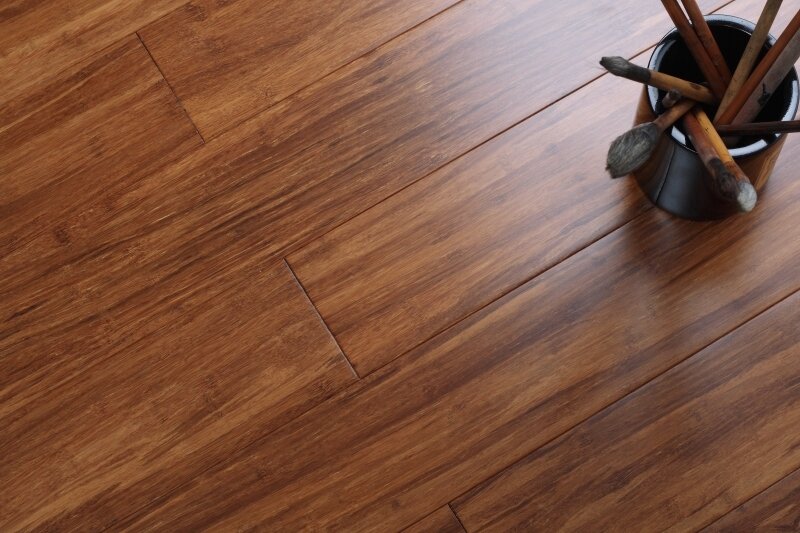
Strand woven bamboo flooring has gained a reputation for being one of the toughest flooring options available. Its dense, interlocked fibers and engineered structure set it apart from traditional horizontal or vertical bamboo planks. Many homeowners and builders choose it for high‑traffic rooms, busy households, and commercial spaces where durability matters. Even so, claims about strength can sound abstract until they’re supported by real‑world performance.
This blog looks closely at how strand woven bamboo holds up under practical conditions—impact, wear, moisture, pets, furniture, and everyday household challenges. It also covers additional factors that help people understand why this flooring performs the way it does and what to expect over time.
What Makes Strand Woven Bamboo Different
To appreciate its durability, it helps to understand how strand woven bamboo is made. Instead of slicing bamboo into strips, this method involves shredding the bamboo stalk into fibers. These fibers are then coated with adhesives and compressed under extreme heat and pressure. The resulting blocks are milled into planks with very high density.
Several characteristics set it apart:
Higher density than most hardwoods
More uniform structure, reducing weak points
Greater resistance to impact and denting
Stable engineered composition when used in multi‑layer formats
This construction gives strand woven bamboo its reputation for strength, but its actual performance comes down to real‑world testing.
Dent Resistance and Compression Strength
Dent resistance is one of the first things people look at when comparing flooring options. Strand woven bamboo consistently rates above many hardwoods, including oak, maple, and hickory.
Real‑World Observations
Tests using dropped objects—pots, pans, tools, or weighted utensils—show that strand woven bamboo withstands dents better than most natural woods. Households with active kids or heavy furniture typically report fewer visible marks over time.
Chairs sliding back and forth leave minimal impressions when pads are used.
Heavy décor items rarely create deep dents unless concentrated pressure is involved.
Dropped metal objects may leave small marks, but these tend to be shallower compared with marks on oak or walnut.
This level of hardness makes strand woven bamboo suitable for kitchens, hallways, and living rooms where daily wear is unavoidable.
Scratch Resistance Under Daily Traffic
Hardness and scratch resistance are related but not identical. The top finish plays a key role in scratch performance.
Performance in Real Conditions
Most manufactured strand woven bamboo floors use aluminum oxide coatings. These finishes help resist scratches from:
Shoes
Rolling toys
Pet nails
Light furniture movement
Small debris tracked from outside
In homes with pets—especially larger dogs—light surface marks can appear over time, but they are often less noticeable than marks on softer hardwoods. The dense grain pattern helps mask fine scratches, giving the floor a smoother appearance even after years of use.
Floors with matte or textured finishes typically show fewer visible marks than glossy surfaces.
Impact Performance: Dropped Items and High‑Stress Areas
Kitchens and entryways experience the most impact in a household. Strand woven bamboo generally performs well in these areas.
Practical Findings
Heavy pans or tools dropped from countertop height usually leave minimal dents due to the flooring’s density.
Areas around sinks and stoves tend to hold up to foot traffic without flattening or wearing down.
High‑stress zones, such as beneath bar stools, benefit from pads or mats but overall show strong longevity compared with other wood flooring.
Homeowners often note that the flooring maintains its firm, solid feel over years of use without developing soft spots or compression tracks.
Moisture Resistance and Dimensional Stability
Moisture is an important consideration for any organic flooring material. Strand woven bamboo is denser than many hardwoods, but it still expands and contracts with humidity.
Real‑World Behavior
In typical household conditions, strand woven bamboo remains stable:
Normal seasonal humidity changes cause minimal shifting.
Planks installed with proper acclimation tend to remain flat and tight.
Floating installations show more movement than glued‑down floors, but this is manageable with correct expansion spacing.
Where moisture exposure becomes excessive—such as long‑standing spills, plumbing leaks, or conditions with high humidity—bamboo may show signs of swelling or slight warping. This is not unique to bamboo; most hardwood floors respond similarly.
When It Performs Best
Homes with consistent temperature and humidity
Rooms with proper ventilation
Installations kept away from standing water
Floors maintained with recommended care products
With reasonable upkeep, strand woven bamboo generally maintains impressive stability.
Wear Resistance in High‑Traffic Homes
Families with children or pets often look for flooring that can handle busy living patterns. Strand woven bamboo tends to outperform softer species in these settings.
Observed Long‑Term Wear
High‑traffic pathways show gradual softening of finish, but the underlying bamboo remains strong.
Homes with pets report fewer deep scratches than with pine, birch, or softer hardwoods.
Areas with constant foot movement maintain structure without cupping or denting.
Even in households hosting frequent gatherings, the surface tends to hold up well for many years before needing refinishing.
Performance with Furniture and Heavy Loads
Furniture can test the limits of any flooring. Strand woven bamboo’s density helps minimize damage from weight, but some preparation is important.
Real‑World Notes
Sofas, entertainment centers, and bookshelves rarely leave dents unless moved without pads.
Rolling furniture such as office chairs may leave marks over time if wheels are hard plastic.
Beds and tables typically sit comfortably with felt pads, protecting the finish.
Much of the flooring’s performance in these situations depends on the type of finish applied and how well the furniture is protected.
Heat, Sunlight, and UV Exposure
Sunlight can affect color in natural materials. Strand woven bamboo is no exception, although it tends to experience less dramatic shifts than some hardwoods.
Observed Changes
Gradual lightening or darkening may occur based on exposure levels.
Window coverings help maintain even coloration.
Rearranged furniture sometimes reveals slight color differences, which usually blend with time.
These changes are cosmetic and do not affect the structural durability of the flooring.
Commercial and Light Industrial Use
Many retailers, offices, and fitness studios install strand woven bamboo because of its strength.
Results from Commercial Environments
It holds up well to consistent foot traffic and heavy use.
High‑density planks resist long‑term compression from equipment.
Cleaning crews typically find the floors easy to maintain with commercial‑grade finishes.
These environments often prove the flooring’s durability even more clearly than residential settings.
Factors That Influence Long‑Term Durability
While strand woven bamboo is inherently strong, its real‑world lifespan depends on several variables.
Quality of Manufacturing
Better manufacturers use:
High‑density compression
Strong, low‑VOC adhesives
Durable aluminum oxide finishes
Stable engineered cores
Cheaper options may cut corners, reducing overall performance.
Installation Method
Floors perform best when installed with:
Proper acclimation
Correct expansion spacing
A level, stable subfloor
Recommended underlayment (for floating floors)
Glued‑down installations often provide additional stability.
Maintenance Habits
Simple routines extend the floor’s life:
Cleaning with bamboo‑safe products
Using pads under furniture
Keeping grit off the floor
Managing indoor humidity
These small measures help preserve both the finish and structural integrity.
How Strand Woven Bamboo Compares to Other Materials
Understanding how it stacks up against alternatives helps solidify its position.
Compared with Traditional Hardwood
More dent‑resistant
More dimensionally stable
Less prone to deep scratches
Can be refinished depending on the wear layer
Compared with Laminate
More natural feel
Can be refinished
Better performance under heavy objects
Slightly less scratch‑resistant due to natural surface
Compared with Luxury Vinyl
Harder and more solid underfoot
More environmentally friendly
Less moisture‑resistant
More premium appearance
Each material has a place, but strand woven bamboo stands out for its blend of strength and natural beauty.
Overall Real‑World Durability
Based on performance across homes, commercial settings, and controlled testing, strand woven bamboo flooring consistently proves itself to be one of the most durable natural flooring materials available. Its resistance to dents, scratches, and heavy wear makes it ideal for busy households, while its stability and finish options give it long‑term appeal.
When installed and maintained properly, it performs impressively under the kinds of stresses that most floors encounter every day. With the right care, it can remain attractive and structurally sound for many years, offering strength that rivals or surpasses many hardwoods.
By Flooring Bamboo
Strand woven bamboo flooring has gained a reputation for being one of the toughest flooring options available. Its dense, interlocked fibers and engineered structure set it apart from traditional horizontal or vertical bamboo planks. Many homeowners and builders choose it for high‑traffic rooms, busy households, and commercial spaces where durability matters. Even so, claims about strength can sound abstract until they’re supported by real‑world performance.