


Welfarist Control Design


Theory Pathfinder Workshop
14 April 2026

SOCIETAL MANDATE

Society entrusts control engineers to develop methods with specs on 

  • efficiency / performance
  • fairness
  • priorities / guarantees

ENGINEERS

Design control / optimization / decision rules that fulfil the mandate despite

  • dynamics and feedback
  • stochasticity
  • heterogeneous systems
  • limited information
  • complexity

CERTIFICATES

Individuals and stakeholders can

  • access certificates
  • test fulfilment of mandate
  • obtain explanations
  • prequalify solutions ("grid code")

Society

Engineers

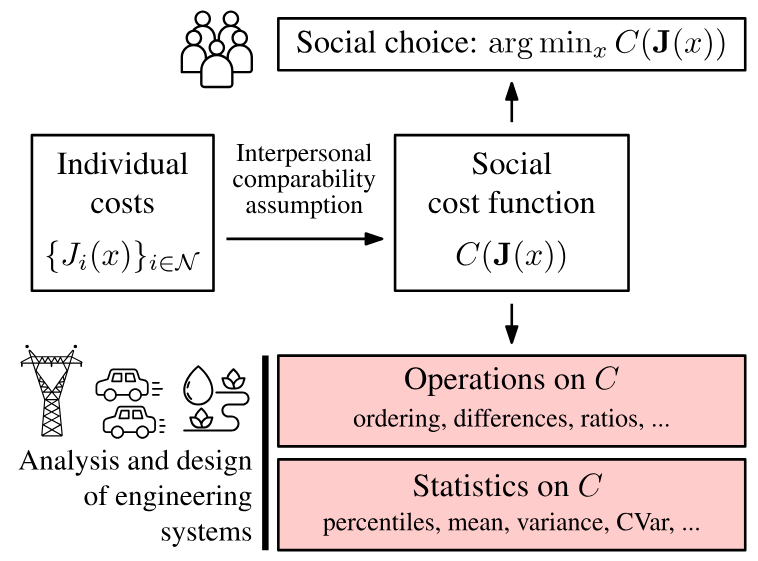
Theory for measurement of social mandate

Theory for certification

Where are we?

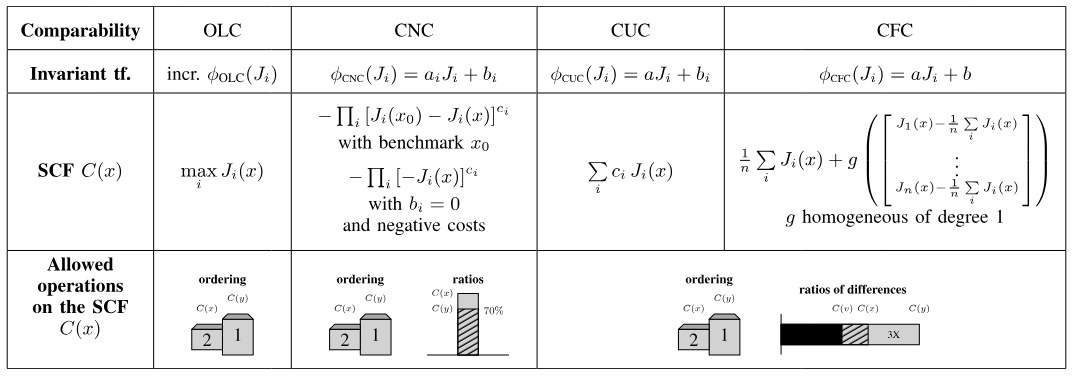
scarcity ⮞ tradeoffs ⮞ comparability

Five directions for future research:

  1. Social Choice Theory & Axiomatic Frameworks
  2. Game Theory & Mechanism Design
  3. Optimization & Control Engineering
  4. Data-Driven Preference Modeling
  5. Explainability & Certification Theory

1. Social Choice Theory & Axiomatic Frameworks

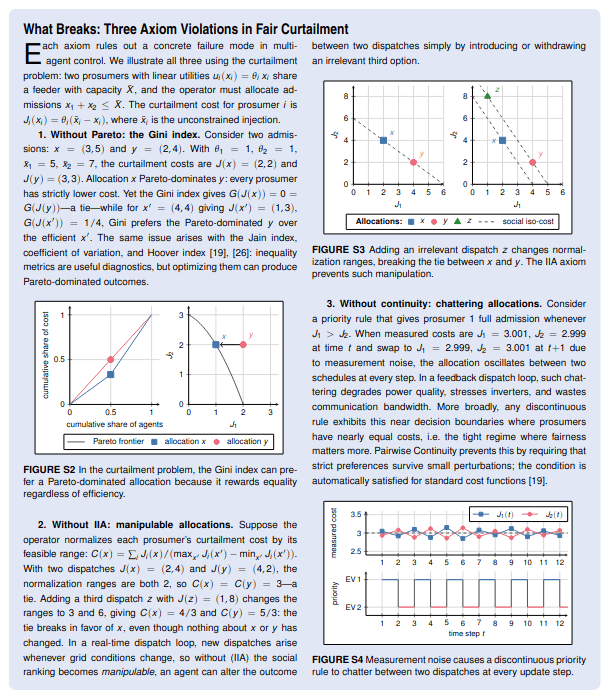
Focus on the "Theory for measurement of social mandate": translating high-level societal values (fairness, priorities) into formal mathematical structures.
 

  • Link to Algorithmic Fairness: Connecting algorithmic fairness axioms with social choice axioms.
     
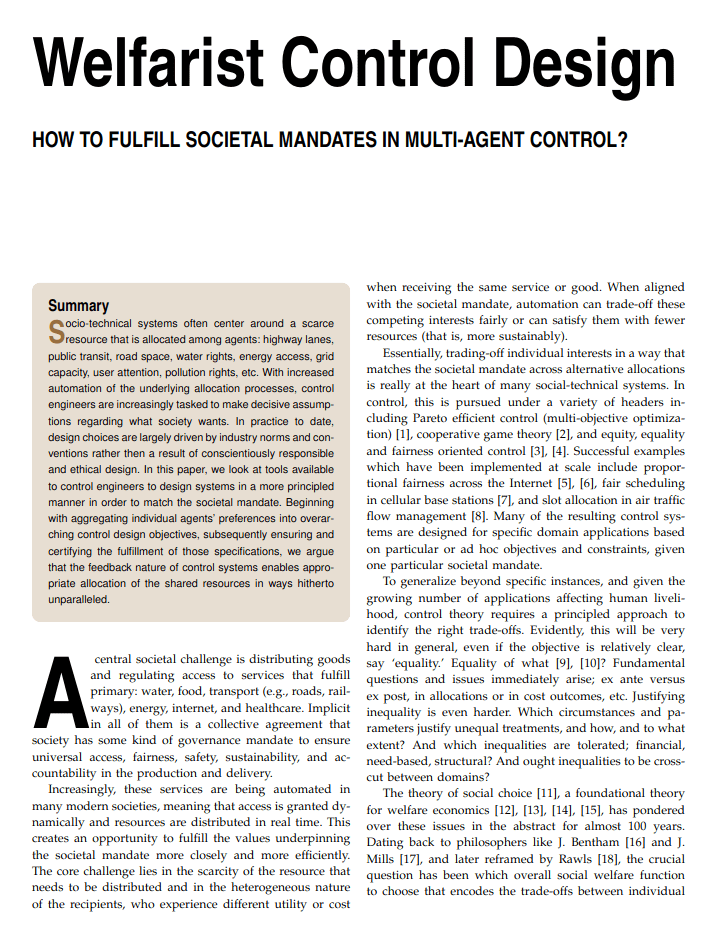
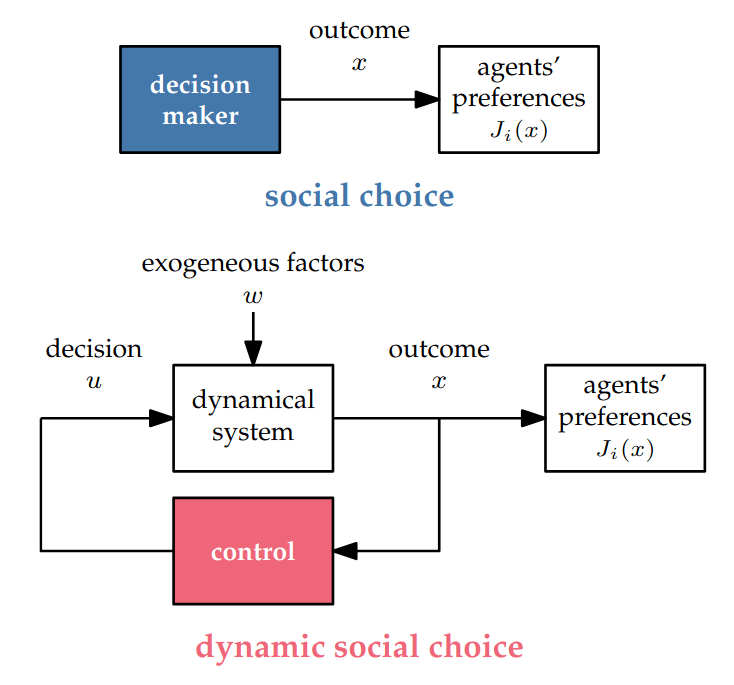
  • Dynamic Welfarist Control: Developing the theory to extend social choice to dynamic settings (long-term fairness, ex-ante/ex-post, closed-loop fairness)

#work-in-progress

#work-in-progress

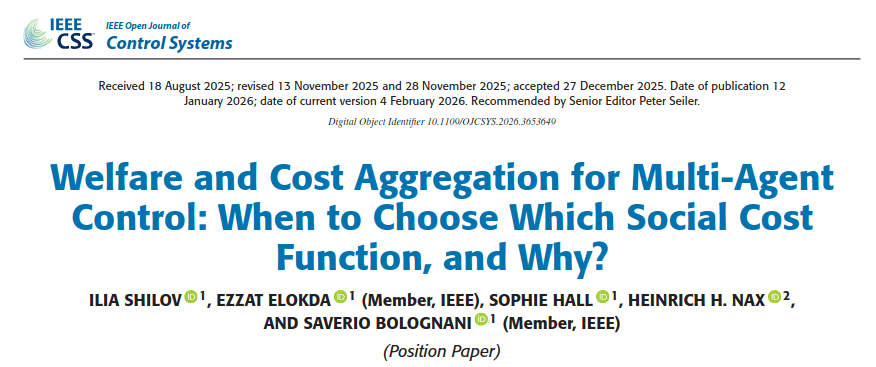
#paper

2. Game Theory & Mechanism Design

Focus on the strategic behaviors in heterogeneous systems.
 

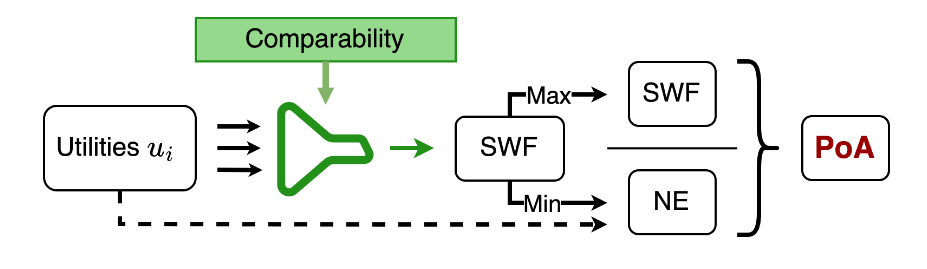
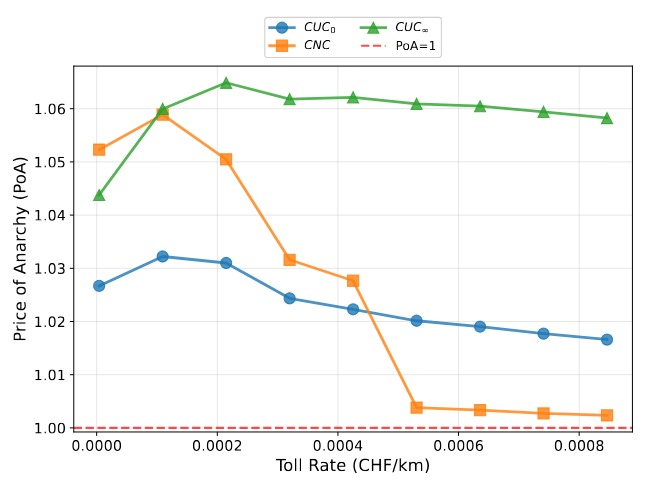
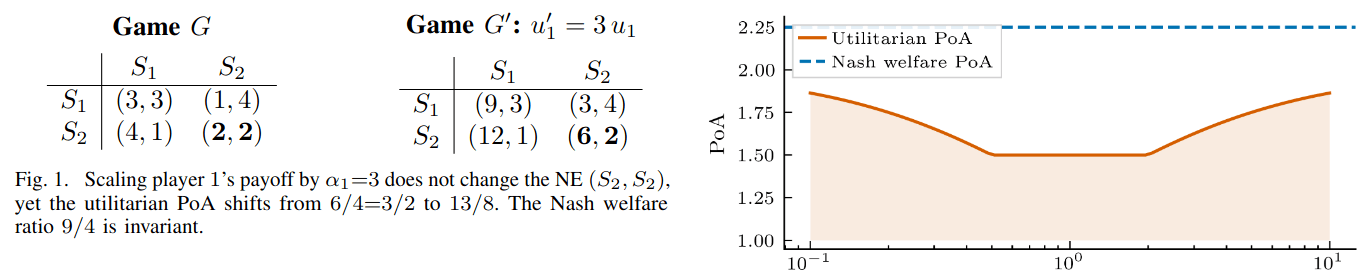
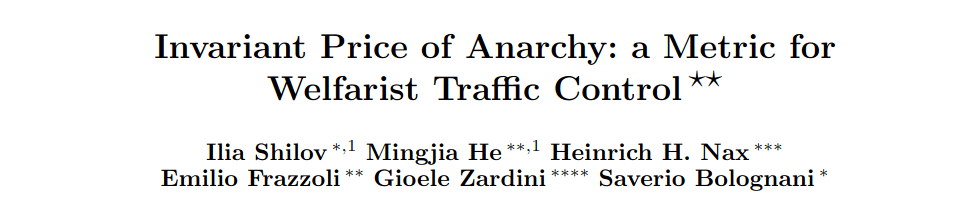
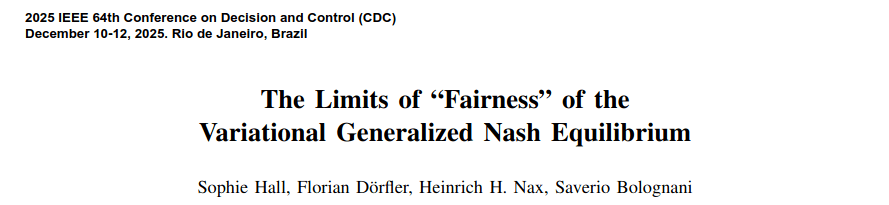
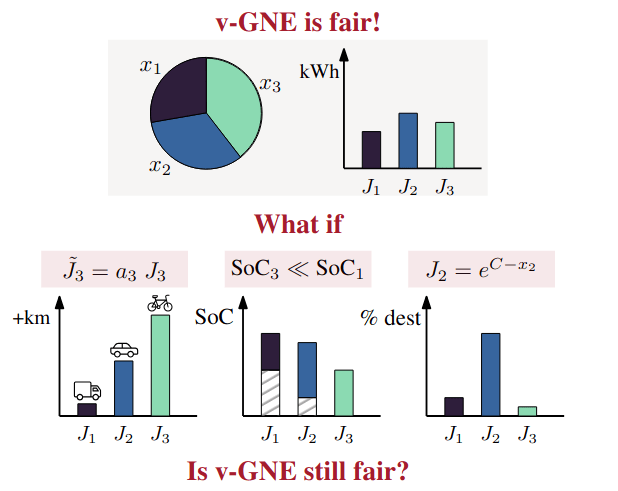
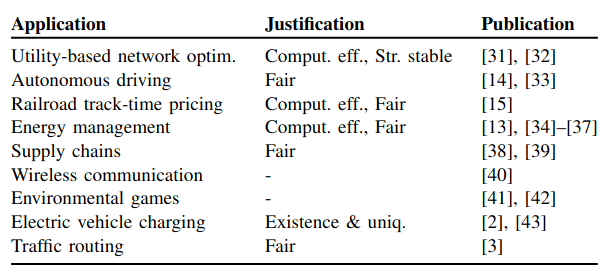
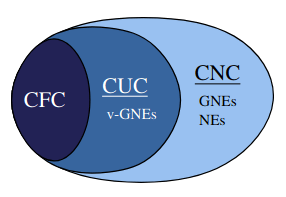
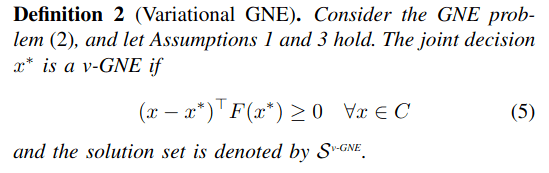
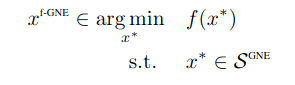
  • Equilibrium Analysis: Refining "inefficiency in games" (Price of Anarchy) and Generalized Nash Equilibria for general SCFs.

     
  • Incentive Compatibility: Designing mechanisms, such as "karma economies", where agents are incentivized to reveal their true priorities/urgencies to achieve a desired SCF in the long run.

#work-in-progress

#paper

#work-in-progress

3. Optimization & Control Engineering

Focus on the implementation of welfarist decision rules that must function despite feedback, dynamics, and constraints.
 

  • Economic MPC: Integrating general SCFs into Economic Model Predictive Control.
     
  • Online Optimization: Optimize SCFs defined on stochastic trajectories (breaks Markovianity in MDPs).
     
  • Co-Design: Integrate societal needs directly into the engineering system design process.
     
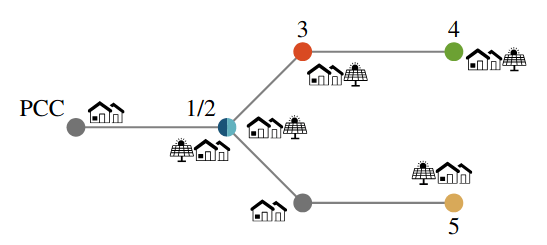
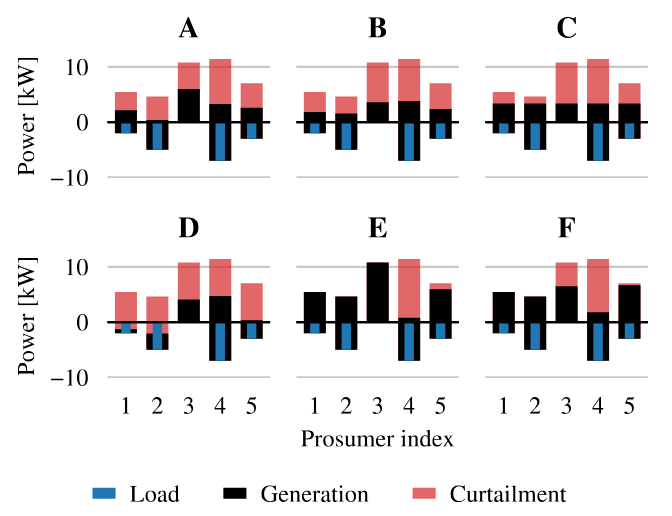
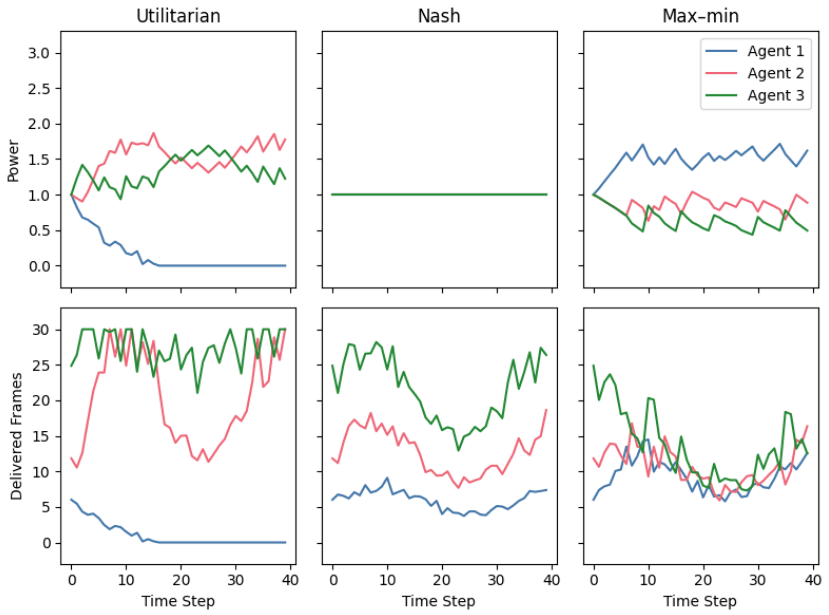
  • Applications: Fair power curtialment, transportation, train re-scheduling, and more.
     

#work-in-progress

#paper

4. Data-Driven Preference learning

Focus on the "Limited Information" challenge: using data to infer societal or individual preferences.
 

  • Preference Learning: Developing theories for learning perceived fairness and individual preferences.
     
  • SCF Parameter Tuning: Using data to tune SCF parameters and validate comparability assumptions.
     
  • Bounded comparability: Dealing with cases where uncertainty makes it difficult but not impossible to compare utilities.

#work-in-progress

5. Explainability & Certification Theory

Focus on the "Theory for certification", allowing society to test and obtain explanations for the engineered solutions.


  • Transparency Tools: Developing theories for "Control/optimization explainability" and counterfactual reasoning to show why certain decisions were made.

#work-in-progress

  1. Social Choice Theory & Axiomatic Frameworks
    • Link to Algorithmic Fairness
    • Dynamic Welfarist Control
  2. Game Theory & Mechanism Design
    • Equilibrium Analysis
    • Incentive Compatibility
  3. Optimization & Control Engineering
    • Economic MPC
    • Online Optimization
    • Co-Design
    • Applications
  4. Data-Driven Preference Learning
    • Preference Learning
    • SCF Parameter Tuning
    • Bounded comparability
  5. Explainability & Certification Theory
    • Transparency Tools

Theory Pathfinder Workshop - Welfarist Control Theory

By Saverio Bolognani

Theory Pathfinder Workshop - Welfarist Control Theory

  • 57