
Catherine Gracey
Open Scholarship and Applied Sciences Librarian at the University of New Brunswick
Every place you search has either
OR
Therefore, where you search directly affects the results you get, and the quality of information
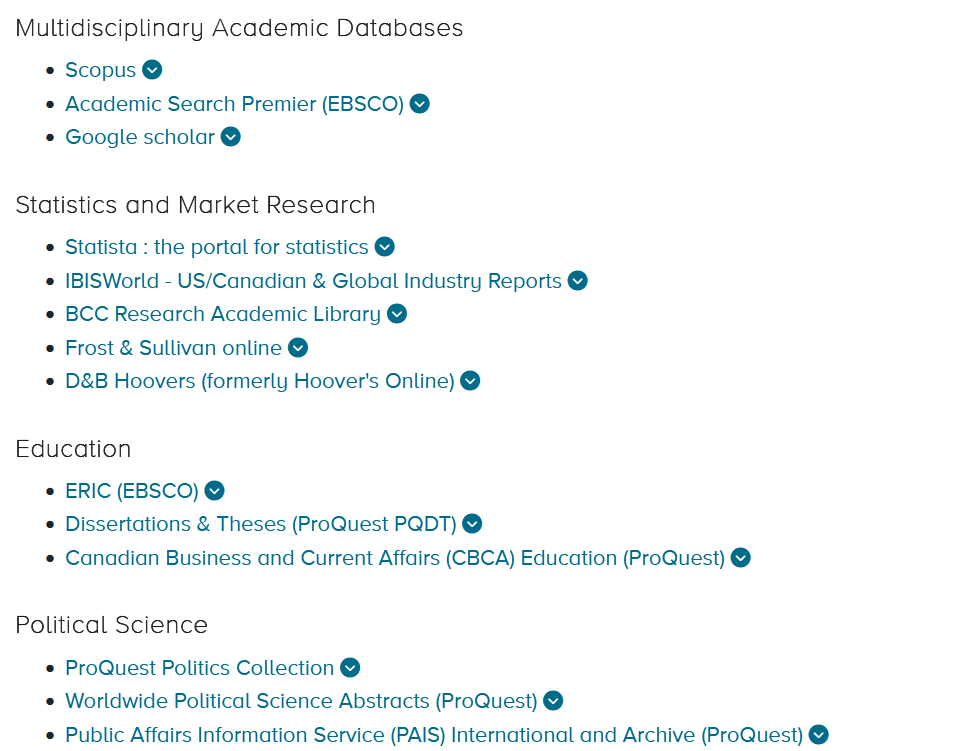
Certain information is paywalled, meaning you can't access it legally without paid access. At UNB we pay for our students, faculty and staff to be able to access many resources
You can access these through the library catalogue or databases, most of which are disciplinarily focused
Google Search
Stats Can
Library Database
Google Search
Stats Can
Library Database
To help you figure out where to search... TME 3513 Research Guide
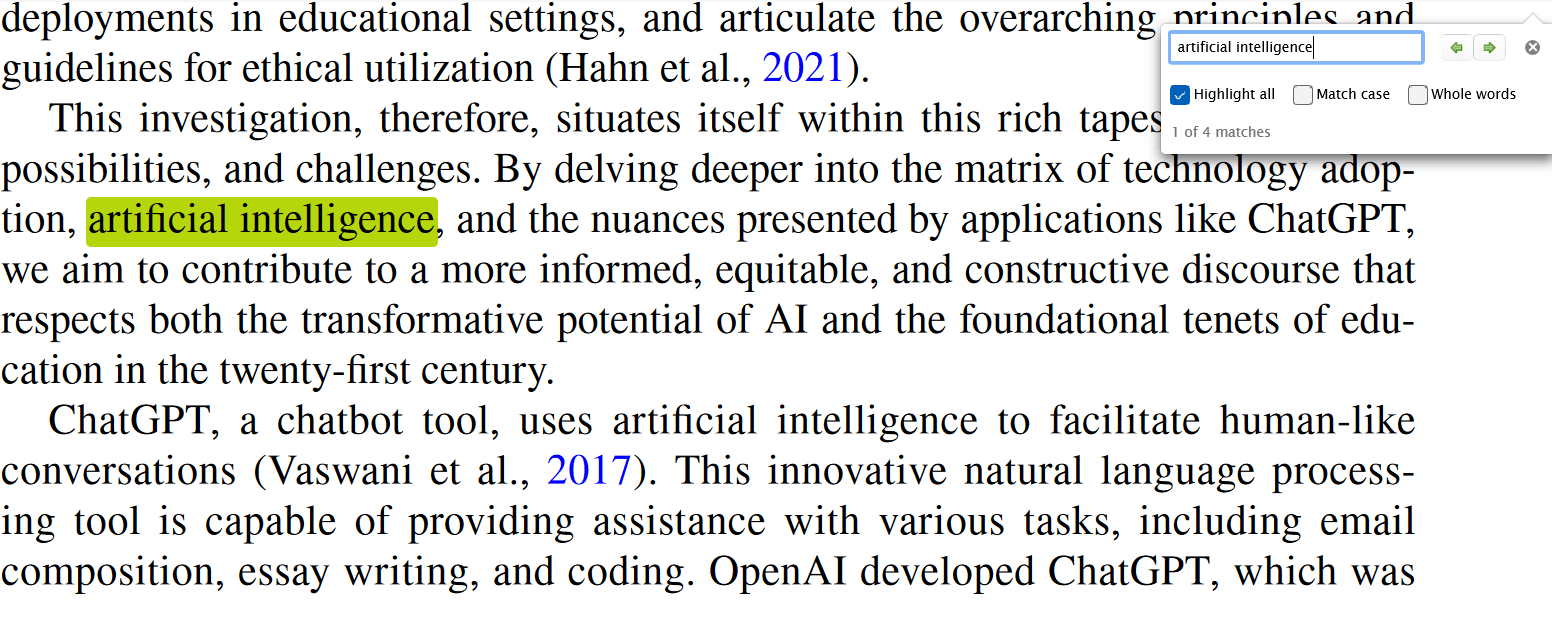
Here, you are literally searching for the words "artificial intelligence" together, and Zotero is showing you the 4 spots the word appears in the text. It does not understand that AI is the same thing, and so won't pull up examples of "AI" in the text.
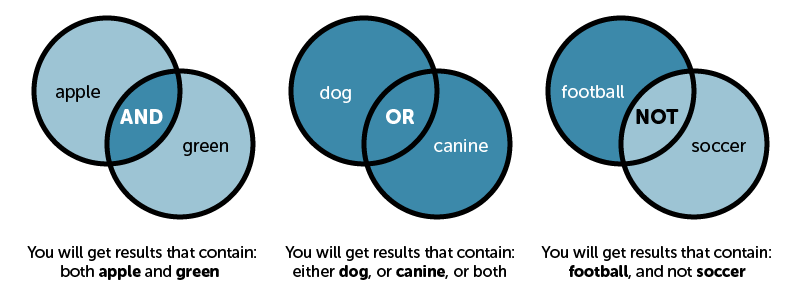
If you want to search for multiple concepts at once, you need to use boolean operators to combine keywords. This tells the database how to interpret your query.
| Name | Symbol | What it does | Example |
|---|---|---|---|
| Quotation | "" | Searches for that phrase exactly | "graph theory" |
| Truncation | * | Searches for variations on this word | educat* |
| Proximity | N/3 or Near/3 or W/3 | Searches for kw within 3 (or n) words of each other | climate NEAR/2 change |
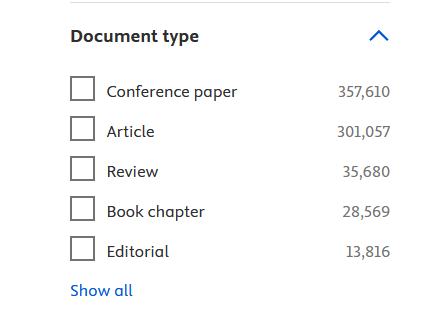
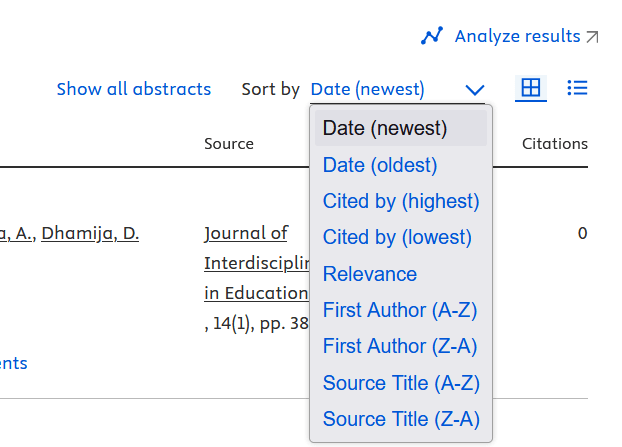
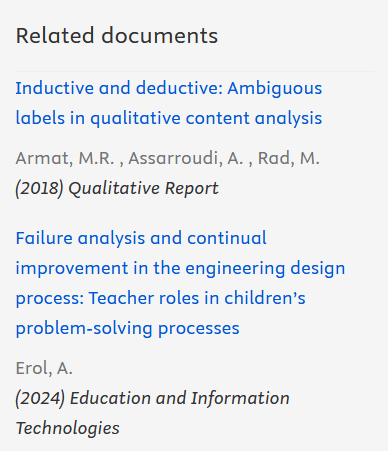
There are lots of ways to sort/narrow down your results and find similar/related articles. This example is Scopus, but true of all academic databases
By Catherine Gracey
Introductory into choosing a place to search and utilizing the appropriate syntax for TME 3513