TURKEY
by Ceren Altunal Podlech
History
11th century
Starting the process of Turkification, which was greatly accelerated by the Seljuk victory over the Byzantines at the Battle of Manzikert in 1071. The Seljuk Sultanate of Rûm ruled Anatolia until the Mongol invasion in 1243, upon which it disintegrated into several small Turkish beyliks.
Late 13th century,
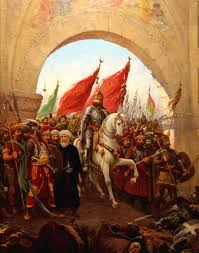
the Ottomans united Anatolia and created an empire encompassing much of Southeastern Europe, Western Asia and North Africa, becoming a major power in Eurasia and Africa during the early modern period. The empire reached the peak of its power between the 15th and 17th centuries, especially during the 1520–66 reign of Suleiman the Magnificent.
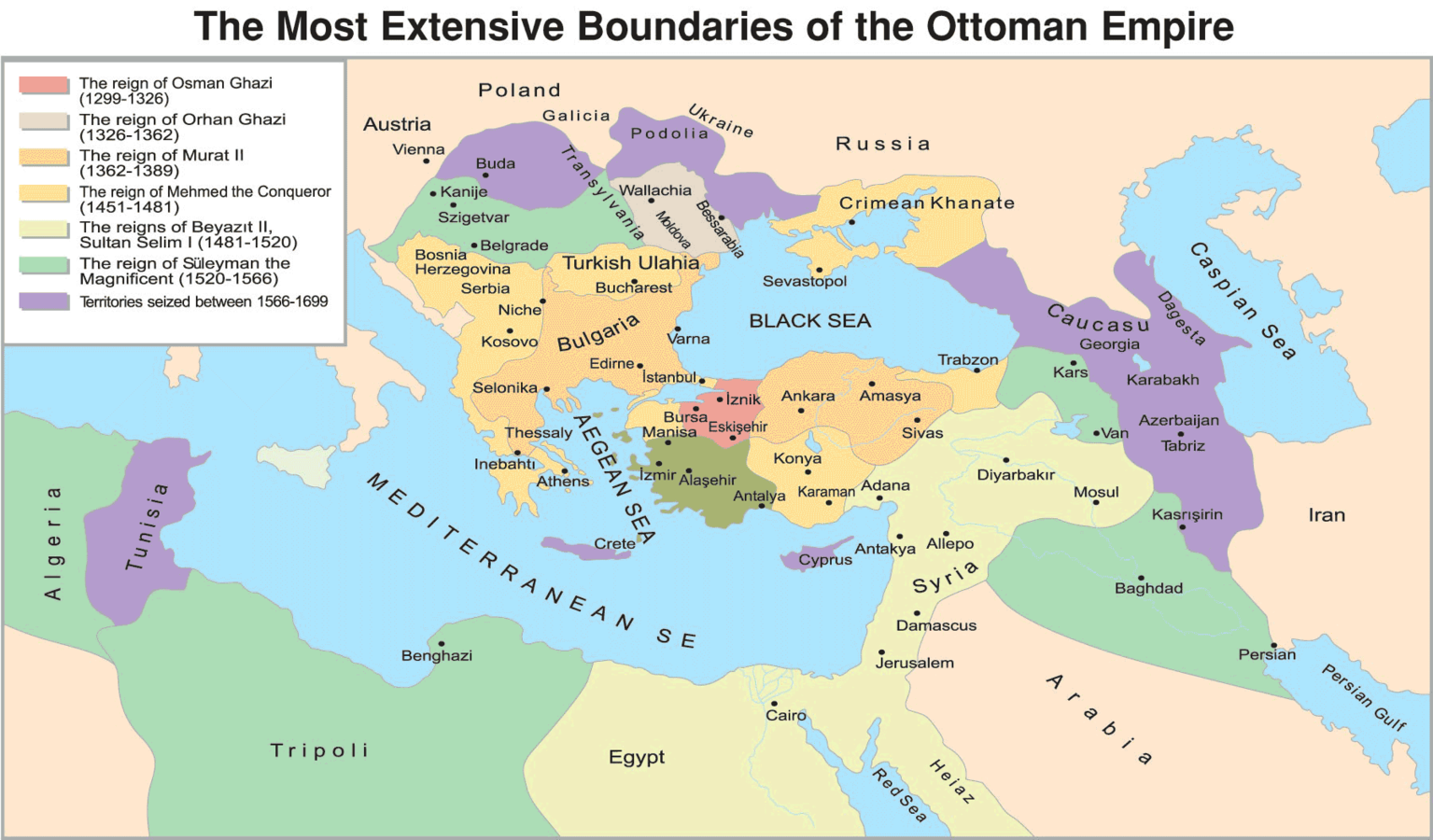
After the second Ottoman siege of Vienna in 1683 and the end of the Great Turkish War in 1699, the Ottoman Empire entered a long period of decline. The Tanzimat reforms of the 19th century, which aimed to modernize the Ottoman state, proved to be inadequate in most fields, and failed to stop the dissolution of the empire.


The Ottoman Empire entered World War I (1914–18) on the side of the Central Powers and was ultimately defeated. During the war, major atrocities were committed by the Ottoman government against its Armenian, Assyrian and Pontic Greek citizens. Following the war, the huge conglomeration of territories and peoples that formerly comprised the Ottoman Empire was divided into several new states.
The Turkish War of
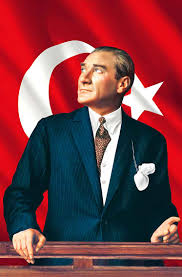
Independence (1919–22), initiated by Mustafa Kemal Atatürk and his colleagues in Anatolia, resulted in the establishment of the modern Republic of Turkey in 1923, with Atatürk as its first president.
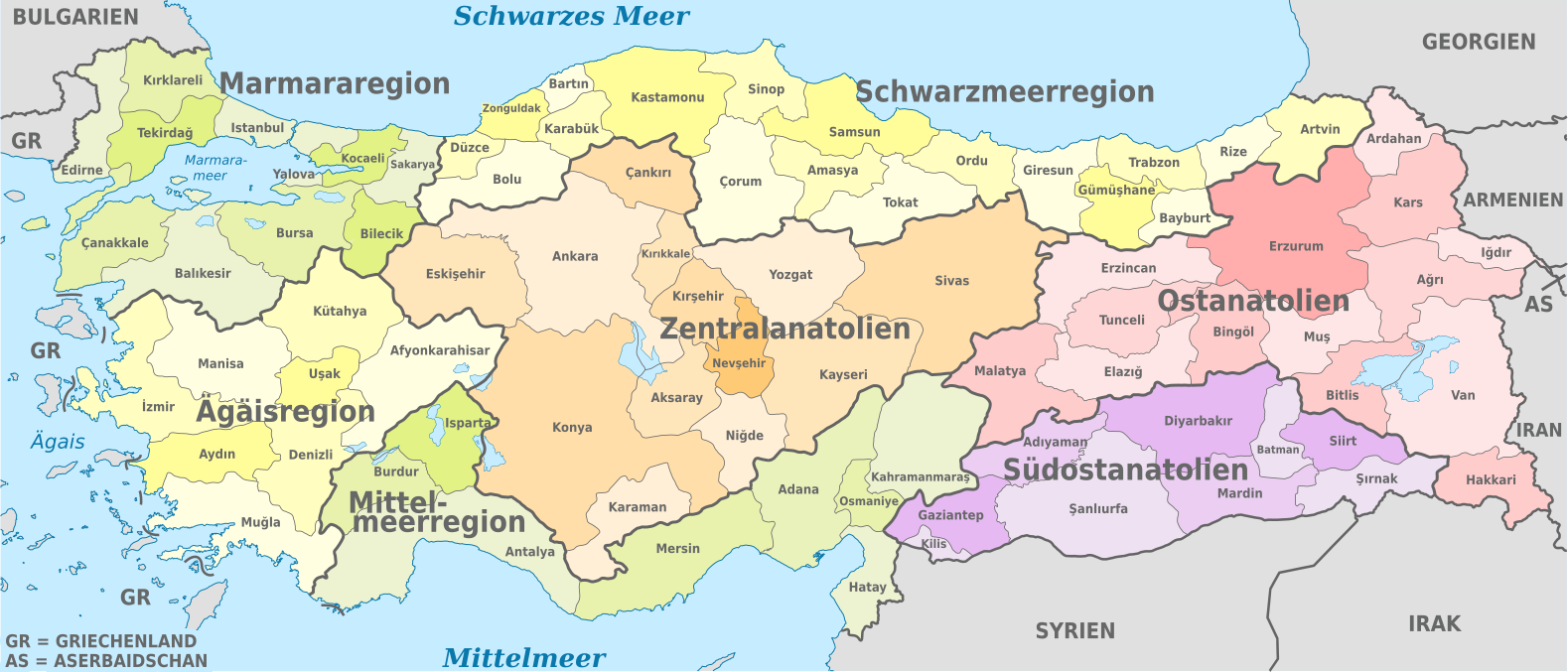
Text
Regions
MARMARA REGION
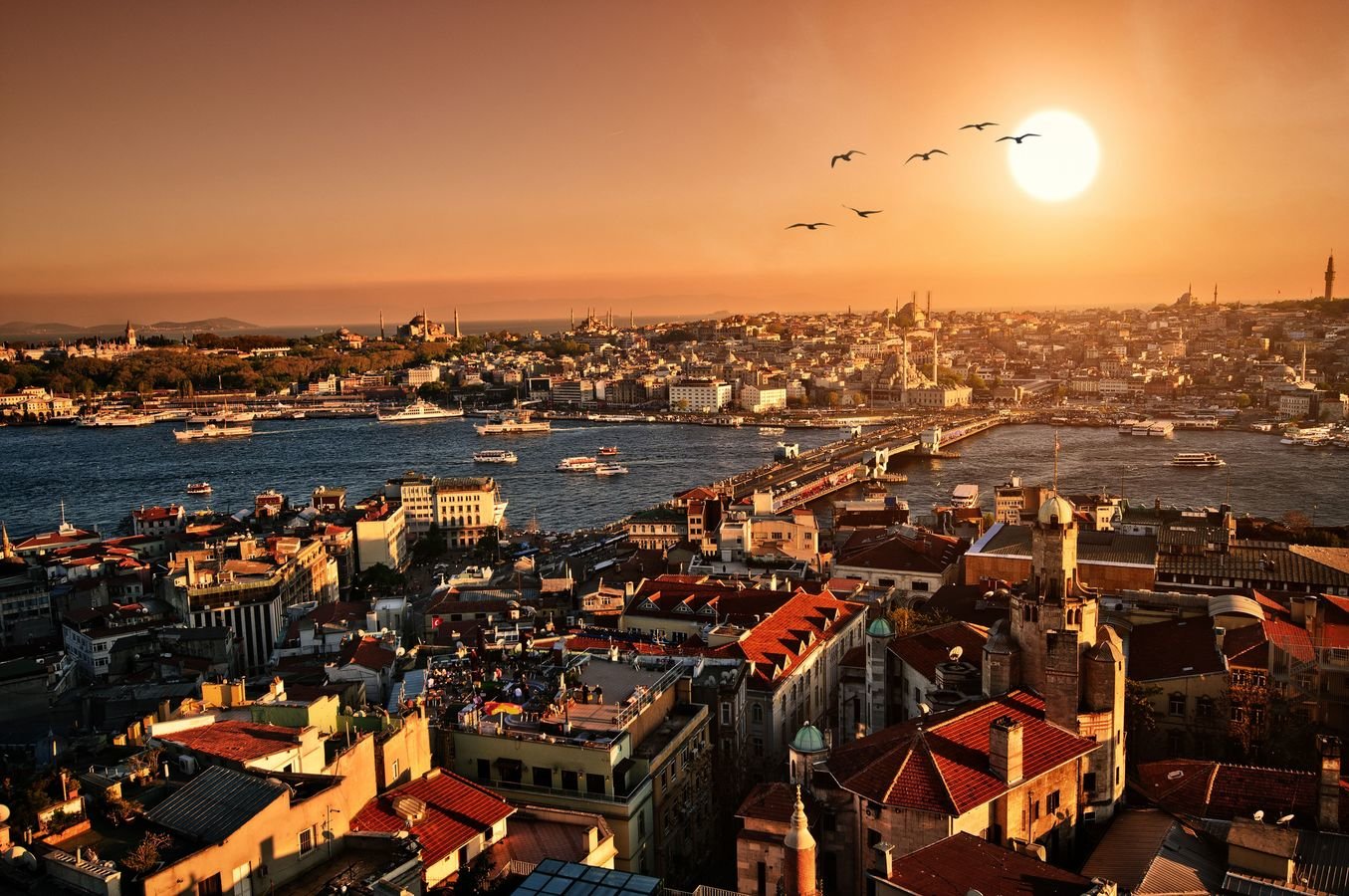
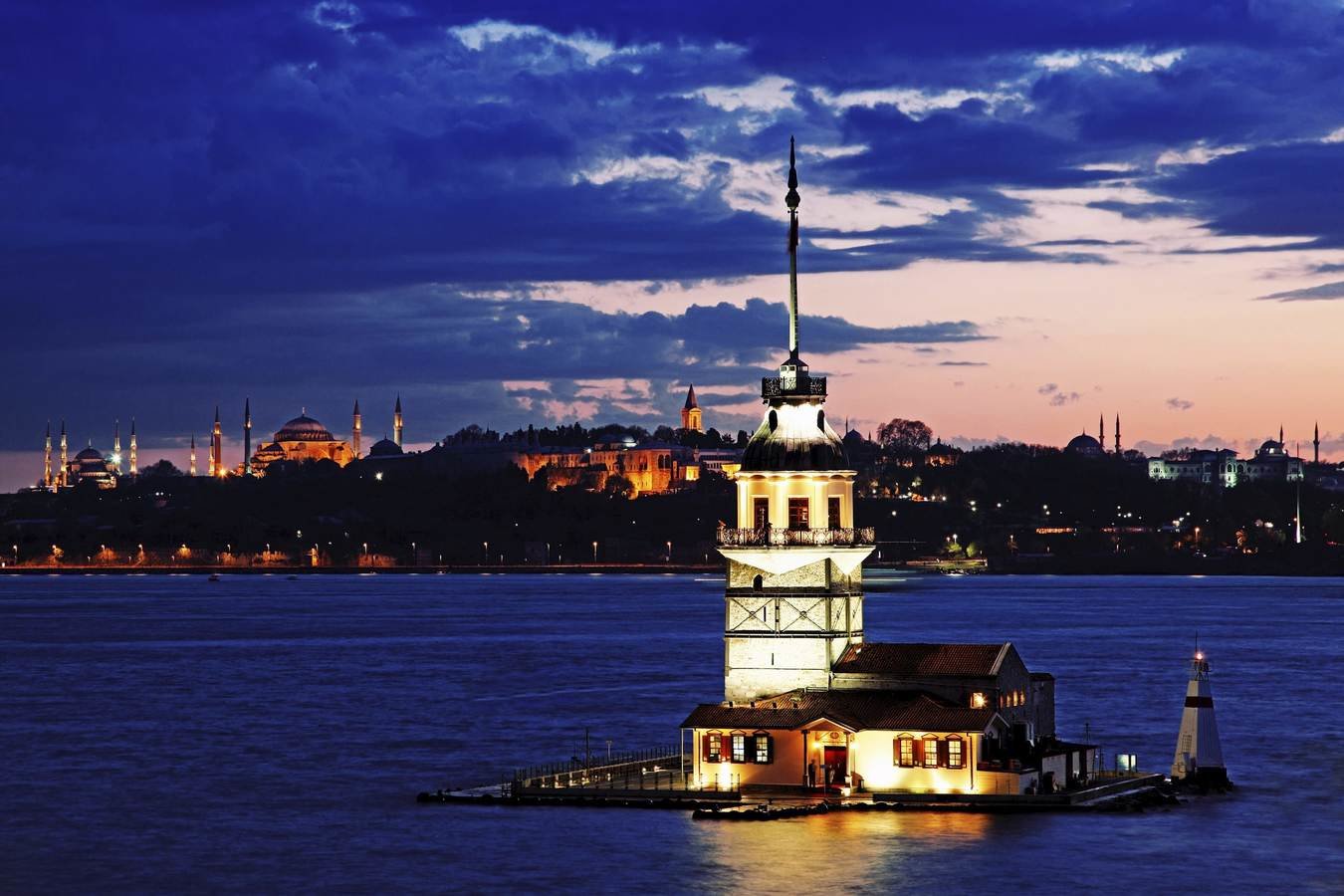
Glorious İstanbul, former capital of the Roman, Byzantine and Ottoman Empires the former Constantinople is the only city to span two continents.
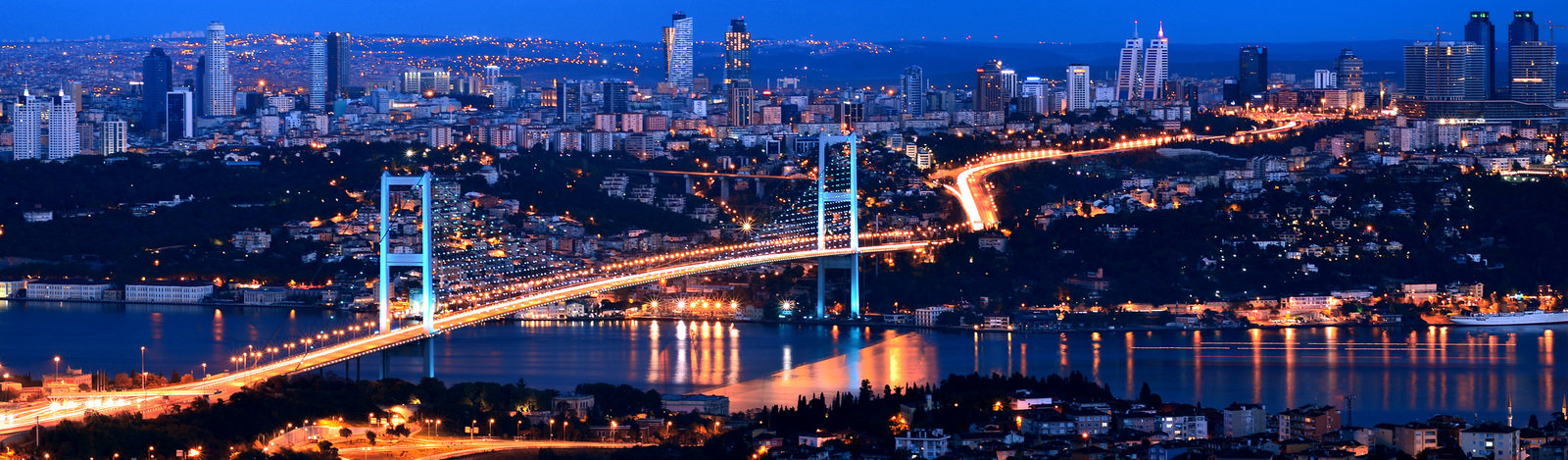
Population : 14.657.434

Area: 5.313 km2

Population density: 2759/km2
Places to See
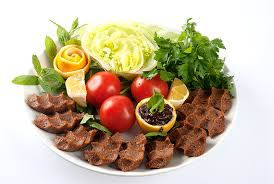
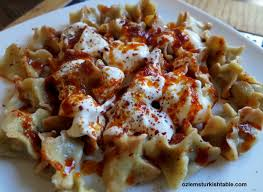
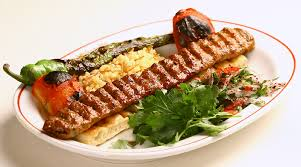
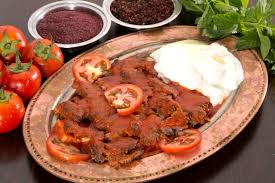
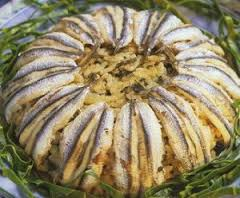
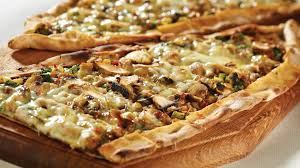
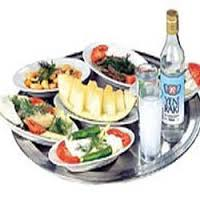
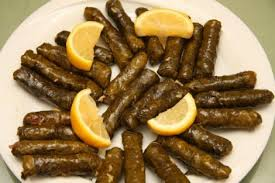
Food

Language
- It is phonetic so it is pronounced in exactly the same way as it is read
- There are 29 letters in the alphabet
- The letters Q , W and X are not in the Turkish alphabet
- The Turkish alphabet has some letters that are not present in English including ö ç ş ı ğ ü
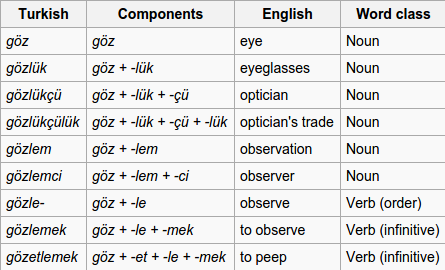
the basic word order of Turkish is subject–object–verb. Turkish has no noun classes or grammatical gender.
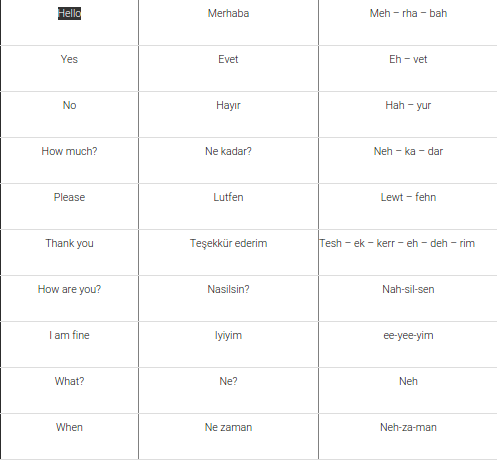
VERBS
- istemek
- anlamak
- yemek
Ben + X + istiyorum / ben bunu istiyorum
Bu ne?
X + var mı?
deck
By ceren altunal