JavaScript
Argument Passing
2018/02/08
Read From:
Common mechanisms
Call by value
Call by reference
Call by sharing (Call by address)
Call By Value
// pseudo code
var a = 'hello world',
    b = a;
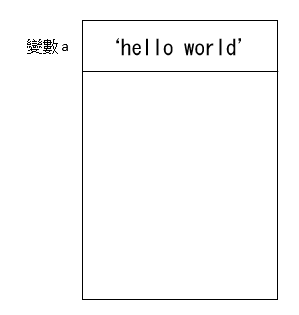
Call By Value
// pseudo code
var a = 'hello world',
    b = a;
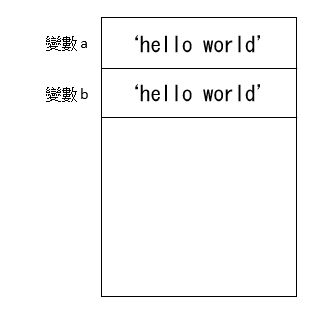
Call By Reference
// pseudo code
var a = 'hello world',
    b = a;

Call By Sharing
(Call By Address)
// pseudo code
var a = 'hello world',
    b = a;
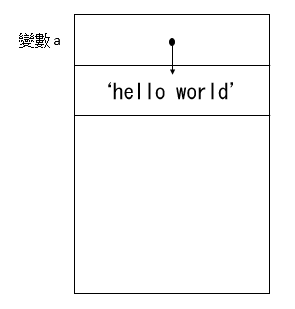
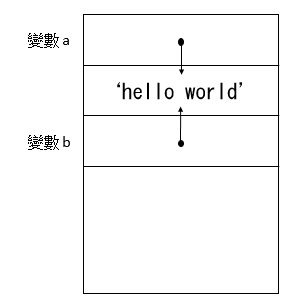
Myth
Primitives: Call By Value
Objects: Call By Reference
var str = 'hello world';

changeStr(str);
console.log(str);        // 'hello world'

function changeStr(str) {
    str = 'hi world';    // assign with literal
}
var obj = { prop: "hello world" };
changeObj(obj);
console.log(obj); // { prop: "hi world" }
function changeObj(obj) {
obj.prop = 'hi world';
}Myth
How about objects with literal ?
var obj = { prop: "hello world" };
changeObj(obj);
console.log(obj); // { prop: "hi world" }
function changeObj(obj) {
obj = { prop: "hi world" }; // assign with literal
}Myth
So, what's the key point indeed ?
The Truth
Depends on host environment's implement, but most likely:
Call By Sharing
The Truth
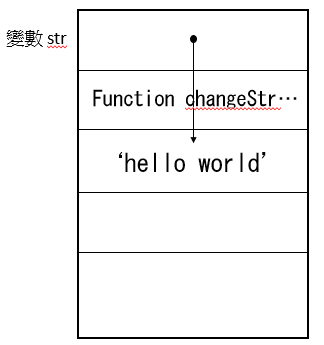
Primitives Call By Sharing
var str = 'hello world';
changeStr(str);
console.log(str); // 'hello world'
function changeStr(str) {
str = 'hi world'; // assign with literal
}
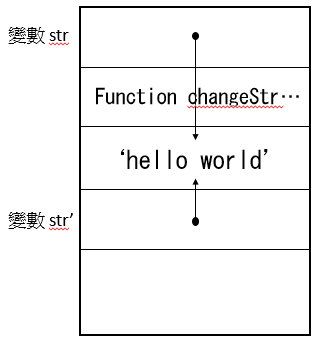
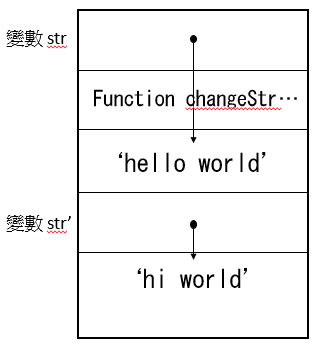
The Truth
Primitives Call By Sharing
Why myth ?
Primitives can only assign to new literal
The Truth
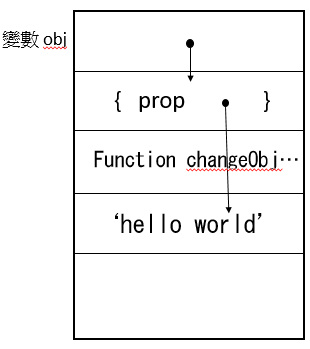
Objects Call By Sharing
var obj = { prop: "hello world" };

changeObj(obj);
console.log(obj);        // { prop: "hi world" }

function changeObj(obj) {
    obj.prop = 'hi world';
}
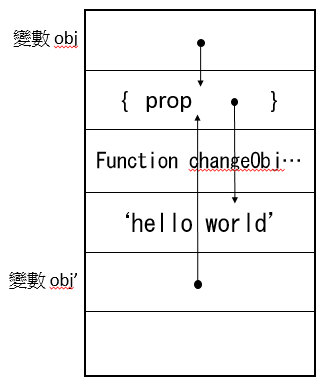
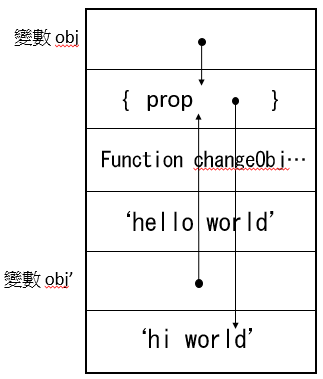
The Truth
Objects Call By Sharing
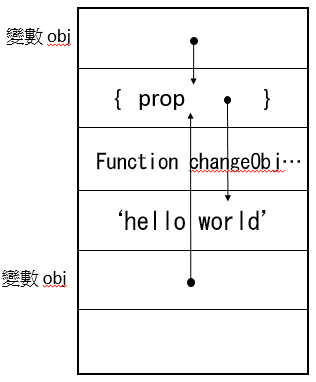
var obj = { prop: "hello world" };

changeObj(obj);
console.log(obj);        // { prop: "hello world" }

function changeObj(obj) {
    obj = {};
}
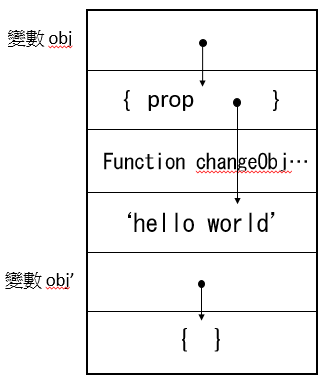
The Truth
Objects Call By Sharing
Why myth ?
Property assign to new literal, not object
More Examples
var obj = { prop1: 'hi', prop2: 'yo' },
    arr = [];

arr.push(obj);
arr.push(obj);
arr[0] = 'yo';

console.log(arr);
var obj = { prop1: 'hi', prop2: 'yo' },
arr = [];
arr.push(obj);
arr.push(obj);
arr[0].prop1 = 'yo'
console.log(arr);var a = { x:1 },
p = a.x;
p = 2;
console.log(a.x);JavaScript - Argument Passing
By Chang Henry