






Chengcheng Xiao
PhD student @ Imperial College London
🎙Chengcheng Xiao,
Dr. Nicholas Bristowe and Prof. Arash Mostofi
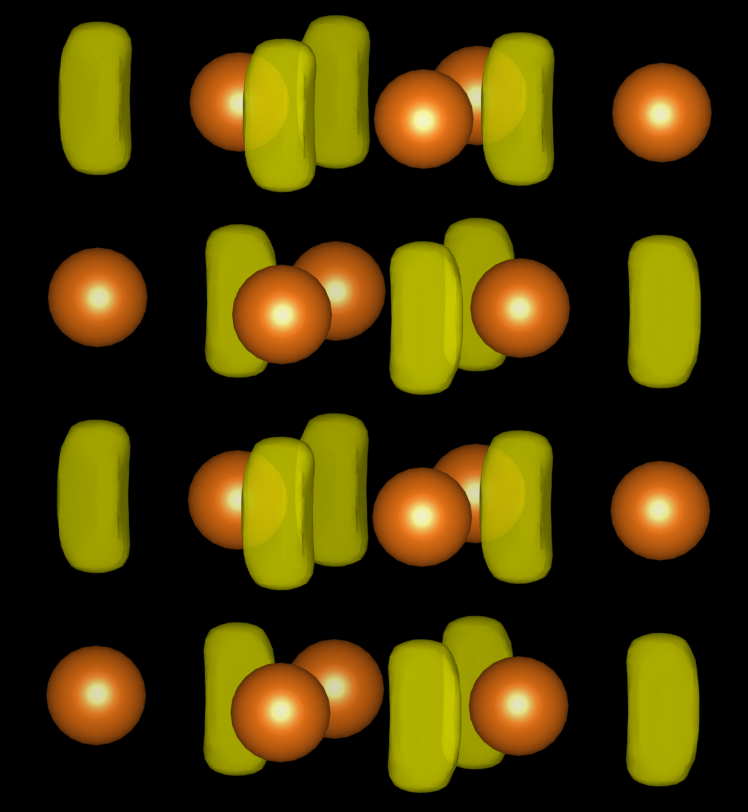
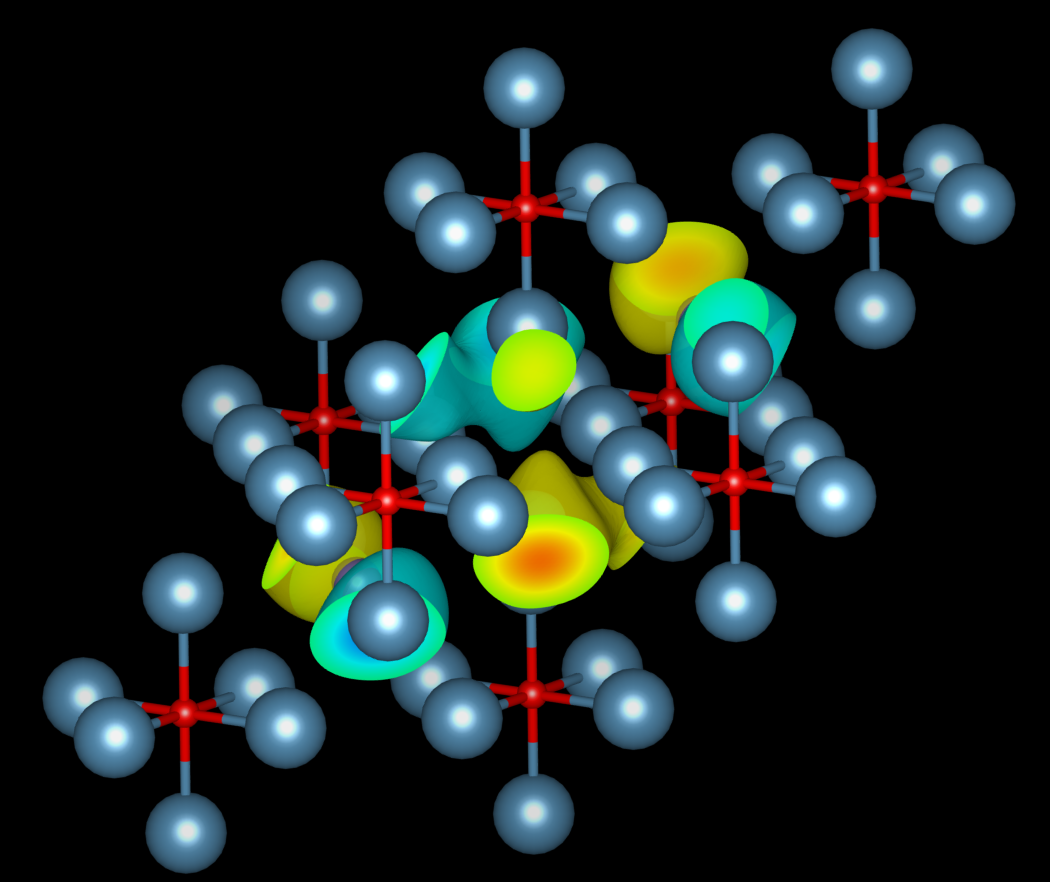
"Ionic" compounds in which electrons are localized at interstitial sites and act as anions.
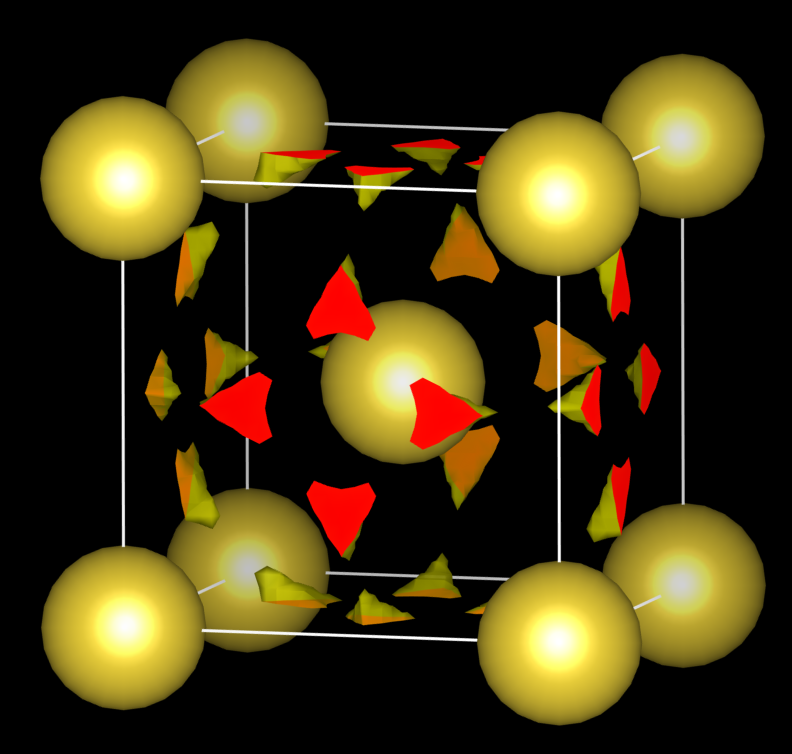
Sodium - hp4
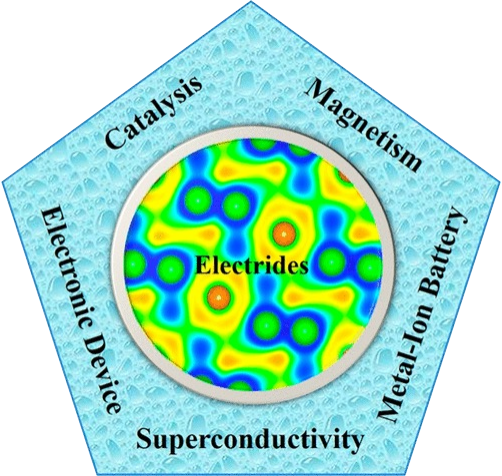
Applications (properties):
Ref: Xiaoha Z., Recent Advances and Applications of Inorganic Electrides, J.Phys. Chem. Lett. 2020, 11, 3841-3852
Ref: Hideo Hosono, Advances in Materials and Applications of Inorganic Electrides, Chem. Rev. 2021, 121, 3121-3185
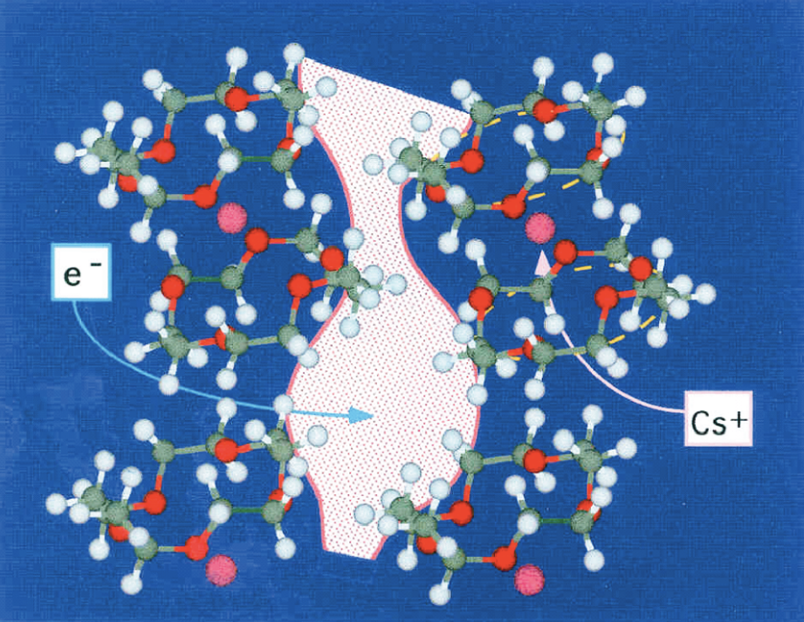
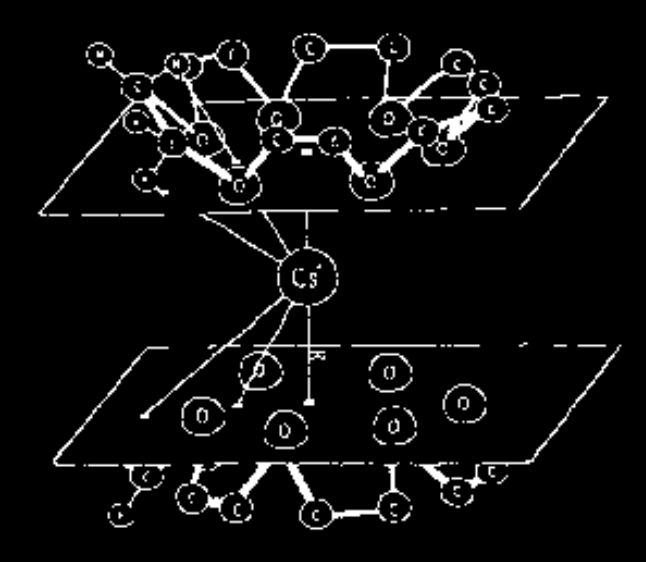
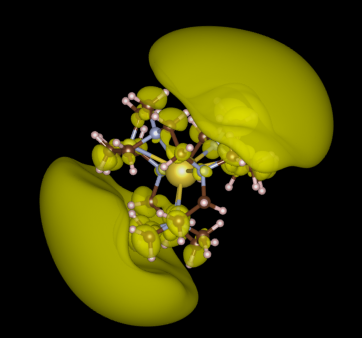
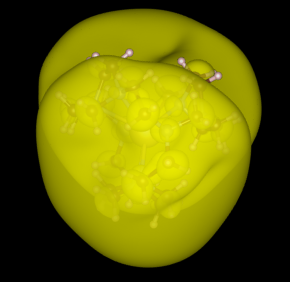
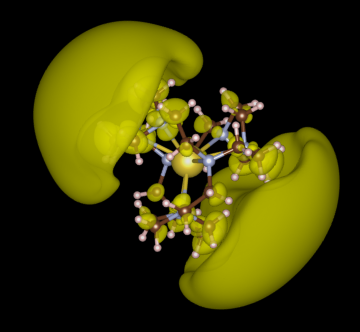
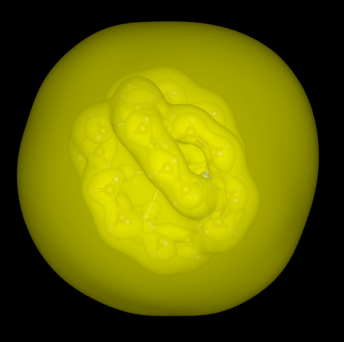
Molecular crystal of Cs⁺(18-crown-6)₂e⁻
Ref: James L. Dye et al., Synthesis of cesium 18-crown-6: the first single-crystal electride?, J. Am. Chem. Soc. 1982, 104, 13, 3781–3782
Crown ethers
Cs
Ref: James L. Dye et al., Synthesis of cesium 18-crown-6: the first single-crystal electride?, J. Am. Chem. Soc. 1982, 104, 13, 3781–3782
Yttrium
Carbon___
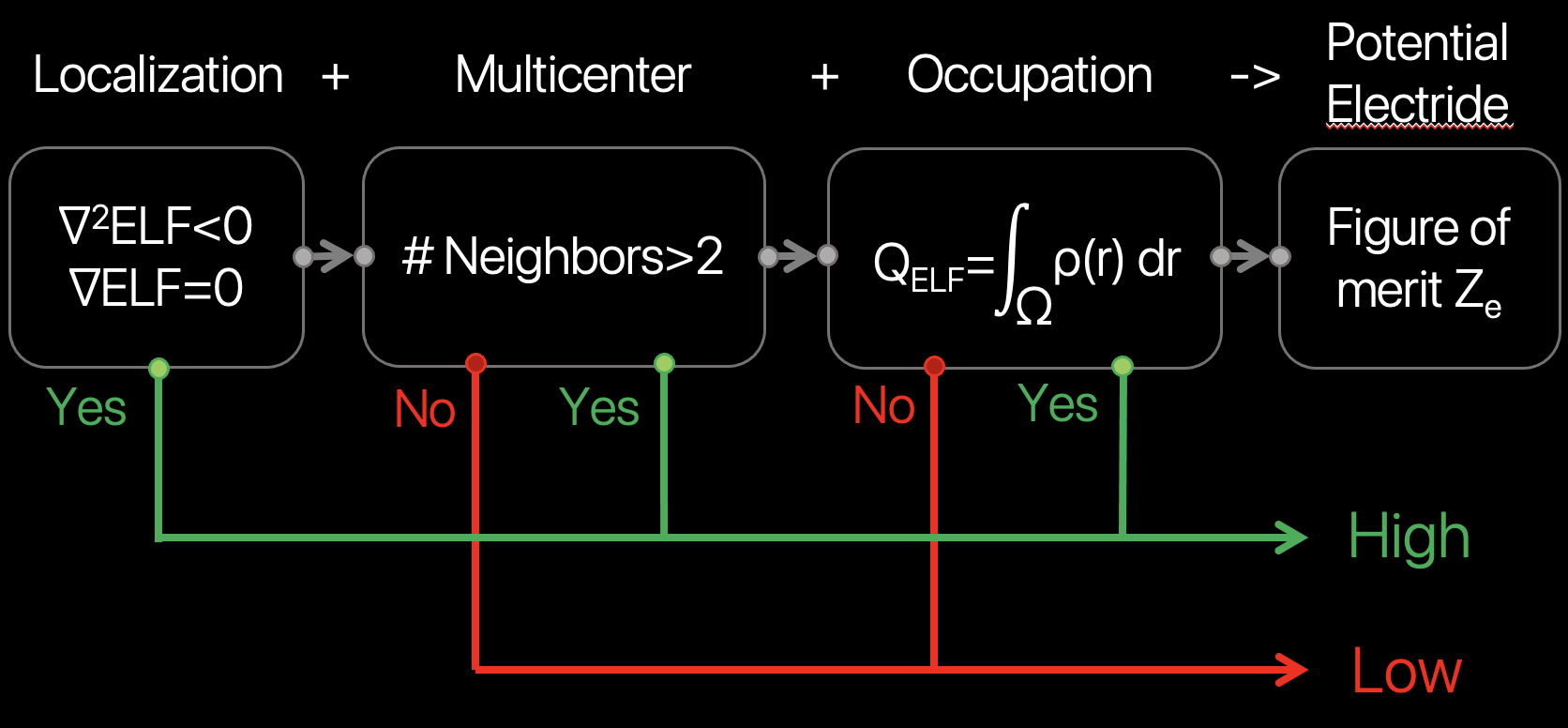
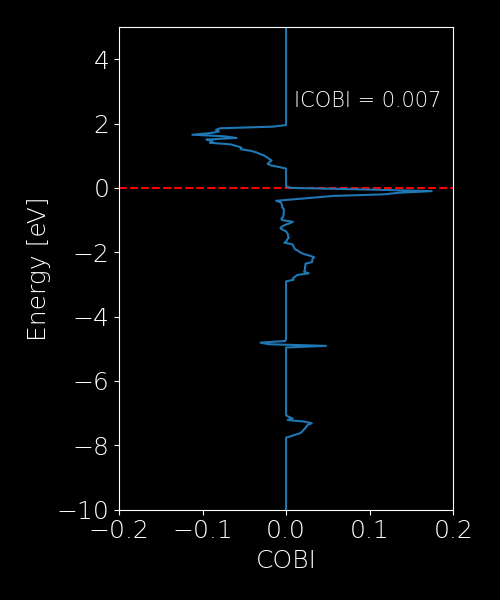
Electrides are materials with occupied interstitial localized multicentered bonds formed by orbitals of surrounding atoms*.
Atomic
Delocalized
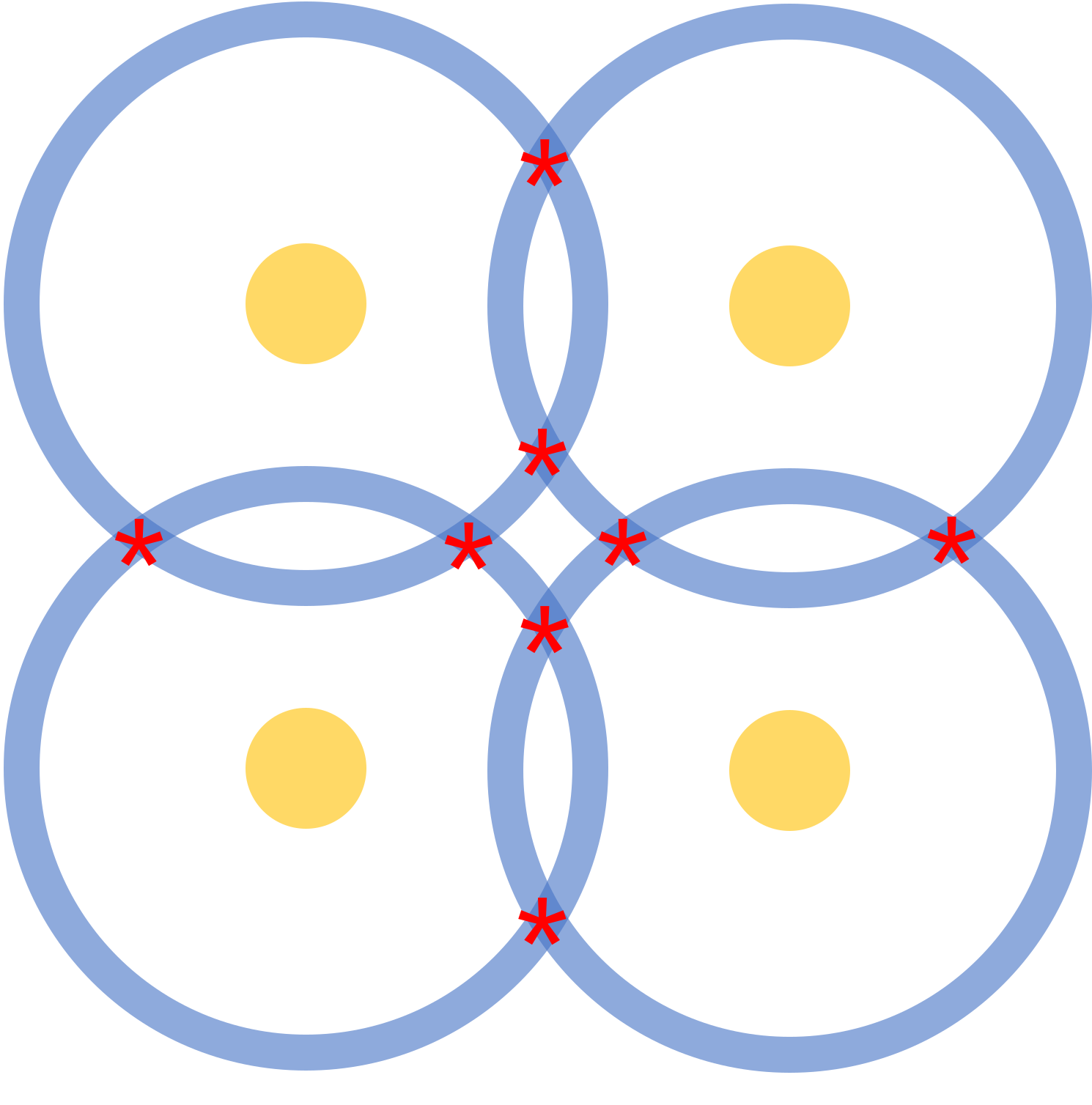
Analytically solving this gives us a set of critical cage size \(b_\mathrm{c}\) that can be used to predict the potential existance of interstitial localized multicentered bond in materials.
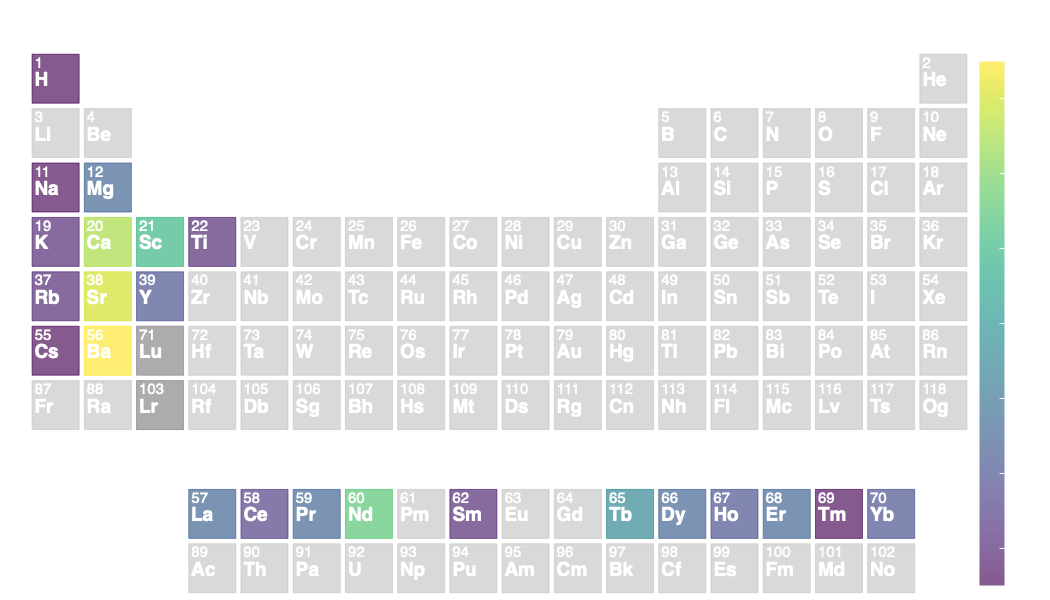
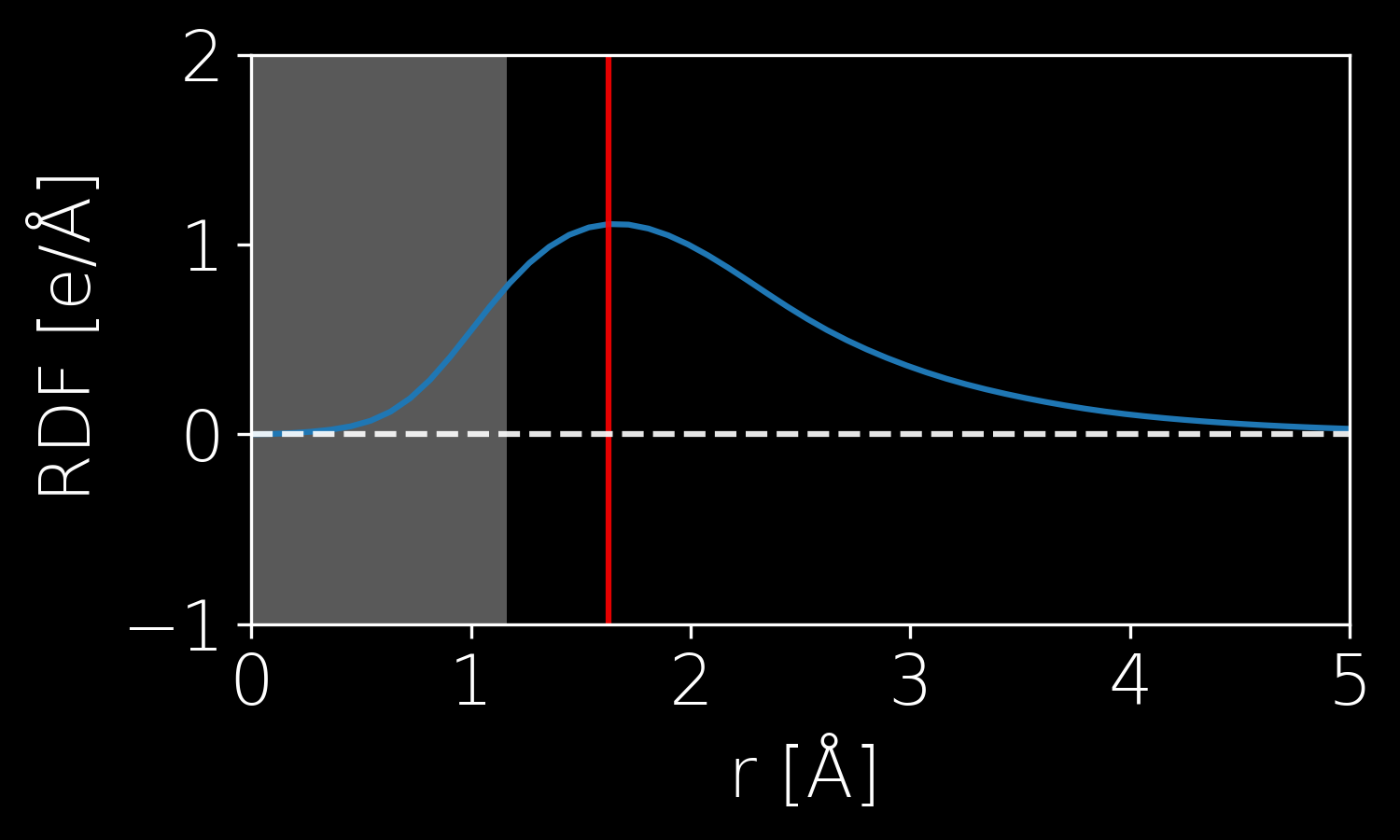
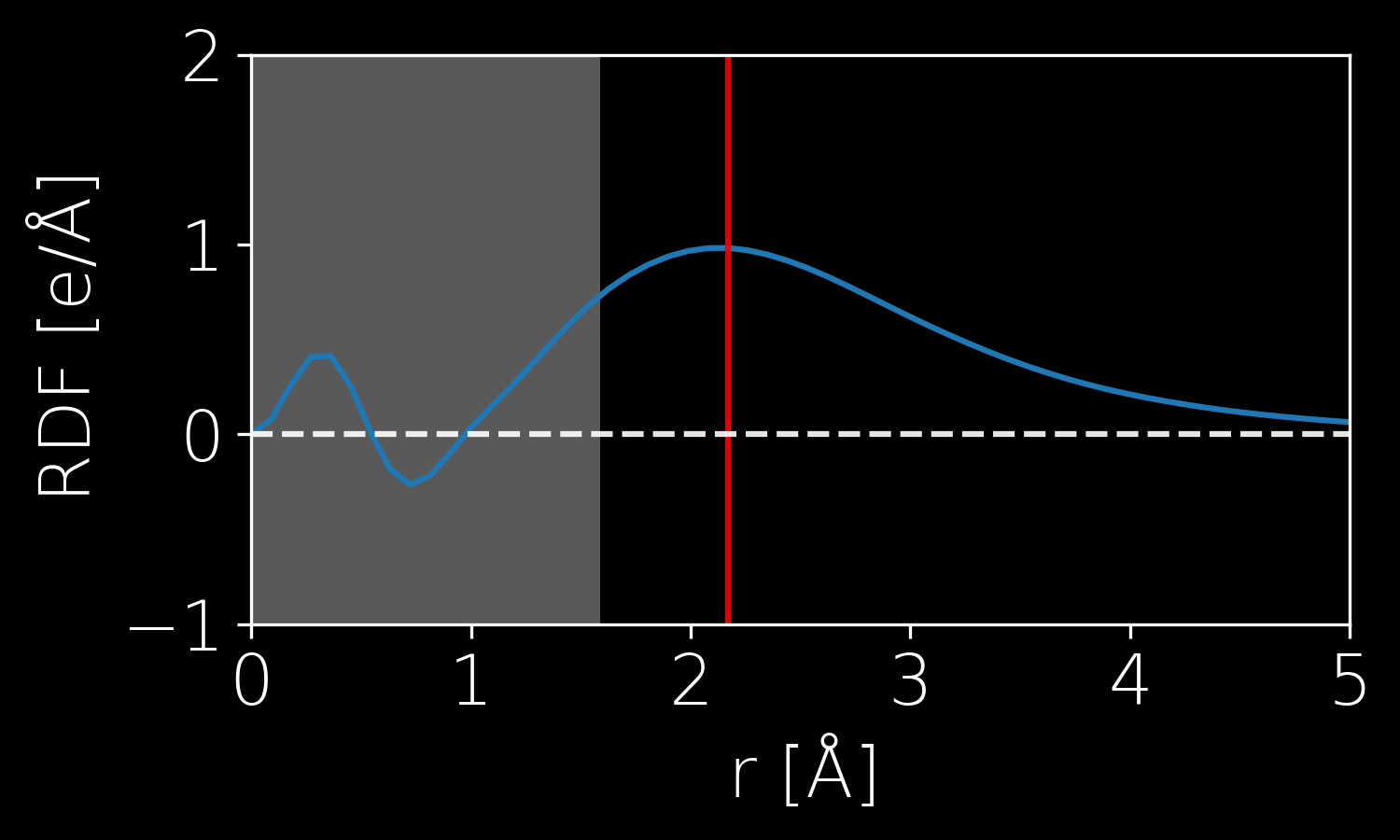
For example, in hP4-Na, the cage size of Na is 1.9 Å, much larger than the calculated \(b_\mathrm{c}=2.8\) Å.
Ref: Andreas Savin, et al., ELF: The Electron Localization Function, Angew. Chem. Int. Ed. Engl., 1997,36,1808-1832
Bug fix for VASP: https://github.com/Chengcheng-Xiao/VASP_LOL
The main drawbacks of our critical values are:
Thus, we proceed to build our electride descriptor using ELF as a surrogate.
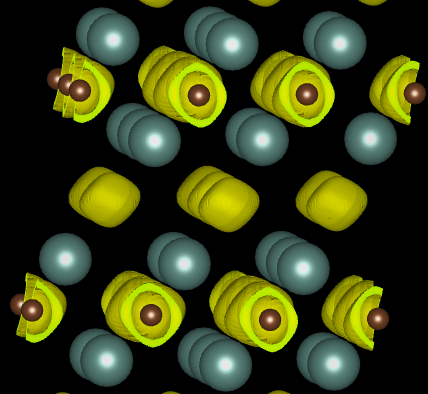
Known 2D electride: Y₂C
Ref: Huaqing Huang, et al., Topological Electride Y₂C, Nano Lett., 2018, 18(3), 1972-1977
Topological analysis: Bader partition the space based on ELF zero-flux planes.
sites with more than 2 atoms (of the same type) surrounding it \( \rightarrow \) potential electride site.
ELF maxima
Atoms
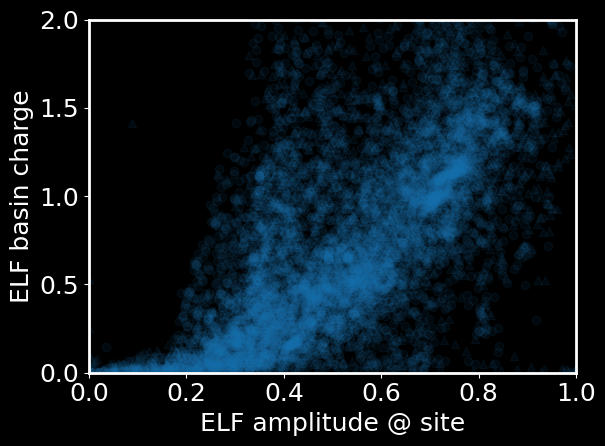
High-throughput screening of electrides:
Our prediction for more electride-like systems
Non-electrides
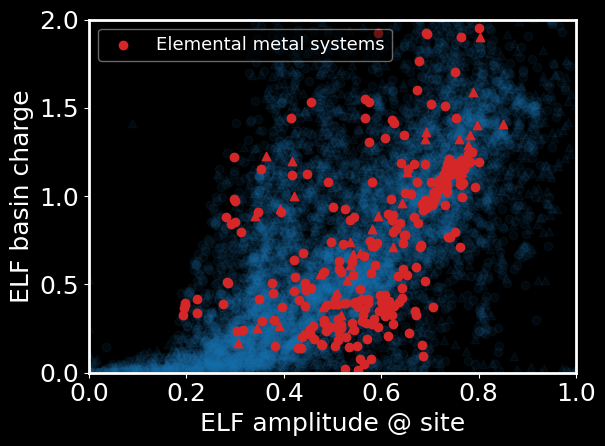
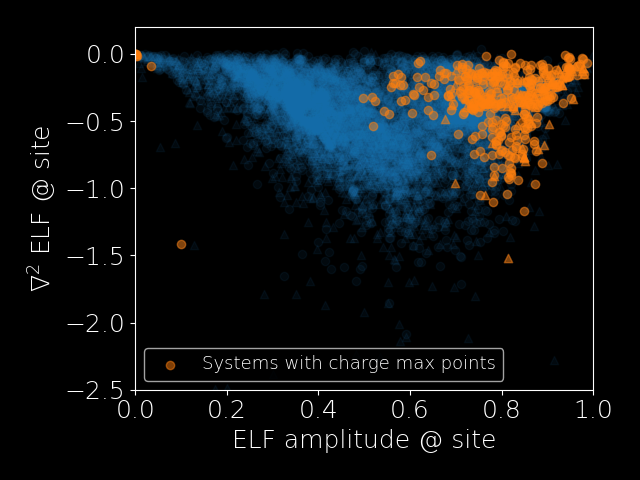
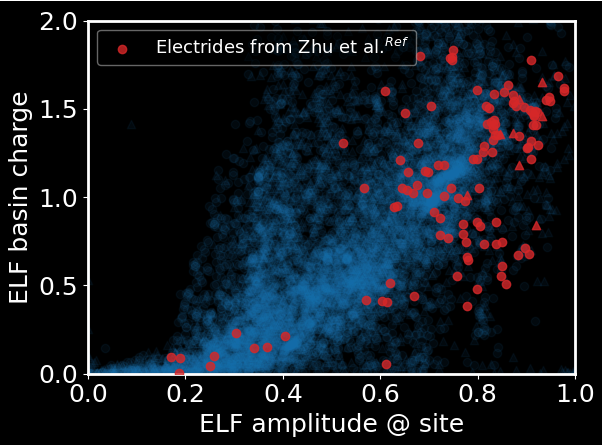
There's no clear demarcation between non-electrides and electrides.
Our prediction for more electride-like systems
metallic-bonding systems
There's no clear demarcation between non-electrides and electrides.
Our prediction for more electride-like systems
metallic-bonding systems
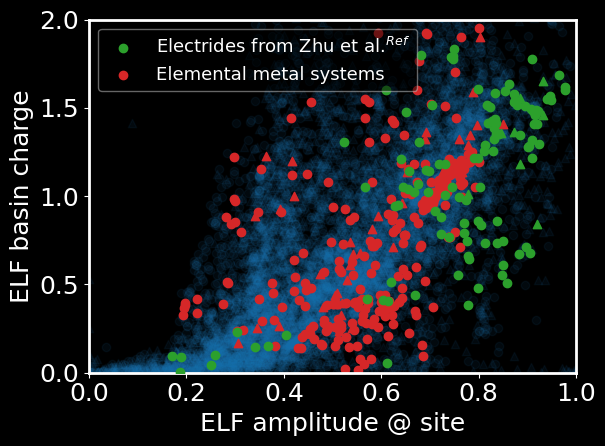
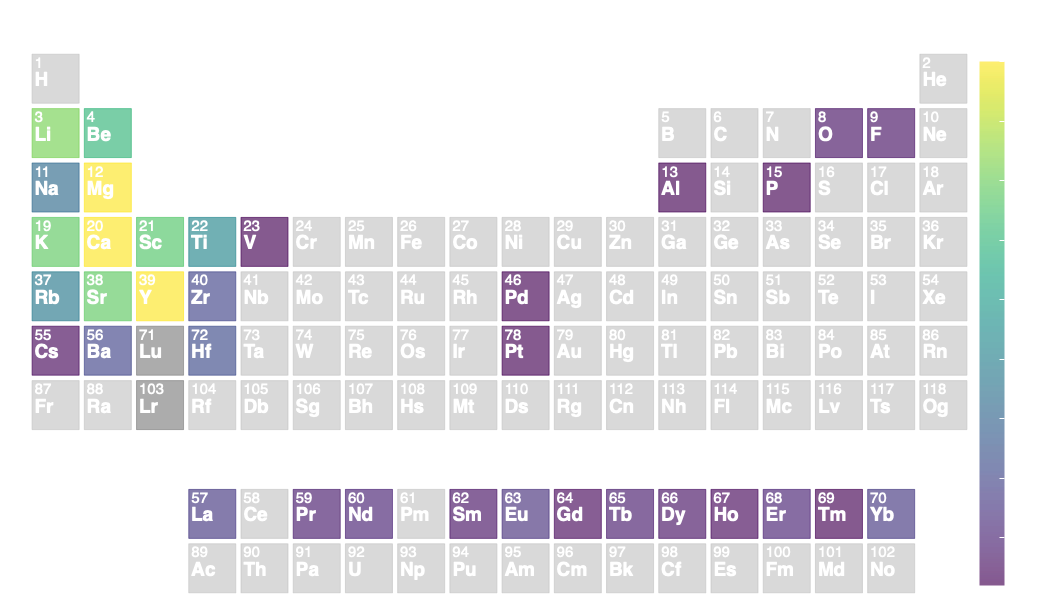
Ref: Zhu Q., et al., Computational Discovery of Inorganic Electrides from an Automated Screening,Matter, 2019, 1293-1303, 1(5).
Our prediction for more electride-like systems
metallic-bonding systems
Ref: Zhu Q., et al., Computational Discovery of Inorganic Electrides from an Automated Screening,Matter, 2019, 1293-1303, 1(5).
http://chengcheng-xiao.github.io/electride-db/
Ca₆Ge₂O-[mp-1019564]
Descriptors:
ELF: 0.9877
Occ.: 1.7344
Properties:
Insulator;
Has charge maxima @ interstitial site;
Ref: Jiacheng Gao, et al., Unconventional materials: the mismatch between electronic charge centers and atomic positions, Sci. Bull., In press..
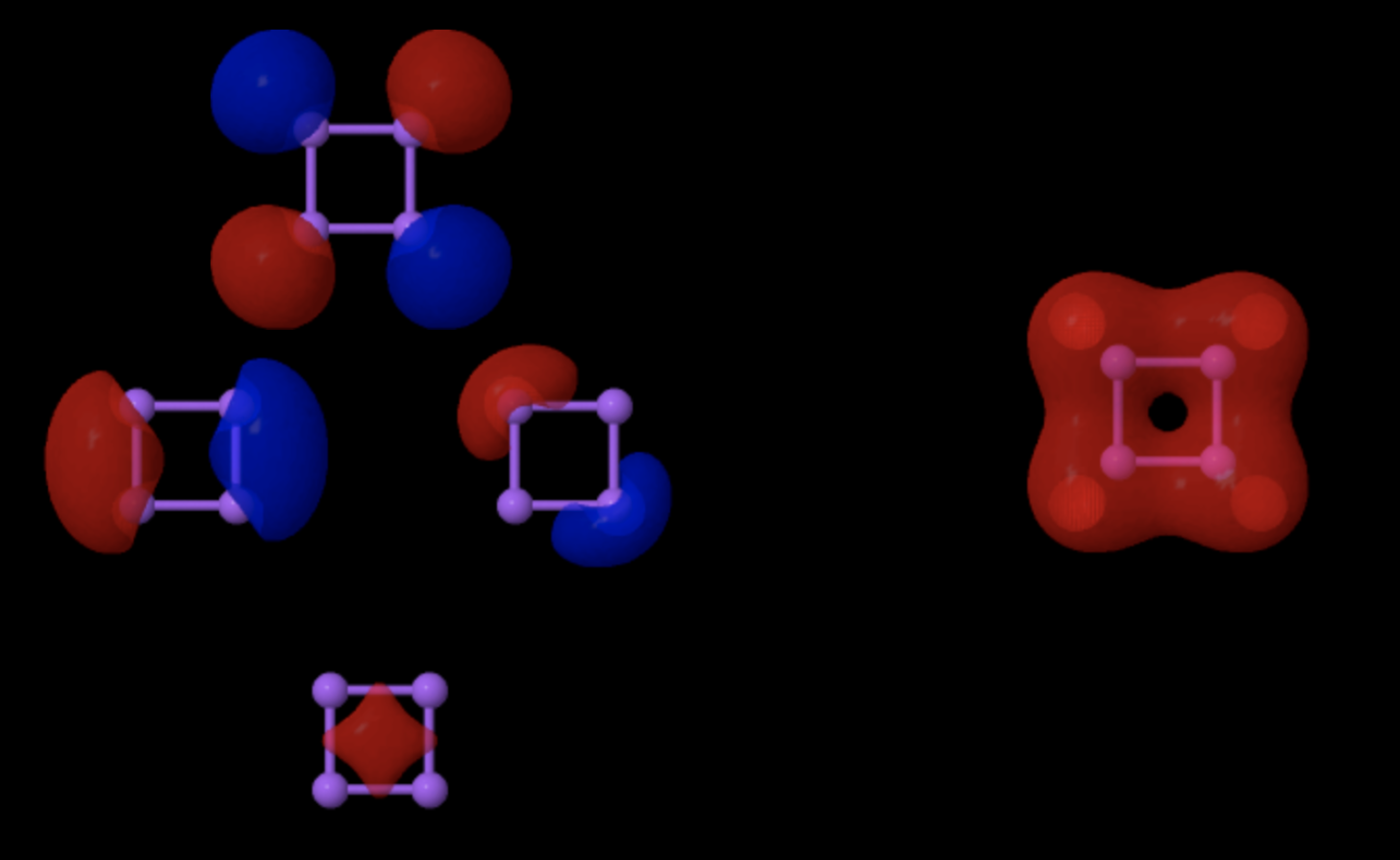
Our theory can also be used to understand:
HOMO
LUMO-1
LUMO-2
LUMO-3
More stories can be found on the origin of these orbitals. In our view they should be categorized as SAMOs (Super Atomic Molecular Orbitals). But other argue they are metal atoms' extended s-orbitals.
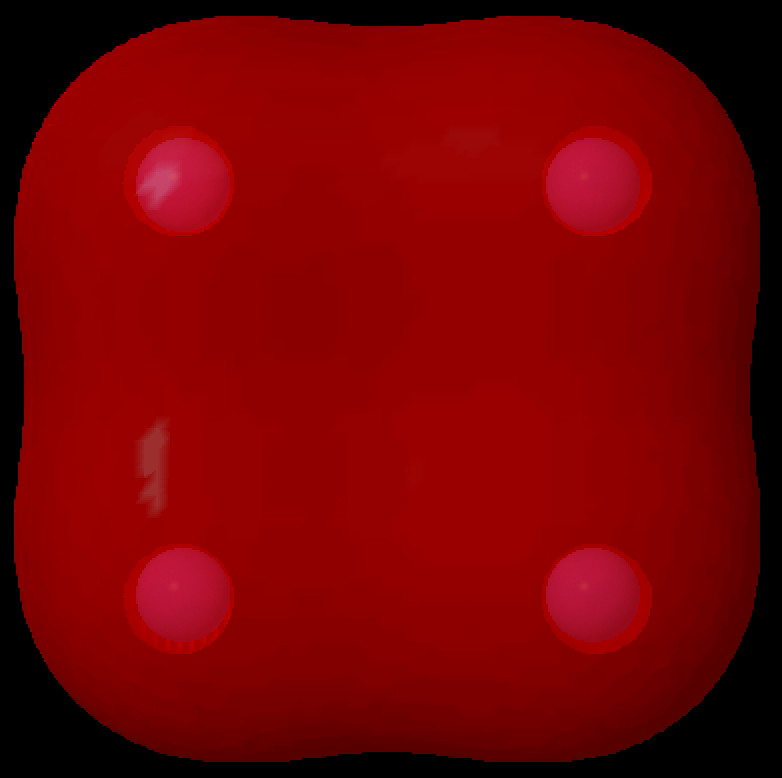
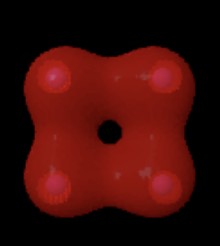
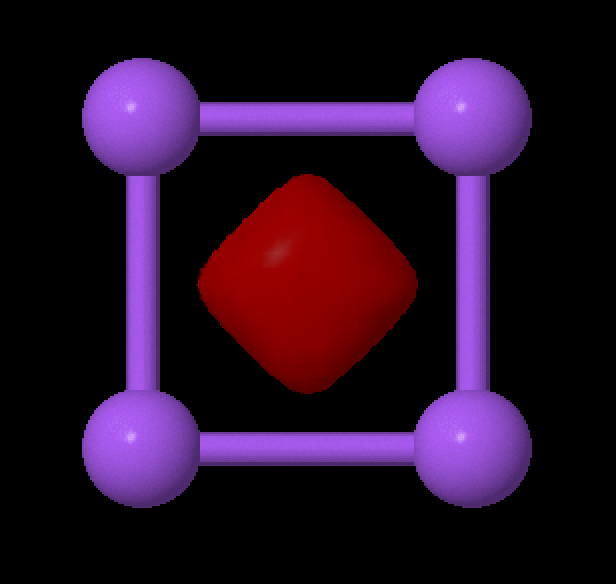
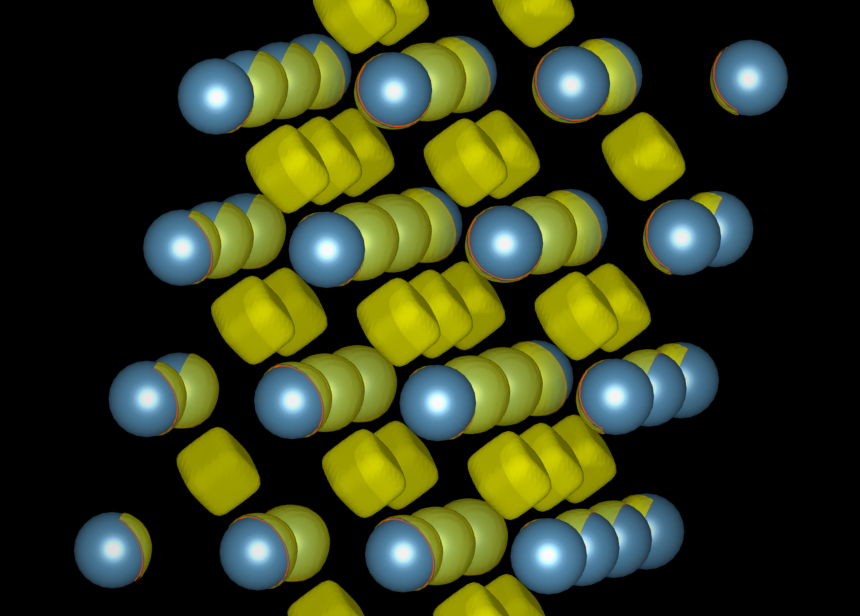
Na-Tripip222
More stories can be found on the origin of these orbitals. In our view they should be categorized as SAMOs (Super Atomic Molecular Orbitals). But other argue they are metal atoms' extended s-orbitals.
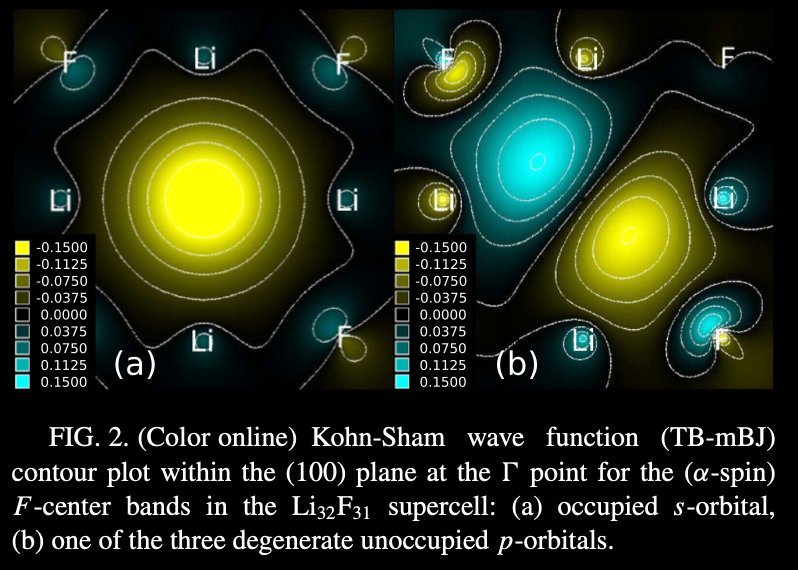
Bounce round: F-center defects (atomic orbtial)
Ref: Ferenc Karsai, et al.,F-center in lithium fluoride revisited: Comparison of solid-state physicsand quantum-chemistry approaches, Phys. Rev. B, 2019, 89(12).
Ref: Janotti, Anderson, Hydrogen multicentre bonds, science, Nature Materials, (2007), 44-47, 6(1)
1 electron @ defect site
Electride: periodic arrangement of point defects?
Bounce round: F-center defects (atomic orbtial)
Ref: Ferenc Karsai, et al.,F-center in lithium fluoride revisited: Comparison of solid-state physicsand quantum-chemistry approaches, Phys. Rev. B, 2019, 89(12).
Ref: Janotti, Anderson, Hydrogen multicentre bonds, science, Nature Materials, (2007), 44-47, 6(1)
1 electron @ defect site
Electride: periodic arrangement of point defects?
Electride are systems with occupied multicenterd bonds that are localized at the cage center.
We have constructed a composite descriptor that can quantitatively tell the likelihood of a system being an electride.
During this project, I've
test
Powered by:

Find these slides:
Interstitial charge maxima
Ref: Zhu et al., Computational Discovery of InorganicElectrides from an Automated Screening Matter, (2019) 1, 1293–1303
Our prediction for more electride-like systems
Our prediction for more electride-like systems
metallic-bonding systems
# of entries
Previously predicted electrides*
Ref: Zhu Q., et al., Computational Discovery of Inorganic Electrides from an Automated Screening,Matter, 2019, 1293-1303, 1(5).
Na
K
Should they be identified as electrides?
ELF max:0.7
Occ.: 1.51
ELF max: 0.7
Occ.: 1.92
* R. Nesper,Angew. Chem., Int. Ed. Engl., 1991,30, 789–817
* R. Nesper,Angew. Chem., Int. Ed. Engl., 1991,30, 789–817
* R. Nesper,Angew. Chem., Int. Ed. Engl., 1991,30, 789–817
Our answer:
FM
AFM
2D-LaBr
We need two criterias to be satisfied:
Doping!
Strain!
BCC-Sodium
We can force a system with metallic bonding into an electide by tensile strain.
ELF max: 0.5505
Occ.: 0.1604
Tetragonal-Sodium
We can force a system with metallic bonding into an electide by tensile strain.
ELF max: 0.7266
Occ.: 0.7470
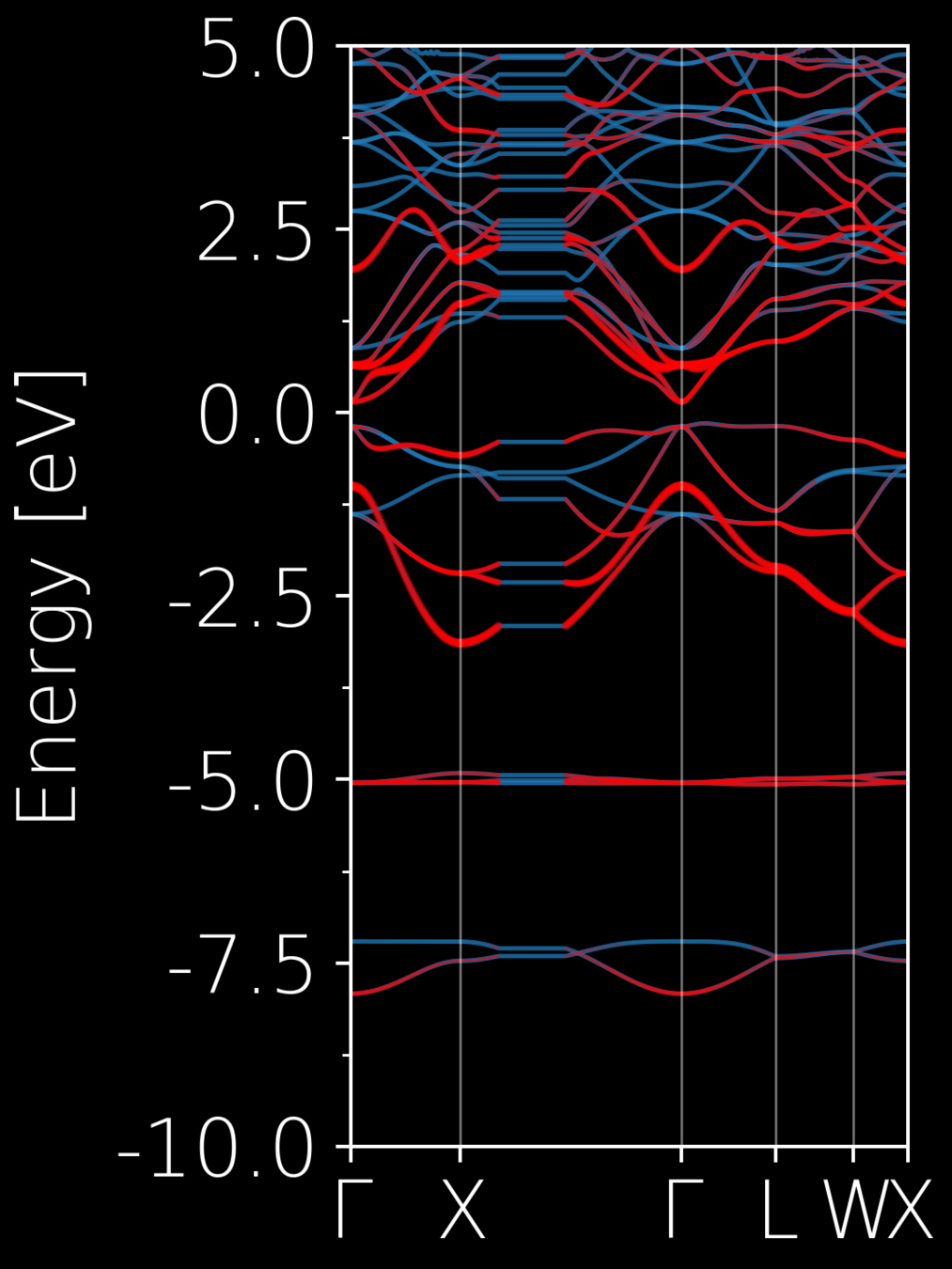
This time, we use doping to bring out electride nature inside an typical ionic material
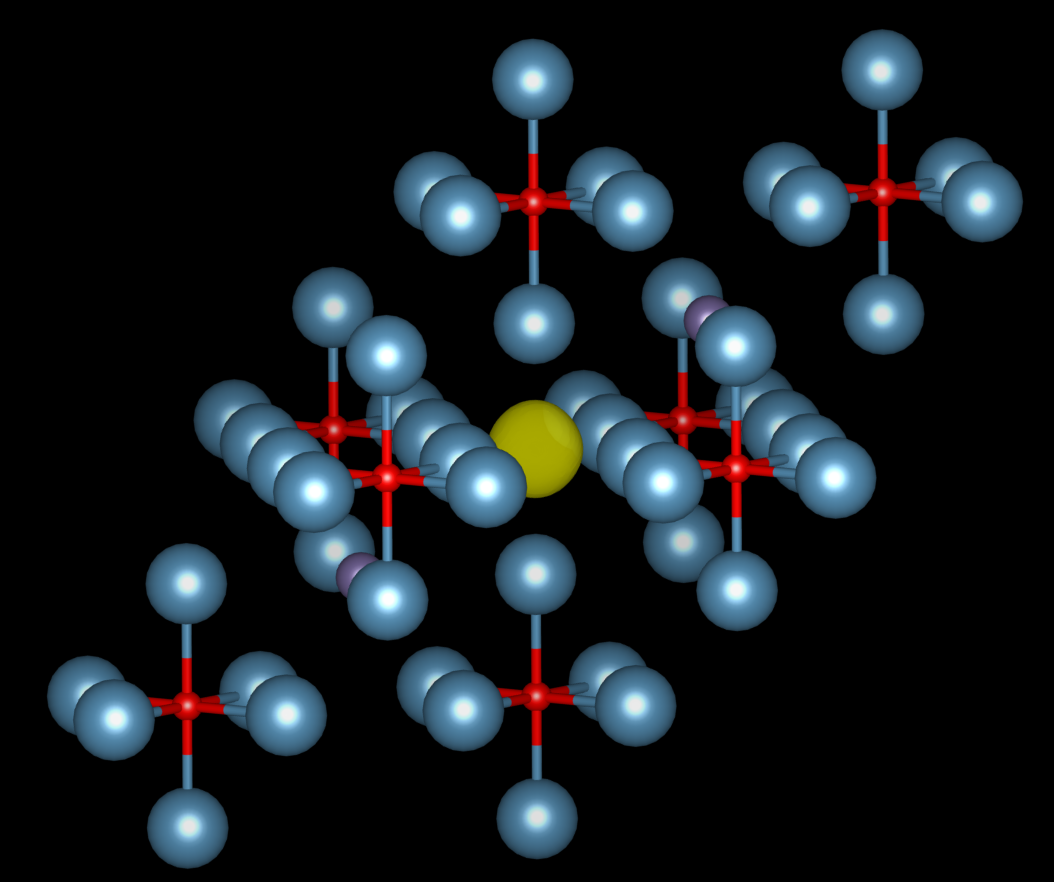
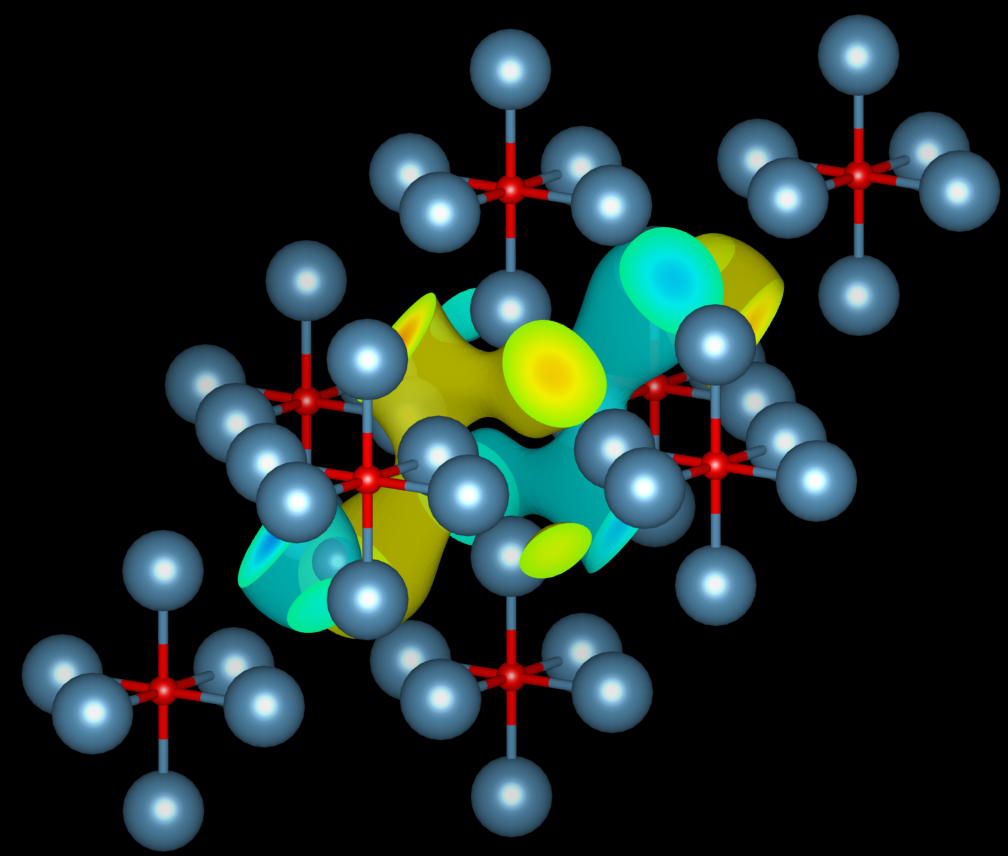
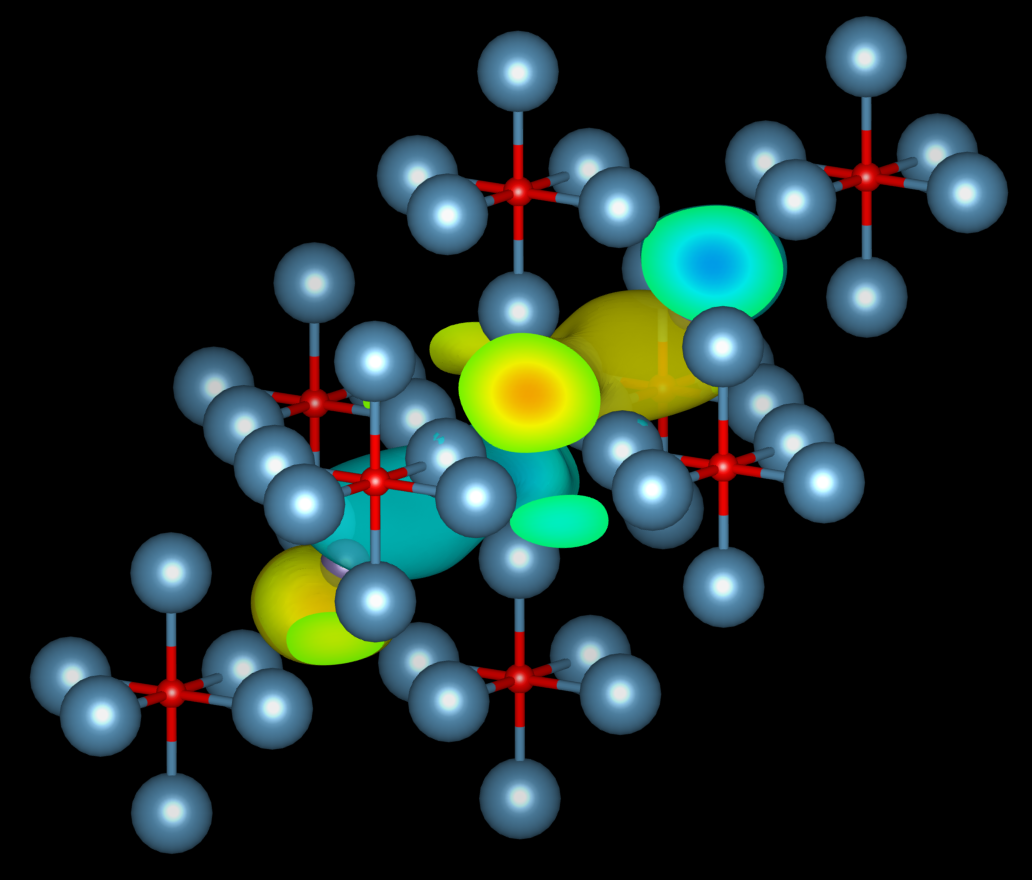
NaCl-Doped [4e]
ELF max: 0.7525
Occ.: 0.4094
# of entries
Systems with Charge maxima points
By Chengcheng Xiao


