Continuous Delivery
Patterns / Antipatterns
Christoph Schleifer - Twitter: @slueg
Merge Daily
Pattern:
Anti-Patterns:
changes commited to the mainline are applied to each branch on at least daily basis.
- Merging iterated mainline before merging into it
- Merging on a weekly basis
Single Command Env.
Pattern:
Anti-Patterns:
run a single command to build and deploy the application to any accessible environment, including the local development
- Forcing the developer to define and configure environment variables
- Make the developer install numerous tools
Single Path to Production
Pattern:
Anti-Patterns:
configuration management of the entire system (source, configuration, environment, data)
any change is a revision in the vcs
- parts of the system are not versioned
- configuration of the system is done manually
Build Threshold
Pattern:
Anti-Patterns:
fail a build when a project rule is violated - e.g. slow tests, coding standards violations, …
- manual code reviews
- learning code quality issues later in the development cycle
Stop the line
Pattern:
Anti-Patterns:
fix software delivery errors asap - stop the line!
no one checks in on a broken build as the fix becomes highest priority
- builds stay broken for long periods of time
- developers can not check out functioning code all the time
Automate tests
Pattern:
Anti-Patterns:
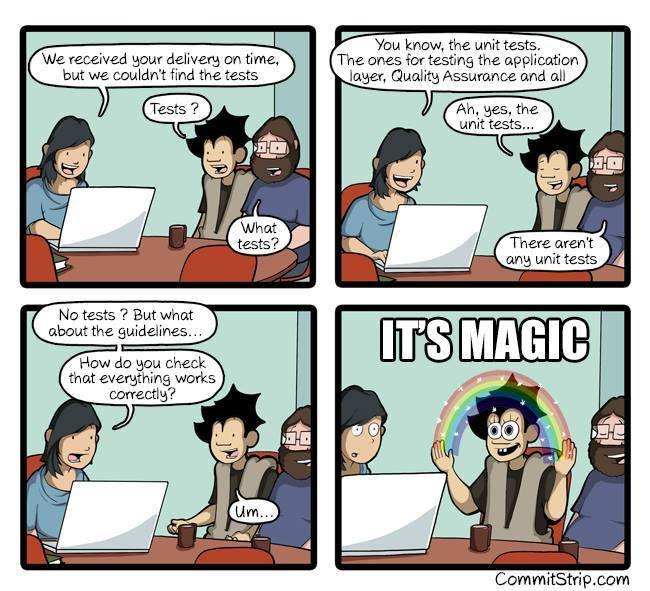
automate the verification and validation of software to include unit, functional, deployment and capacity tests
- manual tests
Value-Stream Map
Pattern:
Anti-Patterns:
create a map illustrating the deployment process from check-in to release
- tribe knowledge
common language
Pattern:
Anti-Patterns:
agree upon a common scripting language (python, ruby,…)
- different script languages
fail fast
Pattern:
Anti-Patterns:
fail the build as soon as possible. scripts that fail more often should run first and should run as part of the commit stage
- common build mistakes are not uncovered until late in the deployment process
Fast Builds
Pattern:
Anti-Patterns:
the build process provides feedback on common problems as quickly as possible (< 10 minutes)
- do everything in the commit stage process, like running every automated static analysis tool or running load tests
Scripted Deployment
Pattern:
Anti-Patterns:
All deployment processes are written in a script, checked in to the VCS and run as part of the single delivery system
- documentation is used instead of automation
Unified Deployment
Pattern:
Anti-Patterns:
the same deployment script is used for each deployment
- different scripts for each target environment
- manual configuration after deploy for each target
Rollback Release
Pattern:
Anti-Patterns:
provide an automated single command to rollback changes after an unsuccessful deployment
- manually undoing changes
Self Service Deployment
Pattern:
Anti-Patterns:
anyone can deploy to any enironment (except for permissions)
- only on person is responsible for deployments
Automate Provisioning
Pattern:
Anti-Patterns:
automate the configuration of environments to include infrastructure
- configured servers are "work of art" requiring manual steps to provision them
Production-Like Environments
Pattern:
Anti-Patterns:
target environments are as similar to production as possible
- environments are manually configured
- local development envs are not production-like
Toggle Features
Pattern:
Anti-Patterns:
deploy new features or services to production but limit access dynamically for testing purposes
- waiting a feature is fully complete before committing the source code
Cross-Functional Teams
Pattern:
Anti-Patterns:
Everybody is responsible for the delivery process
- siloed teams
You build it, you run it
Root-Cause Analysis
Pattern:
Anti-Patterns:
learn the root cause by asking "why" of each answer until discovering the root cause
- accepting symptoms as the root cause
References
deck
By Christoph Schleifer