




















Content ITV PRO
This is Itvedant Content department
Learning Outcome
5
Understand how intermediaries facilitate smooth financial transactions
4
Analyze which funding option is suitable under different conditions
3
Identify different sources of funding available to firms
2
Explain why companies require external funding
1
Understand the role of issuers, investors, and intermediaries in financial markets
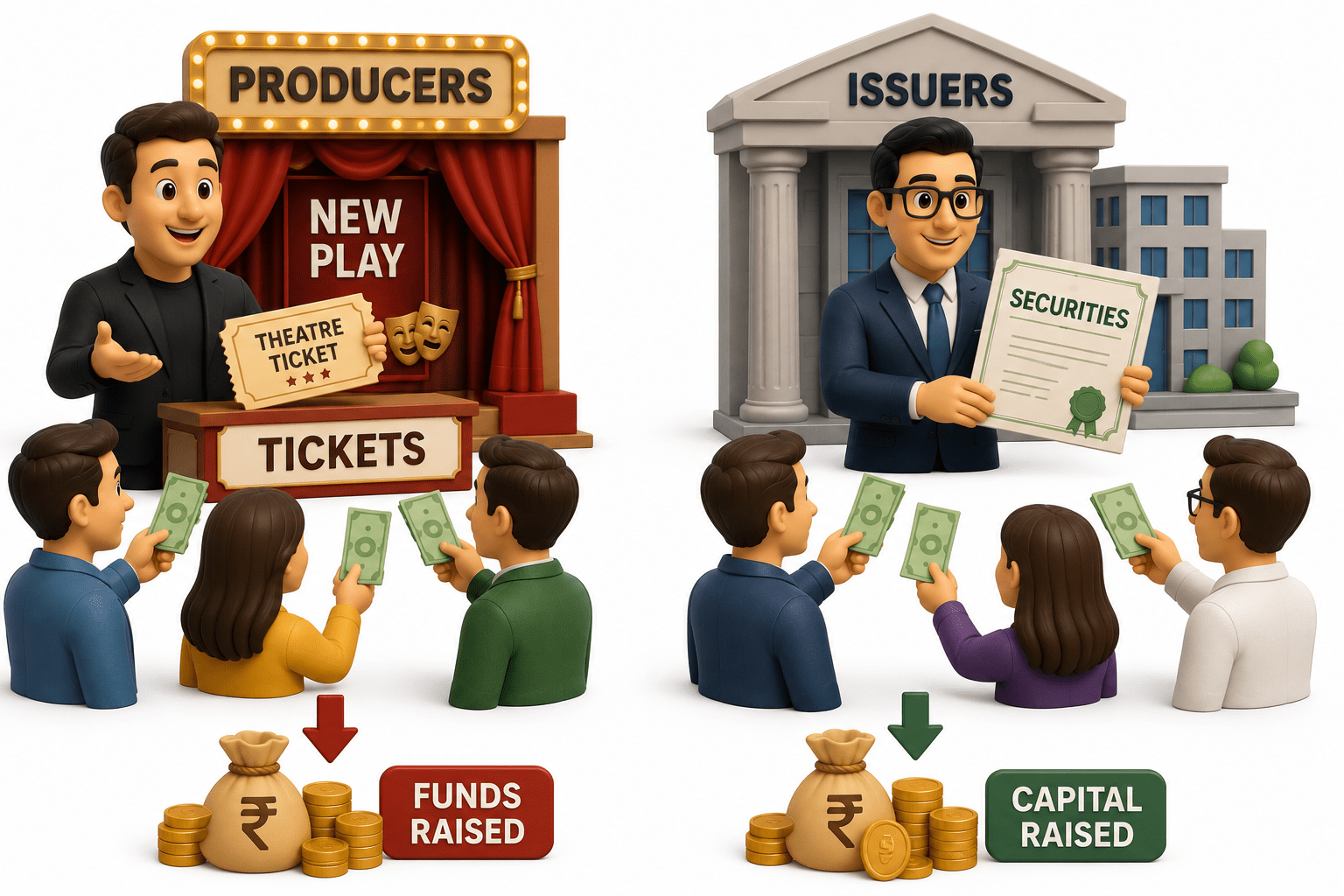
Theatre producers sell tickets to fund a show, just like issuers sell securities to raise capital.
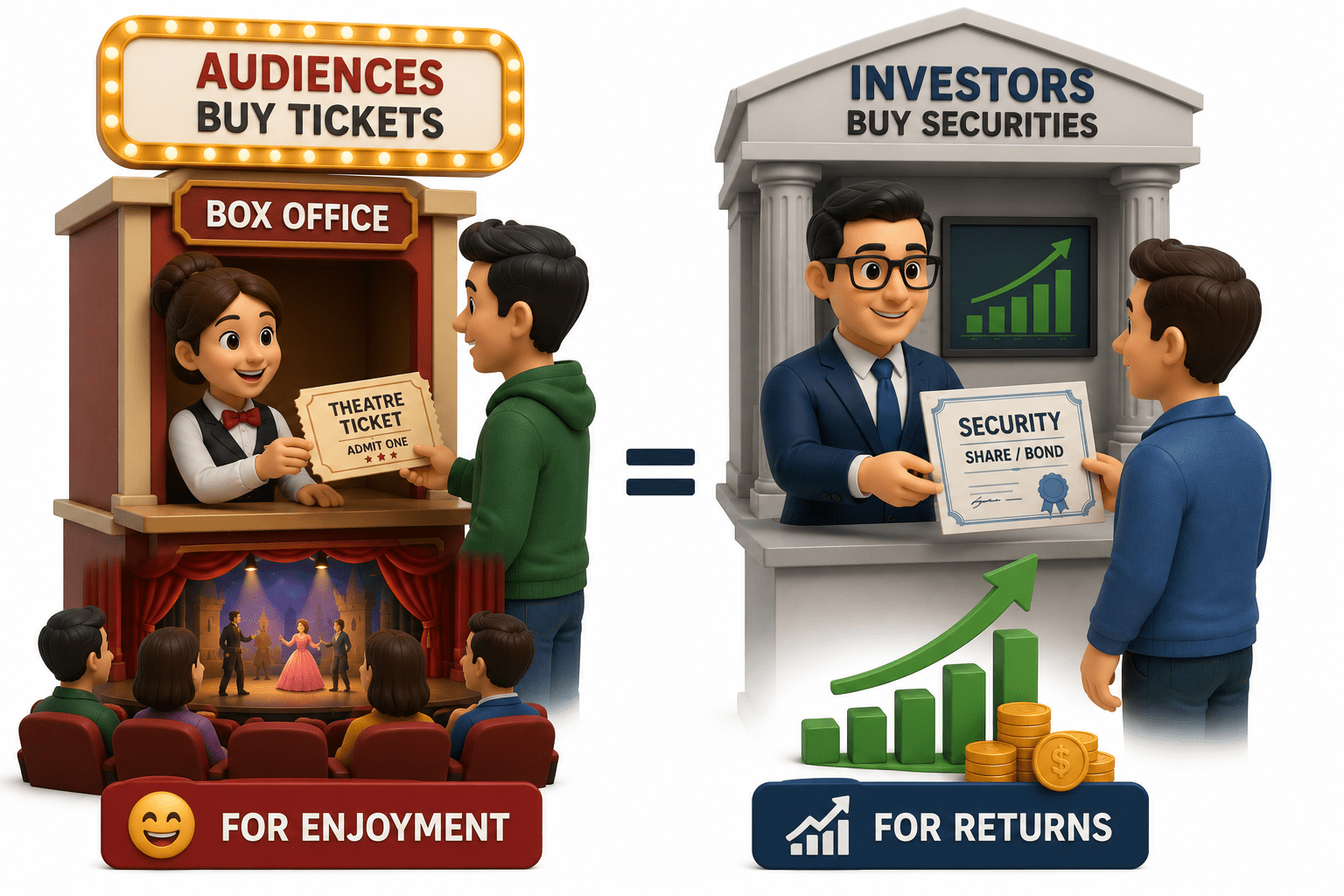
Audiences buy tickets for enjoyment, like investors buying securities for returns.
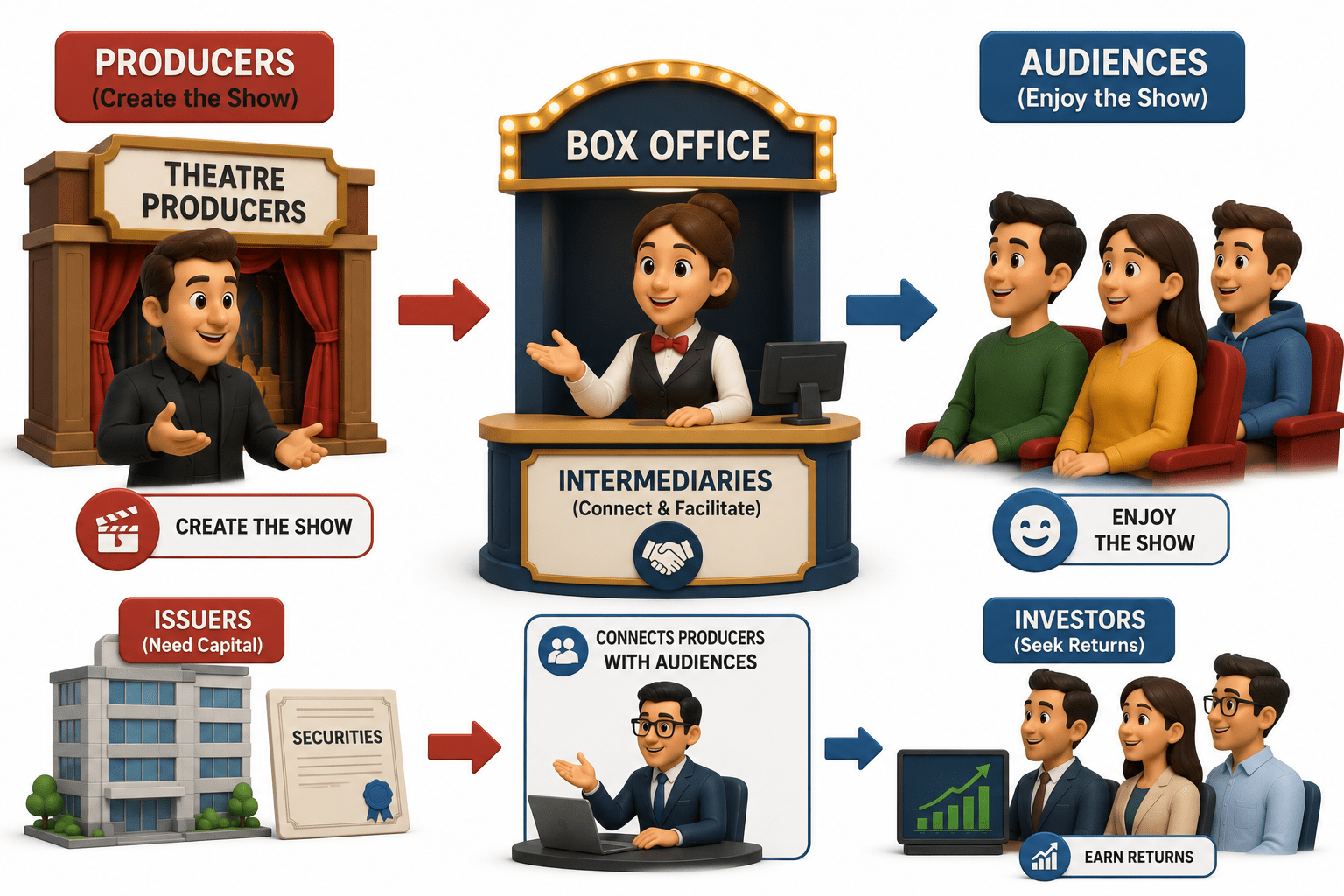
Box office staff connect producers and audiences, like intermediaries connect issuers and investors.
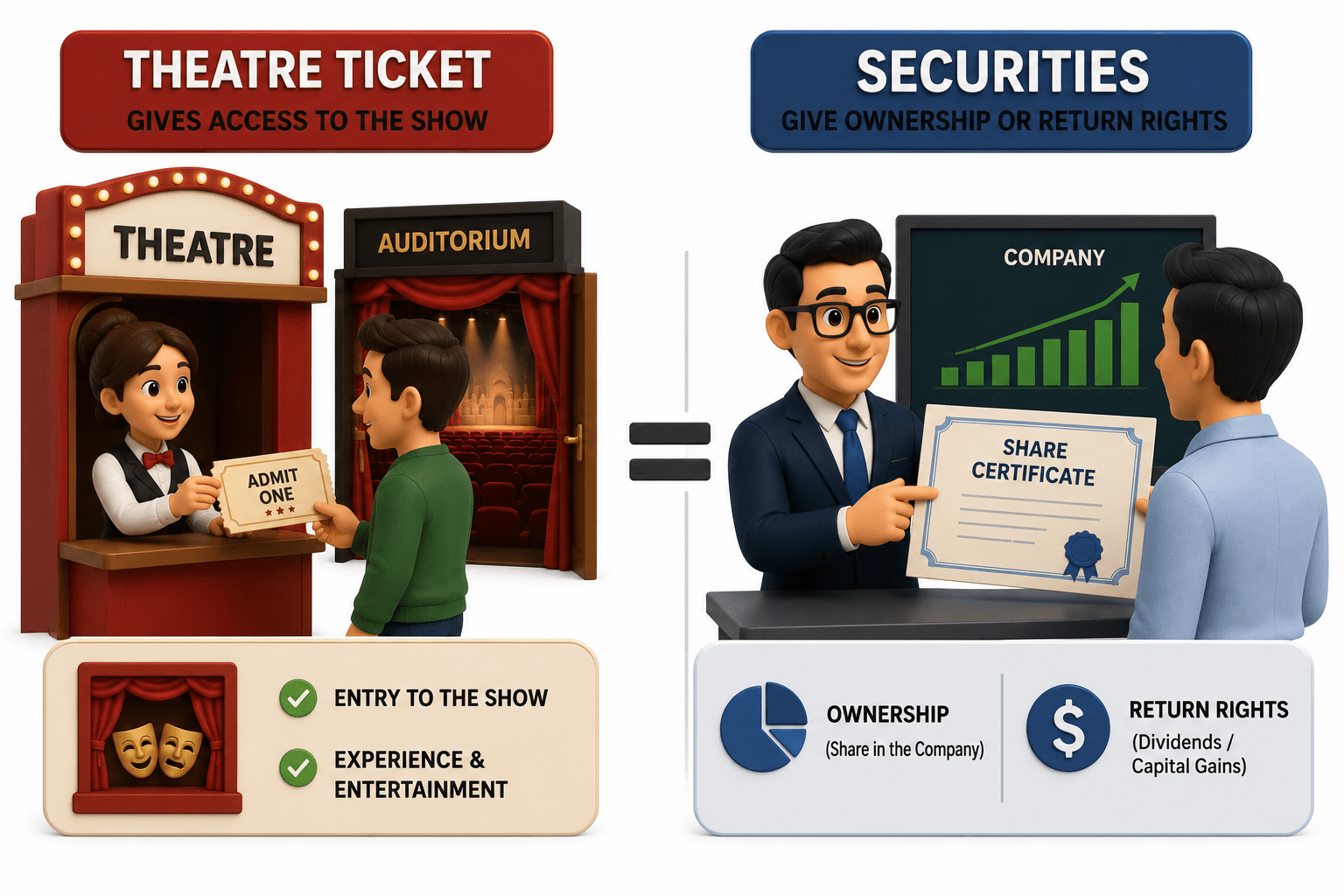
Tickets give show access, while securities give ownership or return rights.
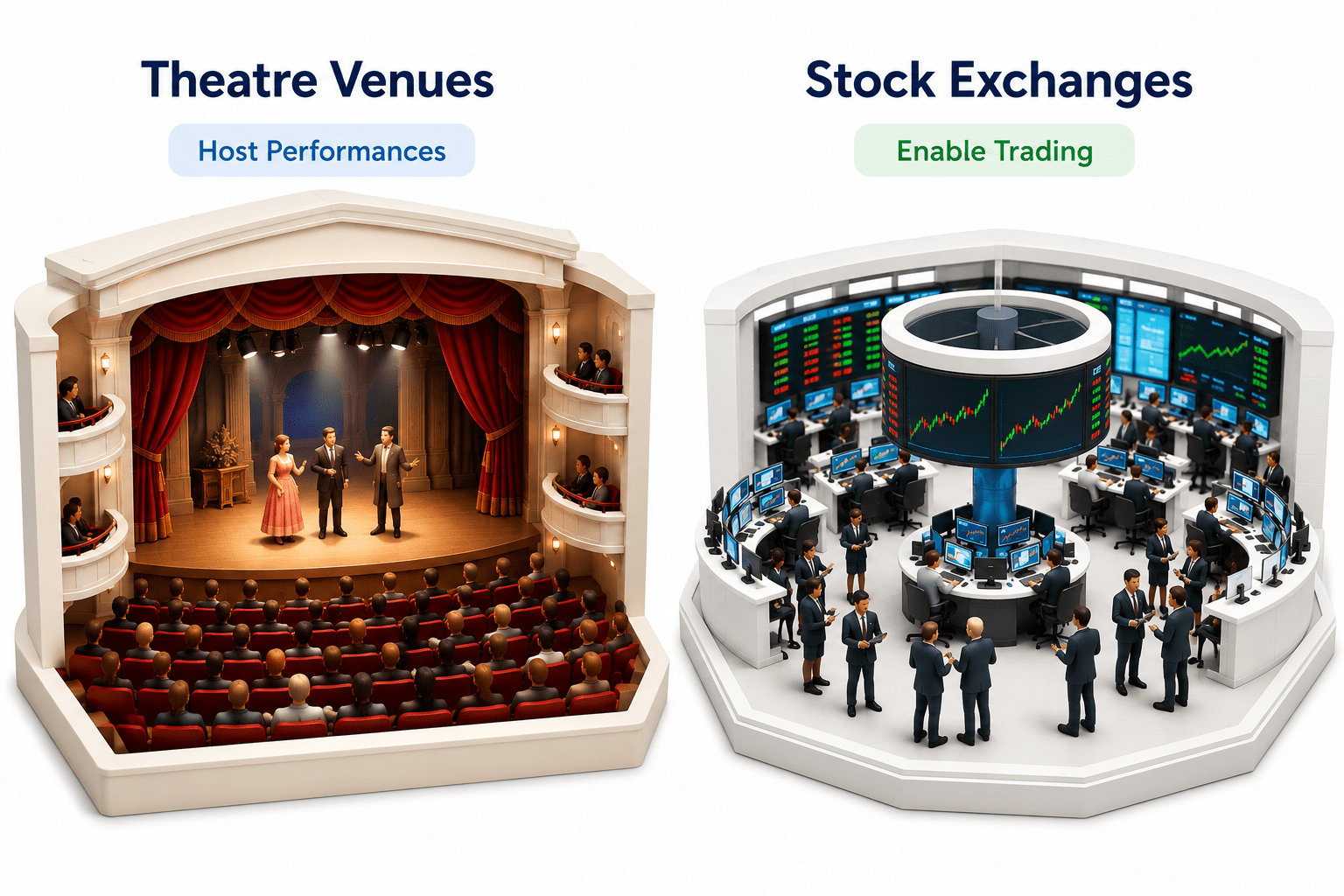
Theatre venues host performances, like stock exchanges enable trading.
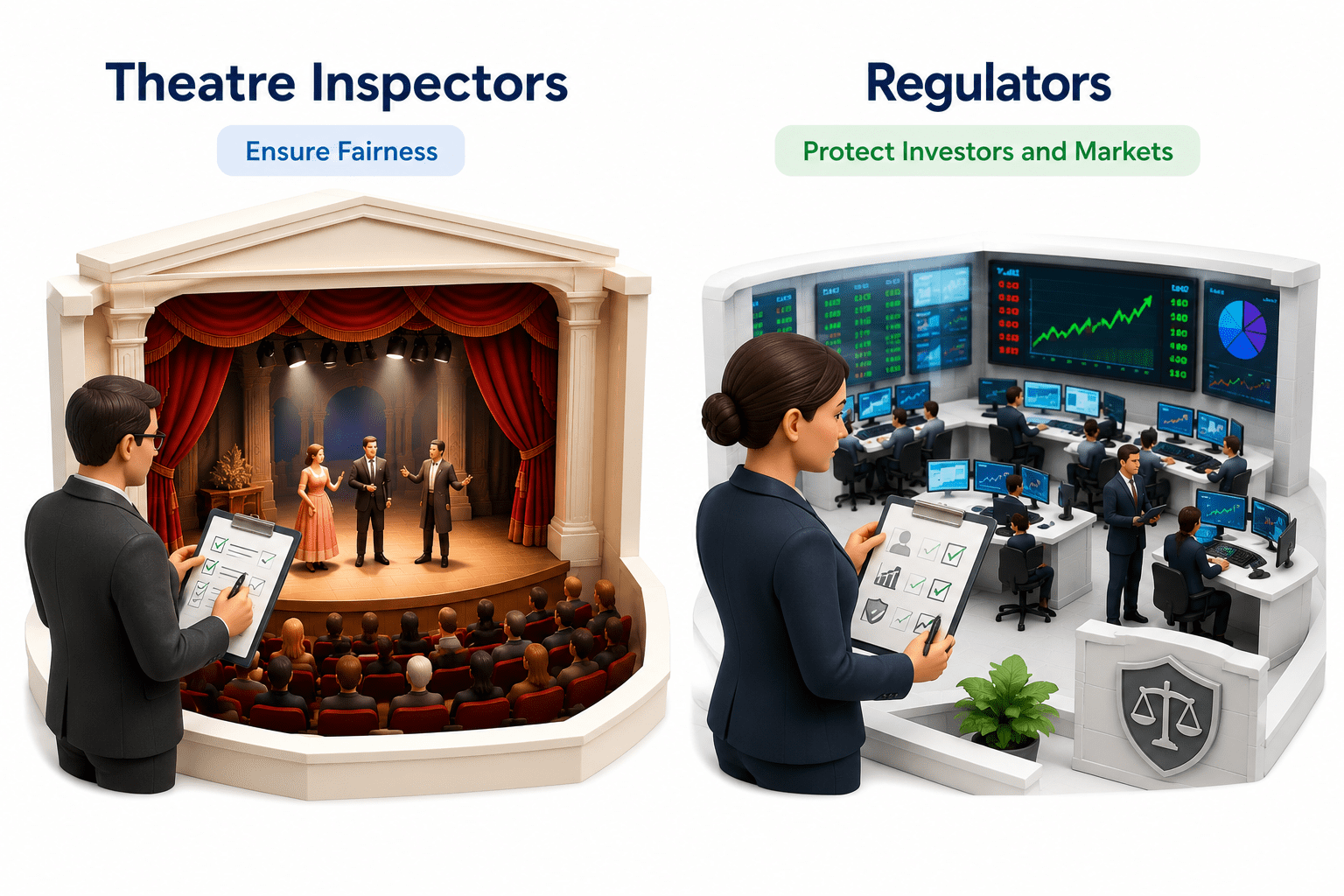
Theatre inspectors ensure fairness, like regulators protect investors and markets.
Quick Recap:
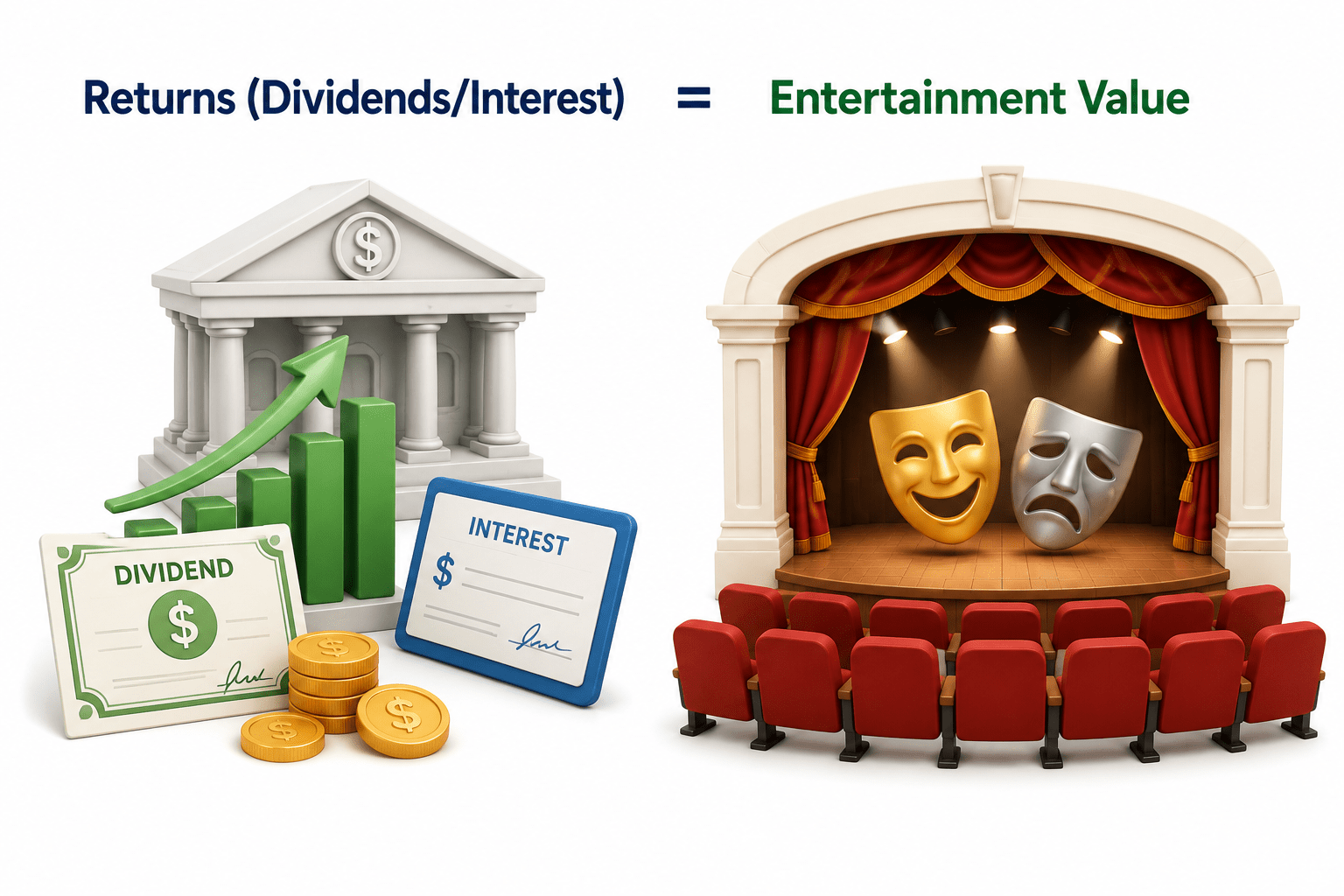
Audience members enjoy a good show as a reward for buying tickets, just like investors earn returns when a company performs well.
Issuers = Producers
Investors = Audience
Intermediaries = Box Office Staff
Securities = Tickets
Stock Exchange = Venue
Regulators = Inspectors
Returns = Entertainment Value
Just like a theatre needs producers, box office staff, and an audience to run successfully, financial markets need issuers, intermediaries, and investors to function smoothly. Together, they help raise capital, connect participants, and keep the market system active and efficient.
ISSUERS
Who Are They & What Do They Do?
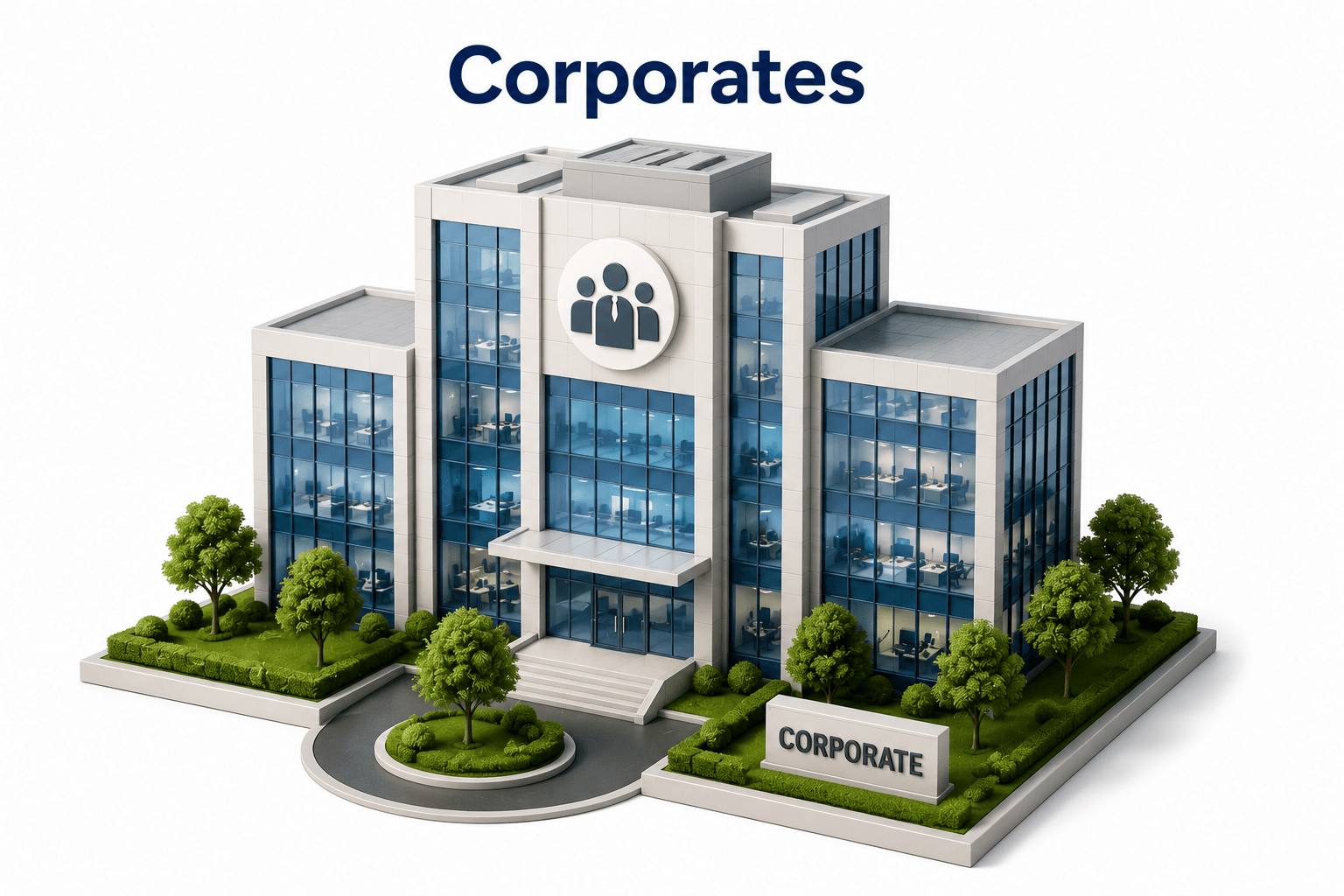
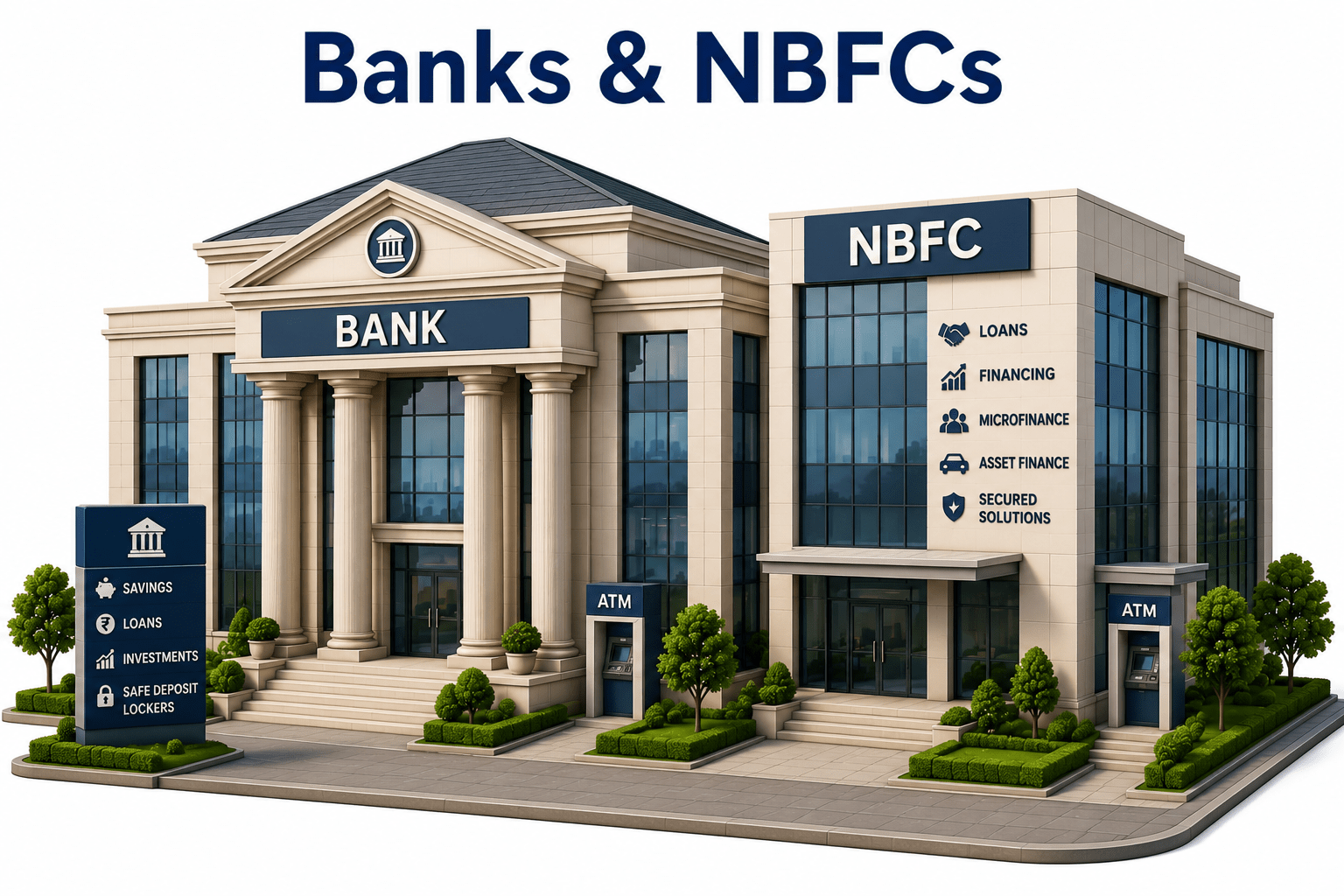
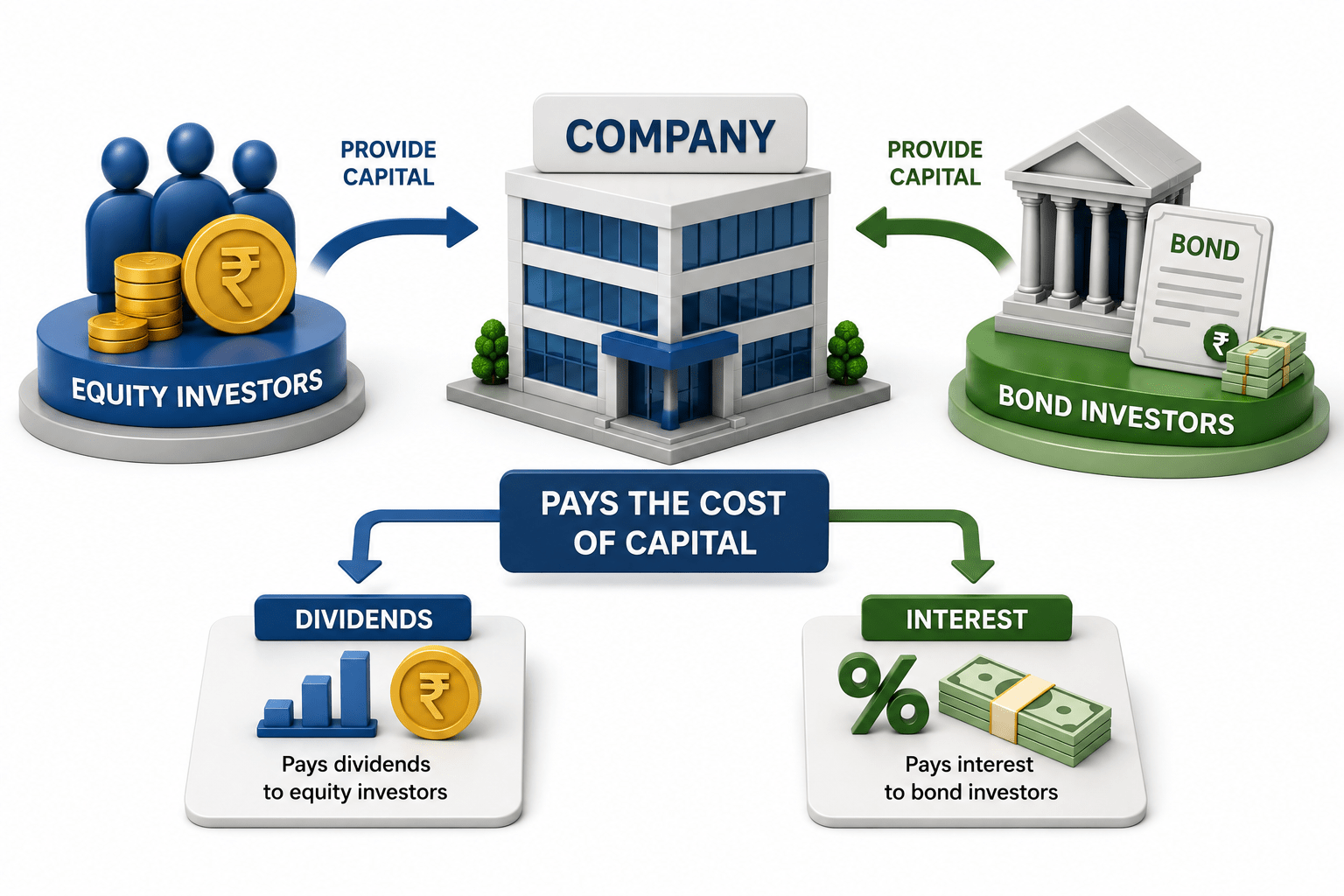
An issuer is a company, government, or institution that raises capital by creating and selling financial securities to investors. They are the starting point of financial market transactions.
types of issuers
What does an issuer actually do?
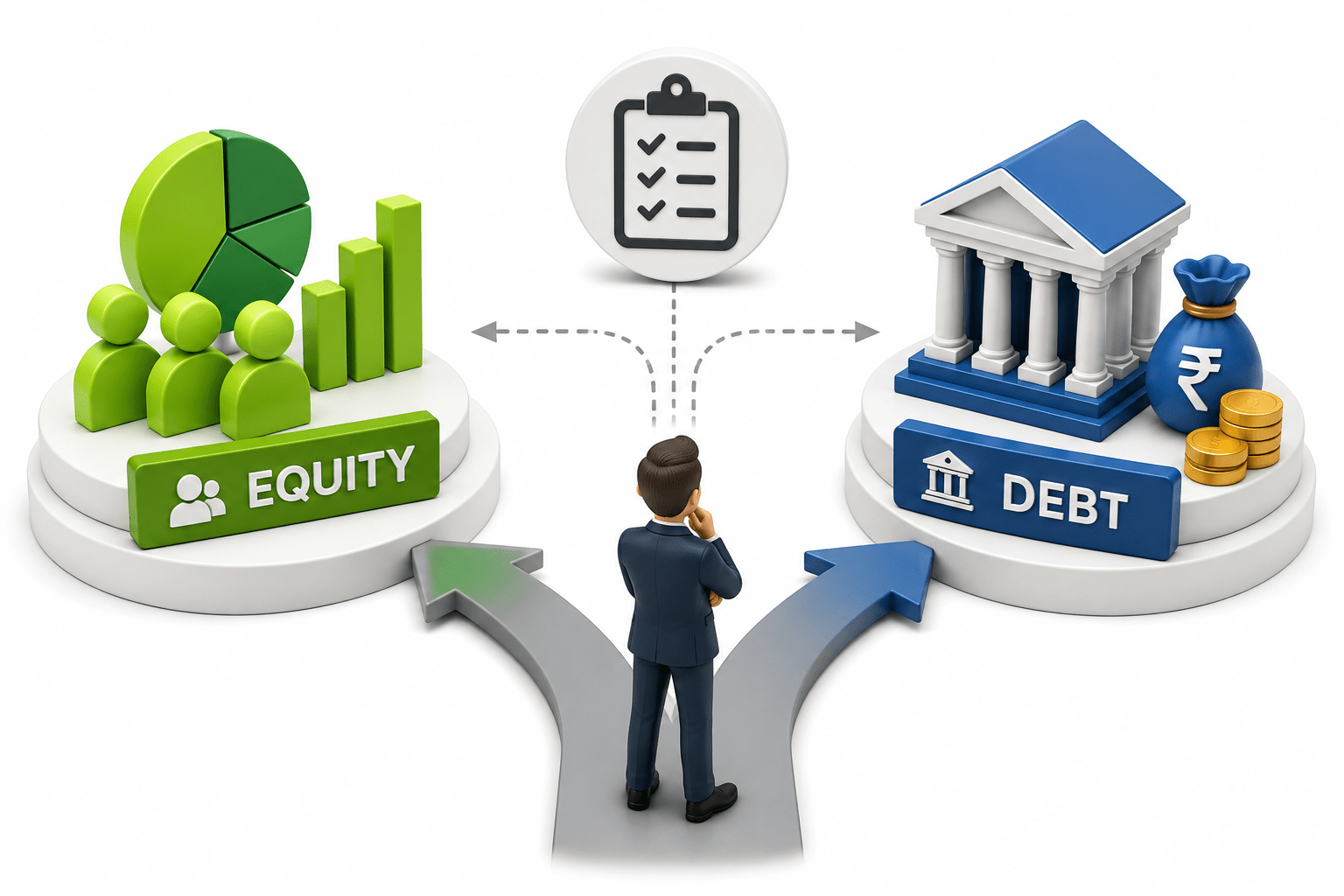
Chooses between equity or debt based on funding needs and capital cost.
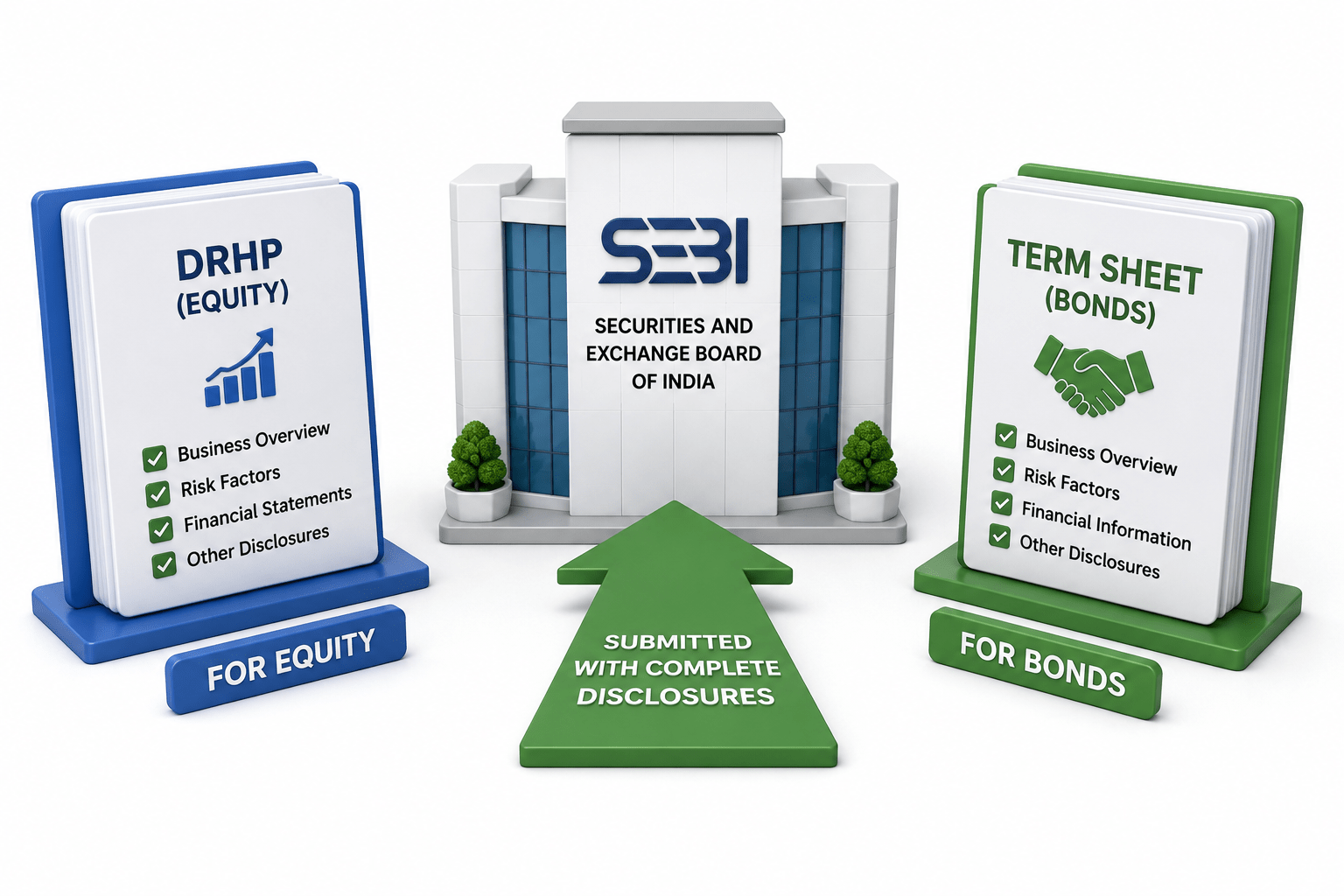
Submits DRHP or bond documents with full disclosures to regulators.
Pays dividends or interest as the cost of raising investor capital.
Reports quarterly results and follows SEBI disclosure and listing rules.
Real examples:
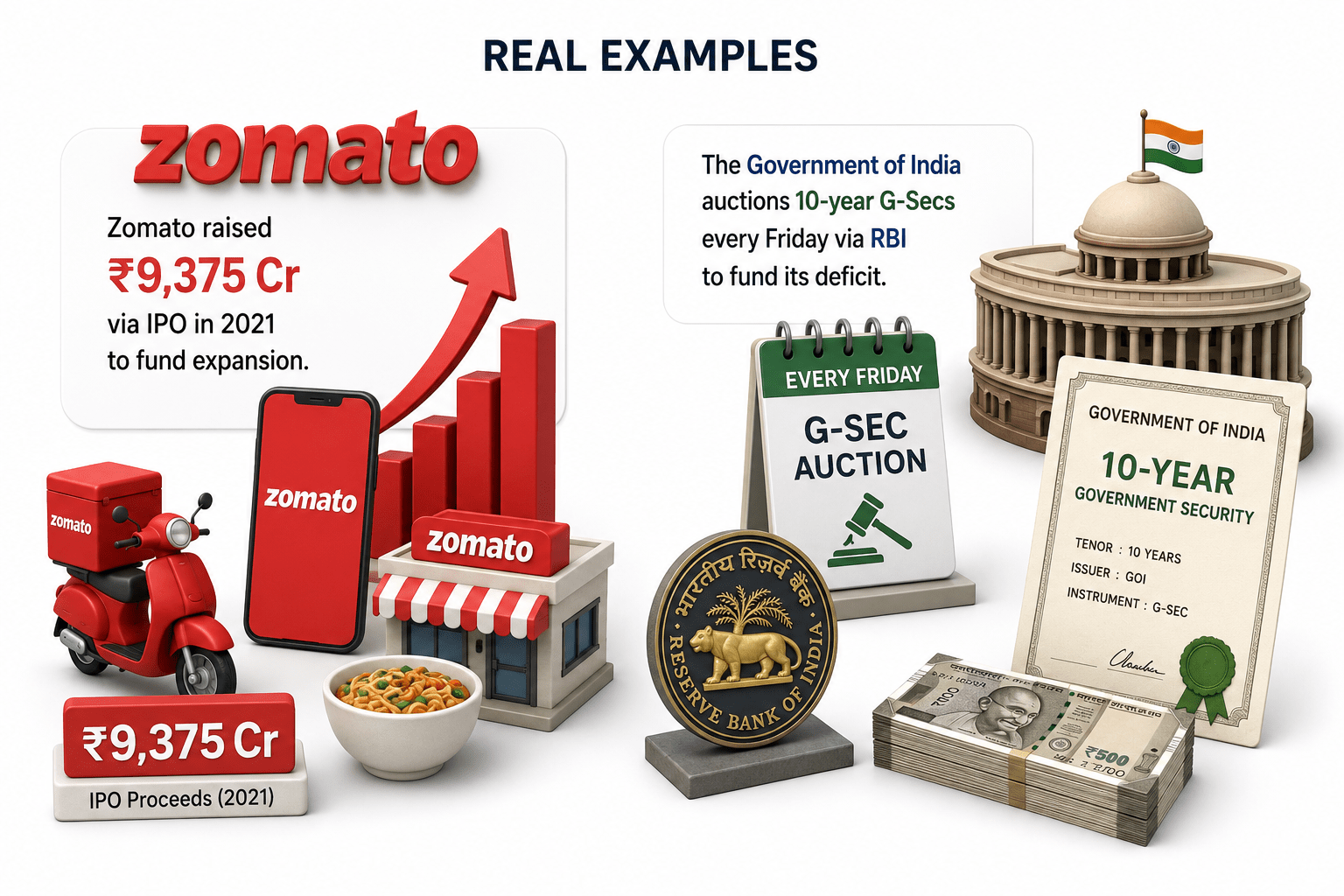
Zomato raised ₹9,375 Cr through its IPO in 2021 to fund business expansion.
Government of India issues 10-year Government Securities (G-Secs) through weekly auctions conducted by Reserve Bank of India to finance fiscal deficits.
INVESTORS
Who Are They & What Do They Do?
An investor is a person or institution that invests surplus money in financial instruments to earn returns like interest, dividends, or capital gains. Investors provide the capital that keeps financial markets running.
Retail Investors
Domestic MFs (DIIs)
Insurance Cos (DIIs)
Investors come in very different shapes and sizes:
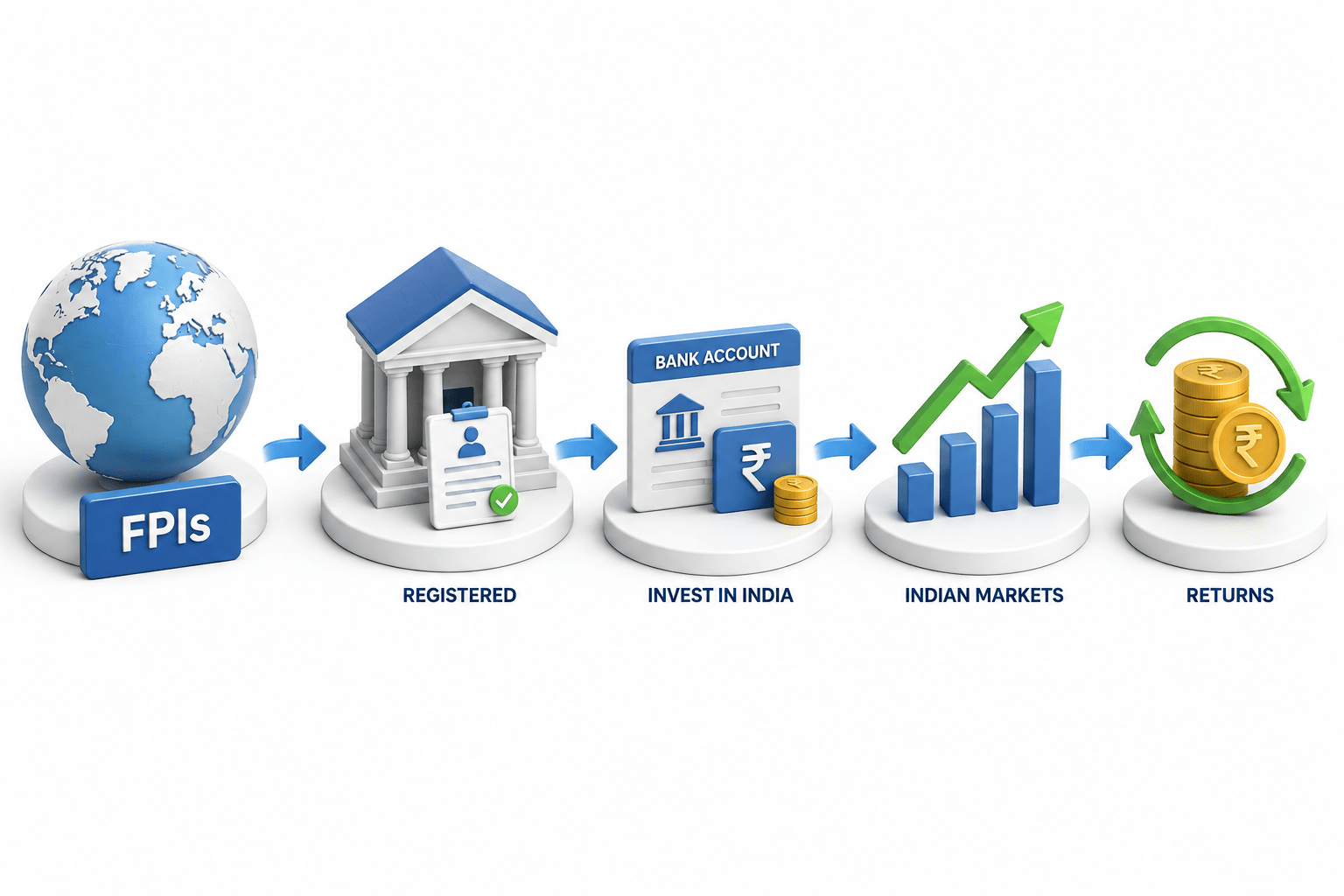
FIIs / FPIs
HNIs & Family Offices
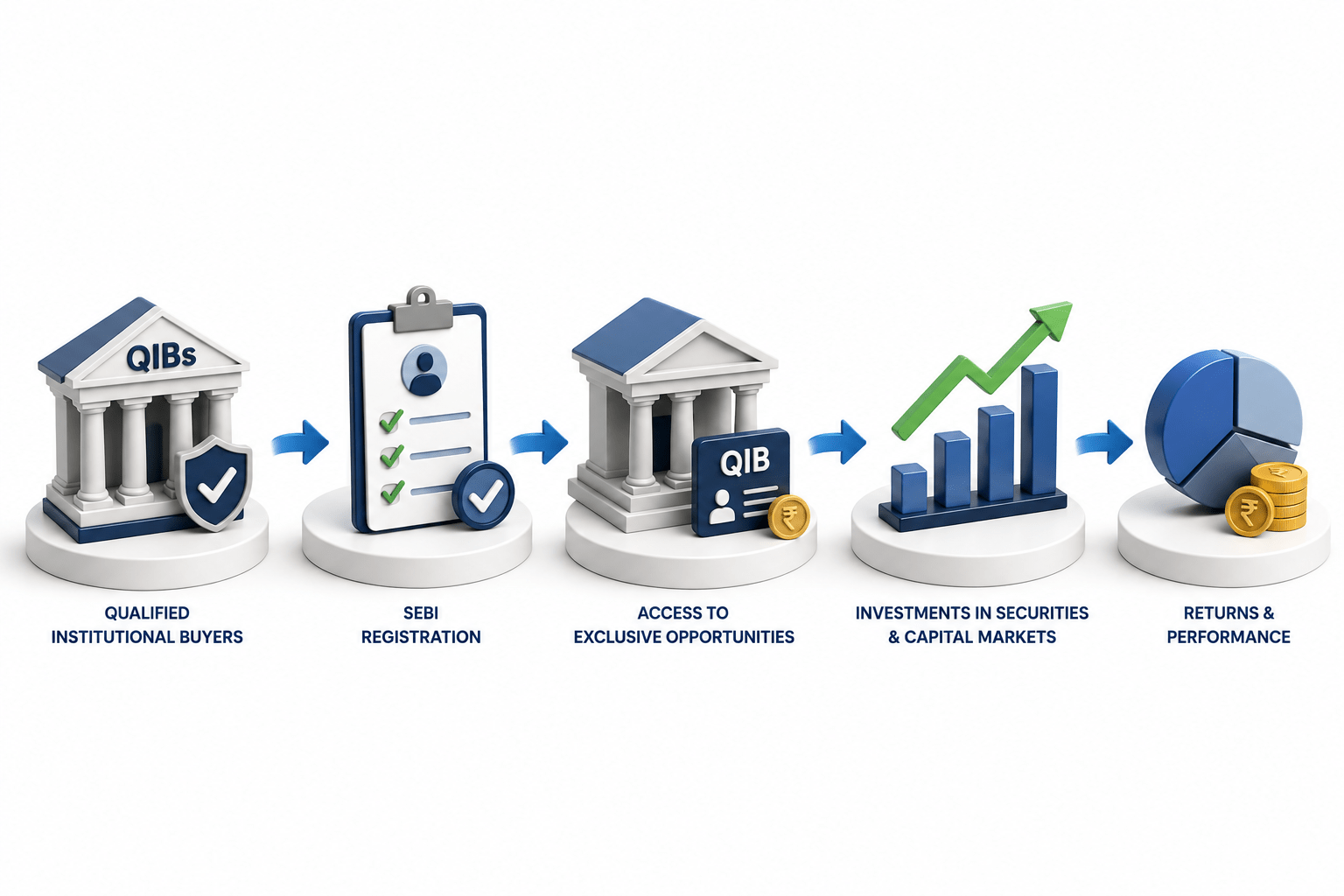
QIBs- Qualified Institutional Buyers
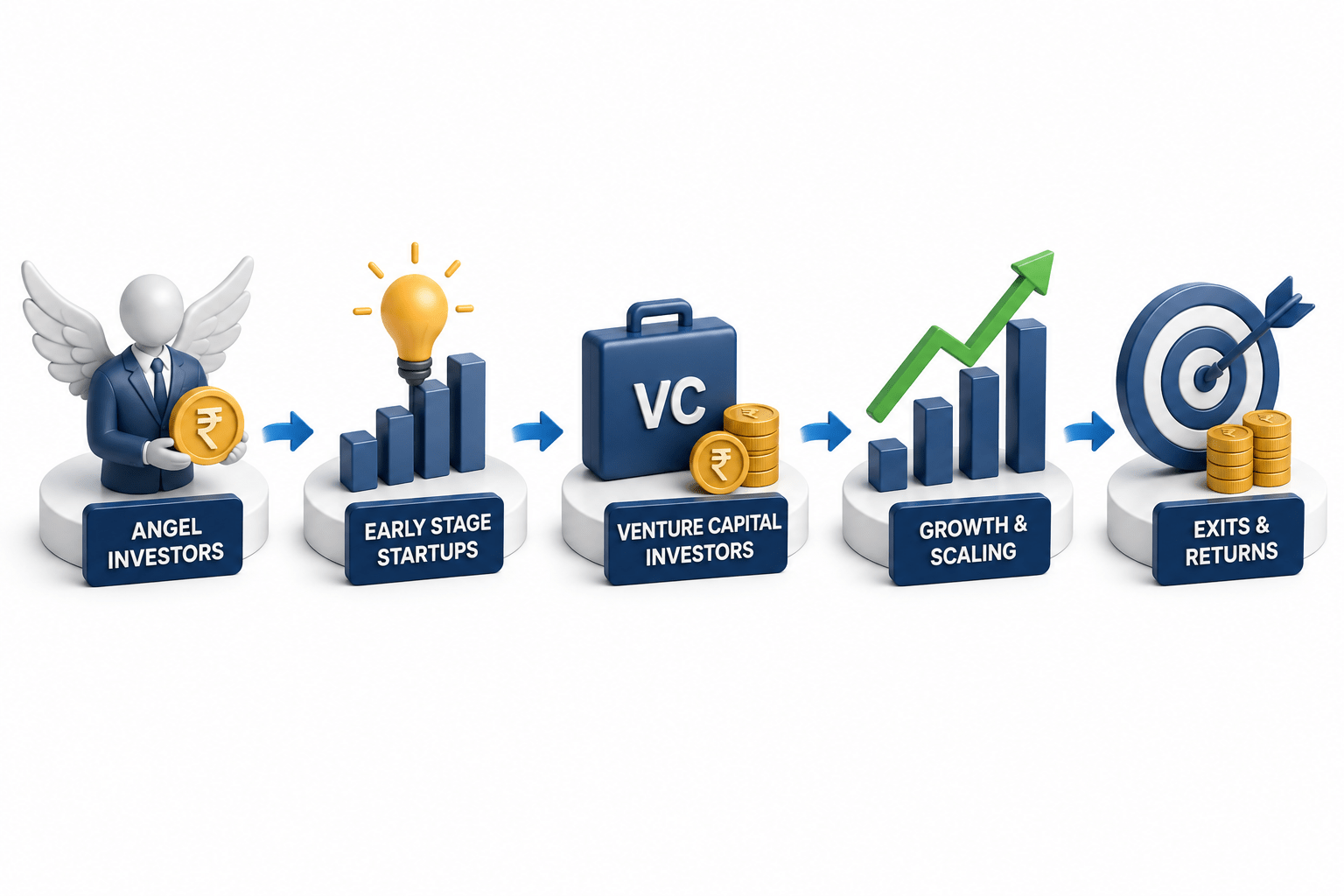
Angel / VC Investors
What does an investor actually do?
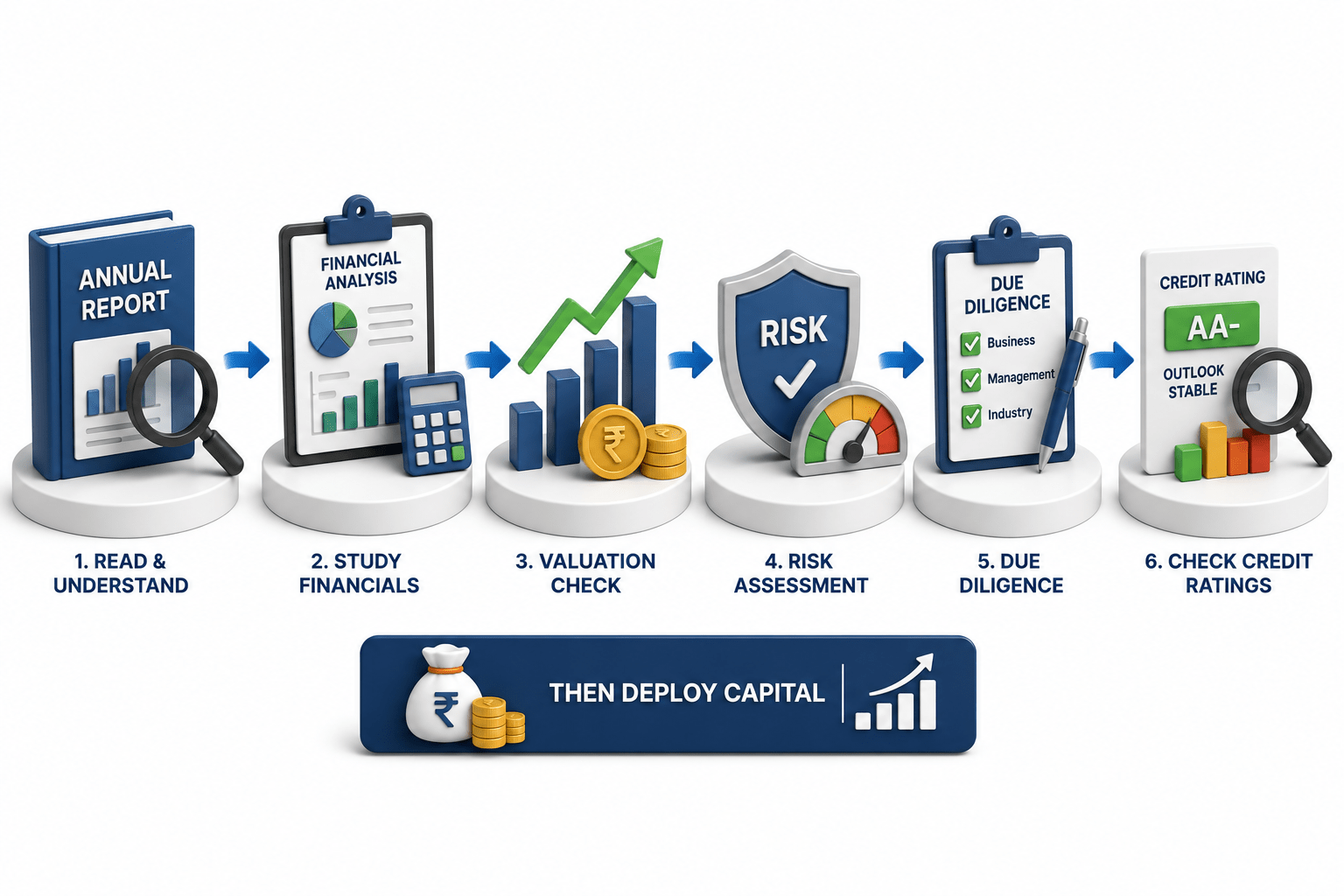
1. Analyses the opportunity
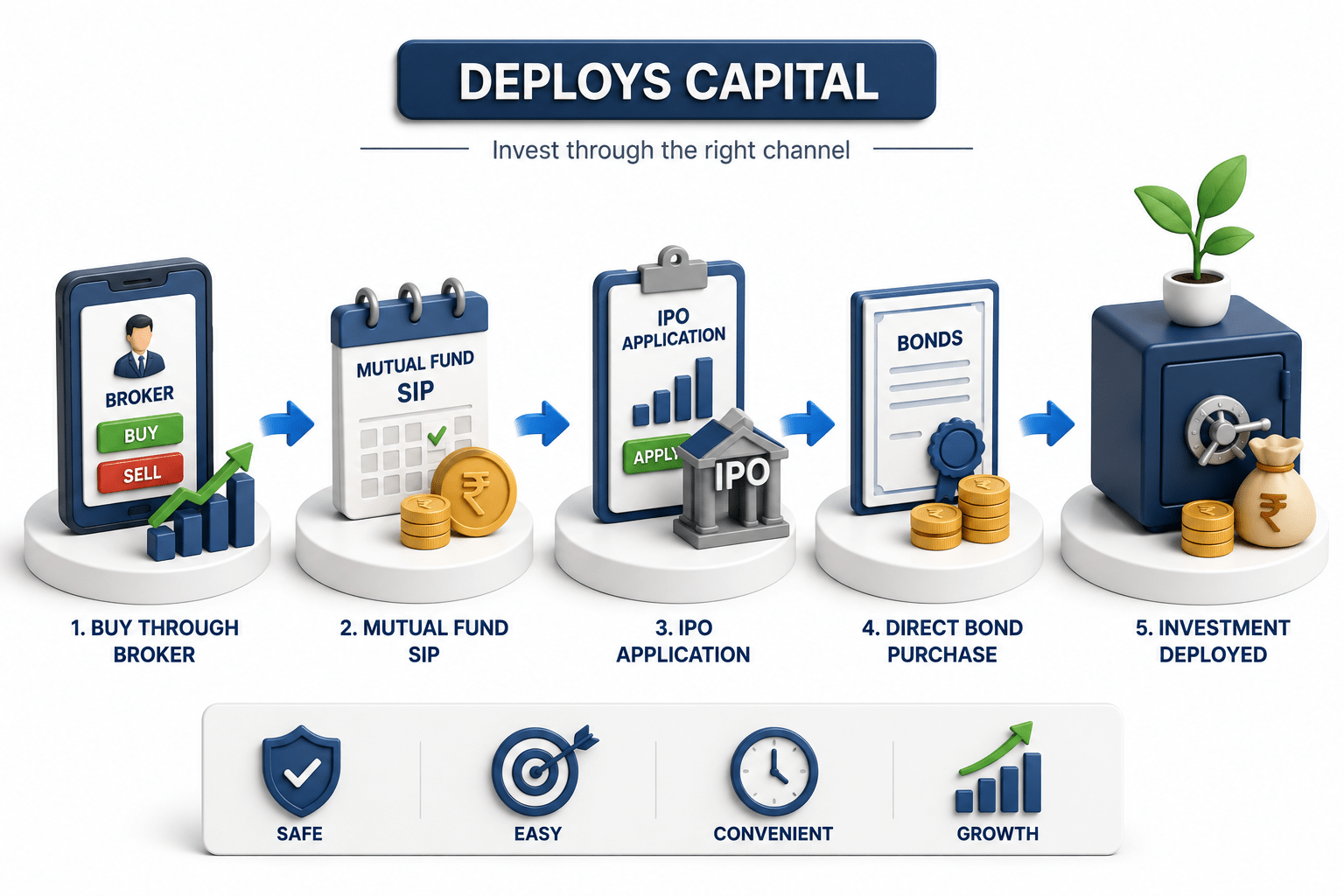
2. Deploys capital
3. Monitors the investment
4. Exits when appropriate
Real examples:
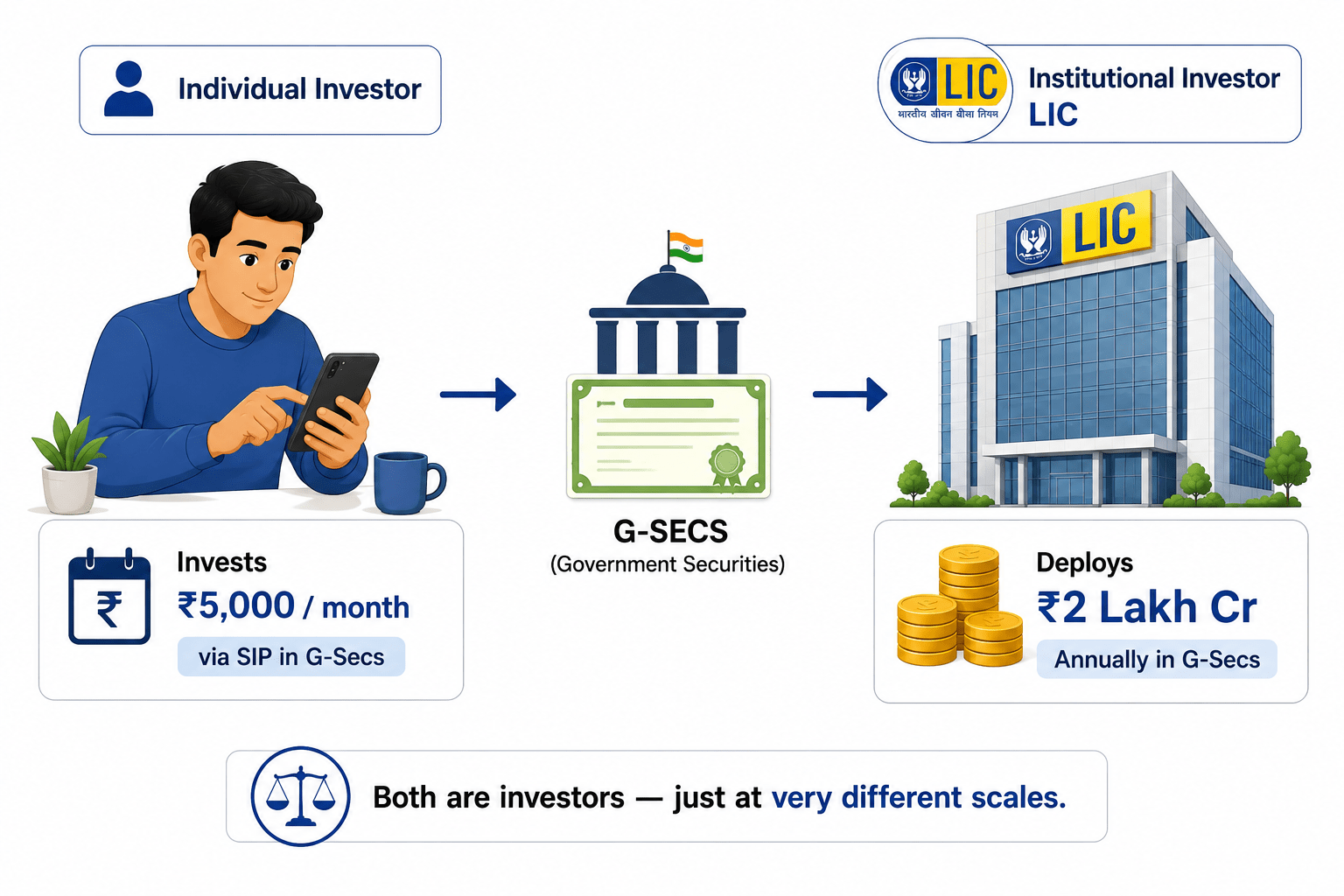
Ramesh, a software engineer in Pune, invests ₹5,000/month via SIP in Nifty 50 index fund.
LIC deploys ₹2 Lakh Cr in G-Secs annually
Both are investors — just at very different scales.
INTERMEDIARIES
Who Are They & What Do They Do?
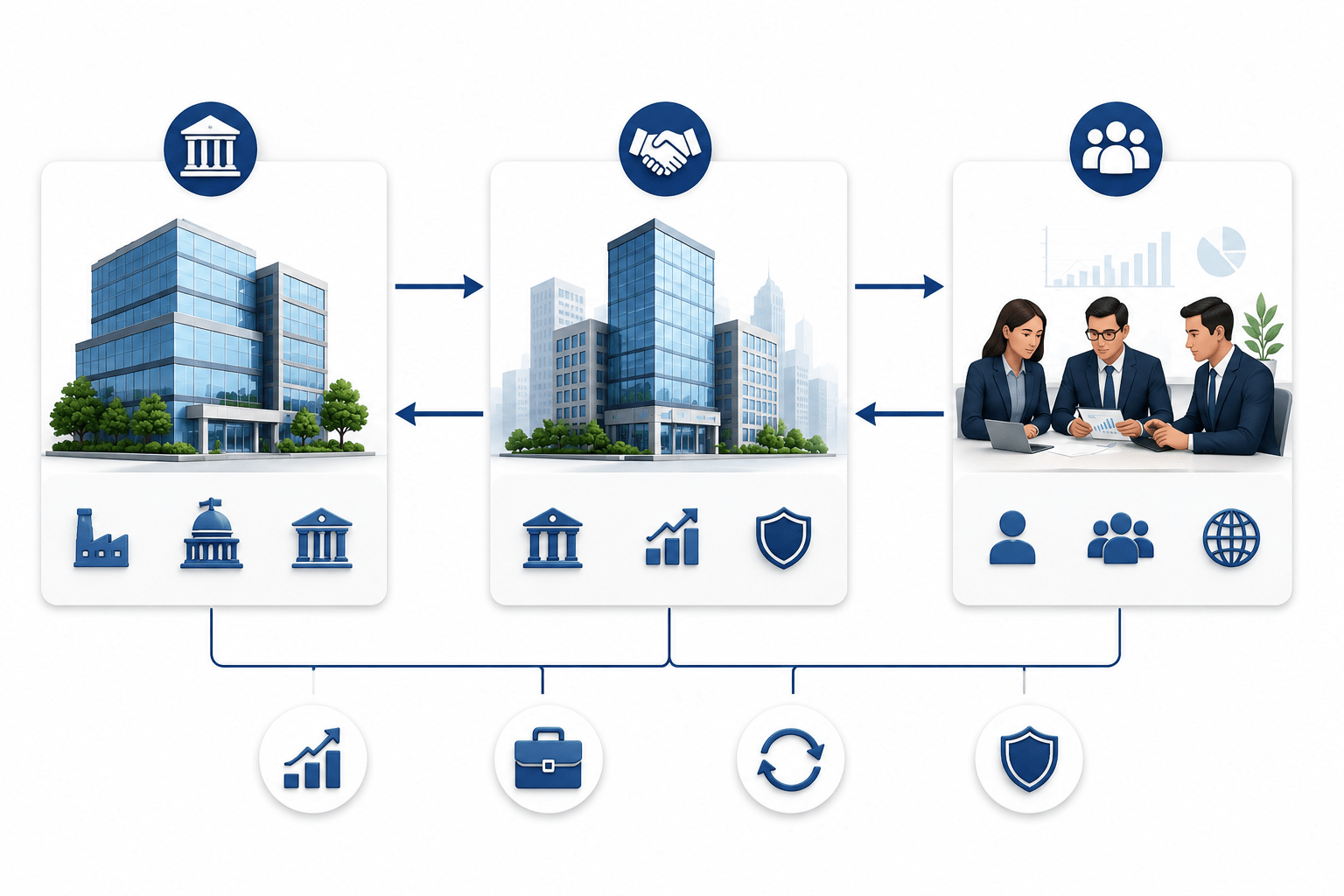
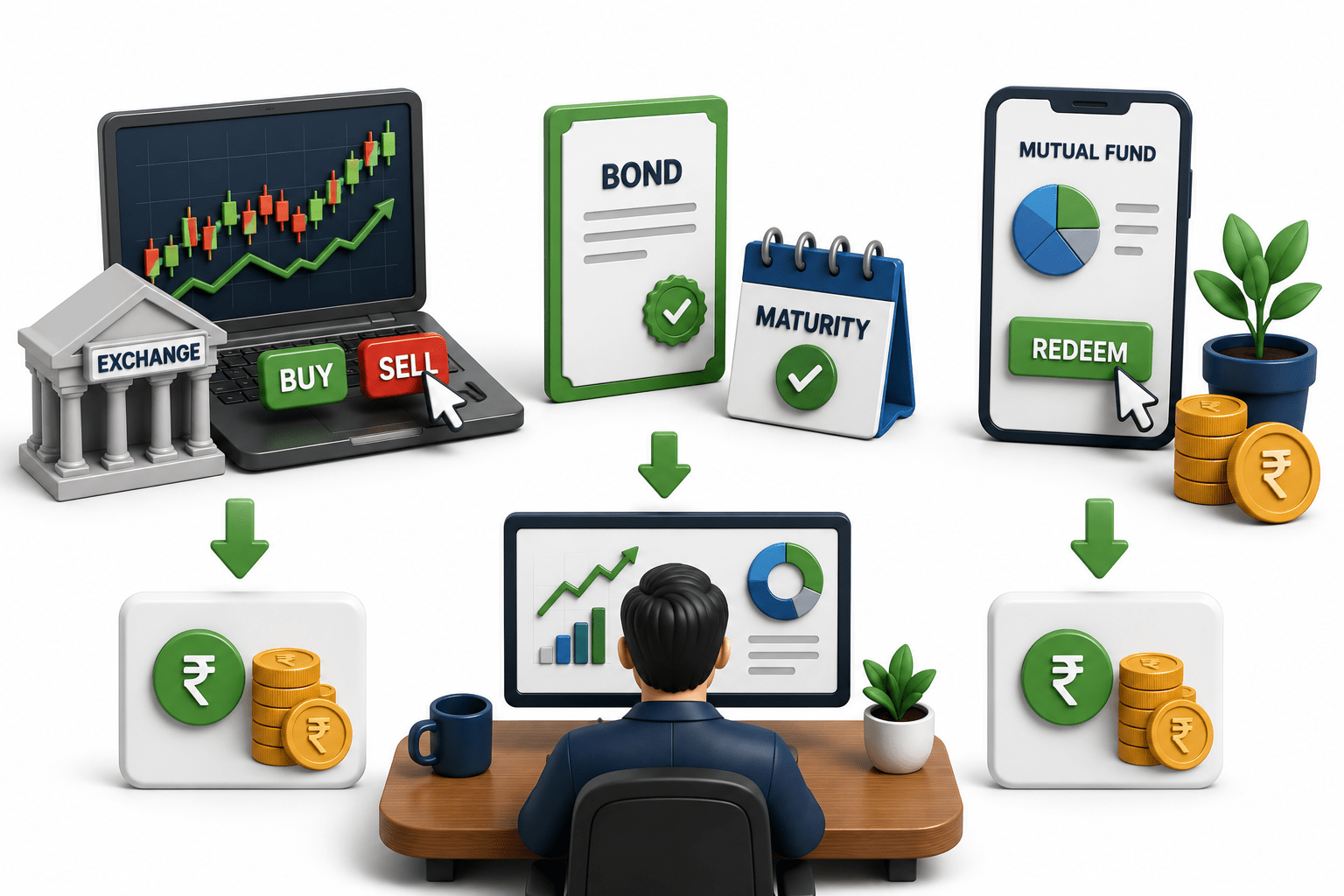
Intermediaries connect issuers and investors while ensuring financial transactions happen smoothly, safely, and efficiently in the market.
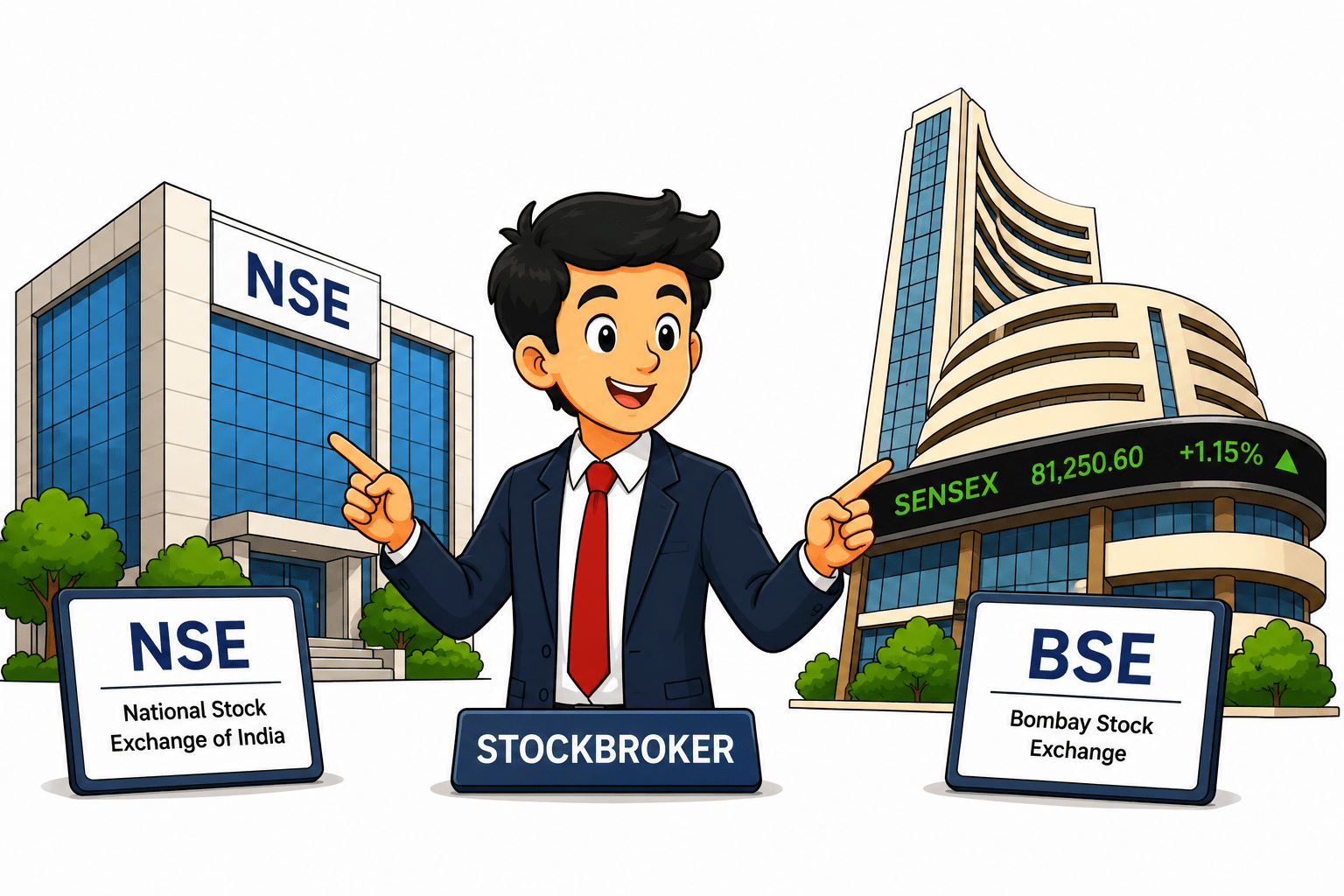
Stock Exchange
Connects buyers and sellers in the market.
Lists companies and matches buy/sell orders in real time.
Uses circuit breakers to control extreme market movements.
Maintains indices like NIFTY 50 and BSE SENSEX to track overall market performance.
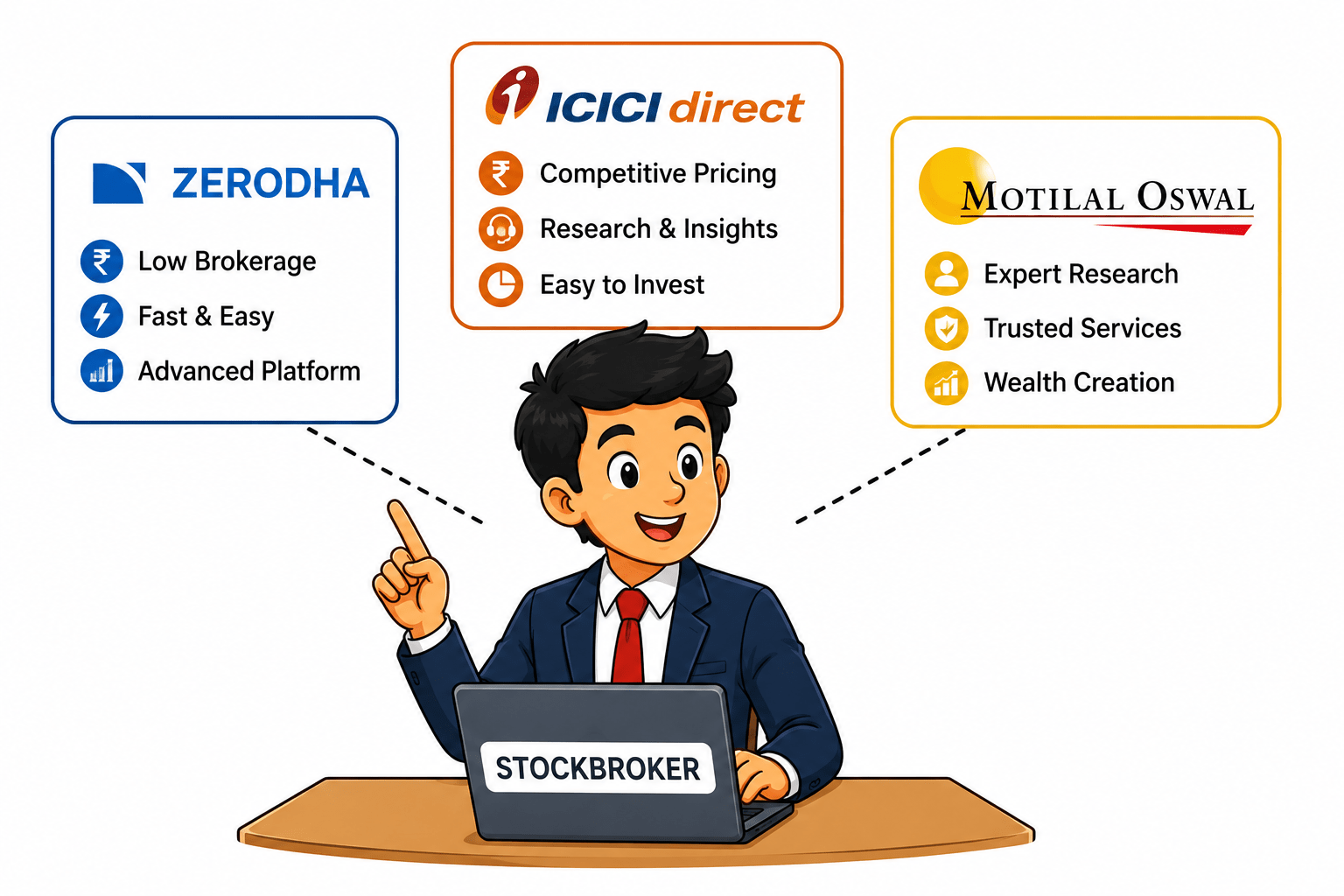
Stockbroker
Executes buy and sell orders on the exchange.
Opens demat accounts and provides trading platforms.
Offers research, IPO access, and investment services.
Operates under strict Securities and Exchange Board of India regulations and compliance rules.
Investment Bank / Merchant Banker
Manages IPOs and major financial deals.
Underwrites issues and advises on mergers and acquisitions.
Helps value companies, market the issue, and set the final price.
Prepares DRHP documents and files with Securities and Exchange Board of India.
Summary
5
Operations careers progress from Analyst to COO/MD over 15–20 years.
4
Back Office ensures settlement, reconciliation, and regulatory reporting are accurate.
3
Mid Office manages risk and control, covering compliance, product control, and KYC.
2
Front Office generates revenue; it includes trading, M&A advisory, and sales.
1
IB Operations is split into Front, Mid, and Back Office each with distinct functions .
Quiz
Which of the following is a Mid Office function?
A. Equity Research
B. Trade Confirmation
C. Market Risk Management
D. IPO Advisory
Quiz-Answer
Which of the following is a Mid Office function?
A. Equity Research
B. Trade Confirmation
C. Market Risk Management
D. IPO Advisory
By Content ITV