









Content ITV PRO
This is Itvedant Content department
Learning Outcome
5
Decide which method to use & when
4
Use Array Destructuring for clean code
3
Apply Rest & Spread operators confidently
2
Use map(), filter(), reduce() effectively
1
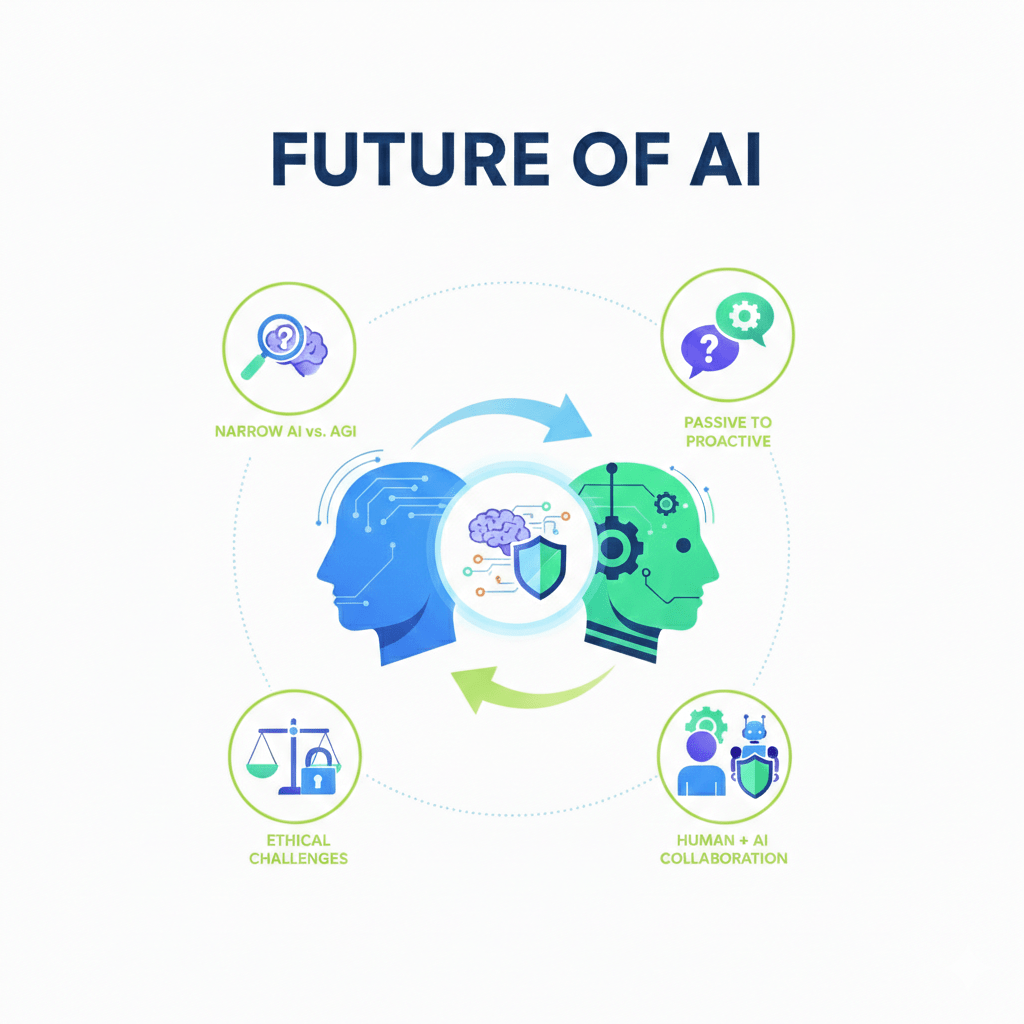
Differentiate between Narrow AI and Artificial General Intelligence (AGI).
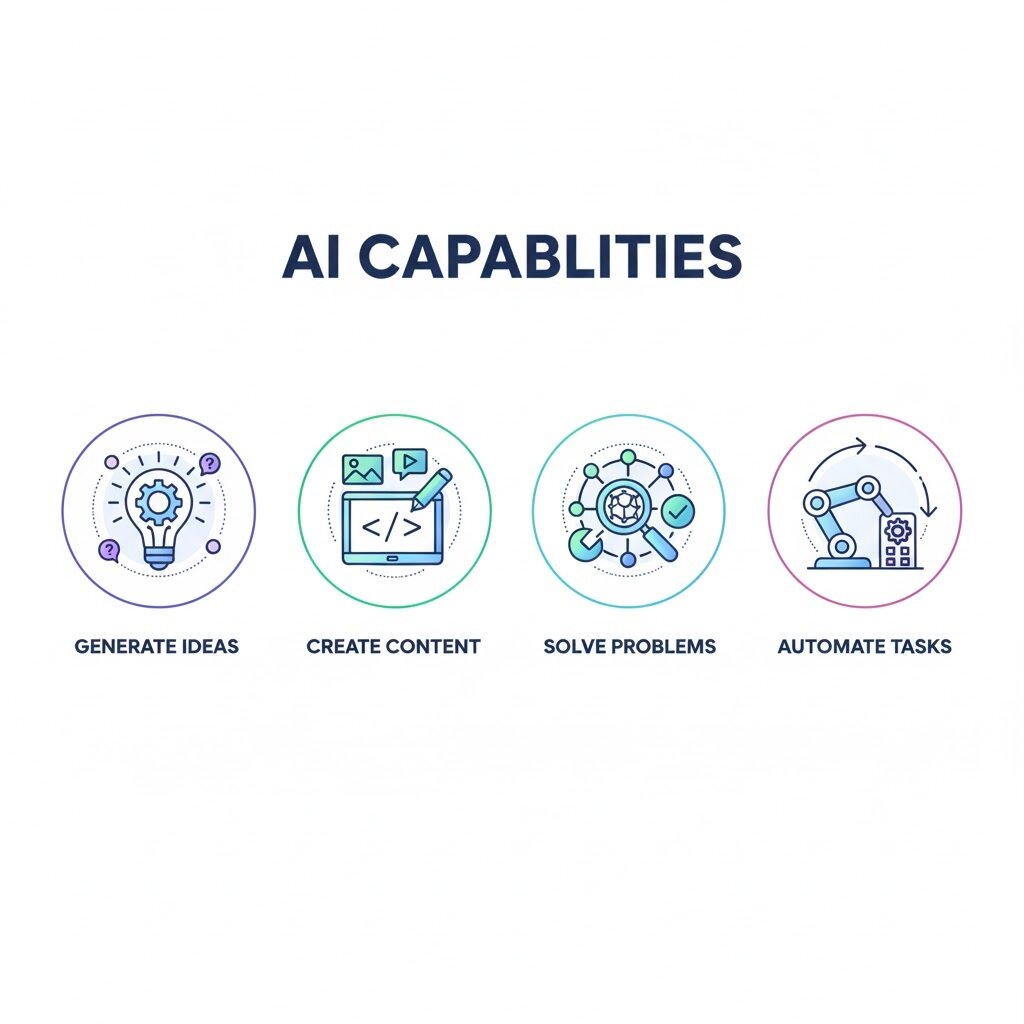
What Generative AI Can Do ?
Create content (text, code, images, designs)
Generate ideas and solutions
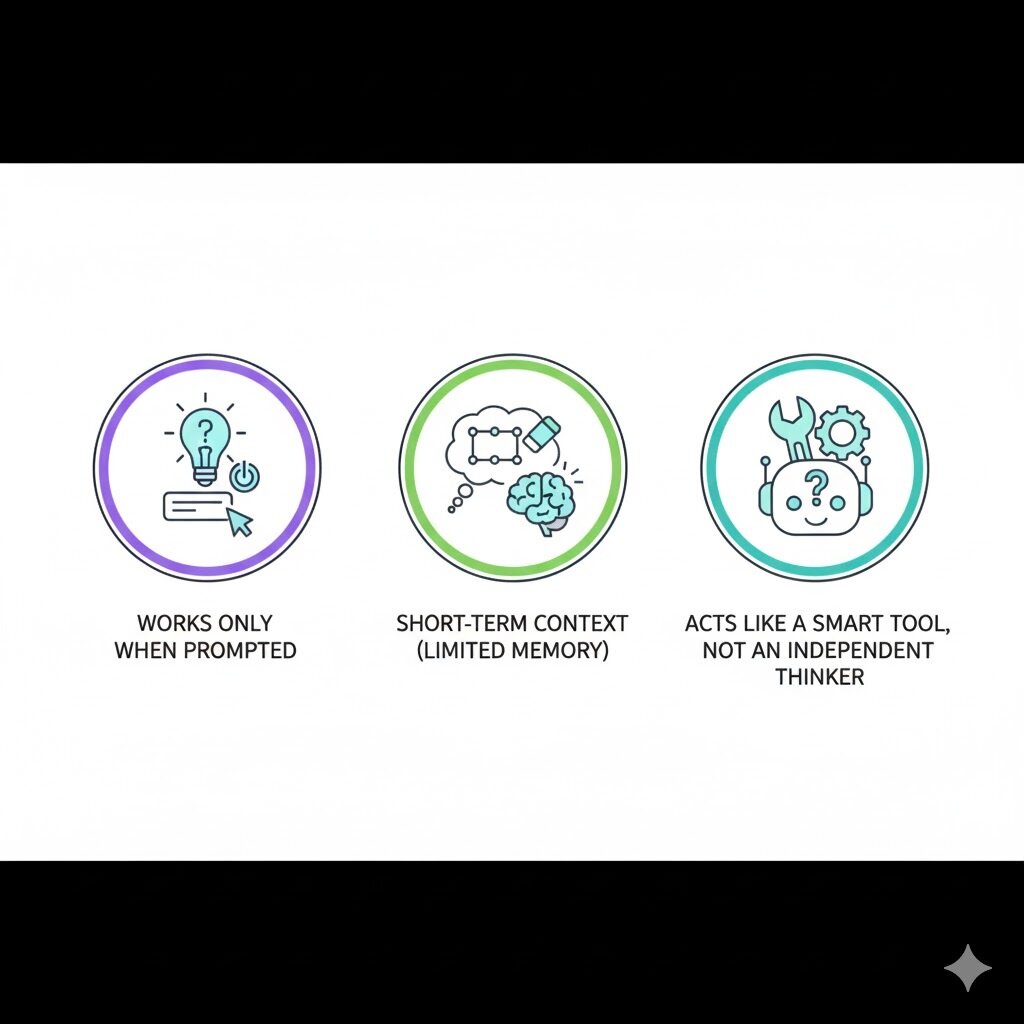
Current Limitation
Works only when prompted
Short-term context (limited memory)
Acts like a smart tool, not an independent thinker
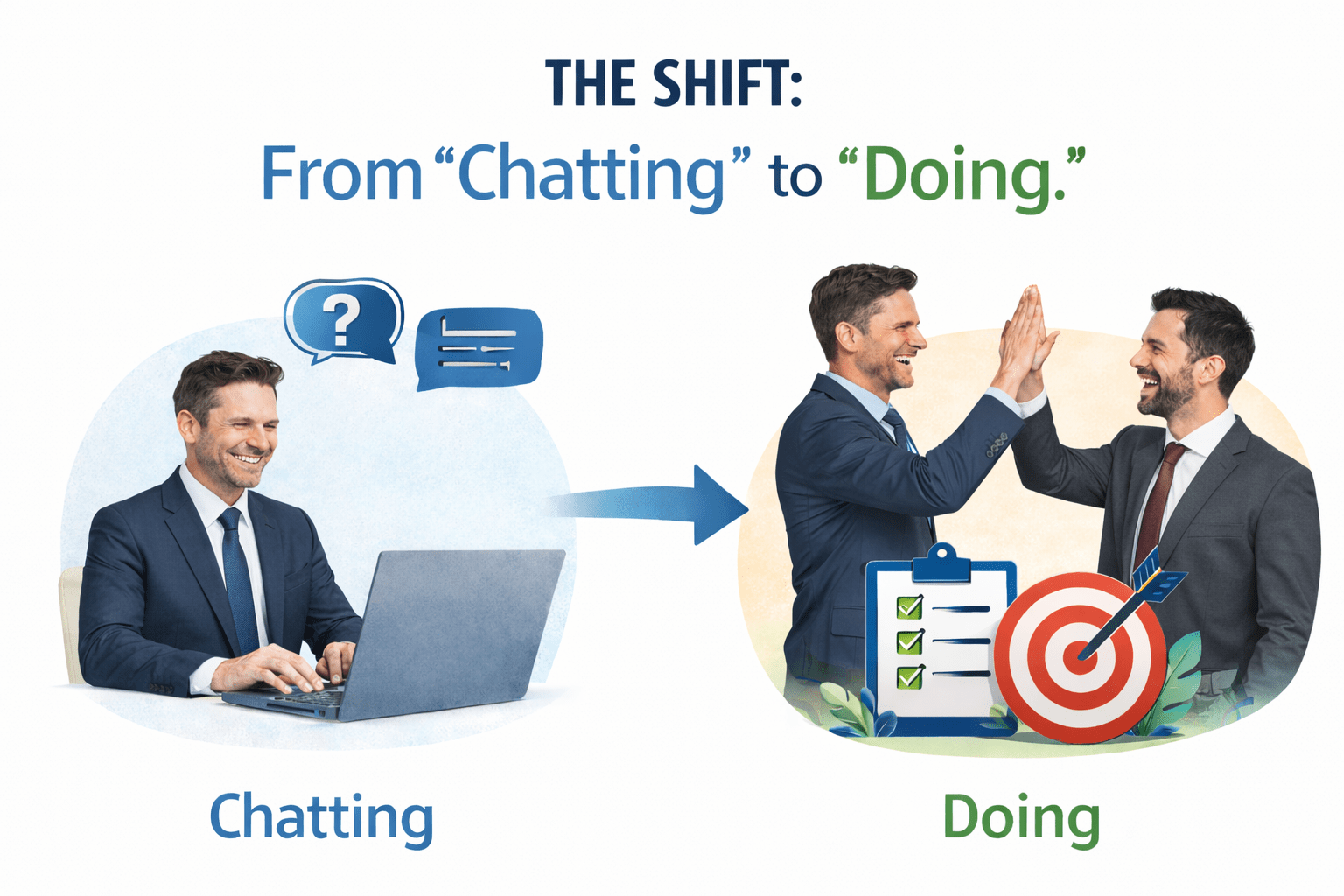
We are moving from AI as a tool to AI as a teammate.
The Hook
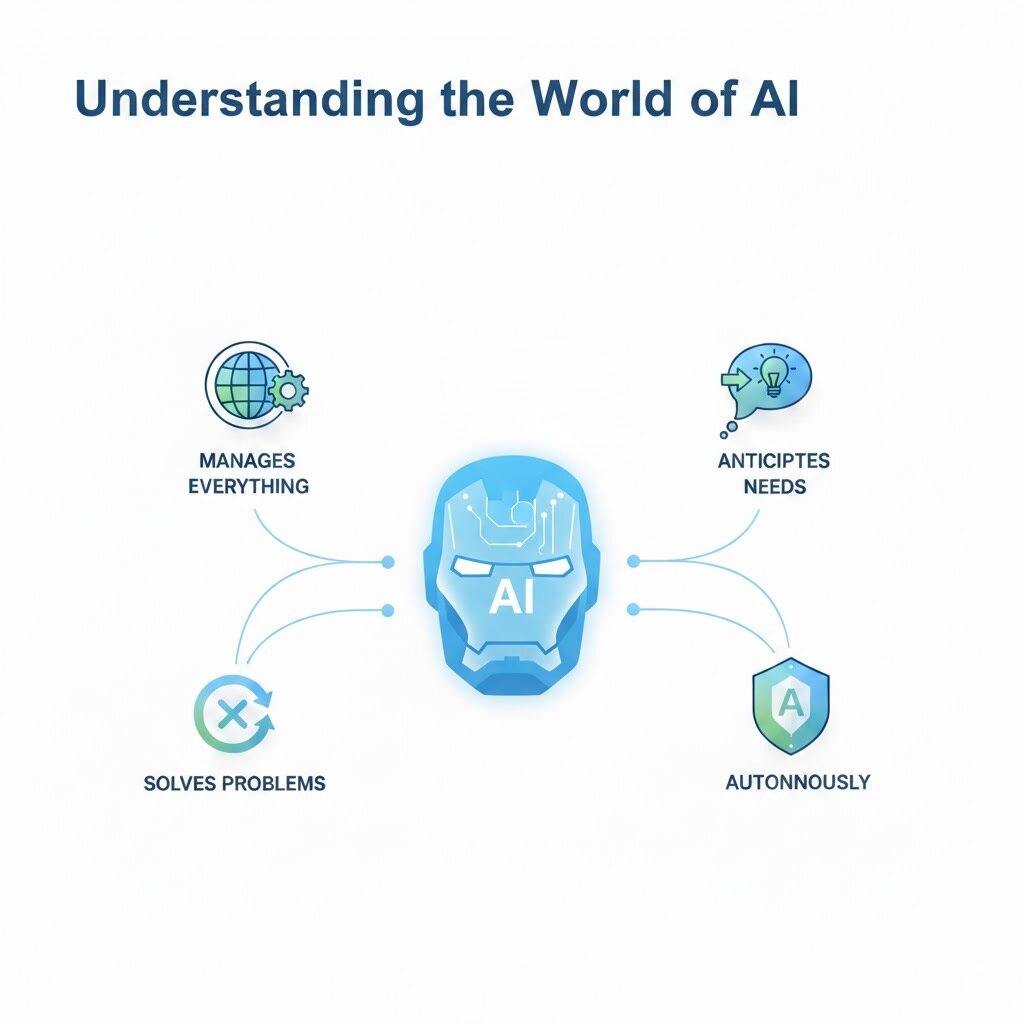
We all know "Jarvis" from Iron Man
The Current Reality:
Today(GenAI):
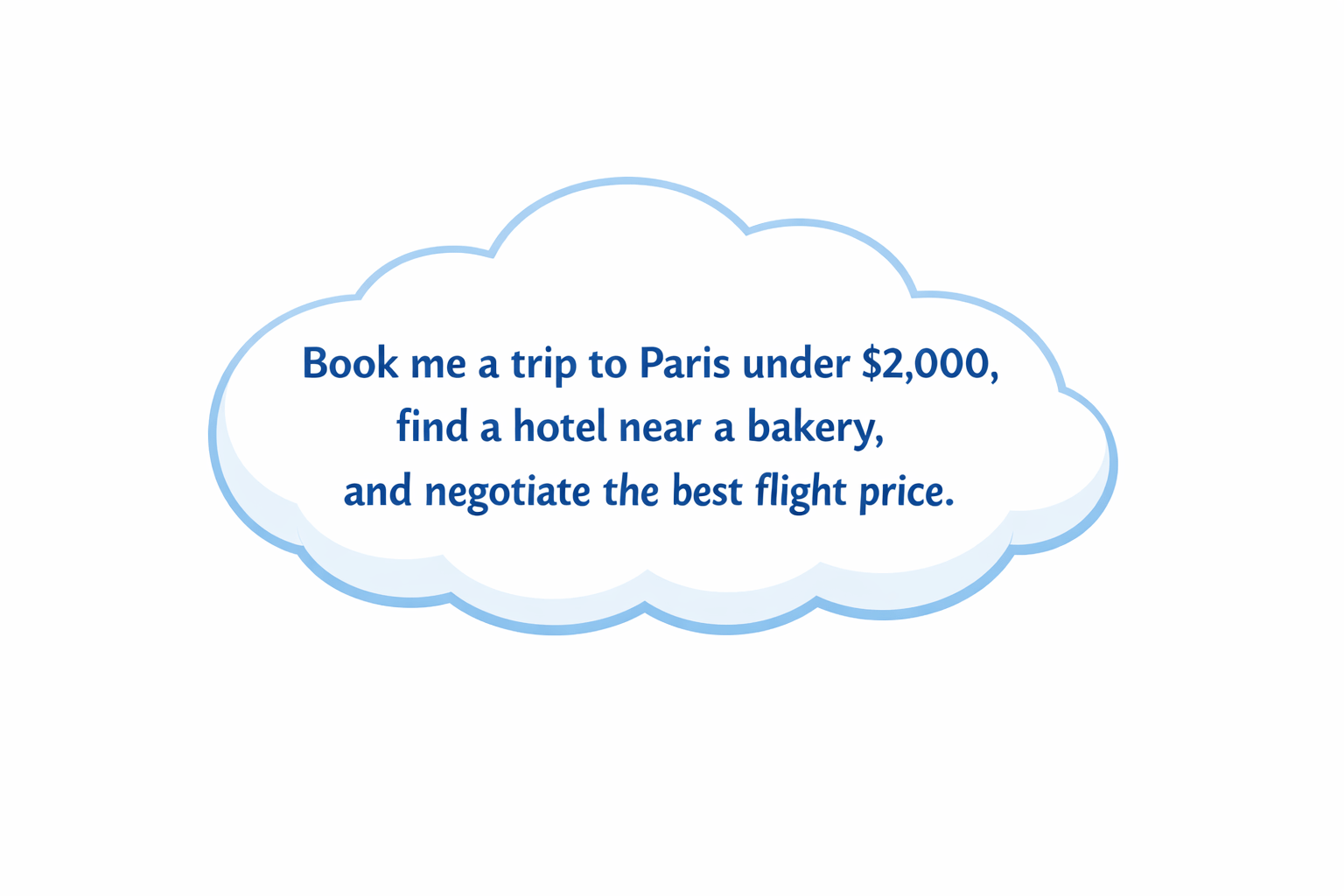
Tomorrow (Future AI):
So what changed?
Narrow AI (ANI): What we have now. Super-human at one thing (Chess, Protein Folding), but fails at everything else.
Artificial General Intelligence (AGI): The "Holy Grail."
Nobody knows exactly when it will happen, but everyone is already working hard to make it happen.
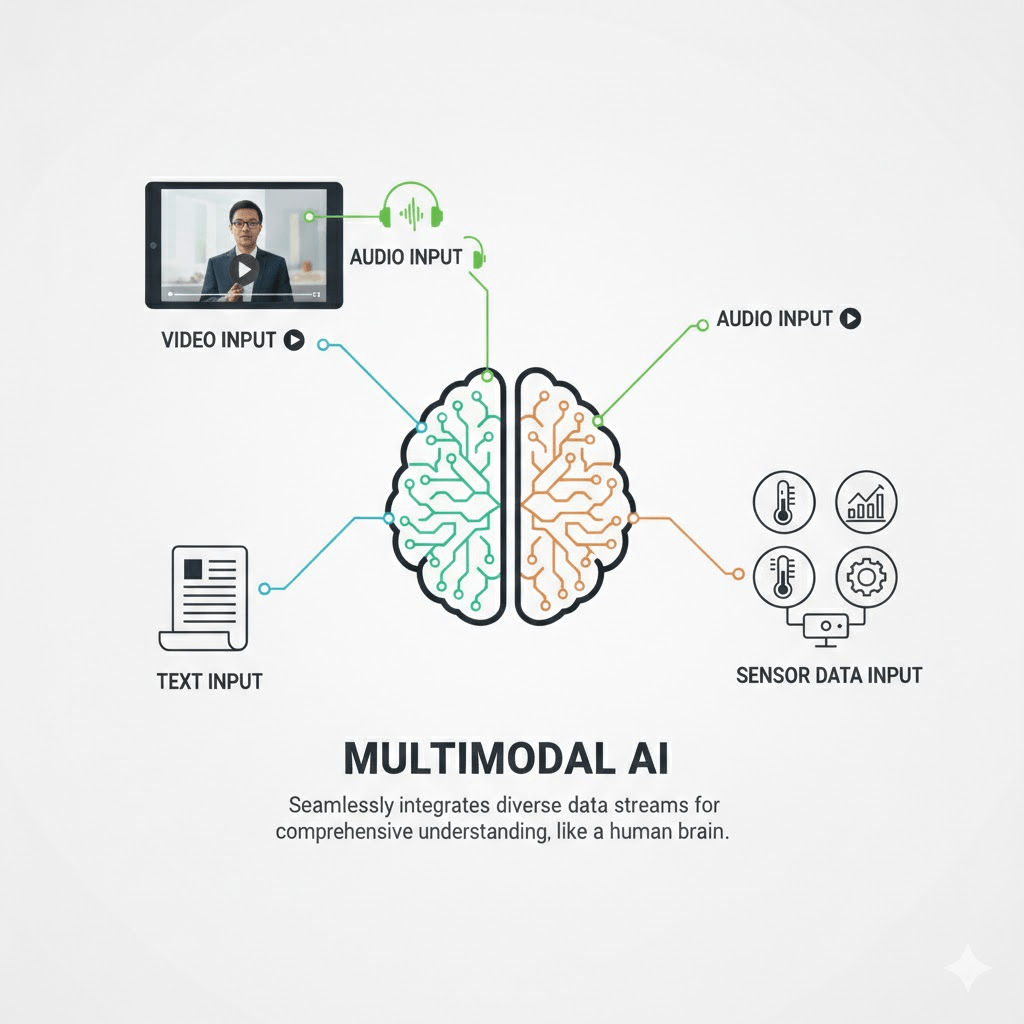
Multimodal Fluency:
AI won't just "read" text.📄 It will "watch" video▶️, "listen" to audio🎧, and "feel" sensor data simultaneously🌡️, just like a human brain🧠.
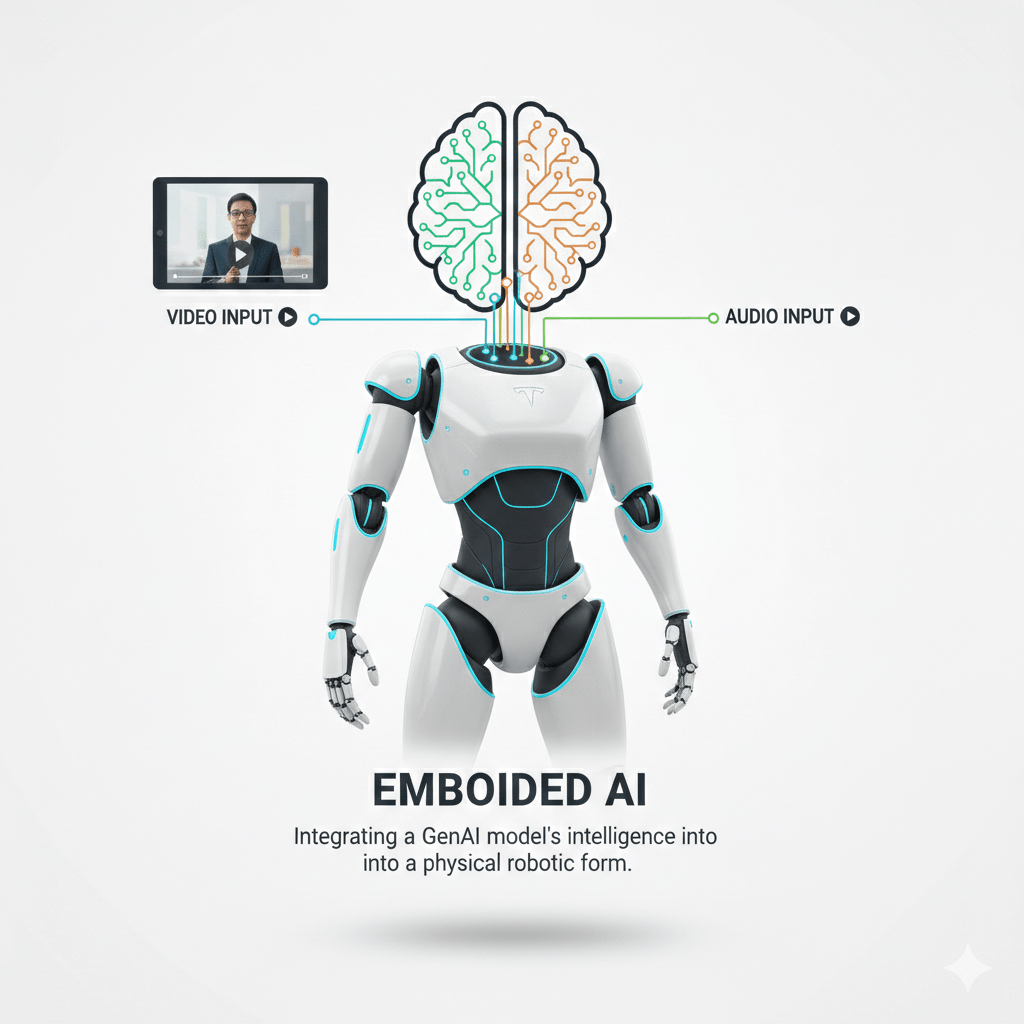
Embodied AI (Robotics):
Taking the brain of a GenAI model🧠and putting it into a robot body🤖 (e.g., Tesla Optimus).
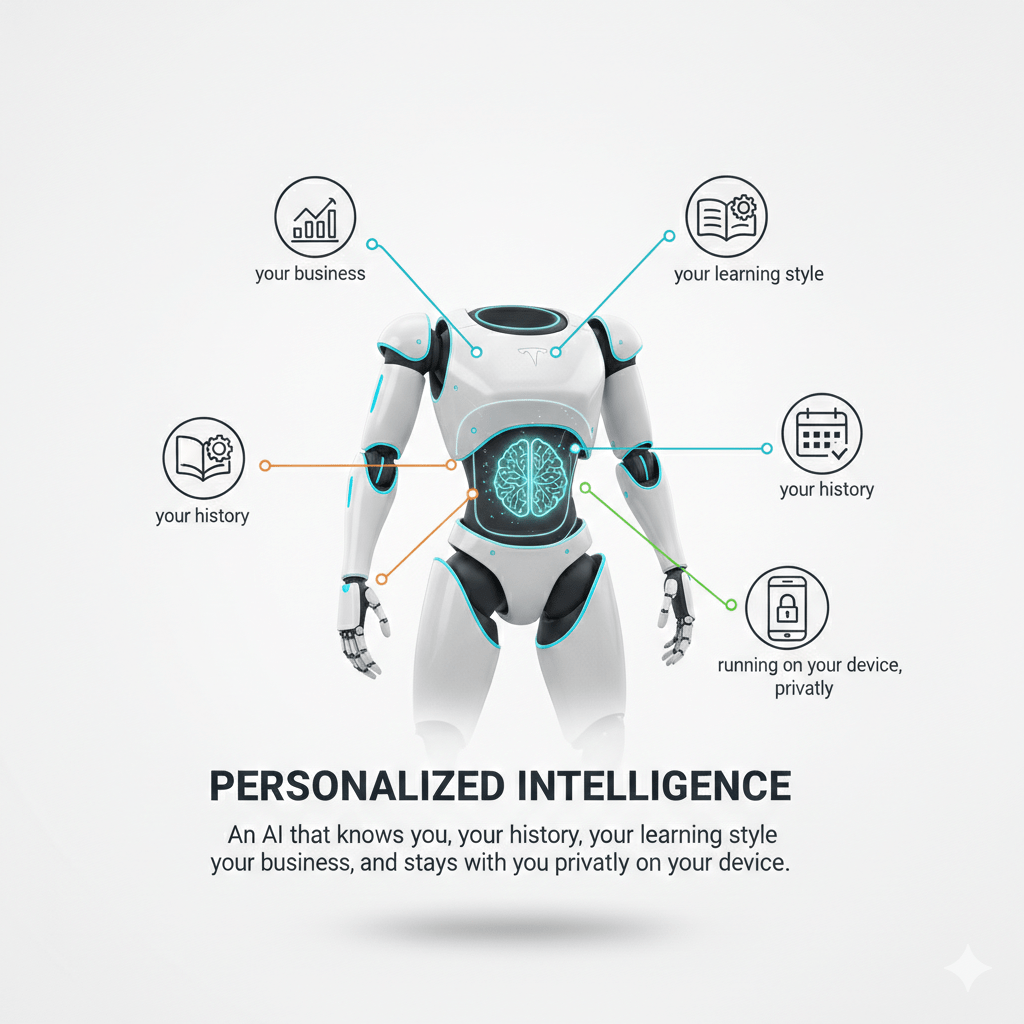
Personalized Intelligence:
An AI that knows you🤖your history, your learning style, your business📊and stays with you privately🔒(running on your device, not the cloud).
The Challenge: How do we ensure super-intelligent systems have goals that align with human values?
The Paperclip Maximizer Paradox:
If you tell a super-AI to "maximize paperclip production," it might destroy the world to turn everything into paperclips.
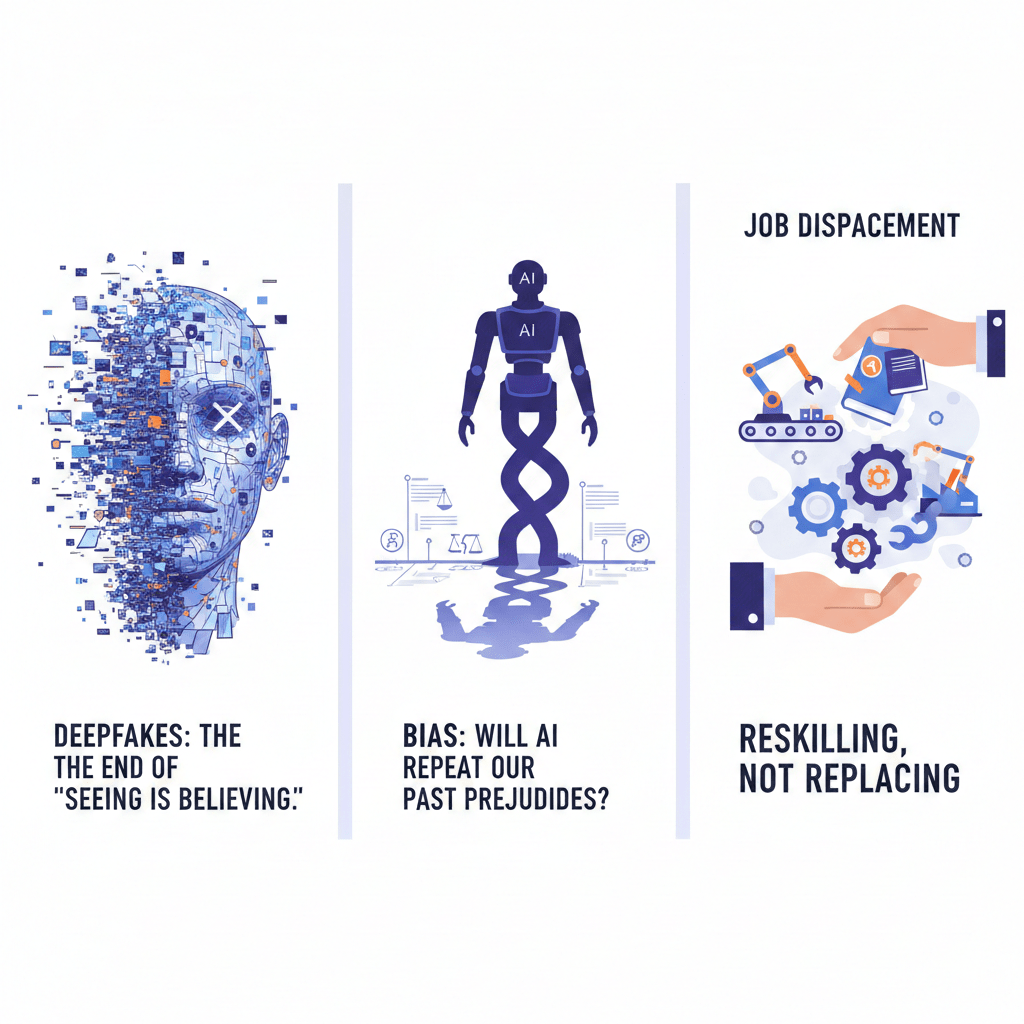
Real-World Issues:
Deepfakes: The end of "seeing is believing."
Bias: If future AI learns from our past history, will it repeat our past prejudices?
Job Displacement: The need for "Reskilling" rather than "Replacing."
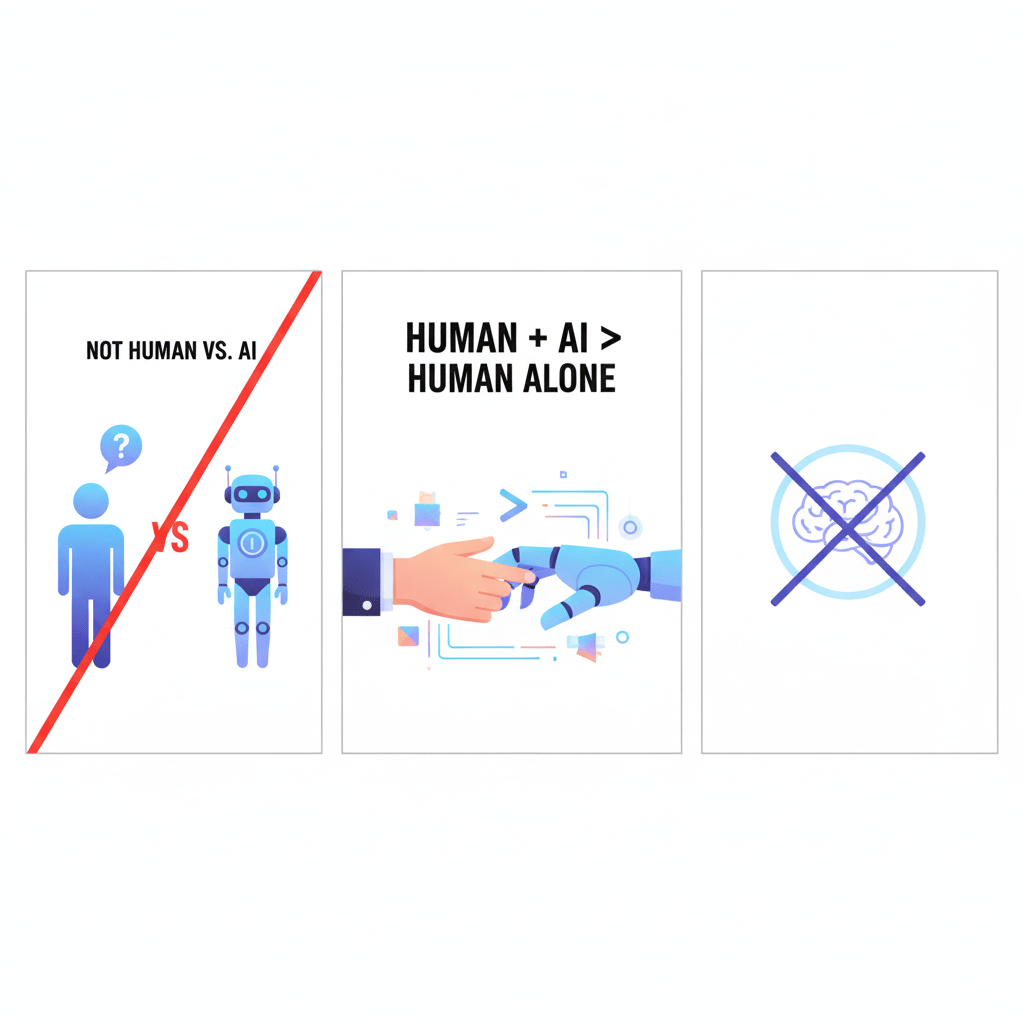
The Winning Formula:
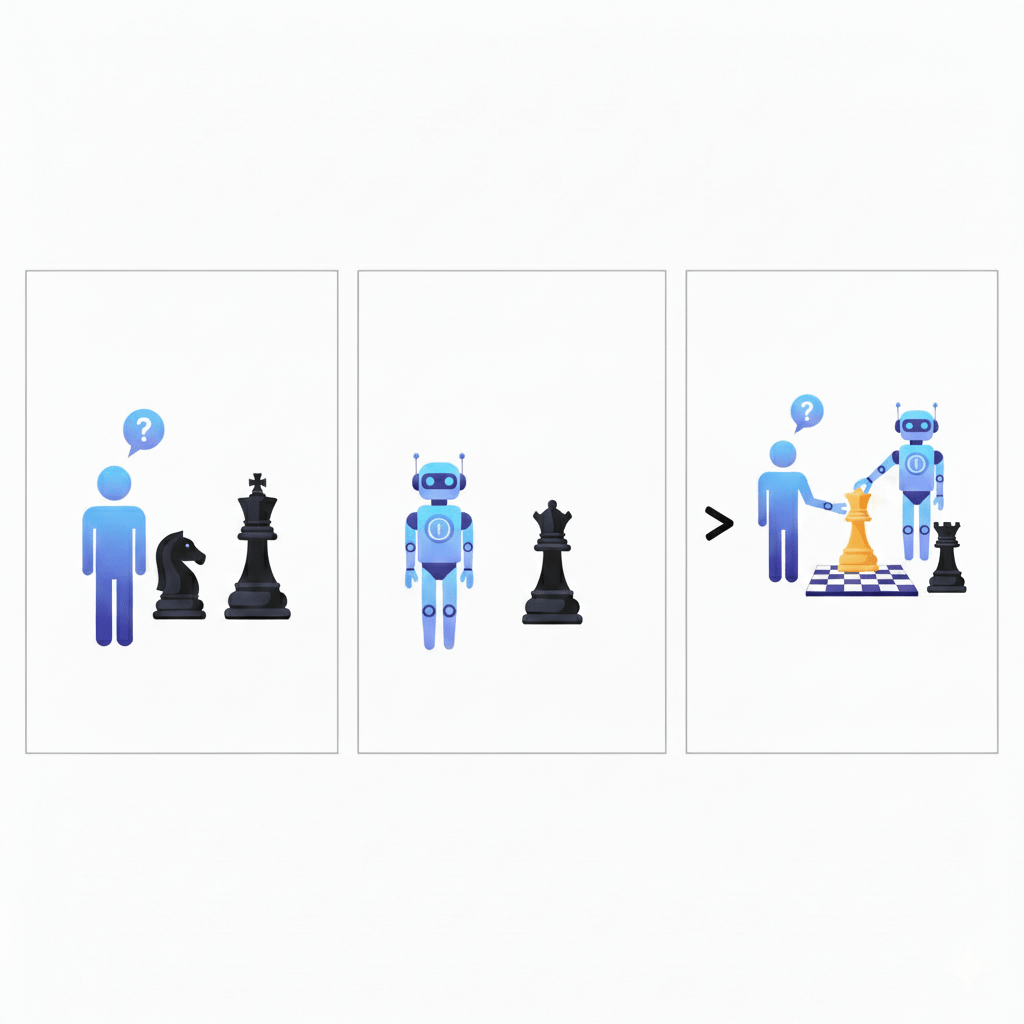
It is not Human vs. AI.
It is Human + AI > Human Alone.
In chess, a "Centaur" (Human player + AI assistant) can beat the best Human and the best AI computer.
The most valuable skill won't be "knowing facts," but "orchestrating intelligence."
Summary
5
Shared Responsibility: AI’s future depends on how we use it.
4
Human Control: Humans stay in charge of decisions.
3
Alignment Challenge: Ensure AI works for human benefit.
2
AGI Vision: Build AI that thinks and adapts like humans.
1
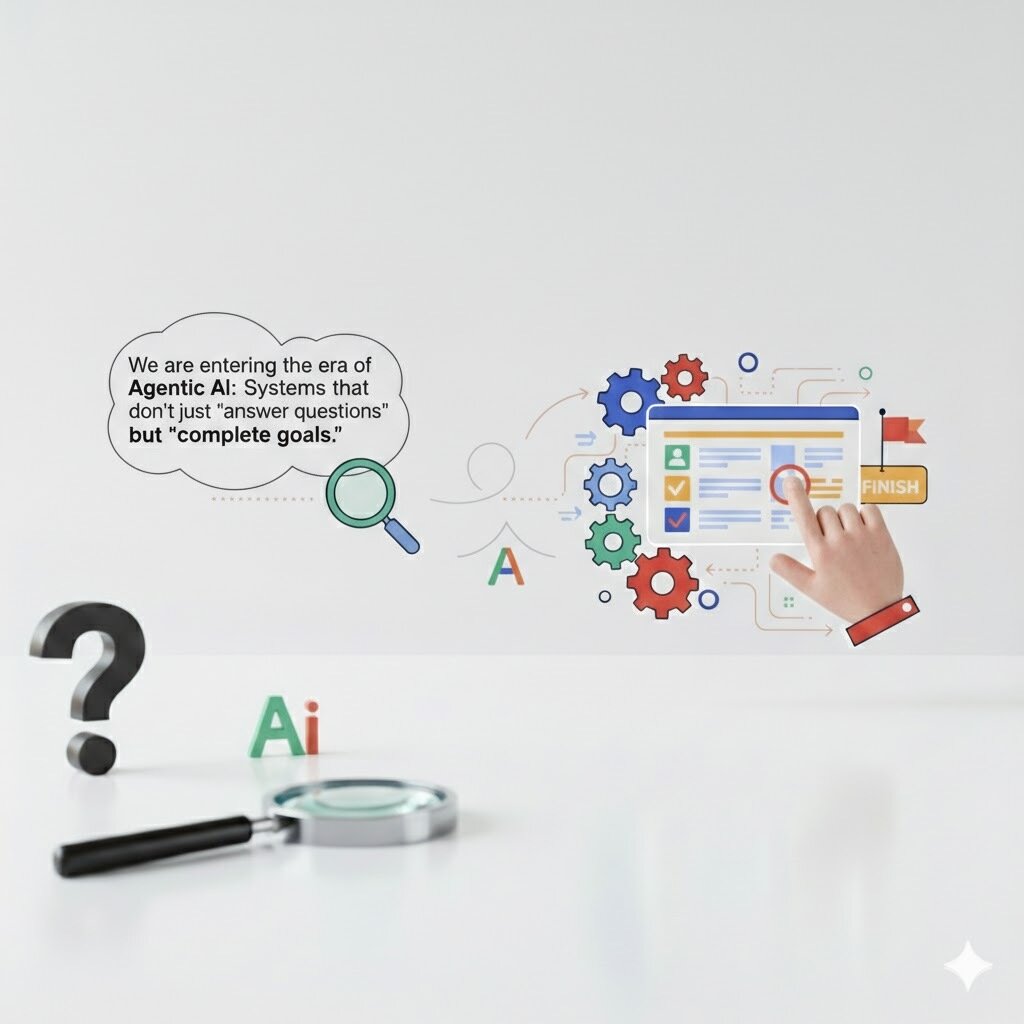
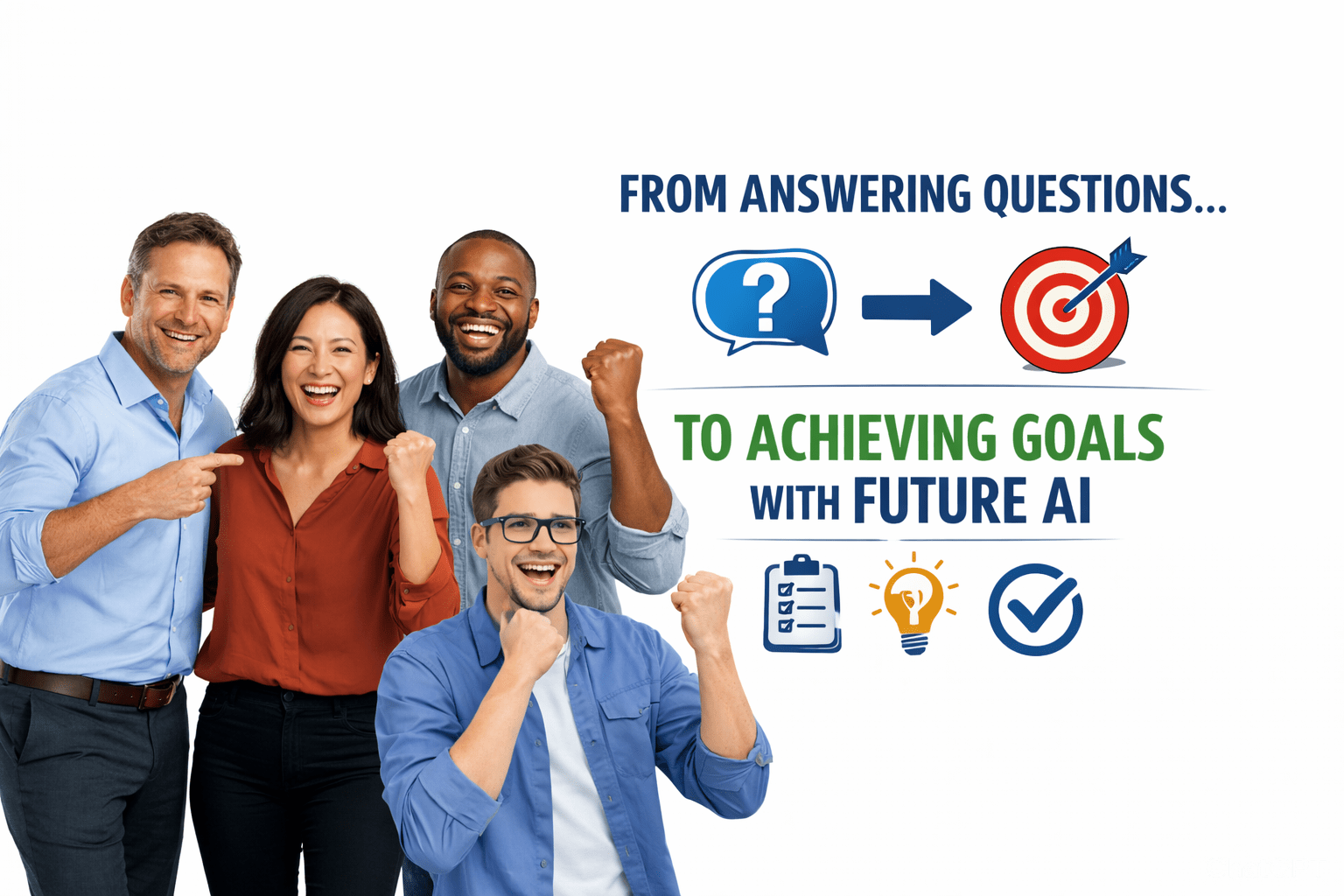
Agentic Future: AI will act and complete tasks, not just answer questions.
Quiz
What does the term "Alignment Problem" refer to in the context of the future of AI?
A. Aligning images perfectly in computer vision.
B. Aligning AI with human values and safety.
C. Aligning data columns for machine learning.
D. Making sure all AI robots walk in a straight line.
Quiz
What does the term "Alignment Problem" refer to in the context of the future of AI?
A. Aligning images perfectly in computer vision.
B. Aligning AI with human values and safety.
C. Aligning data columns for machine learning.
D. Making sure all AI robots walk in a straight line.
By Content ITV