









Content ITV PRO
This is Itvedant Content department
Introduction and Setup of Jenkins
History of Jenkins? Why Jenkins? Jenkins Use Cases
Learning Outcome
3
why DevOps engineer should learn Jenkins
2
Definition of Jenkins
1
Need of Jenkins and what is Jenkins
4
Where Jenkins fit in DevOps Ci/Cd
Watches the code for changes
Automatically builds the project
Runs all types of tests
Deploys to environments
Sends instant feedback
01
02
03
04
WE Want Something which does followings:-
Jenkins converts DevOps & CI/CD concepts into reality
Jenkins converts DevOps & CI/CD concepts into reality
It is the engine that runs the entire automation pipeline
Jenkins converts DevOps & CI/CD concepts into reality
It is the engine that runs the entire automation pipeline
It enables continuous integration, continuous testing, and continuous delivery
Jenkins converts DevOps & CI/CD concepts into reality
It is the engine that runs the entire automation pipeline
It enables continuous integration, continuous testing, and continuous delivery
Jenkins converts DevOps & CI/CD concepts into reality
It is the engine that runs the entire automation pipeline
It enables continuous integration, continuous testing, and continuous delivery
History of Jenkins
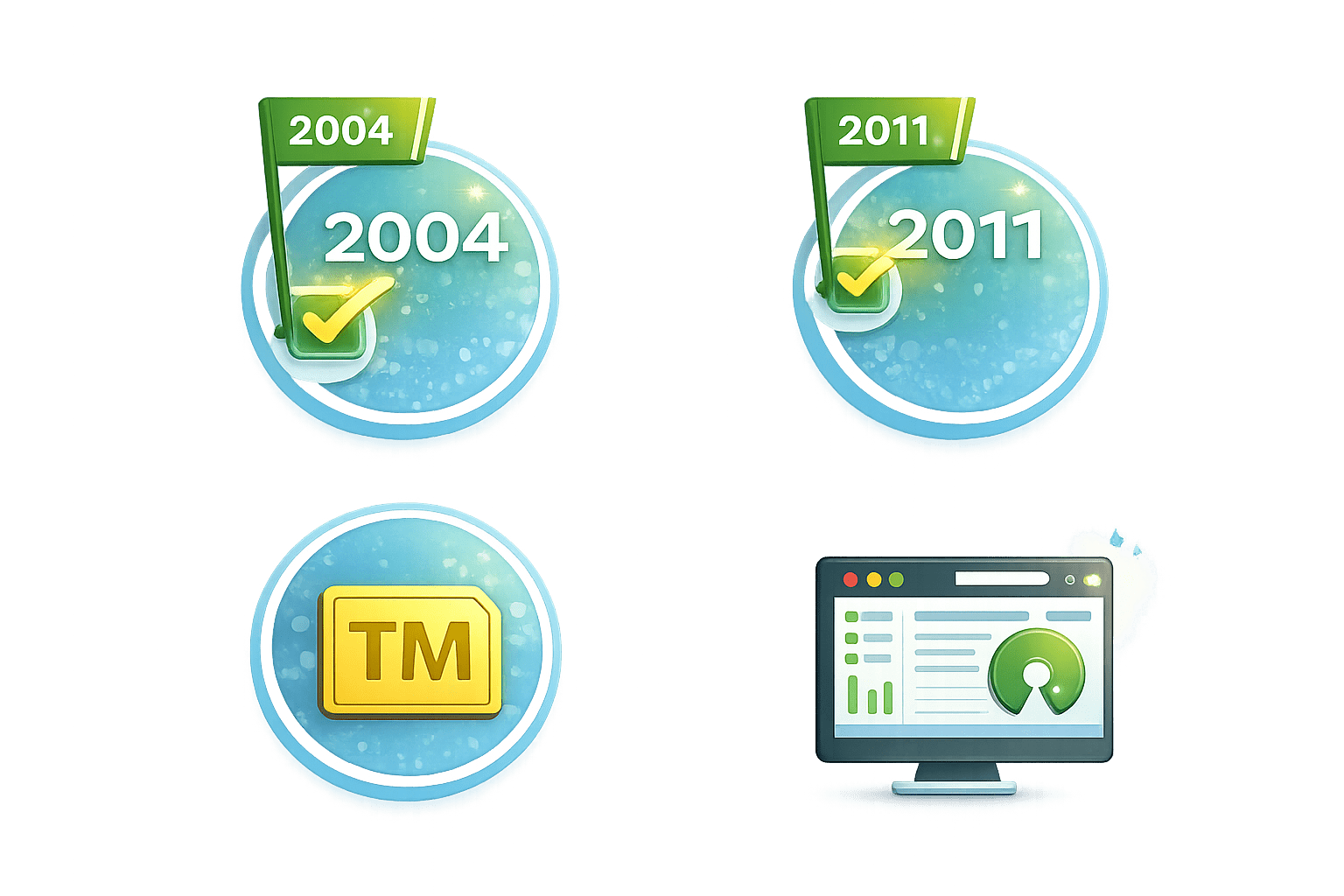
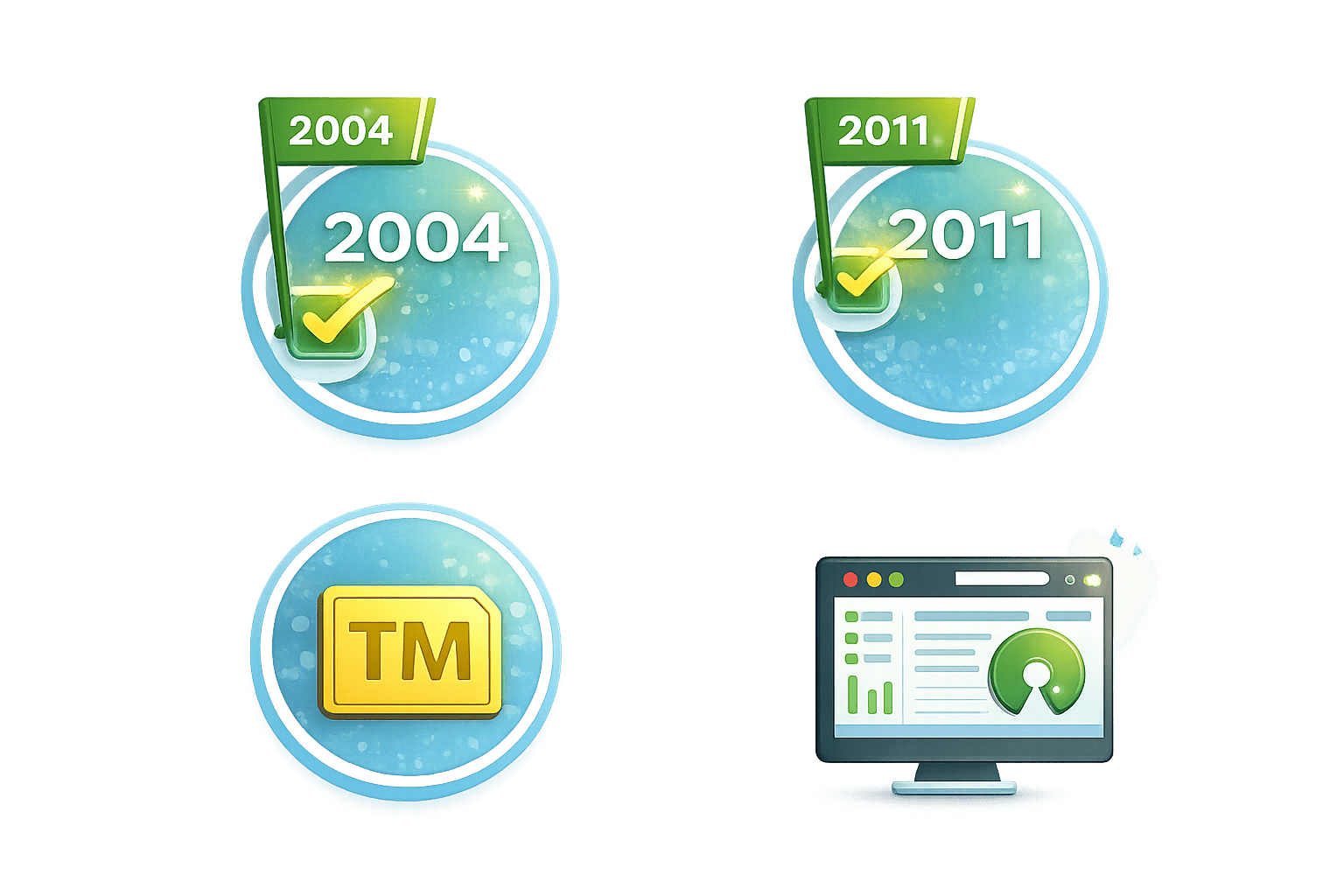
2004
Jenkins was originally created as Hudson by Kohsuke Kawaguchi at Sun Microsystems
2011
Renamed to Jenkins
Due to Trademark issue with Oracle, it became open-source and community driven
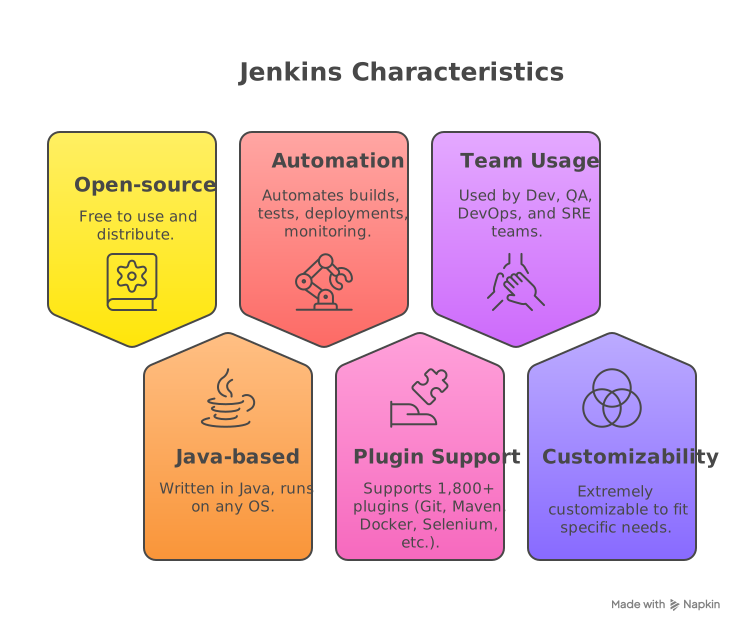
Jenkins is one of the most widely used CI/CD tools in the world
Jenkins became popular because it was free, flexible and highly customizable
Automatically trigger pipelines on every code commit
Build applications consistently across environments
Execute automated validation stages (unit, API, UI, performance) as quality gates
Schedule pipeline executions (nightly jobs, regression pipelines, maintenance tasks)
Generate pipeline dashboards and execution reports
Deploy applications to multiple environments (Dev, QA, Staging, Production)
Provide real-time feedback to teams
Integrate with the DevOps ecosystem (Git, Docker, Kubernetes, Jira, Slack, SonarQube)
Faster and more reliable software delivery
Early detection of issues within the pipeline
Standardized and repeatable automation processes
Improved collaboration between Development, QA, and Operations teams
Better visibility and traceability across builds and deployments
Strong foundation for scalable CI/CD practices
Build Automation
Fetches code
Compiles & packages
Run All Tests
Unit tests
API tests
Selenium UI tests
Performance/load tests
Notify Team
Emails, Slack, Teams
Detect Code Changes
Watches GitHub/GitLab/Bitbucket
Triggers pipeline automatically
Deploy Application
Dev / QA / UAT / Staging/ Prod
01
02
03
04
05
Continuous Integration
Automatically builds code whenever developers push changes
Automated Testing
Runs unit tests and integration tests automatically
Continuous Deployment
Deploys applications to staging or production automatically
Jenkins reduces manual work and human errors
Multi-Environment Deployments
Deploys applications to Dev, QA, UAT, and Production
Scheduled Jobs
Runs tasks at fixed times (like backups or reports)
Features
Jenkins
GitHub Actions
Setup
Best For
Customization
Hosting
Self-hosted
Manual Setup
Complex enterprise automation
Very High
Cloud-based
Easy Setup
GitHub-based projects
Moderate
Cloud + Self-managed
Easy Setup
GitLab users
Moderate
GitLab CI/CD
Platform Dependency
Independent
Inside GitLab
Only with GitHub
Summary
5
It makes the development process faster and more reliable
4
It integrates easily with Git and cloud platforms
3
It is highly customizable through plugins
2
It automates build, test and deployment processes
1
Jenkins is an open-source CI/CD automation tool
In a DevOps CI/CD pipeline, what is the primary role of Jenkins?
B. To act as a source code repository
A.To manually execute test cases and generate defect reports
C.To automate and orchestrate build,test,and deployment pipelines
D. To replace all DevOps tools with a single platform
Quiz
In a DevOps CI/CD pipeline, what is the primary role of Jenkins?
B. To act as a source code repository
A.To manually execute test cases and generate defect reports
C.To automate and orchestrate build,test,and deployment pipelines
D. To replace all DevOps tools with a single platform
Quiz-Answer
By Content ITV