

Content ITV PRO
This is Itvedant Content department
Learn SOC Analyst Responsibilities by Simulating Incident Detection and Response
Business Scenario
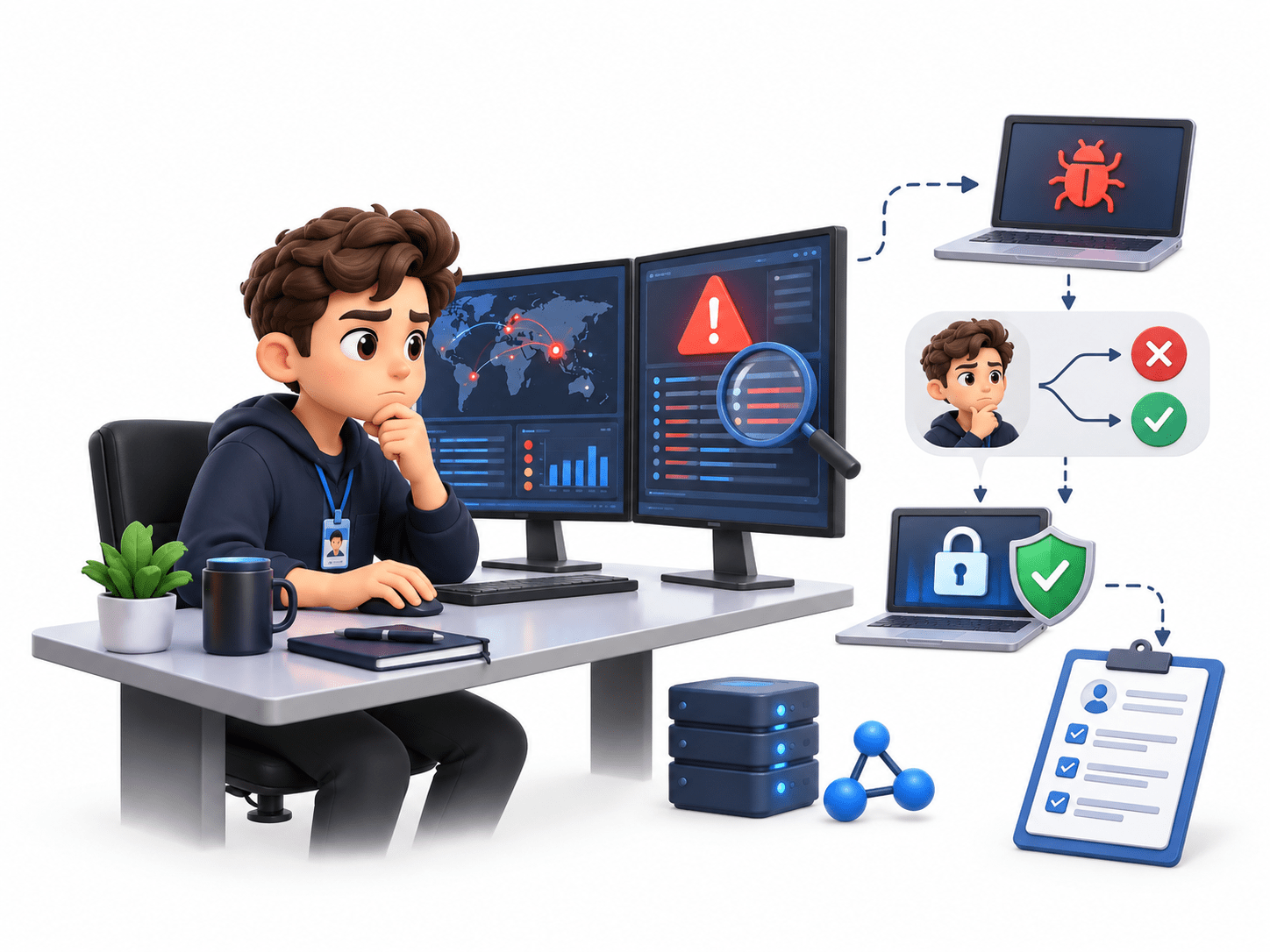
You are a Junior SOC Analyst at CyberSecure Solutions. The monitoring system has generated an alert indicating suspicious activity on an employee's workstation.
Your task is to investigate the alert, determine whether it is a security incident, take an appropriate response action, and document the incident.
Pre-Lab Preparation
Task 1: Analyze a Security Alert
Understand how a SOC analyst analyzes an incoming alert.
Topic : SOC Fundamentals
1) Introduction to Security Operations Center (SOC)
2) Roles and responsibilities of a SOC analyst
3) Security monitoring fundamentals
Steps
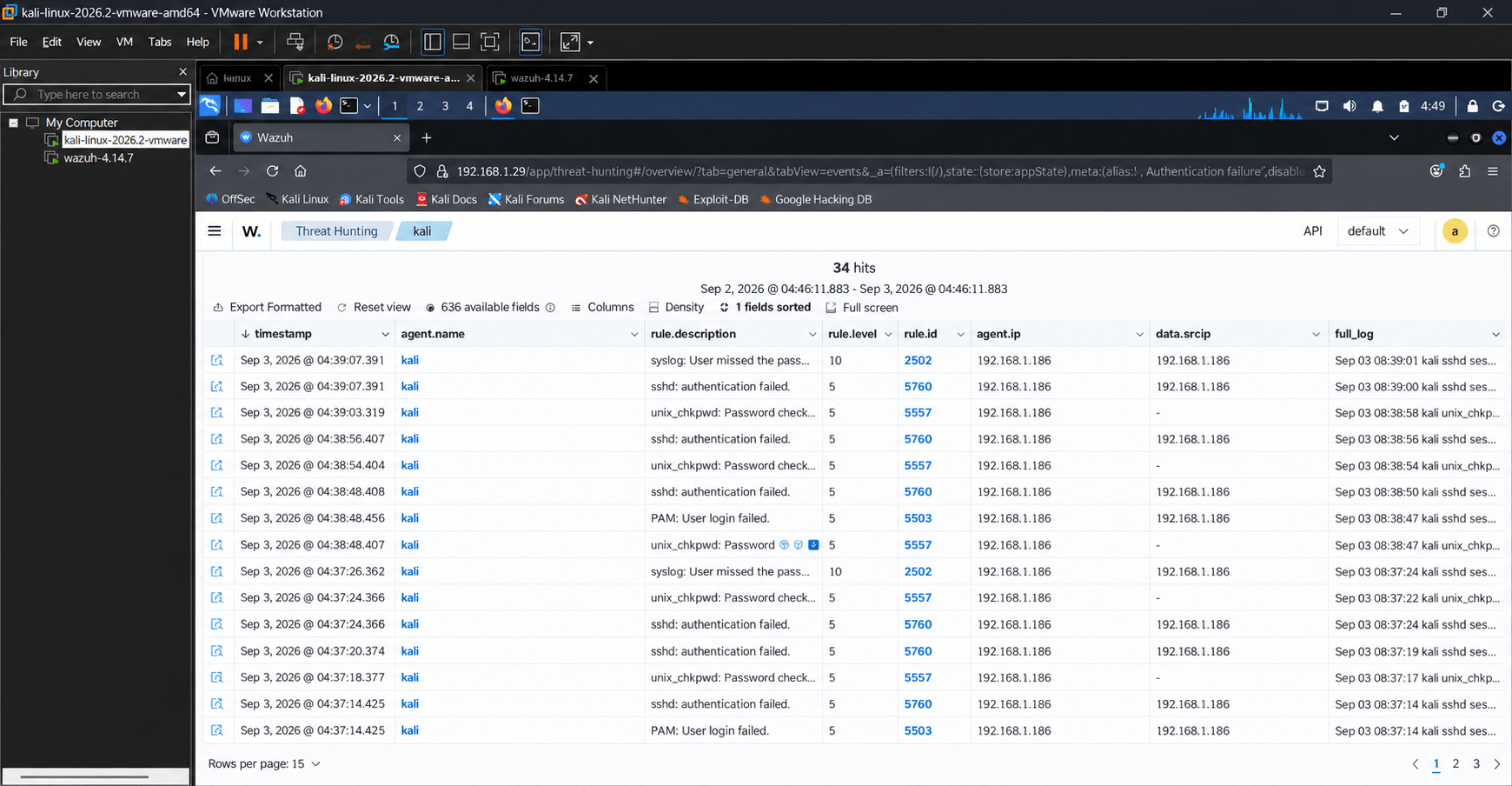
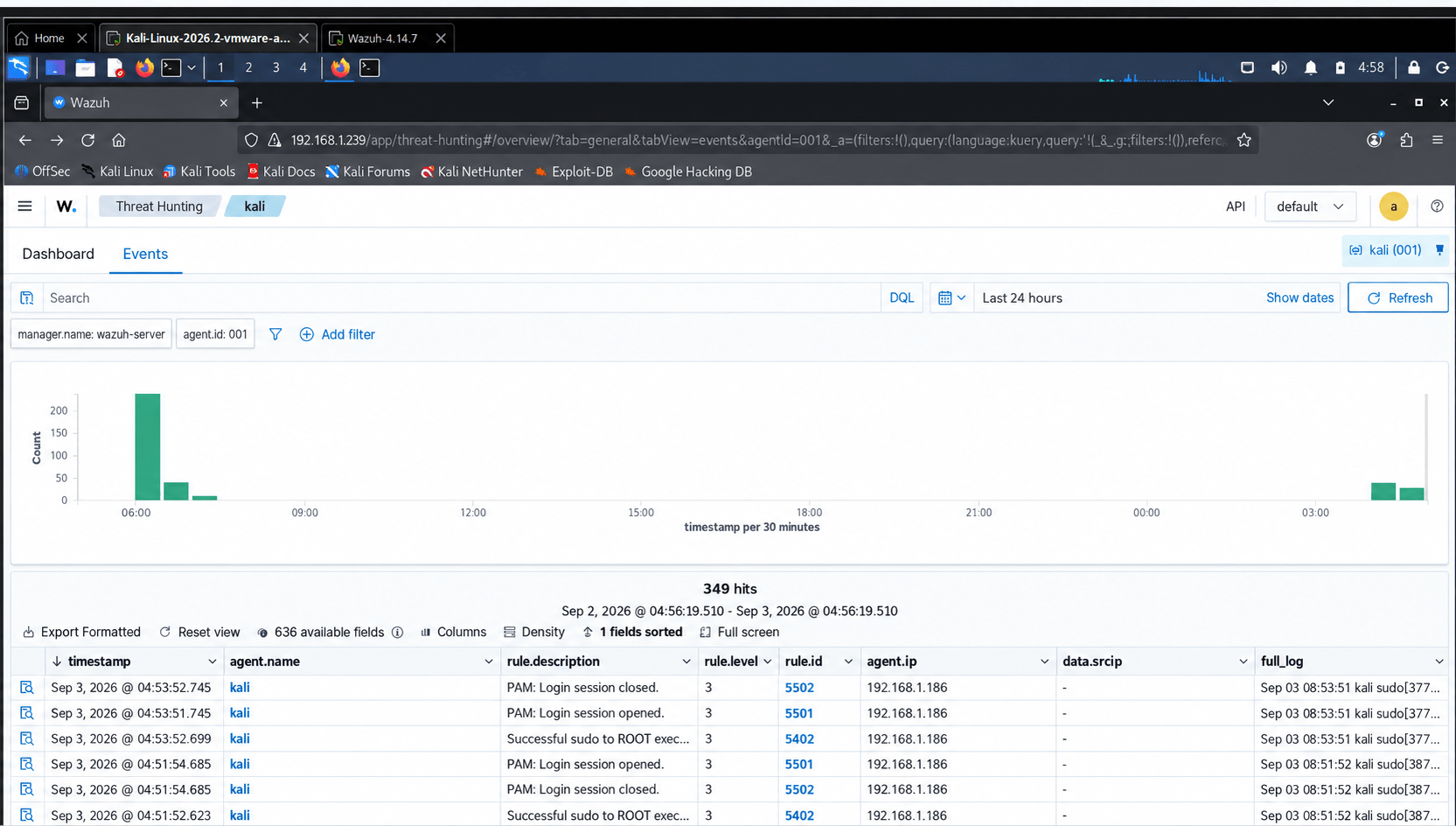
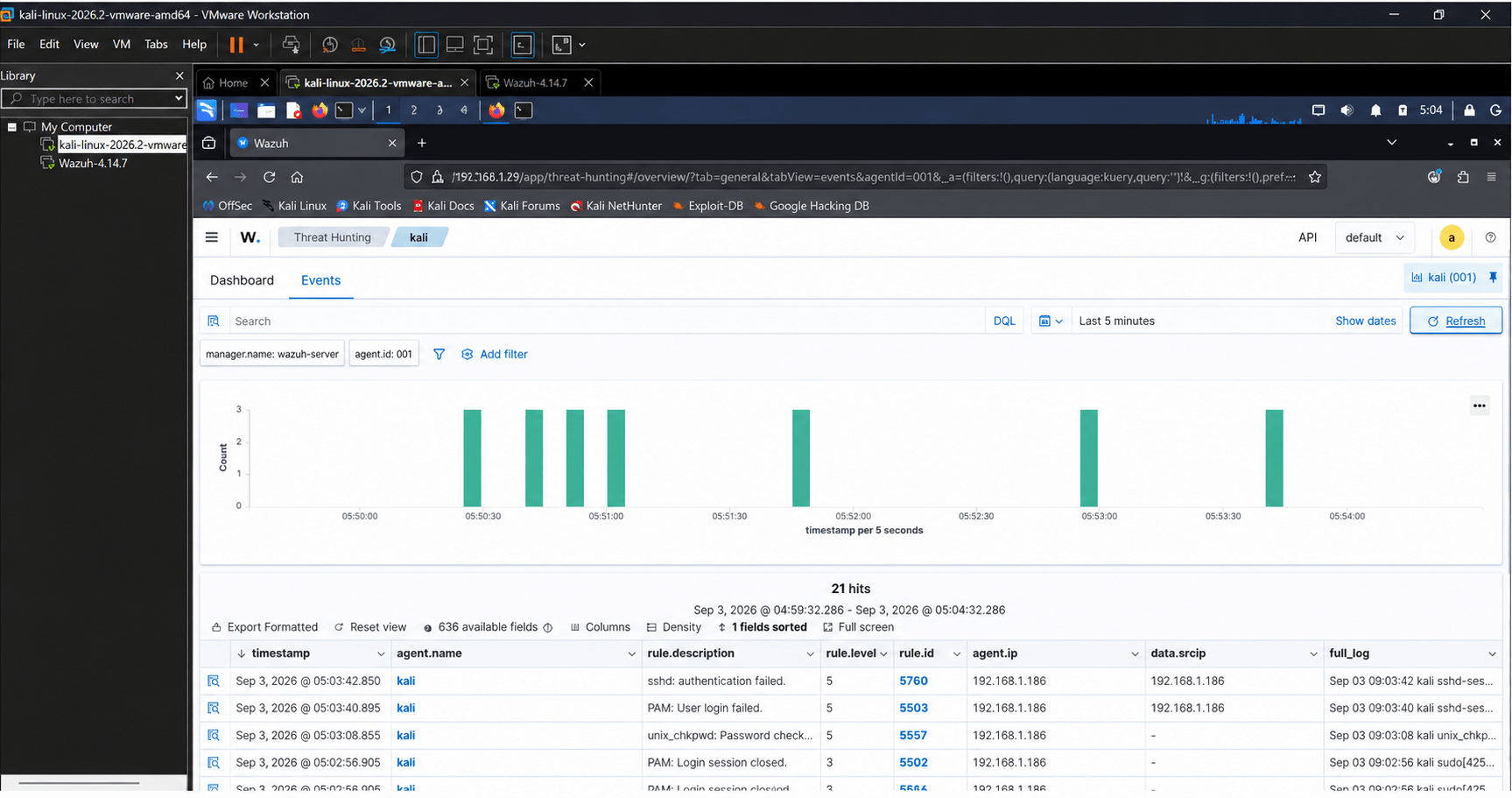
Open the SIEM dashboard.
Navigate to the Alerts/Security Events section.
Select the assigned alert.
Record:
Alert name
Date and time
Source IP
Destination/target
Username
Event type
Severity
Determine whether the alert appears suspicious.
Steps
Open the SIEM dashboard.
Navigate to the Alerts/Security Events section.
Select the assigned alert.
Record:
Alert name
Date and time
Source IP
Destination/target
Username
Event type
Severity
Determine whether the alert appears suspicious.
Example
Multiple Failed Logins
↓
Identify User
↓
Check Source IP
↓
Check Timestamp
↓
Analyze Activity
Expected Output
Students identify the important information contained in a security alert.
Task 2: Investigate the Incident
Determine whether the alert represents a real security incident.
Steps
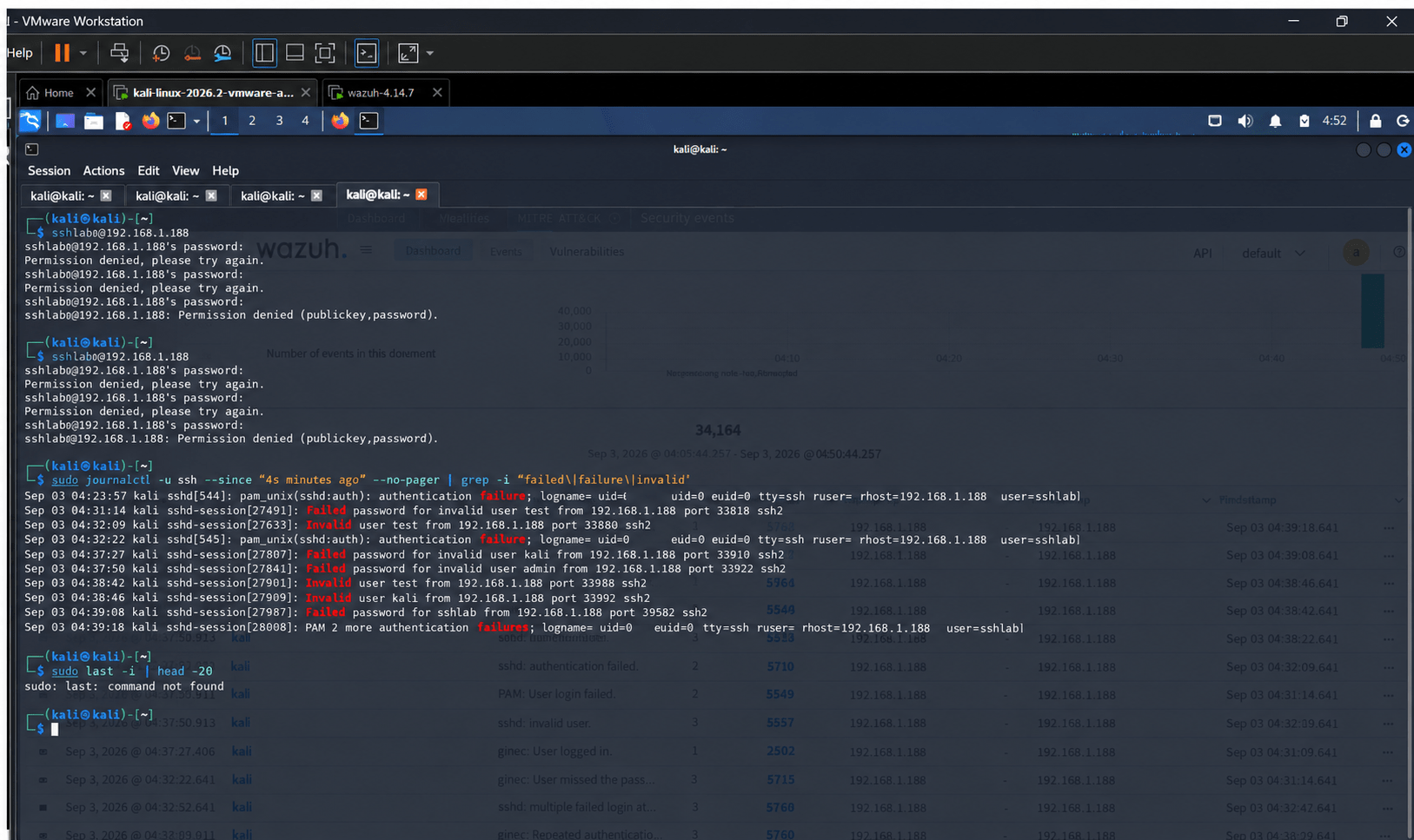
Review related logs around the alert time.
Check whether multiple failed attempts occurred.
Check the affected user/account.
Check the source IP.
Look for other suspicious events.
Determine the incident status:
Benign / False Positive
OR
Potential Security Incident
Record your conclusion.
Expected Output
Students provide a short investigation summary supported by log evidence.
Task 3: Classify the Incident
Understand how SOC analysts prioritize incidents.
Steps
Identify the type of incident.
Determine its severity.
Consider:
Number of affected systems
Type of activity
User/account involved
Potential business impact
Assign a severity:
Low
Medium
High
Critical
Expected Output
Task 4: Perform Incident Response
Apply an appropriate defensive action.
Steps
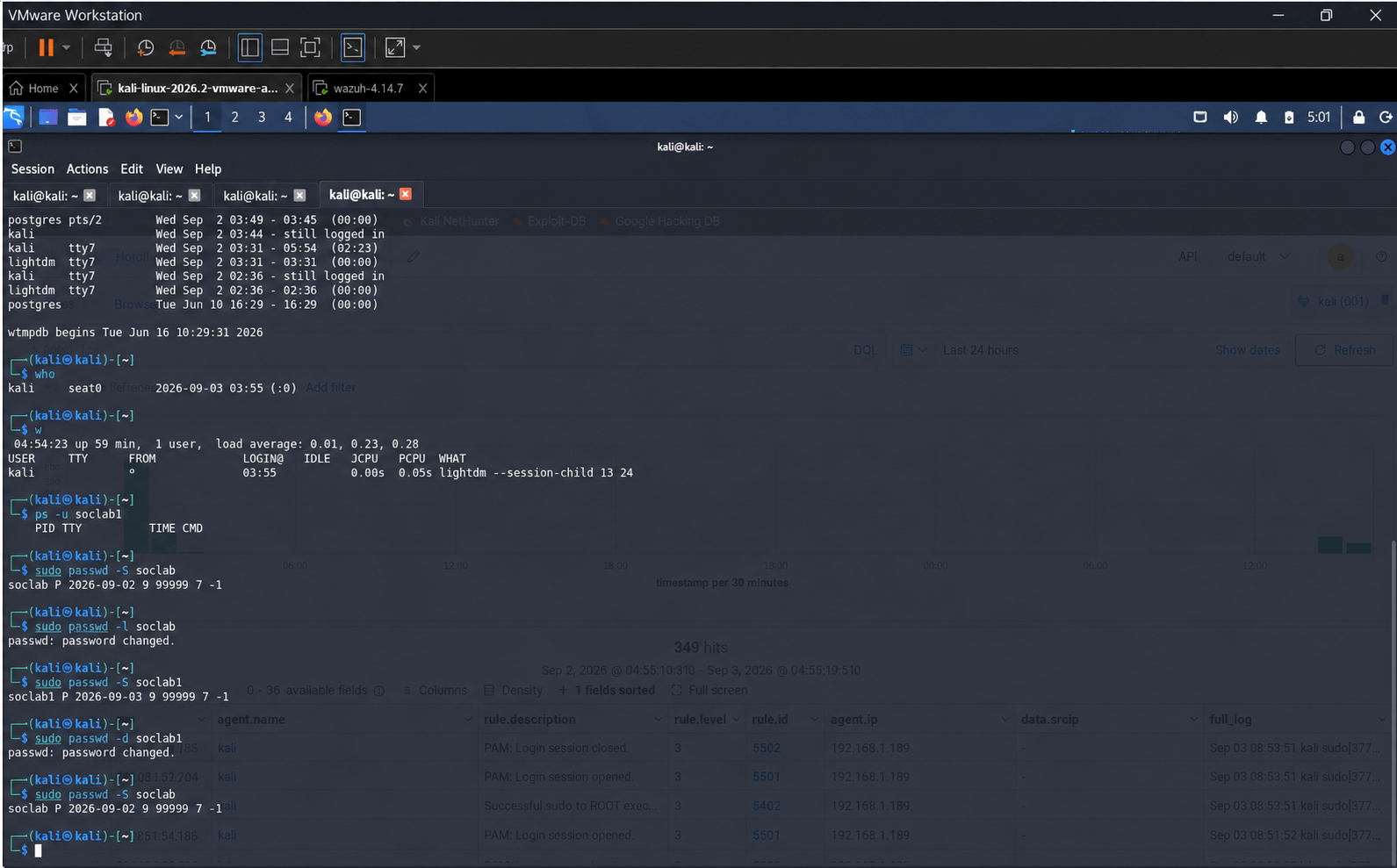
Disable a test account.
Reset a test user's password.
Isolate a test endpoint.
Block a test IP address.
Remove unauthorized access.
Then:
Confirm the action was successful.
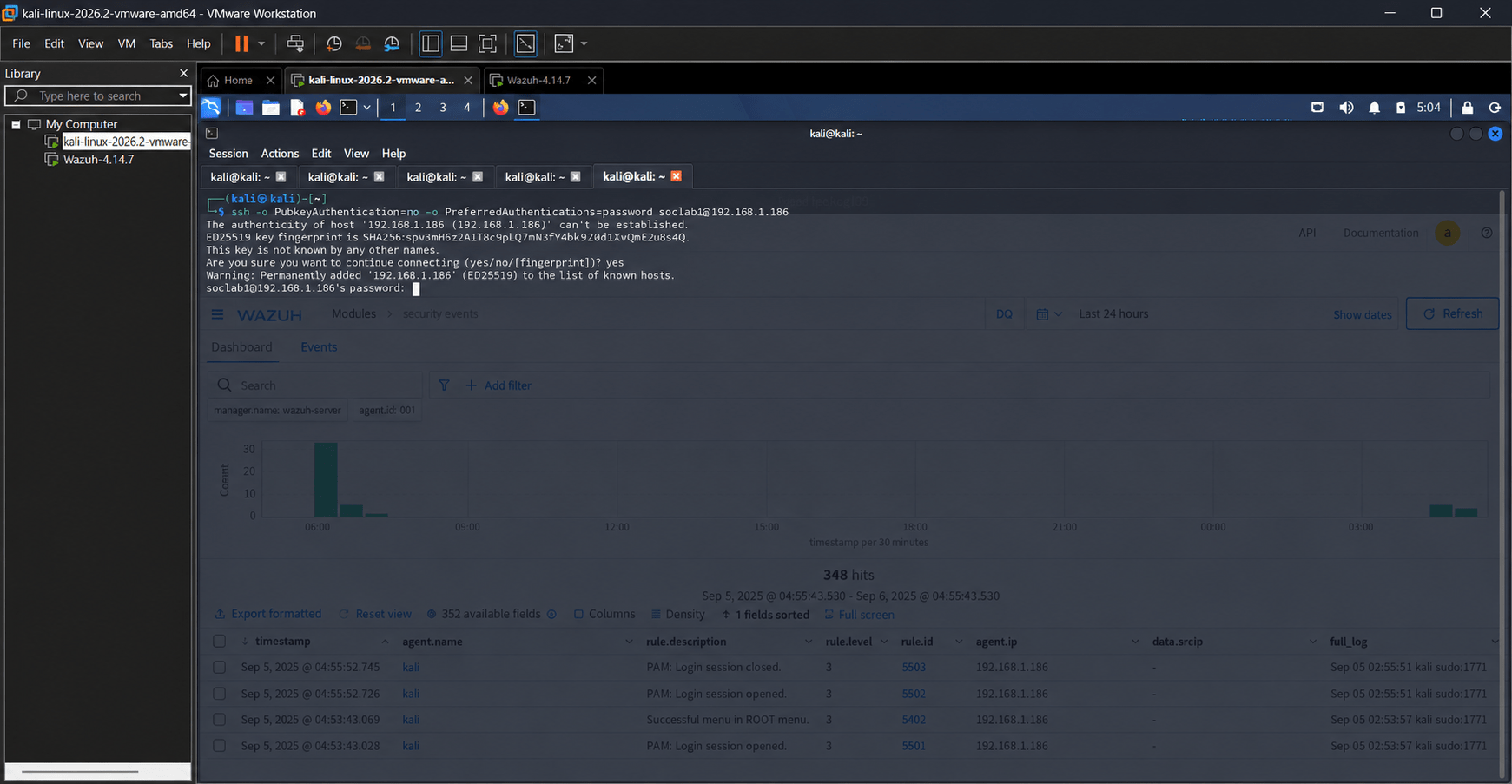
Monitor the SIEM for additional events.
Determine whether the suspicious activity has stopped.
Expected Output
Students demonstrate a basic incident containment and response process.
Task 5: Document and Close the Incident
Create a basic SOC incident report.
Example Incident Summary
Incident: Multiple Failed Login Attempts
Detection:
| Field | Example |
|---|---|
| Incident ID | INC-001 |
| Alert | Multiple Failed Logins |
| Affected System | TEST-PC01 |
| Severity | Medium |
| Investigation | Multiple failed attempts detected |
| Action Taken | Test account disabled |
| Status | Resolved |
| Analyst | Student Name |
SIEM generated an alert for repeated failed logins.
Investigation:
The analyst reviewed the username, source IP,
timestamp and related events.
Response:
The affected test account was disabled.
Status:
Incident contained and resolved.
Expected Outcome
After completing this lab, students will be able to:
Explain the role of a SOC analyst.
Analyze security alerts.
Investigate logs and suspicious activity.
Classify incidents based on severity.
Perform basic incident containment.
Document and close incidents.
Investigate logs and suspicious activity.
Classify incidents based on severity.
Perform basic incident containment.
Document and close incidents.
Student Deliverables
Students should submit:
Alert Analysis
Investigation Notes
Incident Classification
Response Action
Incident Report
Click to view : SOC incident report
Great job!
You have successfully completed your SOC Analyst Incident Detection and Response lab.
In this lab, you have: Understood SOC analyst responsibilities, Detected security incidents, Analyzed suspicious activities, Practiced incident response
You are now ready to move to the next stage of SOC operations.
Checkpoint
Great job!
You have successfully completed your SOC Analyst Incident Detection and Response lab.
In this lab, you have: Understood SOC analyst responsibilities, Detected security incidents, Analyzed suspicious activities, Practiced incident response
You are now ready to move to the next stage of SOC operations.
Checkpoint
Next-Lab Preparation
Topic : SOC Fundamentals
1) Introduction to Security Operations Center (SOC)
2) Roles and responsibilities of a SOC analyst
3) Security monitoring fundamentals
By Content ITV