












Content ITV PRO
This is Itvedant Content department
Understanding VPC Gateways
Learning Outcome
5
Compare different VPC connectivity options
4
Learn what Transit Gateway is
3
Learn what an Internet Gateway (IGW) and NAT Gateway is
2
Understand CIDR notation and IP ranges
1
Understand what a VPC Gateway is
Earlier, we learned that
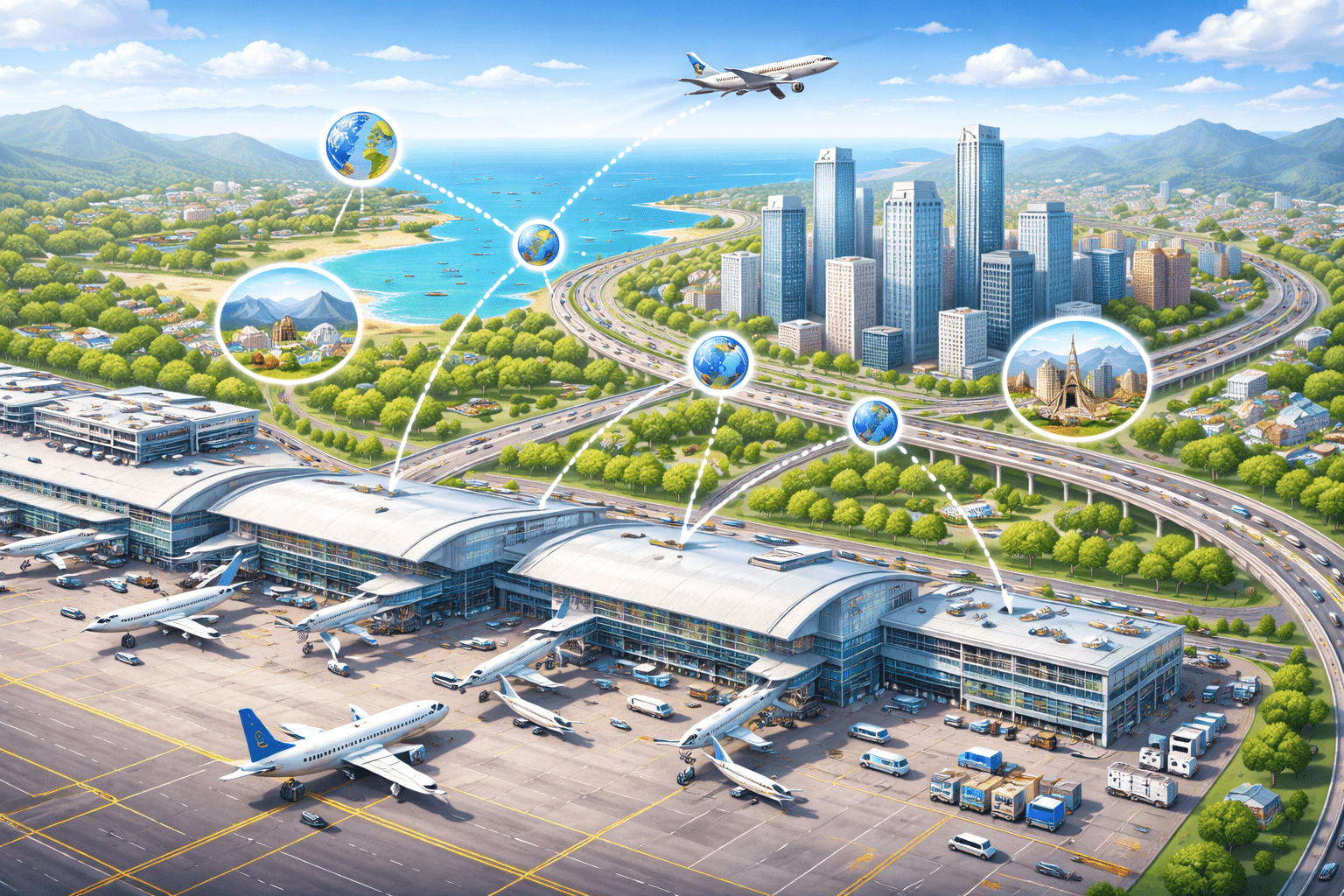
Airport & Transportation System
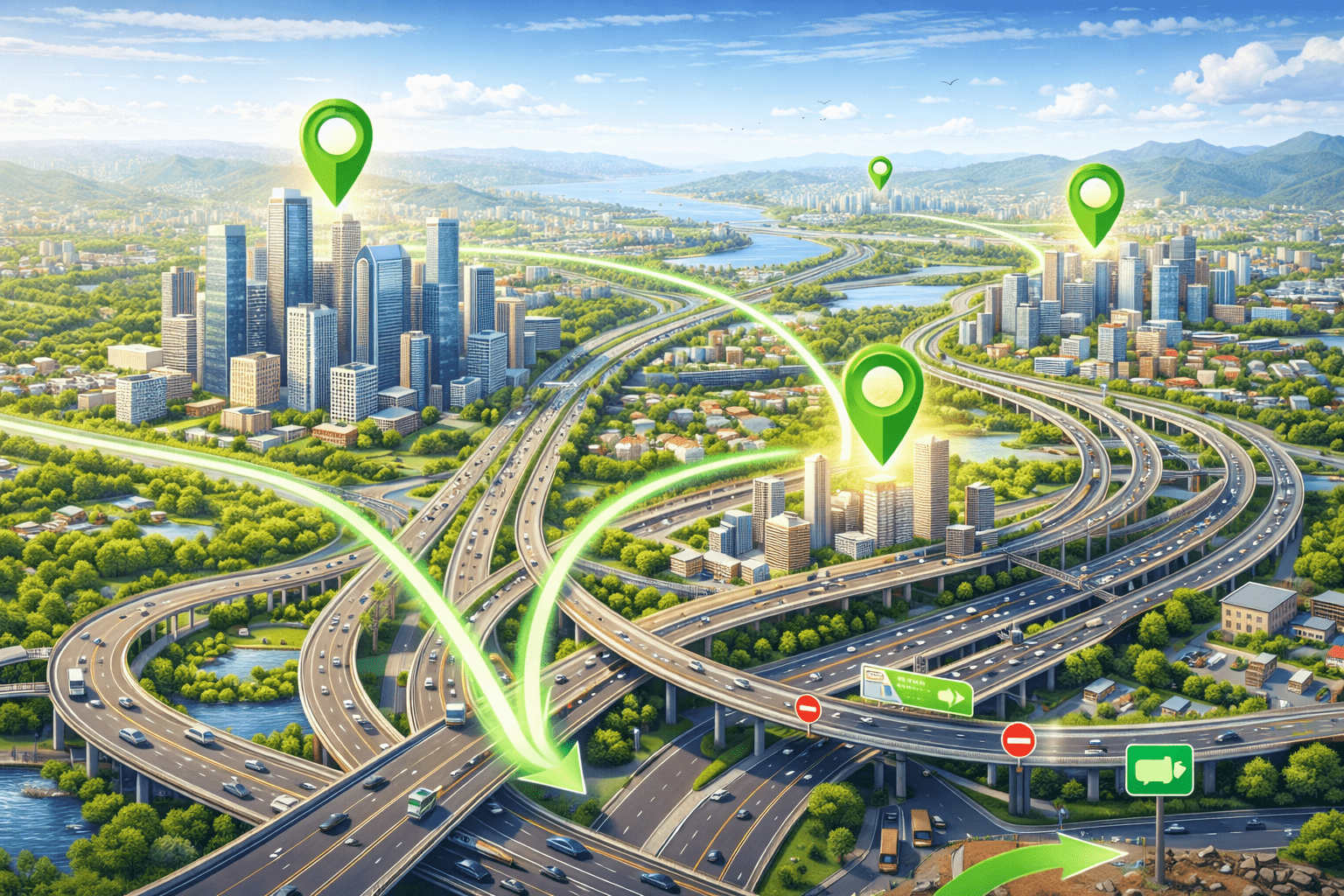
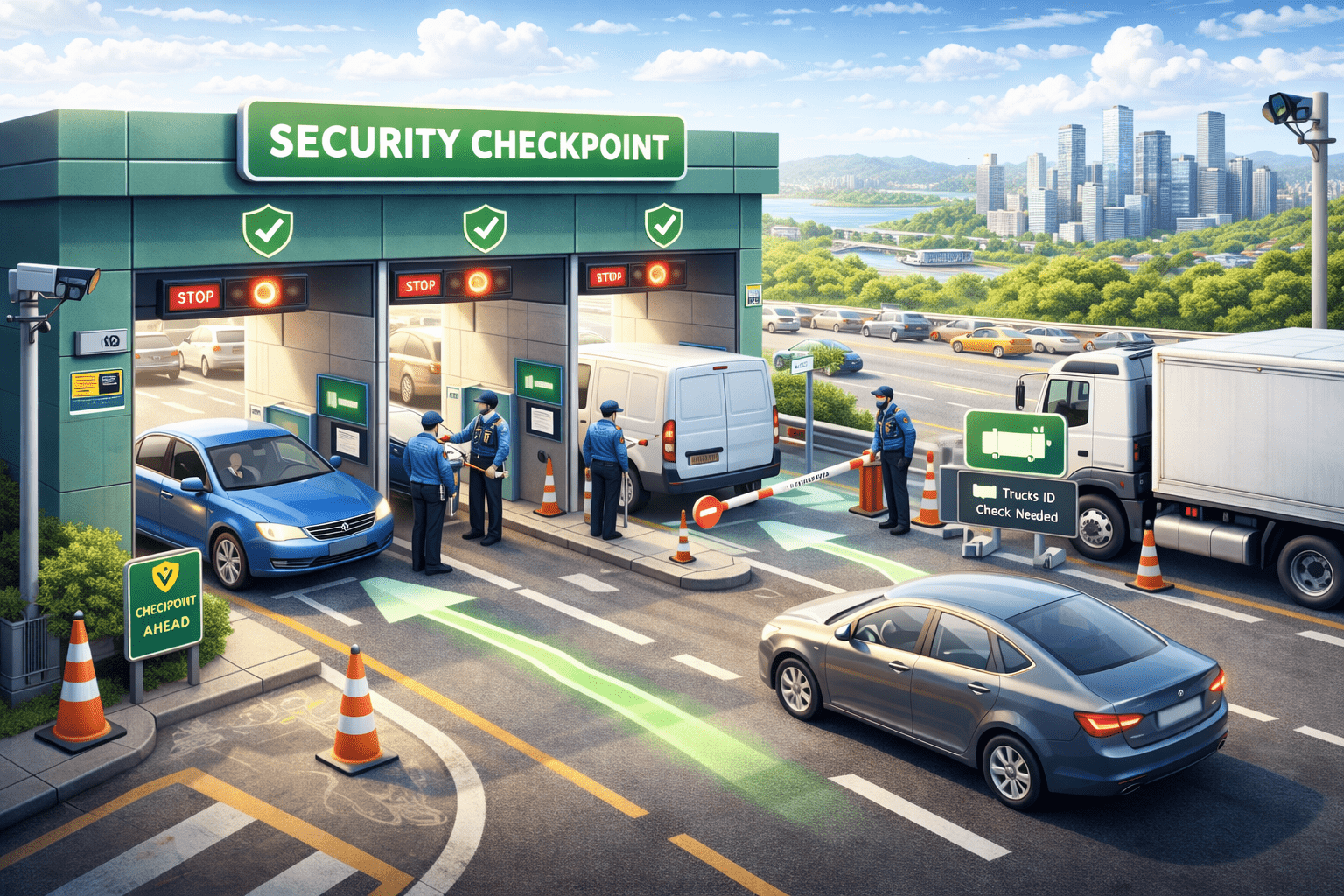
Think of a city with airports and highways
Airport gates connect the city to the outside world
One-way exits allow people to leave safely
Security checkpoints control traffic
Highways connect multiple cities
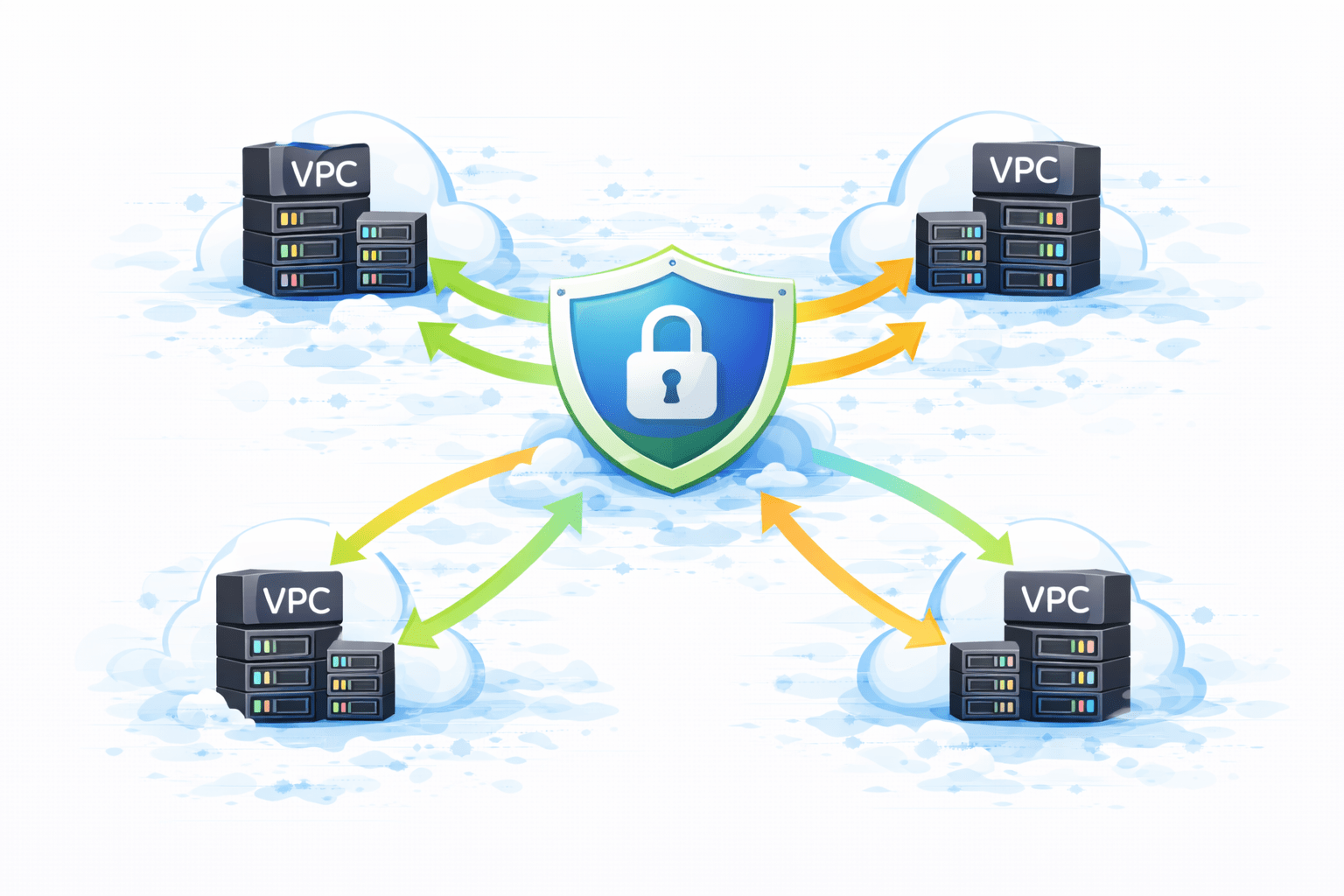
AWS VPC uses gateways and connections to control how traffic enters, exits, and moves between networks
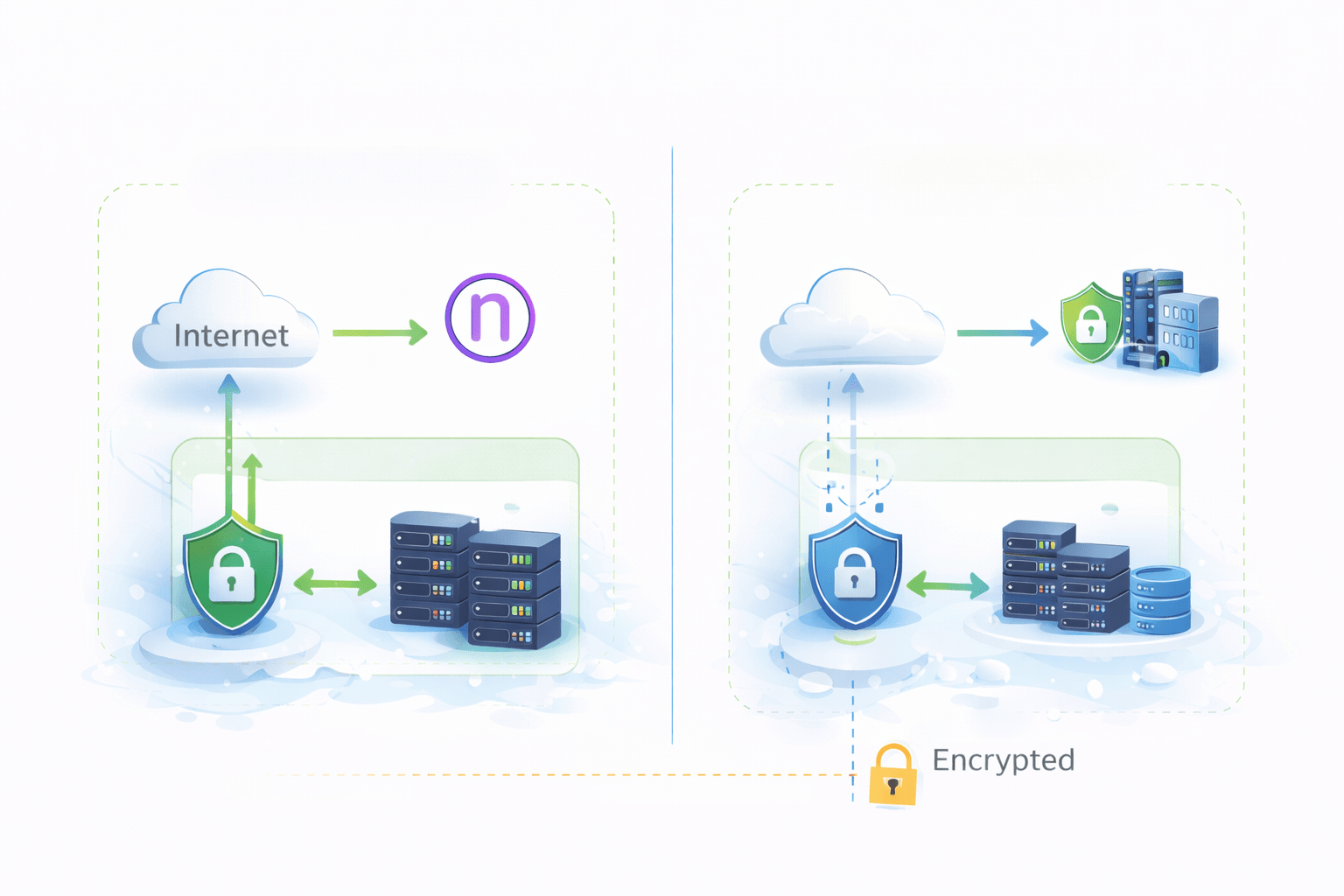
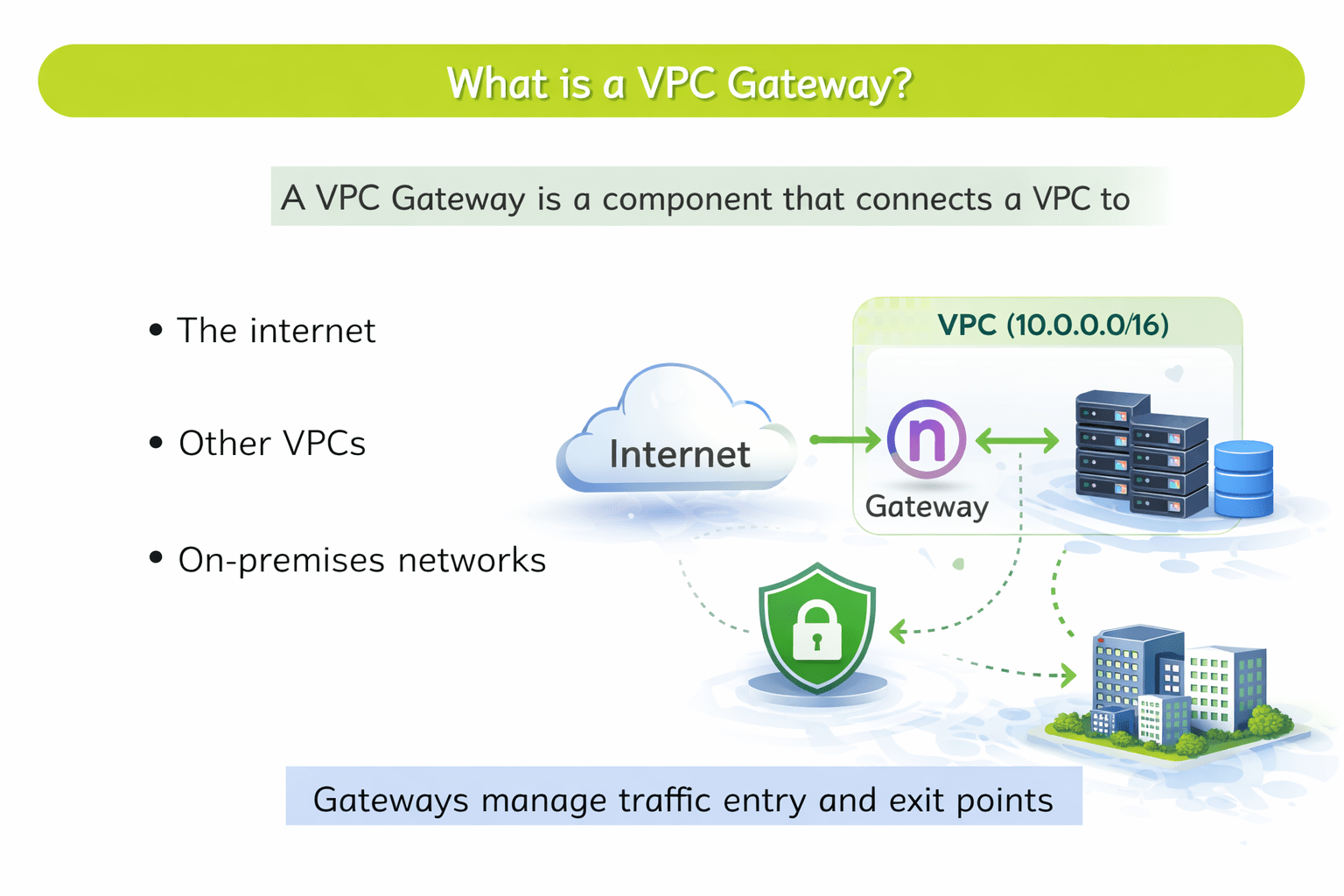
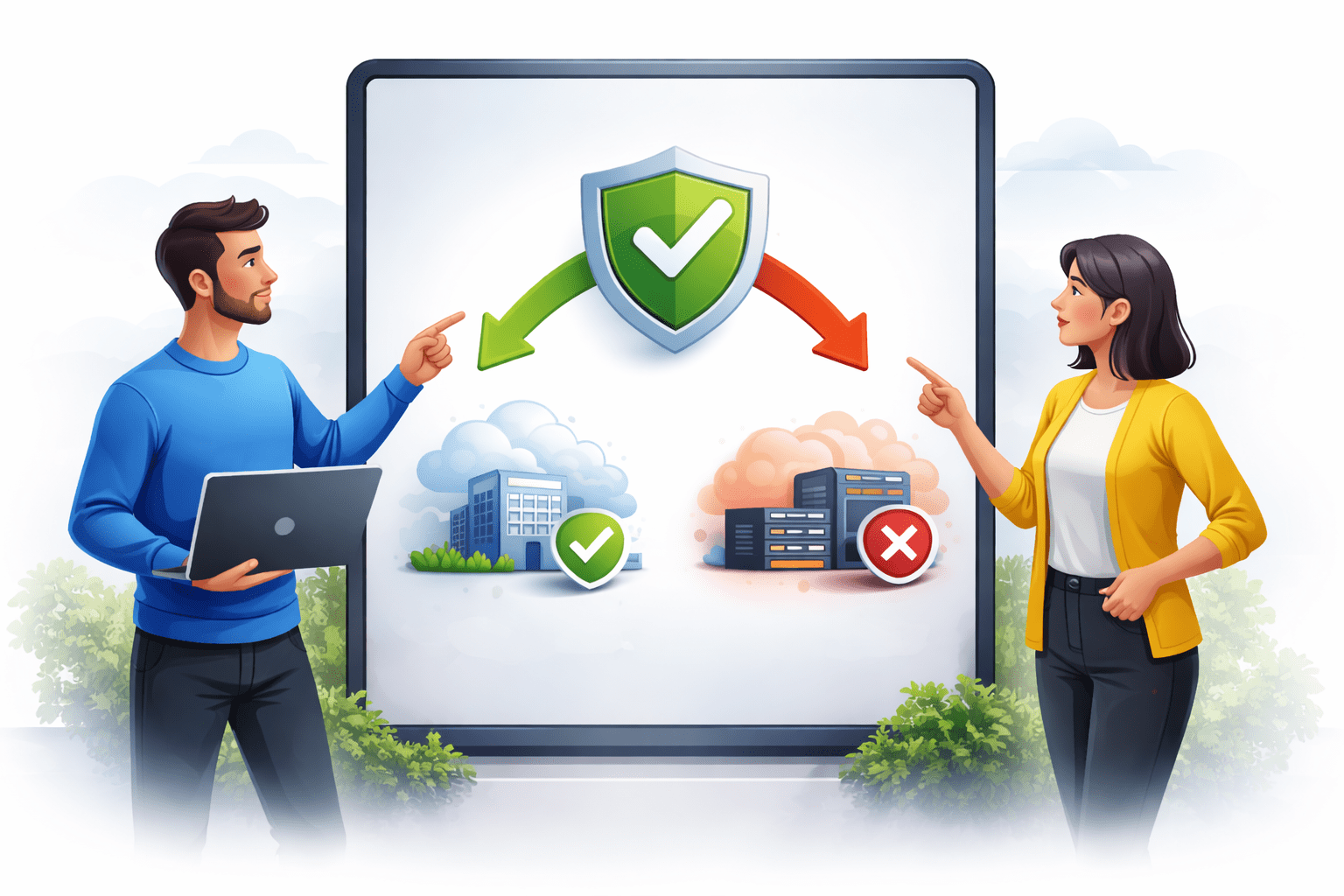
A VPC Gateway is a component that connects a VPC to
The internet
Other VPCs
On-premises networks
Gateways manage traffic entry and exit points
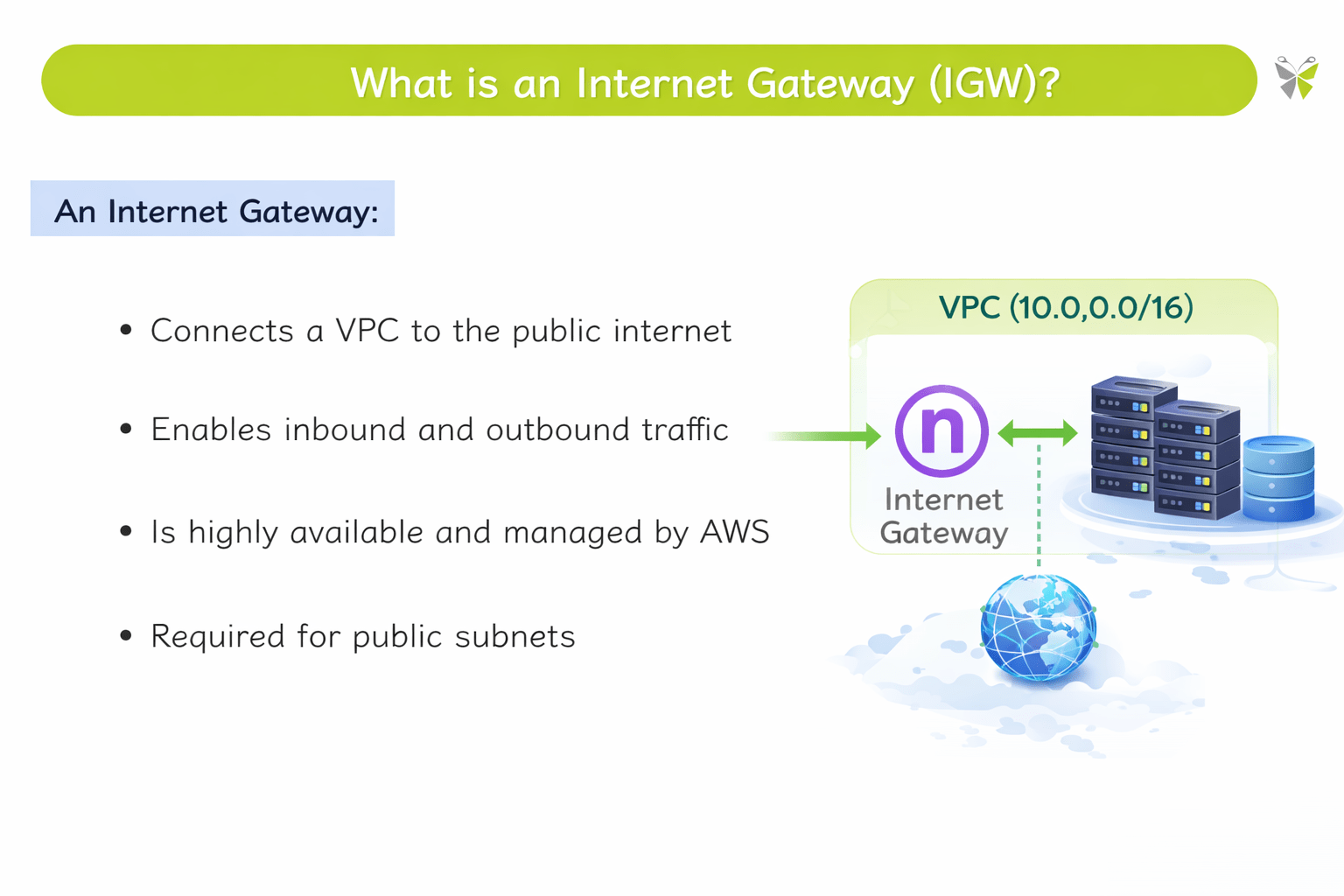
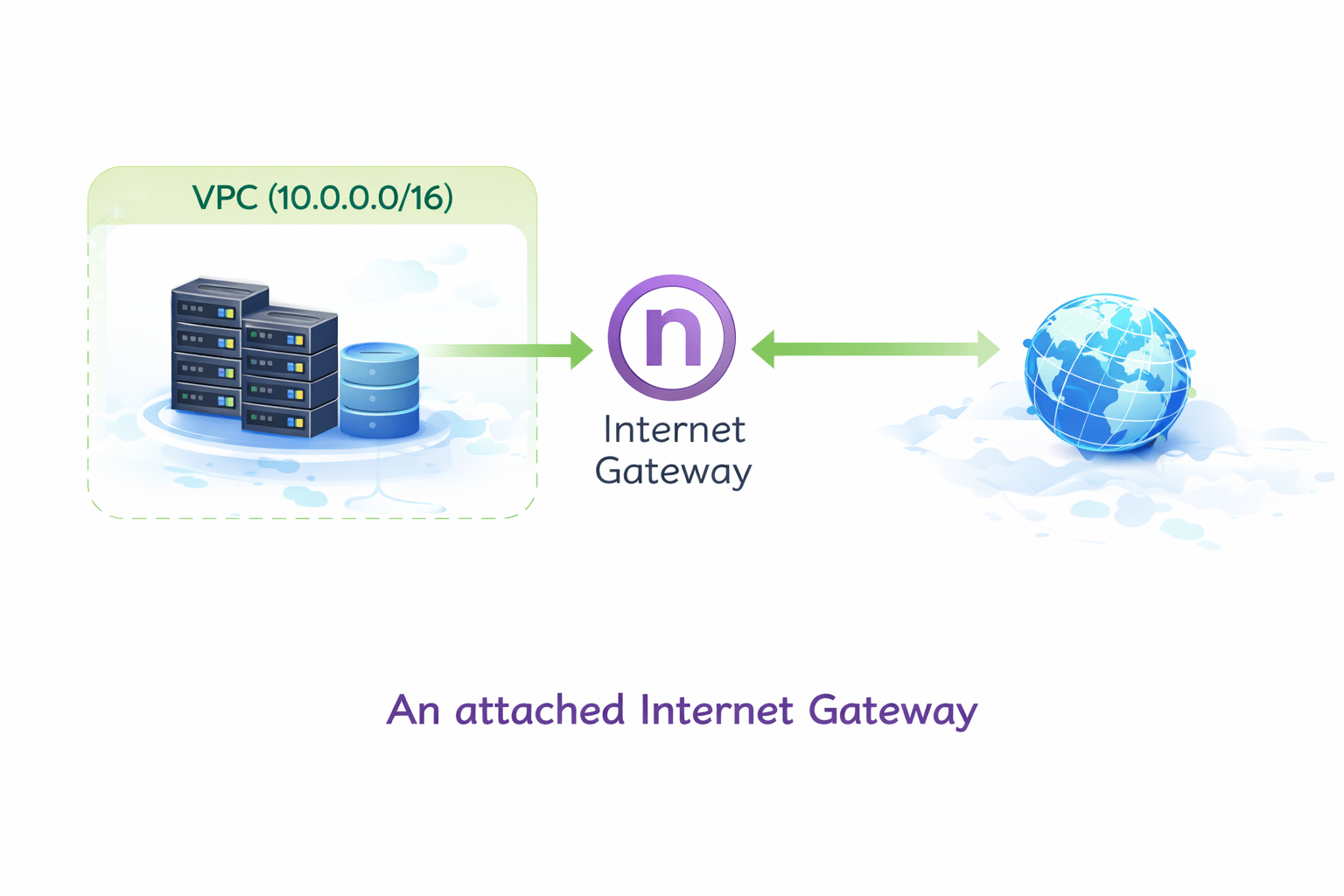
An Internet Gateway:
Is highly available and managed by AWS
Required for public subnets
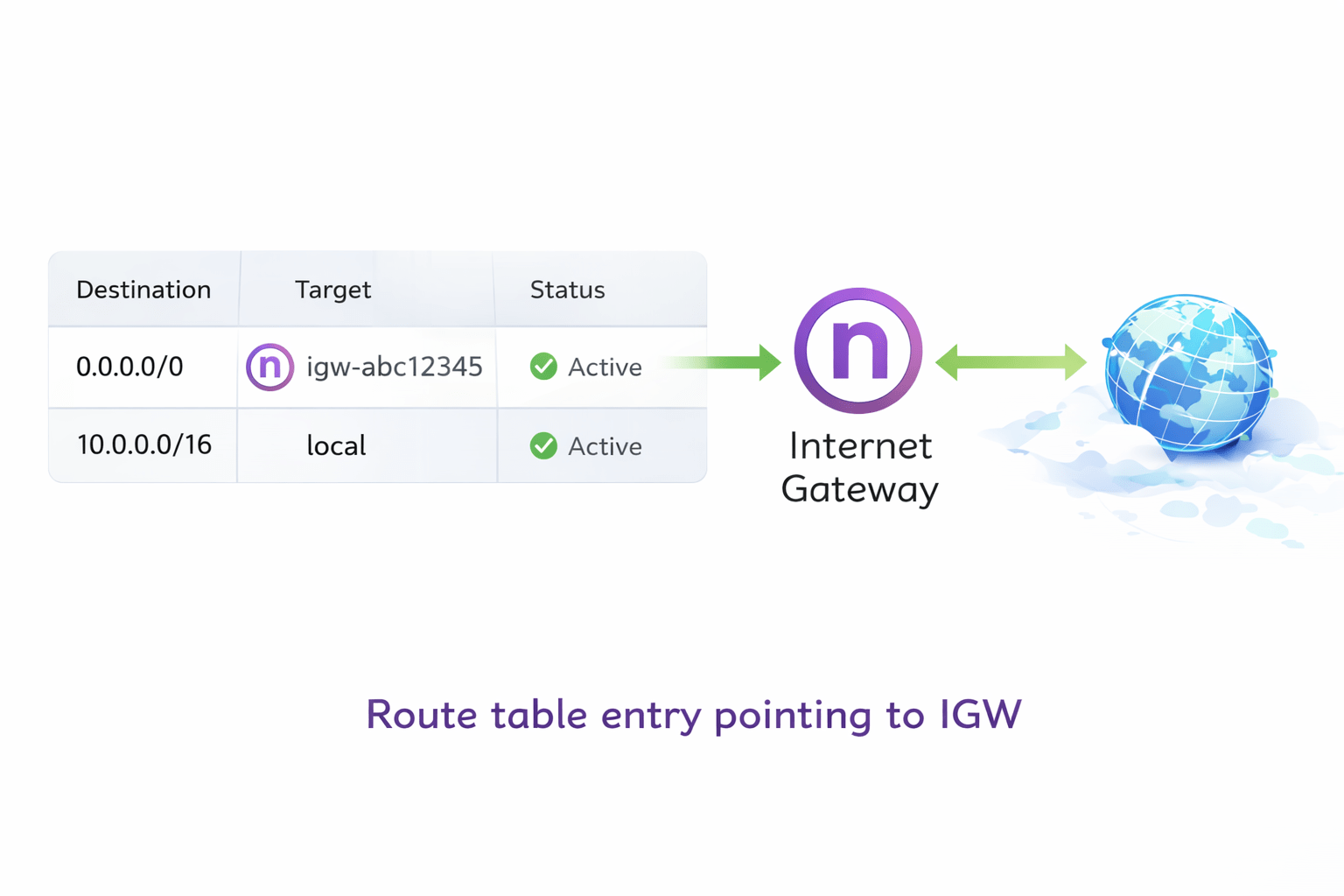
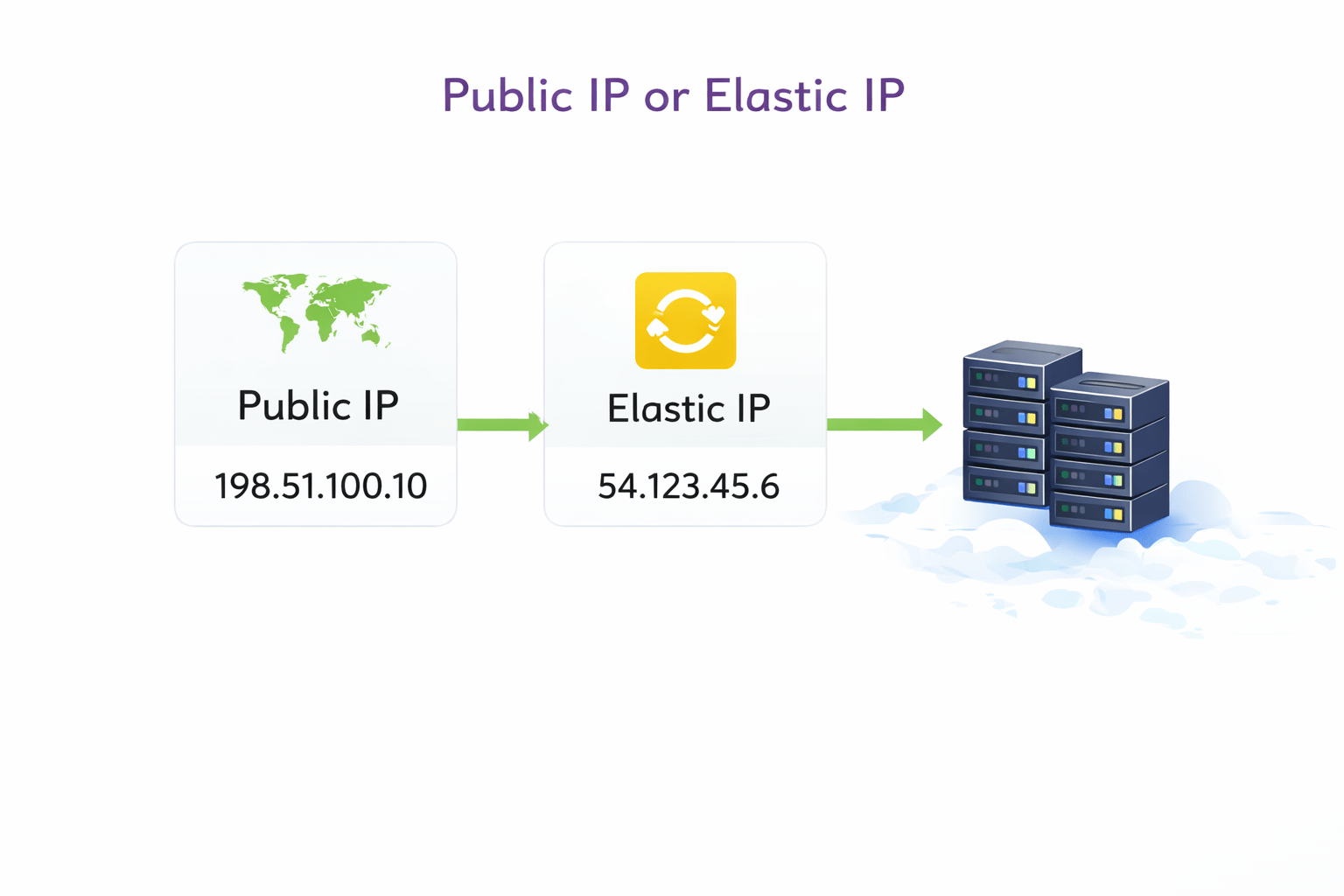
For internet access, the following are required
An attached Internet Gateway
Public IP or Elastic IP
Route table entry pointing to IGW
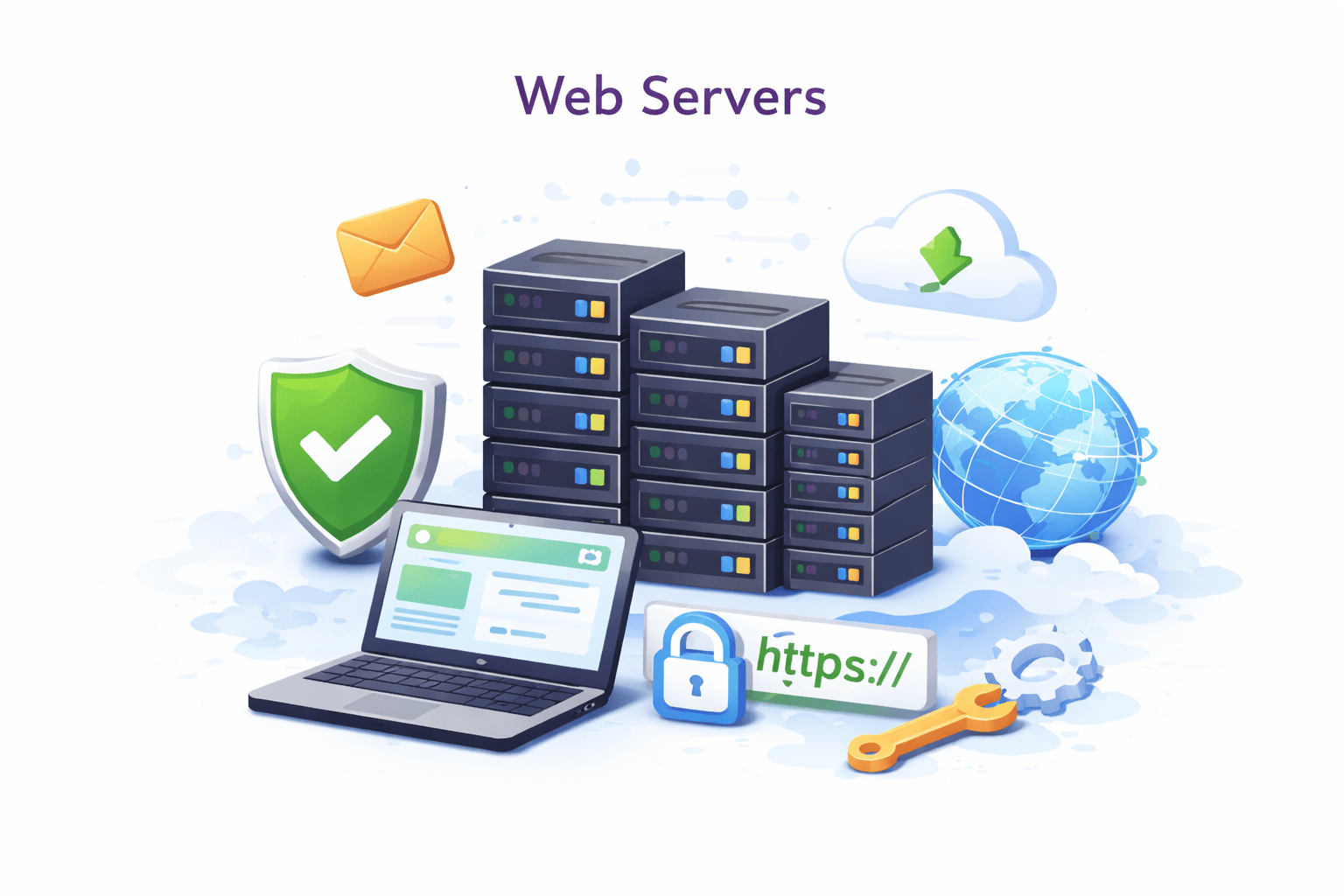
Used mainly for
Web servers
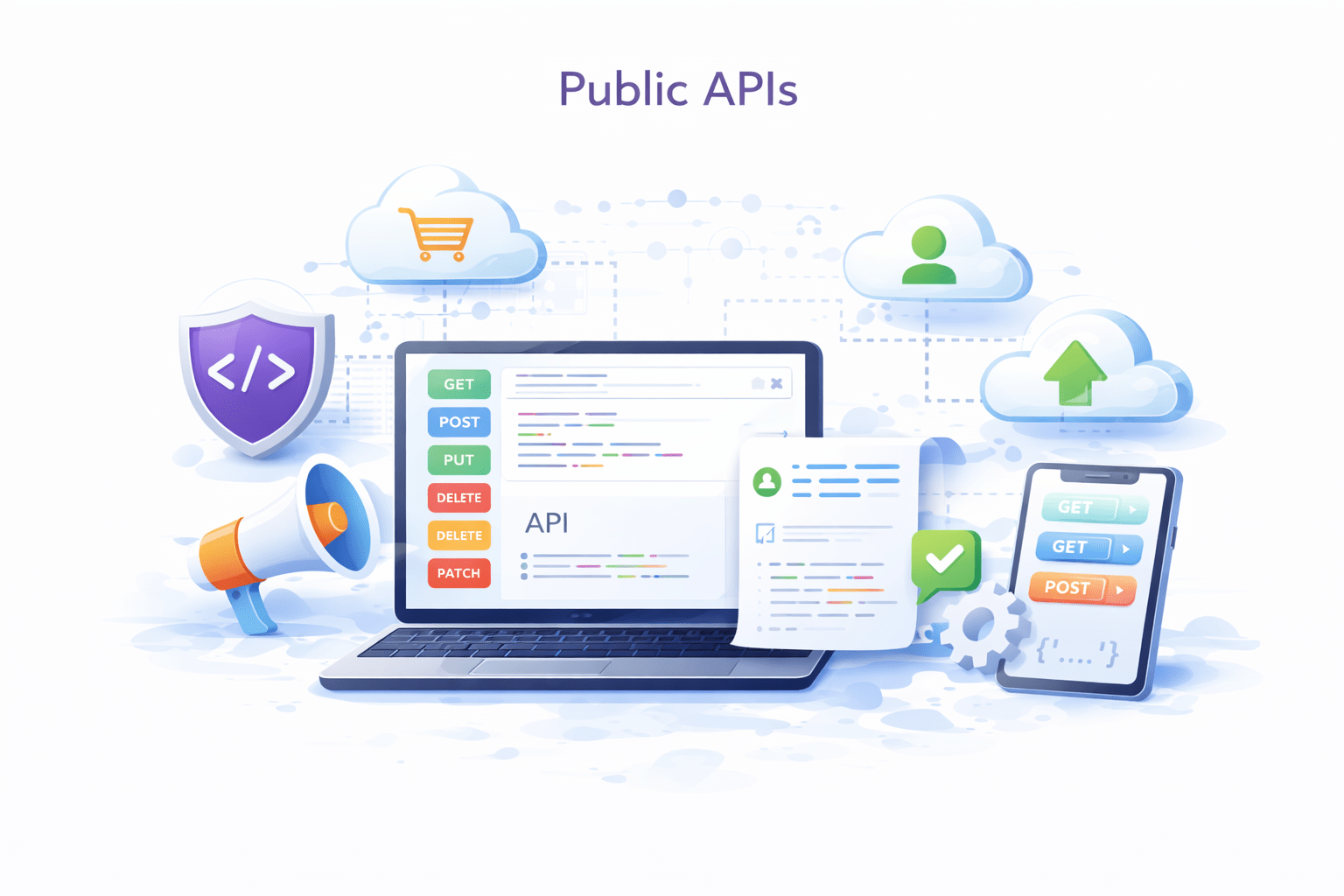
Public APIs
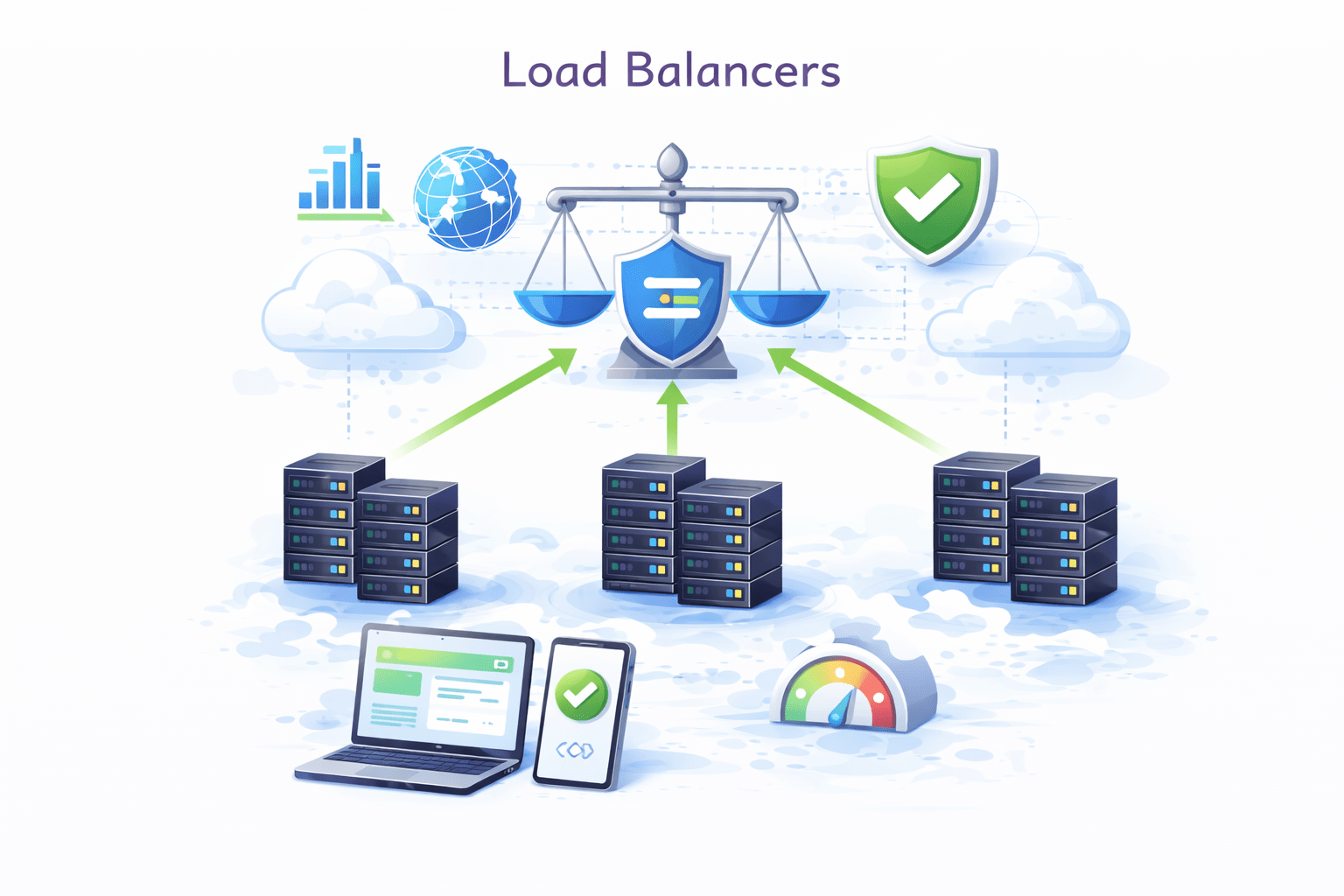
Load balancers
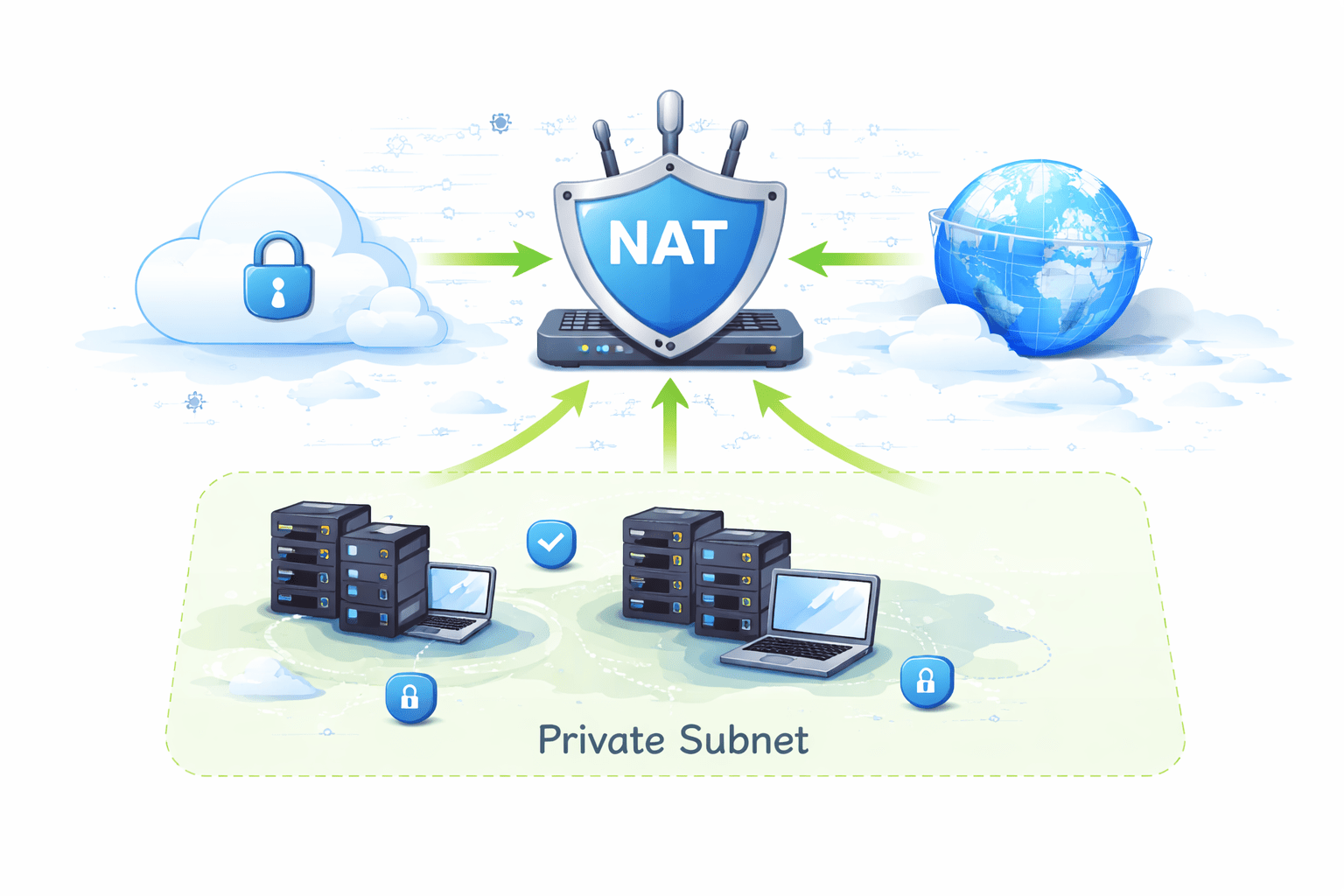
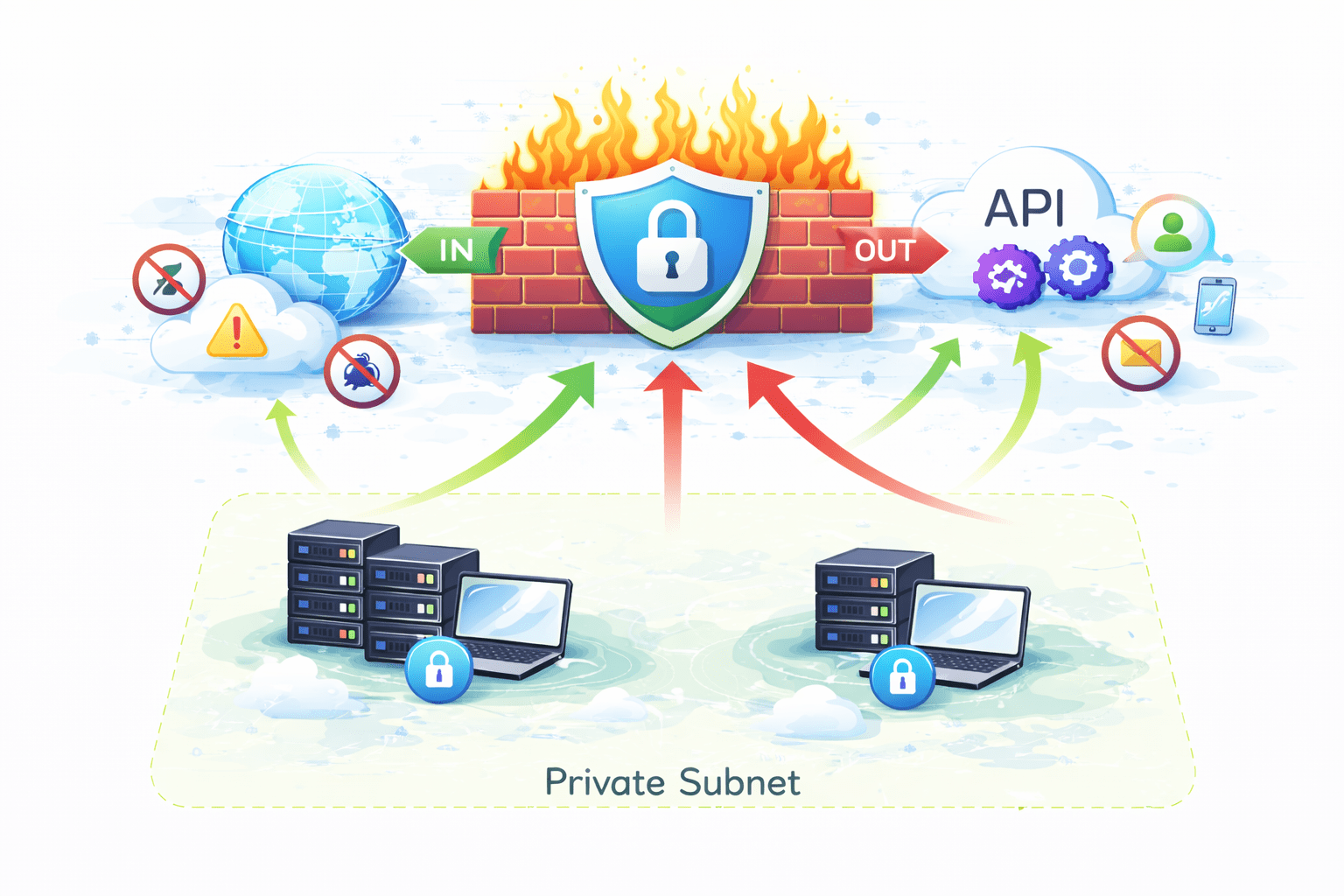
NAT (Network Address Translation) Gateway
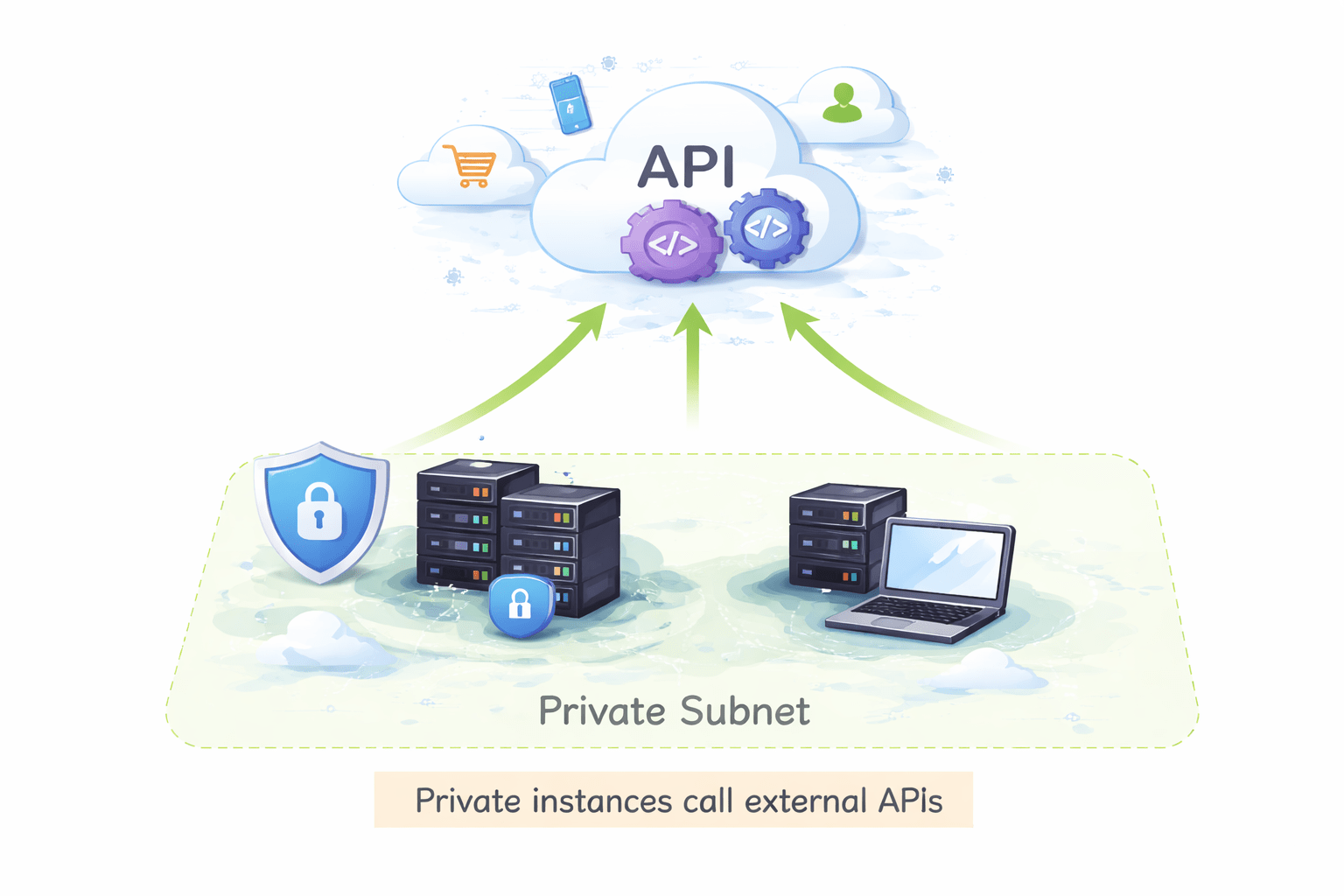
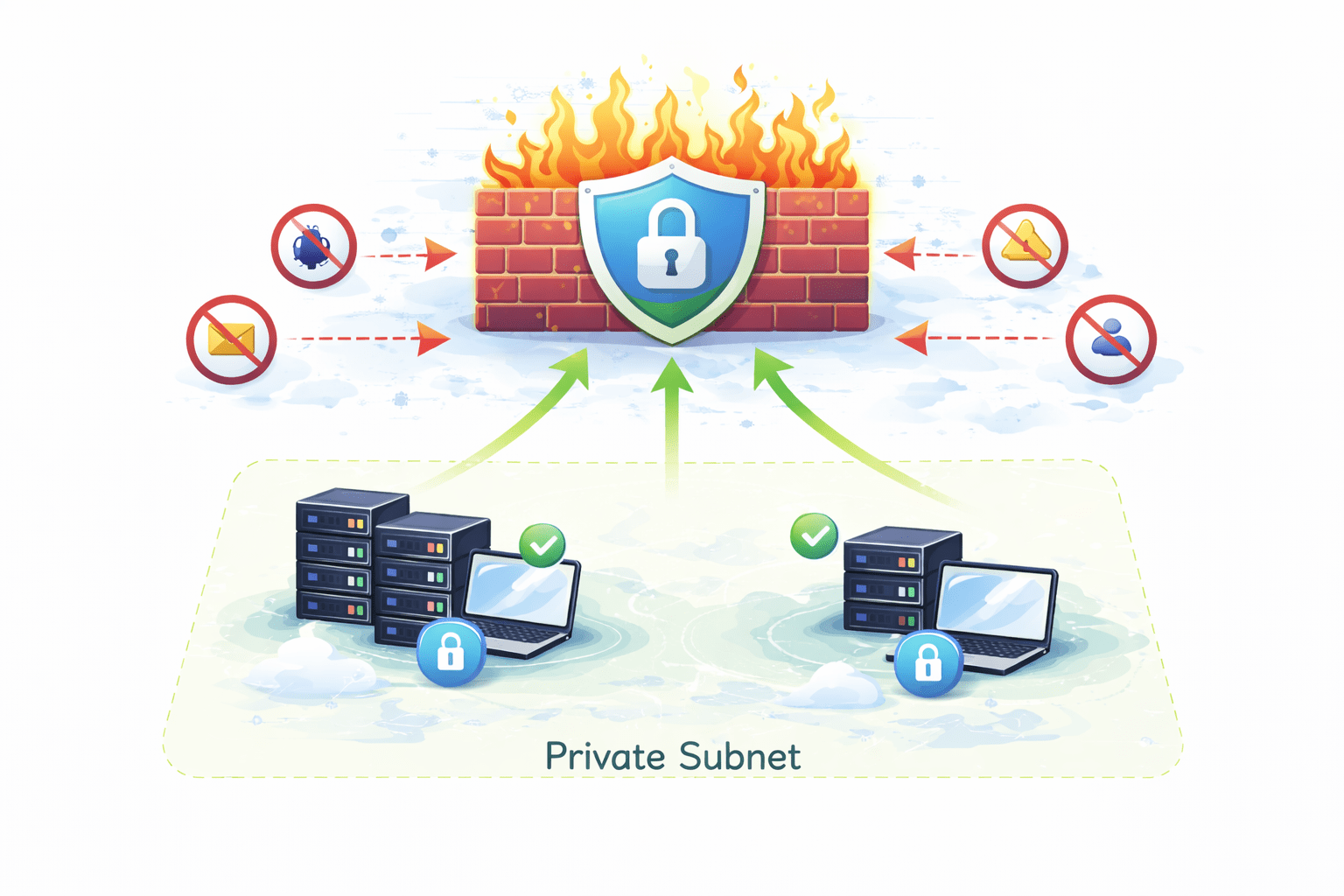
Allows private subnet resources to access the internet
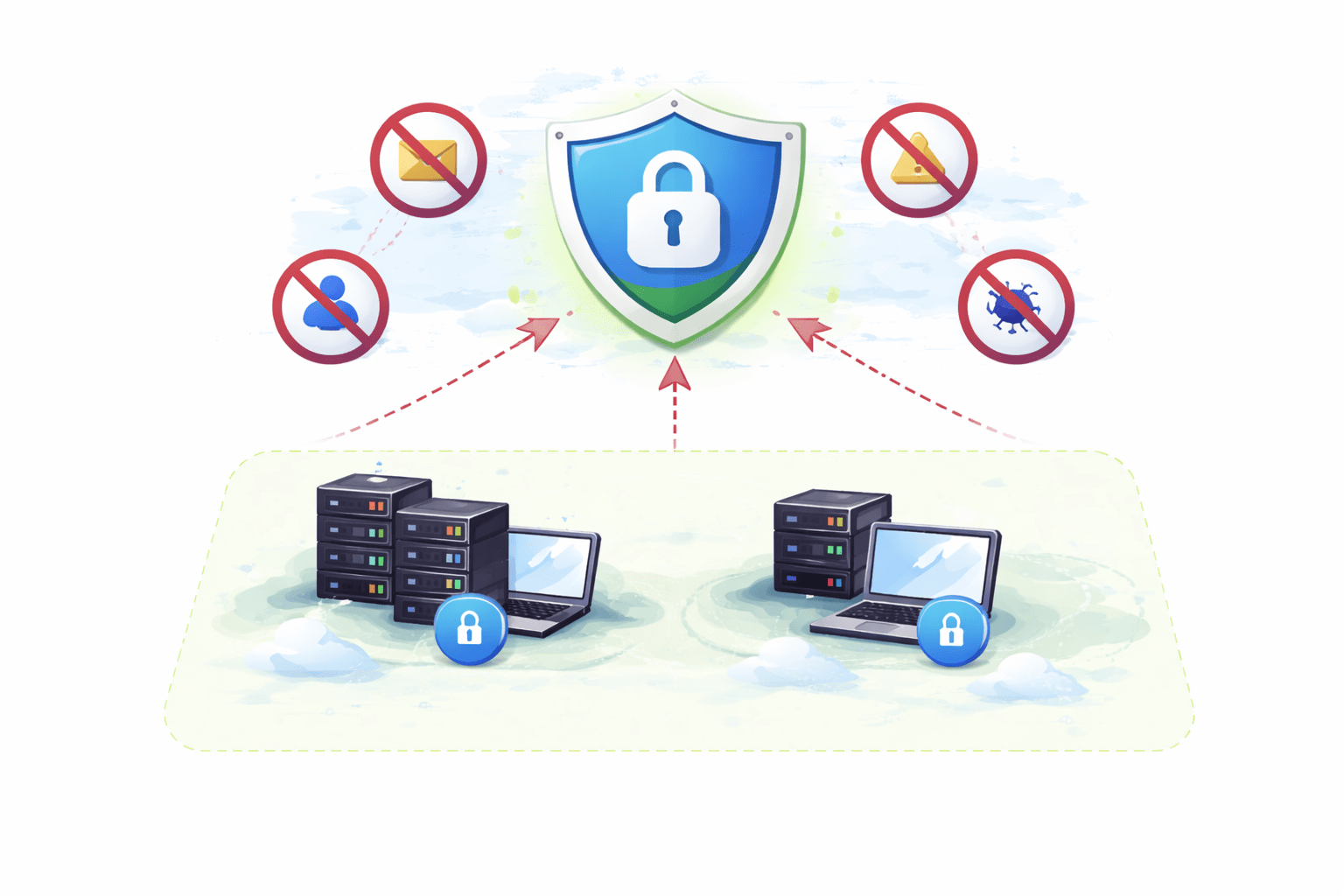
Blocks inbound internet traffic
Fully managed by AWS
Private resources stay hidden but can go out
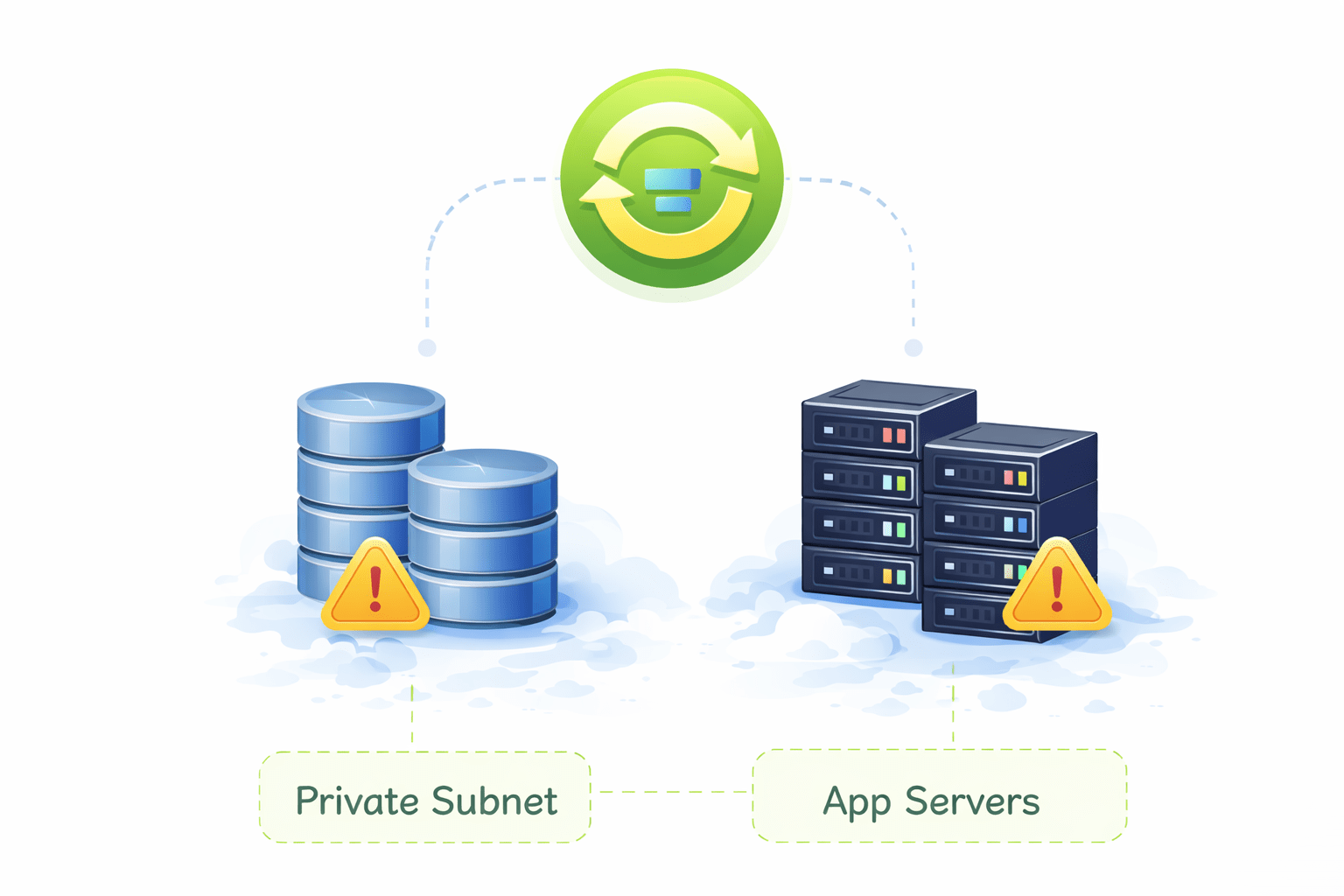
Databases or app servers need updates
Private instances call external APIs
Security requires no inbound internet access
NAT Gateway is placed in a public subnet
|
Feature |
|
Internet Gateway |
|
NAT Gateway |
Internet Access
Subnet Type
Security Level
Public IP Required
|
Inbound & Outbound |
Public
Lower
Yes
Outbound only
Private
Higher
No (for private resources)
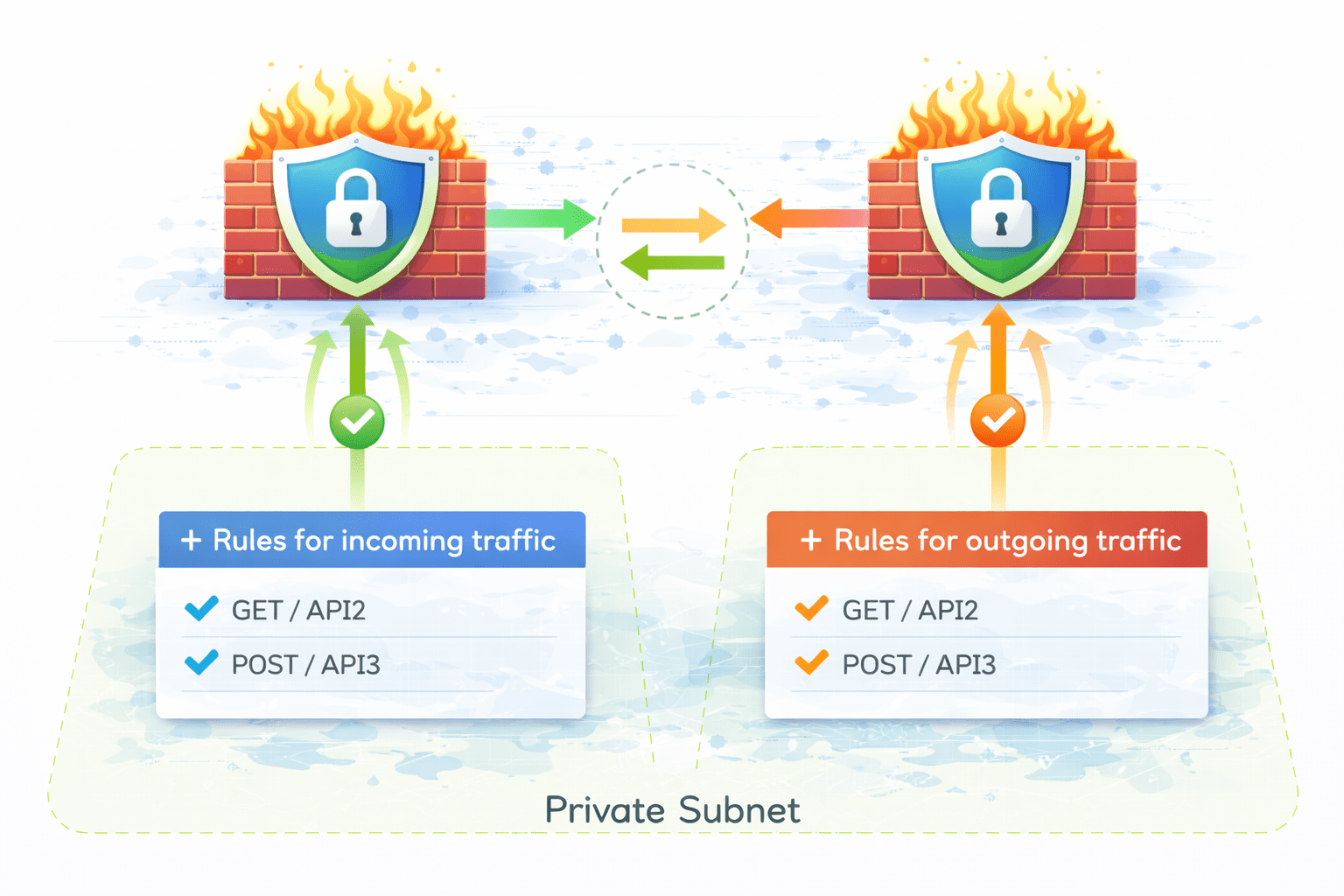
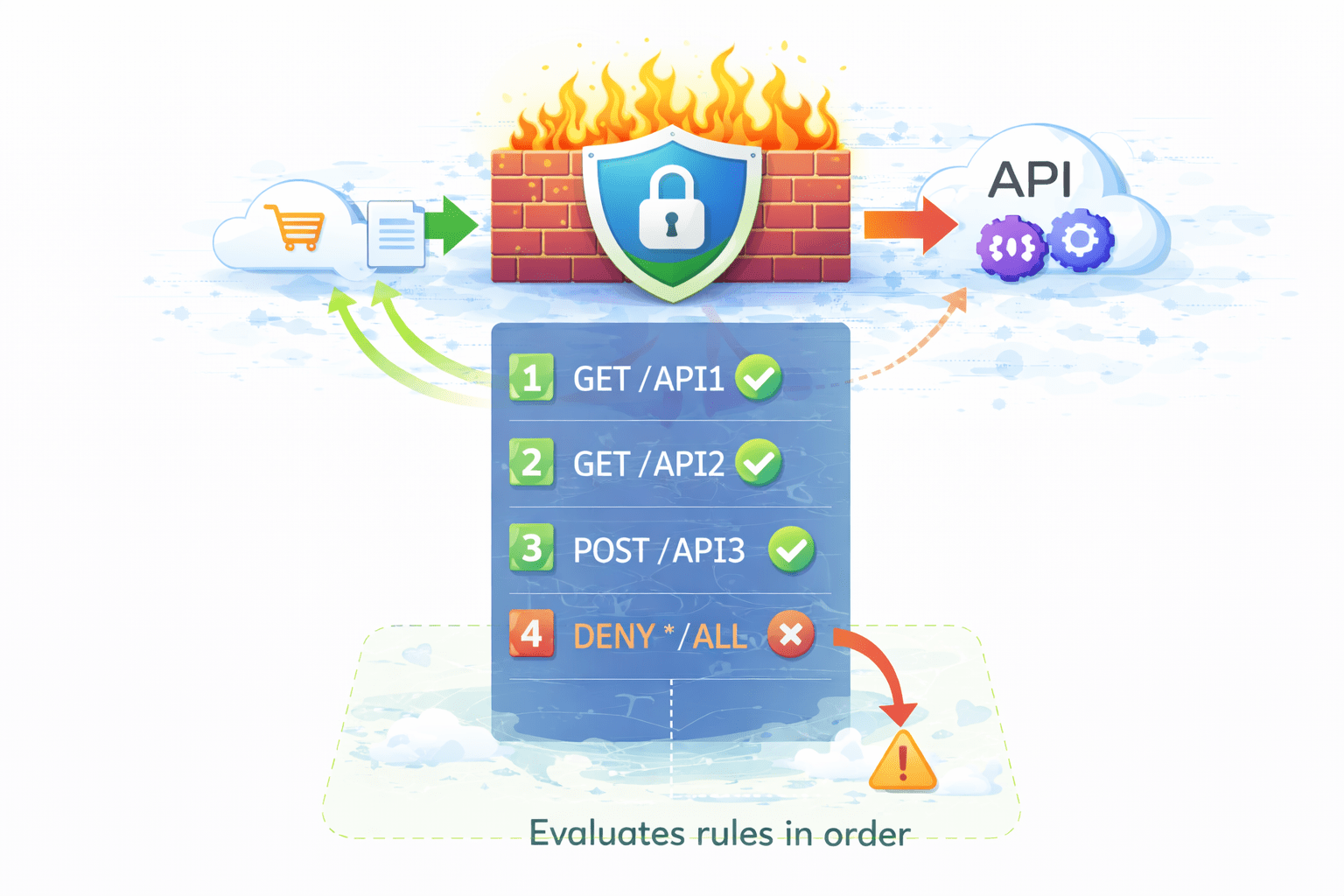
Acts as a firewall at subnet level
Controls inbound and outbound traffic
Stateless (rules must be defined both ways)
Evaluates rules in order
Provides an additional security layer
Create VPC
Define VPC CIDR block
Create Subnets
Public and private subnets
Create Internet Gateway
Attach IGW to VPC
Configure Route Tables
Public route → IGW
Private route → NAT
Create NAT Gateway
Place in public subnet
Assign Elastic IP
Configure Security
Security Groups
Network ACLs
Launch Resources
EC2 instances
Databases
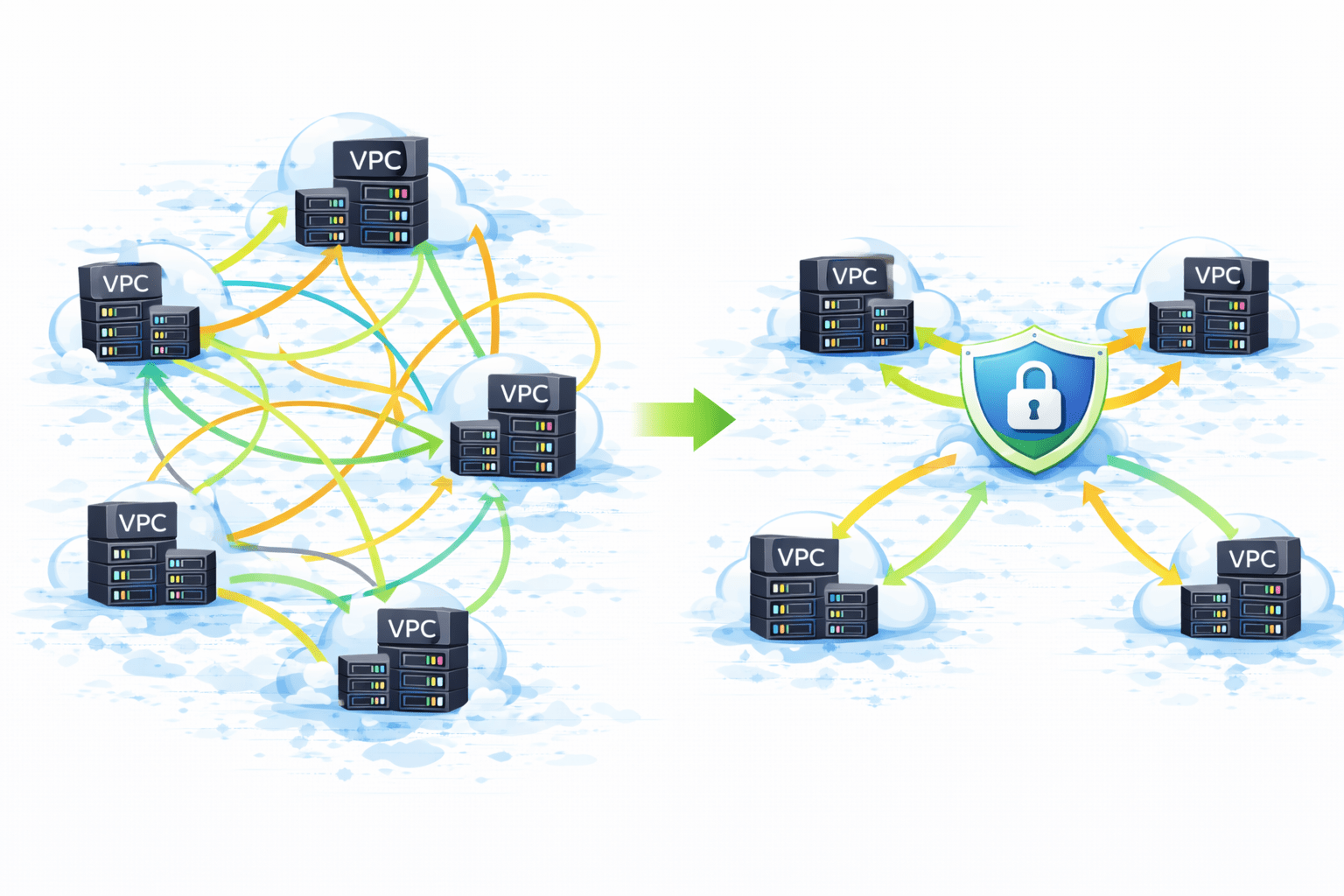
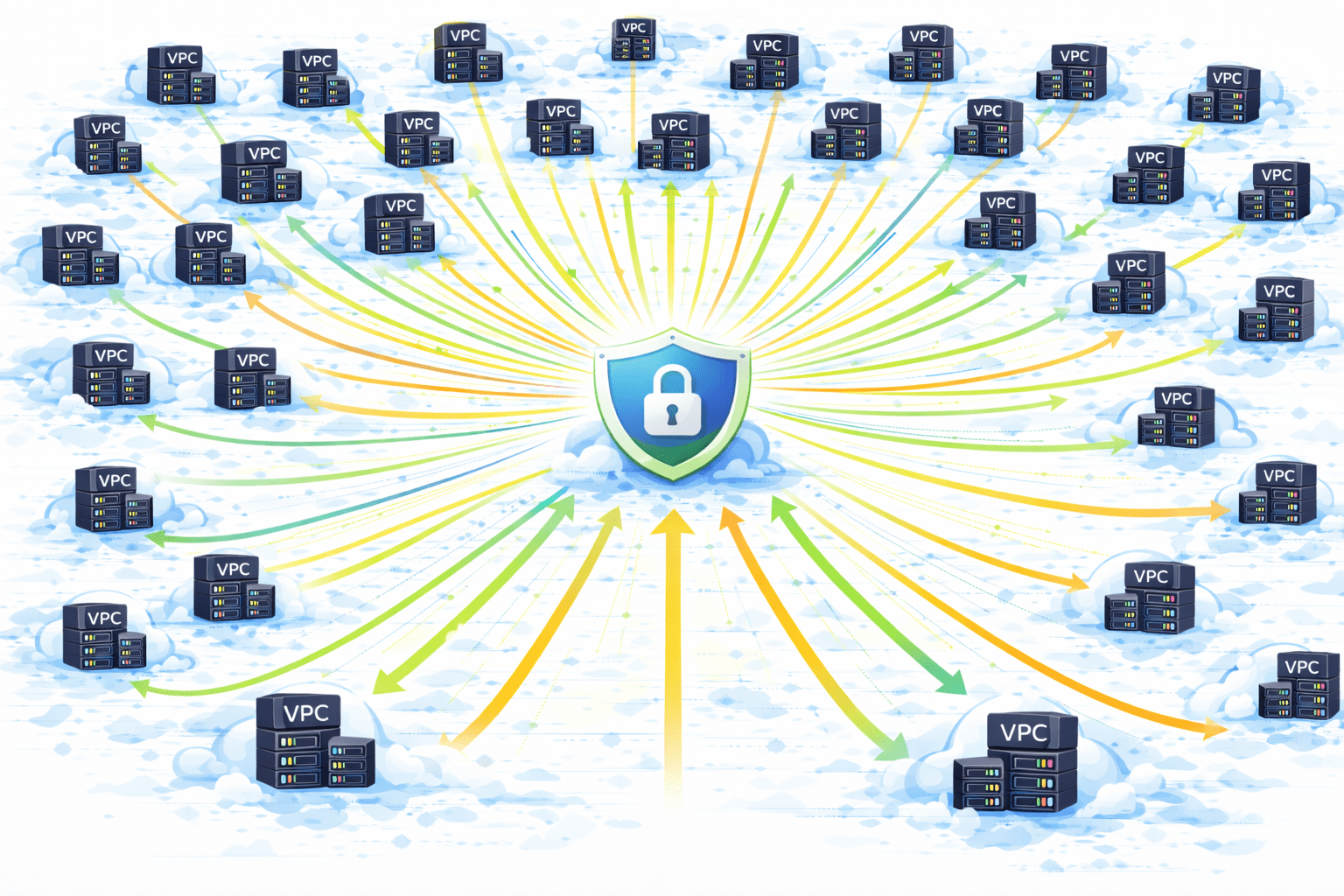
Central hub for connecting multiple VPCs
Simplifies complex network architectures
Scales to thousands of connections
Used instead of many VPC peerings
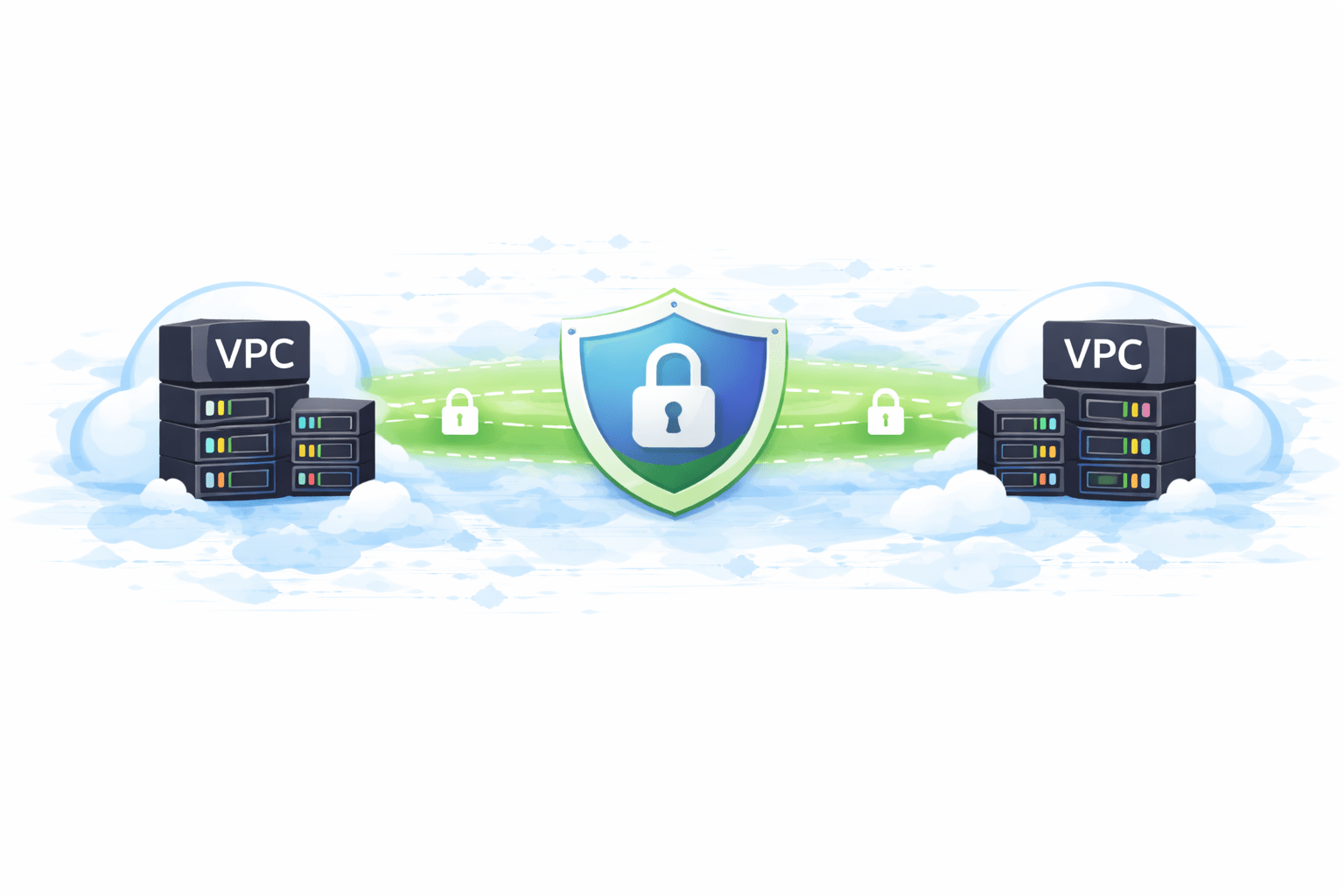
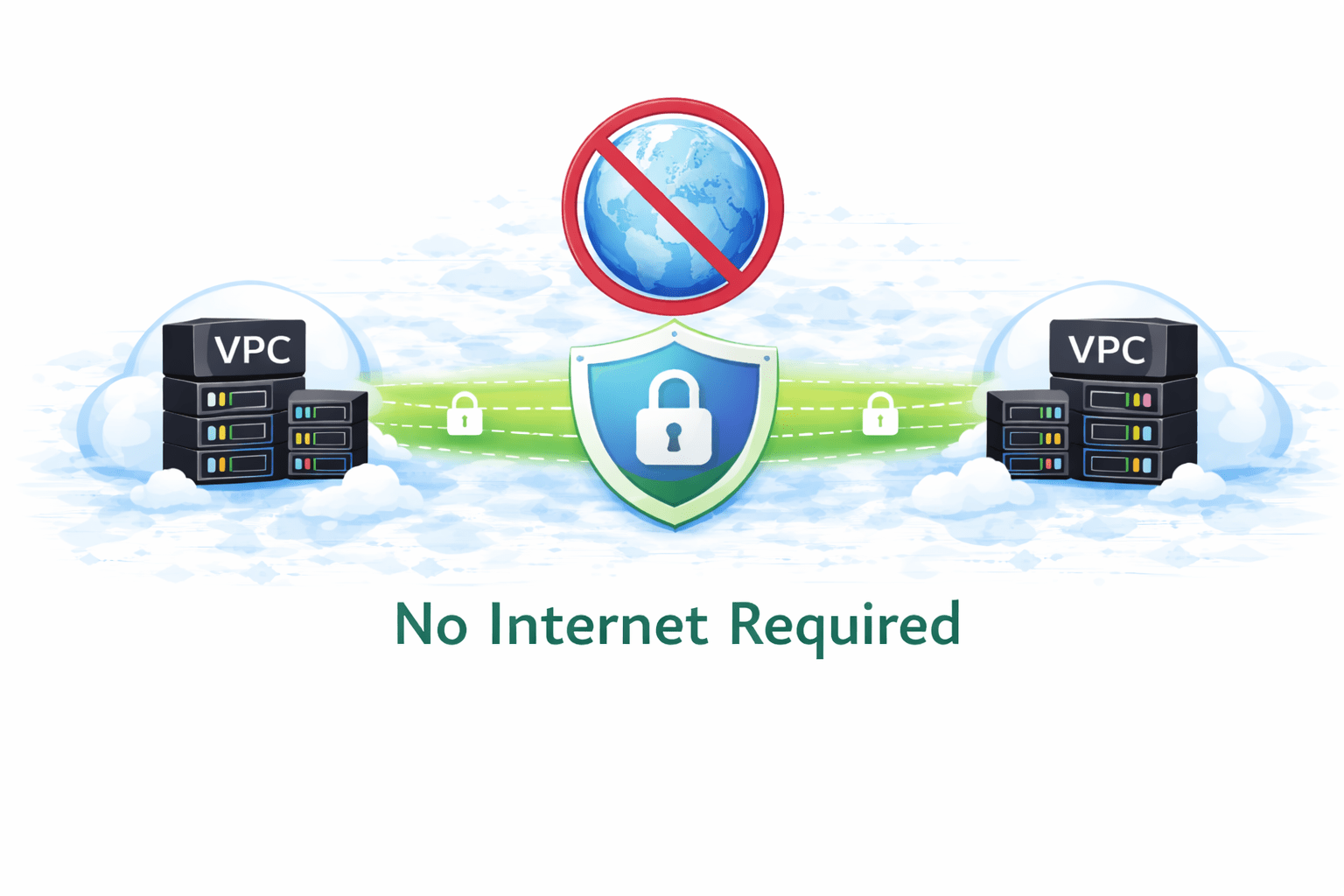
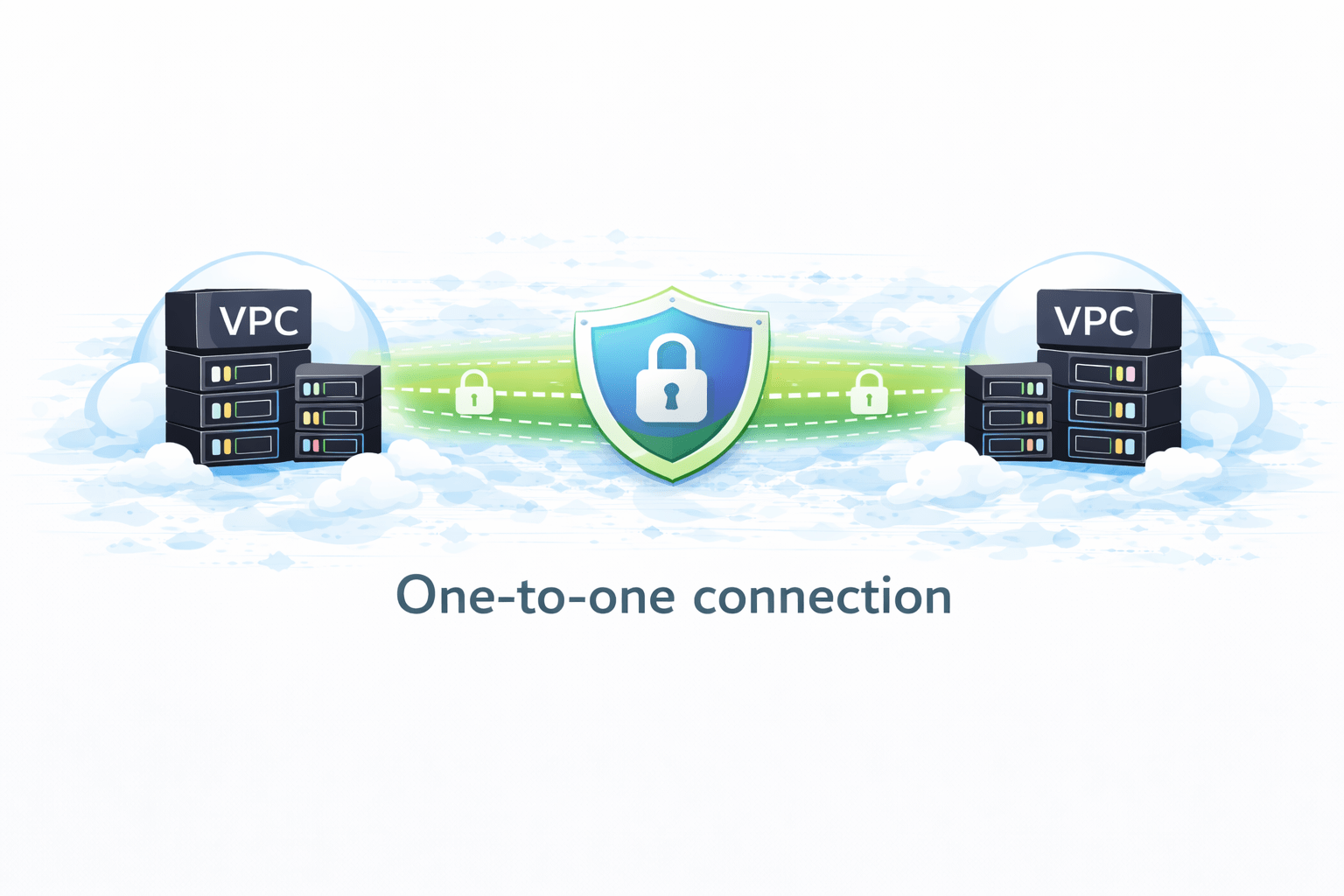
Connects two VPCs privately
Traffic stays on AWS network
No internet required
One-to-one connection
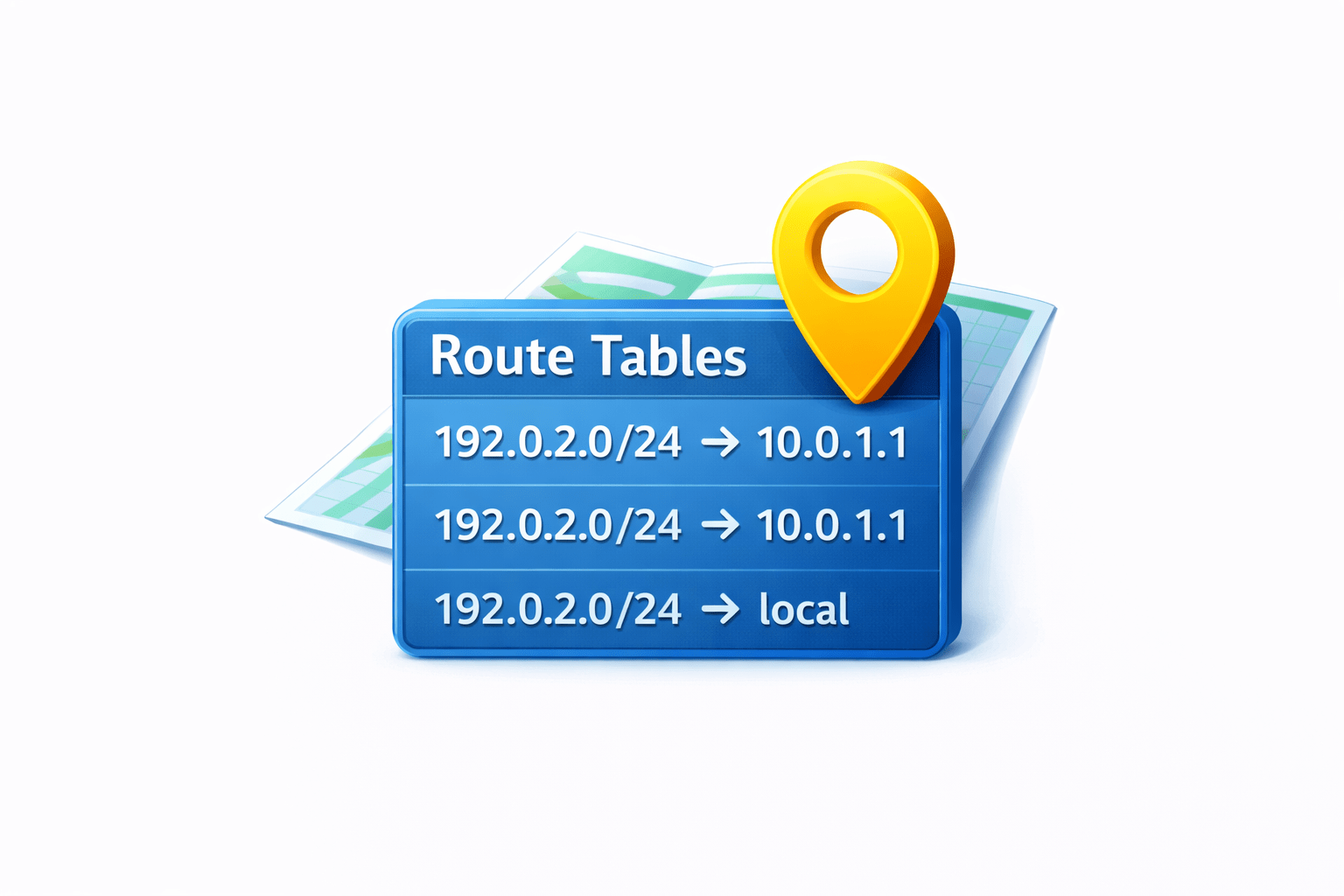
Each subnet must be associated with a route table
Route tables define:
Where network traffic should go
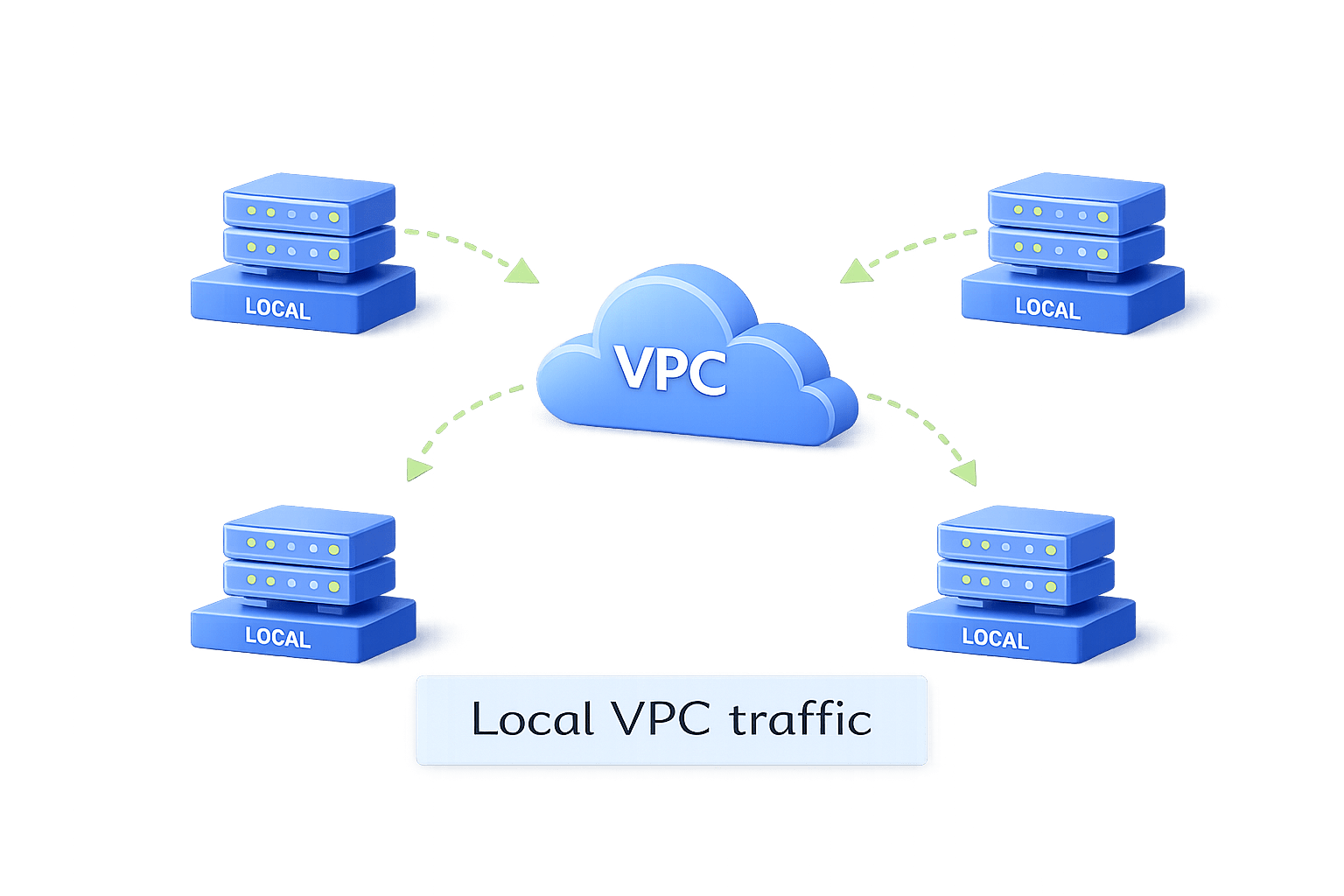
Common routes
Local VPC traffic
Internet traffic
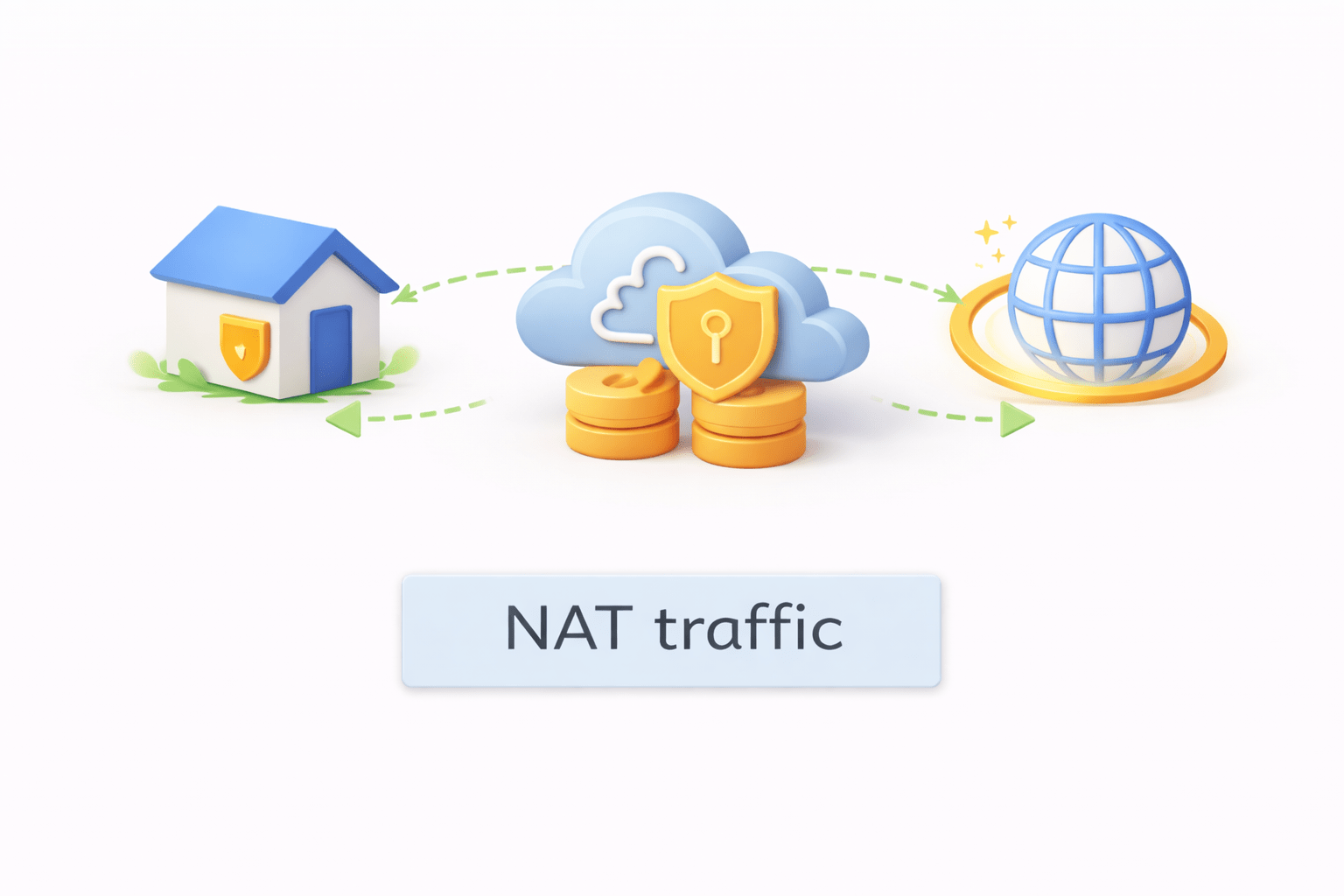
NAT traffic
Acts at instance level
Works at subnet level
Primary security for EC2
Secondary layer of security
Return traffic must be explicitly allowed
Allow and deny rules
Return traffic is automatically allowed
Only allow rules
4
Security Groups and NACLs secure the network
3
VPC provides isolated cloud networking
2
CIDR defines IP ranges
1
Networking enables communication
Quiz
Which AWS component allows private subnet resources to access the internet without being exposed?
A. Internet Gateway
B. Security Group
C. NAT Gateway
D.Route Table
Quiz-Answer
Which AWS component allows private subnet resources to access the internet without being exposed?
A. Internet Gateway
B. Security Group
C. NAT Gateway
D.Route Table
By Content ITV