



Content ITV PRO
This is Itvedant Content department
Learning Outcome
5
Identify and manage settlement risks.
4
Understand the T+1 settlement cycle.
3
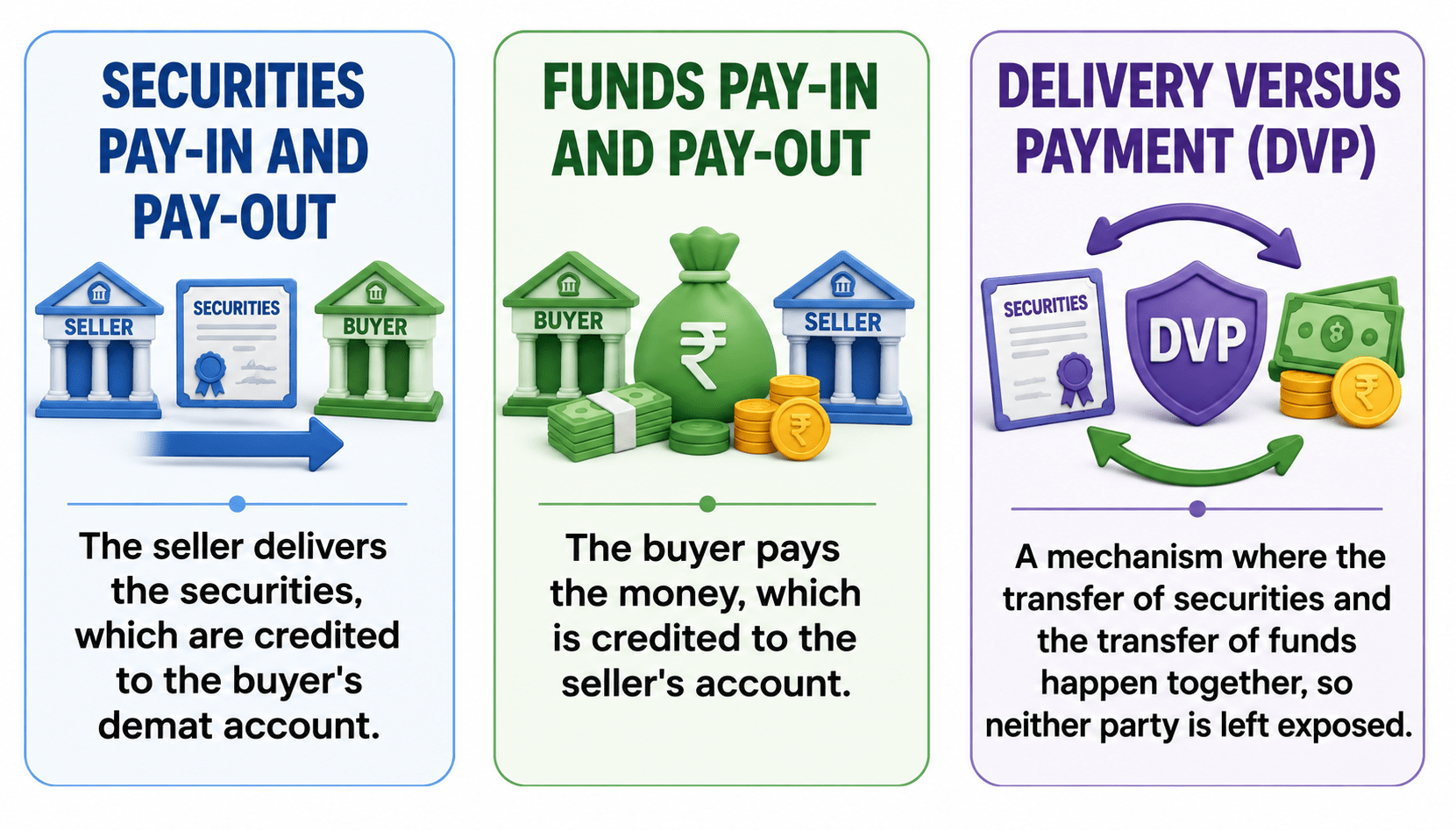
Explain Delivery versus Payment (DVP).
2
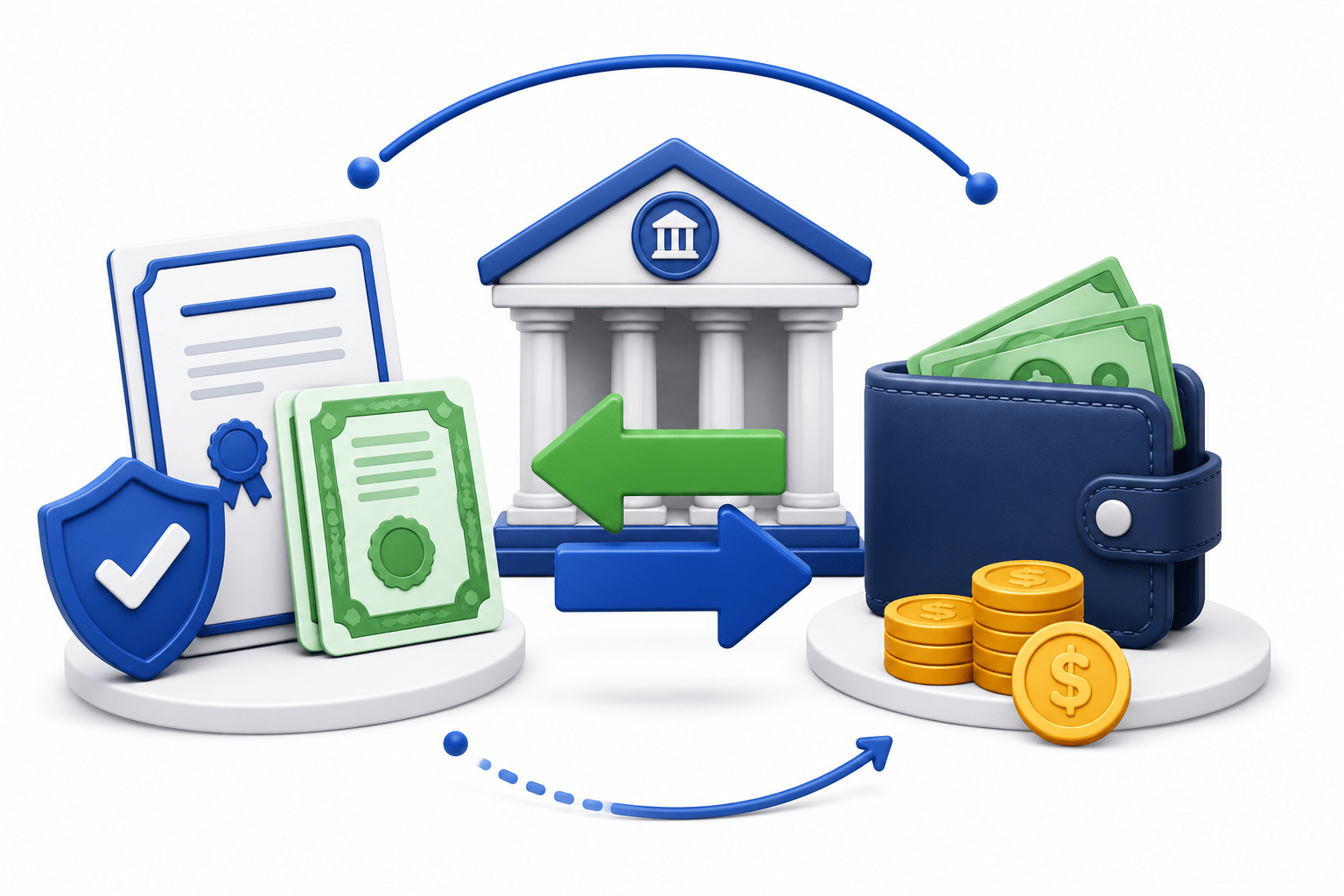
Understand securities and fund exchange.
1
Define settlement and its role.
What is Settlement?
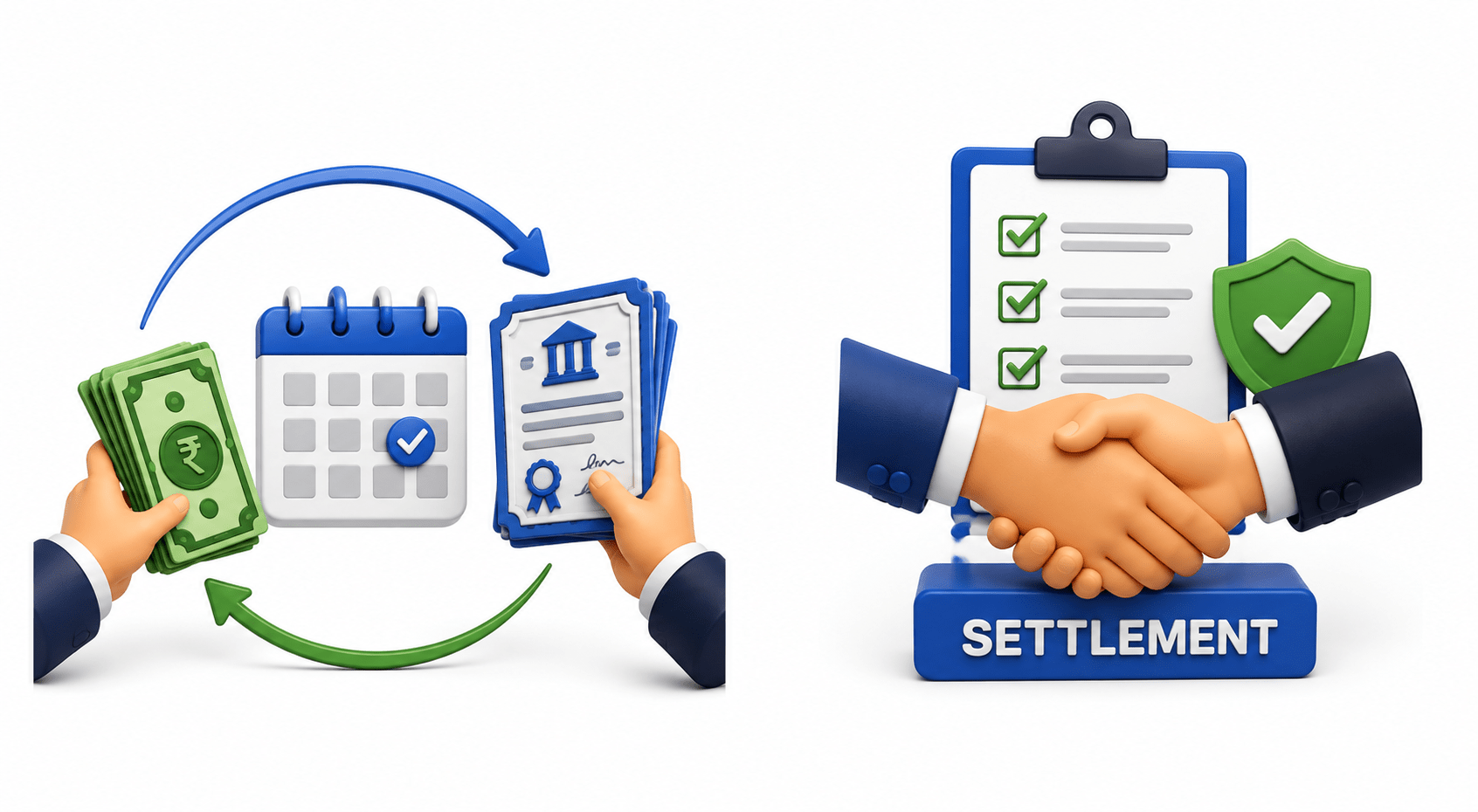
Settlement: The final step in the trade life cycle, where securities and cash are actually exchanged between the buyer and the seller, on the agreed settlement date.
Comes after confirmation: Settlement takes place only once both counterparties have confirmed and agreed on the trade details.
What Gets Exchanged
Settlement Cycle in India
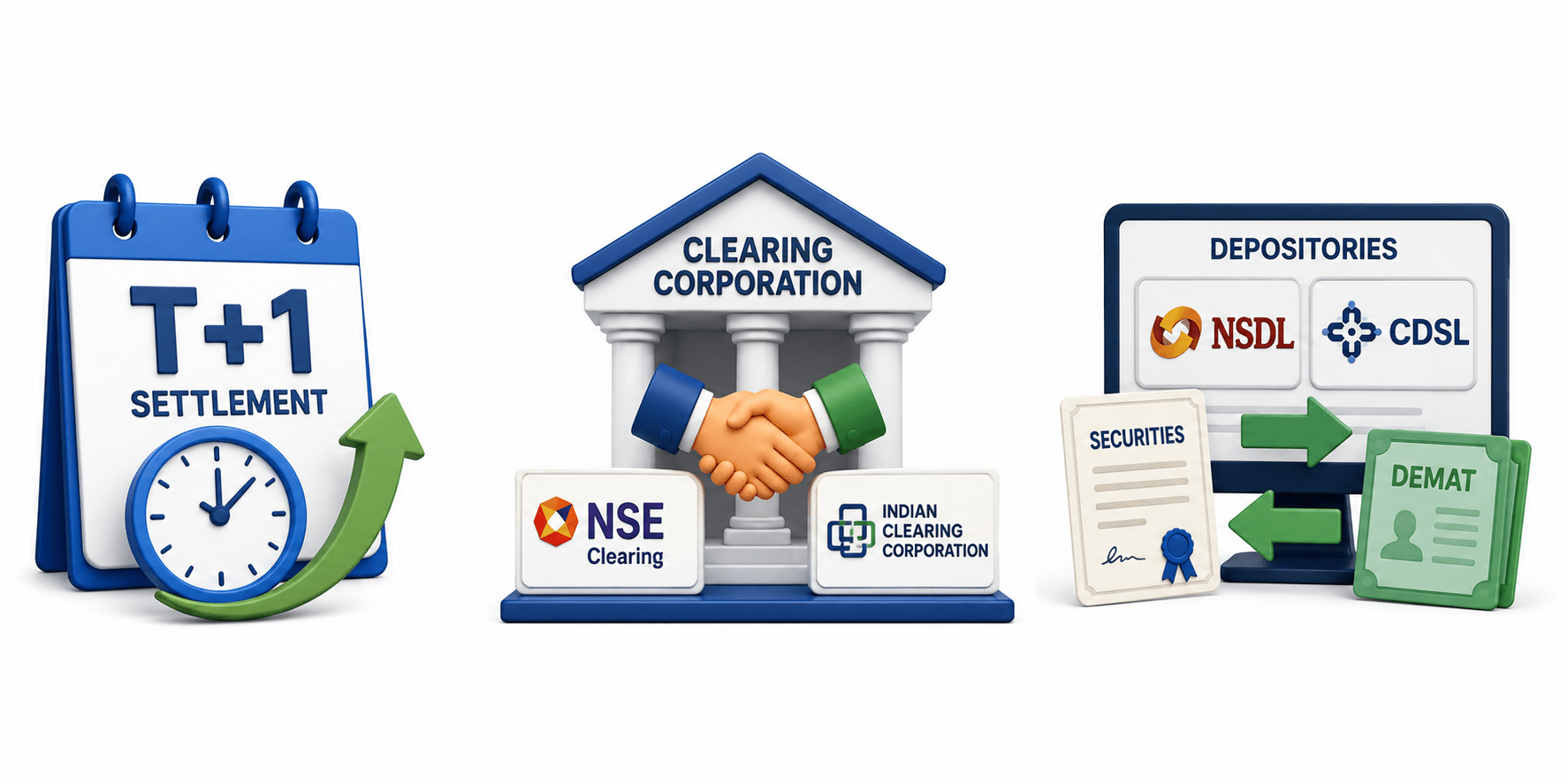
Clearing corporation:
Entities such as NSE Clearing and Indian Clearing Corporation guarantee and coordinate the settlement process between buyers and sellers.
T+1 settlement:
In the Indian equity market, settlement is completed one working day after the trade date (T being the trade date).
Settlement Cycle in India
Depositories:
NSDL and CDSL hold securities in electronic (demat) form and enable their transfer between accounts at the time of settlement.
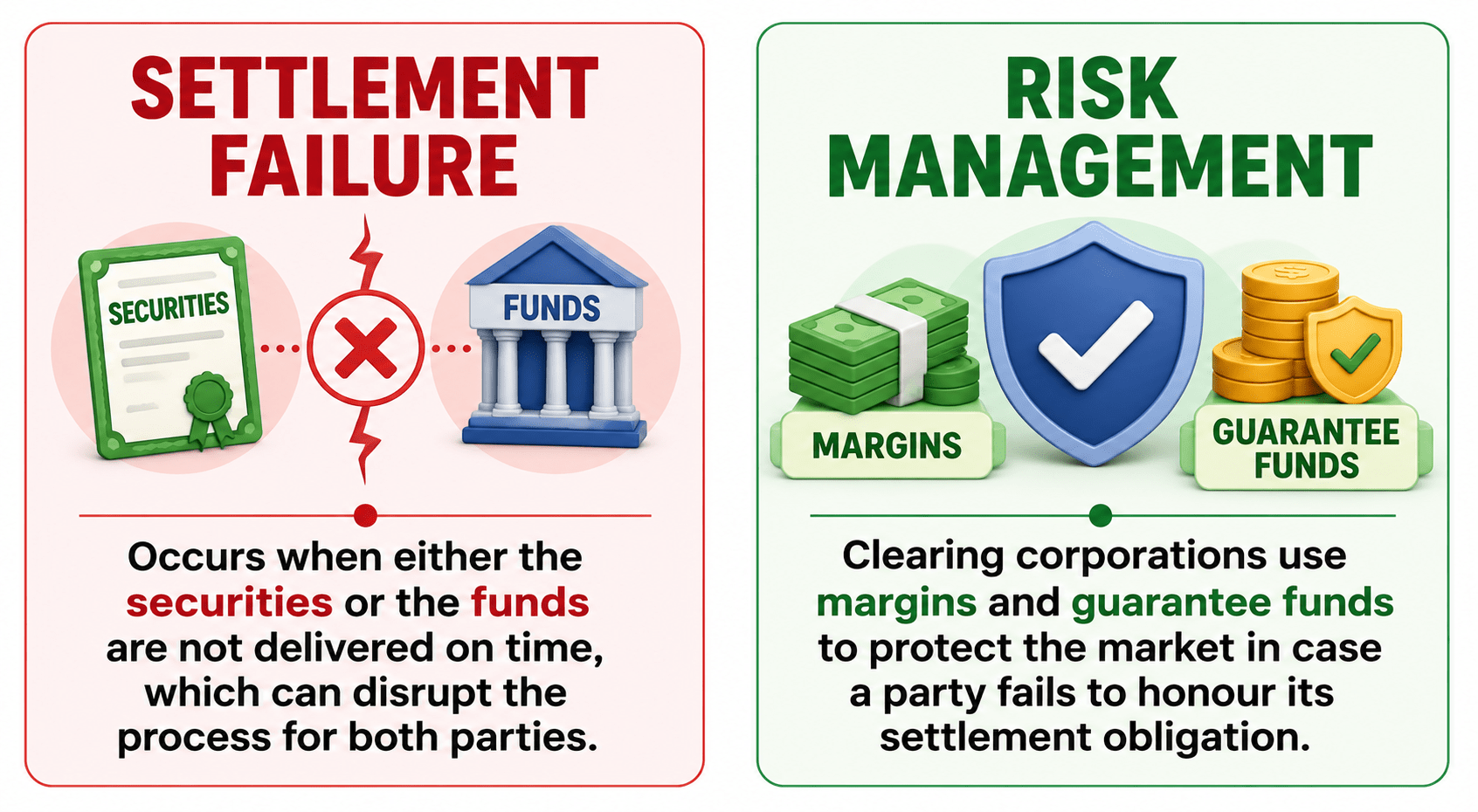
Settlement Risk
Summary
5
Clearing and depositories ensure secure settlement.
4
Indian equities follow T+1 settlement.
3
Seller delivers securities; buyer pays funds.
2
It occurs after trade confirmation.
1
Settlement exchanges securities and funds.
Quiz
What is the primary purpose of settlement in the trade lifecycle?
A. To execute the trade
B. To confirm trade details
C. To exchange securities & funds between counterparties
D. To calculate brokerage charges
Quiz-Answer
What is the primary purpose of settlement in the trade lifecycle?
A. To execute the trade
B. To confirm trade details
C. To exchange securities & funds between counterparties
D. To calculate brokerage charges
By Content ITV