












Content ITV PRO
This is Itvedant Content department
Learning Outcome
6
Follow legal and compliance rules
5
Manage payouts and affiliates
4
Understand tracking and attribution basics
3
Create effective commission structures
2
Identify popular affiliate platforms
1
Understand affiliate marketing and how it works
The College Food Promoter
Imagine a student named Rahul
Rahul loves a restaurant called Urban Tadka. He keeps recommending it to his friends.
The College Food Promoter
One day, the restaurant owner tells Rahul:
The College Food Promoter
Now:
His friends order food
The restaurant gets more customers
Rahul earns money
Rahul becomes an Affiliate Marketer
Rahul shares his special link/code in his WhatsApp groups and Instagram.
Key Insight for Students:
“Affiliate marketing is just digital word-of-mouth with tracking and rewards.”
Food Promoter to Affiliate Marketing
Affiliate Marketing is like a Sales Army without salaries.”
No result = No cost
More results = More growth
This makes affiliate marketing:
✔ Low risk
✔ Performance-driven
✔ Highly scalable
Instead of hiring full-time salespeople:
What is Affiliate Marketing?
You only pay for actual results, not effort
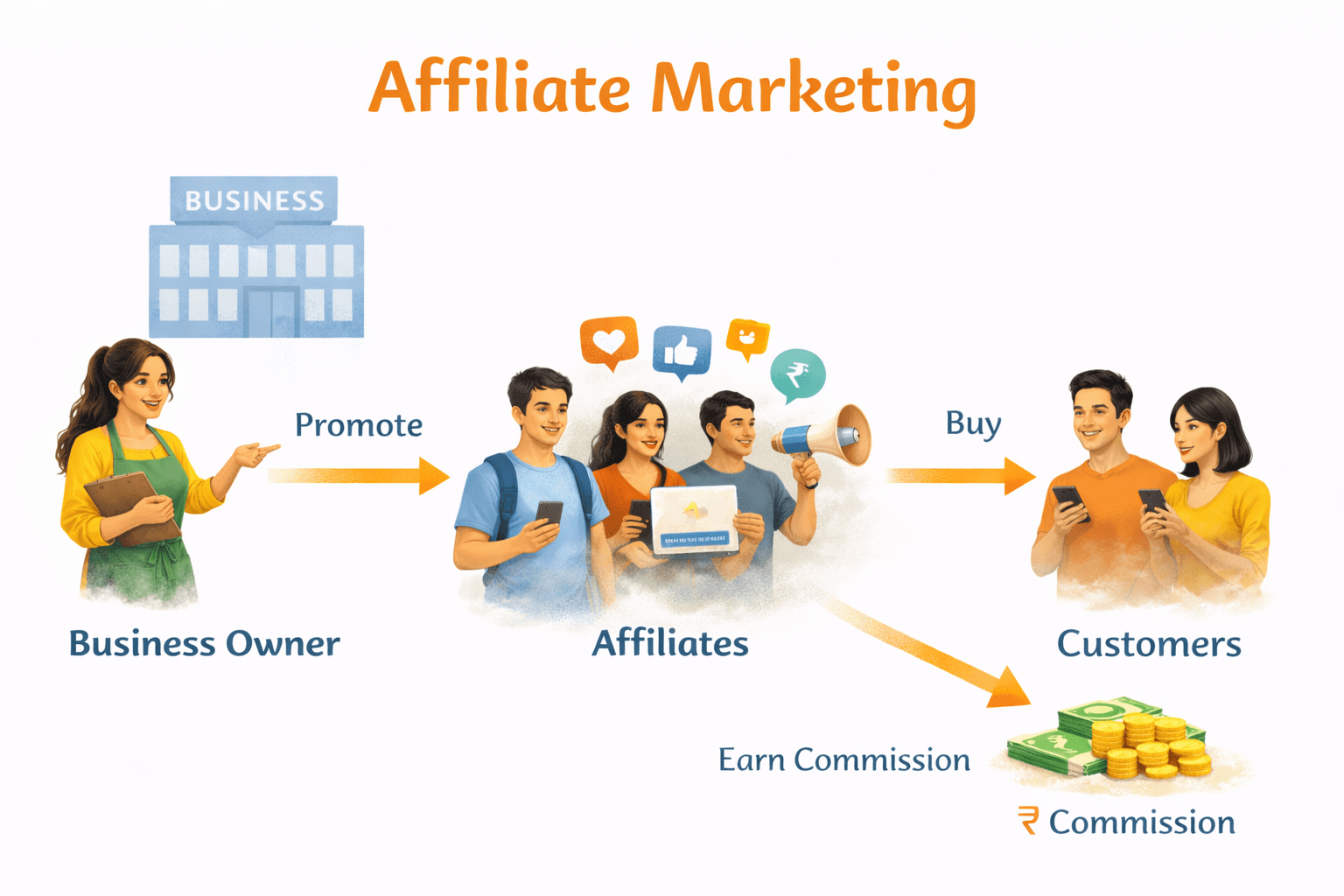
Affiliate marketing is a performance-based marketing strategy where businesses partner with individuals (affiliates) who promote their products or services, and earn a commission for every sale, lead, or action generated through their referral.
How Affiliate Marketing Works
1. Create Tracking System
Unique links or referral codes are generated
Each affiliate gets a unique identity
Helps track who brought the customer
2. Affiliate Promotion
Social media (Instagram, YouTube)
Blogs or websites
WhatsApp / communities
Goal: Drive traffic to your product
How Affiliate Marketing Works
3. Customer Action
User clicks the link
Visits website
Makes a purchase or signs up
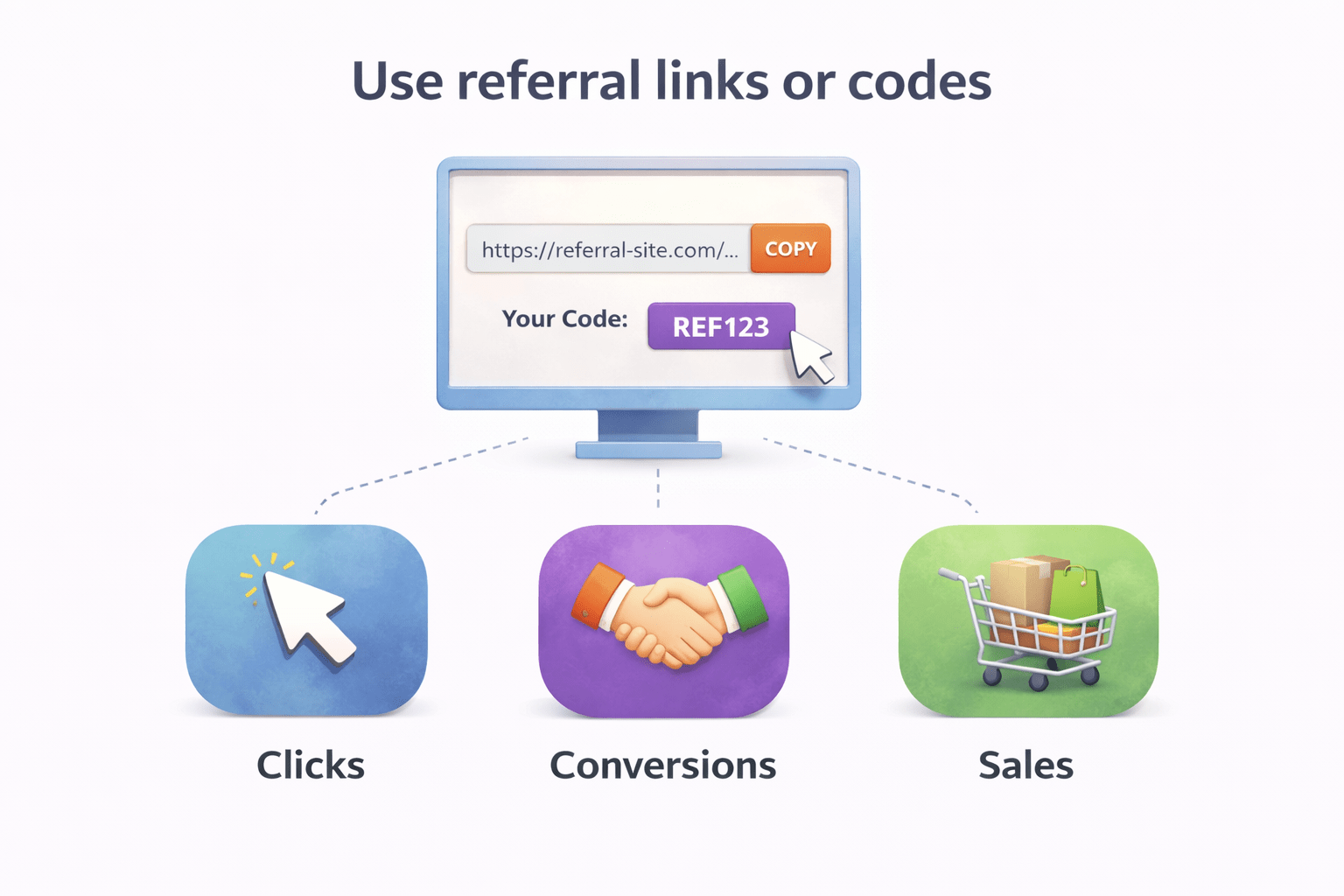
4. Conversion Tracking
System records:
Clicks
Conversions
Sales value
Ensures correct attribution
5. Commission Payout
Affiliate earns:
Fixed amount OR
% of sale
Ensures correct attribution
Why Businesses Use Affiliate Marketing
Low risk (pay only for results)
Scalable growth (many affiliates)
Cost-effective customer acquisition
Expands brand reach organically
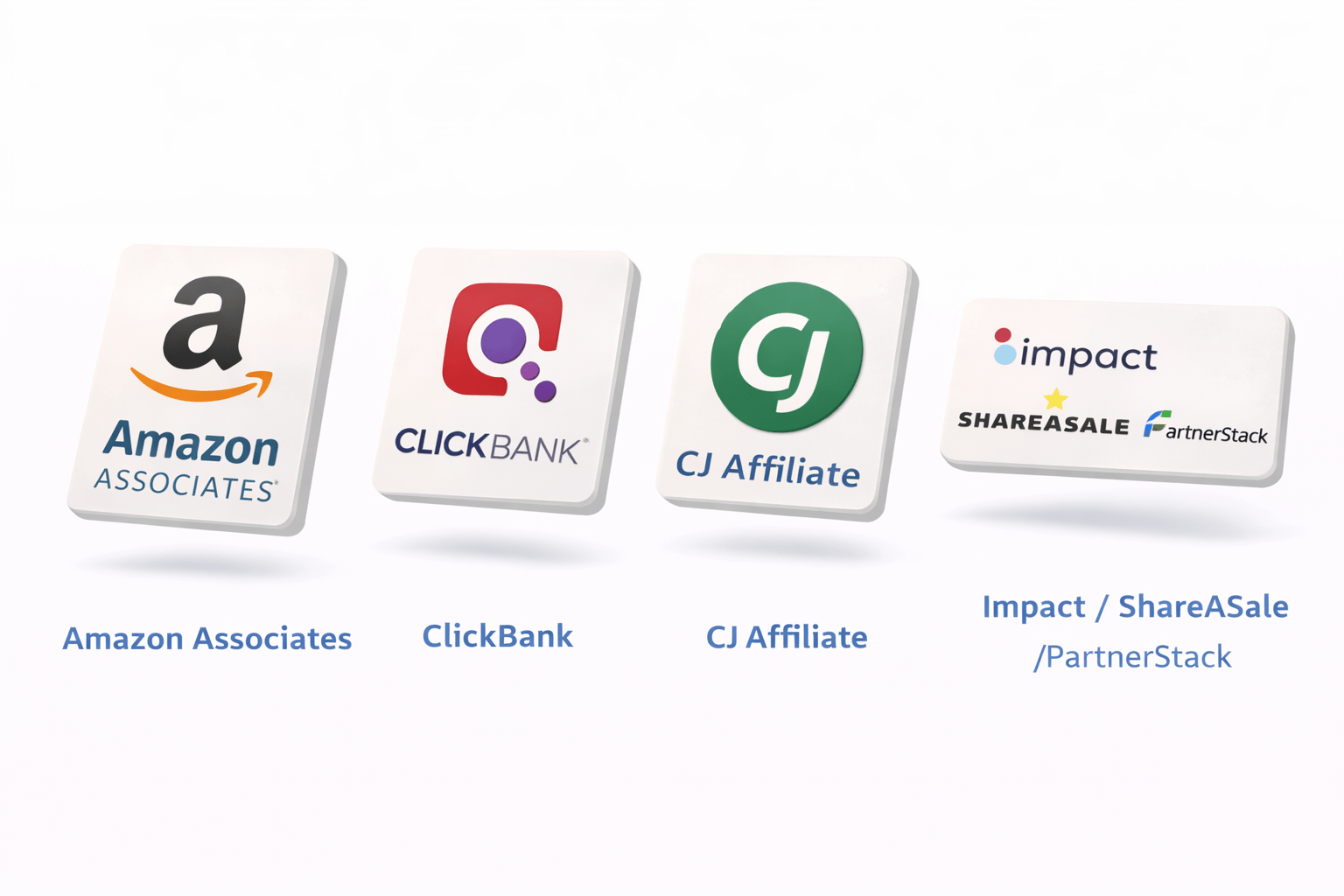
Popular Affiliate Platforms
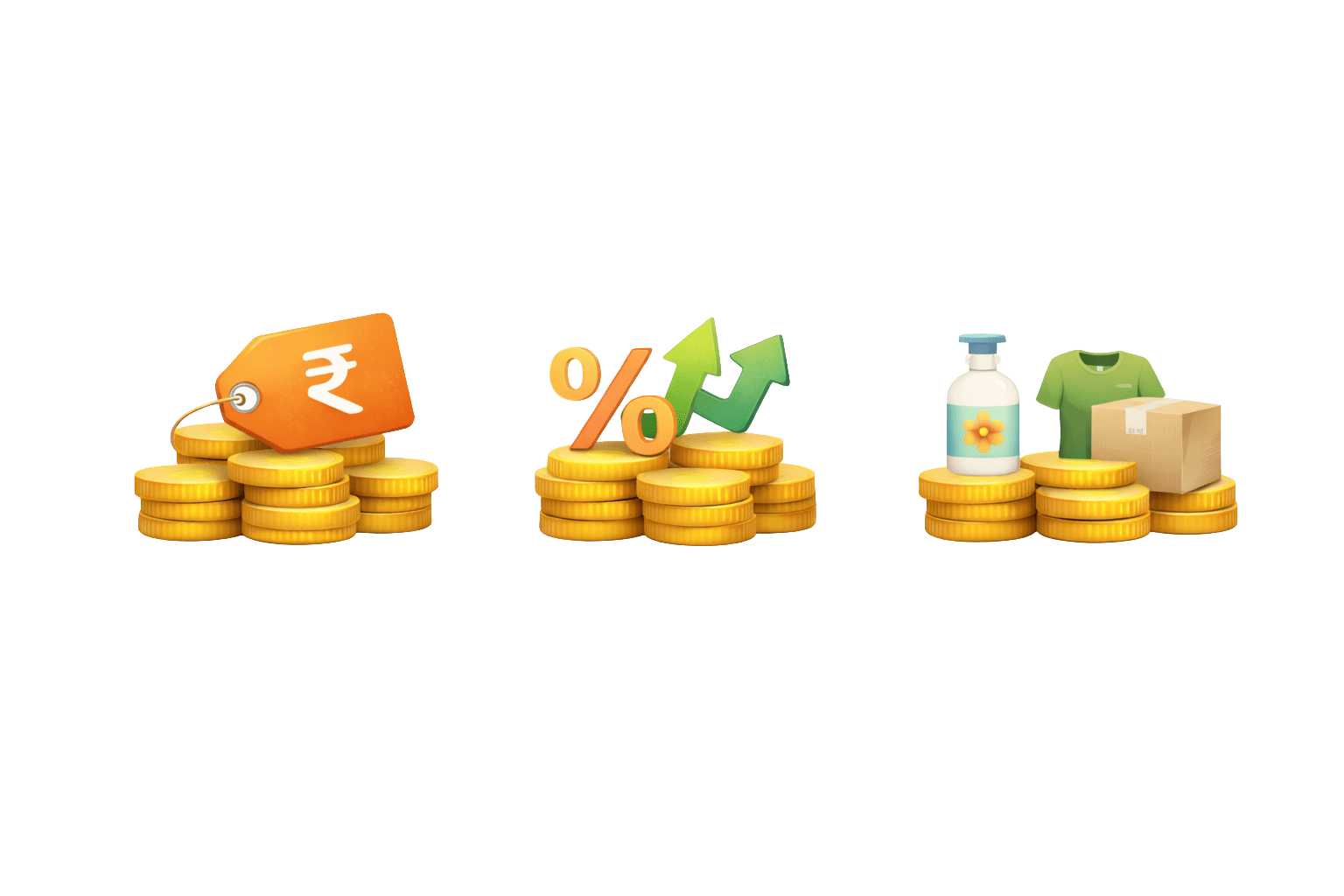
Commission Structure
Types
Flat fee
(₹ per sale)
Percentage-based
(e.g., 10%)
Variable
(e.g., 10%)
Best Practices
Keep it competitive
Reward top performers
Maintain transparency
Tracking Basics
Use referral links or codes
Track:
Payout Management
Track affiliate performance
Set payout threshold (e.g., ₹1000)
Ensure timely payments
Provide clear reports
Trust = consistent and transparent payouts
Compliance & Legal Basics
Mandatory disclosure
Follow platform guidelines
Avoid misleading promotions
Transparency builds long-term credibility
Summary
5
Manage payouts and follow compliance
4
Create clear commission structures
3
Use tracking links to measure performance
2
You pay only when results happen
1
Affiliate marketing is performance-based
Quiz
What is the main benefit of affiliate marketing for businesses?
A. Fixed cost marketing
B. No marketing needed
C. Pay only for performance
D. High upfront investment
Quiz-Answer
What is the main benefit of affiliate marketing for businesses?
A. Fixed cost marketing
B. No marketing needed
C. Pay only for performance
D. High upfront investment
Quiz-Answer
Which platform is mainly used for professional networking and B2B marketing ?
A. Facebook
B. Instagram
C. LinkedIn
D. Snapchat
By Content ITV