





Content ITV PRO
This is Itvedant Content department
The Spiral Model was introduced in 1986 by Barry Boehm
He presented it as an improvement over traditional models like the Waterfall model.
At that time, many large software projects were failing because:
Risks were not identified early
Costs increased unexpectedly
Requirements changed during development
So, Barry Boehm proposed a risk-focused development approach.
To solve problems like:
High project risk
High defect cost
Risk in critical systems
Unclear requirements
Defence Project
Defence Project
Defence Project
Defence Project
The main purpose is:
To manage risks effectively
✔ To handle changing requirements
✔ To build large & complex systems safely
✔ To involve customers regularly
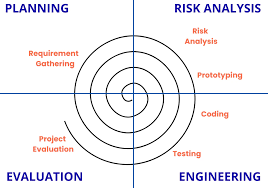
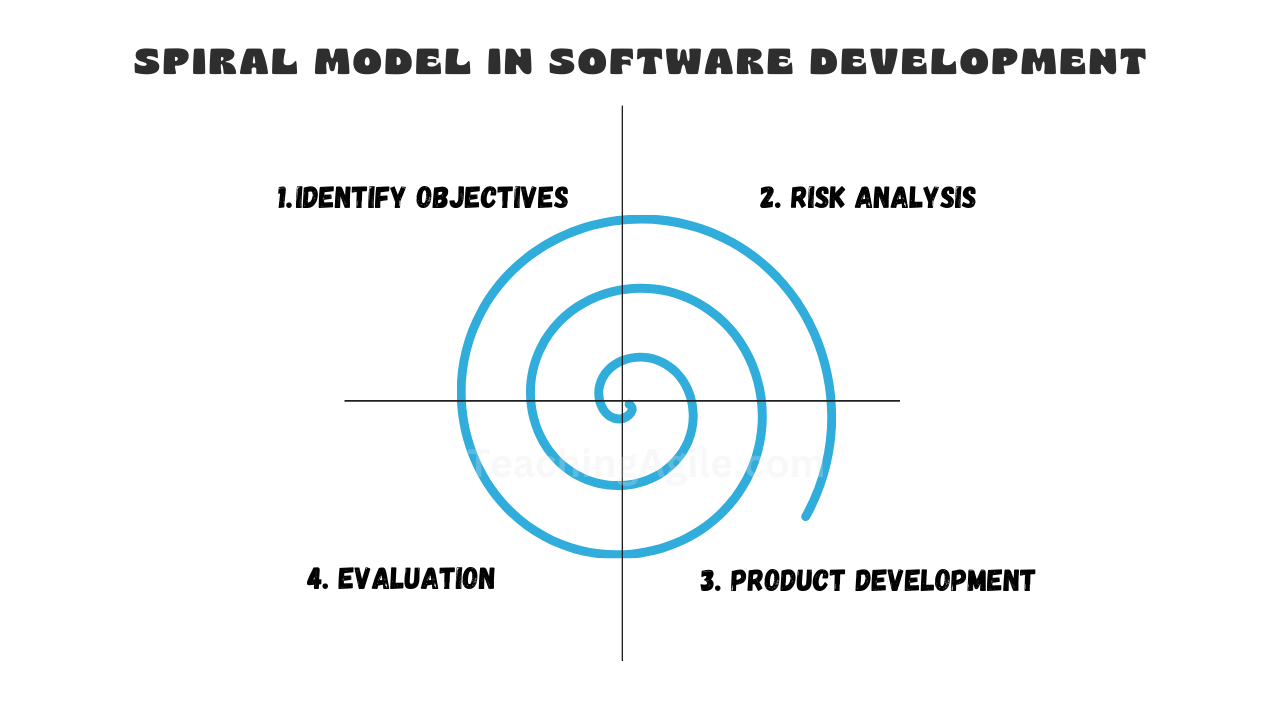
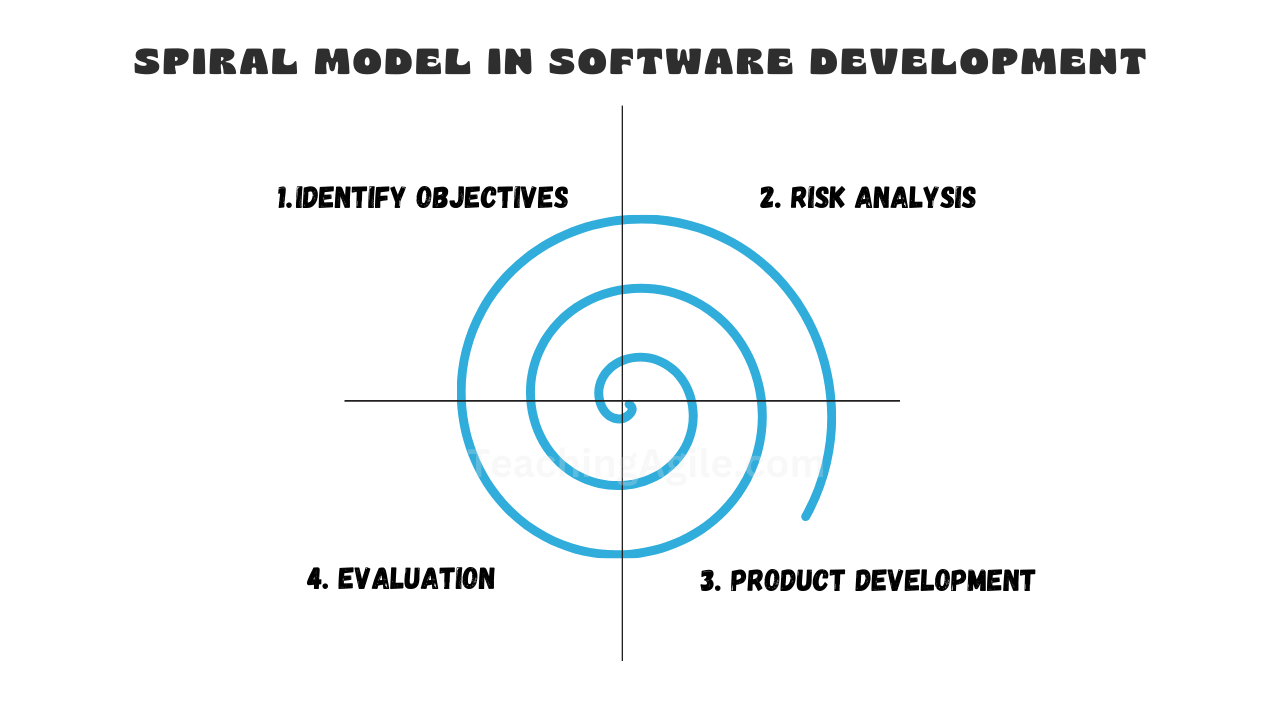
It focuses on Risk Management + Incremental Development.
Imagine developing Online Banking Software:
🔹 First Spiral:
Basic login system
Identify security risks
🔹 Second Spiral:
Add fund transfer feature
Analyze fraud risk
🔹 Third Spiral:
Add loan management
Evaluate performance risk
At every stage, risks are analyzed before moving forward.
✅ Early risk identification
✅ Flexible for requirement changes
✅ Suitable for large projects
✅ Continuous client feedback
❌ Expensive
❌ Complex to manage
❌ Not suitable for small projects
❌ Requires risk expertise
By Content ITV