





Content ITV PRO
This is Itvedant Content department
Jenkins CI/CD Environment Setup for CartForge Commerce
Business Scenario
At CartForge, with the cloud infrastructure now secured through VPC, subnets, and route tables, the platform was ready for the next major step—automation.
The manager discovered a growing challenge:
Manual deployment processes were slow, repetitive, and increased the risk of errors, making future updates inefficient for the development team.
He assigned the responsibility to the junior DevOps engineer.
After evaluating the workflow, the DevOps engineer proposed the best solution:
Set up a robust Jenkins CI/CD environment to automate build, test, and deployment pipelines for the CartForge Commerce application.
The DevOps engineer then explained the strategy to the team:
By implementing Jenkins automation, CartForge could achieve faster deployments, continuous integration, reduced manual effort, improved delivery consistency, and a scalable DevOps workflow for long-term growth.
Pre-Lab Preparation
In this lab, you will build a basic CI/CD environment for the CartForge application using Jenkins.
You will:
Understand how automated pipelines work using a real-world case study
Set up a Jenkins server
Configure a pipeline for CartForge
Execute an automated build
By the end of this lab, you will have a working CI/CD setup that automates basic tasks.
Task 1: Setup Jenkins Server
1
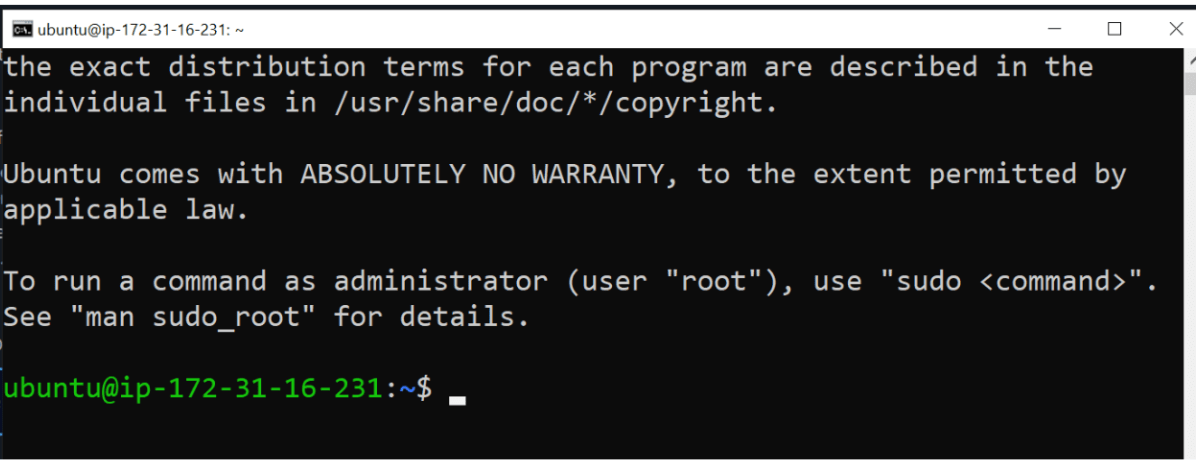
Connect to Your Server
ssh -i key.pem ubuntu@your-ipUpdate System
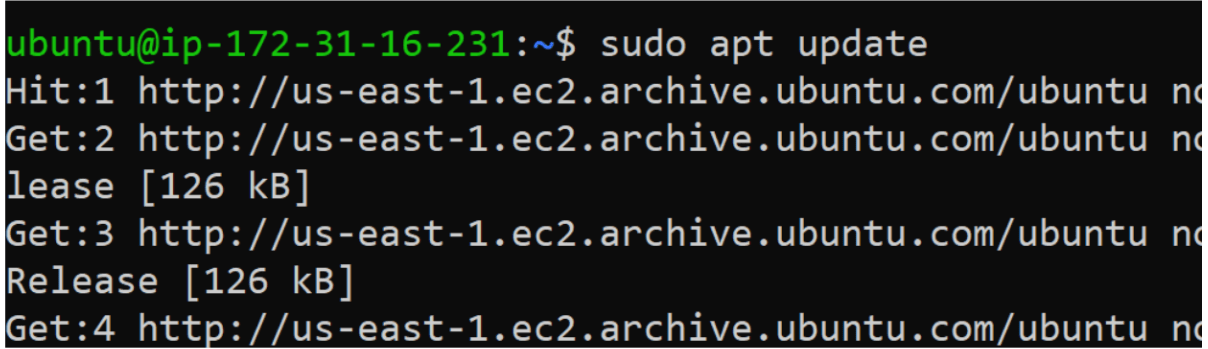
sudo apt update
sudo apt upgrade -y
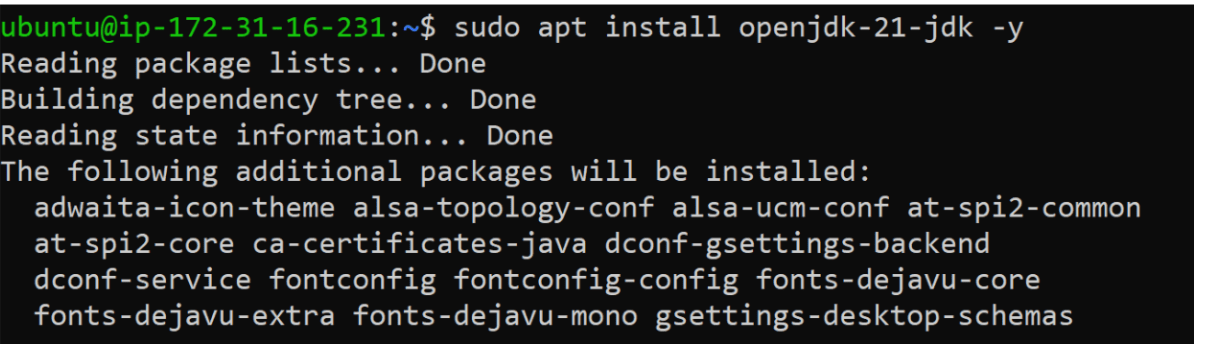
Install Java
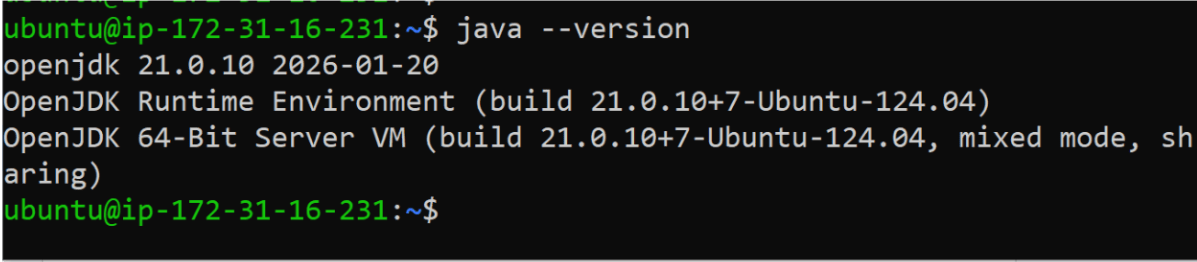
sudo apt install openjdk-21-jdk -yVerify Java
java -versionInstall Jenkins
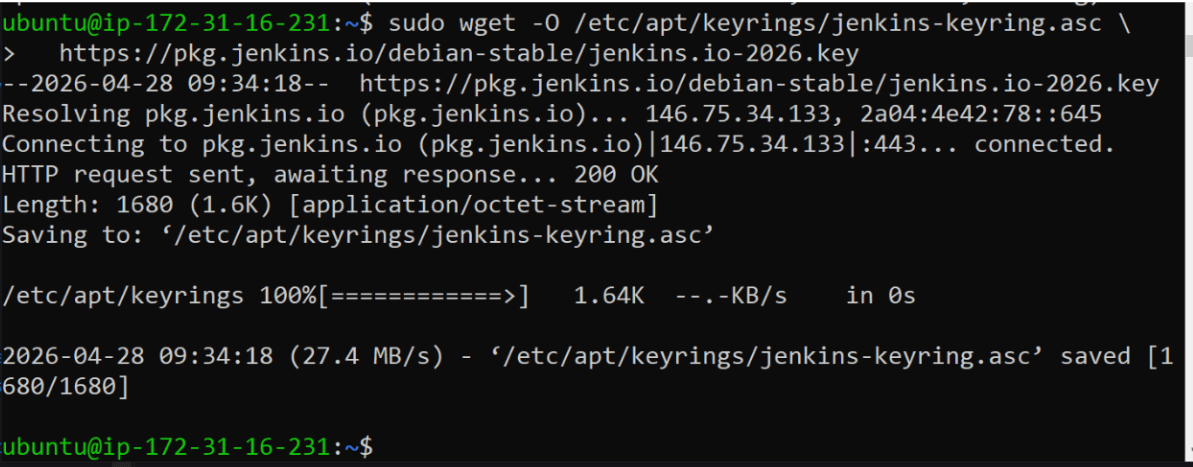
curl -fsSL https://pkg.jenkins.io/debian-stable/jenkins.io-2023.key | sudo tee \
/usr/share/keyrings/jenkins-keyring.asc > /dev/null
echo deb [signed-by=/usr/share/keyrings/jenkins-keyring.asc] \
https://pkg.jenkins.io/debian-stable binary/ | sudo tee \
/etc/apt/sources.list.d/jenkins.list > /dev/null
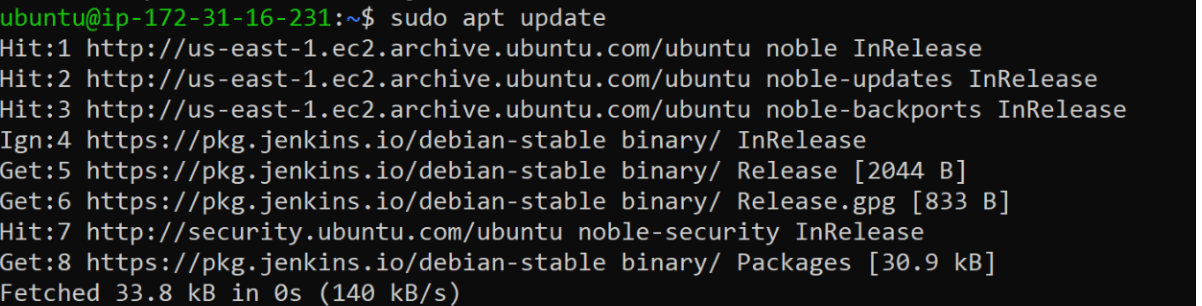
sudo apt update
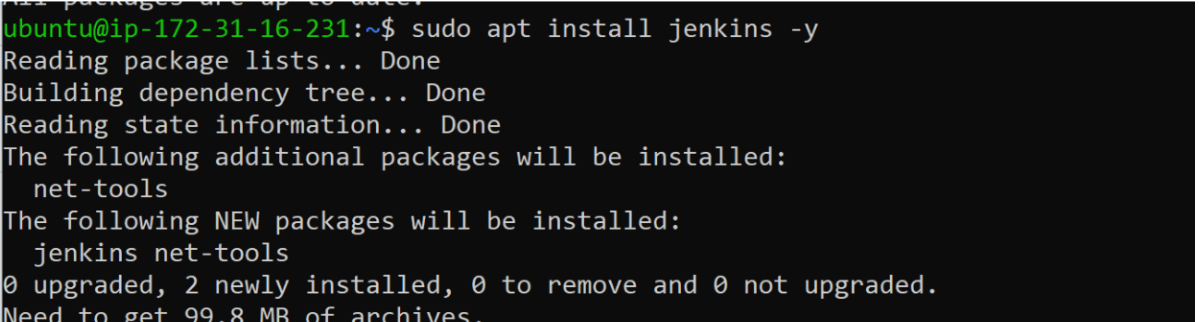
sudo apt install jenkins -yStart Jenkins
sudo systemctl start jenkins
sudo systemctl enable jenkins
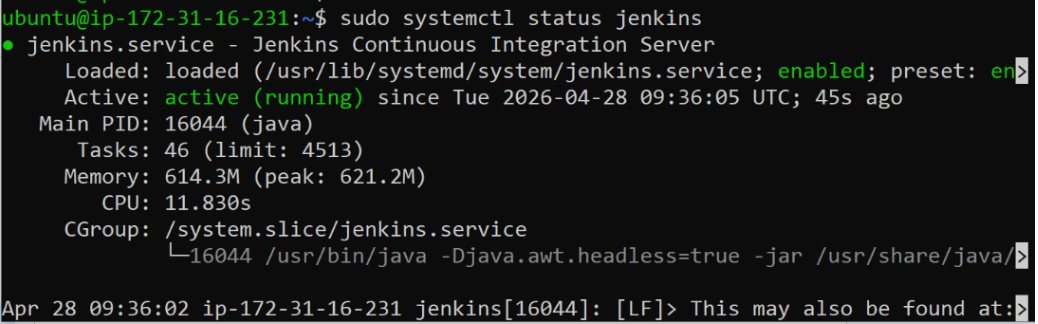
Check Status
sudo systemctl status jenkins
2
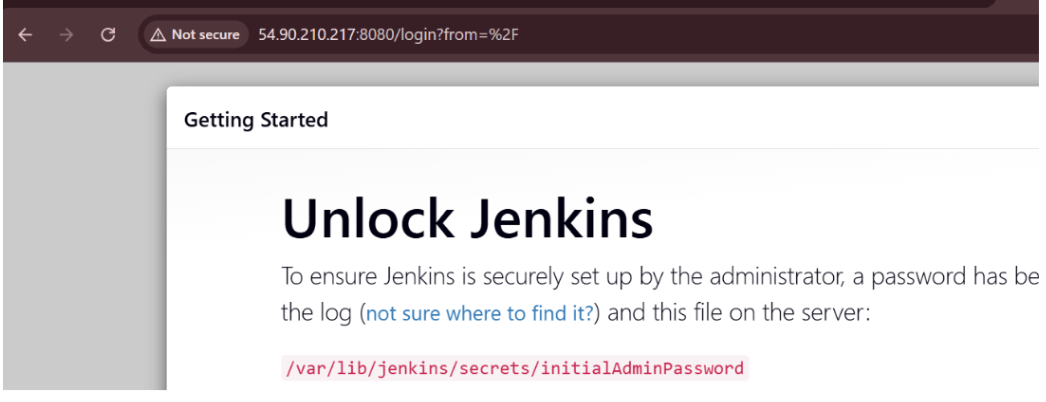
Open browser:http://your-public-ip:8080
Access Jenkins Dashboard
Get Initial Password
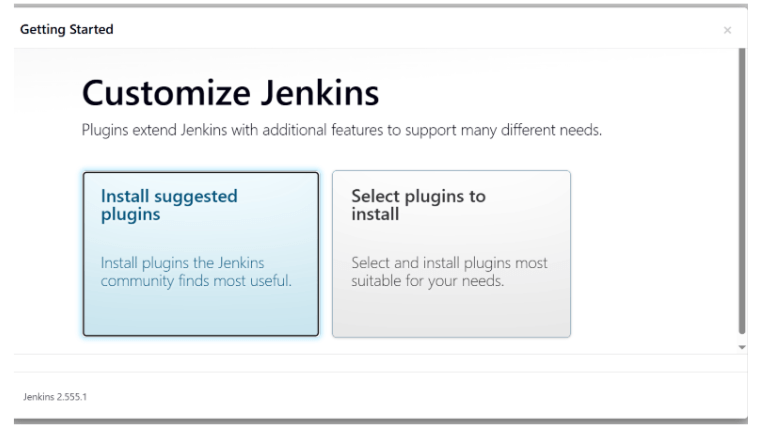
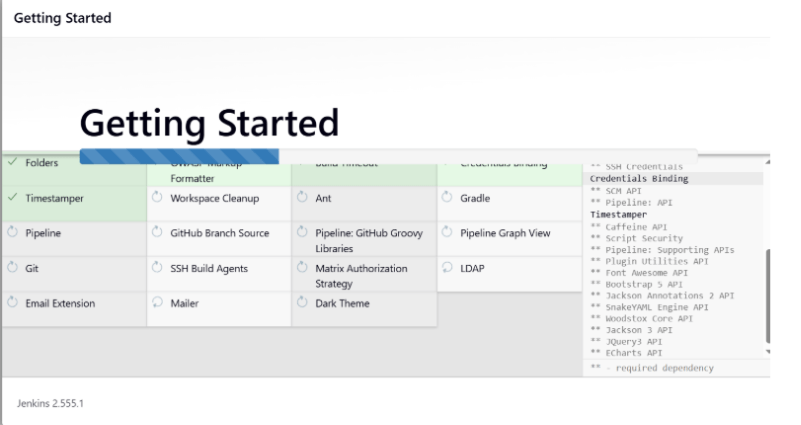
sudo cat /var/lib/jenkins/secrets/initialAdminPasswordInstall suggested plusing
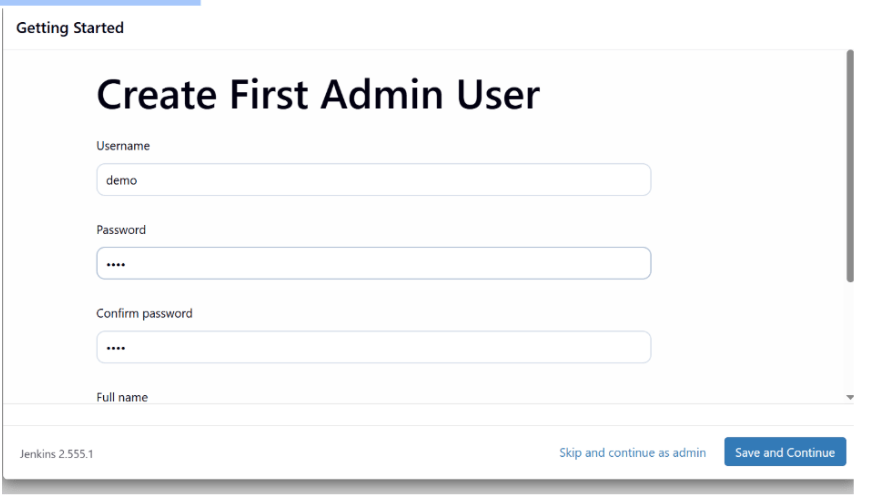
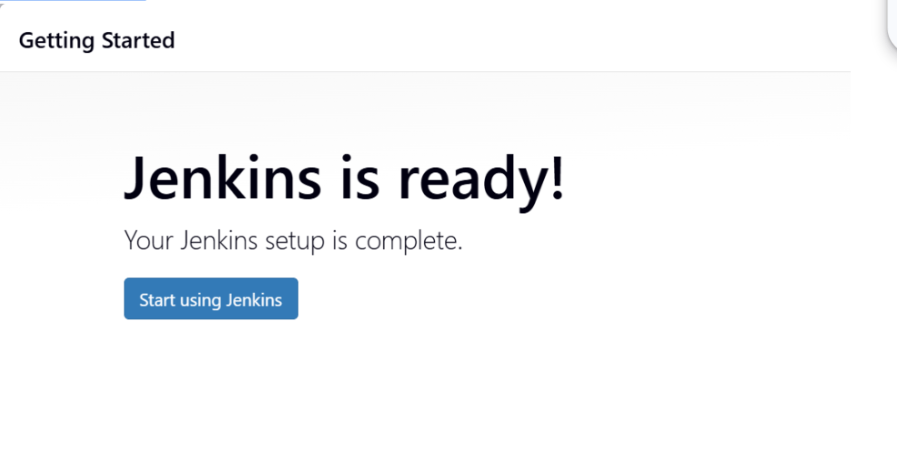
And here is the looks
Setup Jenkins
Paste password
Install suggested plugins
Create admin user
And its done!!
3
Configure CartForge CI/CD Environment
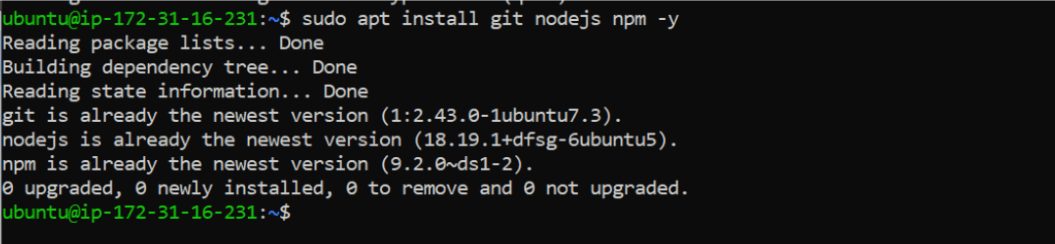
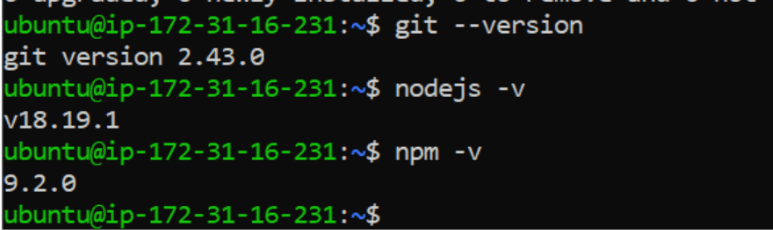
Install Required Tools
sudo apt install git -y
sudo apt install nodejs -y
sudo apt install npm -y
Verify Installation
git --version
node -v
npm -v
4
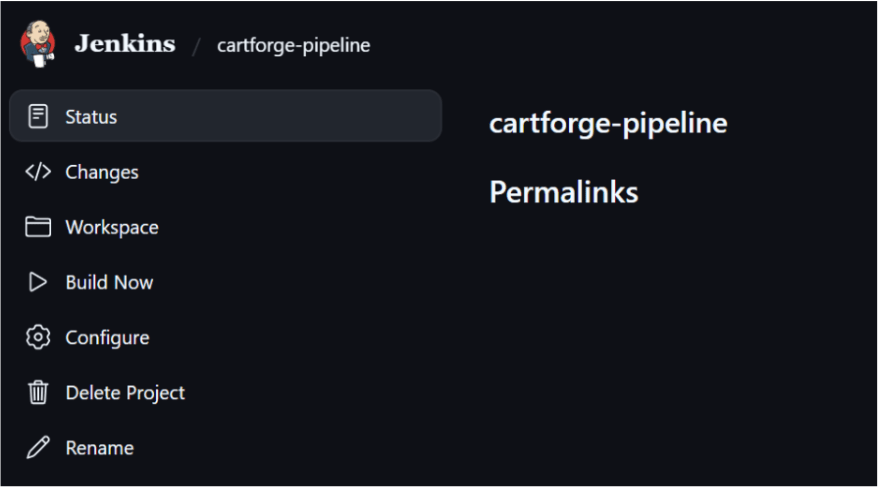
Create Jenkins Job
Steps in Jenkins UI
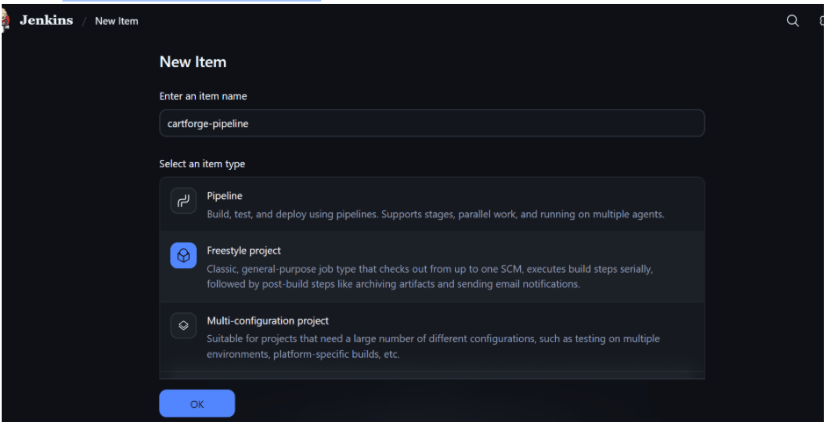
Click New Item
Enter name: cartforge-pipeline
Select Freestyle Project
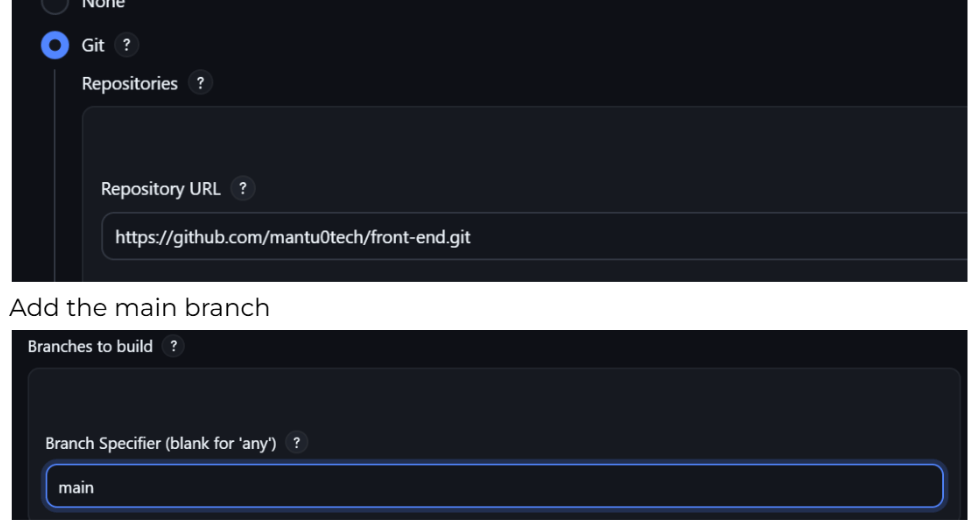
Configure Source Code
Select Git
Enter repository URL of CartForge
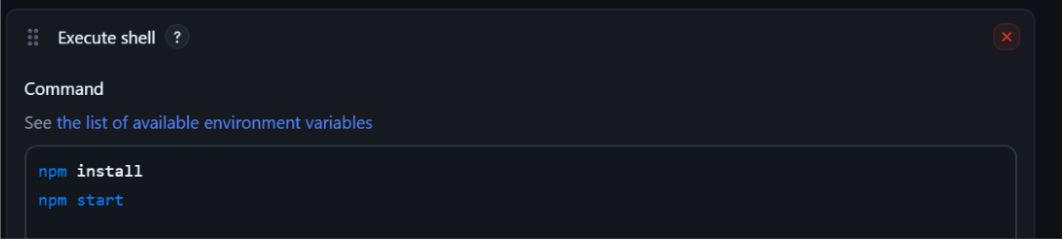
Add Build Step
5
Execute Automation
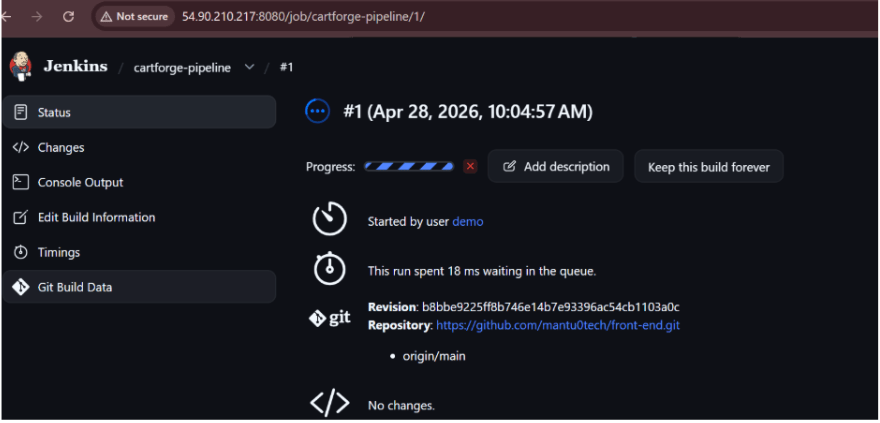
Run Job
Click Build Now
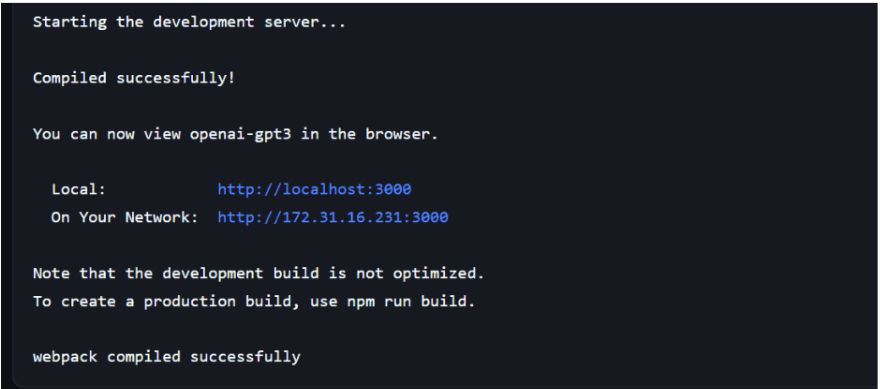
Observe Console Output
You will see:
Code is fetched from repository
Dependencies are installed
Build process runs
Validation
Check:
Build status is SUCCESS
No errors in console output
Great job!
Checkpoint
Next-Lab Preparation
Basic Jenkins setup and access
What is CI/CD pipeline
Basic Linux commands
SSH connectivity
What is a server and how services run
By Content ITV