Kailash Satyarthi
Who is Kailash Satyarthi?
- Born Kailash Sharma, January 11th 1953 in Vidisha Madhya Pradesh, India.
- Kailash Sharma took on the last name “Satyarthi,” which translates to “the seeker of truth.”
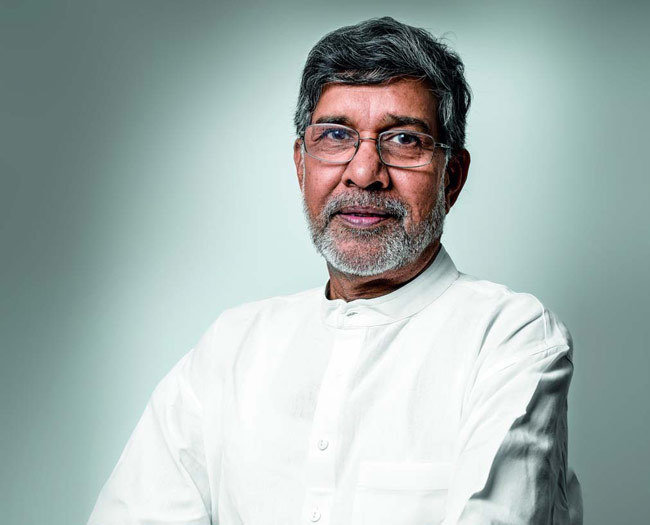
- Kailash was the youngest son of a middle-class family, his father a Police officer and mother an uneducated housewife.
- From a very young age, in the small town of Vidisha, he started his schooling.
- It was there in his early years of education where he became aware of the disparity among the people of his town.
Early Years
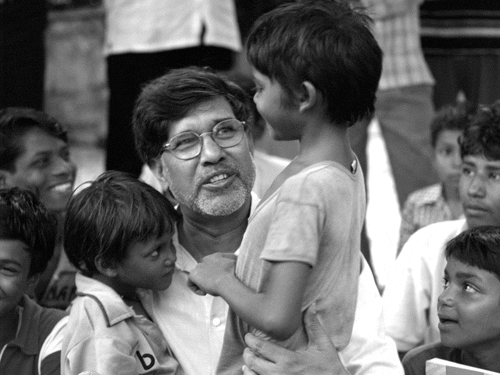
- Kailash bared witness to children his own age who would sit upon the steps of his school, awaiting the arrival of other children to polish their shoes.
- By age 11 he succeeded in organizing an initiative to collect used textbooks, and give them to children who could not afford them.
- He also succeeded in obtaining donations from a football club’s membership fees; the money donated helped pay the cost of schooling for children in need.
- This was only the start of his activism and set him on path to righteousness.
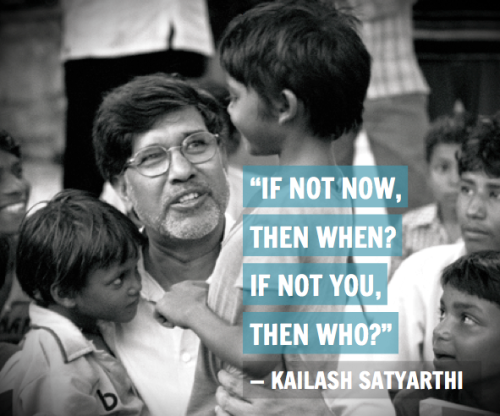
How he started and his Early Works
"If I was not fighting against child labor I don't know what else I could do. It was always in my heart, I could not live without that."
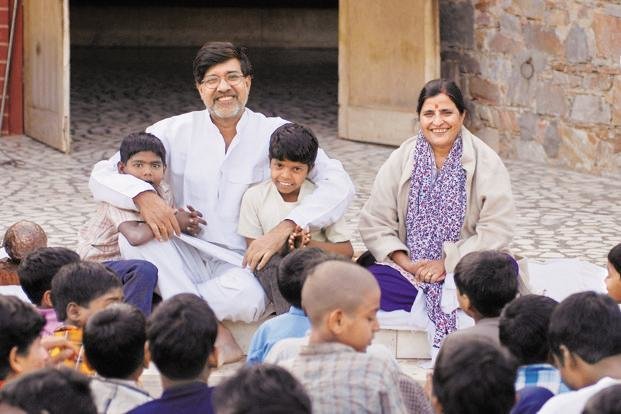
How he Started
- A the the age of 26, he gave up a career as an electrical engineer to devote himself to protecting children. He even raided factories where child laborers were being held captive.
- He later followed Ghandi's path by being known for his participation in all peaceful protests and demonstrations with a focus on child exploitation.
- He then started a program in 1944 called "Rugmark" which is now known as GoodWeave International, in which rugs are certified and labeled to be child-labor free.
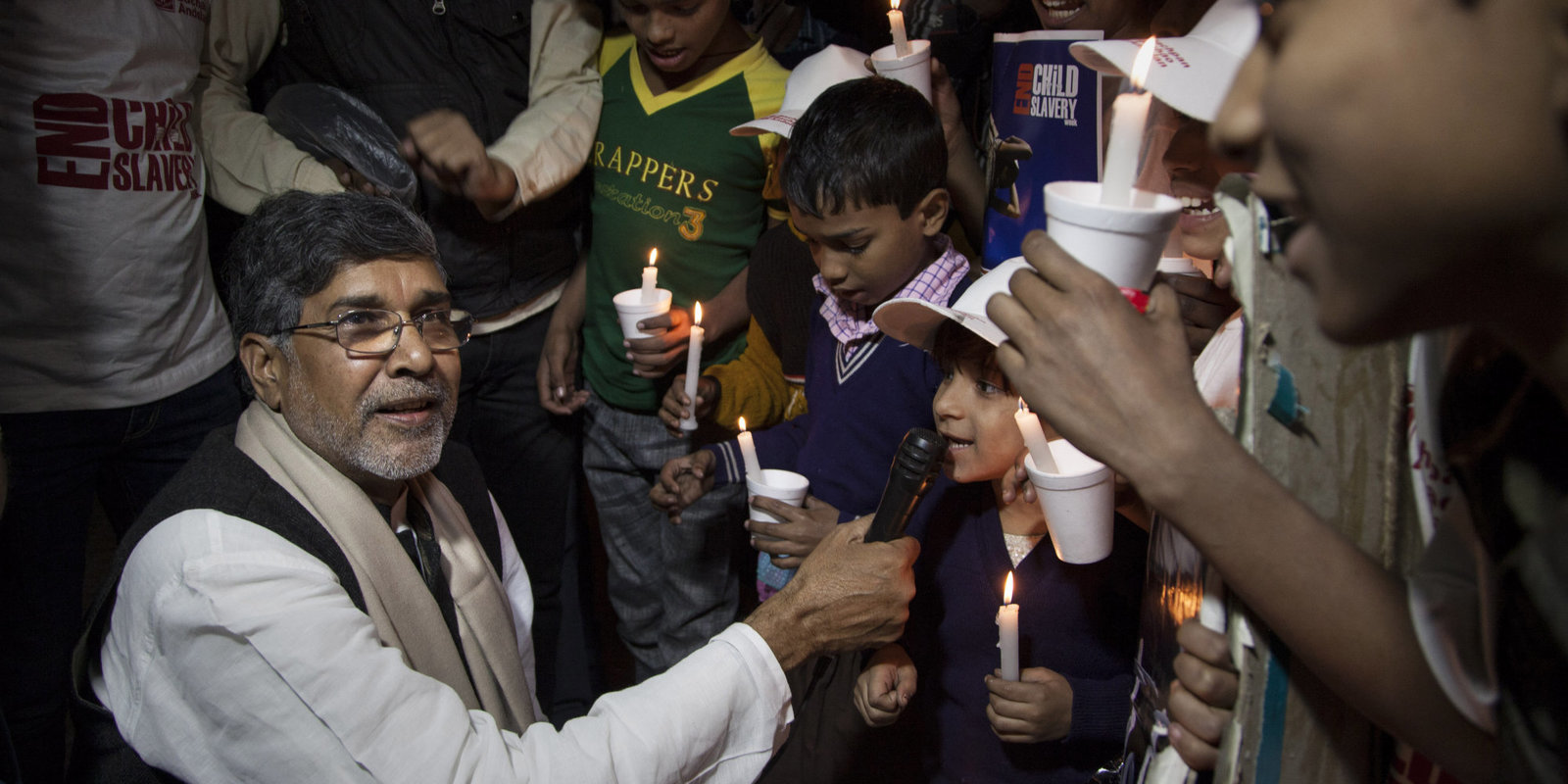
- One of his most meaningful moments was when he and his fellow peers founded a campaign called "Bachpan Bachao Andoloan (BBA)" which can be translated as "Save the Childhood Movement". His campaign is credited with freeing over 80,000 children.
Bachpan Bachao Andolan
Bachpan Bachao Andolan (BBA) symbolizes India’s largest movement for the protection of children, ensuring their quality education. As of October 2014, BBA has rescued more than 83,500 victims of trafficking, slavery and child labour and has helped them re-establish trust in society and find promising futures for themselves.

BBA's Mission is to..
- Identify
- Liberate
- Rehabilitate and educate children in servitude through direct intervention, child and community participation, coalition building, consumer action, promoting ethical trade practices and mass mobilization
- Since 1980 BBA has led the world’s largest civil society campaign in the form of the Global March Against Child Labour and has been at the forefront of laying down laws against child labour and trafficking in India.
Text
- His campaign BBA has a righteous vision. They strive to create a child friendly society, where all children are free from exploitation and receive free and quality education.
"It's really a kind of spiritual feeling which is difficult to explain..And the smiles come on the face of the children when they realize that they are free."
Child Labor: The ongoing crisis
What is child labor?
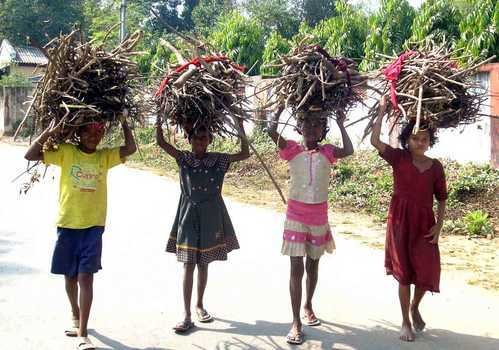
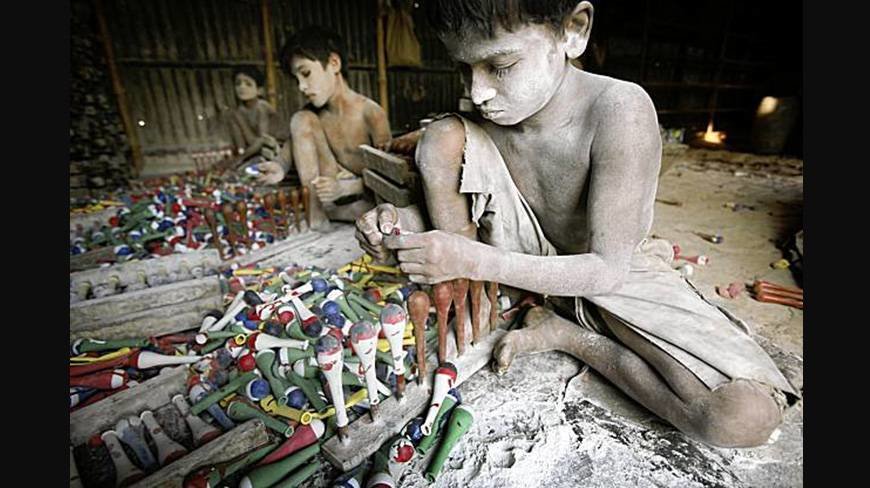
Child labor refers to the employment of children in any work that deprives children of their childhood, interferes with their ability to attend regular school, and that is mentally, physically, socially or morally dangerous and harmful.
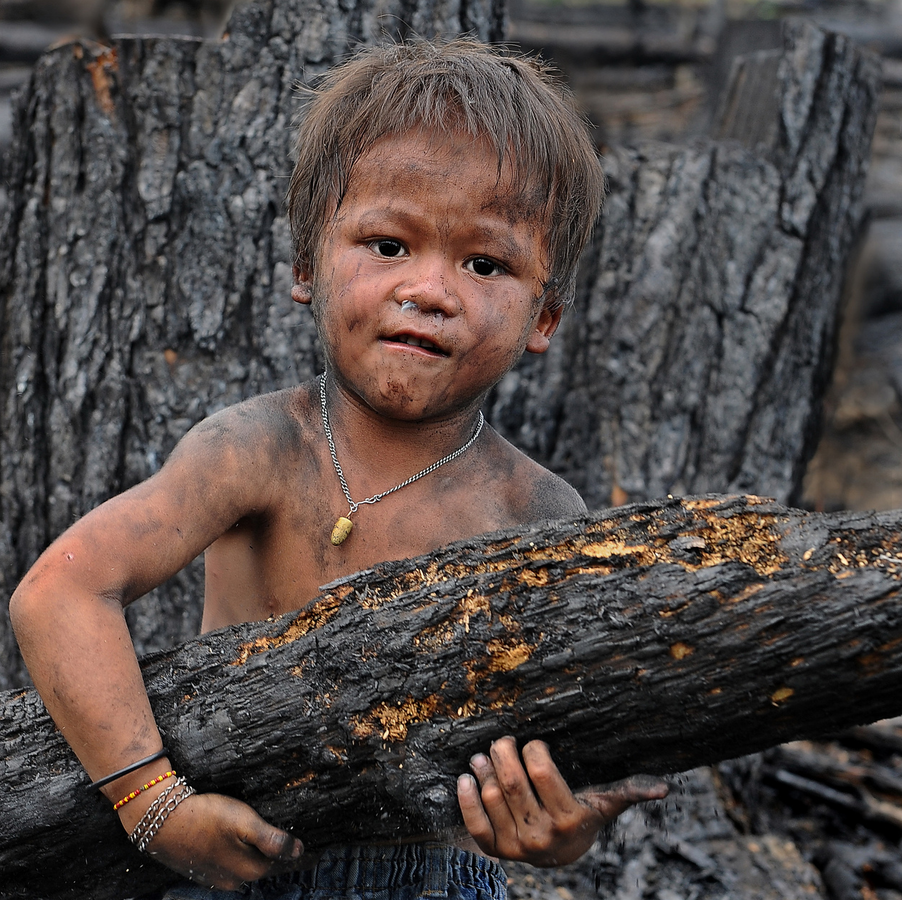
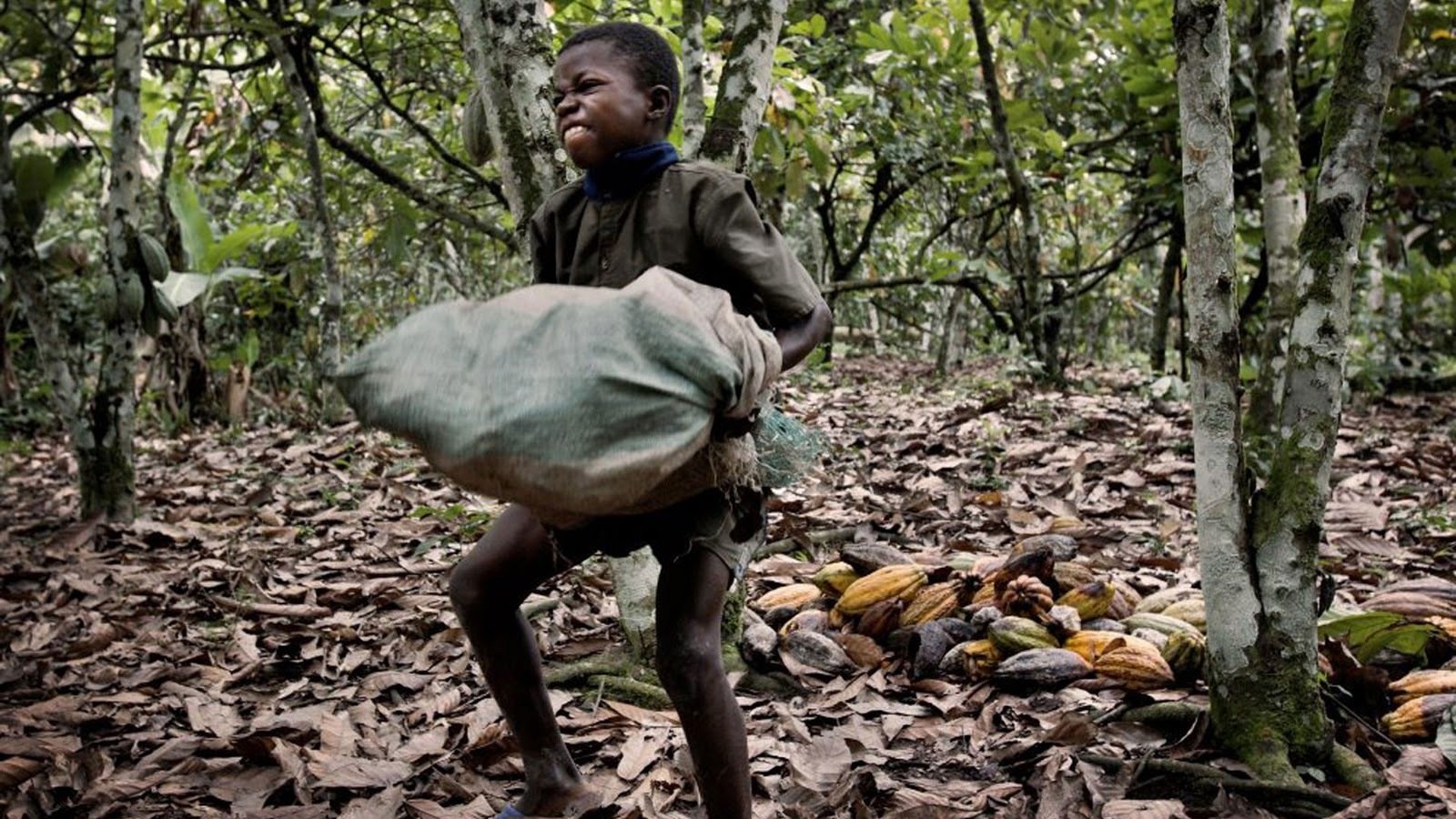
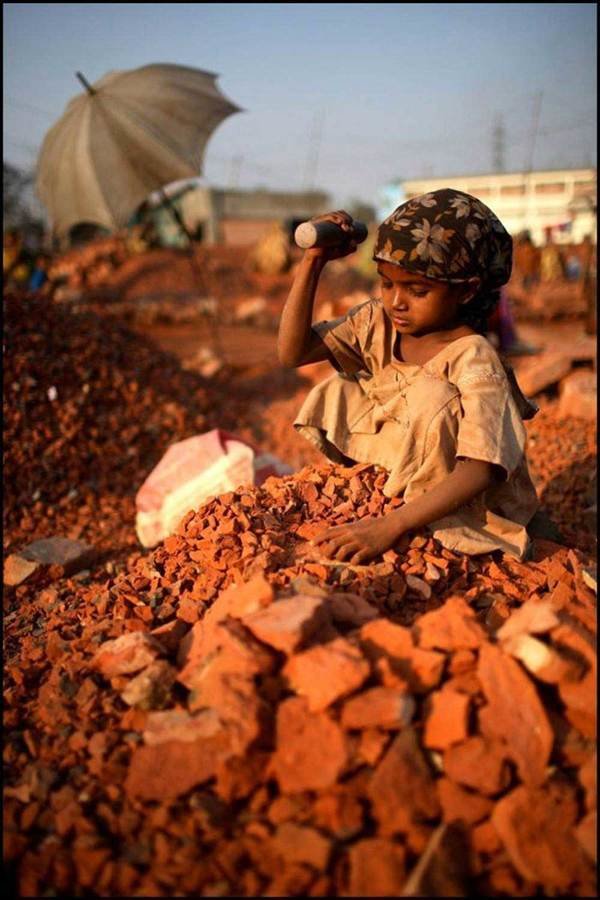
- Child labor has been around all through history. Before 1940, numerous children aged 5–14 worked in Europe, the United States and various colonies of European powers.
- In developing countries, with high poverty and poor schooling opportunities, child labor is still strong.
- According to the World Bank child labor in the world decreased from 25% to 10% between 1960 and 2003.
Nevertheless, the total number of child laborers remains high, with United Nations Children's Fund (UNICEF) and International Labor Organization (ILO) acknowledging an estimated 168 million children aged 5–17 worldwide, were involved in child labor in 2013.
Reasons for child labor
- Poverty is the greatest single cause behind child labor
- Income from working children, even if small, may be between 25 to 40% of the household income.
- In European history when child labor was common, as well as in contemporary child labor of modern world, certain cultural beliefs have rationalized child labor and thereby encouraged it.
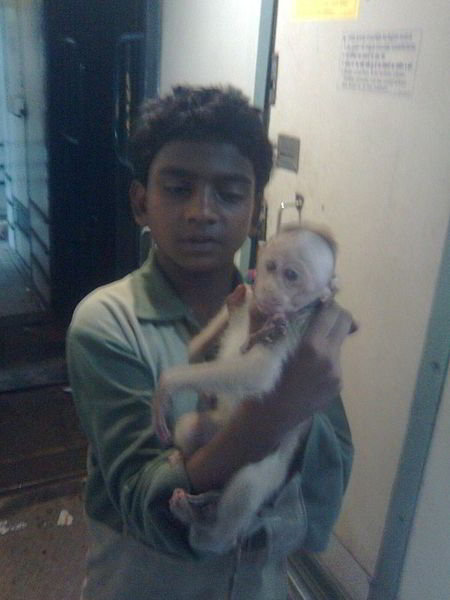
An eight-year-old boy making his livelihood by showing a playful monkey in a running train in India in 2011.
Nobel Peace prize winner 2014
"Let us globalize compassion, and set our children free"
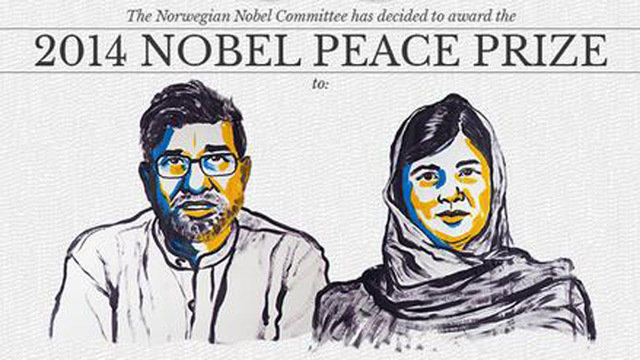
- Nobel Prize was received alongside Malala Yousafzai in October 2014
- Kailash Satyarthi is the eighth Indian to Win a Nobel, and only the second—after Mother Theresa—to win the Peace Prize
- The Norwegian Nobel Committee awarded Yousafzai and Satyarthi “for their struggle against the suppression of children and young people and for the right of all children to education…Showing great personal courage, Kailash Satyarthi, maintaining Gandhi's tradition, has headed various forms of protests and demonstrations, all peaceful, focusing on the grave exploitation of children for financial gain…The struggle against suppression and for the rights of children and adolescents contributes to the realization of the “fraternity between nations” that Alfred Nobel mentions in his will as one of the criteria for the Nobel Peace Prize.
Nobel Lecture
“Friends, the Nobel Committee generously invited me to deliver a "lecture.” Respectfully, I am unable to do that. I represent here the sound of silence. The cry of innocence. And, the face of invisibility. I have come here to share the voices and dreams of our children, our children, because they are all our children.”
[if !supportLists]· [endif]There is no greater violence than to deny the dreams of our children
[if !supportLists]ü [endif]The single aim of my life is that every child is:
free to be a child,
free to grow and develop,
free to eat, sleep, see daylight,
free to laugh and cry,
free to play,
free to learn,
free to go to school,
and above all,
free to dream.
I refuse to accept that the world is so poor, when just one week of global spending on armies is enough to bring all of our children into classrooms.
I refuse to accept that all the laws and constitutions, and the judges and the police are not able to protect our children.
You and I live in the age of rapid globalization. We are connected through high-speed Internet. We exchange goods and services in a single global market. Each day, thousands of flights connect us to every corner of the globe.
But there is one serious disconnect. It is the lack of compassion. Let us inculcate and transform the individuals' compassion into a global movement. Let us globalize compassion. Not passive compassion, but transformative compassion that leads to justice, equality, and freedom.
...to put an end to all forms of violence against children….Governments must make child friendly policies, and invest in education and young people. Businesses must be more responsible and open to innovative partnerships…Faith leaders and institutions, and all of us must stand with our children.
We must be bold, we must be ambitious, and we must have the will. We must keep our promises.
I call upon you in this room, and all across the world.
I call for a march from exploitation to education, from poverty to shared prosperity, a march from slavery to liberty, and a march from violence to peace
His impact
Founded the bachpan bachao andolan
- BBA has rescued more than 83,000 victims of trafficking, slavery and child labour. At national and global levels.
- BBA challenges perpetrators of child exploitation in the court system.
- BBA conducts advocacy and awareness campaigns and builds partnerships against child trafficking in India and around the world.
the Global March Against Child labor
Mission
- "Protect and promote the rights of all children, especially the rights to receive free, meaningful education".
- "To be free from economic exploitation and from performing any work that is likely to be damaging to a child's physical, mental, spiritual, moral or social development".
Results
- The march achieved its purpose by allowing changes to occur with the policies of child labour with the International Labour Organization(ILO)
World-wide CAMPAIGNS
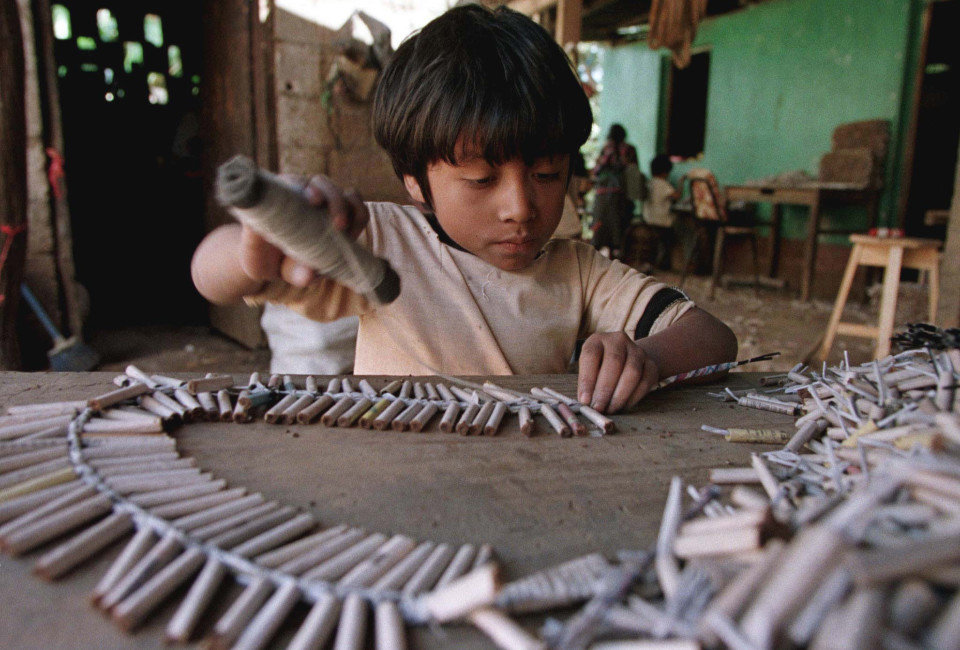
- Anti-Firecracker Campaign: The campaign raised awarness in around 10,000 schools and protected 6-7 million children.
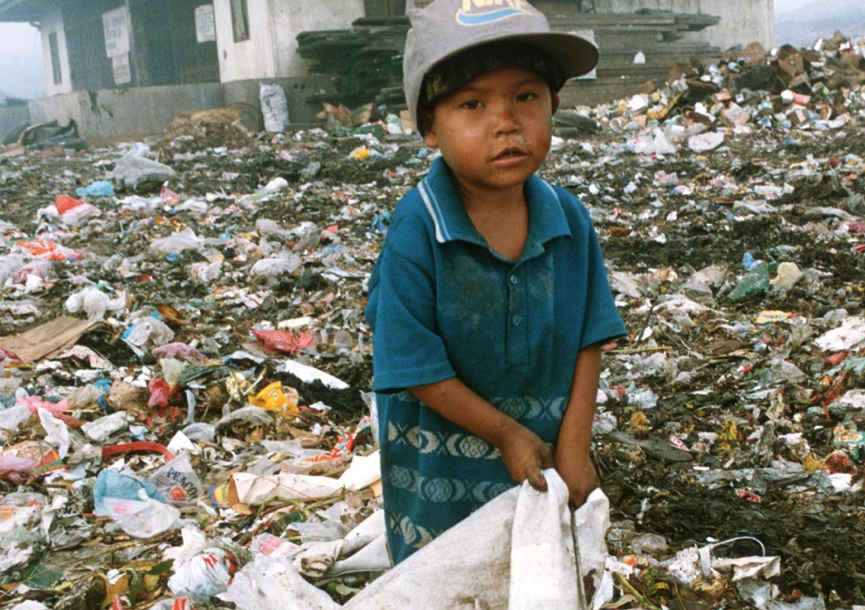
- FairPlay Campaign : Drew attention to child labour in the manufacturing of sports goods in India
- Child Labour Free India Campaign: Which included a series of events and activities and was directed towards the demand for a blanket ban on child labour in the country.
One current project is in a South Indian industrial town called Tirupur, has about 30,000 children illegally employed as labour in its garment and hosiery factories. he is working with industry and child rights NGOs to negotiate replacing these kids with adults.
- Recently, he has launched operations to rescue girls sold into abusive forced marriages and helped turn hundreds of villages into rehabilitation centres to teach trades to abused teenagers.
- If you spot a Goodweave label on a rug, it means that child labour was not used in its production. Satyarthi came up with the idea.
As the world became more aware and horrified by the prevalence of Child Labor, the number of child laborers worldwide has dropped from 245 million to 168 million between 2000 and 2012.
What can you do?
BEing aware as consumer
"Our lives begin to end the day we become silent about things that matter".-Martin Luther King Jr.
- When buying a product, make sure that it was not made by children.
- If you are unsure use sites like FairWear and Made-By, they will tell you how and where the products were made.
- When buying a carpet, make sure it has the “Rugmark” which signifies that the carpet was not made by children.
- Get Educated and raise awareness.
The problem is closer to you than you think, child labor in the united states is a big social problem.
"It is easier to build strong children than to repair broken men". -Frederick Douglass
Kailash Satyarthi
By daniella_henao
Kailash Satyarthi
English 110 Final Presentation