Going to market
LAB
BECM33MLE - Ing. David Pařil
Going to Market with ML Projects
From prototype to real-world product:
Market & user research
Positioning + pricing
Channels, growth, funding
Risks, ethics, pitfalls
Marketing and branding
1)
2)
3)
4)
5)
What does "going to market" mean?
Going to market \(=\)
- Strategy to launch you product in the real world
- Reaching the right customers, in the right way
- Turning a working ML app into a market-ready product
Going to market \(\neq\)
- "We'll put it on the app store and people will magically come"
Goal: Solve a real problem.
Why validate:
- Many products fail - they push tech, not solve pain
- You need evidence there is a real problem and real demand
Key questions:
- Who is hurting?
- How do they solve it today?
- How painful / urgent is it really?
Market Research - Problem Validation
GTM
Go-to-Market
Who
Target audience
What
Product
Why
Brand positioning
Where
Target markets
How
Marketing & sales plan
Where
Timing
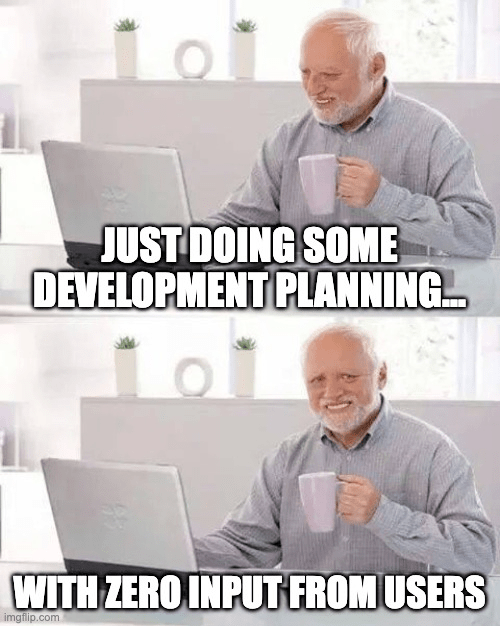
Customer discovery:
- Talk to potential users
- Understand:
- Their workflows and current tools
- Pain points, costs, risks
- Language they use to describe the problem
Market Research - Problem Validation
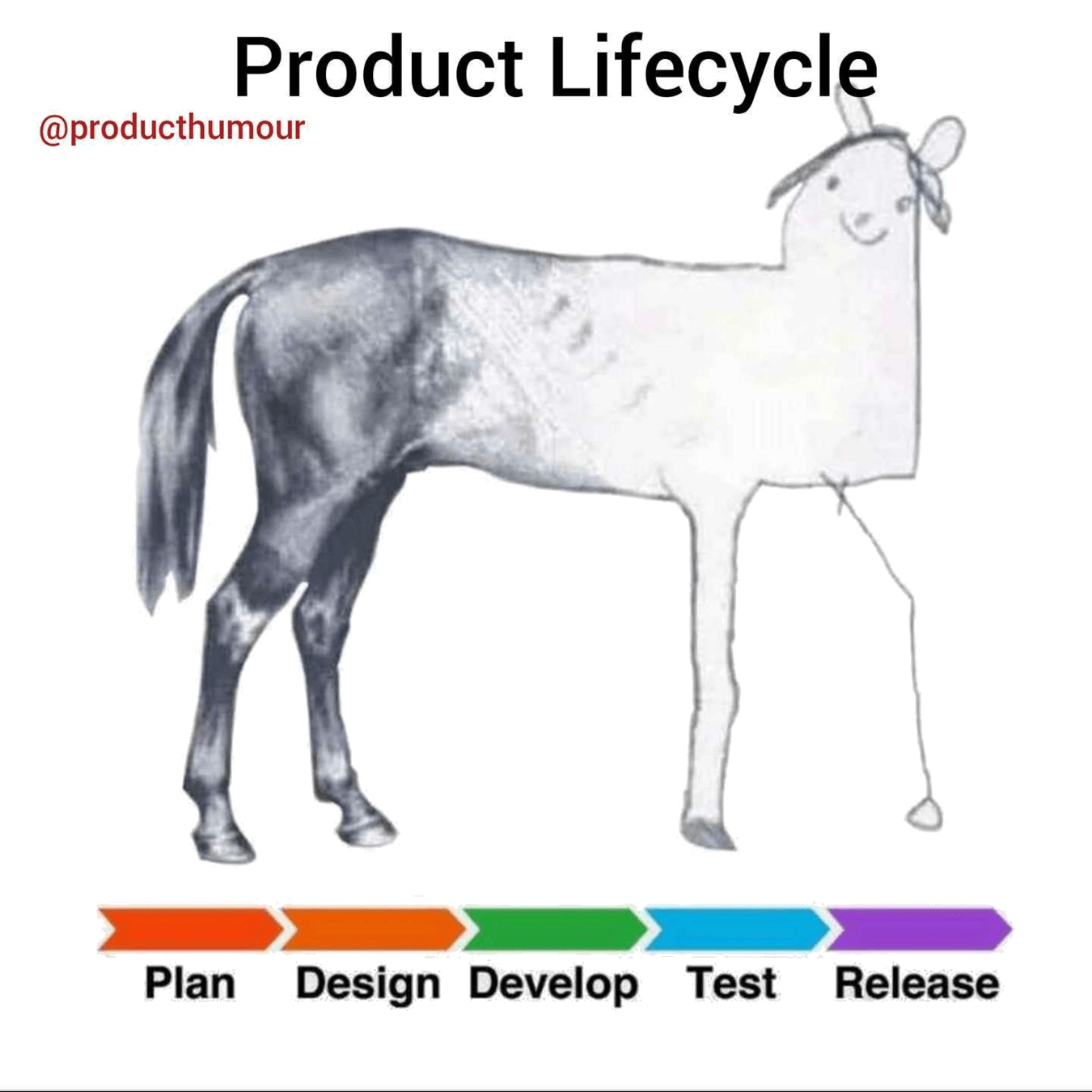
Though the user typically can not identify the pain :)
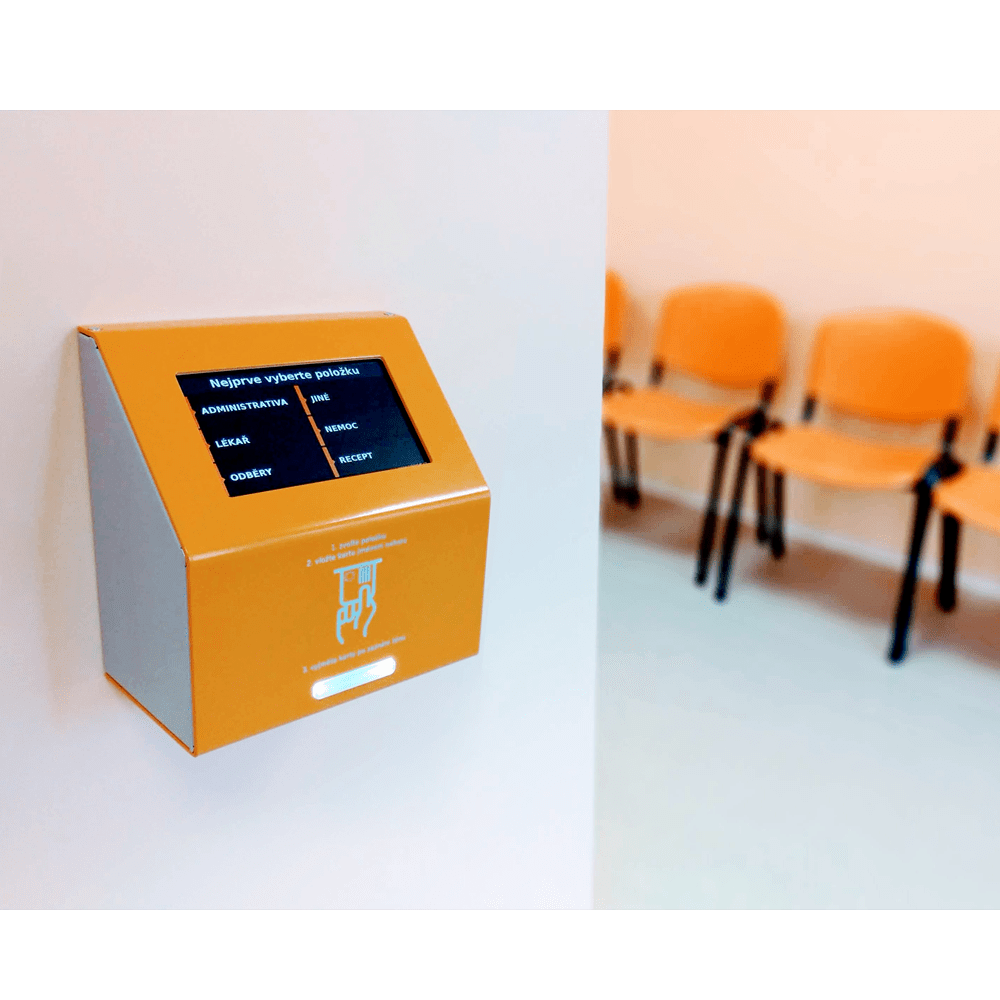
Source: www.compek.cz
Example: Insurance card reader
Identify your initial market clearly:
- Industry
- Problem area
- Geography
Start with a narrow range:
- E.g. not "healthcare" but "radiology clinic with <50 staff"
- Easier to define the right product and the right message
Target market
- Type of org / person
- Size of industry, tech maturity
- Key pains and goals
- Budget / willingness to pay
Ideal customer profile
- features
- pricing
- product-market fit
Guides...
How you want to be perceived
- i.e. "The specialized ML tool for small clinics"
Market positioning
Strengths
What you're good at
Weaknesses
Gaps and constraints
Opportunities
Trends, new markets
Threats
Competitors, regulation, substitutes
SWOT analysis
Template:
For [customer] who [problem], [product] is a [category] that [benefit].
Example:
For small e-commerce teams
who struggle with manual demand forecasting,
Forecast AI is a web app
that produces demand forecasts in minutes, reducing shortages by 30%.
Crafting a strong UVP
Unique value proposition
Business model \(=\)
- How do you create value
- How do you capture value
Common models:
- Subscription (SaaS)
- Pay-per-use / API pricing
- Freemium (free basic, paid premium)
- Licensing (per user / per installation)
- Data-as-a-service
- Ads / referrals
Business model - Monetization


Who pays?
What they pay for?
1)
2)
Lean Canvas
Problems
Existing alternatives
Solutions
Key metrics
Unique value proposition
High-level concept
Unfair advantage
Channels
Customer segments
Early adopters
Cost structure
Revenue streams
Infrastructure
Development
Manual processing
Full AI
automation
ChatGPT
Saved time
Customer satisfaction
Remove 90% of manual labeling
Reskinned ChatGPT with a custom system prompt
Recognized brand
Company website and social media
Small offices
Post offices with <20 employees
Subscriptions
Donations
Merch
Support
Pricing models
Common approaches:
- montly / yearly ...
- tiers: basic / pro / enterprise
- usage-based: per-call, per GB, ...
- per user / per seat
Good practice:
- start simple
- be ready to experiment (discounts, free trials, coupons, ...)
- be able to explain why you priced it this way
Marketing and distribution
Online marketing
- Content, social, SEO, communities
Direct outreach
- Cold emails, LinkedIn, conferences, personal network
Partnerships
- Integrations, marketplaces, ...
Community
- User community, referral programs
Launch platforms
- Kickstarters, dev forums/blogs
Customer acquisition
The standard funnel model :
- Awareness - they hear about you
- Interest - they sign up
- Activation - they try it
- Retention - they keep using it
- Revenue - they pay
- Referral - they recommend you
Early tactics:
Free trials
Landing page \wCTA
Demos
Measuring growth
Pick 1-2 metrics:
- mothly/weekly active users (MAU/WAU)
- conversion rate (trial -> active -> paying)
- churn rate (how many stop using it)
- engagement (sessions/week, tasks completed)
- Bootstrapping - own savings (+ revenue from early customers)
- Grants - research and innovation funds
- Angel investors / venture capital funding
- Corporate partnership
Funding
Recap:
Biggest pitfalls:
No GTM plan
Undefined user
Too many features / markets
Leading with tech, not problem
Coming up in MLE:
Workshop 1
- 02.12.2025 - review of progress
- You should have MVP ready by this point
Workshop 2
- 09.12.2025 - internal testing
- Working release candidate + feature freeze + internal user tests
Workshop 3
- 16.12.2025 - public testing
- 3 external users \(\rightarrow\) feedback
Workshop 1
- 02.12.2025 - review of progress
- You should have MVP ready by this point
Workshop 2
- 09.12.2025 - internal testing
- Working release candidate + feature freeze + internal user tests
Workshop 3
- 16.12.2025 - public testing
- 3 external users \(\rightarrow\) feedback
Presentation day
- 06.01.2026 - sell us your product (~10 mins), submit final progress report
Till the next week:
HW05: Progress report 2
Provide a factual account of progress achieved so far and confirm the progress with your previously set milestones in the PRD document. The document should include:
-
Name of the project and it's members
-
Summary of what has been achieved so far
-
Evaluate milestones, re-plan if outside of set scope
-
Perform a risk evaluation of your project (i.e. what could go wrong?)
-
Briefly reflect on your progress so far, state executive decisions leading the project forward
-
Feel free to add: GUI concepts/screenshots, dataset sample, …
Expected length of the document is 1 A4 page. Submit your progress reports to BRUTE as a .pdf file.
See you
Next week :)
MLE: Going to market
By David Pařil