








Dawid Walentek
post-doc @UGent
Ghent University
31.03-01.04 2025
Let's open the Users' Manual of TIES. Pick a few variables and read about them. In groups discuss what surprised you, what could be an interesting research avenue or form problems.
Let's look at the data together: cleaning, descriptive statistics and how already at this stage we can connect data and theory
The Hidden Hand of Economic Coercion
(Drezner, 2003)
Multilateral Sanctions and Foreign Policy Success (Miers & Morgan, 2002)
Now it's your turn. First, look at the data on your own. Then work in groups. It's just exploration.
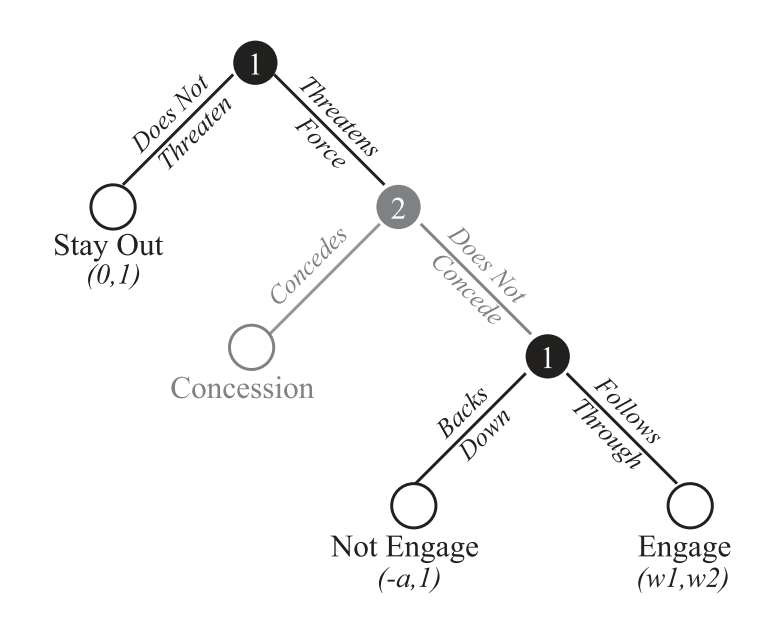
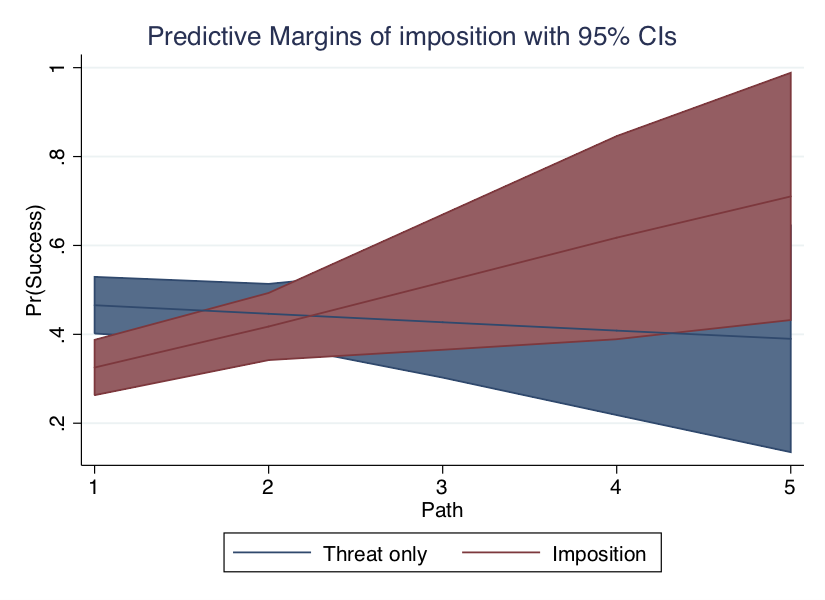
Let's now look at the issue of effectiveness:
Let's first together look at my do-file.
Now reflect on what you have sketched. Adjust, if needed, and move to empirical analysis. It can be in excel or any programme. You may also look for complementary data sets.
We will follow up with a discussion of your findings and challenges.
First we look at Whang's paper and identify the source of data, variables and empirical strategy. Then we look together at the replication file
Second, we try to find data to replicate the study. Once we have the data, we try to organise it and clean it up. Let's discuss problem and limitations.
Third, we look at my do-file and further discuss the topic of approval ratings and sanctions.
In the last part of the quantitative component we will work more in groups on identifying data, looking into the data, sketching strategies for data cleaning and merging and for the empirical analysis.
By Dawid Walentek