




Elisa Beshero-Bondar PRO
Professor of Digital Humanities and Chair of the Digital Media, Arts, and Technology Program at Penn State Erie, The Behrend College.
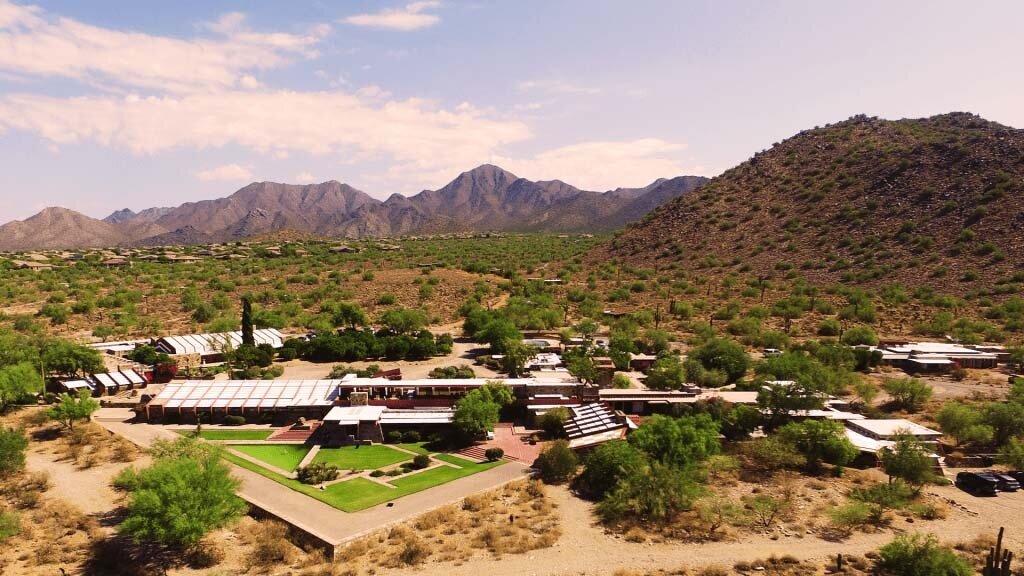
Background source: Frank Lloyd Wright Foundation, Taliesin West
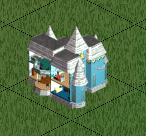
Background: Remington Orange's rendering: a stage in adapting an 18th-century pumpkin-house illustration for 3D modeling on the web.
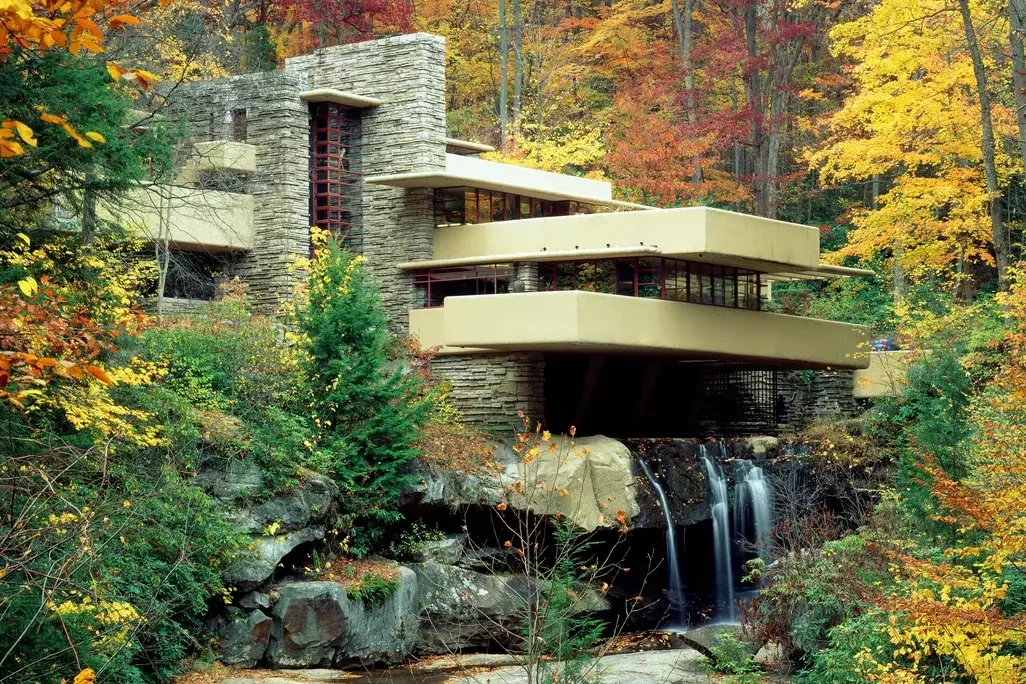
Falling Water, designed / built 1936–1937 for the Kaufmann family (owner of the famous Pittsburgh-based dept. store)
"Form follows function—that has been misunderstood. Form and function should be one, joined in a spiritual union."
—Frank Lloyd Wright
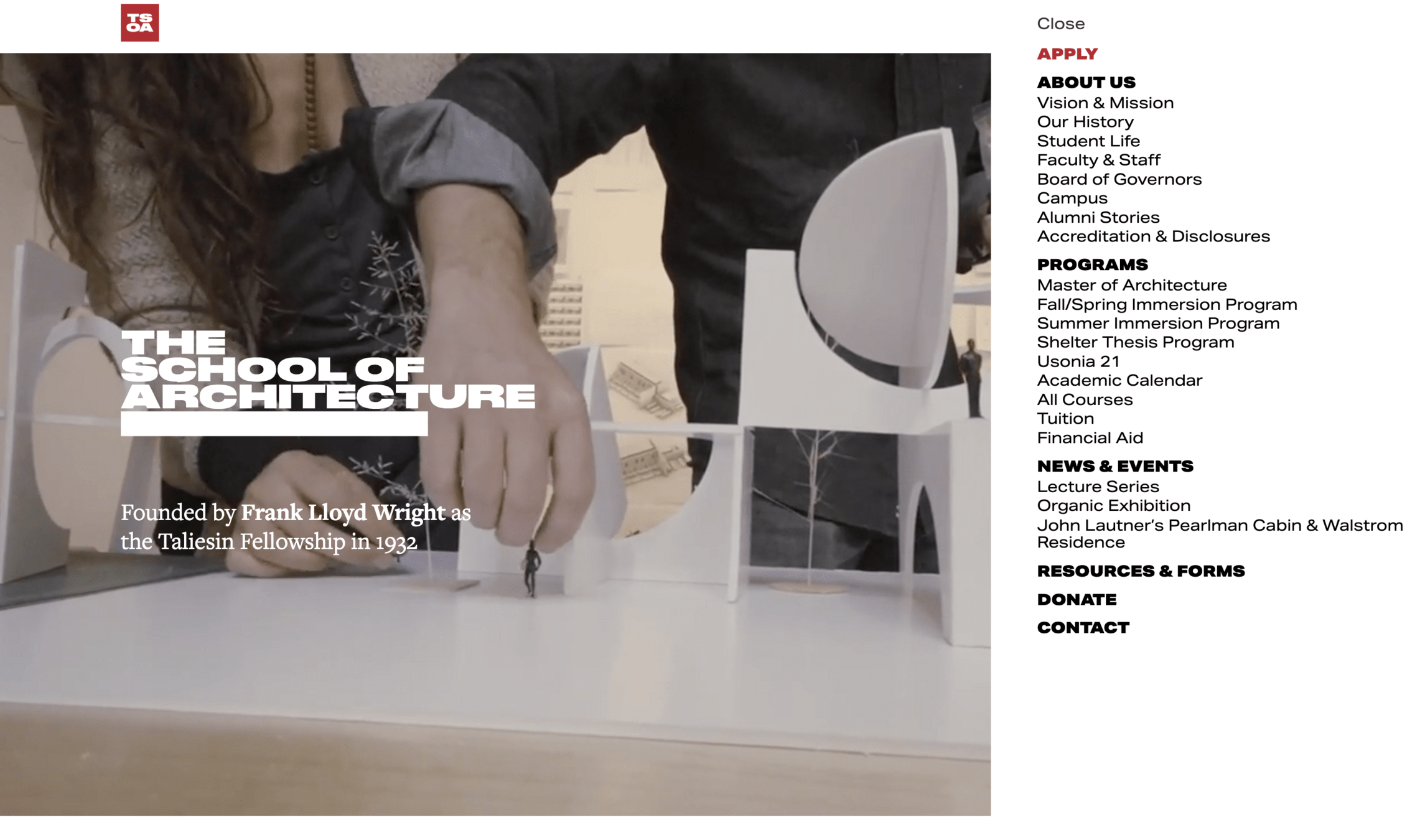
Taliesin West Fellowship / School, started 1932, Scottsdale Arizona
a planned community of living/learning/practicing architects working with the landscape. (https://www.tsoa.edu/our-history)
Taliesin West became The School of Architecture (still in Scottsdale, AZ)
"We offer a contemporary design education based on Wright’s philosophy of learning by doing, experimentation, and building with the landscape. We strive to bring lasting innovation, equity, and sustainability to the diverse communities that we serve. "
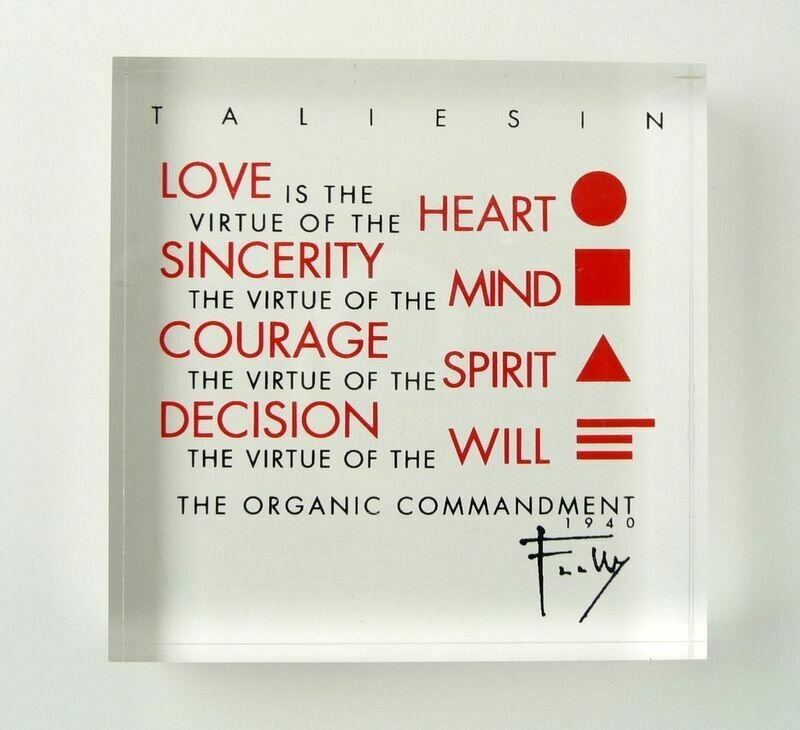
Wright's “organic commandment,“ first drafted sometime in the 1930s
Designing where people live and work in the physical world. . .
"This [pattern] language, like English, can be a medium for prose, or a medium for poetry. The difference between prose and poetry is not that different languages are used, but that the same language is used, differently.
...
It is possible to make buildings by stringing together patterns, in a rather loose way. A building made like this, is an assembly of patterns. It is not dense. It is not profound. But it is also possible to put patterns together in such a way that many many patterns overlap in the same physical space: the building is very dense; it has many meanings captured in a small space; and through this density, it becomes profound.
Will Wright, Christopher Alexander, and Frank Lloyd Wright
The Will Lloyd Wright Dollhouse (Sims 1)
AI Doesn't Understand Beauty
(or Functionality in this case)
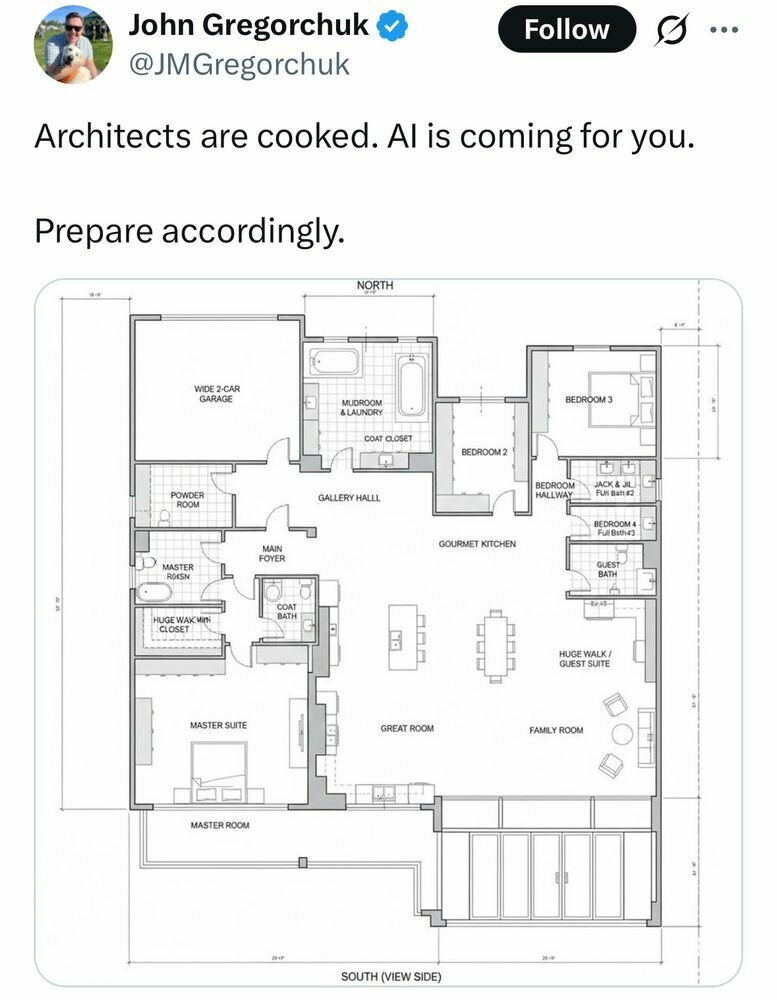
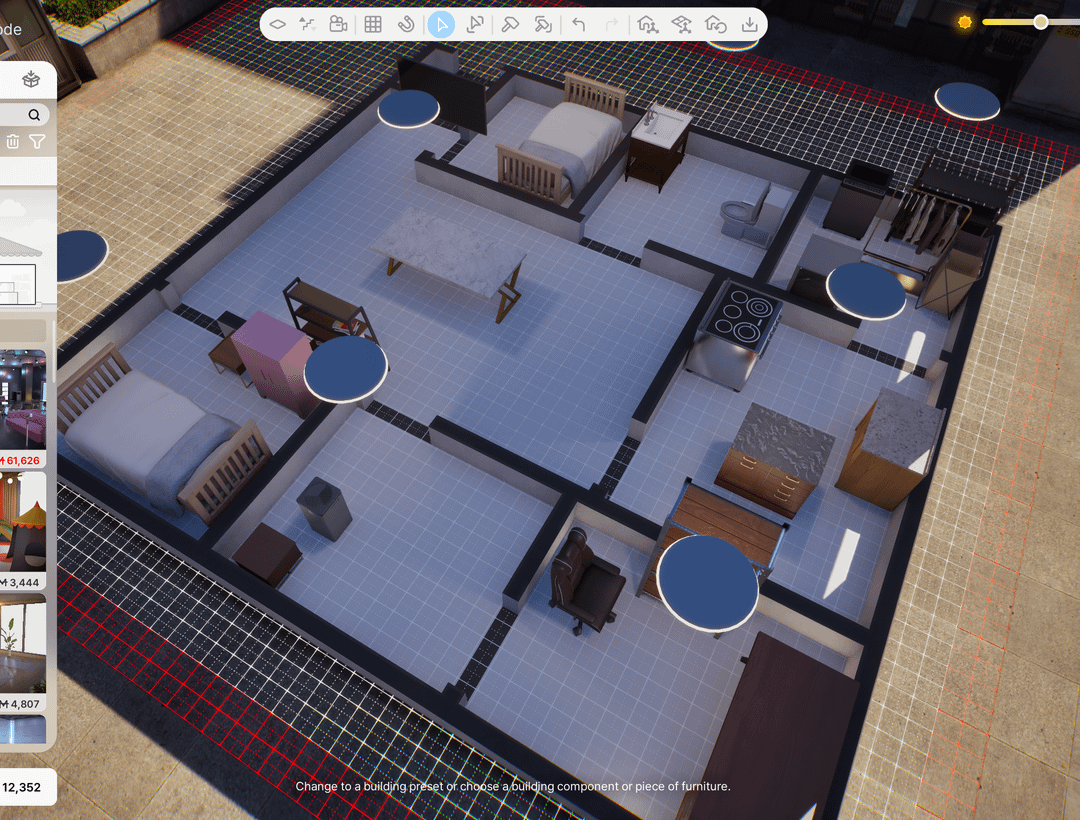
An AI-generated house in inZoi:
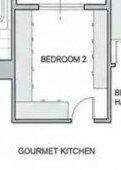
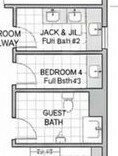
No entrance; a kitchen with only a stove; a bathroom without a shower; a dedicated air purifier room; bedrooms smaller than bathrooms; a living room with a table and television, but no chairs. From Reddit.
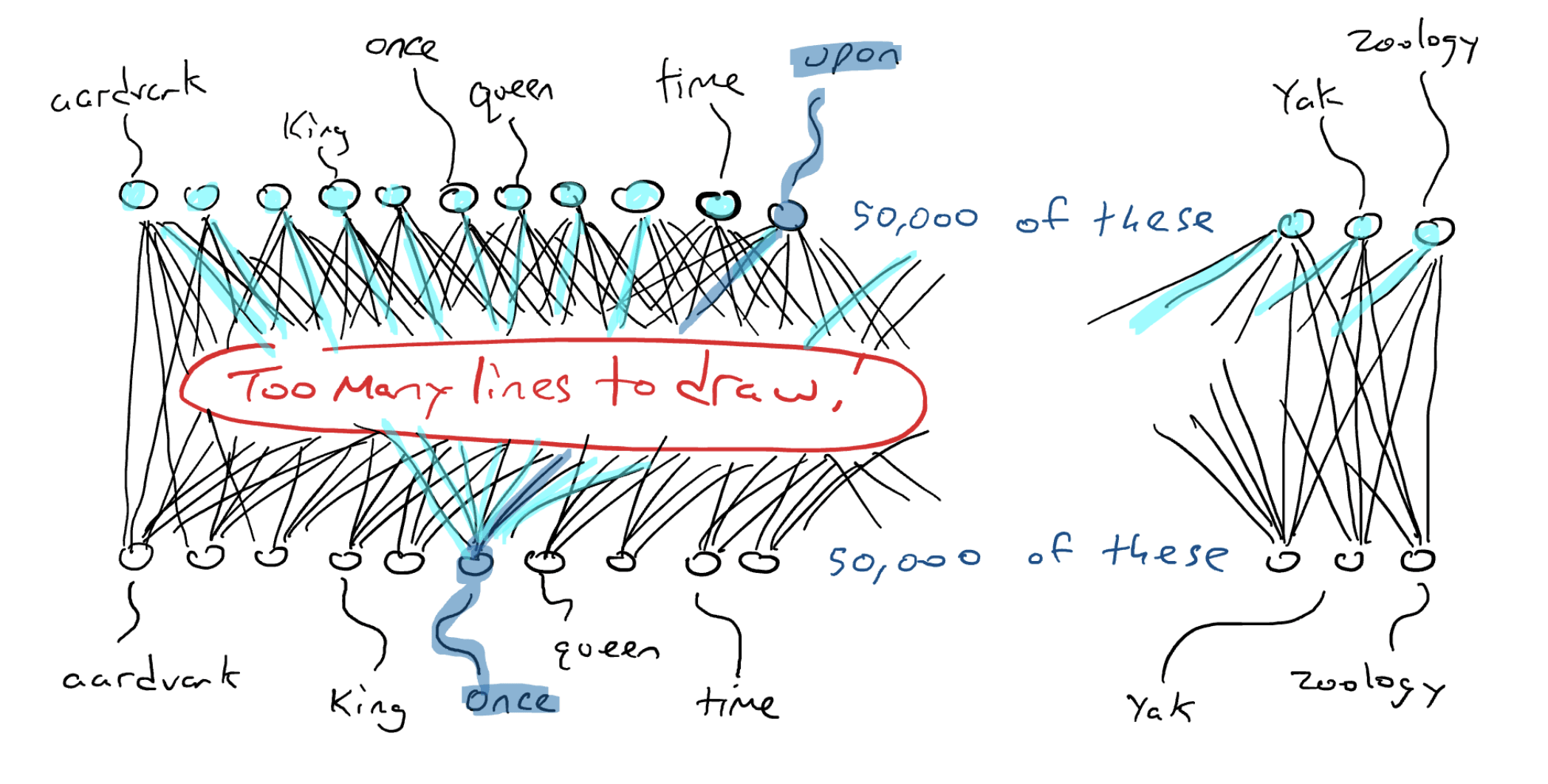
Mark Riedl, drawn simulation from "A Very Gentle Introduction to Large Language Models without the Hype"
Flawed genius or Shyster?
snake oil sales. . .
Especially in marketing
It encompasses lots of different kinds of machine learning.
| The scope and purpose can be quite specific (like improving cancer screening) | Or it can be extremely general (like ChatGPT) |
| It can be very open with its processes, algorithms, and datasets. | Or it can be a black box, citing "industry secrets" even as it trains on copyrighted material. |
| It can be run off of a laptop | Or it can rely on very large data centers |
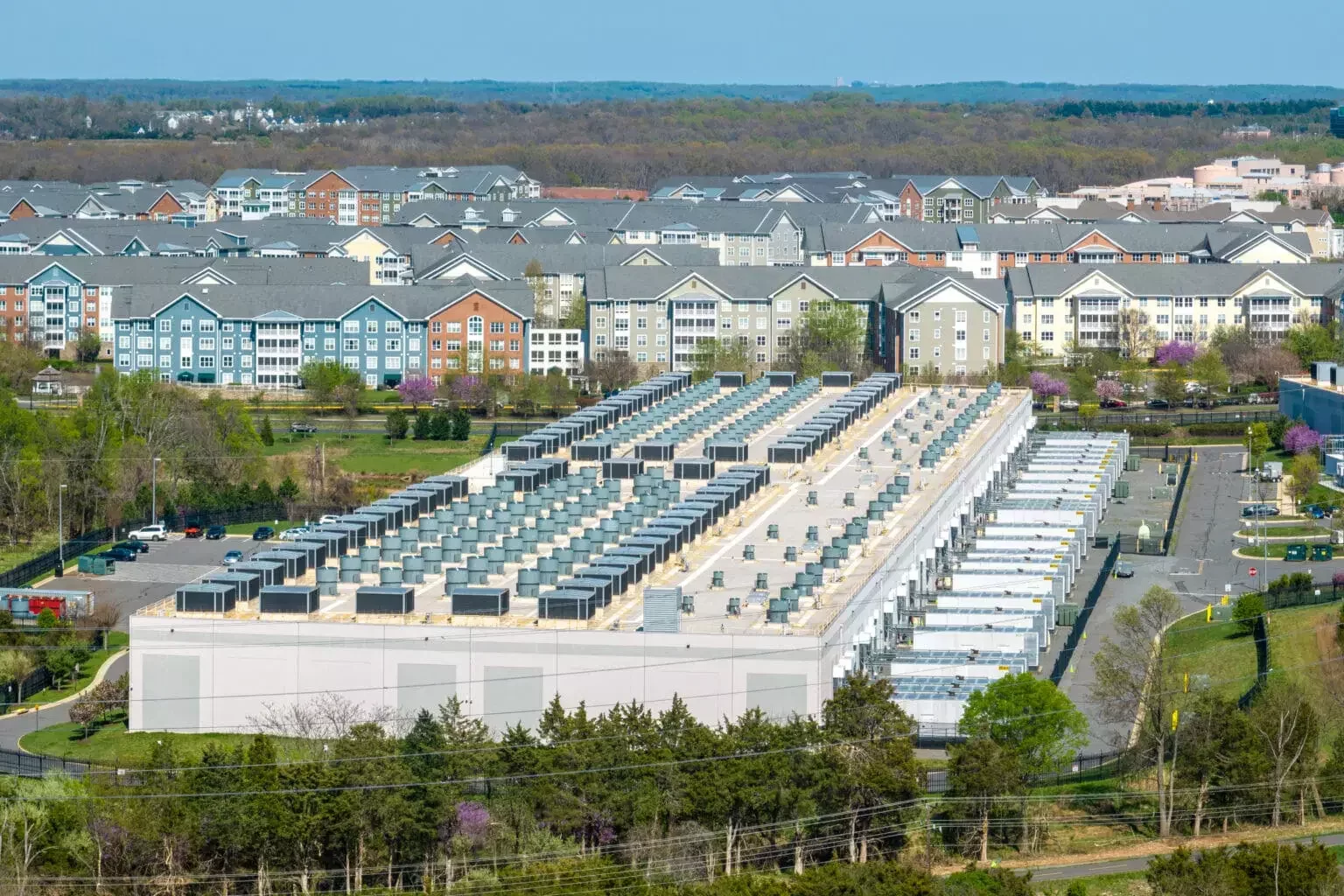
"Too close for comfort? A data center abuts homes in Loudoun County, Virginia. Credit: Hugh Kenny via Piedmont Environmental Council." from Jon Gorey, “Data Drain: The Land and Water Impacts of the AI Boom," Lincoln Institute of Land Policy, 17 October 2025.
(post date: 30 Nov 2025)
Application of AI within a project for background features:
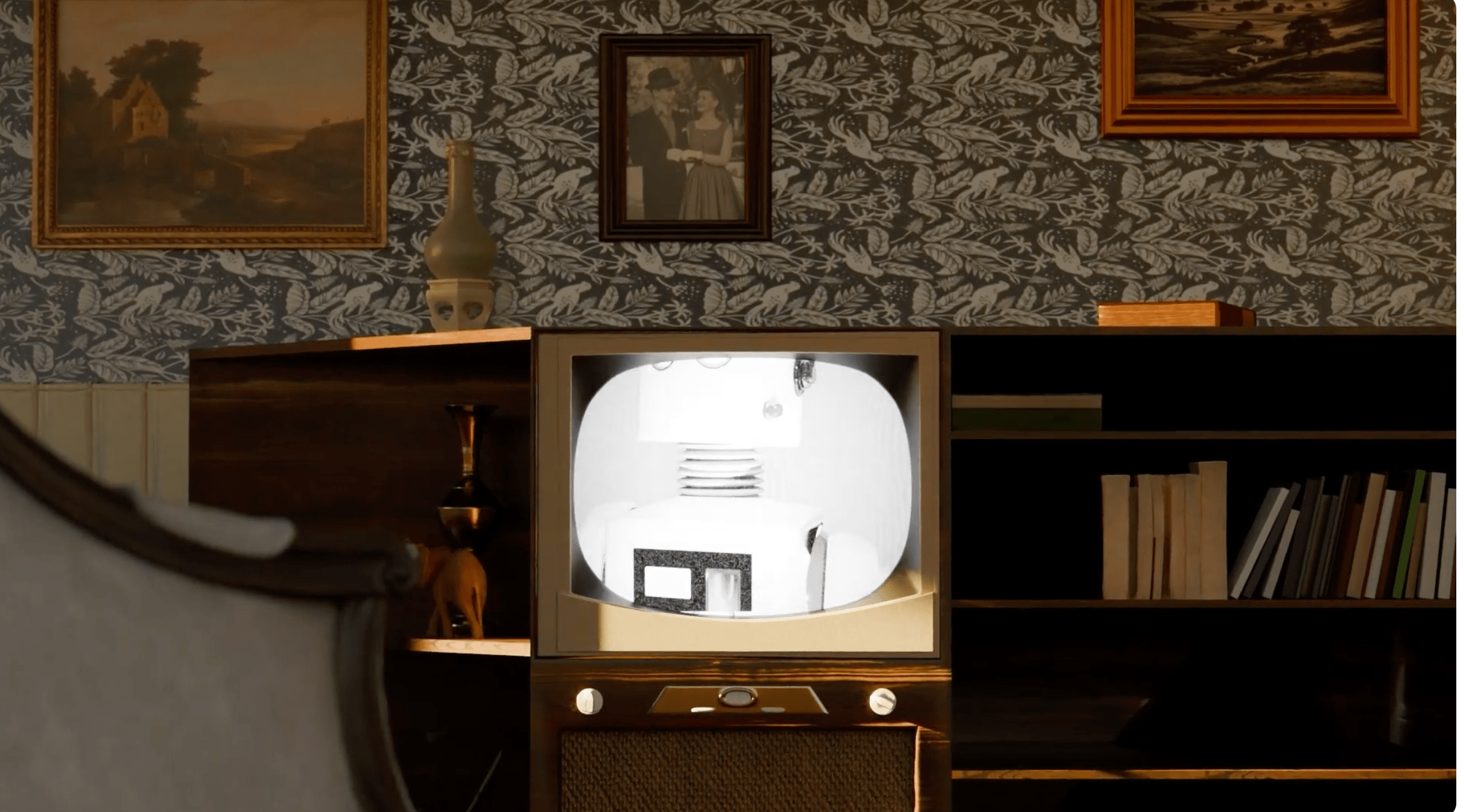
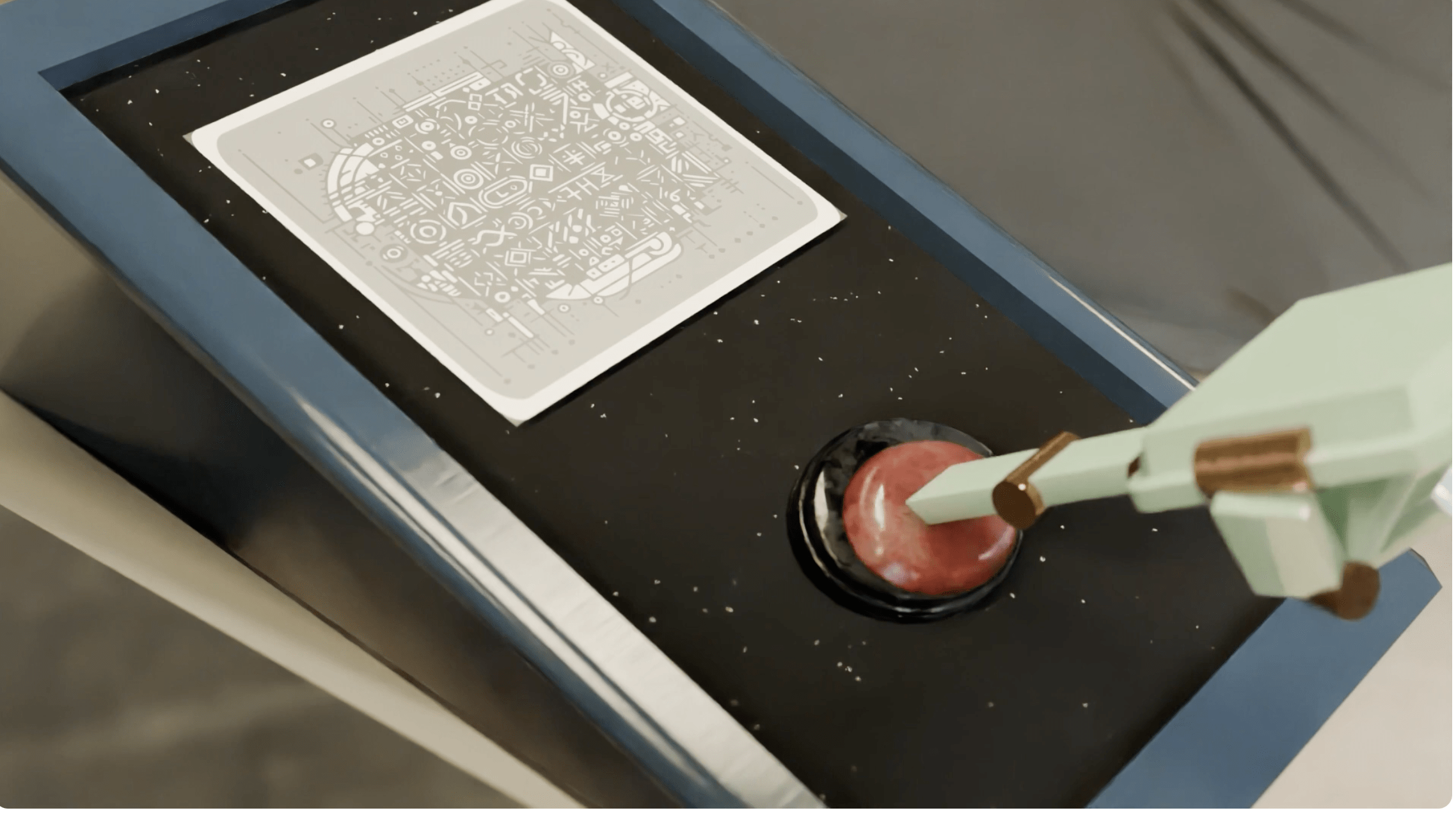
still 1 from Remington Orange’s Routine Rust.
Application of AI within a project for background features:
still 2 from Remington Orange’s Routine Rust.
A fuller guide is in the works for Spring 2026
Turning off/Opting out
Choosing Alternatives
You aren't alone. In a world inundated by AI at every turn, there are lots of people who see the value in limiting its use or avoiding it altogether..
What can a university program in Digital Media, Arts, and Technology do?
We know we can't seal ourselves off from AI.
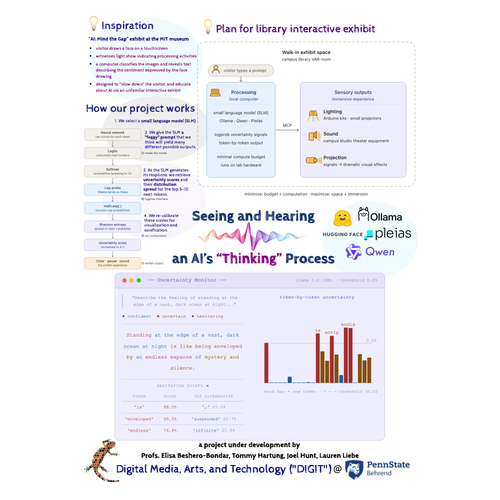
We are tech-forward designers! Can we make ethical, creative use of AI? We learn by exploring how machines work and designing our own projects.
Can the “organic commandments” of the Taliesin School still guide us now in our digital projects?
Maybe that Taliesin West school recognized the same fundamental problems as we do now:
cheap designs that prioritize machine efficiency, careless quality control, technologies that turn whole people into needy consumers...
Art as a product of
love/hate/desire/conviction
Art cannot come from a place of neutrality.
You cannot make art without emotion and engagement.
Algorithms cannot love; therefore, algorithms cannot make art.
Inspiration/Imitation/Homage
vs
Plagiarism/Theft/Disconnection
But when you use genAI tools, there is no throughline. The chain from artist to artist is fundamentally broken. There is no intent in what you choose to lift from, no homage to a piece of art that was so meaningful to you that you sought to reference it in your own work, as genAI will not tell you where it is sourcing from. And because it doesn’t, it isn’t saying anything meaningful about the works it takes from, because it can’t. And let’s be real, these developers aren’t using AI tools to make artistically subversive multimedia work; they’re cheaply plugging a hole in their production line. There’s no artistic intent I can ascribe to the use of LLMs other than the intent to save money.
By Elisa Beshero-Bondar