What Are DAOs? How Ethereum Powers Decentralized Organizations
Blockchain technology has introduced many groundbreaking innovations, and one of the most exciting is Decentralized Autonomous Organizations (DAOs). These digital organizations operate without a central authority, relying on smart contracts to enforce rules and automate decision-making. Ethereum, the leading smart contract platform, plays a crucial role in powering DAOs, making them more transparent, efficient, and secure. Platforms like TopCoin9 provide insights into the growing DAO ecosystem and its impact on various industries.
What Is a DAO?
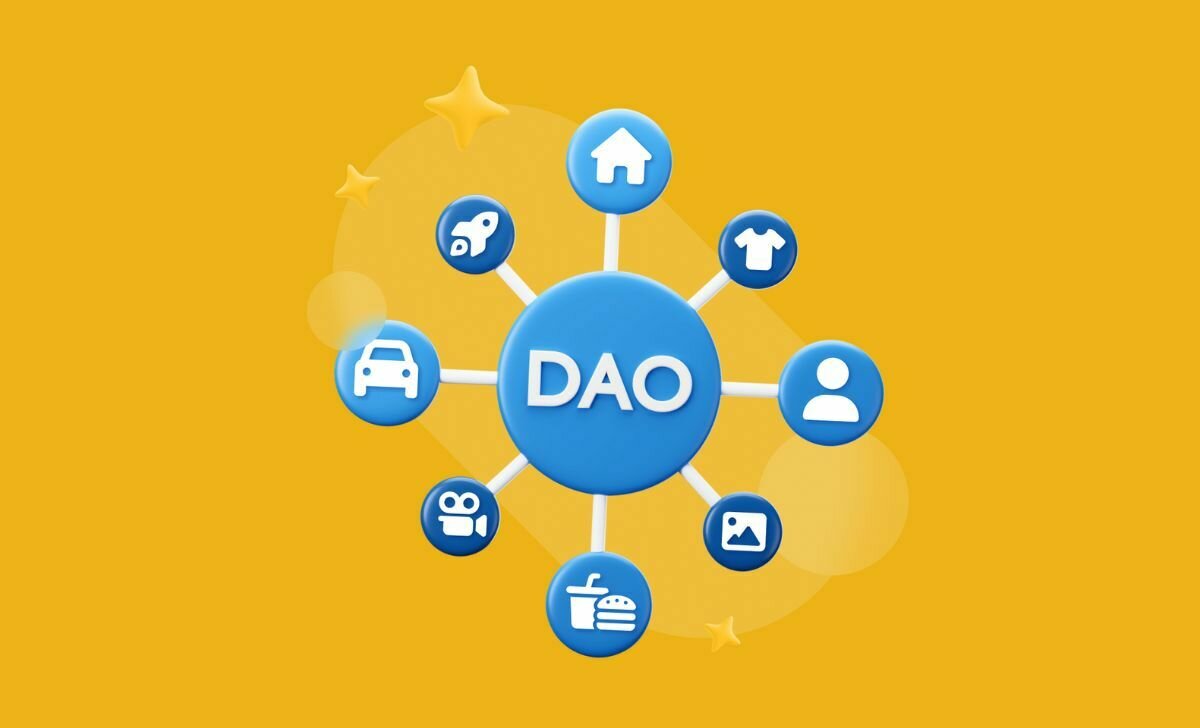
A DAO (Decentralized Autonomous Organization) is a community-led organization governed by blockchain-based smart contracts. Unlike traditional companies, DAOs do not have a CEO or a central governing body. Instead, decision-making is handled collectively by token holders, who vote on proposals to guide the organization's future.
Key Features of DAOs:
- Decentralization – No single entity controls the organization.
- Transparency – All decisions and financial transactions are recorded on the blockchain.
- Autonomy – Smart contracts execute actions automatically based on preset rules.
- Community Governance – Members participate in decision-making by voting with DAO tokens.
Read more: https://truckymods.io/user/350562
How Ethereum Powers DAOs
Ethereum is the preferred blockchain for launching DAOs because of its powerful smart contract capabilities. Its decentralized infrastructure ensures security, transparency, and trust among members. Some reasons why DAOs thrive on Ethereum include:
- Smart Contracts: Ethereum’s programmable contracts eliminate the need for intermediaries, automating processes like fund distribution and proposal execution.
- Security: Ethereum’s blockchain is highly secure, reducing the risk of manipulation or fraud.
- Interoperability: Many Ethereum-based projects and DeFi platforms integrate seamlessly with DAOs.
Even though Ethereum’s network dominates the DAO space, some projects have explored alternatives like Ethereum Classic, a version of Ethereum that retains the original blockchain’s code after the 2016 DAO hack. Ethereum Classic maintains a strong focus on immutability, making it a choice for organizations prioritizing unchanged blockchain history.
Popular DAOs on Ethereum
- MakerDAO – One of the first and most successful DAOs, MakerDAO manages the DAI stablecoin, allowing users to borrow and lend assets without intermediaries.
- Uniswap DAO – Governs the popular decentralized exchange, enabling users to vote on protocol upgrades and fee structures.
- Aave DAO – Manages Aave, a decentralized lending platform that lets users vote on new features and liquidity incentives.
These projects highlight the power of DAOs in reshaping industries, from finance to decentralized applications.
Challenges and the Future of DAOs
While DAOs offer exciting possibilities, they also face challenges:
- Legal Uncertainty – Many governments are still figuring out how to regulate DAOs.
- Security Risks – Bugs in smart contracts can be exploited, leading to financial losses.
- Voter Participation – DAOs rely on active community involvement, which isn’t always guaranteed.
Despite these challenges, DAOs continue to grow, with Ethereum providing the foundation for their success. Platforms like TopCoin9 help users explore DAO opportunities and stay updated with developments in the Ethereum ecosystem.
DAOs represent a new way of organizing businesses and communities without centralized control. Powered by Ethereum’s smart contracts, they enable transparent, democratic governance for blockchain projects. With growing adoption and evolving technology, DAOs could redefine industries in the future. Whether on Ethereum or Ethereum Classic, decentralized organizations are here to stay, shaping the next era of blockchain innovation.
What Are DAOs? How Ethereum Powers Decentralized Organizations
By Topcoin9 Ethereum