How Can You Manage Inventory And Forecast Logistics?
Inventory management is an integral aspect of the logistics industry. As a business grows, effective inventory management becomes even more critical. Inventory management in logistics involves tracking the materials and goods a business needs to produce and sell products. The job's main purpose is to ensure enough stock is always available to fulfil customer demands. It also entails implementing practices that minimize the risks and costs of holding inventory.
A very important part of inventory logistics is demand forecasting. A company’s ability to study trends, forecast demand, and plan for possible supply chain disruptions is vital to smooth operations. Ineffective forecasting can lead to overstocking or understocking, which ends in dissatisfied customers. This article will guide you through the basics of inventory management and its role in forecasting logistics.
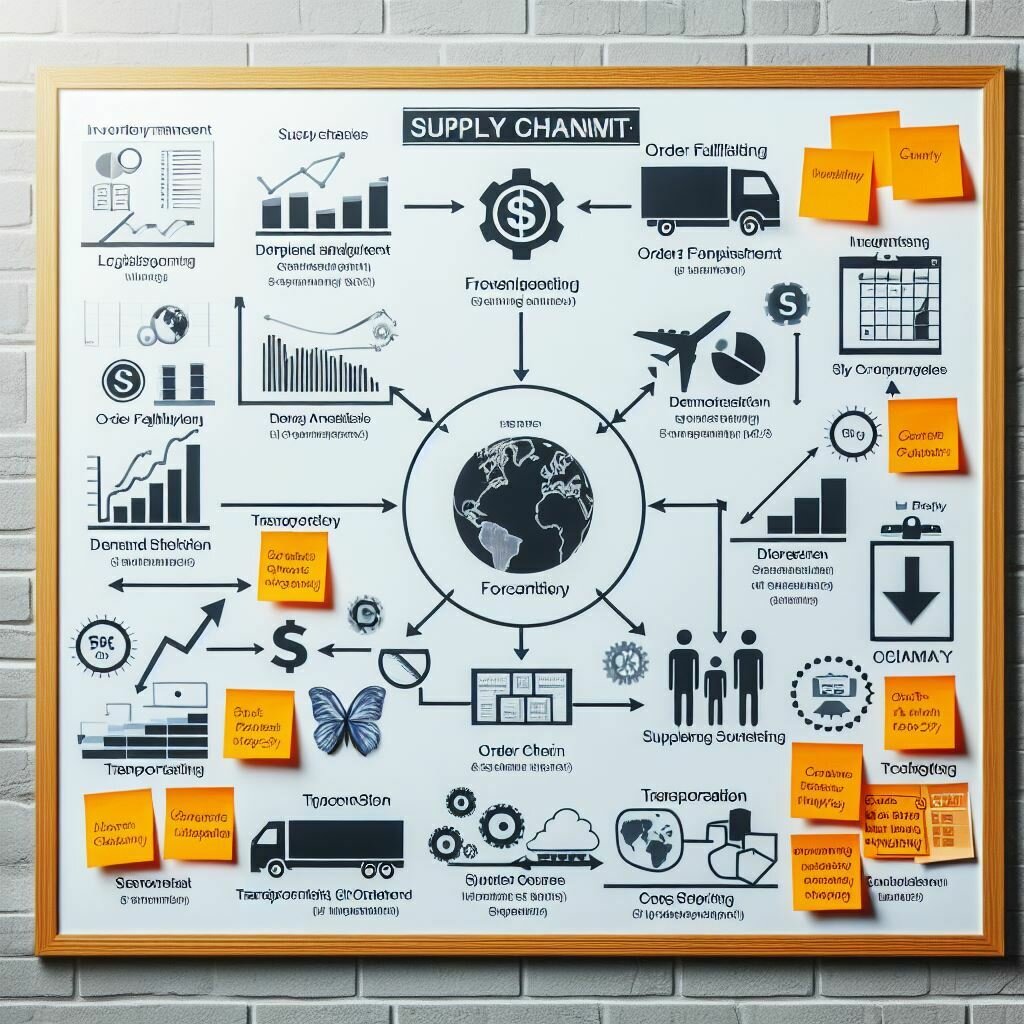
What is Inventory Management?
Inventory control in logistics includes ordering, storing, using, and selling a company's inventory. This includes managing raw materials and completed goods and storing and processing them. Effective warehousing practices are integral to inventory management. Industry experts such as Logos Logistics provide all the support you need for efficient inventory management. Industries depend on efficiently managing the stored inventory to streamline manufacturing processes and decrease bottlenecks.
Historically, inventory management was a manual process. With today's technological advancements, it has evolved into a complex inventory management system connected and integrated into supply chain logistics. This is possible thanks to tools such as Enterprise Resource Planning (ERP) systems and inventory management software. These solutions give businesses real-time data, which allows them to plan and execute inventory management activities more efficiently.
Methods of Inventory and Logistics Management
The right inventory management method for you depends on the type of business you run and the products you produce. Let's review the most commonly utilized methods to help you decide the best option. If you need even more help with inventory management and logistics, you can utilize the services from Simple Global.
Just-in-Time Management
The JIT strategy enables businesses to save money and avoid waste by holding only the inventory required to make and sell products. This practice lowers storage and insurance costs and the cost of disposing or dumping excess goods.
Materials Requirement Planning
This inventory management system is sales forecast-reliant, meaning producers must have accurate sales records. This is vital to accurately estimate inventory needs and communicate those needs to material suppliers on time. A manufacturer's inability to effectively anticipate demands and plan inventory accordingly means that orders cannot be fulfilled on time.
Economic Order Quantity
This model is used in inventory management to determine how many units a company should add to its inventory with each batch order to lower total inventory costs while assuming continuous consumer demand. The EOQ model aims to ensure that the appropriate amount of inventory is ordered per batch so that a company does not have to place orders too frequently and does not have excess inventory.
What is Inventory Forecasting?
Inventory forecasting predicts future inventory levels based on historical data, trends, and known imminent occurrences. Accurate forecasting ensures businesses have enough products to satisfy consumer requests without locking up cash in unnecessary inventory. Forecasting is more than just setting a reorder point; it analyzes data to detect patterns and trends to respond to changing conditions and satisfy customer demand.
Types of Inventory Forecasting
While experience and instincts have their role in inventory forecasting, numbers and algorithms are undeniably the best tools for making the most accurate predictions. The most common methods for forecasting logistics include trend, graphical, and qualitative.
Trend Forecasting
Trends refer to changes in demand for a product over time. This technique uses previous sales and growth data to predict potential patterns while excluding seasonal impacts and inconsistencies. More detailed sales data aids this forecasting technique by demonstrating how specific customers and types of consumers are likely to purchase in the future. Using this data, analysts can discover new ways to market and sell.
Graphical Forecasting
The same data that a forecaster examines in trend forecasting can be plotted to indicate sales peaks and valleys. Some forecasters favor the graphical method due to its visual aspect and insights. They can identify patterns in a collection of data points and add sloped trend lines to graphs to investigate potential paths that might otherwise be overlooked.
Qualitative Forecasting
Suppose a company has no access to historical data. In that case, they can turn to the best source, which is the customers themselves. Focus groups and market research are common methods for collecting complex qualitative forecasting data. Forecasters then develop models based on this type of data.
Conclusion
Effective inventory management is a critical component of logistics that ensures inventory levels are balanced, customer demand is fulfilled, and production costs are reduced. Businesses can improve their supply chain management and preserve a competitive advantage in today's market by implementing strategic inventory management methods.
Furthermore, forecast logistics is important for your company's performance since it ensures you have enough merchandise to fulfill client demand without wasting money on unnecessary inventory. If you need experts to support you with inventory management, look no further than Simple Global and Logos Logistics.
How Can You Manage Inventory And Forecast Logistics?
By georgemoulder
How Can You Manage Inventory And Forecast Logistics?
Inventory management is an integral aspect of the logistics industry. As a business grows, effective inventory management becomes even more critical.