Fabric
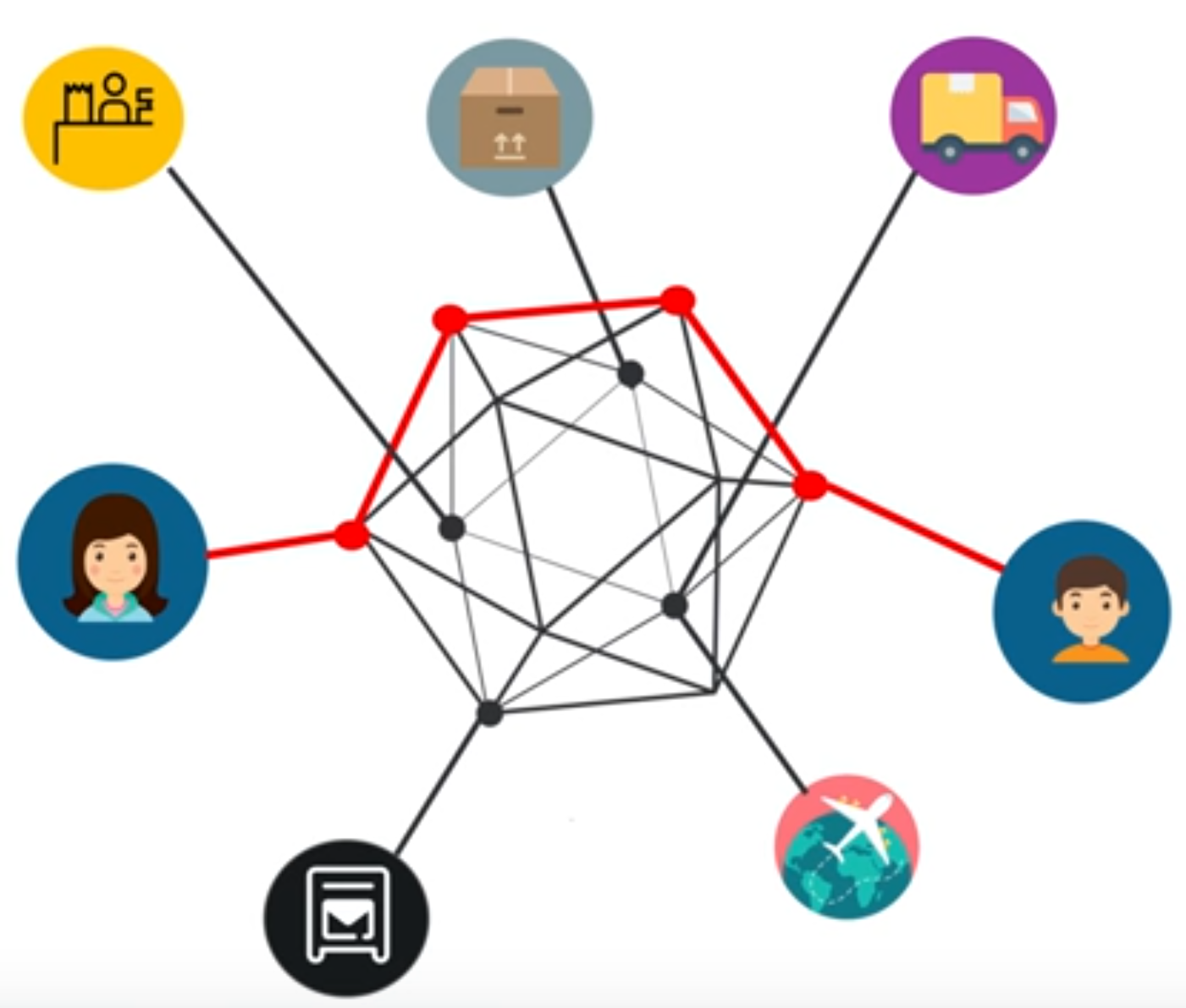
"Hyperledger is an open source collaborative effort created to advance cross-industry blockchain technologies. It is a global collaboration, hosted by The Linux Foundation, including leaders in finance, banking, IoT, supply chain, manufacturing and technology."
- Brian Behlendorf
Hyperledger
- First launched in 2016 with 30 founding members
- Governing board of Hyperledger partnered with the Linux Foundation
- 10 active, open-source blockchain projects
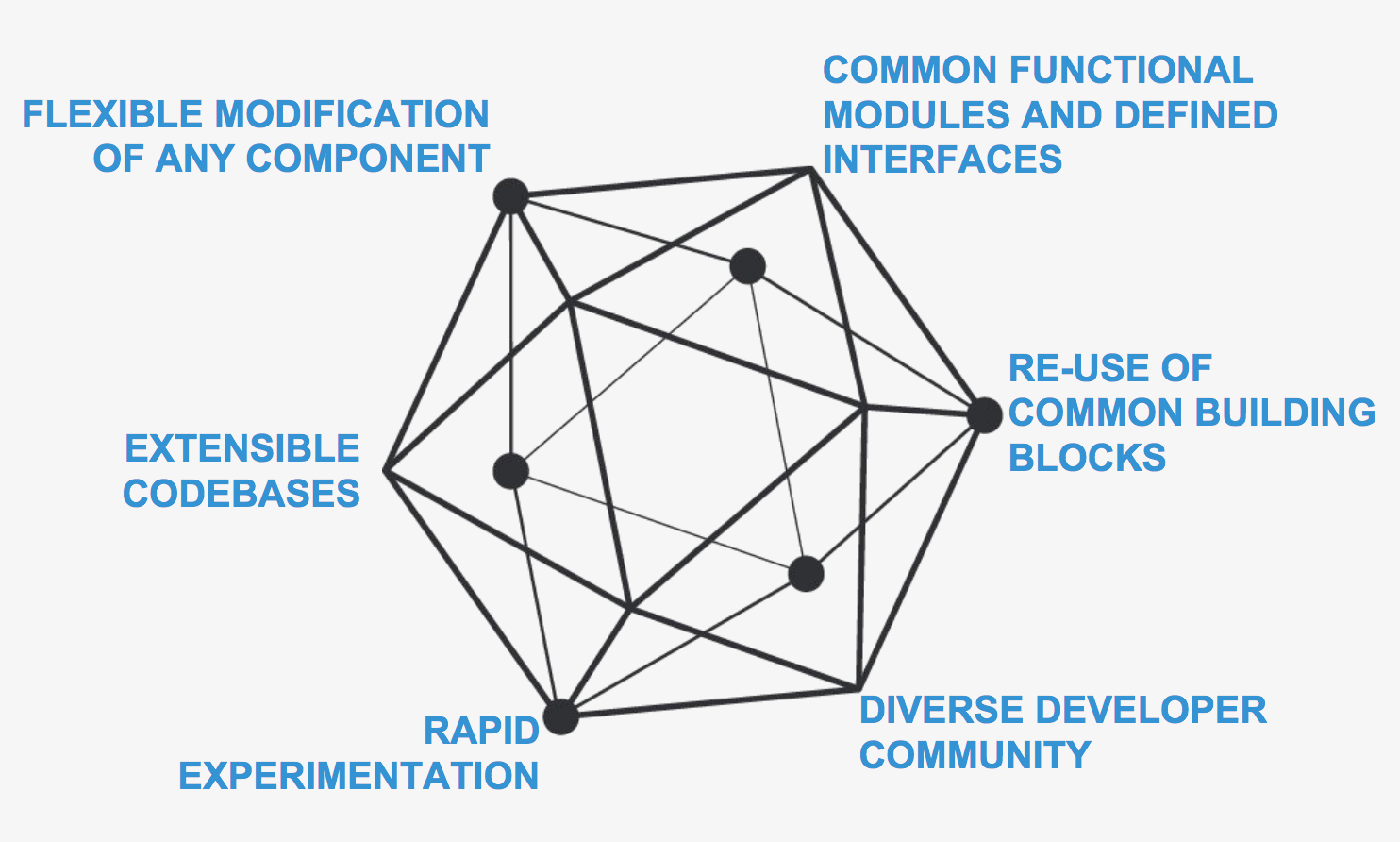
- Support modular designs for business solutions
Hyperledger
Modular
Private
Secure
Flexible
Transparent
Personalized
Fabric Overview
What is Fabric?
- Hyperledger Framework
- Records a history of transactions in a chronological ledger
- The definition as what gets transferred is called an 'asset'
- Smart contracts deployed to the ledger execute chaincode
- Uses chain code to modify assets
- Business share business logic and sign off on changes to database
What ISN'T Fabric?
- Blockchain
- Cryptocurrency
- Company
can represent any kind of value. Each one is a key value pair with state changes recorded as transactions on the ledger.
Assets
Channels
Transactions
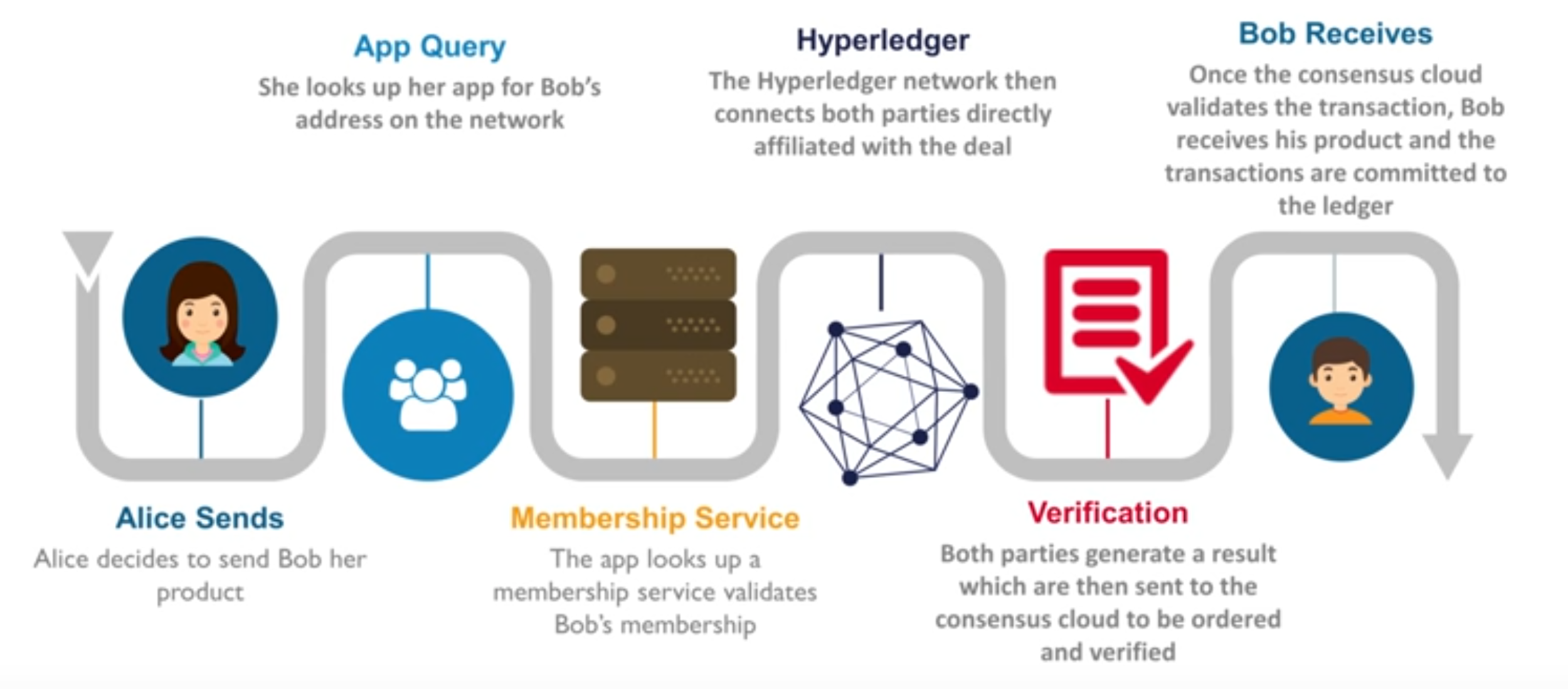
Private
Smart Contracts & Chaincode
- Defines Assets
- Transaction Instructions
- Business Logic
- Deployed to all Peers
Identities
Public Key Infrastructure
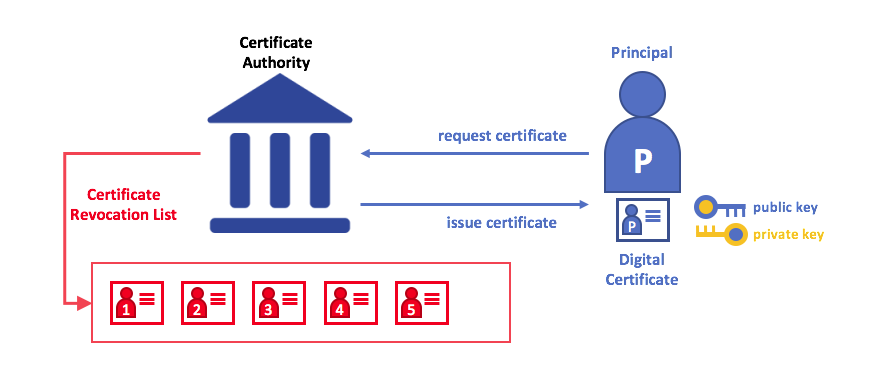
Fabric CA
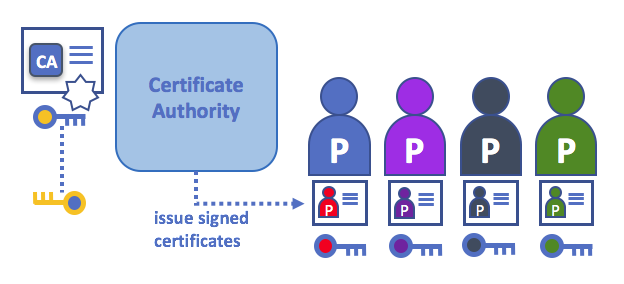
Verify Certificate
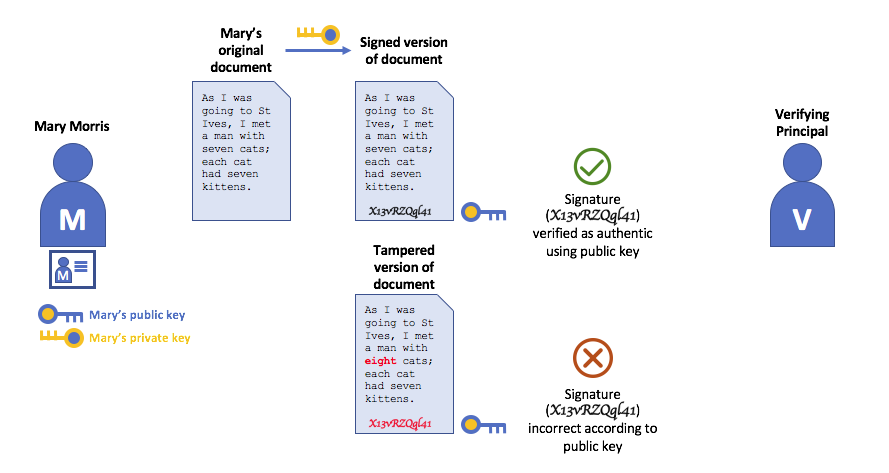
Membership Service Provider (MSP)
App
MSP
Channel
Transactions
Fabric Deep Dive
Types of Nodes
Peer Nodes
Ordering Nodes
Peers
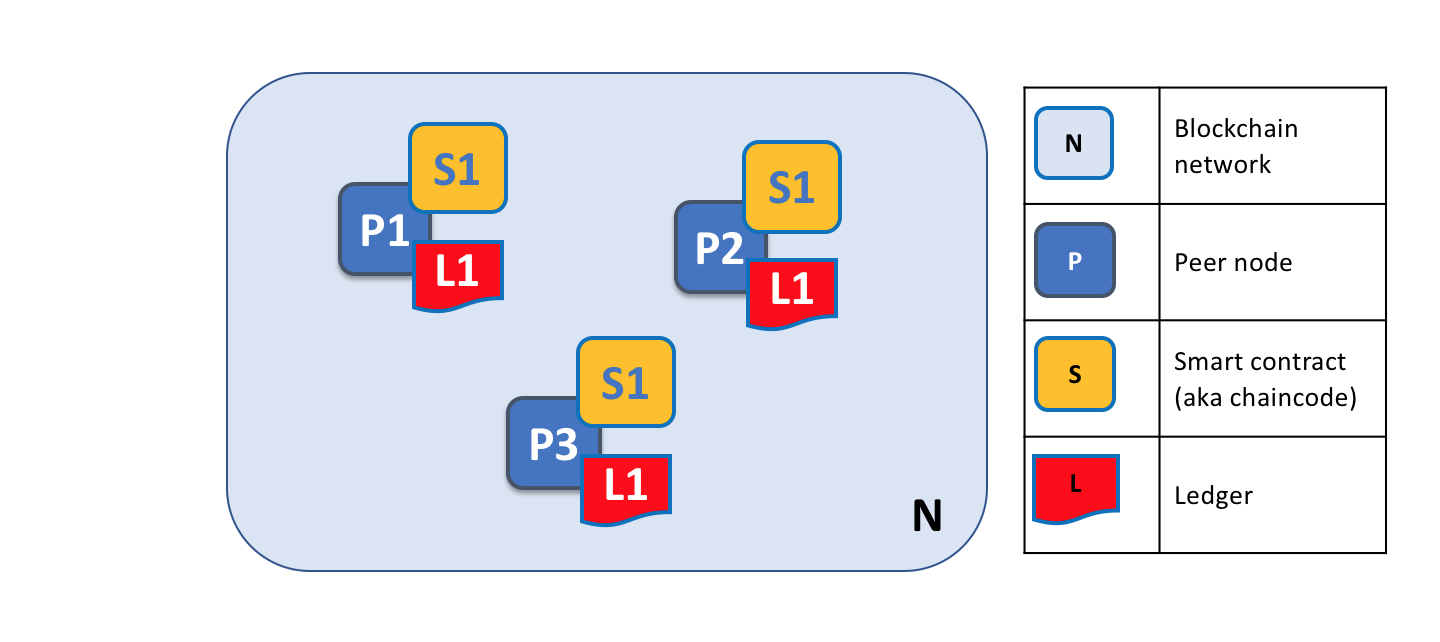
Networks
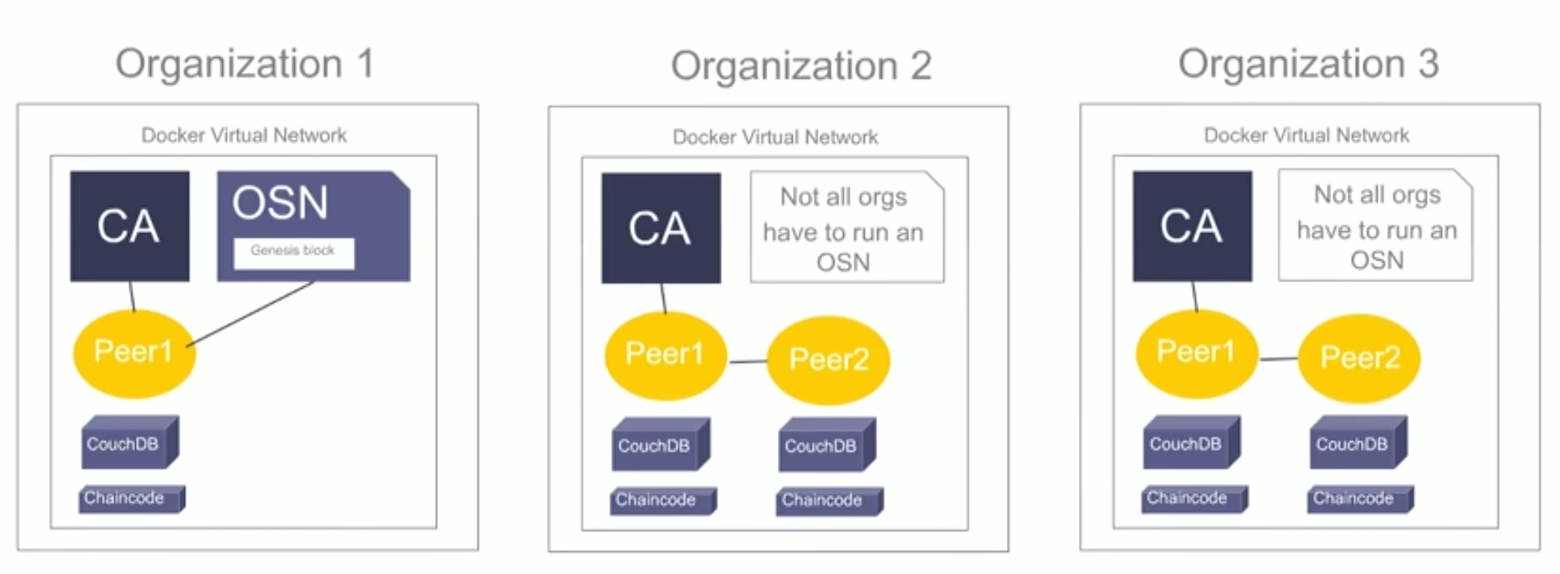
- Nodes run Docker containers on VMs in the cloud or locally
-
Each organization in network will run the following nodes:
- 0-1 Ordering service nodes
- 1 or more "peers" (can be endorsing or not)
- 1 Certificate Authority (MSP)
- 1 CouchDB (optional - pluggable state database)
- Join one or more channels
- 1 or more "Anchor Peers"
Network
Current State


State Database
Transaction Log
Modular
Setting up your first network
- Install & Set Up network Docker containers
- Install Go, Docker, Curl, Node
- Set up Hyperledger Fabric
- Create a global channel
- Peers join channel
- Peers are validated according to network config
Chaincode
Fabric Client (SDK)
Invoke
Network
Tooling
SDKs
Frameworks


Companies

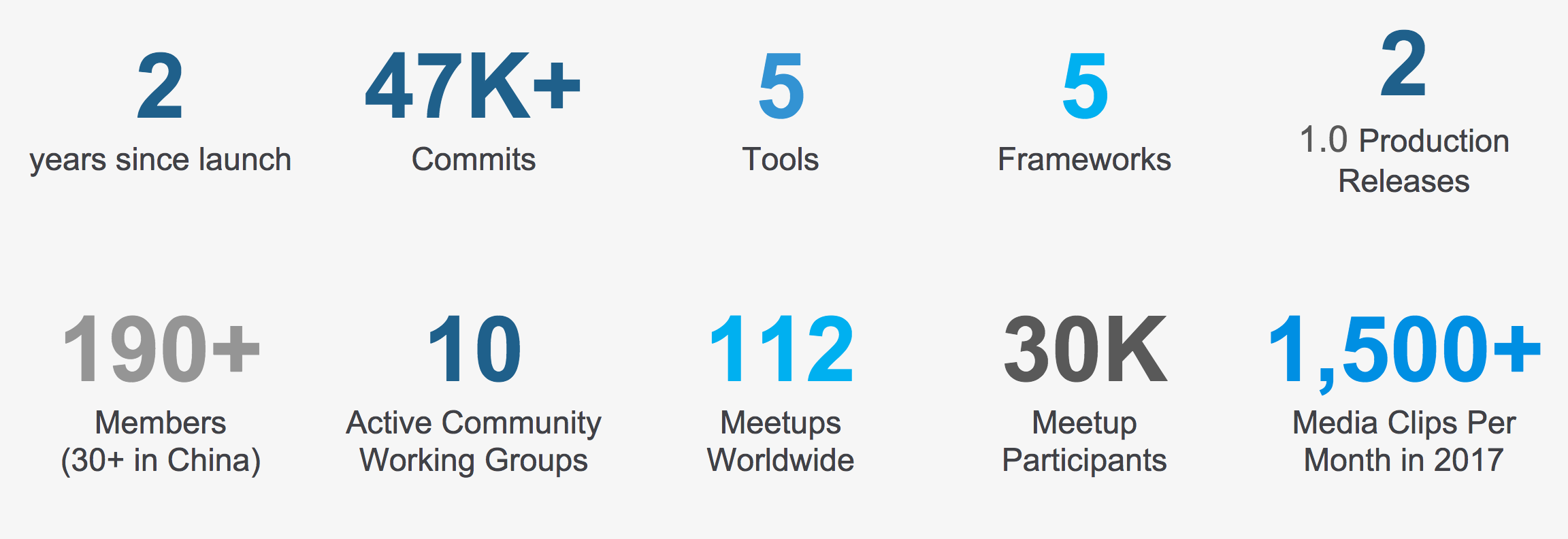
Hyperledger Momentum
Resources
Contact
-
github: gwenf
-
twitter: @gwen_faraday
-
email: gwenfaraday@pm.me
Hyperledger
By gwenf