1. Please log in to your computer and open umanitoba.ca/libraries

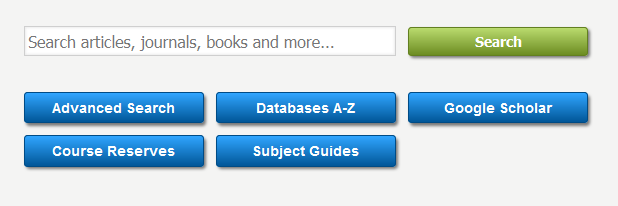
2. Select Subject Guides and scroll through to Education
3. On the guide, select Librarian
4. Find today's workshop and open the link
Research in Education
Janice Winkler
Education Librarian
Elizabeth Dafoe Library
Adapted from slides created by Kyle Feenstra

EDUA 5600
August 2, 2018
What we will talk about today...
- Where to start
- Basic & advanced search techniques
- Citation management
- Try it out
Getting started
Starting points:
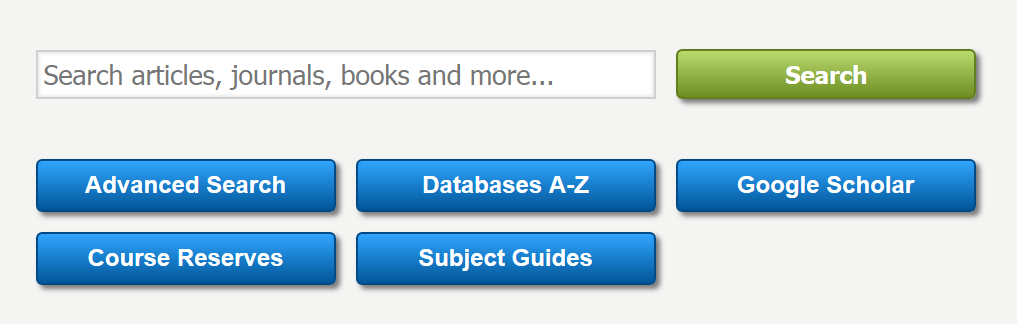
The Subject Guide for Education will help you identify the resources relevant to your research.
The journal databases identified by the Subject Guides and Database A-Z are great places to start your search for articles. ERIC is a go-to database in education.
The advanced search for basic article and book searches
Where to locate information
Books
Print
Online
Scholarly articles
'Grey literature'
Policy documents
Govt publications
Library search bar (filter for Books)
Library search bar (filter for Peer Reviewed)
Databases (ERIC is the go-to; find more)
Google Scholar
Check multiple locations
What are scholarly journals?
- The journal publishes current research in a particular academic field.
- Articles are written for an academic audience in a scholarly community.
Identifying scholarly articles
- The article presents original research or new analysis.
- Resources used to write the article are adequately cited.
- The author has academic credentials.
- Language used indicates the intended audience is academic.
What do we mean by "peer review"?
Articles submitted to the journal are reviewed by independent scholars prior to publication to ensure they meet the standards for research in that field.
Identifying Peer Reviewed Journals
- The catalogue or database where it is found identifies the journal as a peer reviewed source. (Example)
Tip: Most databases have filters that show only PR results. - The journal editors identify the publication as
peer reviewed.
Search Skills
Keywords
Subject Headings
(Taxonomy)
Language used in the literature of a field of study
Language used to organize a field of study for the purpose of retrieval
Natural Language
Language as it's really spoken.
Language used is arguably the most important part of a successful search
Examples
Google:
academic journals on inclusive education
ERIC:
inclusive education
ERIC:
inclusion
Subject Headings
results are based on a match with the subject heading field in the library or database record.
Subject headings are useful for identifying related materials.
A combination of subject headings and keywords often produce the most precise search results.
When you search with...
Keywords
results are based on frequency of word use in the library or database record and in some cases the document text.
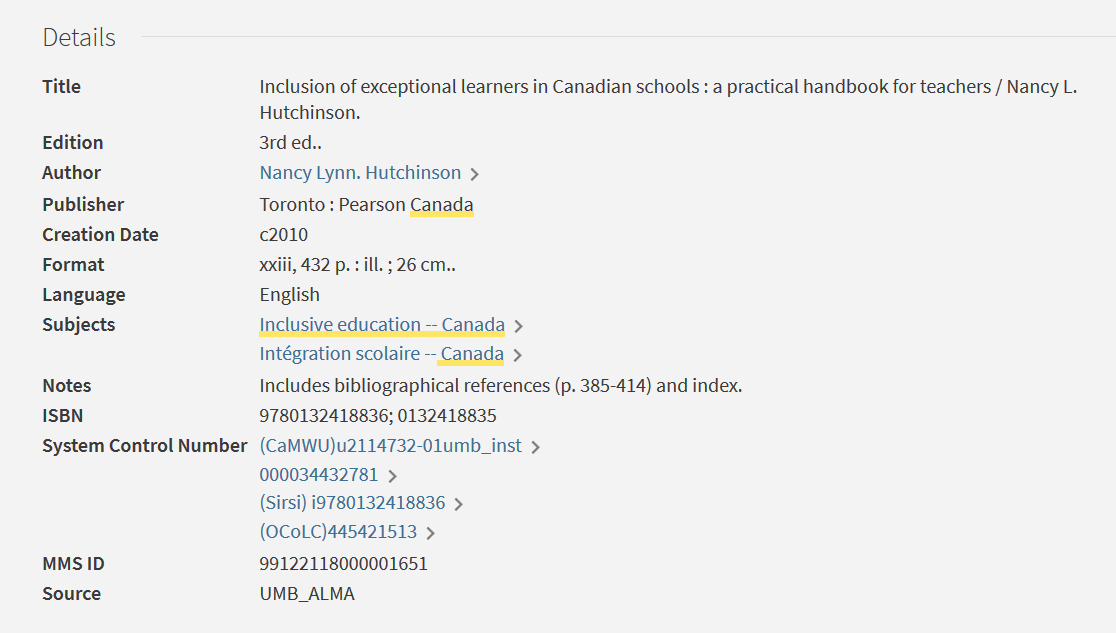
Book Subject Headings
The Library of Congress assigns subject headings for all monograph publications
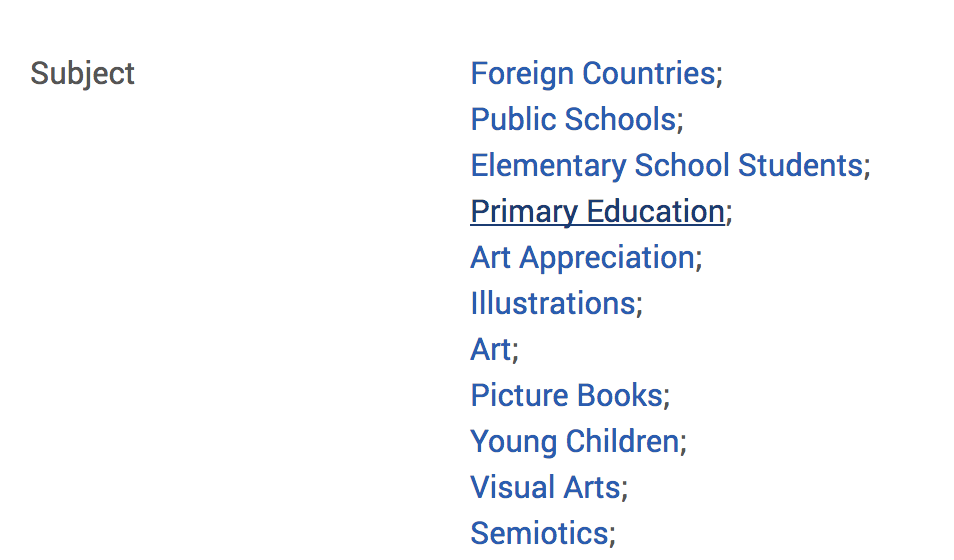
Article Subject Headings
Databases organize subject headings in a thesaurus.
ERIC offers a comprehensive thesaurus for education.

Searching with Subject Headings
A few approaches:
- Search with keywords to find relevant books or articles. Use their subject headings to find similar materials.
- Find the preferred subject headings first and search by subject rather than keyword.
- Refine a subject heading search by adding keywords.
Example
finding subject headings for
inclusive education in ERIC
finding Library of Congress subject headings for inclusive education in the catalogue
Basic Search Techniques
Here are some tips to get better search results in the catalogue and databases.
| Strategy |
Example |
|---|---|
| Combining search terms |
formative AND summative AND assessment |
| Using quotation marks |
"professional development" |
| Multiple word endings |
teach* |
| Search formulas with parentheses |
teach* AND (formative OR summative) AND assessment |
How should you know which search techniques to use?
Read the search results!
Start with a broad search, and narrow down based on your results.
Example
searching in ERIC
Activity #1
&
Activity #2
Activity #1
&
Activity #2
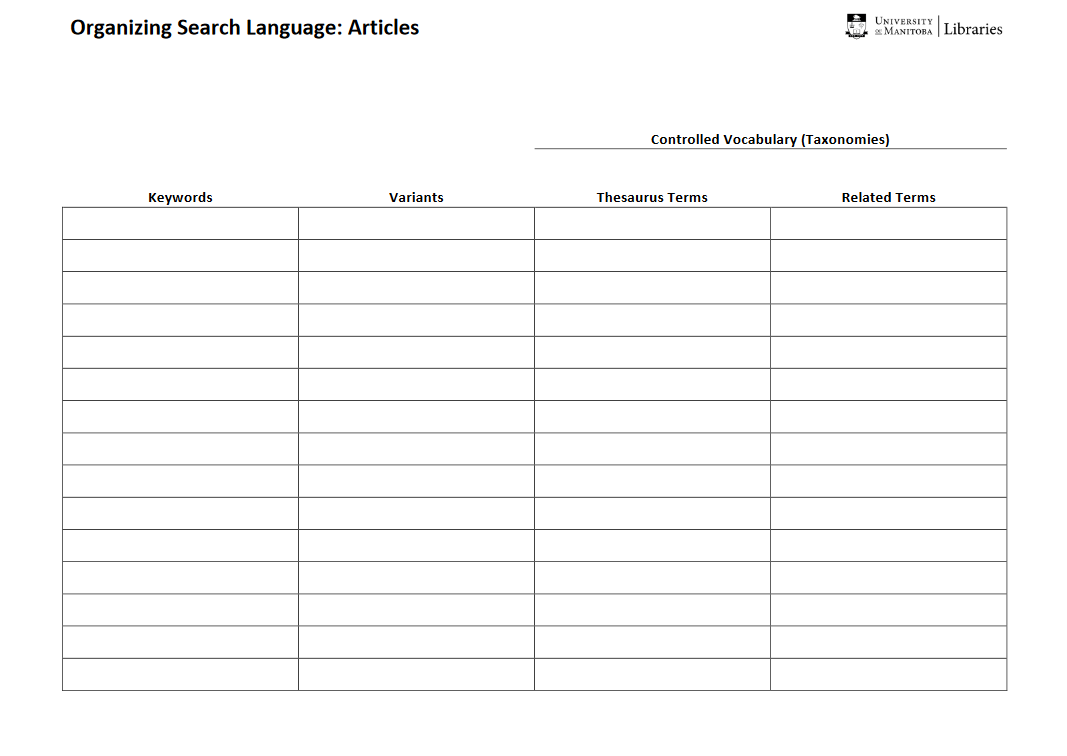
student teacher relationship
teacher child relationship
teacher student relationship
teacher student relationship
team teaching
Citation Management
Citation Management
There are many citation management apps available and
workshops* to help you learn how to use them.




Getting started with Zotero
- Create account
- Download Zotero & add account info to app
Edit > Preferences > Sync - Download Zotero Connector browser plug-in to add items
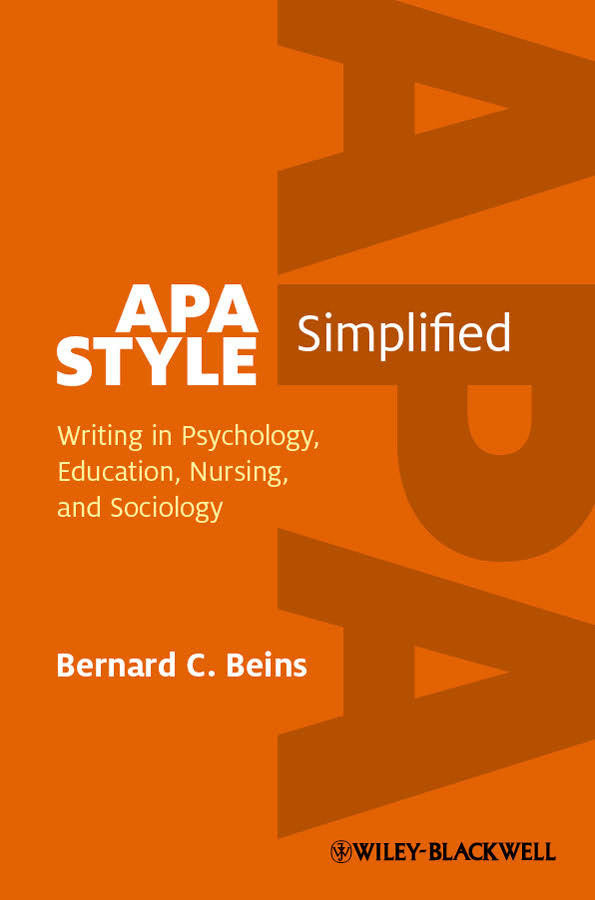
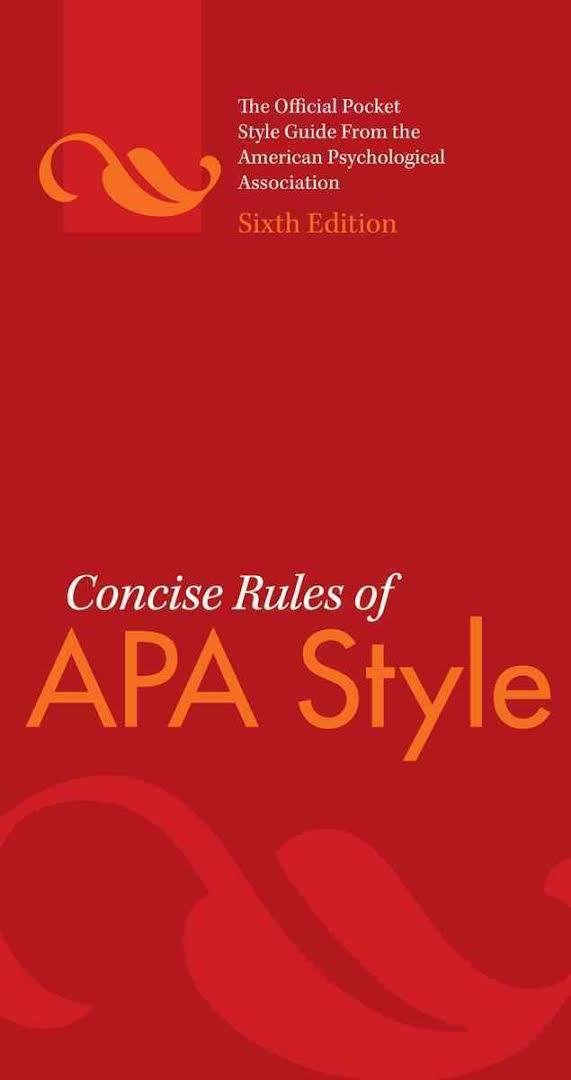
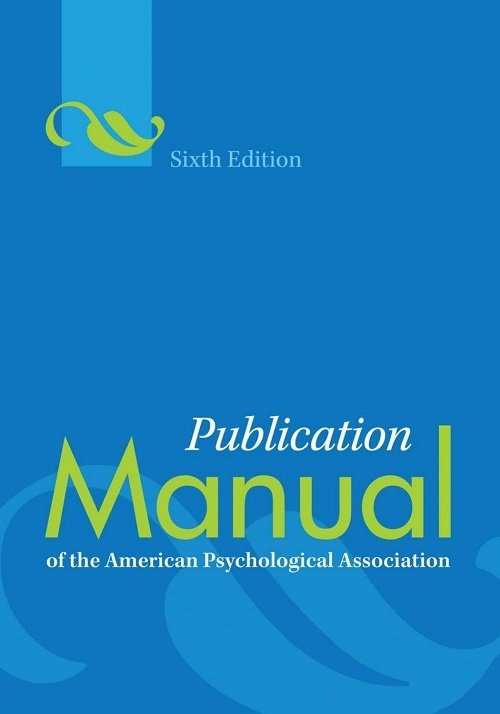
APA Style Guides
UM Library copies of recommended APA Guides
Handouts from this Workshop
Questions?
Janice Winkler
Education & U1 Librarian
Elizabeth Dafoe Library
Janice.Winkler@umanitoba.ca
Graduate Research in Education
By Janice Winkler
Graduate Research in Education
EDUA 5600 - Aug 3, 2018