ANATOMY OF NECK
Professor Con Yiannikas

Biomechanics of Head Motion
Cervical Dystonia
Anatomy
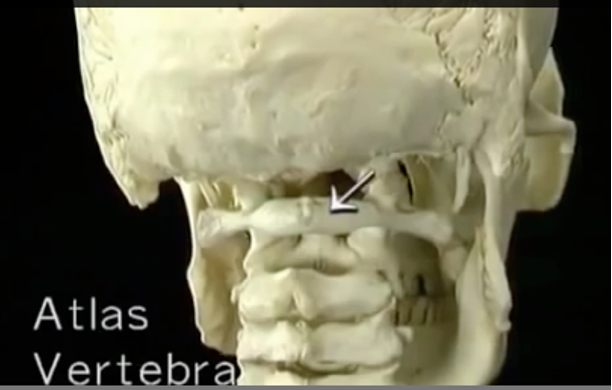
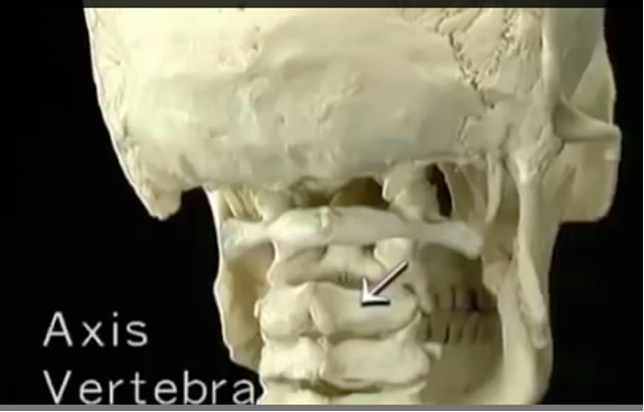
Motion of the Head on Neck
Cervical Dystonia
Anatomy
Missing Video
Lateral Tilt
Cervical Dystonia
Anatomy
Lateral tilt occurs between C0-C1
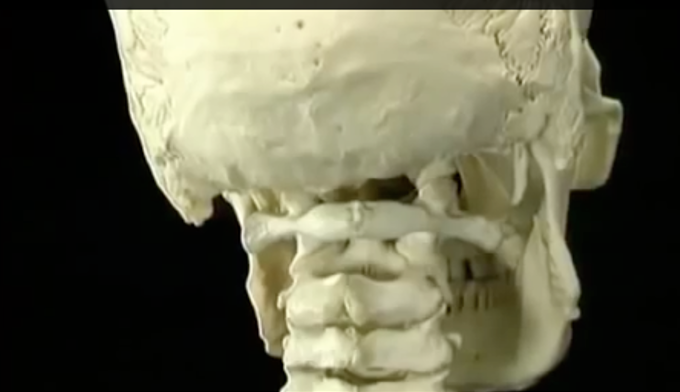
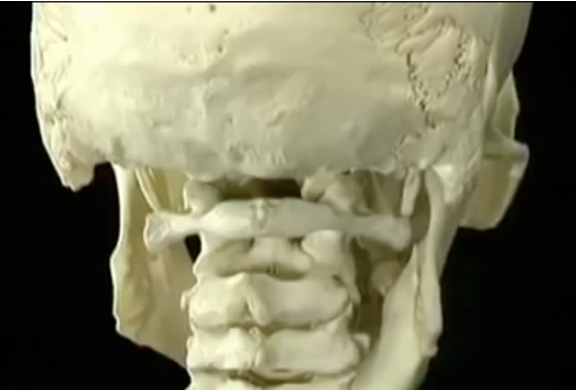
Rotation and Flexion
Cervical Dystonia
Anatomy
Rotation at C1-2, Flexion and extension mainly at C0-1
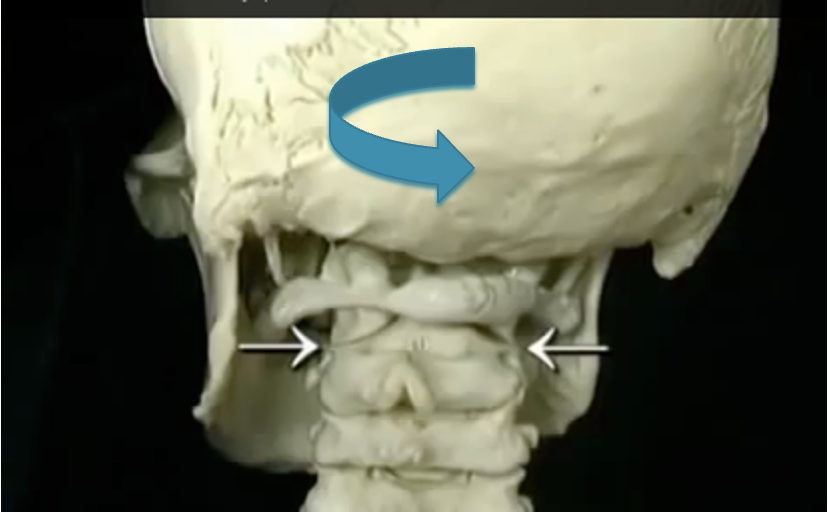
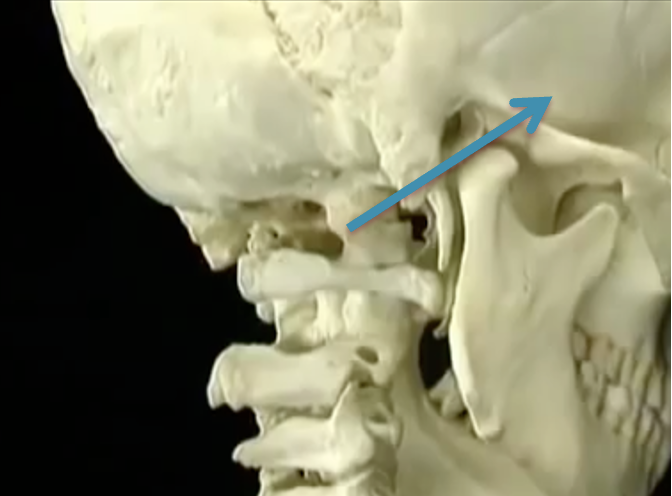
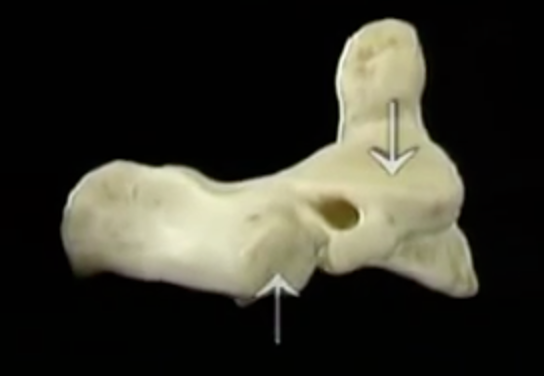
Biomechanics of Neck Movement
Cervical Dystonia
Anatomy
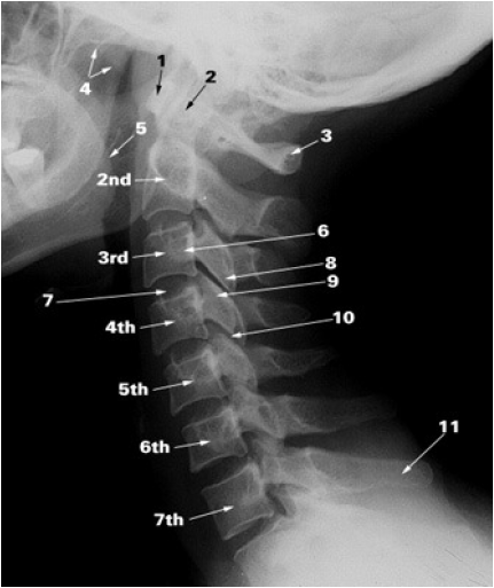
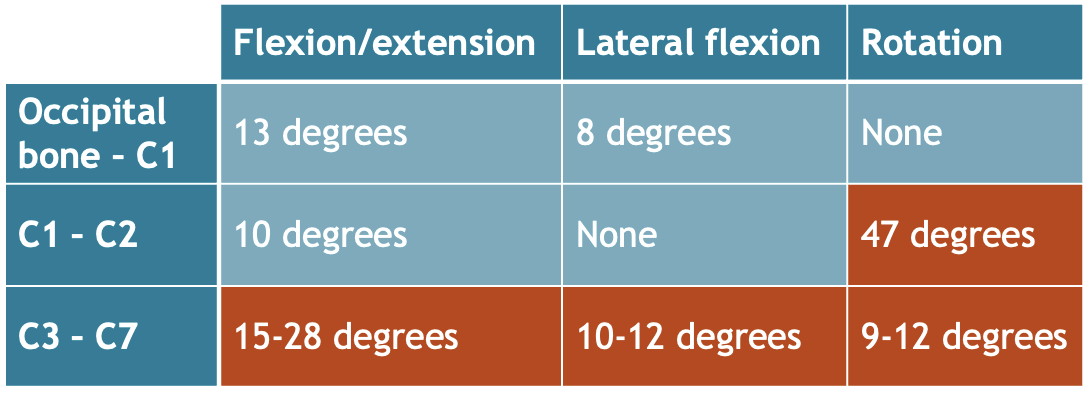
Range of Motion
Cervical Dystonia
Anatomy
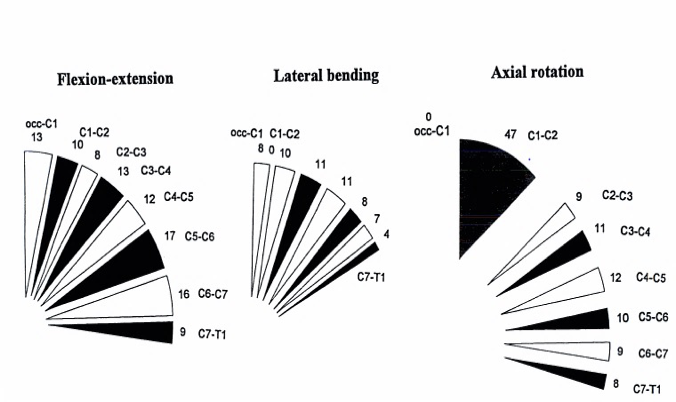
Biomechanics of Neck Motion
Cervical Dystonia
Anatomy
- Most lateral flexion and flexion/extension occur serially from C2 through C7.
- Long muscles spanning these segments have great advantage in lateral flexion and in flexion/extension.
- The majority of head rotation occurs at the atlanto-axial joint, so that muscles that act across this joint (e.g. obliquus capitis inferior, splenius capitis, SCM) have advantage in producing turning movements.
- Rotation at C1-2 requires some extension and lateral tilt.
Blank Slide
Cervical Dystonia
Anatomy
- Is this slide missing a video??
Extensor Group
Cervical Dystonia
Anatomy
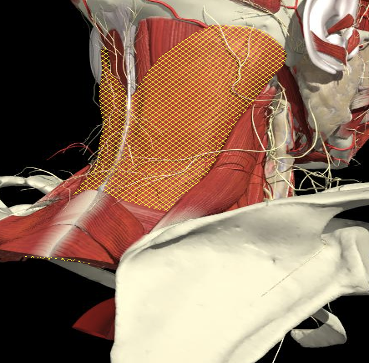
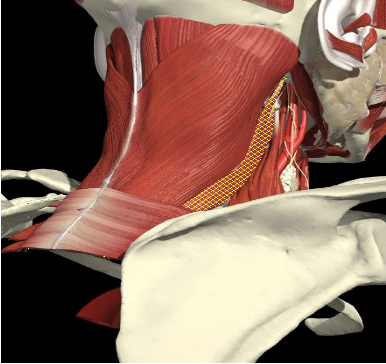
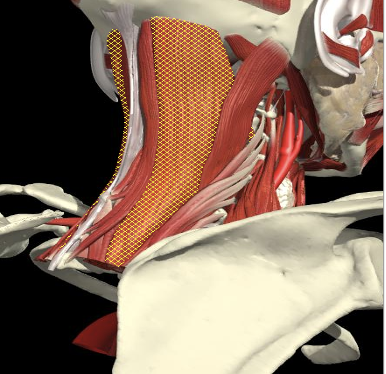
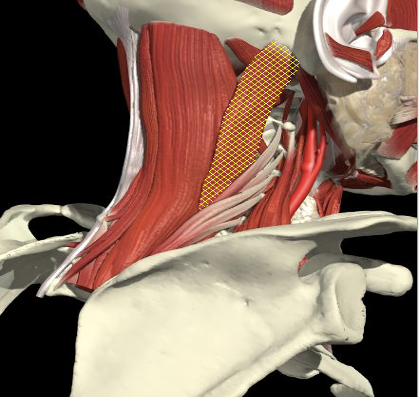
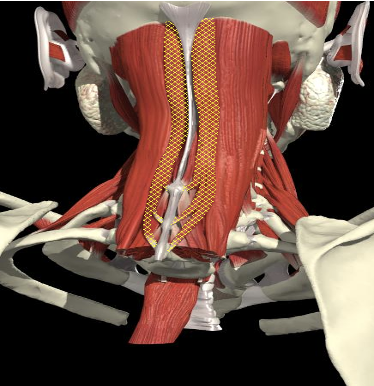
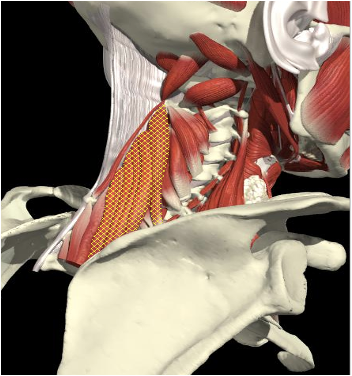
Splenius Capitis
Splenius Cervicis
Semispinalis Capitis
Longissimus Capitis
Spinalis Capitis
(Erector Spinae)
Semispinalis Cervicis
Layer 1
Layer 2
Layer 3
Extensor Group
Cervical Dystonia
Anatomy
- Working together extend the neck
Function
- Tilt the head to the same side – splenius capitis, cervicis
- Turn head to
- Same side – lateral muscles insert into mastoid
- Splenius capitis, cervicis, Longissimus capitis
- Opposite side - medial muscles insert into occiput
- Same side – lateral muscles insert into mastoid
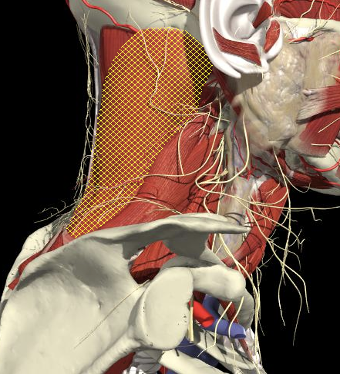
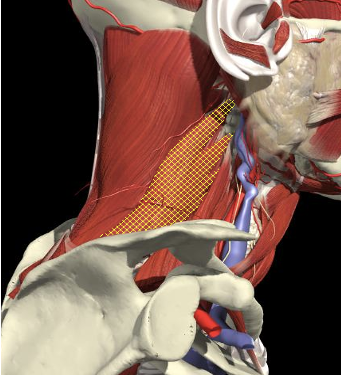
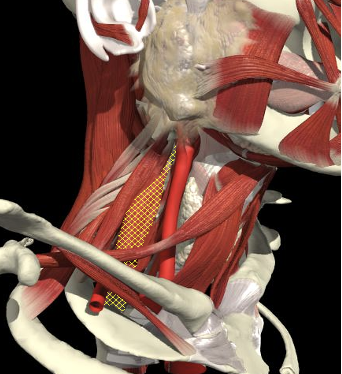
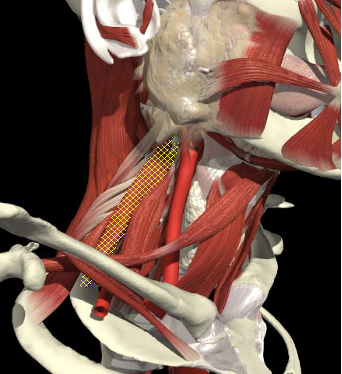
Lateral Muscles
Cervical Dystonia
Anatomy
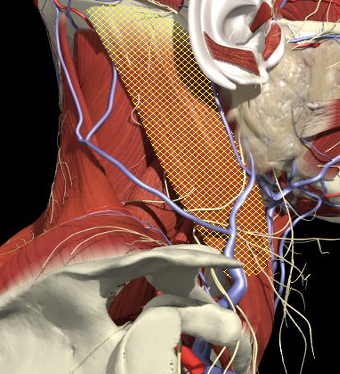
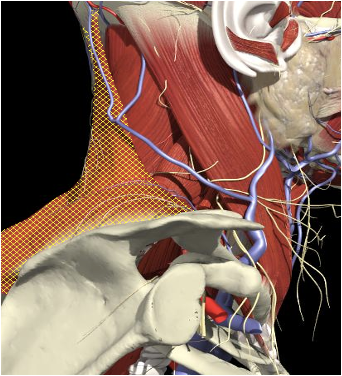
SCM
Trapzius
Splenius Capitis
Levator Scapulae
Scalenes
Lateral Muscles - Action
Cervical Dystonia
Anatomy
-
Rotates neck to opposite side
- SCM, Scalenus anterior
-
Elevates shoulder
- Levator scapulae, trapezius
-
Lateral neck flexion
- All
-
Neck extension
- Trapezius when acting together
-
Neck flexion
- Scalenus anterior when acting together
Anterior/Lateral Muscles
Cervical Dystonia
Anatomy
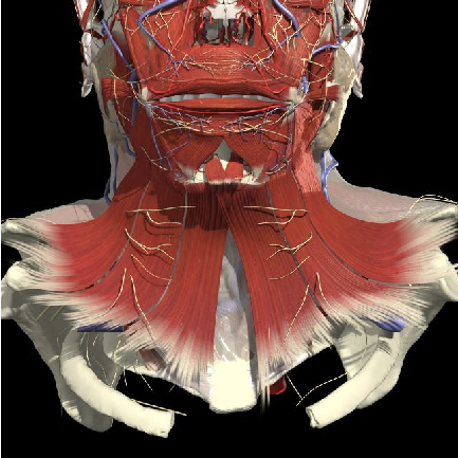
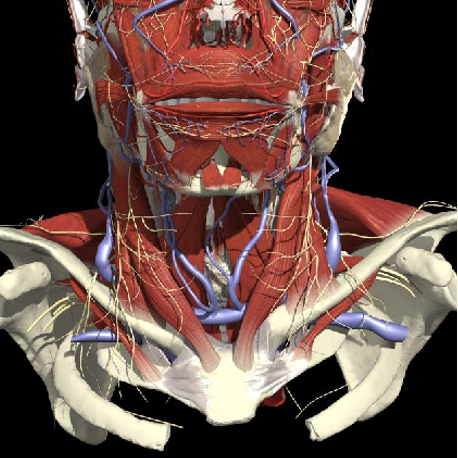
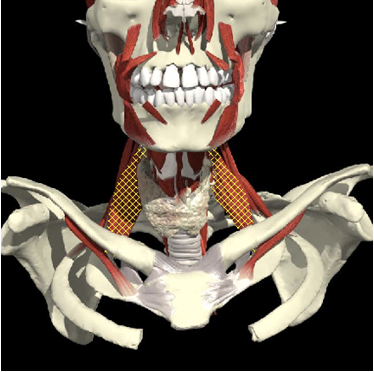
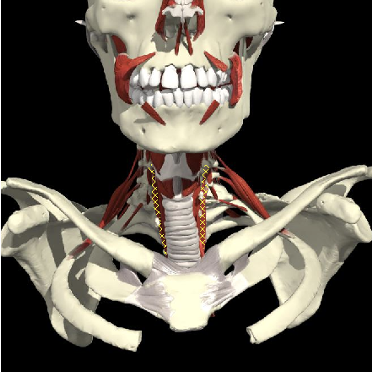
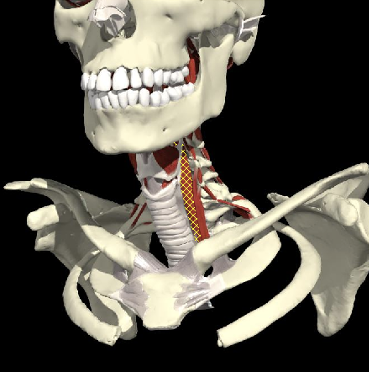
Platysma
Scalenus Anterior
SCM
Longus Colli
Anterior/Lateral Muscles
Cervical Dystonia
Anatomy
- When acting together
- When acting individually
Action
-
- Lateral flexion
- Rotation to the opposite side
-
- Forward flexion
Rotation of Head
Cervical Dystonia
Anatomy
- Attaching to skull
- Unilateral contraction

Anterolateral muscles contralateral rotation
-
Trapezius
-
SCM
Posterolateral muscles ipsilateral rotation
-
Splenius capitus
-
Longissimus capitus
-
Splenius cervicus
Posteromedial contralateral rotation
-
Semispinalis capitis
-
Spinalis capitis

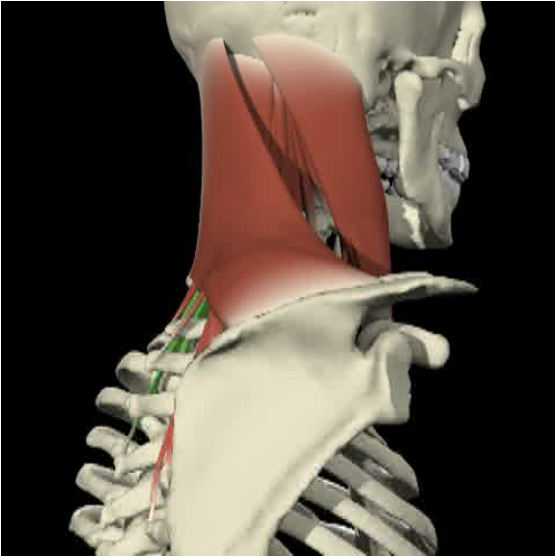
Contralateral Rotation
Cervical Dystonia
Anatomy
- SCM
- Scalenus anterior
- Semispinalis capitis
- Semispinalis cervicis
- Spinalis cervicis
Insert Video
Ipsilateral Rotation
Cervical Dystonia
Anatomy
- Splenius capitis
- Splenius cervicis
- Longissimus capitis
- Sub-occipital
Insert Video
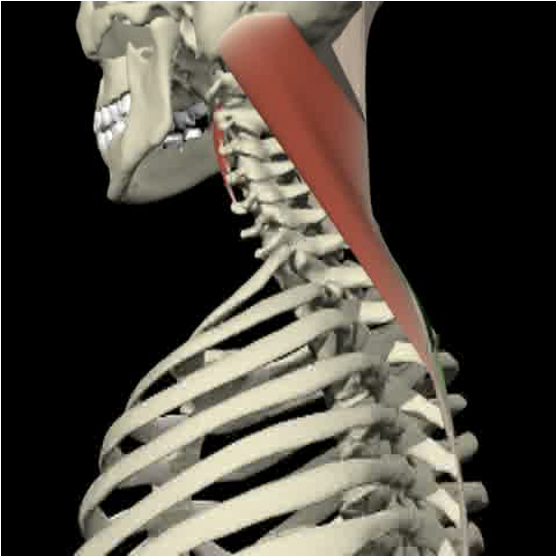
Lateral Flexion
Cervical Dystonia
Anatomy
- Lateral muscles acting in isolation


Lateral Flexion
Cervical Dystonia
Anatomy
-
Ipsilateral
- SCM
- Splenius capitis
- Splenius cervicis
- Levator scapulae
- Trapezius
- Scalenes
- Longus colli
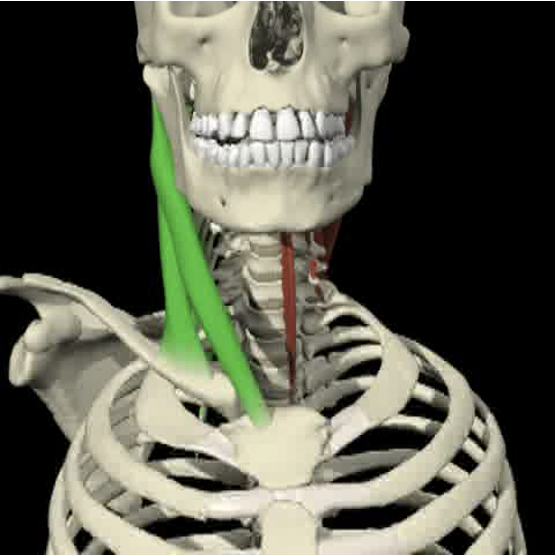
Insert Video
Extension
Cervical Dystonia
Anatomy
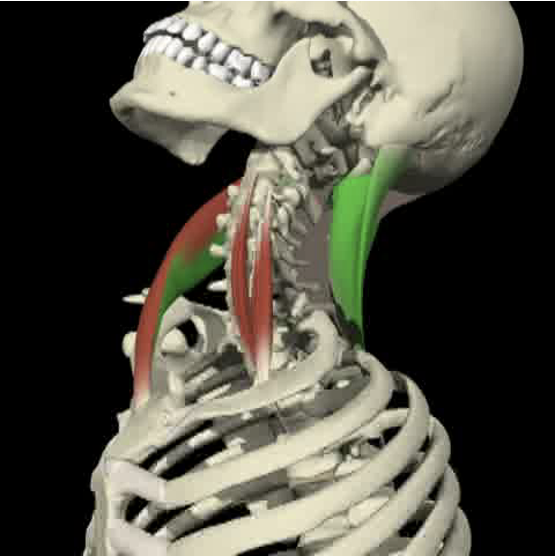
- Posterior and posterolateral muscles acting together


Neck Extension
Cervical Dystonia
Anatomy
-
Acting together
- Splenius capitis
- Splenius cervicis
- Trapezius
- Longissimus capitis
- Semispinalis muscles
Insert Video
Flexion
Cervical Dystonia
Anatomy
- Anterior muscles acting together

Neck Flexion
Cervical Dystonia
Anatomy
-
Acting together
- SCM
- Scalenes
- Longus Colli
Insert Video
-
Chin flexion
- Platysma
- Submental muscles
Anatomical Landmarks
Cervical Dystonia
Anatomy
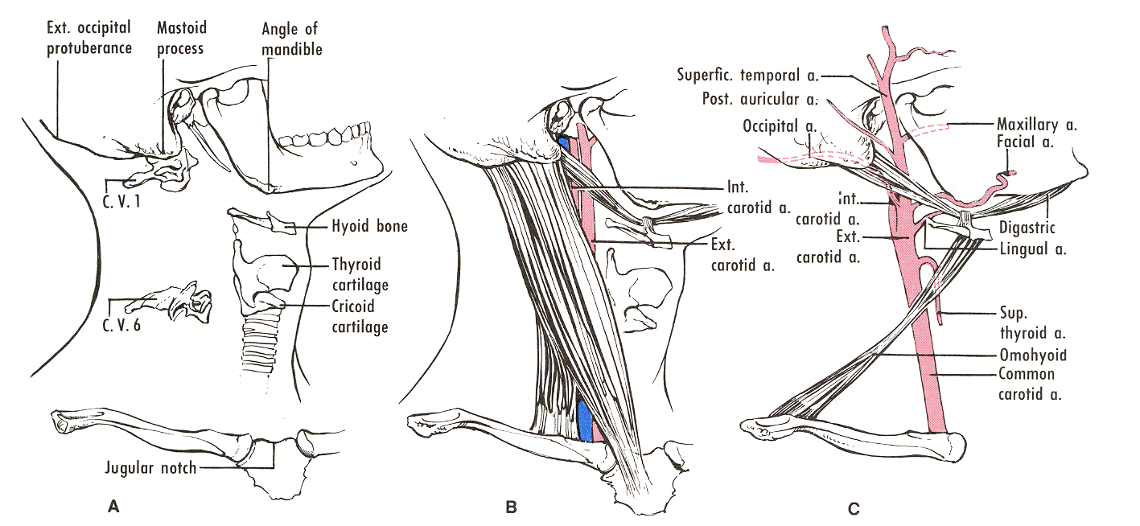
- Mastoid tip- 1cm below and anterior-C1
- Hyoid bone – C3
- Thyroid Cartilage – C4-5
- Cricoid cartilage – C6
Action
Scalenes
Cervical Dystonia
Anatomy
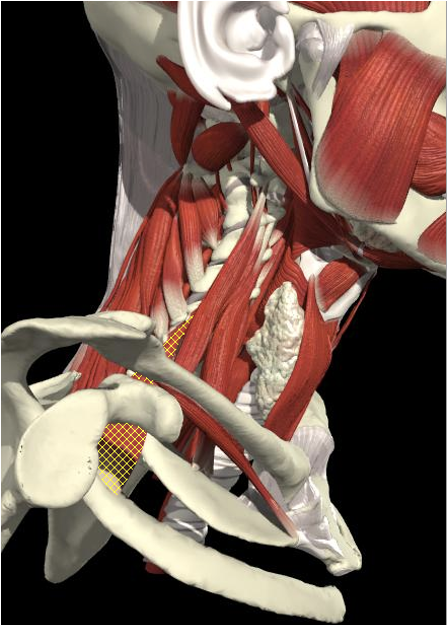
Origin
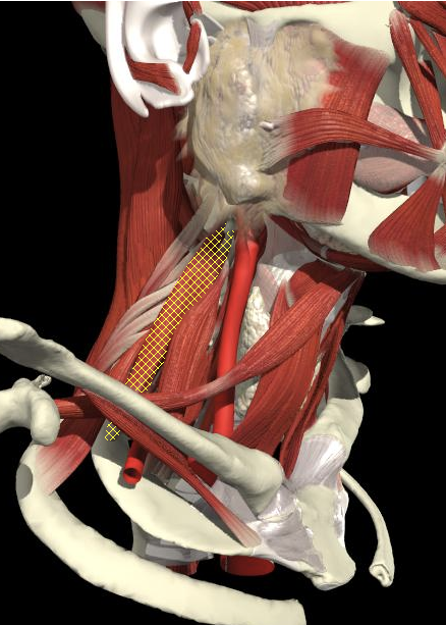
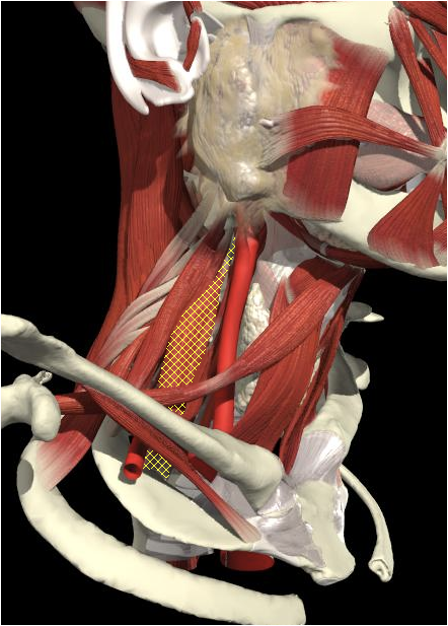
Anterior: C3-6
Medial: C1-7
Posterior: C3-7
Insertion
Anterior: First rib
Medial: First rib
Posterior: Second rib
Scalenes
Cervical Dystonia
Anatomy
Action
- Lateral neck flexion
- Elevation of first and second rib
- Rotation of neck to opposite side (Scalenus anterior)
Scalenes
Cervical Dystonia
Anatomy
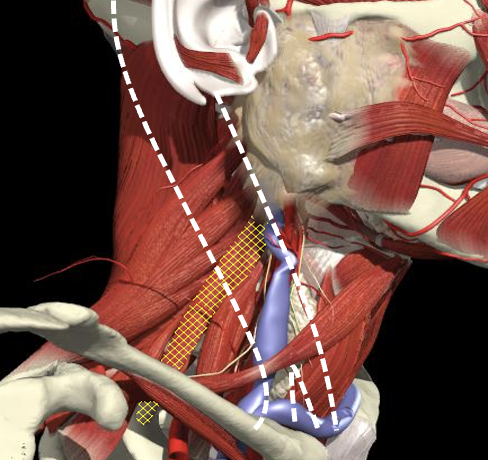
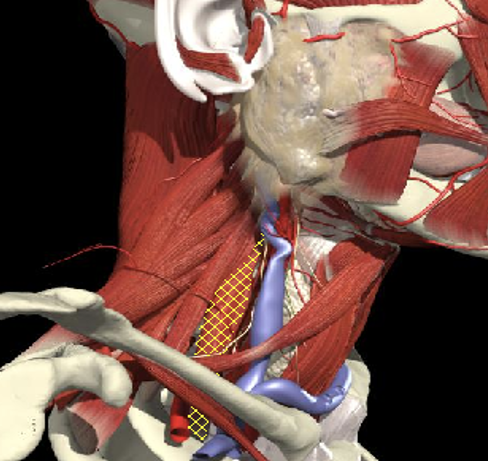
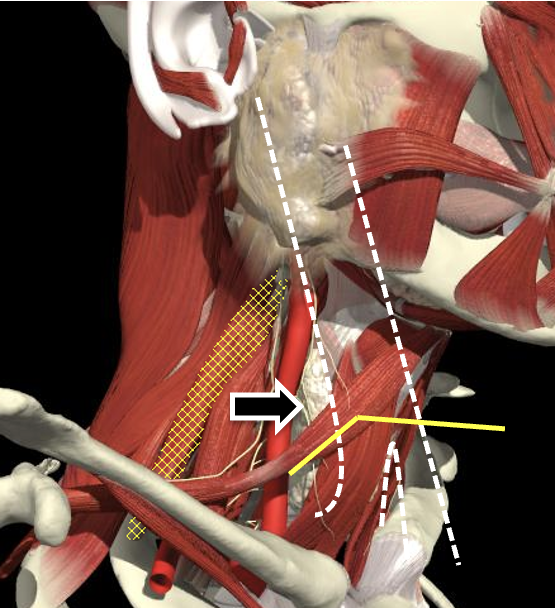
- The scalenus anterior and medius muscles lie immediately anterior and posterior to the plexus in the interscalene region and then insert onto the first rib.
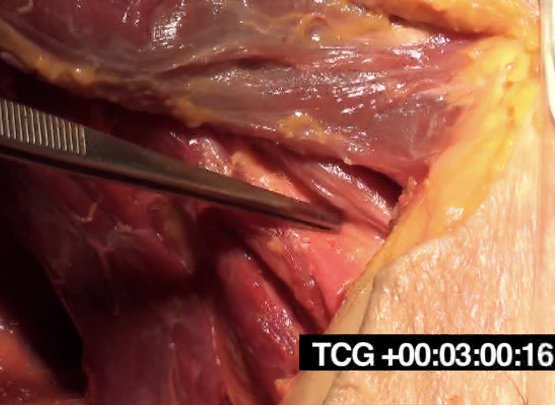
- The upper, middle and lower trunks are enclosed within the interscalene fascial sheath as they emerge between the scalene muscles.
Scalenes
Cervical Dystonia
Anatomy
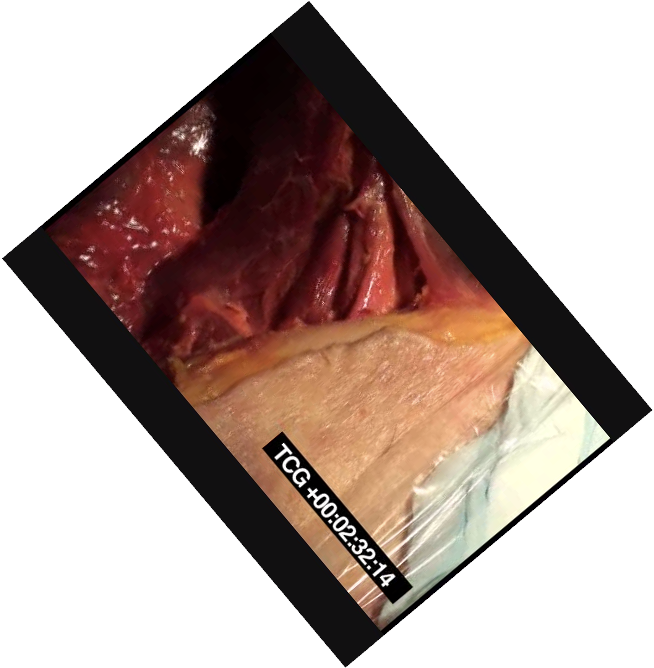
Missing Video
Scalenes EMG
Cervical Dystonia
Anatomy
Missing Video
Levator Scapulae
Cervical Dystonia
Anatomy
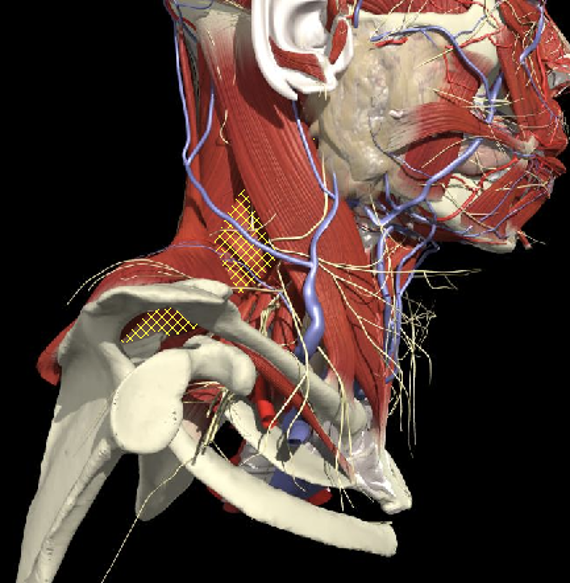
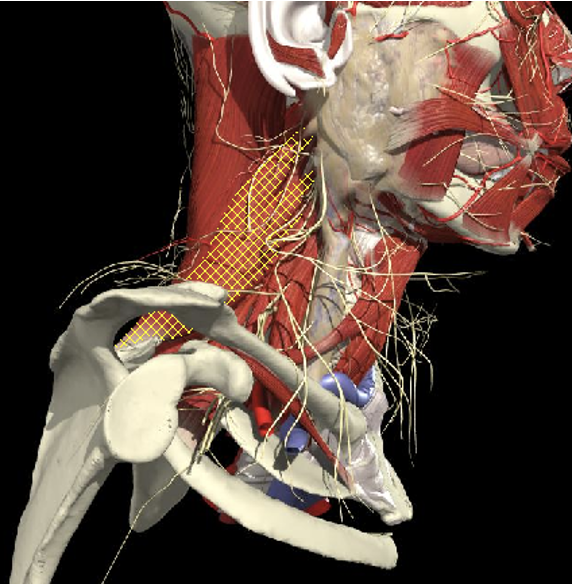
Origin
First to the fourth cervical vertebrae.
Insertion
Medial edge of the scapula, between the superior angle and the root of the spine.
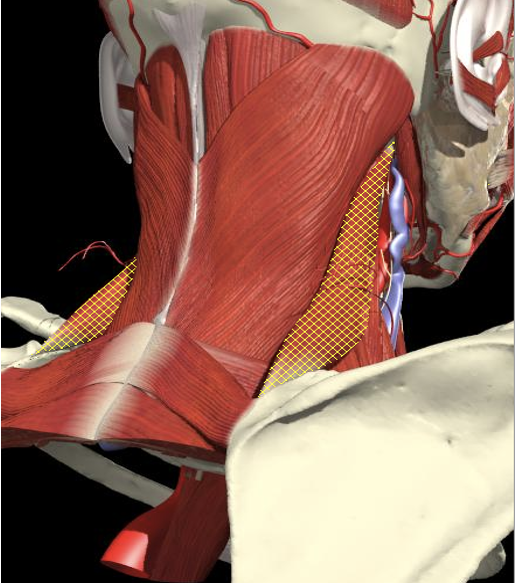
Levator Scapulae
Cervical Dystonia
Anatomy
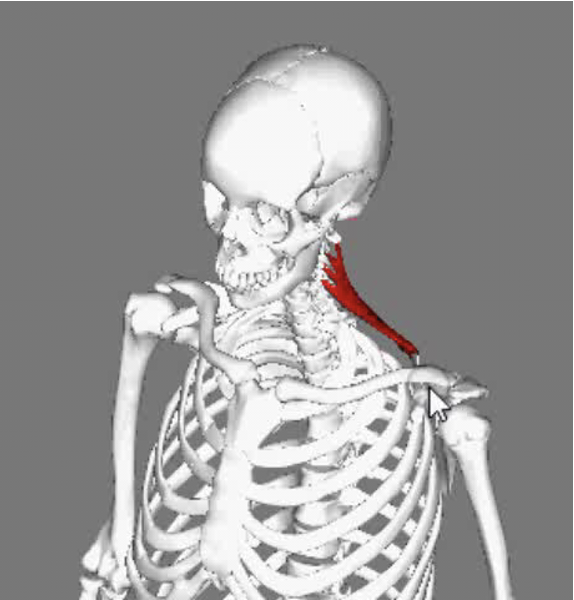
Action
- Acts as a checkrein for the bent head
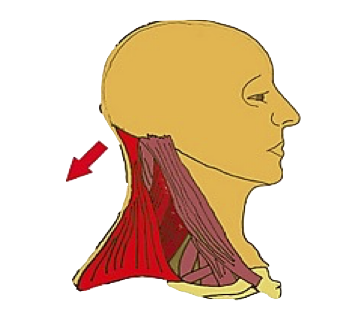
Levator Scapulae & Neck Motion
Cervical Dystonia
Anatomy
Left Lateral Flexion
Left U Trapezius, SCapitus and Levator Scapulae
Left U Trapezius,
Right SCapitus , Levator Scapulae
Bilateral U Trapezius
Scapitus, Levator Scapulae
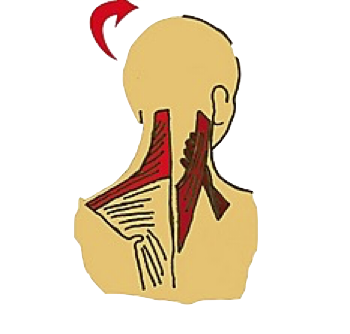
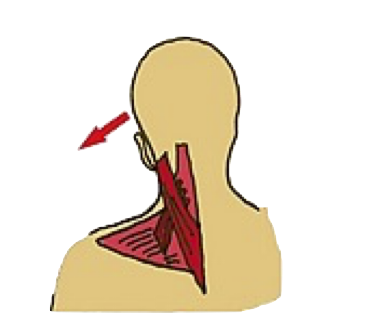
Right Rotation
Extension
Levator Scapulae
Cervical Dystonia
Anatomy
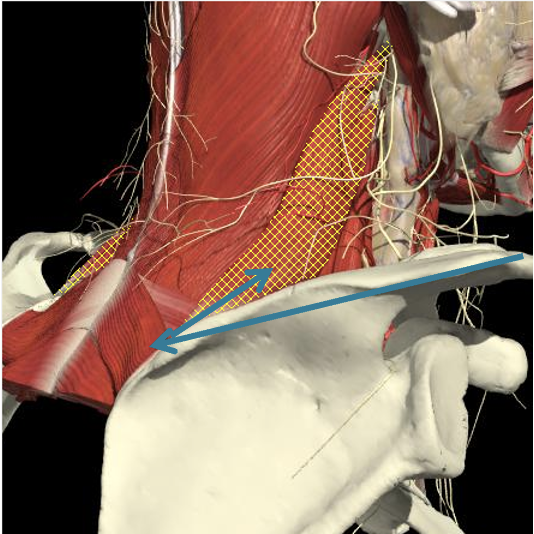
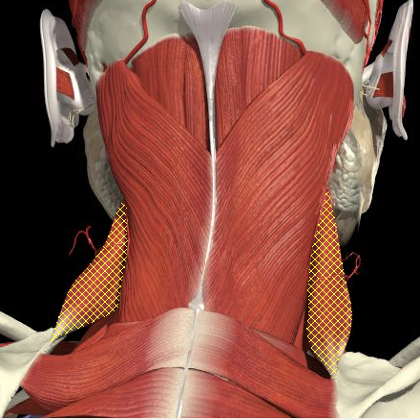
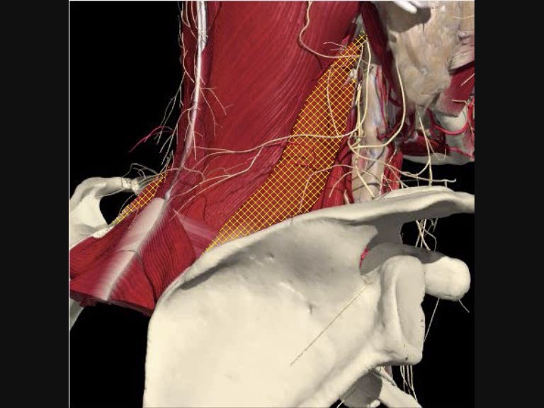
Posterior Surface Anatomy
- Line from acromium to midline and inferior
- Feel the edge of the spine
- Above and below is infra and supraspinatus fossae
- Follow spine to midline (T3 level)
- Above that along the medial border
Missing Video
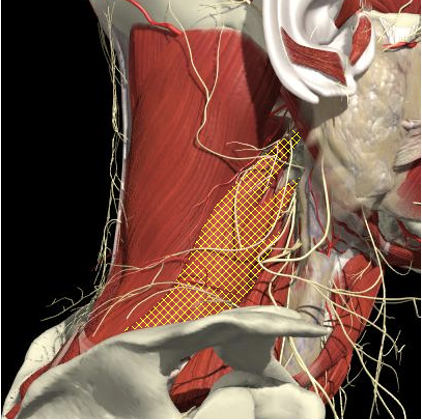
6. Line obliquely from there to transverse process of C1-4 (below and anterior to splenius capitus)
Levator Scapulae EMG
Cervical Dystonia
Anatomy
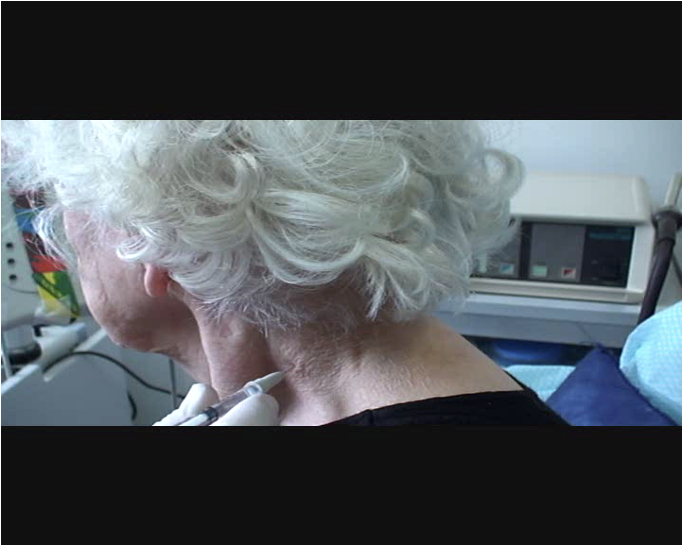
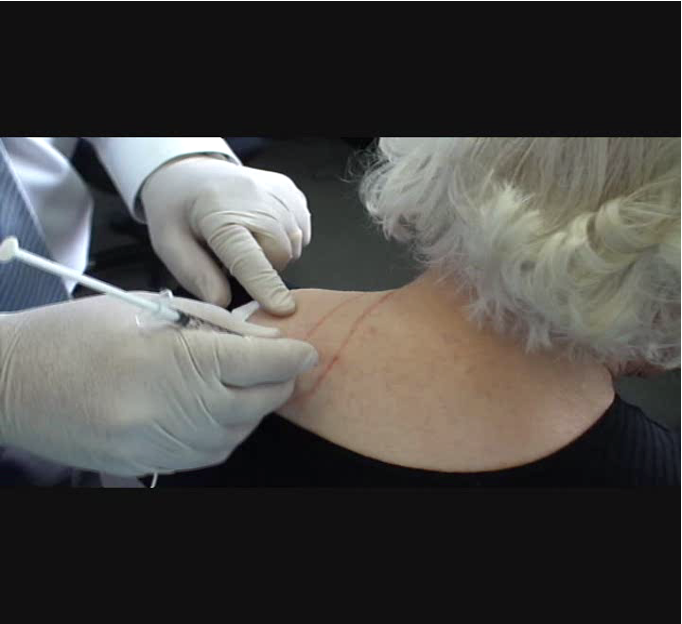
Missing Video
Missing Video
Splenius Capitis
Cervical Dystonia
Anatomy
Splenius capitis forms part of the floor of the posterior triangle of the neck, above and behind levator scapulae; it is deep to the rhomboideus and trapezius.
- Origin
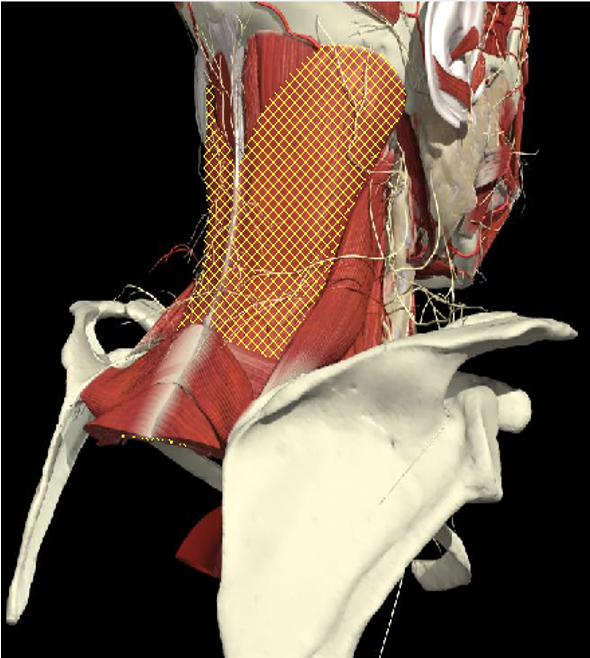
-
- It is attached proximally to the lower half of the ligamentum nuchae, spinous processes of C7 to T4 and intervening supraspinous ligaments.
- Insertion
-
- It is attached proximally to the lower half of the ligamentum nuchae, spinous processes of C7 to T4 and intervening supraspinous ligaments.
Splenius Capitis
Cervical Dystonia
Anatomy
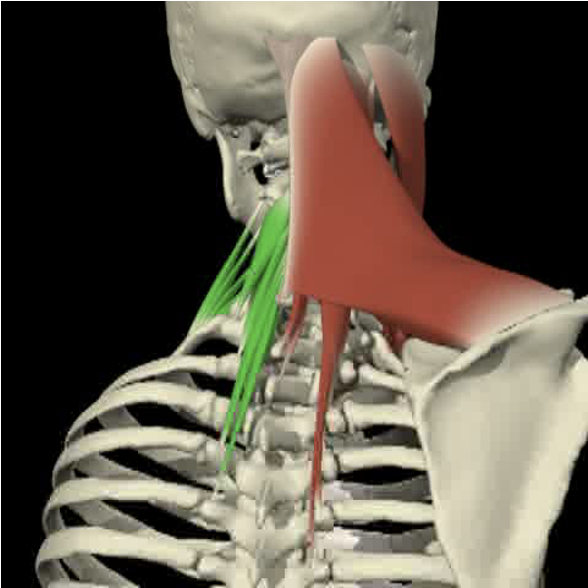
Action
- Individually
- Extends the head and neck, accompanied by lateral flexion of the neck and rotation of the face to the same side.
- Together
- Pure extension
Splenius Capitis/Cervicis
Cervical Dystonia
Anatomy
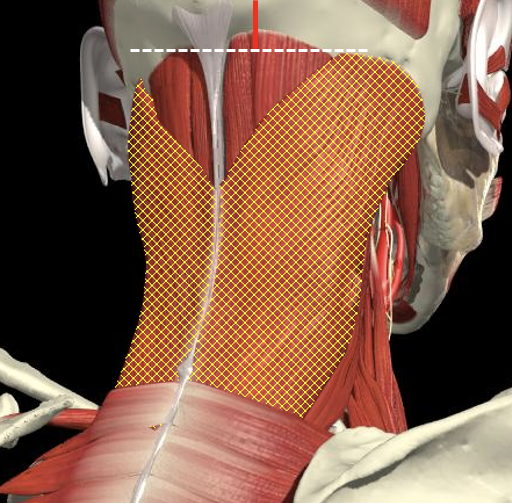
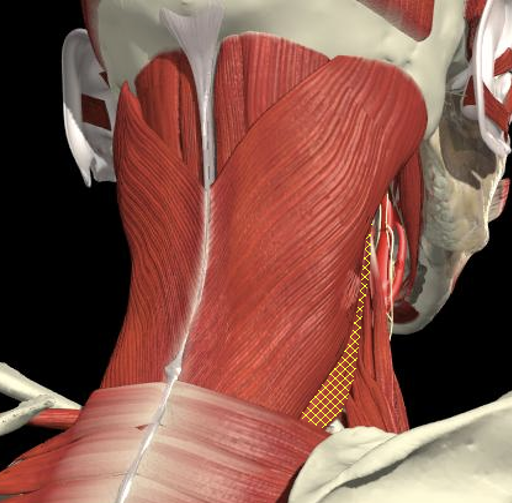
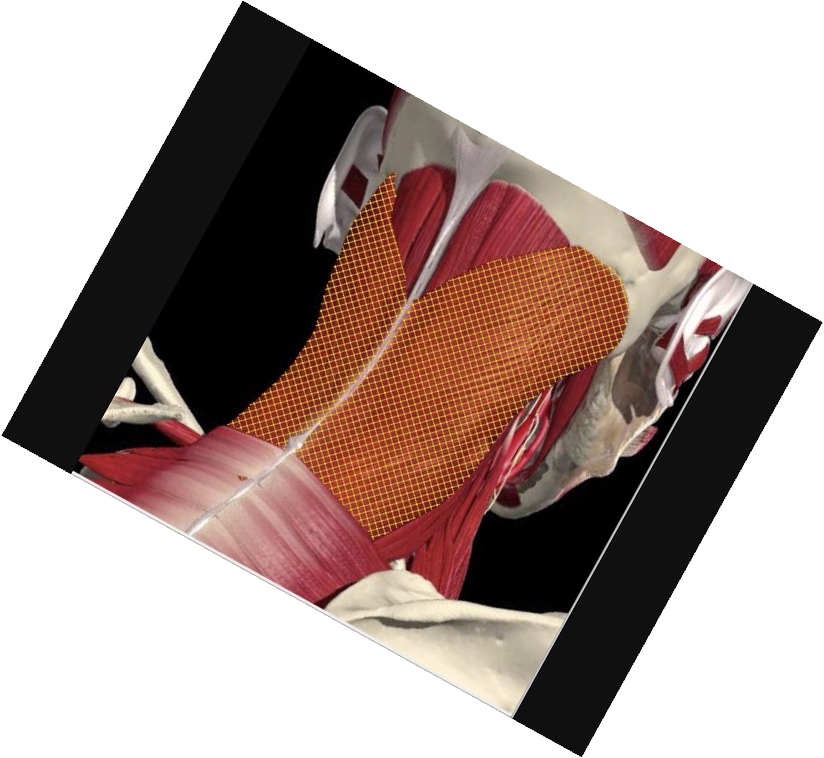
- Midway between the inion and mastoid process
- From the same attachment forward is SCM
- Runs obliquely to spinal processes of C7 to T3
- Cervicis runs lateral border and underneath capitus anterior to levator scapulae.
Surface Anatomy
Splenius EMG
Cervical Dystonia
Anatomy
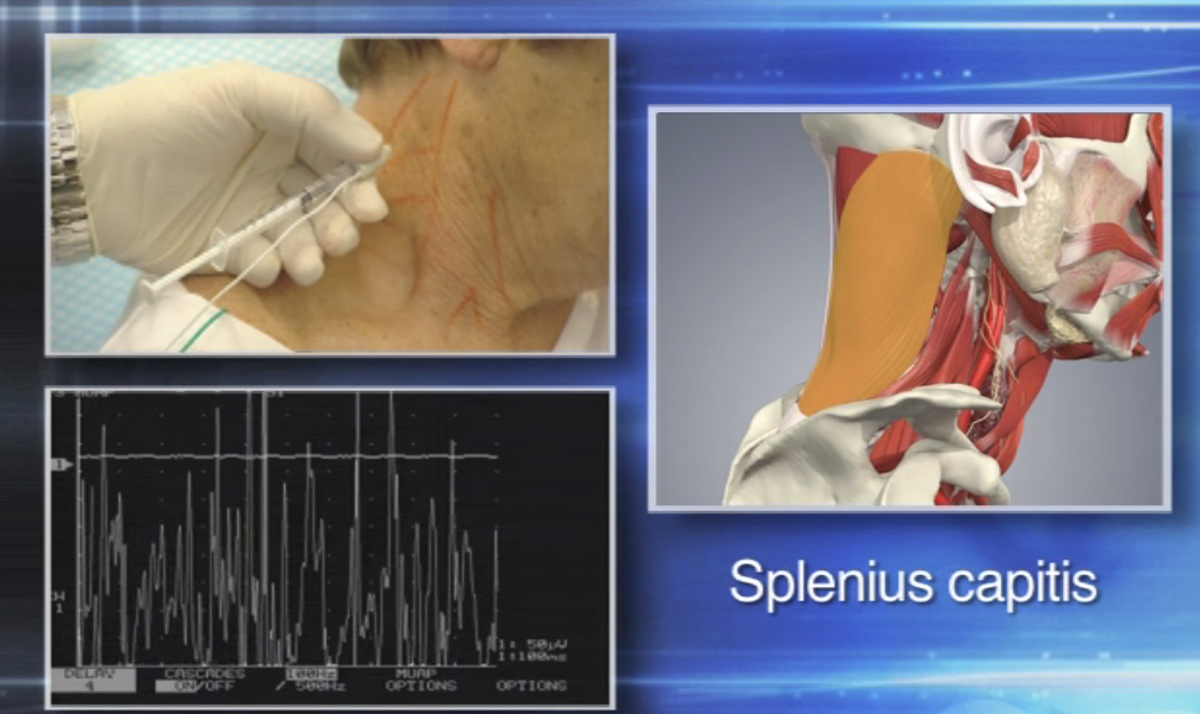
Missing Video
Sternomastoid
Cervical Dystonia
Anatomy
Unique Action
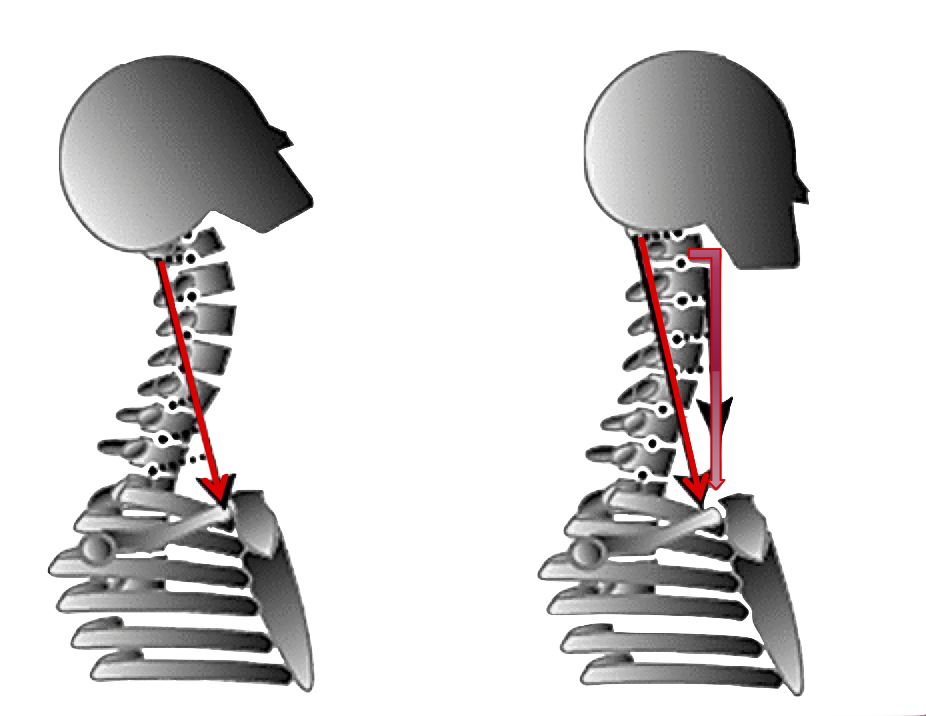
Extends the head and flexes neck when longus colli relaxed
Flexes head and cervical spine if deep flexors [longus colli] are contracted
Sub-Occipital Triangle
Cervical Dystonia
Anatomy
Obliquus Capitis
Rectus Capitis
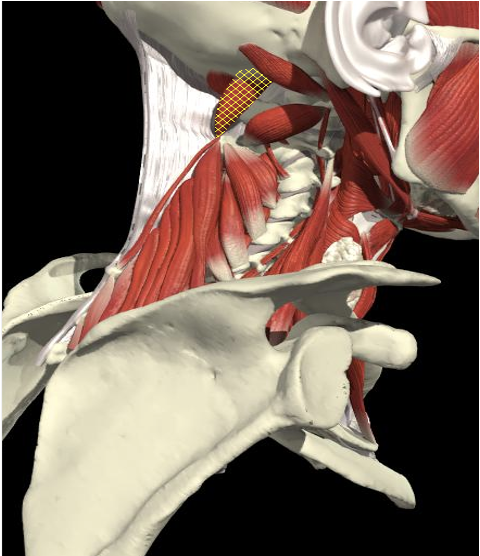
Sub-Occipital Triangle
Cervical Dystonia
Anatomy
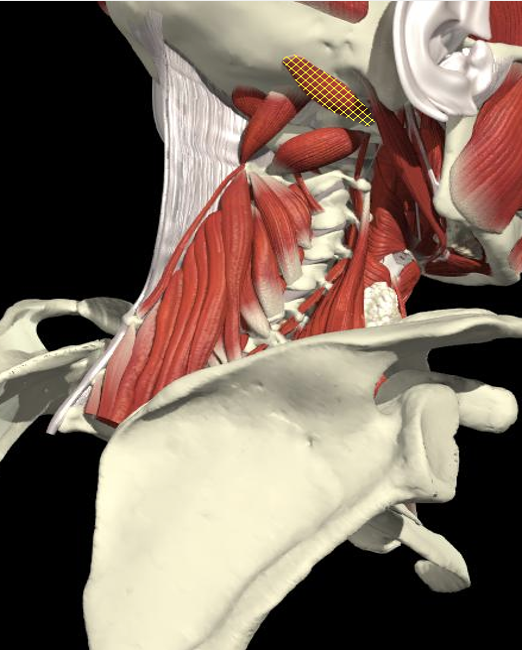
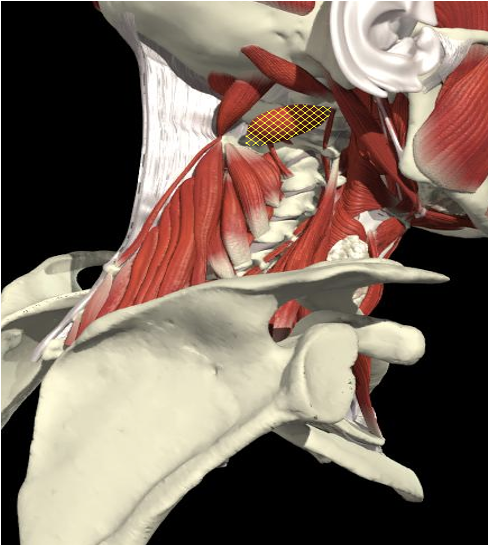
- Rectus capitis posterior major and the superior and inferior oblique muscles bound this anatomical region.
- Play a large role in the fine control of head movement.
- Involved in rotation of the head , extension or lateral flexion.
- Relations
- Vertebral Artery
- Greater Occipital nerve
Sub-Occipital Triangle
Cervical Dystonia
Anatomy
Triangle between C1 transverse process (below and behind mastoid), C2 and occiput.
Pass through Trapezius, Splenius capitus (more lateral) and semispinalis capitus (more medial) to reach it.
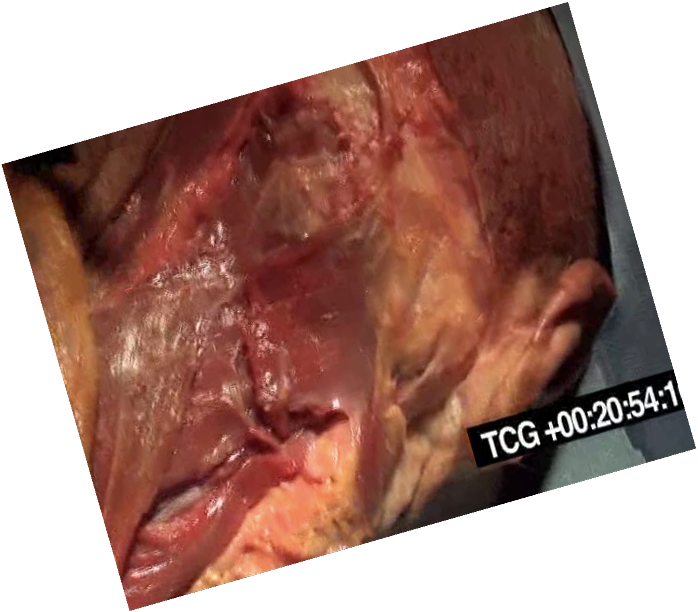
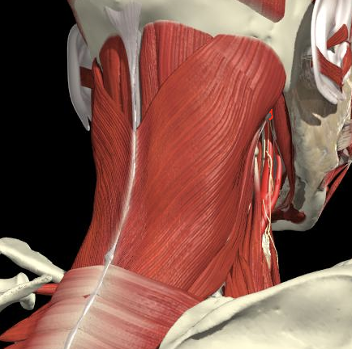
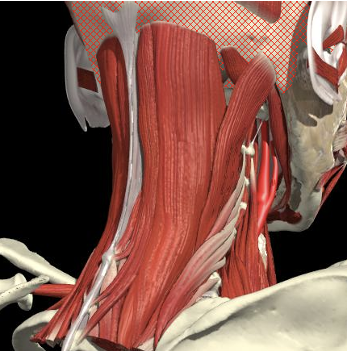
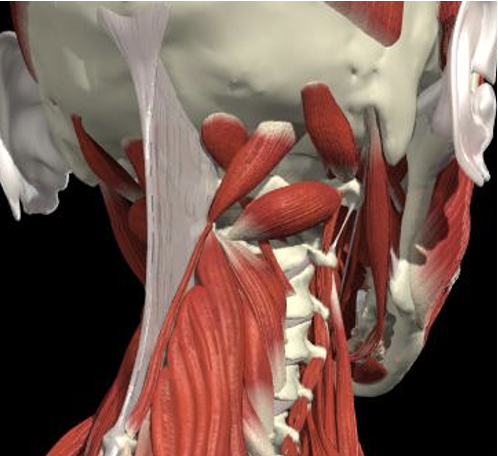
Splenius Capitis
Semispinalis
Rectus Minor Major
Obliquus Superior
Obliquus Inferior
Sub-Occipital Triangle
Cervical Dystonia
Anatomy
The C2 level is a plane 2.5 cm below the mastoid process
Midway between the posterior border of the sternocleidomastoid and the dorsal midline.
Depth of 3.0-3.5 cm.
Obliquus Capitis Superior
Rectus Capitis Major
Obliquus Capitis Inferior
Obliquus Capitis Inferior
Structures to Avoid
Cervical Dystonia
Anatomy
Brachial Plexus
- From the intervertebral foramina, the 5 roots of the brachial plexus exit above the transverse processes of the corresponding cervical vertebrae and traverse through the interscalene groove before entering the floor of the posterior triangle of the neck.
- The upper, middle and lower trunks are enclosed within the interscalene fascial sheath as they emerge between the scalene muscles.
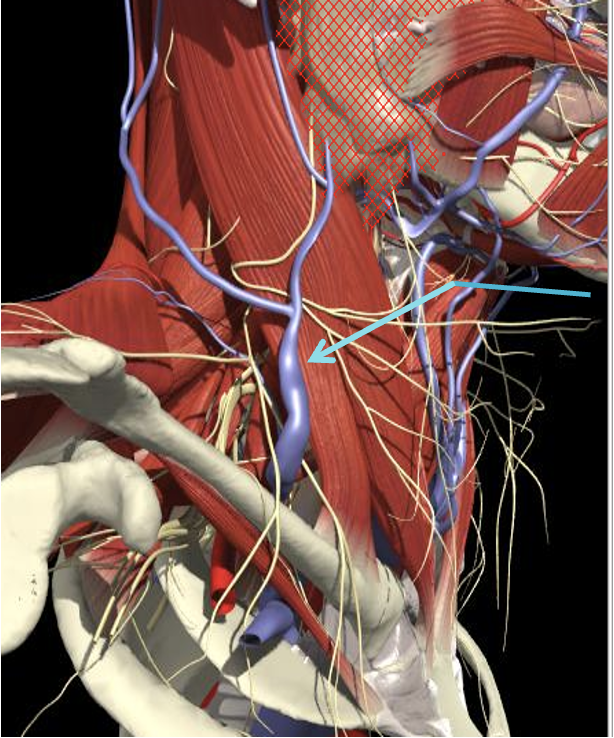
The Interscalene Groove
Cervical Dystonia
Anatomy
- The interscalene groove lies immediately behind the lateral border of the clavicular head of the sternocleidomastoid muscle at the level of the cricoid cartilage (C6)
- Approximately 1cm above the separation of the sternal and clavicular heads of the sternocleidomastoid muscle.
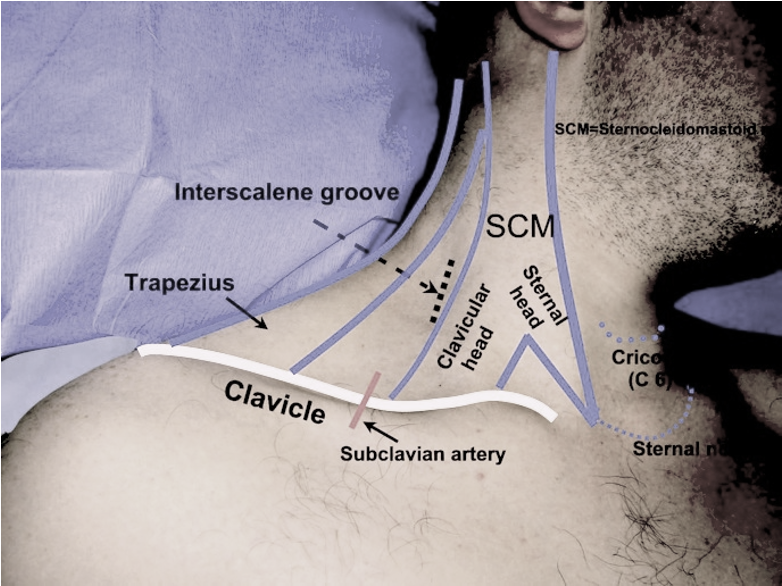
Structures to Avoid
Cervical Dystonia
Anatomy
Brachial Plexus
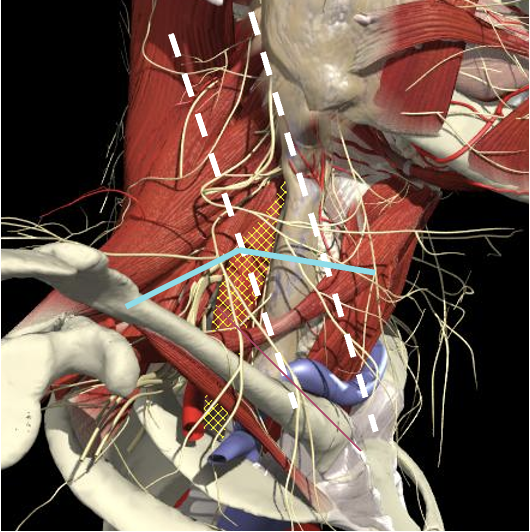
The BP lies inferior to a line from the posterior margin of the sternomastoid at the level of the cricoid cartilage to the midpoint of the clavicle
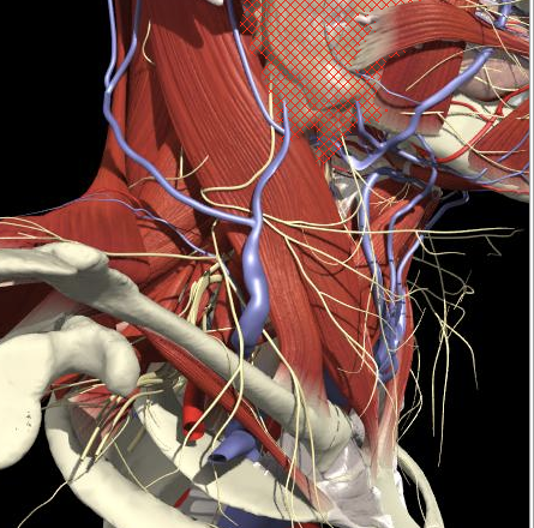
Structures to Avoid
Cervical Dystonia
Anatomy
Brachial Plexus
The BP lies inferior to a line from the posterior margin of the sternomastoid at the level of the cricoid cartilage to the midpoint of the clavicle. Scalenus medius is behind and above line.
Structures to Avoid
Cervical Dystonia
Anatomy
Interscalene Groove & Brachial Plexus
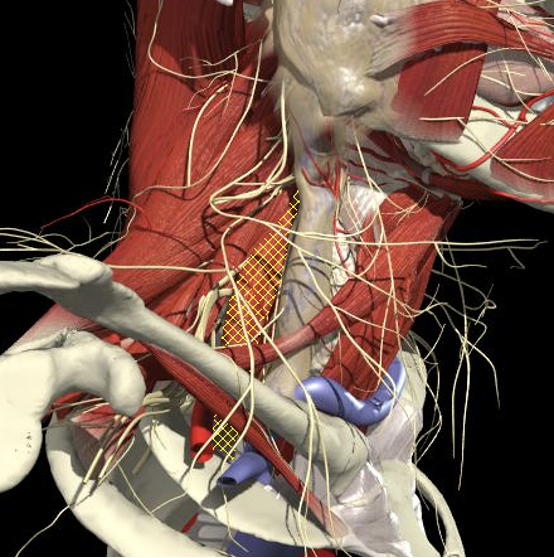
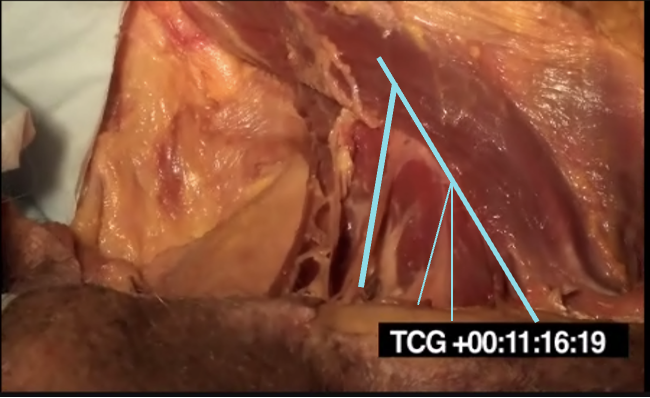
Interscalene groove
Structures to Avoid
Cervical Dystonia
Anatomy
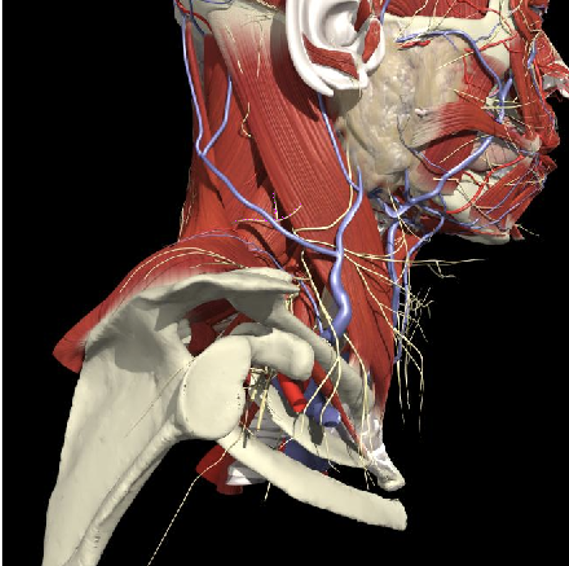
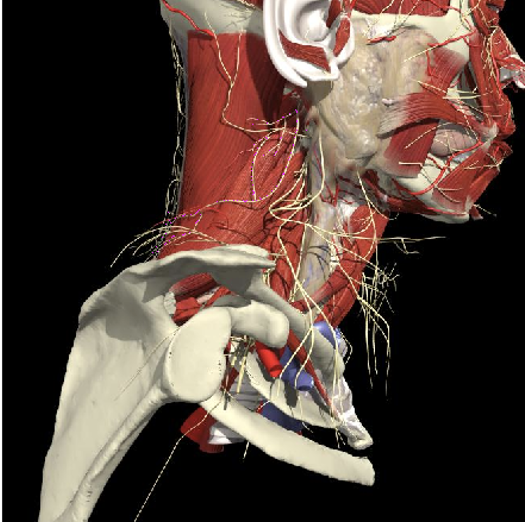
Nerves in Posterior Triangle
-
Accessory nerve
-
Lies on LS, enters 1cm cranial to EP posterior border of SCM and runs on line to between middle and lower third of trapezius.
-
-
Should inject splenius and levator over 1cm above EP
-
Cervical plexus cutaneous branches
-
Mid point of posterior border
-
Structures to Avoid
Cervical Dystonia
Anatomy
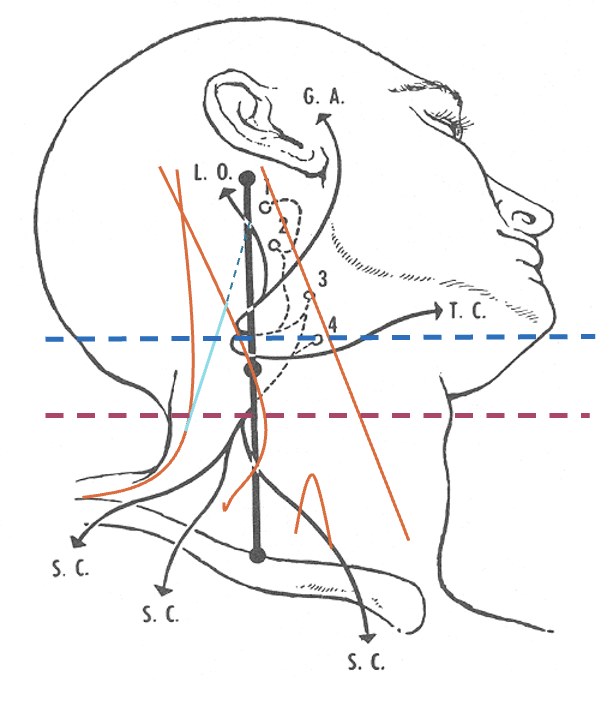
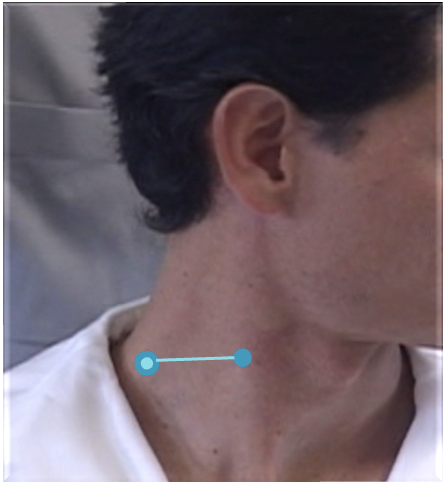
Nerves in Posterior Triangle
Accessory nerve
Inject levator above this point
Landmarks
Cervical plexus
Midpoint of SCM (EP)
Middle and lower third of Trapezius
Structures to Avoid
Cervical Dystonia
Anatomy
Arteries
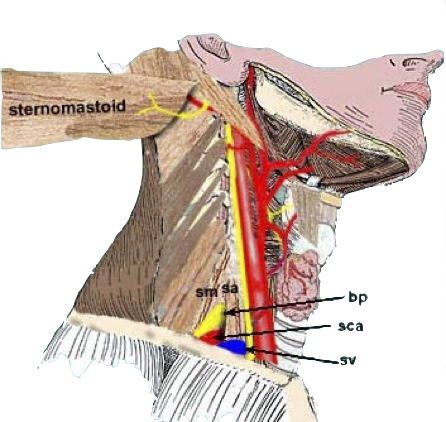
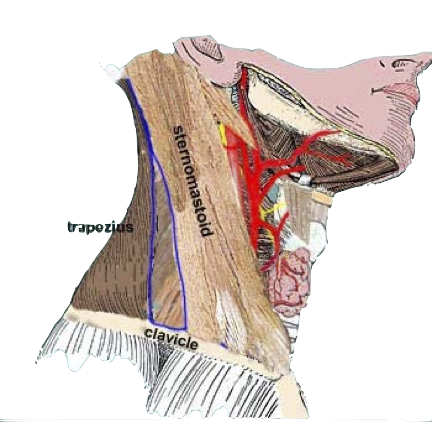
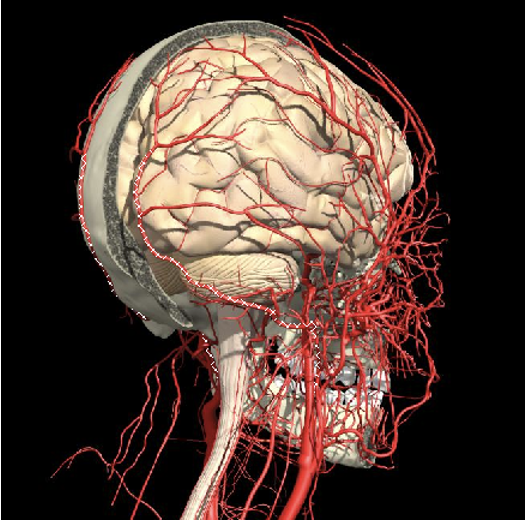
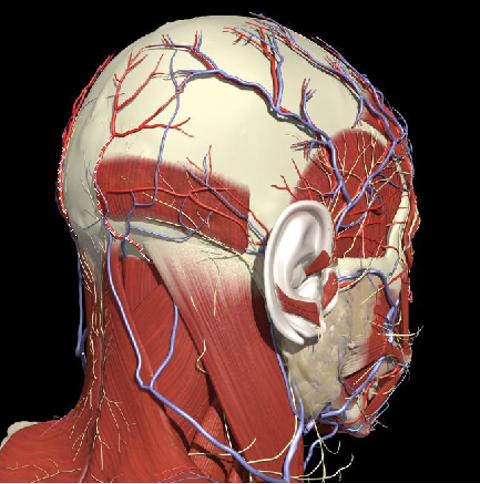
- Carotid artery
-
Midpoint anterior border of SCM
-
-
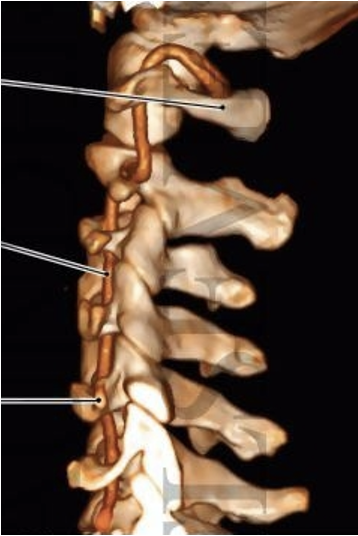
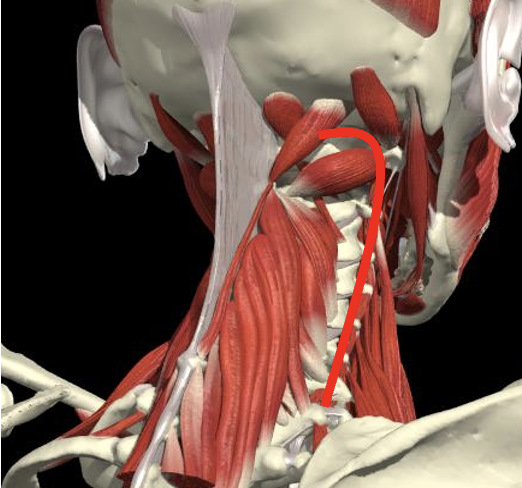
Vertebral artery
- Occipital bone or C2 towards midline is safe
-
Occipital artery
-
Avoid apex of posterior triangle
-
Structures to Avoid
Cervical Dystonia
Anatomy
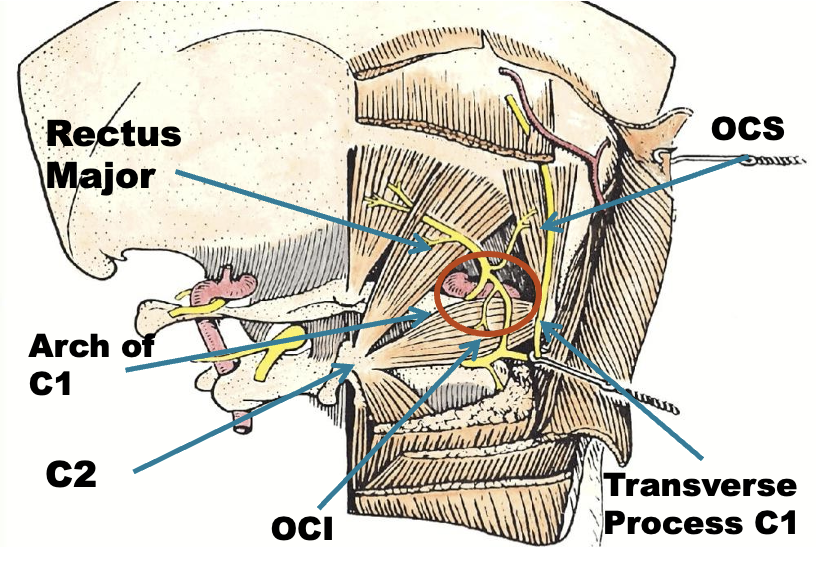
Vertebral Artery
Window between arch of C1 , superior oblique and rectus major
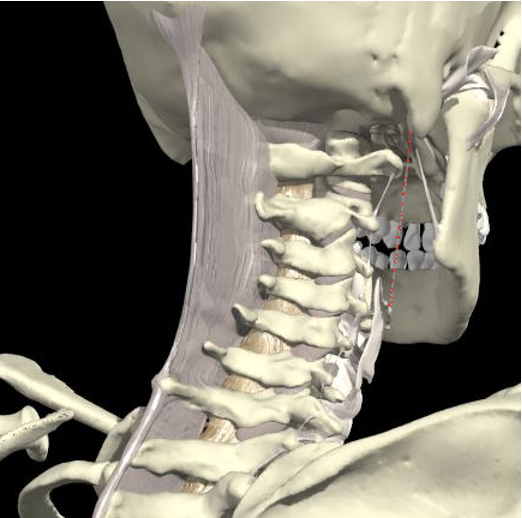
OCS
RC
C2
OCI
Transverse Process - C1
Arch of C1
Structures to Avoid
Cervical Dystonia
Anatomy
Vertebral Artery
Landmarks
CD_Anatomy
By Integra