Studying Unfinished Objects:
A Method for the Study of
Videogame Design (as Play)

James Manning
@jimaroonie
3 Questions
- What is my object of study?
- How do we study videogames?
-
How do we study videogames in the Network Age?
Videogames
Do Not
Exist
U.S. Games Industry
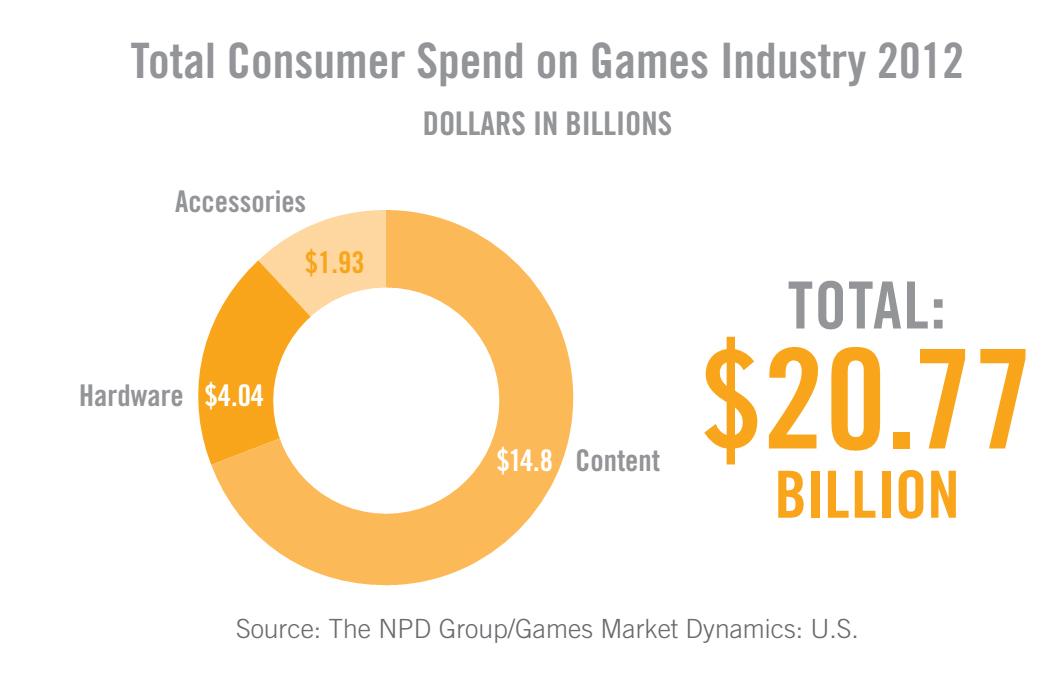
©2013 Entertainment Software Association www.theesa.com
Digital NZ 2014
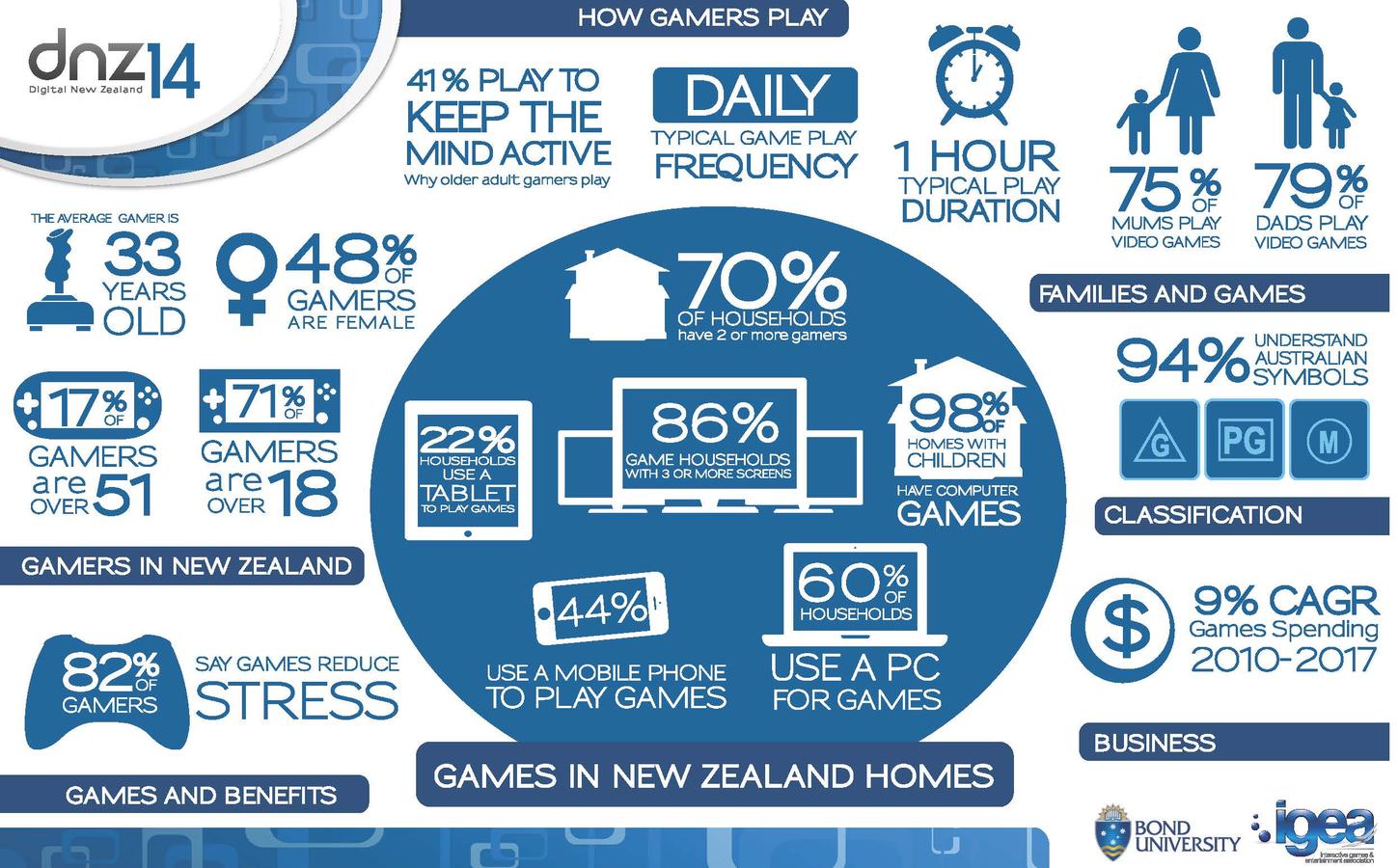
Interactive Games & Entertainment Association www.igea.net
XBox One Launch
22 Nov 2013 saw the biggest launch in Xbox history, with more than one million consoles sold worldwide (across 13 markets) in less than 24 hours:
-
60 million zombies have been killed in “Dead Rising 3”
-
3.6 million miles driven in “Forza Motorsport 5
”
-
7.1 million combos in “Killer Instinct”
-
8.5 million enemies defeated in “Ryse: Son of Rome”
1. What is my object of Study?
Considering little consensus between game scholars regarding what
videogames are.
(Notwithstanding when videogames are also.)
Second-order Design Problem
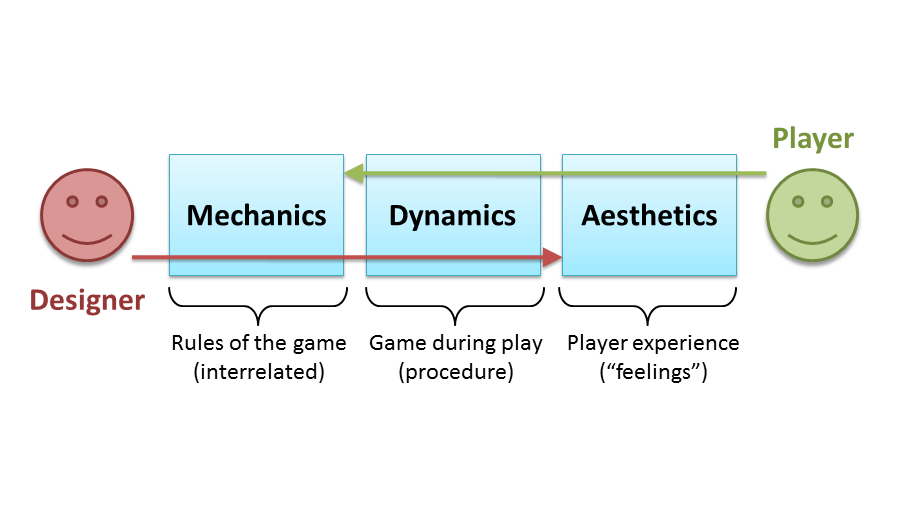
Hunicke, R. et al. (2004). MDA: A Formal Approach to Game Design and Game Research. http://www.cs.northwestern.edu/~hunicke/pubs/MDA.pdf
Game vs. Play
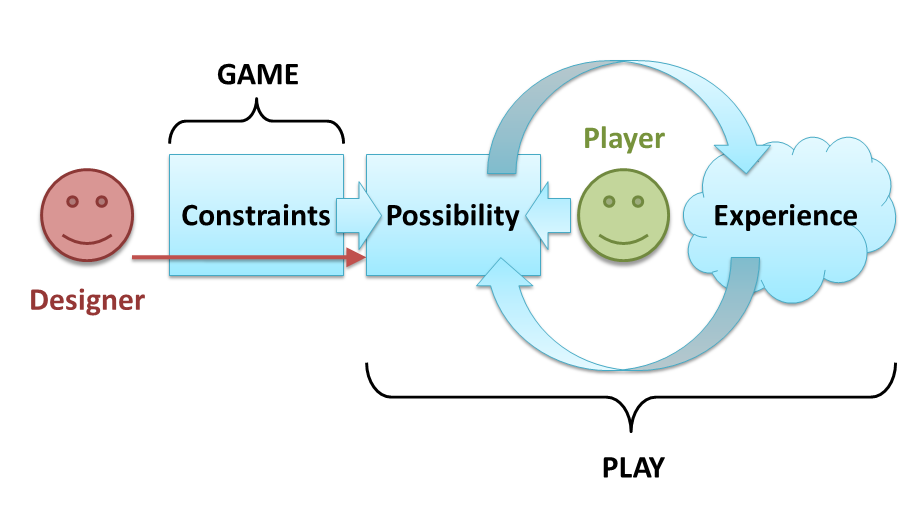
“Birmingham ScrewdriveR”

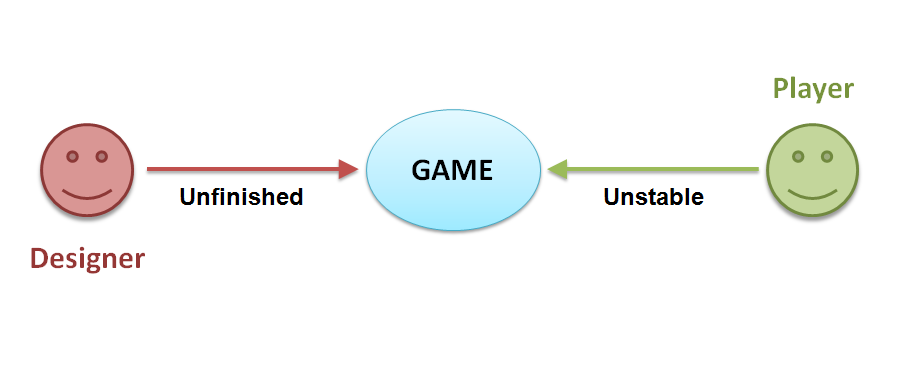
un-ness of Games
-
Unstable from a player's perspective
-
Unfinished from a designer's perspective
3 signs of instability
-
Versioning
-
Digital Distribution
-
Free-to-Play
1. VERSIONING
Angry Birds (Rovio 2009)
Original iOS version
updated 18 times within 15 months after first release
10 Dec 2009 - Version 1.0.0
18 Mar 2011 - Version 1.5.3
Xbox One, Day ONe Update
“There has always been a plan to have a day-one update of the software for Xbox One, that's [due to] the differences between the hardware manufacturing schedule and our software schedule.”
Marc Whitten, Xbox One chief product officer
2. Digital Distribution
Team Fortress 2 (Valve Corporation, 2007)
“Steam powered”
To date, 395 updates since release
including 26 major game-changers.
Team Fortress 2
Additional content including:
- New levels & Gameplay modes
- Weapons/Items (including hats)
- Community Store
- Trading
-
Free to Play
As of Dec 2011, “virtual hat” economy estimated ~$22m (Manwaring 2011)
3. Free-To-Play
Freemium Titles
“Pay-to-Win”
In-App Purchases (IAPs)
“In Feb. 2013, 76% of all Apple App Store revenue in the U.S. was generated using in-app purchases.”
3 Signs of unFinishedNess
-
Co-creative Media
-
Pre-release/Early access
-
Community
1. Co-Creative Media
“neither developers nor player creators can be solely responsible for production of the final assemblage regarded as ‘the game’, it requires input from both.”
Morris, S. (2003). WADs, Bots and Mods: Multiplayer FPS Games as Co-creative Media.
Little Big Planet
(Media Molecule 2008)
PLAY. CREATE. SHARE.™
Within 4 years since release;
7 million user generated levels
5,000 levels per day
200 an hour
3.7 every minute
5,000 levels per day
200 an hour
3.7 every minute
2. Pre-release/Early access
Minecraft (Mojang 2011)
17 May 2009 publicly released as a developmental alpha.
Prior to full release, Minecraft beta had surpassed
16 million users and 4 million sales.
3. Community
Popularised via social media channels.
One third of players learned about the game
via Internet videos (Tong 2011).
Kings Landing built by Reddit user pizzainacup and
100 other builders in just over 4 months.
Tong, Sophia (August 28, 2011). "Mining data from Minecraft". GameSpot. CBS Interactive.
Not so New?
Iterations
Video Arcades
Based around micro-transactions.
3-minute session per quarter.
Hacker Ethic
Hacker culture originated at MIT in the 1950s and 60s.
Attributed to Steven Levy (1984)
Hackers: Heroes of the Computer Revolution.
- Sharing/Openness
-
Decentralisation/Free access
- Hands-On/“Tinkering”
- Community and Collaboration
2. How do we study videogames?
Easy to identify 3 potential areas of study:
-
Modes of Production
-
Modes of Dissemination
-
Modes of Reception
1. Modes of Production
Roles of designers/developers
Organisational Structures
e.g. Customer Relationship Manager
2. Modes of Dissemination
Digital distribution models
Business models/economics
e.g. Kickstarter
3. Modes of Reception
“Prosumers”/Fan-based cultures
Let's Play videos
3 become 1
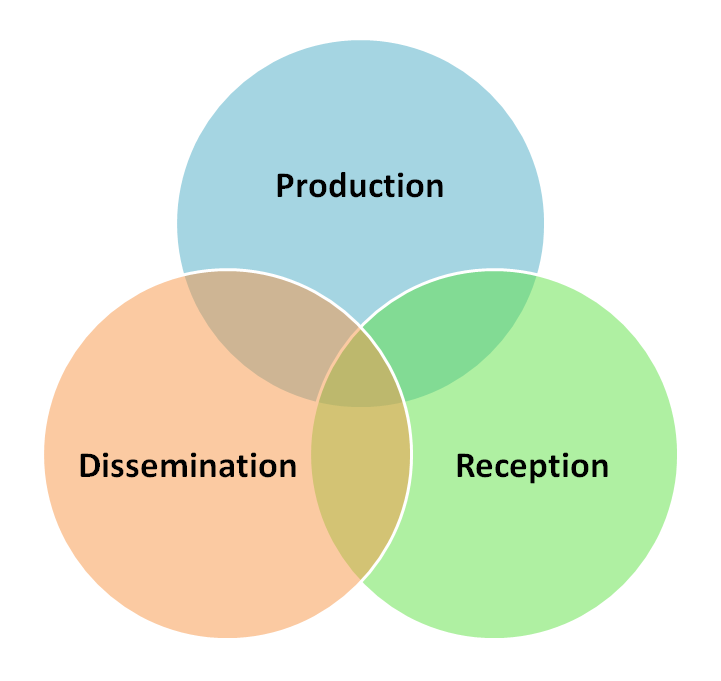
Design-Play Continuum
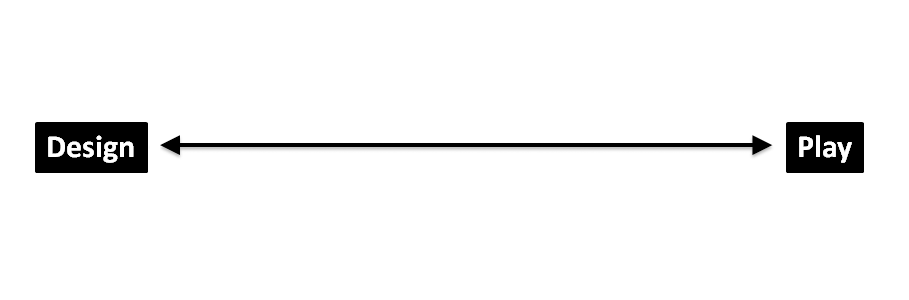
Game DEvelopment process
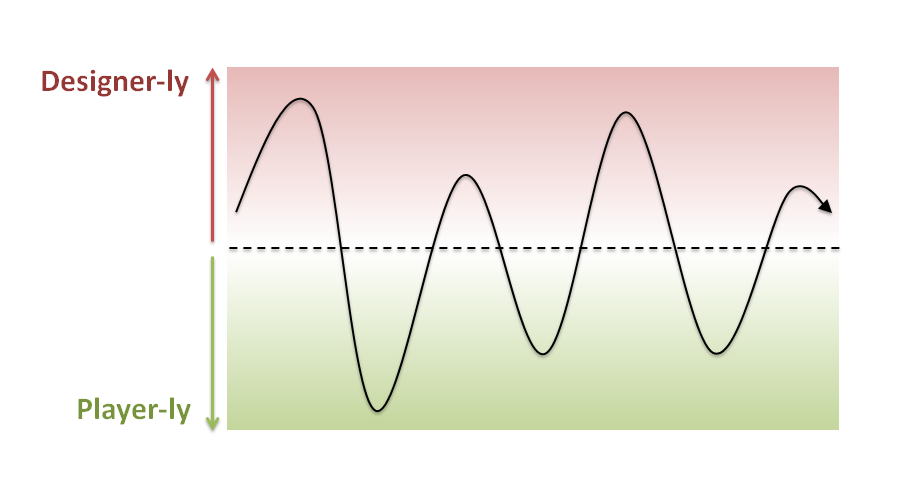
“DEsignerly” Play
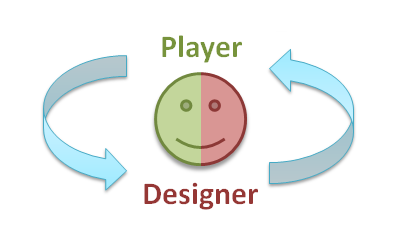
3. How do we study videogames...
...in the Network Age?
Entrepreneurial Learners
“Curiosity amplifiers.”
“Networks of imagination.”
“Amplify our ability through emergent collective action.”
John Seely Brown (2012) Cultivating the Entrepreneurial Learner in the 21st Century.
(Photo credit: John Tlumacki/The Boston Globe via Getty Images)
Playing out loud
“Blogging is therefore to writing what extreme sports are to athletics: more free-form, more accident-prone, less formal, more alive. It is, in many ways, writing out loud.”
Andrew Sullivan (2008)
“[The Blogger] is—more than any writer of the past—a node among other nodes, connected but unfinished without the links and the comments and the track-backs that make the blogosphere, at its best, a conversation, rather than a production.”
“Jazz merely demands a different way of playing and listening, just as blogging requires a different mode of writing and reading. Jazz and blogging are intimate, improvisational, and individual—but also inherently collective. And the audience talks over both.”
Question
“Given the instability of videogames, coupled with the evident blurring between production methods and audience engagement (designer as player, player as designer), how do we propose to best record and analyse the multitude of disparate modes, means, and methods surrounding the making of—and playing of—videogames?”
TL;DR
“How do we study videogame design (as play)?”
Thank you!
James Manning
@jimaroonie
How to Study Unfinished Objects
By jimaroonie